
The Longevity of Lava: LongTerm Preservation Tips for Volcano Rock Collections

Welcome to Volcano Explorers!
Ever wondered how to safeguard a piece of Earth's fiery heart? Dive into the fascinating world of preserving volcano rock collections and unlock the secrets to ensuring your geological treasures withstand the test of time. But what are the unseen threats lurking within these seemingly inert stones, and how can you combat them? Explore further to uncover the answers!
Introduction: Protecting Your Volcanic Treasures
Volcanic rocks, born from the Earth's fiery depths, are captivating reminders of our planet's dynamic processes. For enthusiasts and collectors, these specimens are more than just rocks; they are tangible pieces of geological history, each with a story of eruption and transformation etched into its very structure.
Preserving volcano rock collections is crucial to ensure these geological narratives endure for generations. Whether you've amassed a modest assortment from local volcanic fields or a diverse collection spanning different eruptions and regions, understanding the principles of preservation is paramount to safeguarding your investment and the inherent scientific and aesthetic value of these unique pieces.
Just as museums meticulously care for their artifacts, collectors of volcano rocks must adopt proactive preservation strategies. Neglecting proper care can lead to irreversible damage, diminishing the integrity and beauty of your specimens. Environmental factors, handling practices, and inherent vulnerabilities within the rock itself can contribute to deterioration over time. This article will serve as your comprehensive guide to preserving volcano rock collections, providing practical advice and techniques to maintain the integrity and visual appeal of your volcanic treasures for years to come.
Understanding Your Volcano Rock Collection: Identifying Preservation Needs
Before embarking on any preservation efforts, it's essential to understand the diverse nature of volcano rock collections. Volcanic rocks are not a monolithic entity; they encompass a wide array of types, each with unique mineral compositions and formation processes that dictate their specific preservation needs.
For instance, obsidian, a volcanic glass, while seemingly robust, can be susceptible to hydration over very long periods, leading to a phenomenon known as obsidian hydration dating, which, while useful for archaeologists, is something to consider for long-term preservation. Pumice, on the other hand, is incredibly porous and fragile, requiring gentler handling and protection from physical abrasion.
Basalt, a common extrusive igneous rock, and andesite, another volcanic rock often found in stratovolcanoes, exhibit varying degrees of porosity and mineral stability. Some volcanic rocks might contain minerals that are sensitive to humidity or light, leading to discoloration or degradation. For example, some zeolites found in volcanic vesicles can be affected by prolonged exposure to bright light. Therefore, accurately identifying the types of rocks within your collection is the first step in tailoring your preservation approach. Understanding whether you have samples of rhyolite, scoria, tuff, or volcanic breccia, will inform your choices regarding cleaning, sealing, and storage.
Assessing Existing Damage: Before You Start Preserving
A thorough assessment of your volcano rock collection is a critical preliminary step before implementing any preservation techniques. Carefully examine each specimen for signs of existing damage, as this will influence the preservation methods you choose and the urgency of your actions. Common types of damage in volcano rock collections include surface dirt and dust accumulation, which is often superficial but can obscure the rock's features and potentially attract moisture. More concerning are cracks, fractures, and crumbling, which indicate structural weakness and can worsen over time if not addressed.
Look closely for signs of mineral alteration or decay. Some volcanic rocks, especially those containing certain minerals, can be susceptible to weathering or chemical reactions with air pollutants. This might manifest as discoloration, powdery surfaces, or the appearance of new mineral growths.
For instance, pyrite, sometimes found in volcanic rocks, can oxidize and form sulfuric acid, which can damage the surrounding rock matrix. Note any pre-existing repairs or consolidations that might have been done previously. Understanding the history of your specimens, including any past preservation attempts, will help you make informed decisions about current and future care when preserving volcano rock collections.
Essential Tools & Products for Preserving Volcano Rocks
Preserving volcano rock collections effectively requires a selection of appropriate tools and products. Fortunately, many of these are readily accessible and affordable. For basic cleaning, soft brushes of varying sizes are essential for gently removing dust and loose debris from rock surfaces and crevices. Microfiber cloths are ideal for wiping surfaces without scratching delicate specimens. Distilled water is the preferred cleaning agent for most volcanic rocks, as tap water can contain minerals or chemicals that could potentially react with or deposit on the rock surface.
For more advanced cleaning or consolidation, specialized products may be necessary. For instance, if you need to remove stubborn dirt or algae, a very diluted solution of mild, pH-neutral soap can be used, but always tested on an inconspicuous area first. For consolidation of fragile or crumbling specimens, specialized consolidants designed for geological materials, such as acrylic resins like Paraloid B-72, diluted in a suitable solvent like acetone, are often employed.
These consolidants penetrate the porous rock matrix, strengthening it from within. Always ensure proper ventilation and follow safety precautions when using chemical products. Labeling materials like archival-quality paper and acid-free pens are also crucial for maintaining provenance information and organizing your collection.
Cleaning Your Volcanic Rocks: Gentle Methods for Removing Dirt & Debris
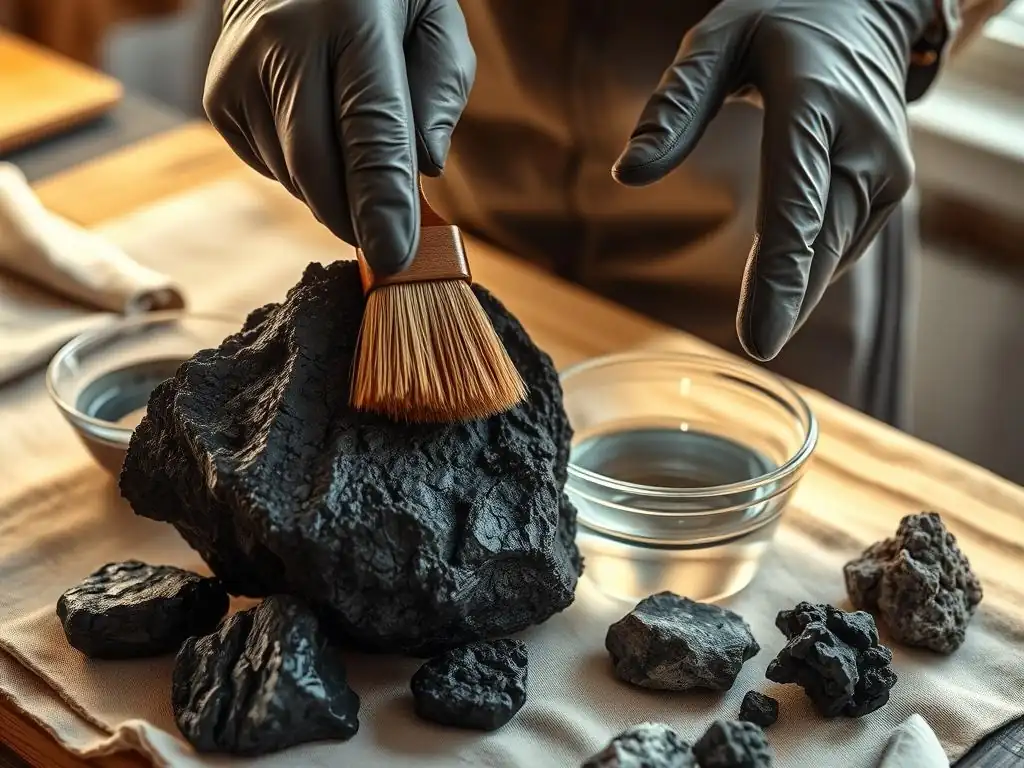
Cleaning volcano rocks is a fundamental aspect of their preservation, but it must be approached with gentleness and caution to avoid causing damage. The primary goal of cleaning is to remove surface dirt, dust, and any loose particles that may obscure the rock's features or contribute to deterioration. Begin with the least aggressive methods. Start by using a soft, dry brush to gently sweep away loose dust and debris. Pay attention to crevices and textured surfaces where dirt can accumulate. For more stubborn dust, try using compressed air to blow it away, especially from porous rocks like pumice.
If dry brushing is insufficient, proceed to damp cleaning using distilled water and a soft cloth or sponge. Lightly dampen the cloth – avoid soaking the rock, especially if it's porous. Gently wipe the surface, working in small sections. For rocks with intricate textures, a soft toothbrush or cotton swabs dampened with distilled water can be used to reach into crevices.
Avoid using harsh chemicals, abrasive cleaners, or ultrasonic cleaners, as these can damage the rock matrix or alter its surface. After cleaning, allow the rocks to air dry completely in a well-ventilated area before storing or displaying them. Proper drying is essential to prevent moisture entrapment, which can lead to mold growth or mineral alteration.
Sealing and Protecting: Creating a Protective Barrier
Sealing volcanic rocks is a more advanced preservation technique aimed at creating a protective barrier against environmental factors and physical damage. Sealing is not always necessary or advisable for all volcanic rocks and should be considered carefully based on the rock type, its condition, and the intended display environment. For porous rocks like pumice or scoria, or for specimens that are particularly fragile or susceptible to crumbling, sealing can offer significant protection. Sealants work by penetrating the surface pores and creating a consolidative layer, strengthening the rock and reducing its porosity.
Acrylic resins, such as Paraloid B-72, diluted in a solvent, are commonly used sealants in conservation. When applied correctly, they create a transparent, durable, and reversible protective layer. The reversibility is a crucial aspect of conservation, as it allows for future treatments or removal if necessary. Application methods vary, but typically involve brushing or dipping the rock in a diluted sealant solution.
Multiple thin coats are generally preferred over a single thick coat to ensure even penetration and minimize surface gloss. Always test the sealant on an inconspicuous area of the rock first to ensure it doesn't alter the appearance undesirably. Ensure proper ventilation and follow safety guidelines when working with solvents and sealants.
Displaying Your Collection: Safe and Aesthetically Pleasing Options
Displaying your volcano rock collection not only allows you to appreciate their beauty but also contributes to their long-term preservation when done correctly. Safe and aesthetically pleasing display options prioritize stability, protection from physical damage, and controlled environmental conditions. Individual specimen boxes or trays lined with inert materials like acid-free foam or archival-quality tissue paper are excellent for protecting individual rocks from abrasion and impact. Clear acrylic display cases offer protection from dust and curious hands while allowing for unobstructed viewing.
For larger collections or display purposes, consider using shelves or cabinets made of stable, non-reactive materials like wood or metal. Avoid using materials that might off-gas harmful chemicals or contribute to humidity fluctuations. Arrange specimens with adequate spacing to prevent them from knocking against each other.
Consider using custom-made mounts or stands for particularly valuable or fragile pieces to provide extra stability and highlight their features. Labeling each specimen with its name, location of origin, and date of collection on archival-quality labels adds educational value and aids in organization. Think about the overall aesthetic of your display, grouping rocks by type, eruption, or region to create visually engaging and informative arrangements that enhance the appreciation of your volcano rock collections.
- Introduction: Protecting Your Volcanic Treasures
- Understanding Your Volcano Rock Collection: Identifying Preservation Needs
- Assessing Existing Damage: Before You Start Preserving
- Essential Tools & Products for Preserving Volcano Rocks
- Cleaning Your Volcanic Rocks: Gentle Methods for Removing Dirt & Debris
- Sealing and Protecting: Creating a Protective Barrier
- Displaying Your Collection: Safe and Aesthetically Pleasing Options
- How can I best protect my volcano rock collection from physical damage?
- What are the main environmental factors that can degrade volcano rocks, and how do I mitigate them?
- Are there any specific cleaning methods recommended for preserving volcano rock samples?
- How should I document my volcano rock collection to ensure its long-term value and scientific usefulness?
- What steps can I take to prevent the discoloration or alteration of colors in my volcano rocks over time?
Advanced Preservation Techniques for Serious Collectors
Consolidation: Strengthening Weak or Crumbling Specimens
For serious collectors dealing with particularly fragile or crumbling volcanic rock specimens, consolidation becomes an essential advanced preservation technique. Consolidation aims to strengthen the internal structure of weakened rocks, preventing further deterioration and ensuring their long-term stability. This is particularly relevant for porous rocks like pumice or tuff that may have become weakened over time due to weathering or inherent fragility. Consolidation involves impregnating the rock matrix with a consolidant material that binds the loose particles together.
Paraloid B-72, mentioned earlier as a sealant, is also a widely used consolidant in conservation. When used for consolidation, it is typically applied in a more diluted solution and may require multiple applications to achieve the desired level of strengthening. The application method often involves dripping or brushing the consolidant onto the rock, allowing it to be absorbed into the porous structure.
For severely deteriorated specimens, vacuum impregnation techniques, performed by professional conservators, can be employed to ensure deep and even penetration of the consolidant. The choice of consolidant and application method depends on the specific rock type, the extent of deterioration, and the desired outcome. Consolidation should be undertaken with careful consideration and, if possible, after consulting with a professional conservator, especially for very valuable or scientifically significant specimens.
Repairing Cracks and Fractures: Mending Broken Pieces
Accidental damage can happen even with the most careful handling, resulting in cracks or fractures in volcano rock specimens. Repairing cracks and fractures is another advanced preservation technique that can restore the structural integrity and aesthetic appearance of damaged rocks. The goal of repair is to rejoin broken pieces in a stable and minimally invasive manner, ideally using reversible adhesives. For minor cracks, consolidants like Paraloid B-72 can sometimes be sufficient to stabilize the fracture and prevent further propagation.
For more significant breaks, specialized adhesives designed for geological materials are used. These adhesives should be chemically stable, have good bonding strength, and ideally be reversible or removable if future treatments are needed. Epoxy resins and acrylic adhesives are commonly used, but the specific choice depends on the rock type and the nature of the break.
The repair process typically involves carefully cleaning the fractured surfaces, aligning the pieces precisely, and applying the adhesive sparingly. Excess adhesive should be removed immediately, and the repaired rock should be supported during the curing process to ensure a strong and stable bond. For complex breaks or valuable specimens, seeking professional conservation expertise is highly recommended to ensure the repair is carried out correctly and does not cause further damage.
Maintaining Your Collection: Regular Inspections and Preventative Care
Routine Checks: Identifying Problems Early
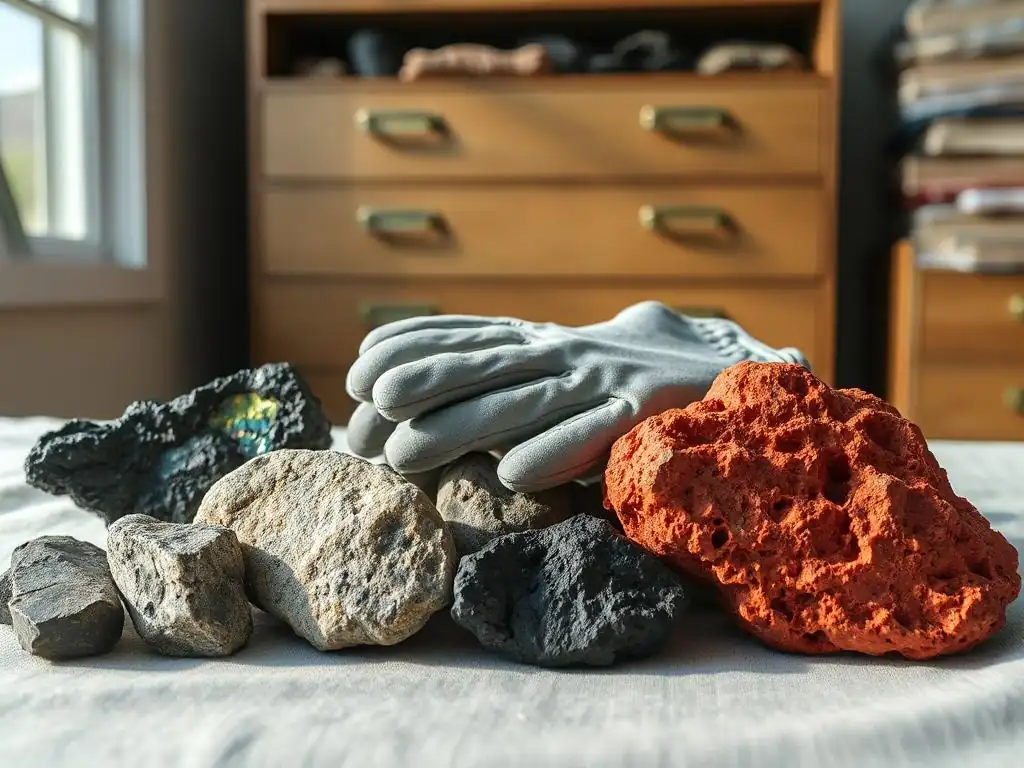
Maintaining a volcano rock collection is an ongoing process that extends beyond initial preservation treatments. Regular inspections are crucial for identifying potential problems early, before they escalate and cause significant damage. Establish a routine schedule, perhaps monthly or quarterly, to examine each specimen in your collection. During these routine checks, look for any new signs of damage, such as fresh cracks, increased crumbling, or changes in color or surface texture. Pay attention to dust accumulation and clean as needed, using gentle methods.
Check the stability of your display environment. Are the specimens still securely positioned? Are there any signs of pest activity, such as insect droppings or webbing, which could indicate a potential threat to your collection? Record your observations in a collection log or database. Documenting the condition of your specimens over time allows you to track any changes and identify patterns of deterioration. Early detection of problems allows for timely intervention, preventing minor issues from becoming major preservation challenges. Routine checks are a proactive and essential component of preserving volcano rock collections effectively and ensuring their long-term survival.
Environmental Control: Creating a Stable Environment
Environmental control is paramount for the long-term preservation of volcano rock collections. Fluctuations in temperature and humidity, exposure to light, and air pollution can all contribute to the deterioration of geological specimens. Ideally, store your collection in a stable environment with moderate temperature and humidity levels. Avoid extreme temperature swings and high humidity, which can promote mineral alteration and salt efflorescence on some volcanic rocks. A relative humidity range of 40-60% and a temperature range of 65-75°F (18-24°C) are generally considered suitable for mineral collections.
Protect your collection from direct sunlight and strong artificial light, as prolonged exposure can cause fading or discoloration in some minerals. UV-filtering films on windows or UV-protective display cases can help mitigate light damage. Minimize exposure to air pollutants, such as dust, sulfur dioxide, and nitrogen oxides, which can react with rock surfaces and contribute to deterioration. Regular dusting and using air purifiers can help reduce air pollution levels.
Monitor the environment using a hygrometer and thermometer to track temperature and humidity. Consider using desiccants in enclosed display cases to maintain low humidity levels if necessary. Creating a stable and controlled environment is a fundamental aspect of preventative conservation, significantly extending the lifespan of your treasured volcano rock collections.
Conclusion: Ensuring the Legacy of Your Volcanic Treasures
Preserving volcano rock collections is an act of stewardship, ensuring that these tangible links to Earth's geological processes endure for future generations. By understanding the unique needs of your specimens, implementing appropriate cleaning and preservation techniques, and maintaining a stable environment, you are actively contributing to the legacy of these volcanic treasures.
The time and effort invested in preserving volcano rock collections are rewarded by the continued enjoyment of their beauty, the preservation of their scientific value, and the satisfaction of knowing you are safeguarding a piece of our planet's dynamic history. Through diligent care and informed preservation practices, your collection will stand as a testament to the power and artistry of nature, inspiring awe and wonder for years to come.
Frequently Asked Questions
How can I best protect my volcano rock collection from physical damage?
Protect your volcano rock collection by storing samples individually in padded containers or trays. Avoid stacking them directly on top of each other to prevent scratches and breakage. Handle them with care, and consider using gloves to avoid transferring oils from your skin.
What are the main environmental factors that can degrade volcano rocks, and how do I mitigate them?
Environmental factors like humidity, temperature fluctuations, and exposure to sunlight can damage volcano rocks. Store your collection in a stable environment with controlled humidity and out of direct sunlight to minimize weathering.
Are there any specific cleaning methods recommended for preserving volcano rock samples?
Avoid harsh chemicals or abrasive cleaners. Gently dust your volcano rocks with a soft brush or use a damp cloth for light cleaning. For stubborn dirt, use distilled water and a mild soap, but always rinse thoroughly and allow to dry completely.
How should I document my volcano rock collection to ensure its long-term value and scientific usefulness?
Thorough documentation is crucial. Create a detailed catalog including the sample's origin (location, date collected), rock type, and any other relevant information. Use acid-free paper and archival-quality ink for labels and records.
What steps can I take to prevent the discoloration or alteration of colors in my volcano rocks over time?
Limit exposure to UV light, which can fade colors. Seal the rocks with a UV-resistant sealant specifically designed for geological specimens. Store them in dark, airtight containers when not on display to minimize exposure.
Final Reflection: Echoes of Eruption, Whispers of Time
The enduring nature of volcanic rock, as we've explored, is a testament to the raw power and patient artistry of the earth. Understanding the principles of preservation allows us to not only safeguard these geological treasures but also to connect with the planet's fiery past in a tangible way. The tips and techniques discussed are not merely about maintaining a collection; they are about preserving a legacy, a story etched in stone.
The act of preserving volcano rock collections transcends simple hobbyism; it becomes an act of stewardship, ensuring that future generations can marvel at these solidified moments of geological history. This connection to the past, to the forces that shaped our world, is profoundly important, fostering a deeper understanding and appreciation for the planet we inhabit. We are all stardust brought to life, then empowered by the cosmos to figure itself out – and we have only just begun.
- Neil deGrasse Tyson. This quote resonates deeply, reminding us that even in seemingly inert rock, there is a vibrant history waiting to be uncovered and protected.
Now, armed with the knowledge of how to properly care for your volcanic rock collection, I invite you to reflect on the power of preservation. Consider the stories these rocks hold, the journeys they've undertaken from the molten depths to your hands. Let this understanding inspire you to not only maintain your collection but to share its beauty and significance with others, ensuring that the echoes of eruption continue to resonate for generations to come.
Unearth the Future of Your Lava Treasures!
Thanks for exploring the world of volcanic rock preservation! We hope you've learned valuable techniques to safeguard your collection for years to come. Now, let's put that knowledge into practice and ensure your lava treasures remain a captivating testament to Earth's power.
Here are a few things you can do:
- Implement a regular rotation schedule for your rocks. This will prevent prolonged exposure to any single environmental factor and help maintain the overall health of your specimens.
- Share your best preservation tips with fellow collectors in the Volcano Explorers forum. Let's learn from each other!
- Consider creating a digital catalog of your collection—a lasting record of your lava rocks for future explorers.
Where's the most unexpected place you've found to protect your most delicate volcanic rock samples?