
Beyond Monetary Worth: The Intrinsic Value of Volcano Rock Specimens

Welcome to Volcano Explorers!
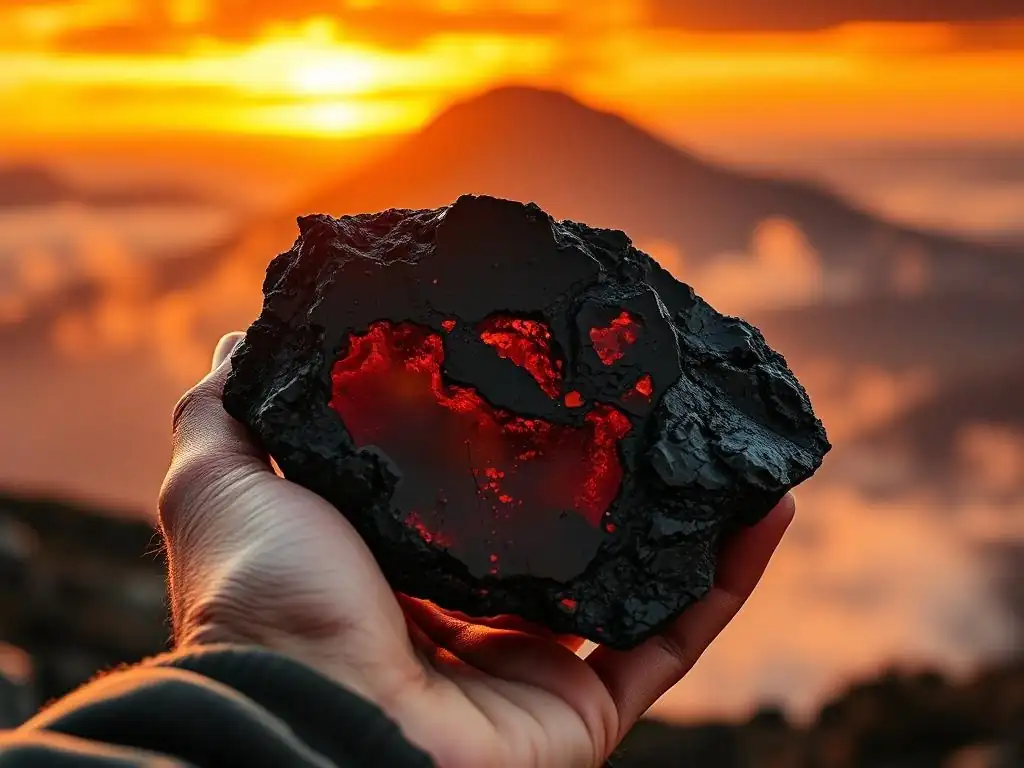
Ever held a piece of Earth's fiery heart in your hand? We invite you to journey into the captivating realm of volcanoes, where raw power and breathtaking beauty collide. This is more than just geology; it's a story etched in stone. Today, we're unearthing the secrets behind the Value of Volcano Rock Specimens, exploring why these seemingly simple rocks hold far more than just monetary worth. Prepare to be amazed by their history, their connection to our planet's deep processes, and their surprising role in art and culture. What stories do your volcanic treasures tell? Let's find out...
- Understanding the True Value of Volcano Rock Specimens: More Than Just a Price Tag
- Assessing the Value of Volcano Rock Specimens: Factors Beyond Price
- The Intrinsic Value of Volcano Rock Specimens: Connecting with Earth's Power
- Building Your Volcano Rock Specimen Collection: A Guide for Enthusiasts
-
Frequently Asked Questions
- What makes volcano rock specimens valuable beyond their monetary price?
- How do volcano rock specimens contribute to scientific research?
- What role do volcano rock specimens play in education?
- How can the collection of volcano rock specimens be done ethically and sustainably?
- What are some of the cultural significances associated with volcano rock specimens around the world?
- Final Reflection: Embracing Earth's Silent Narratives
- Unearth Your Appreciation: Begin Your Rock Journey Today!
Understanding the True Value of Volcano Rock Specimens: More Than Just a Price Tag
Exploring the Geological Significance of Volcanic Rock Specimens
Volcanic rock specimens are far more than just interesting-looking stones; they are tangible fragments of Earth’s dynamic geological history. Each piece, whether it's a jagged chunk of basalt or a delicate shard of obsidian, holds within it a wealth of information about the planet's inner workings. These rocks are formed from magma, molten rock originating deep beneath the Earth's surface.
As magma rises and erupts as lava, it cools and solidifies, trapping minerals and textures that provide geologists with crucial insights into volcanic processes, plate tectonics, and even the composition of the Earth's mantle. Analyzing the mineral content and crystalline structure of volcanic rocks allows scientists to reconstruct the conditions under which they were formed, including temperature, pressure, and the chemical makeup of the magma source.
Consider, for example, a sample of andesite from the Andes Mountains. Its mineral composition, rich in plagioclase feldspar and pyroxene, tells geologists that it originated from a subduction zone volcano, where one tectonic plate slides beneath another. The specific ratios of elements like strontium and neodymium within the andesite can further pinpoint the mantle source region and the degree of crustal contamination the magma underwent as it ascended.
Similarly, the presence of vesicles, or gas bubbles, in volcanic rocks like scoria provides evidence of the volatile content of the magma and the explosivity of the eruption. Therefore, each specimen is a storybook of geological events, offering a unique perspective on the forces that have shaped our planet.
The Allure of Collectible Volcano Rocks: A Journey Through Earth's Fiery Past
The fascination with collectible volcano rocks extends beyond scientific curiosity; it taps into a primal human connection with the raw power and beauty of nature. Holding a piece of volcanic rock is like holding a fragment of an eruption, a moment frozen in time when molten rock burst forth from the Earth.
For many collectors, the allure lies in the tangible link to dramatic geological events and the Earth’s fiery past. Each specimen is unique, bearing the marks of its volcanic origin, from the glassy sheen of obsidian formed by rapid cooling to the porous texture of pumice, light enough to float on water.
The appeal of collecting these rocks is also deeply rooted in the sense of adventure and discovery they evoke. Imagine finding a piece of obsidian on a volcanic beach in Iceland, knowing it originated from a volcano that shaped the very landscape. Or picture unearthing a perfectly formed volcanic bomb in Italy, a testament to the explosive power of Mount Etna.
Collecting volcanic rocks becomes a journey through geological time, a hands-on exploration of Earth’s most dynamic processes. Furthermore, the aesthetic diversity of volcanic rocks, ranging from the deep blacks of basalt to the vibrant reds and oranges of oxidized scoria, makes them visually captivating objects, transforming a geological collection into a display of natural art.
Assessing the Value of Volcano Rock Specimens: Factors Beyond Price
Rarity and Origin: Determining the Value of Unique Volcanic Samples
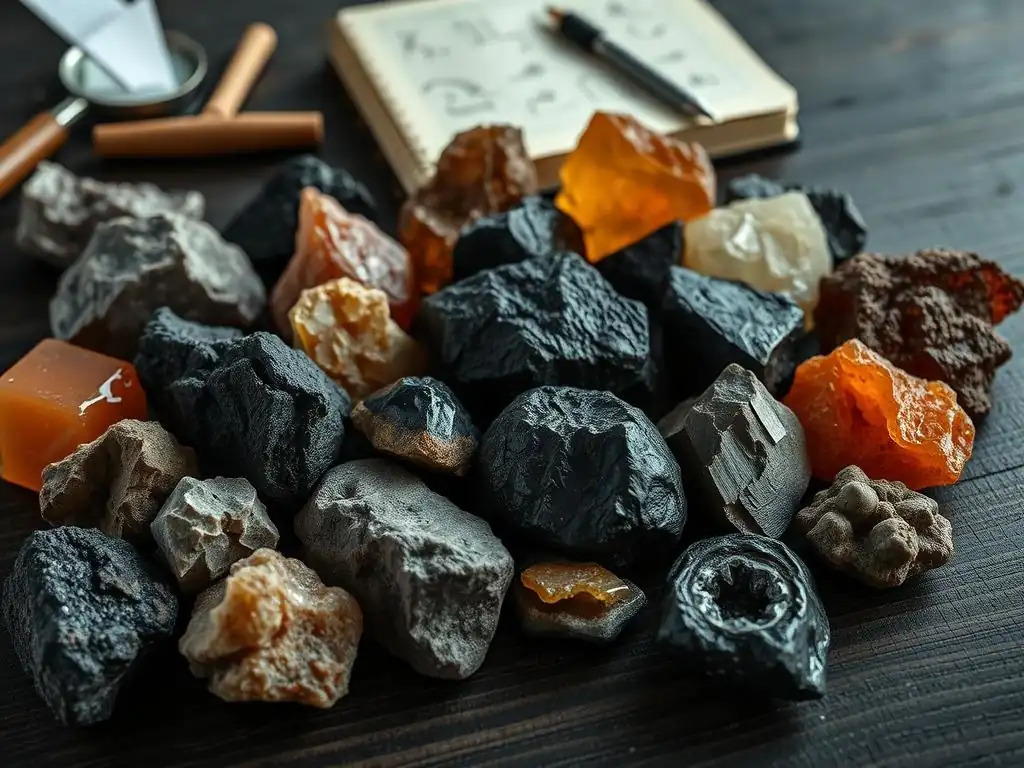
The value of volcano rock specimens is not solely determined by market prices but significantly influenced by factors like rarity and origin. Just as with gemstones or fossils, the scarcity of a particular type of volcanic rock or its provenance from a significant or inaccessible location can dramatically increase its desirability and, consequently, its perceived value. Rocks from extinct or geographically remote volcanoes, for example, are inherently rarer than common basalt found in many volcanic regions. Specimens collected from historically significant eruptions or specific, well-documented volcanic events also hold greater value due to their unique narrative and geological context.
Consider the difference between a piece of common basalt from a roadside quarry and a rare sample of komatiite, an ultramafic volcanic rock primarily found in ancient Archean terrains and extremely rarely erupted in modern times. Komatiites, representing the Earth's hotter mantle in its early history, are scientifically invaluable and highly sought after by researchers and serious collectors.
Similarly, volcanic rocks collected from restricted or protected areas, or those requiring challenging expeditions to obtain, naturally command a higher value due to the effort and exclusivity associated with their acquisition. Therefore, understanding the geological context and origin of a volcanic specimen is crucial for assessing its true value, often far exceeding any monetary appraisal.
Examining the Origin of Mount Vesuvius Pumice and its impact on value
Pumice from Mount Vesuvius, particularly from the catastrophic eruption of 79 AD that buried Pompeii and Herculaneum, holds a unique place in the realm of volcano rock specimens. Its value is not just geological but deeply intertwined with historical and archaeological significance.
This pumice, formed from highly gas-charged, silica-rich magma erupted explosively, is characterized by its pale color and extreme porosity, making it remarkably lightweight. The 79 AD eruption is one of the most well-documented volcanic events in history, thanks to Pliny the Younger's eyewitness accounts, and pumice from this event serves as a tangible link to this pivotal moment in Roman history.
The value of Vesuvius pumice is further enhanced by its specific origin. Vesuvius is a stratovolcano situated in a densely populated area, and its eruptions have profoundly impacted human civilization for millennia. Pumice from the 79 AD eruption is not only a geological specimen but also an artifact connected to the lost Roman cities.
While pumice itself is not geologically rare, pumice definitively sourced from the 79 AD eruption site, especially pieces containing embedded artifacts or exhibiting unique textures related to the eruption's pyroclastic flows, can command a premium among collectors and museums alike. The historical context dramatically elevates the value of this seemingly common volcanic rock.
The Value of Hawaiian Basalt Formations: A Study in Geological History
Hawaiian basalt formations represent a different facet of value in volcano rock specimens, stemming from their geological importance and the ongoing volcanic activity that continuously shapes the islands. Basalt, the most common volcanic rock on Earth, forms the foundation of the Hawaiian Islands, built by shield volcanoes erupting fluid lava over millions of years from a hotspot in the Earth's mantle.
The value of Hawaiian basalt lies in its accessibility, diversity, and the continuous geological laboratory it provides for studying volcanic processes in real-time. Different basalt flows, like Pahoehoe and A'a, showcase varying cooling rates and lava viscosities, offering insights into magma dynamics.
Furthermore, the age progression of the Hawaiian Islands, with active volcanism concentrated on the Big Island and progressively older, eroded islands to the northwest, provides a natural timeline of volcanic evolution. Collecting basalt from different islands or different lava flows on the same island allows for a comparative study of volcanic rock chemistry and the evolution of the Hawaiian hotspot plume over time.
While Hawaiian basalt might not be considered "rare" in the traditional sense, specimens documenting specific lava flows, unique mineral inclusions (like olivine crystals found in some Hawaiian basalts), or collected from significant eruptions (like the ongoing Kilauea eruptions) hold considerable educational and scientific value. The accessibility and continuous formation of new basalt in Hawaii make it an invaluable resource for understanding volcanic processes and Earth's history.
Aesthetic Appeal: The Subjective Value of Volcanic Rock Art
Beyond geological and historical significance, the aesthetic appeal of volcanic rock specimens plays a crucial role in their perceived value, particularly in the realm of collectibles and decorative arts. The beauty of volcanic rocks is diverse and often unexpected, ranging from the glassy luster of obsidian to the intricate patterns found in rhyolite and the vibrant colors of altered volcanic tuff.
This subjective value is heavily influenced by individual preferences, artistic trends, and the visual characteristics of each specimen, such as color, texture, shape, and pattern. For many collectors, the artistic merit of a volcanic rock specimen is as important, if not more so, than its scientific or historical significance.
The "value" in this context becomes more about appreciation and personal connection than monetary worth. A uniquely patterned piece of rhyolite might be prized for its resemblance to abstract art, while a perfectly formed obsidian arrowhead might be valued for its craftsmanship and the inherent beauty of the volcanic glass. The aesthetic appreciation of volcanic rocks also extends to their use in jewelry, sculptures, and architectural elements.
The natural textures and colors of volcanic rocks offer a unique palette for artists and designers, making them highly sought after for creating visually striking and naturally inspired pieces. Thus, the aesthetic dimension adds a layer of subjective value that is deeply personal and culturally influenced.
Appreciating the Beauty of Obsidian and its variations in color and texture
Obsidian, volcanic glass formed by the rapid cooling of viscous, silica-rich lava, is renowned for its striking beauty and diverse array of colors and textures, significantly enhancing its aesthetic and collectible value. Pure obsidian is typically black due to the presence of iron and magnesium, but impurities and inclusions can create a spectrum of colors, including red, brown, green, and even iridescent sheens like "rainbow obsidian." The glassy texture of obsidian, often exhibiting conchoidal fractures that produce sharp, curved surfaces, gives it a unique visual appeal and makes it highly prized for lapidary work and ornamental purposes.
The variations in obsidian's appearance further contribute to its aesthetic value. "Snowflake obsidian," for example, contains white cristobalite inclusions that create snowflake-like patterns within the black glass matrix, highly sought after for jewelry and carvings. "Mahogany obsidian" displays swirling patterns of black and reddish-brown due to iron oxide inclusions, offering a warm, earthy aesthetic.
The play of light on the smooth, glassy surface of polished obsidian enhances its depth and luster, making it a captivating material for artistic expression. The beauty and variety of obsidian make it a highly valued volcanic rock specimen, appreciated for its natural artistry and geological origins.
The Unique Patterns of Rhyolite and its role in collectible value
Rhyolite, an extrusive igneous rock with a high silica content similar to granite, is celebrated for its diverse and often intricate patterns, making it a highly valued volcanic rock for collectors seeking aesthetic appeal. Unlike the uniform texture of basalt or obsidian, rhyolite frequently exhibits flow banding, spherulites, and lithophysae, creating visually stunning patterns and textures.
Flow banding, formed by the alignment of minerals during lava flow, can create swirling or striped patterns in rhyolite, adding a dynamic visual element. Spherulites, radial aggregates of needle-like crystals, and lithophysae, hollow cavities often lined with mineral crystals, further enhance the textural complexity and visual interest of rhyolite specimens.
The colors of rhyolite are also highly variable, ranging from light pink and beige to reddish-brown and gray, often with contrasting patterns that highlight the geological processes involved in its formation. "Wonderstone," a type of rhyolite prized for its landscape-like patterns and varied colors, is a prime example of rhyolite's aesthetic value.
These patterns, resembling miniature landscapes or abstract art, are formed by the differential weathering and oxidation of iron-rich minerals within the rock. The unique and unpredictable patterns found in rhyolite make each specimen a work of natural art, highly valued by collectors and artisans for its visual beauty and geological story.
Scientific Significance: How Volcanic Rocks Contribute to Research
The scientific significance of volcano rock specimens is immense, providing invaluable insights into Earth's processes, from the deep mantle to atmospheric changes. Volcanic rocks are primary sources of information about magma generation, plate tectonics, volcanic eruption dynamics, and even the history of Earth's climate. Analyzing the chemical composition, mineralogy, and isotopic ratios of volcanic rocks allows geoscientists to unravel the complexities of magma sources, pathways, and differentiation processes. These analyses help to understand the driving forces behind volcanism, predict future eruptions, and assess volcanic hazards.
Volcanic rocks also serve as archives of past environmental conditions. Volcanic ash layers preserved in sedimentary sequences provide chronological markers in geological records and offer clues about past eruption intensities and frequencies. The study of volcanic gases trapped within volcanic rocks, or preserved as volcanic deposits, provides information about the composition of the Earth's atmosphere in the past and the role of volcanism in climate change throughout geological history. Therefore, each volcanic rock specimen, whether collected from an active volcano or an ancient volcanic terrain, is a potential key to unlocking fundamental scientific questions about our planet.
Using Andesite samples to understand plate tectonics and magma composition
Andesite, a volcanic rock intermediate in composition between basalt and rhyolite, is particularly significant in understanding plate tectonics and the processes of magma generation at subduction zones. Andesites are predominantly formed at convergent plate boundaries, where oceanic plates subduct beneath continental or other oceanic plates. The melting of the subducting plate, combined with mantle wedge melting and crustal assimilation, generates andesitic magma. Analyzing andesite samples provides crucial information about the composition of the subducting plate, the mantle wedge, and the degree of interaction between these components during magma formation.
The mineral assemblages and chemical signatures of andesites reflect the complex processes occurring in subduction zone environments. For example, the presence of hydrous minerals like amphibole in some andesites indicates the involvement of water released from the subducting plate in lowering the melting temperature of the mantle.
Isotopic analyses of andesites, particularly ratios of elements like strontium, neodymium, and lead, help to trace the sources of magma components and quantify the relative contributions of the mantle, subducting slab, and crust. Studying andesite samples from different subduction zones around the world allows scientists to compare and contrast magma generation processes and understand the global variations in plate tectonic settings.
The role of Volcanic Ash in studying past eruptions and climate change
Volcanic ash, composed of fine particles of pulverized rock, minerals, and volcanic glass erupted explosively, plays a crucial role in studying past eruptions and their impact on climate change. Volcanic ash layers, or tephra layers, are often widely dispersed and can be found thousands of kilometers from the eruption source.
These ash layers serve as valuable stratigraphic markers, allowing geologists to correlate sedimentary sequences across vast distances and establish precise chronologies for geological events. The chemical fingerprint of volcanic ash is unique to each eruption source, enabling scientists to trace ash layers back to their originating volcano and reconstruct past eruption patterns.
Furthermore, volcanic ash can provide insights into the intensity and style of past eruptions. The grain size distribution and componentry of ash (e.g., proportions of glass shards, crystals, and lithics) can be used to model eruption plume heights and dispersal patterns. Volcanic ash also has a significant impact on climate.
Large explosive eruptions inject sulfur dioxide gas into the stratosphere, which reacts to form sulfate aerosols. These aerosols reflect sunlight back into space, causing a temporary cooling of the Earth's atmosphere. Analysis of volcanic ash layers preserved in ice cores and sediment records provides data on the frequency and magnitude of past volcanic eruptions and their influence on long-term climate variability.
The Intrinsic Value of Volcano Rock Specimens: Connecting with Earth's Power
Volcano Rocks as a Window to Earth's Interior: Understanding Magma Composition
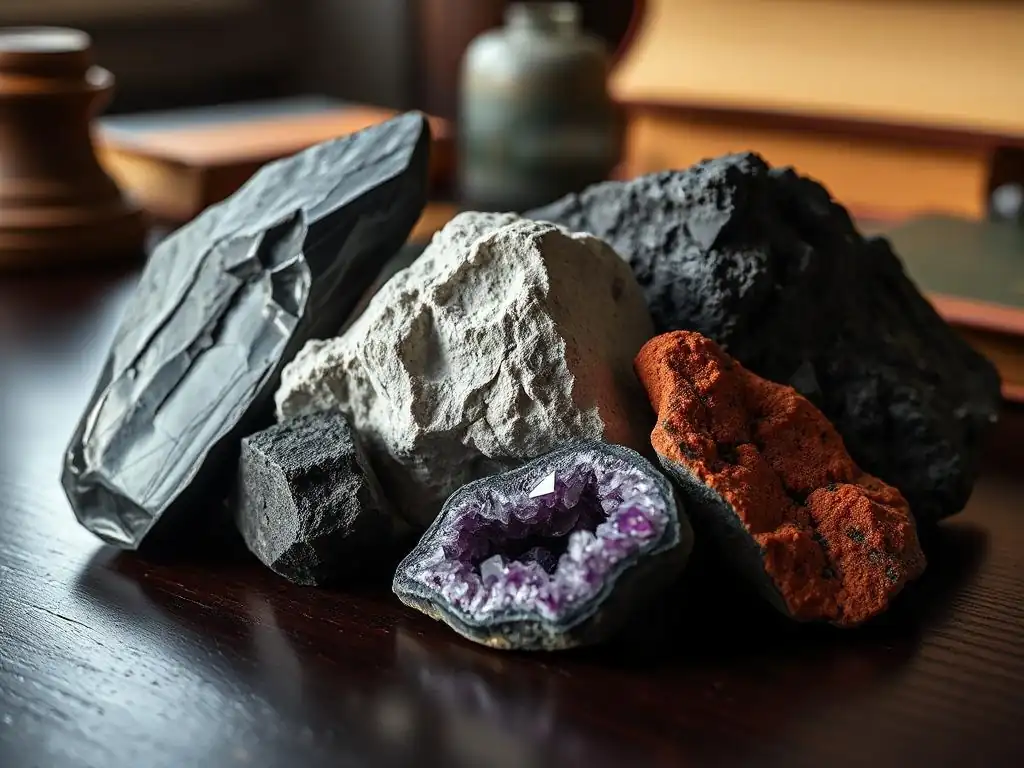
Volcanic rocks are not just surface features; they are tangible probes into the Earth's otherwise inaccessible interior. They provide a direct window into the composition of magma, which originates from partial melting of the mantle and crust deep beneath our feet. By studying the mineralogy and chemistry of volcanic rocks, scientists can infer the composition of their mantle source regions, the conditions under which magma was generated, and the processes it underwent during its ascent to the surface. This information is fundamental to understanding the dynamics of the Earth's mantle, the engine driving plate tectonics and volcanism.
Different types of volcanic rocks, such as basalt, andesite, and rhyolite, represent magmas derived from different sources and modified by varying degrees of fractional crystallization, crustal assimilation, and degassing. Analyzing the trace element and isotopic compositions of these rocks allows for the deconvolution of these complex processes and the reconstruction of magma evolution pathways. Volcanic rocks, therefore, are not merely inert objects but dynamic messengers carrying information about the Earth's internal structure and processes, offering invaluable insights into the planet's deepest secrets.
Analyzing Pahoehoe Lava to understand magma flow and cooling processes
Pahoehoe lava, characterized by its smooth, ropy, or billowy surface, is a key to understanding magma flow and cooling processes during effusive volcanic eruptions. Pahoehoe forms from highly fluid basaltic lava with low viscosity. Its distinctive surface texture is a result of the lava skinning over as it cools, while the molten lava beneath continues to flow, inflating the surface into lobes and wrinkles. Studying pahoehoe flows provides insights into the dynamics of lava flow emplacement, including flow rates, cooling rates, and the influence of topography on lava flow paths.
The surface features of pahoehoe, such as lava tubes, tumuli (small domes formed by inflation), and pressure ridges, are direct manifestations of the internal flow dynamics and cooling history of the lava. Analyzing the vesicle distribution and crystal textures within pahoehoe samples can further reveal the cooling rates and degassing processes that occurred during flow.
For example, the presence of large vesicles near the surface and smaller vesicles deeper within the flow indicates a cooling gradient and the escape of gas as the lava solidified. Pahoehoe lava, therefore, is a natural laboratory for studying the physics of fluid flow and heat transfer in geological systems.
The story told by A'a Lava: Rough texture and rapid cooling
A'a lava, in stark contrast to pahoehoe, presents a rugged, clinkery, and jagged surface, telling a different story of magma flow and cooling. A'a lava forms from more viscous basaltic lava compared to pahoehoe. As A'a lava flows, it cools and solidifies into angular fragments, creating a chaotic and rubbly surface. The rough texture of A'a is a result of the lava’s higher viscosity, which inhibits the formation of a smooth skin and promotes fracturing and fragmentation during flow. A'a flows typically advance more slowly than pahoehoe flows and tend to be thicker and steeper.
The internal structure of A'a lava flows reflects its rapid cooling and fragmentation process. A'a flows often consist of a core of massive, relatively dense lava surrounded by a carapace of loose clinker fragments. The vesicularity of A'a can also be different from pahoehoe, with vesicles often being more irregular in shape and distribution due to the turbulent flow regime.
Studying A'a lava provides insights into the behavior of more viscous lava flows, the mechanics of fragmentation during volcanic eruptions, and the formation of different volcanic landforms. The contrasting textures and flow characteristics of pahoehoe and A'a lava highlight the diverse ways in which magma can erupt and solidify, shaping volcanic landscapes.
The Cultural Significance of Volcanic Rocks: A Link to Ancient Beliefs
Volcanic rocks have held cultural significance for civilizations across the globe for millennia, deeply intertwined with ancient beliefs, mythology, and practical applications. In volcanic regions, these rocks were readily available and possessed unique properties that made them valuable resources for toolmaking, construction, and spiritual practices. The dramatic nature of volcanic eruptions and the powerful forces they unleashed often led to volcanoes being revered as sacred sites, and volcanic rocks were imbued with symbolic meanings and used in rituals and ceremonies. This cultural connection to volcanic rocks provides a fascinating perspective beyond their geological and scientific value.
From the use of obsidian for sharp tools and weapons in ancient cultures worldwide to the incorporation of volcanic tuff in Roman architecture and the spiritual reverence for volcanic mountains in Polynesian cultures, volcanic rocks have played diverse roles in human history and cultural development. Understanding the cultural significance of these rocks enriches our appreciation for their multifaceted value, connecting geological phenomena to human societies and belief systems.
The Use of Volcanic Glass in ancient tools and artifacts
Volcanic glass, particularly obsidian, was an incredibly valuable resource for ancient cultures around the world, prized for its ability to be knapped into exceptionally sharp tools and weapons. Obsidian's conchoidal fracture, which allows it to break with smooth, curved surfaces and incredibly sharp edges, made it ideal for creating projectile points, knives, scrapers, and other cutting tools. Archaeological evidence from sites across the Americas, Africa, the Mediterranean, and Asia reveals the widespread use of obsidian dating back tens of thousands of years.
The sharpness of obsidian blades surpasses that of even modern steel surgical scalpels, making them highly effective for cutting and piercing. Ancient cultures developed sophisticated techniques for obsidian knapping, producing tools with remarkable precision and artistry. Obsidian tools were not only utilitarian but also sometimes crafted into ceremonial objects and status symbols.
The trade and distribution of obsidian across long distances in ancient times demonstrate its high value and the importance of access to volcanic sources for tool production and cultural exchange. The legacy of obsidian as a crucial material in human technological development highlights the enduring value of volcanic rocks in shaping human history.
Volcanic Rock in mythology and spiritual practices around the world
Volcanic rocks and volcanoes themselves have frequently been incorporated into mythology and spiritual practices across diverse cultures, reflecting both awe and reverence for these powerful natural phenomena. In many cultures, volcanoes were seen as sacred mountains, the abodes of gods or spirits, and volcanic eruptions were interpreted as divine manifestations or punishments. Volcanic rocks, originating from these sacred sites, were often imbued with spiritual significance and used in rituals, ceremonies, and as amulets or protective objects.
For example, in Hawaiian mythology, Pele, the goddess of fire and volcanoes, resides in Kilauea volcano, and volcanic rocks are considered sacred to her. Polynesian cultures also revered volcanic landscapes and incorporated volcanic rocks into their spiritual practices and navigational knowledge. In Roman mythology, Vulcan, the god of fire and metalworking, was associated with volcanoes, and volcanic rocks were linked to his forge.
Across various indigenous cultures of the Americas, volcanic mountains were often considered sacred, and obsidian and other volcanic rocks were used in shamanic rituals and spiritual practices. This global tapestry of mythological and spiritual connections underscores the profound cultural impact of volcanoes and volcanic rocks on human societies and belief systems.
Educational Value: Inspiring Future Volcanologists Through Specimen Collection
Volcano rock specimens possess immense educational value, serving as tangible teaching tools to inspire future generations of volcanologists and geoscientists. Handling and examining real volcanic rocks brings abstract geological concepts to life, making learning more engaging and memorable. Specimens can be used to illustrate key principles of volcanology, such as magma types, eruption styles, rock formation processes, and the geological history of volcanic regions. From primary school classrooms to university geology courses, volcanic rock collections are invaluable resources for hands-on learning and sparking curiosity about Earth science.
The tactile and visual nature of volcanic rocks allows students to directly observe and analyze textures, mineral compositions, and volcanic features, fostering critical thinking and observational skills. Collecting and studying volcanic rocks can also promote scientific inquiry, encouraging students to ask questions about their origin, formation, and significance. By connecting students to the physical evidence of volcanic processes, specimen collections can ignite a passion for volcanology and inspire future careers in Earth science, contributing to the advancement of volcanic research and hazard mitigation.
Using Volcanic Bombs to teach about explosive eruptions
Volcanic bombs, ejected fragments of molten or semi-molten rock larger than 64 mm in diameter during explosive volcanic eruptions, are particularly effective teaching tools for illustrating the power and dynamics of these events. Their varied shapes, often streamlined or breadcrust-like due to aerodynamic shaping during flight and cooling in the air, visually demonstrate the explosive force of eruptions and the trajectory of projectiles. Volcanic bombs are tangible evidence of the energy released during explosive eruptions and can capture students' attention and imagination, making the concept of volcanic explosivity more concrete.
Different types of volcanic bombs, such as spindle bombs, ribbon bombs, and breadcrust bombs, showcase the different stages of magma fragmentation and cooling during explosive eruptions. Examining the textures, vesicularity, and mineral composition of volcanic bombs can also provide insights into the magma properties and eruption conditions. Using volcanic bombs in educational settings allows students to understand the hazards associated with explosive eruptions, such as ballistic projectiles, and to appreciate the immense forces involved in volcanic activity. These dramatic specimens serve as powerful reminders of the dynamic and sometimes dangerous nature of volcanoes.
Introducing Lava Tubes samples to explain underground volcanic formations
Lava tube samples, often exhibiting distinctive textures and mineral linings, are excellent educational resources for explaining underground volcanic formations and the processes of lava flow within conduits. Lava tubes are natural tunnels formed within lava flows, typically in pahoehoe flows, where the outer surface of the flow cools and solidifies, while molten lava continues to flow beneath, eventually draining out and leaving behind a hollow tube. Samples from lava tube walls often display smooth, glassy surfaces or drip-like features, showcasing the flow of lava and the cooling processes within the tube.
Presenting lava tube samples in educational settings helps students visualize the subsurface plumbing systems of volcanoes and understand how lava can travel long distances underground, insulated within lava tubes. The mineral deposits and secondary mineral formations often found lining lava tubes, such as lava stalactites and mineral crusts, can also be examined to illustrate geochemical processes and mineral precipitation within volcanic environments. Lava tube samples provide a tangible link to the hidden world beneath volcanic landscapes, enhancing understanding of volcanic plumbing systems and the diverse geological features associated with lava flows.
Building Your Volcano Rock Specimen Collection: A Guide for Enthusiasts
Identifying Authentic Volcano Rocks: Tips and Tricks from Experts
Identifying authentic volcano rocks can be an exciting challenge for enthusiasts. While visual appearance is a starting point, relying solely on color and shape can be misleading, as many non-volcanic rocks can superficially resemble volcanic specimens. Experts often use a combination of visual inspection, texture analysis, density checks, and sometimes simple field tests to determine authenticity. Key characteristics to look for include vesicularity (presence of gas bubbles), glassy textures (in obsidian and volcanic glass), and specific mineral assemblages common in volcanic rocks, such as olivine, pyroxene, and feldspar.
Density is a helpful indicator; many volcanic rocks, especially pumice and scoria, are significantly less dense than typical continental rocks due to their vesicularity. A simple test is to check if a rock floats in water – pumice will float readily, while scoria may also float depending on its porosity. Texture is also crucial; volcanic rocks often exhibit unique textures like ropy pahoehoe surfaces, jagged A'a surfaces, or the smooth conchoidal fracture of obsidian.
For more definitive identification, consulting field guides specific to volcanic regions or seeking advice from experienced collectors or geologists is recommended. Learning to recognize common volcanic rock types in your area is a rewarding skill for any volcano enthusiast.
Where to Find Valuable Volcano Rock Specimens: Ethical Collecting Practices
Finding valuable volcano rock specimens can be a rewarding experience, but it's essential to practice ethical and responsible collecting to ensure the preservation of volcanic environments and respect local regulations. Volcanic regions around the world offer opportunities to find specimens, but collection guidelines vary widely depending on location. Always research local laws and regulations regarding rock collecting before venturing out, as many areas, particularly national parks and protected volcanic sites, prohibit or restrict specimen collection.
Ethical collecting involves minimizing environmental impact, avoiding damage to volcanic features, and respecting private property. When collecting, take only small, representative samples and avoid excavating or hammering large rocks, which can disrupt natural landscapes. Stay on established trails and avoid sensitive areas like fumarole fields or fragile lava formations.
Consider supporting local communities by purchasing specimens from reputable local vendors or rock shops, which can be a sustainable and ethical way to acquire specimens while contributing to local economies. Responsible collecting ensures that volcanic resources are preserved for future generations and that the thrill of discovery is balanced with environmental stewardship.
Partnering with local guides for responsible Hawaiian Lava Rock collection
In Hawaii, collecting lava rocks, especially from active volcanic areas, requires particular sensitivity and adherence to cultural and environmental guidelines. Hawaiian culture views lava rocks as sacred, connected to Pele, the volcano goddess, and removing them is often considered disrespectful and culturally inappropriate. Furthermore, unauthorized collection can be detrimental to fragile volcanic ecosystems. Partnering with local guides or tour operators who are knowledgeable about responsible collecting practices and cultural protocols is highly recommended for anyone interested in acquiring Hawaiian lava rock specimens ethically.
Local guides can provide valuable insights into the geology of the islands, identify safe and permissible collecting areas (if any are allowed), and educate visitors about Hawaiian cultural perspectives on volcanic rocks. Some guided tours may offer opportunities to collect small, permitted samples from designated areas, or they may focus on educational experiences without specimen collection, emphasizing appreciation and respect for the volcanic landscape. Supporting local businesses and guides who prioritize responsible tourism and cultural sensitivity is a crucial aspect of ethical lava rock exploration in Hawaii.
Supporting sustainable volcanic tourism and specimen sourcing
Supporting sustainable volcanic tourism and specimen sourcing is crucial for ensuring the long-term preservation of volcanic environments and the ethical acquisition of volcano rock specimens. Sustainable tourism practices minimize environmental impact, benefit local communities, and promote responsible visitor behavior. Choosing tour operators and accommodations that prioritize environmental stewardship, support local economies, and educate visitors about volcanic conservation is a key aspect of sustainable volcanic tourism.
When sourcing volcano rock specimens, prioritize ethical vendors and suppliers who obtain their specimens legally and sustainably. Avoid purchasing specimens from sources that may have been illegally collected from protected areas or that contribute to environmental damage. Consider supporting rock shops and vendors who source specimens from responsible mines or who collect from areas where specimen collection is permitted and does not harm the environment. By making conscious choices about tourism and specimen sourcing, enthusiasts can contribute to the preservation of volcanic landscapes and promote ethical practices within the world of volcano rock collecting.
Preserving and Displaying Your Volcanic Collection: Ensuring Longevity
Proper preservation and display techniques are essential for ensuring the longevity and enjoyment of your volcanic rock collection. Volcanic rocks, while generally durable, can be susceptible to certain forms of degradation depending on their composition and porosity. Pumice, for example, is highly porous and can absorb moisture and pollutants, potentially leading to disintegration over time. Obsidian, while chemically stable, can be brittle and prone to chipping or scratching if not handled carefully. Basalt and other denser volcanic rocks are generally more robust but can still benefit from proper storage and display methods.
Storage techniques should focus on protecting specimens from excessive humidity, temperature fluctuations, and physical damage. Individual specimens can be stored in labeled boxes or containers, ideally with acid-free paper or padding to prevent abrasion. For display, consider using display cases or shelves that provide stable support and protect specimens from dust and direct sunlight, which can fade colors in some volcanic rocks. Proper labeling and documentation of each specimen's origin, collection date, and rock type are crucial for maintaining the scientific and educational value of your collection.
Proper storage techniques for Pumice Stone to prevent degradation
Pumice stone, due to its highly porous nature, requires specific storage techniques to prevent degradation and ensure its long-term preservation. The primary concern for pumice is its susceptibility to absorbing moisture and pollutants from the air, which can lead to crumbling, discoloration, or the growth of mold or algae, especially in humid environments. Proper storage aims to minimize moisture absorption and protect pumice from physical damage.
Store pumice specimens in a dry environment with stable humidity levels. Avoid storing pumice in damp basements or areas prone to condensation. Individual pumice pieces can be wrapped in acid-free tissue paper or placed in sealed plastic bags or containers with desiccant packets to absorb moisture. For display, consider placing pumice specimens in well-ventilated display cases or on open shelves in a dry room. Avoid cleaning pumice with water or harsh chemicals, as this can further saturate its porous structure and accelerate degradation. Gentle dusting with a soft brush is usually sufficient for cleaning pumice specimens.
Displaying Basalt Columns to highlight their geological formation.
Displaying basalt columns effectively can showcase their impressive geological formation and inherent aesthetic appeal. Basalt columns are formed by the cooling and contraction of thick lava flows, resulting in characteristic polygonal fractures that create柱状 jointing. To highlight this geological feature, display basalt columns vertically, mimicking their natural orientation in lava flows. Individual columns can be displayed on sturdy bases or stands to ensure stability and prevent toppling.
Grouping multiple basalt columns of varying heights and diameters can create a visually striking display that resembles a natural columnar basalt formation. Consider using lighting to accentuate the polygonal shapes and textures of the columns. Natural light or focused spotlights can highlight the facets and edges of the columns, enhancing their three-dimensional form. For larger basalt columns, consider outdoor display in a garden or landscape setting, where they can become focal points and integrate naturally with outdoor environments. Properly displayed basalt columns become not just rock specimens but impressive geological artworks, showcasing the beauty and power of volcanic processes.
Frequently Asked Questions
What makes volcano rock specimens valuable beyond their monetary price?
Volcano rock specimens possess intrinsic value due to their scientific significance, offering insights into Earth's history, volcanic processes, and the planet's internal composition. Their formation represents unique geological events.
How do volcano rock specimens contribute to scientific research?
Specimens provide crucial data for understanding magma composition, eruption dynamics, and the evolution of volcanic landscapes. Analyzing them reveals information about planetary processes and past environmental conditions.
What role do volcano rock specimens play in education?
They serve as tangible learning tools, illustrating geological concepts and sparking curiosity about Earth science. Examining specimens provides a hands-on experience that enhances understanding of complex processes.
How can the collection of volcano rock specimens be done ethically and sustainably?
Ethical collecting involves obtaining permits when necessary, avoiding sensitive areas, and prioritizing responsible acquisition to minimize environmental impact. Respecting local regulations is crucial.
What are some of the cultural significances associated with volcano rock specimens around the world?
In many cultures, volcanic rocks hold spiritual or symbolic meaning, often linked to creation myths, ancestral connections, or the power of nature. They are sometimes used in ceremonies and art.
Final Reflection: Embracing Earth's Silent Narratives
The exploration of volcano rock specimens transcends mere geological study; it becomes a profound engagement with Earth's history and creative power. Understanding the intrinsic value of these rocks, beyond any monetary assessment, is crucial for fostering a deeper appreciation of our planet's dynamic processes and the stories they hold. This appreciation is not just for scientists, but for anyone who seeks to connect with the raw, untamed beauty of the natural world.
The enduring allure of volcano rock specimens lies in their ability to connect us to moments of intense geological activity, reminding us of the Earth's constant evolution. This connection resonates deeply, fostering a sense of wonder and respect for the forces that have shaped our world. In every walk with nature one receives far more than he seeks.
- John Muir. This quote encapsulates the profound, often unexpected, value we find when we engage with natural artifacts like volcano rocks, a value far exceeding any price tag.
Now, consider the implications of this newfound appreciation. How can you, in your own life, cultivate a deeper understanding of the natural world around you? Seek out opportunities to learn about geology, visit volcanic landscapes, or simply observe the rocks and minerals in your own backyard. By embracing the silent narratives etched in stone, you can unlock a richer, more meaningful connection to the Earth and its timeless story.
Unearth Your Appreciation: Begin Your Rock Journey Today!
Thank you for exploring the captivating world of volcano rock specimens with us! We hope you've gained a new appreciation for their intrinsic value, extending far beyond mere monetary worth. Now, it's time to put your newfound knowledge into practice.
Here are a few ways you can delve deeper into the fascinating world of volcanic rocks:
- Begin building your own collection of volcanic rock specimens, focusing on the unique stories each rock tells and the landscapes they represent.
- Share this article with fellow geology enthusiasts and ignite a discussion about the importance of preserving and appreciating these natural wonders.
- Consider visiting a local geological museum or rock and mineral show to expand your knowledge and connect with others who share your passion.
Which volcanic rock specimen has most captivated your imagination, and why? Share your thoughts in the comments below!