
The Secrets of Lava Flows: Understanding Effusive Eruptions

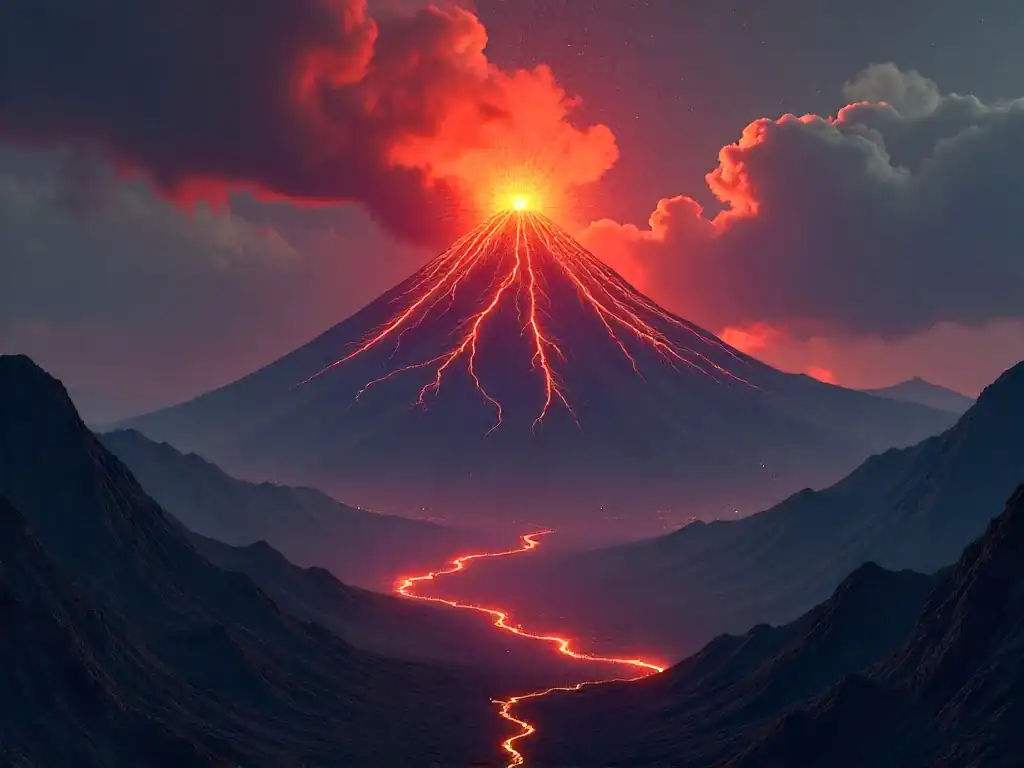
Welcome to Volcano Explorers!
Prepare to be captivated by the fiery heart of our planet. Ever wondered how rivers of molten rock shape the very ground beneath our feet? Dive in to uncover the secrets of effusive eruptions and embark on a journey towards understanding effusive lava flows – a crucial aspect of volcanic science. What hidden forces dictate their path and speed? The answers await... Dare to explore further?
- Introduction to Effusive Volcanic Eruptions
- The Science Behind Effusive Lava Flows
- Types of Lava Flows in Effusive Eruptions
- Factors Influencing Lava Flow Dynamics
- Monitoring and Predicting Effusive Eruptions
- Case Studies of Significant Effusive Eruptions
- The Impact of Effusive Eruptions on the Environment
- Understanding the Hazards Associated with Effusive Eruptions
- The Beauty and Wonder of Effusive Eruptions
- Conclusion: The Ongoing Study of Effusive Lava Flows
- Frequently Asked Questions
- Final Reflection: Embracing the Flow of Understanding
- Ignite Your Inner Volcanologist!
Introduction to Effusive Volcanic Eruptions
What are Effusive Eruptions and How Do They Differ?
Effusive volcanic eruptions are characterized by the relatively gentle outpouring of lava onto the Earth's surface. Unlike their explosive counterparts, effusive eruptions are not driven by violent bursts of gas and ash. Instead, they are defined by the steady flow of molten rock, or lava, which can range from slow, creeping streams to faster-moving rivers of fire.
Understanding effusive lava flows requires recognizing this fundamental difference in eruption style. Effusive eruptions are driven by the pressure of magma beneath the surface, but the magma involved is typically less viscous and contains less dissolved gas than magma that fuels explosive eruptions. This difference in magma properties is key to understanding effusive activity.
To truly grasp effusive eruptions, it's helpful to contrast them with explosive eruptions. While effusive eruptions are lava-dominated, explosive eruptions are characterized by the forceful ejection of fragmented rock, ash, and volcanic gases. Think of the dramatic eruption of Mount St. Helens in 1980 as a prime example of an explosive eruption, versus the more recent, ongoing activity at Kīlauea in Hawaii, which is predominantly effusive.
The hazards associated with each type also differ significantly; explosive eruptions present dangers from pyroclastic flows and ashfall, while effusive eruptions primarily pose threats from lava flows themselves, though indirect hazards can also be present. Understanding these distinctions is the first step in appreciating the secrets of effusive lava flows.
Effusive vs. Explosive Eruptions: A Key Distinction
The fundamental difference between effusive and explosive eruptions boils down to the physical properties of the magma and how it interacts with its surroundings as it rises to the surface. Effusive eruptions occur when magma with relatively low viscosity and gas content reaches the surface. Viscosity, or the resistance to flow, is crucial; low viscosity magma, like basalt, allows gases to escape more easily, preventing pressure from building up to explosive levels.
In contrast, explosive eruptions are fueled by highly viscous magma, often rich in silica, which traps gases. As this gas-rich magma ascends, the pressure decreases, causing the dissolved gases to rapidly expand, similar to shaking a soda bottle and then opening it. This rapid expansion leads to a violent fragmentation of the magma and surrounding rocks, resulting in explosive eruptions.
The Volcanic Explosivity Index (VEI) provides a scale to quantify the magnitude of volcanic eruptions. Effusive eruptions typically fall on the lower end of the VEI scale, generally ranging from VEI 0 to VEI 3. VEI 0 eruptions are the gentlest, characterized by lava flows with minimal explosivity, while VEI 3 eruptions, though still primarily effusive, may include some minor explosions or ash plumes.
Explosive eruptions, on the other hand, can range from VEI 4 to the maximum recorded VEI of 8, representing significantly more powerful and hazardous events. Understanding this distinction is crucial for hazard assessment and mitigation efforts in volcanic regions. The style of eruption, whether effusive or explosive, dictates the types of hazards present and the strategies needed to manage the risks associated with volcanic activity.
The Science Behind Effusive Lava Flows
Magma Composition and its Role in Effusive Activity
The composition of magma is the primary control on whether a volcanic eruption will be effusive or explosive. Magma is a complex mixture of molten rock, dissolved gases, and solid crystals. The key component dictating eruption style is the silica (silicon dioxide, SiO2) content. Magmas with low silica content, known as mafic magmas, are less viscous and tend to produce effusive eruptions. Basaltic magma, common in shield volcanoes like those in Hawaii and Iceland, is a prime example of mafic magma. It typically contains around 45-55% silica, resulting in a relatively fluid lava that flows readily.
Conversely, magmas with high silica content, termed felsic magmas, are much more viscous and are associated with explosive eruptions. Rhyolitic magma, for instance, can contain over 70% silica. This high silica content leads to the formation of complex silica chains within the magma, significantly increasing its resistance to flow.
Intermediate magmas, such as andesite, fall between mafic and felsic compositions and can produce both effusive and explosive eruptions depending on other factors like gas content and eruption rate. Understanding the silica content of magma is therefore fundamental to predicting and understanding effusive volcanic activity. The mineral composition, temperature, and pressure conditions also contribute to the overall behavior of magma and its eruption style.
Viscosity and Gas Content: Controlling Lava Flow Behavior
Viscosity, the resistance of a substance to flow, is a critical property that governs the behavior of lava flows in effusive eruptions. Imagine honey versus water; honey is more viscous than water and flows much more slowly. Similarly, highly viscous lava flows sluggishly, while low viscosity lava flows readily and rapidly.
In effusive eruptions, the viscosity of the lava is primarily determined by its composition, specifically its silica content, as discussed previously. Temperature also plays a role; hotter lava is generally less viscous than cooler lava of the same composition. As lava cools, its viscosity increases, which can affect the flow rate and morphology of the flow as it progresses.
Gas content is another crucial factor. While effusive eruptions are characterized by lower gas content compared to explosive eruptions, the amount and type of dissolved gases in the magma still influence lava flow behavior. Gases like water vapor, carbon dioxide, and sulfur dioxide are dissolved in magma under pressure deep within the Earth. As magma rises to the surface and pressure decreases, these gases begin to exsolve, forming bubbles.
In low viscosity magma, these gas bubbles can escape relatively easily, contributing to degassing and reducing the potential for explosive pressure buildup. However, even in effusive eruptions, gas release can influence flow dynamics, sometimes leading to lava fountaining or changes in flow rate and direction. The interplay between viscosity and gas content ultimately dictates the characteristics of effusive lava flows, from their speed and extent to their final solidified form.
The Importance of Silica Content in Lava Flow Formation
The significance of silica content in lava flow formation cannot be overstated. Silica, in the form of silicon dioxide (SiO2), is the building block of silicate minerals, which are the most abundant minerals in the Earth's crust and mantle. The arrangement of silica molecules in magma directly impacts its viscosity.
In low-silica magmas, the silica molecules are relatively simple and less interconnected, allowing the magma to flow easily. This is why basaltic lavas, with their low silica content, are so fluid and characteristic of effusive eruptions. They can travel long distances, forming extensive lava fields and shield volcanoes with gentle slopes.
In contrast, high-silica magmas are rich in complex silica chains and networks. These interconnected structures create internal friction within the magma, dramatically increasing its viscosity. Rhyolitic magmas, with their high silica content, are extremely viscous and tend to erupt explosively.
Even when they do erupt effusively, rhyolitic lava flows are typically very thick, slow-moving, and short compared to basaltic flows. The difference in silica content is the primary reason why basaltic volcanoes like Kīlauea produce vast, flowing lava rivers, while volcanoes with more felsic magma compositions tend to be associated with more explosive and less extensive lava flows. Understanding the silica content of magma is therefore essential for comprehending the nature and behavior of effusive eruptions and the resulting lava landscapes.
Types of Lava Flows in Effusive Eruptions
Pāhoehoe Lava: Characteristics and Formation of Rope-like Textures
Pāhoehoe lava is a type of basaltic lava flow characterized by its smooth, undulating, or rope-like surface. The Hawaiian term "pāhoehoe" aptly describes its appearance, meaning "smooth, unbroken lava." This type of lava is formed from highly fluid basaltic magma that erupts at relatively high temperatures, typically around 1100 to 1200 degrees Celsius. Its low viscosity allows it to flow rapidly and spread out in thin sheets or lobes.
As the surface of pāhoehoe lava cools and solidifies, it forms a thin, flexible skin. Beneath this skin, the molten lava continues to flow, causing the surface to wrinkle and fold into characteristic rope-like patterns. These textures are a direct result of the lava's fluidity and the differential movement between the cooling surface crust and the still-molten interior.
The formation of pāhoehoe lava is a dynamic process. Initially, the lava may erupt as a fluid sheet or small stream. As it flows, the surface begins to cool and solidify, forming a thin, glassy crust. However, the lava beneath remains molten and continues to exert pressure on the crust.
This pressure causes the surface skin to buckle and fold, creating the distinctive ropy textures. Pāhoehoe flows can transition into ʻaʻā flows as they cool and lose gas content, becoming more viscous. This transition often occurs further from the vent as the lava travels and loses heat. Pāhoehoe lava flows are common in shield volcanoes and lava plains, such as those found in Hawaii, Iceland, and the Galapagos Islands, and are a testament to the fluid nature of basaltic magma.
ʻAʻā Lava: Understanding the Formation of Jagged, Blocky Flows
In stark contrast to the smooth pāhoehoe lava, ʻaʻā lava is characterized by its rough, jagged, and clinkery surface composed of loose, fragmented lava blocks. The Hawaiian term "ʻaʻā" fittingly describes the sound one might make walking on this type of lava – a sharp cry of pain. ʻAʻā lava forms from basaltic magma that is slightly more viscous and cooler than that which forms pāhoehoe, typically erupting at temperatures around 1000 to 1100 degrees Celsius.
This increased viscosity and lower temperature result in a slower, more resistant flow compared to pāhoehoe. As ʻaʻā lava flows, the surface cools and solidifies, but instead of forming a smooth skin, it breaks apart into angular, irregular fragments. These fragments, ranging in size from centimeters to meters, are carried along the flow front, creating a chaotic, rubble-like appearance.
The formation of ʻaʻā lava is characterized by a process of fragmentation and churning. As the lava moves, the cooling surface crust is constantly broken and overturned by the advancing flow. This fragmentation is due to the higher viscosity and the release of gases, which can cause the lava to become frothy and vesicular. The fragmented blocks, often referred to as clinker, are sharp and dense.
ʻAʻā flows typically advance as a steep front, like a bulldozer pushing a pile of rubble. They are generally thicker and slower-moving than pāhoehoe flows and tend to follow steeper slopes. While pāhoehoe and ʻaʻā are both types of basaltic lava, their distinct textures and formation processes reflect subtle differences in magma properties and eruption conditions. Both types are commonly observed in basaltic volcanic regions worldwide, often even erupting from the same volcanic vent in sequence or simultaneously.
Lava Tubes: Formation and Significance in Effusive Eruption Dynamics
Lava tubes are natural conduits formed within lava flows that act as insulated pathways for molten lava to travel long distances. These subterranean tunnels are crucial in effusive eruption dynamics because they allow lava to flow efficiently and maintain its temperature and fluidity over extended distances, sometimes kilometers away from the eruption vent. Lava tubes typically form in pāhoehoe lava flows, which are fluid enough to create these enclosed channels.
The formation process begins as the surface of a pāhoehoe flow cools and solidifies, forming a crust. Beneath this crust, the molten lava continues to flow rapidly. As the eruption continues and the flow volume increases, the crust thickens and expands, eventually forming a roof over the flowing lava stream.
Once a stable roof forms, a lava tube is established. The interior of the tube remains hot and molten, insulated by the solidified crust. This insulation prevents significant heat loss, allowing the lava to maintain its low viscosity and flow at relatively high speeds, even as it travels far from the vent.
Lava tubes are highly efficient conduits for lava transport, enabling lava flows to extend much further than they would if flowing solely on the surface, where heat loss would lead to rapid cooling and solidification. After an eruption ceases and the lava drains out, lava tubes are left as empty tunnels, often revealing fascinating geological features like lava stalactites and benches.
These features provide valuable insights into the flow dynamics and eruption history of volcanic regions. Well-preserved lava tube systems can be found in volcanic areas around the world, including Hawaii, Iceland, and the Canary Islands, showcasing their significant role in shaping volcanic landscapes.
Pillow Lava: Formation in Subaqueous Environments
Pillow lava is a distinctive type of lava flow that forms exclusively underwater, such as during submarine eruptions or when lava flows enter the ocean or a lake. As molten lava erupts or flows into water, the extreme temperature difference causes the outer surface of the lava to cool and solidify almost instantaneously, forming a glassy crust. This rapid cooling process creates characteristic pillow-shaped structures, typically ranging in size from a few centimeters to a meter in diameter.
These pillows are stacked together like sacks of flour, often interconnected by narrow necks, forming distinctive mounds and ridges on the seafloor or lakebed. The outer crust of pillow lava is typically glassy and fine-grained due to the rapid cooling, while the interior may be more crystalline as it cools more slowly.
The formation of pillow lava is a continuous process of budding and inflation. When lava erupts underwater, the initial contact with water creates a solidified skin. As more lava pushes from the vent, it inflates the newly formed pillow, causing it to expand. Eventually, the pressure within the pillow may cause the thin crust to rupture, and a new lobe of lava emerges, forming another pillow adjacent to the first.
This process repeats, creating a chain of interconnected pillow structures. Pillow lava is a key indicator of submarine volcanic activity and is a dominant component of the oceanic crust, formed at mid-ocean ridges where tectonic plates diverge and magma rises to the surface. Studying pillow lava provides valuable information about underwater volcanic processes and the geological history of ocean basins. Their presence also helps geologists identify ancient submarine volcanic eruptions in geological formations now exposed on land.
Factors Influencing Lava Flow Dynamics
Slope Angle and its Impact on Lava Flow Speed
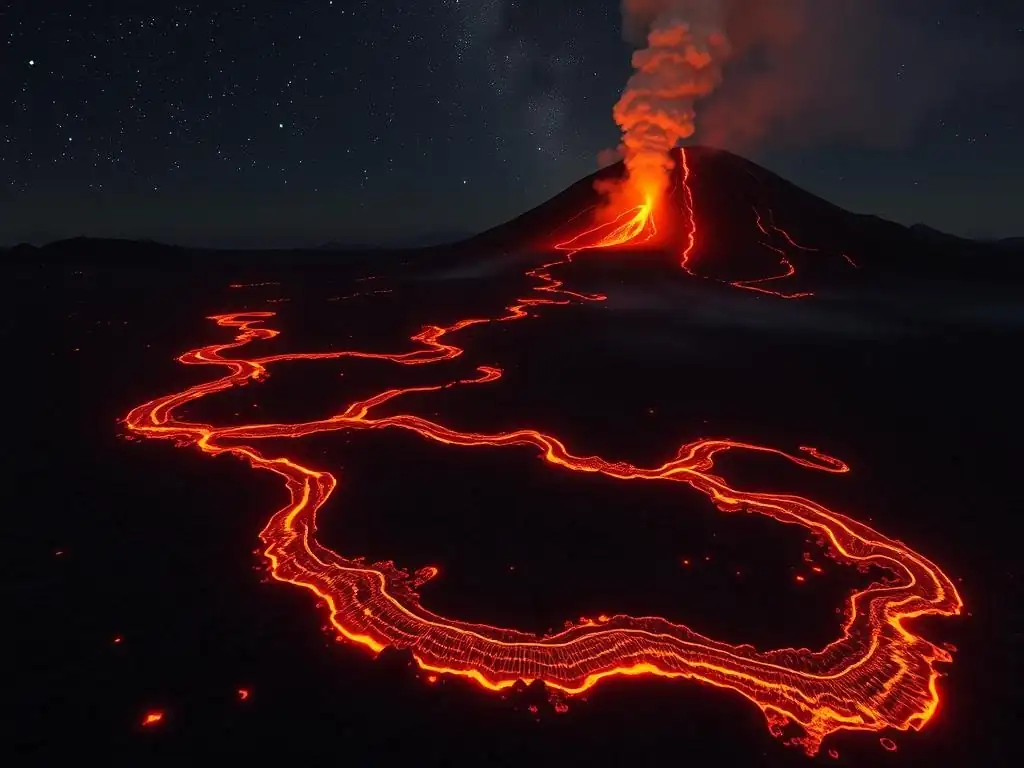
The slope angle of the terrain over which lava flows is a primary factor influencing its speed. Gravity is the driving force behind lava flow, and the steeper the slope, the greater the gravitational pull acting on the molten rock, resulting in faster flow rates. Imagine pouring syrup down a flat surface versus down a steep ramp; it will flow much faster down the ramp.
Similarly, lava flows on steeper slopes will accelerate and travel more rapidly compared to those on gentler slopes. The relationship between slope angle and lava flow speed is not linear; even small changes in slope can have a significant impact on flow velocity.
On steep volcanic flanks, lava flows can achieve speeds of tens of kilometers per hour, especially for low-viscosity basaltic lavas. Conversely, on relatively flat terrain, lava flows may creep along at speeds of just a few meters per hour or even less. The slope angle also influences the morphology of the lava flow.
On steep slopes, lava flows tend to be narrower and more channelized, whereas on gentler slopes, they can spread out more broadly, forming wider lava sheets or lobes. Changes in slope angle along a flow path can also cause variations in flow behavior, such as ponding in flatter areas or acceleration as the flow encounters a steeper section. Understanding the topography and slope angles of volcanic regions is crucial for predicting lava flow paths and assessing potential hazards.
Volume of Erupted Lava and its Influence on Flow Extent
The volume of lava erupted during an effusive eruption directly dictates the potential extent and longevity of the lava flow. Larger volume eruptions will produce longer, wider, and thicker lava flows that can cover significantly greater areas compared to smaller volume eruptions. Think of it like pouring water from a small glass versus a large bucket; the bucket will obviously create a larger and more extensive spill.
Similarly, eruptions that release vast quantities of lava can inundate extensive areas, reshaping landscapes and posing significant hazards to communities and infrastructure. The volume of erupted lava is a key parameter in assessing the overall scale and impact of an effusive eruption.
The 2018 Kīlauea eruption in Hawaii serves as a potent example. This eruption was characterized by an exceptionally high effusion rate, leading to the eruption of over 1 cubic kilometer of lava. This massive volume of lava flowed for months, traveling long distances and inundating residential areas, significantly altering the landscape and expanding the coastline.
In contrast, smaller volume eruptions will produce more localized and less extensive lava flows. The total volume of erupted lava is influenced by factors such as the magma supply rate from the mantle, the duration of the eruption, and the efficiency of magma transport to the surface. Understanding the potential eruption volume is critical for long-term hazard assessment and planning in volcanic regions.
Cooling Rates and the Formation of Lava Crusts
Cooling rates play a critical role in shaping the behavior and morphology of lava flows. As lava flows across the surface, it loses heat to the surrounding environment through radiation, convection, and conduction. The rate at which lava cools depends on factors such as the initial temperature of the lava, the ambient air temperature, wind speed, the thickness of the lava flow, and the surface area exposed to the atmosphere.
Rapid cooling leads to a quick increase in viscosity and the formation of a solidified crust on the lava surface. This crust acts as an insulator, slowing down further cooling of the lava beneath and influencing the overall flow dynamics.
The formation of lava crusts is a key process in the development of different lava flow types, such as pāhoehoe and ʻaʻā. In pāhoehoe flows, the rapid formation of a thin, flexible crust allows the lava to wrinkle and fold, creating its characteristic ropy texture. In ʻaʻā flows, the crust is thicker and more brittle, leading to fragmentation and the formation of jagged blocks.
Lava crusts also play a crucial role in the formation of lava tubes. Once a stable crust forms over a flowing lava channel, it insulates the interior, allowing the lava to maintain its temperature and fluidity and flow over longer distances. The cooling rate and crust formation are dynamic processes that continuously modify the surface and internal structure of lava flows as they progress, influencing their final shape and extent.
The Role of Topography in Directing Lava Flows
Topography, or the shape of the land surface, is a fundamental control on the direction and path of lava flows. Lava, like water, flows downhill, following the path of least resistance dictated by gravity and the existing terrain. Pre-existing topographic features such as valleys, ridges, and depressions act as natural channels and barriers that guide and constrain lava flow paths.
Valleys and channels will funnel lava flows, directing them along specific routes. Conversely, ridges and higher ground can act as obstacles, diverting lava flows or causing them to pond in topographic lows. Understanding the topography of a volcanic region is therefore essential for predicting potential lava flow paths and assessing areas at risk.
In volcanic landscapes, lava flows often follow pre-existing drainage systems, such as river valleys and gullies, utilizing these natural pathways to travel long distances. Topographic features can also influence lava flow morphology. For example, lava flows confined within narrow valleys may be thicker and faster-moving compared to flows spreading out on flatter terrain. The interaction between lava flows and topography is complex and dynamic.
As lava flows modify the landscape through deposition and erosion, they can also alter their own flow paths. For example, lava flows can build up natural levees along their margins, creating channels that further direct subsequent lava flows. Analyzing topographic maps and digital elevation models is a crucial step in lava flow hazard assessment and mitigation planning.
Monitoring and Predicting Effusive Eruptions
Techniques for Measuring Lava Flow Rates
Accurately measuring lava flow rates is crucial for understanding the dynamics of effusive eruptions and for assessing potential hazards. Several techniques are employed to monitor and quantify the rate at which lava is being erupted and flowing. One common method involves using satellite imagery.
Satellites equipped with thermal sensors can detect the heat emitted by active lava flows, allowing scientists to map the extent and progression of the flow over time. By analyzing sequential satellite images, the area covered by the lava flow can be measured, and by estimating the average flow thickness, the volume of erupted lava can be calculated over specific time intervals. This allows for the determination of the effusion rate, typically expressed in cubic meters per second.
Ground-based techniques also play a vital role. GPS (Global Positioning System) measurements can be used to track the movement of the lava flow front. By placing GPS receivers on the flow margins, scientists can precisely measure the distance the flow advances over time, providing direct measurements of flow velocity and, combined with flow width and thickness estimations, effusion rates.
In addition, aerial surveys using drones equipped with thermal cameras and high-resolution cameras are increasingly used to create detailed maps of lava flows and measure flow velocities and volumes. These techniques provide complementary data sets that, when combined, offer a comprehensive understanding of lava flow dynamics and effusion rates, crucial for hazard monitoring and forecasting.
Thermal Monitoring of Active Lava Flows
Thermal monitoring is a powerful tool for tracking and understanding active lava flows. Lava is extremely hot, typically ranging from 700 to 1200 degrees Celsius, and emits significant amounts of thermal radiation in the infrared spectrum. Thermal monitoring techniques utilize infrared cameras and satellite-based thermal sensors to detect and measure this heat emission, providing valuable information about the temperature distribution and activity of lava flows.
Ground-based thermal cameras can be deployed to monitor lava flows in real-time, providing detailed thermal images that reveal flow paths, active flow fronts, and areas of intense heat. These images can be used to track flow progression, identify potential breakouts, and assess the effectiveness of mitigation efforts.
Satellite thermal data provides a broader perspective, allowing for the monitoring of lava flows over large areas and in remote locations. Satellites such as Landsat and Sentinel carry thermal sensors that can detect thermal anomalies associated with volcanic activity and lava flows. By analyzing time-series thermal satellite data, scientists can track the evolution of lava flows, measure their surface temperature, and estimate effusion rates.
Thermal monitoring is particularly useful for detecting changes in lava flow activity that may indicate an escalation or change in eruption behavior. Thermal data is often integrated with other monitoring data, such as ground deformation and gas emissions, to provide a comprehensive picture of volcanic activity and improve eruption forecasting capabilities.
Using Satellite Imagery to Track Lava Flow Progression
Satellite imagery is an indispensable tool for tracking the progression of lava flows during effusive eruptions. Various types of satellite imagery, including optical, thermal infrared, and radar imagery, provide different perspectives and data sets that are crucial for monitoring lava flow dynamics. Optical imagery, acquired in the visible and near-infrared portions of the electromagnetic spectrum, provides high-resolution visual representations of the Earth's surface. These images are used to map the extent of lava flows, track their advancing fronts, and monitor changes in the landscape caused by lava inundation. However, optical imagery can be limited by cloud cover and darkness.
Thermal infrared imagery, as discussed previously, detects the heat emitted by lava flows, allowing for mapping even at night or through clouds. This is particularly valuable for monitoring active lava flows and determining their extent and temperature distribution. Radar imagery, or Synthetic Aperture Radar (SAR), is another powerful technique. Radar satellites emit microwave signals towards the Earth and measure the backscattered signal.
SAR imagery is particularly useful because it can penetrate clouds and is sensitive to surface roughness and changes in surface elevation. SAR data can be used to map lava flow boundaries, monitor ground deformation associated with eruptions, and even estimate lava flow thickness. By combining and analyzing data from different types of satellite imagery, volcanologists can comprehensively track lava flow progression, assess hazards, and provide timely information to emergency responders and affected communities.
Volcanic Gas Monitoring for Eruption Forecasting
Volcanic gas monitoring plays a critical role in eruption forecasting, including effusive eruptions. Volcanic gases, such as sulfur dioxide (SO2), carbon dioxide (CO2), and water vapor (H2O), are released from magma as it rises to the surface. Changes in the composition and flux of these gases can provide valuable insights into the state of the volcanic system and potential eruption precursors. For effusive eruptions, monitoring gas emissions can help to track magma ascent, assess the degassing behavior of the magma, and potentially detect changes that might precede an increase in effusion rate or a shift in eruption style.
Ground-based gas monitoring stations, deployed near active volcanoes, continuously measure the concentrations of various volcanic gases in the atmosphere. These stations use instruments such as spectrometers and gas sensors to detect and quantify gas emissions. Satellite-based instruments also play an increasingly important role in volcanic gas monitoring, particularly for large eruptions and remote volcanoes.
Satellites can measure the total amount of SO2 released into the atmosphere, providing valuable information about the scale of degassing and magma supply. Changes in gas flux or composition, such as an increase in SO2 emission rates or changes in the CO2/SO2 ratio, can indicate magma ascent, increased magma supply, or changes in magma degassing processes. By integrating gas monitoring data with other geophysical and geological observations, volcanologists can improve their ability to forecast effusive eruptions and provide timely warnings to at-risk populations.
Case Studies of Significant Effusive Eruptions
The 2018 Kīlauea Eruption: A Detailed Analysis of Lava Flows
The 2018 eruption of Kīlauea volcano in Hawaii was a significant effusive event that dramatically reshaped the landscape and impacted communities in the Lower Puna district. This eruption, which began in May 2018, was characterized by an unprecedented outpouring of lava from a series of fissures in the volcano's East Rift Zone, most notably fissure 8. The eruption was triggered by a collapse of the Puʻuʻōʻō crater floor and a subsequent eastward migration of magma.
Over the course of several months, fissure 8 became the dominant vent, erupting a prodigious volume of basaltic lava. It is estimated that over 1 cubic kilometer of lava was erupted, making it one of the largest effusive eruptions in Hawaii in the past two centuries.
The lava flows from fissure 8 were primarily ʻaʻā and pāhoehoe, forming extensive lava fields that inundated residential areas, destroyed infrastructure, and dramatically altered the coastline. Lava flows reached speeds of up to 20 meters per minute on steeper slopes and traveled several kilometers from the vent. The eruption also resulted in the formation of a complex lava channel system that efficiently transported lava from fissure 8 to the coast.
The 2018 Kīlauea eruption serves as a detailed case study for understanding the dynamics of large-volume effusive eruptions, the hazards associated with lava flows, and the challenges of monitoring and responding to such events. The eruption highlighted the importance of continuous volcanic monitoring, hazard assessment, and community preparedness in volcanic regions.
The 2021 Cumbre Vieja Eruption: Lessons Learned
The 2021 eruption of Cumbre Vieja volcano on La Palma in the Canary Islands was another significant effusive eruption that provided valuable lessons about long-duration lava flow events and their impacts. The eruption began in September 2021 and lasted for 85 days, becoming the longest eruption on La Palma since the 17th century. The eruption was characterized by Strombolian explosions and sustained effusive lava flows from multiple vents.
The lava flows were primarily basaltic and exhibited both pāhoehoe and ʻaʻā characteristics. They flowed westward, impacting populated areas on the western flank of the island and eventually reaching the Atlantic Ocean.
The 2021 Cumbre Vieja eruption demonstrated the challenges of managing long-duration effusive eruptions. The prolonged lava flow activity caused widespread destruction of homes, infrastructure, and agricultural land. Over 1,600 buildings were destroyed, and thousands of people were evacuated. The eruption also highlighted the importance of real-time monitoring, effective communication with the public, and coordinated emergency response efforts.
Scientists closely monitored the eruption using a range of techniques, including seismic monitoring, ground deformation measurements, gas monitoring, and satellite imagery. The data collected during the eruption provided valuable insights into the dynamics of effusive eruptions in volcanic islands and the hazards they pose to densely populated areas. The eruption underscored the need for robust volcanic monitoring networks and comprehensive hazard mitigation strategies in volcanic regions worldwide.
Historical Effusive Eruptions and their Impact on the Landscape
Historical effusive eruptions have played a profound role in shaping the Earth's landscapes over geological time. Large-scale effusive eruptions, known as flood basalt eruptions, are among the most voluminous volcanic events in Earth's history. These eruptions involve the outpouring of enormous volumes of basaltic lava over relatively short geological periods, often covering vast areas and significantly altering global climate and ecosystems.
Examples of flood basalt provinces include the Deccan Traps in India, the Siberian Traps in Russia, and the Columbia River Basalts in the northwestern United States. These events erupted millions of cubic kilometers of lava, creating extensive lava plateaus and terraces that cover hundreds of thousands of square kilometers.
The Deccan Traps, for instance, are believed to have erupted around 66 million years ago, coinciding with the Cretaceous-Paleogene extinction event, which wiped out the dinosaurs and many other life forms. The Siberian Traps, which erupted around 252 million years ago, are linked to the Permian-Triassic extinction event, the largest mass extinction in Earth's history.
While the precise causal links are still debated, the massive outpouring of volcanic gases and the environmental changes associated with flood basalt eruptions are thought to have played a significant role in these extinction events. Historical effusive eruptions, both large and small, have sculpted volcanic landscapes, created fertile volcanic soils, and influenced the long-term geological and biological evolution of our planet.
The Formation and Impact of Lava Tubes during the Eldfell Eruption, Iceland
The 1973 Eldfell eruption on Heimaey Island, Iceland, provides a compelling case study of lava tube formation and the successful mitigation of lava flow hazards. The eruption began unexpectedly on January 23, 1973, opening a fissure on the eastern flank of Helgafell volcano, just outside the town of Vestmannaeyjar. The initial phase of the eruption was explosive, producing tephra and ash, but it quickly transitioned to primarily effusive activity, with lava flows threatening to engulf the town's harbor, its main economic lifeline.
As lava flowed towards the harbor, it began to form a lava tube system. This tube network efficiently transported lava, extending the flow front and posing a significant threat to the harbor entrance.
In a remarkable feat of engineering and community effort, Icelanders employed a novel mitigation strategy: spraying seawater onto the advancing lava flows. By cooling the lava surface with seawater, they increased its viscosity and promoted solidification, effectively slowing down and diverting the flow. This strategy was particularly effective in protecting the harbor entrance.
While lava did enter some parts of the town, the seawater cooling efforts, combined with natural topographic barriers and changes in eruption dynamics, successfully diverted the main lava flow away from the harbor. The Eldfell eruption also resulted in the creation of new land, as lava flows extended the island's coastline. The eruption and the successful lava diversion efforts demonstrate the complex interplay between lava tube formation, lava flow hazards, and human intervention in mitigating volcanic risks.
The Impact of Effusive Eruptions on the Environment
Lava Flows and Vegetation: Short-Term and Long-Term Effects
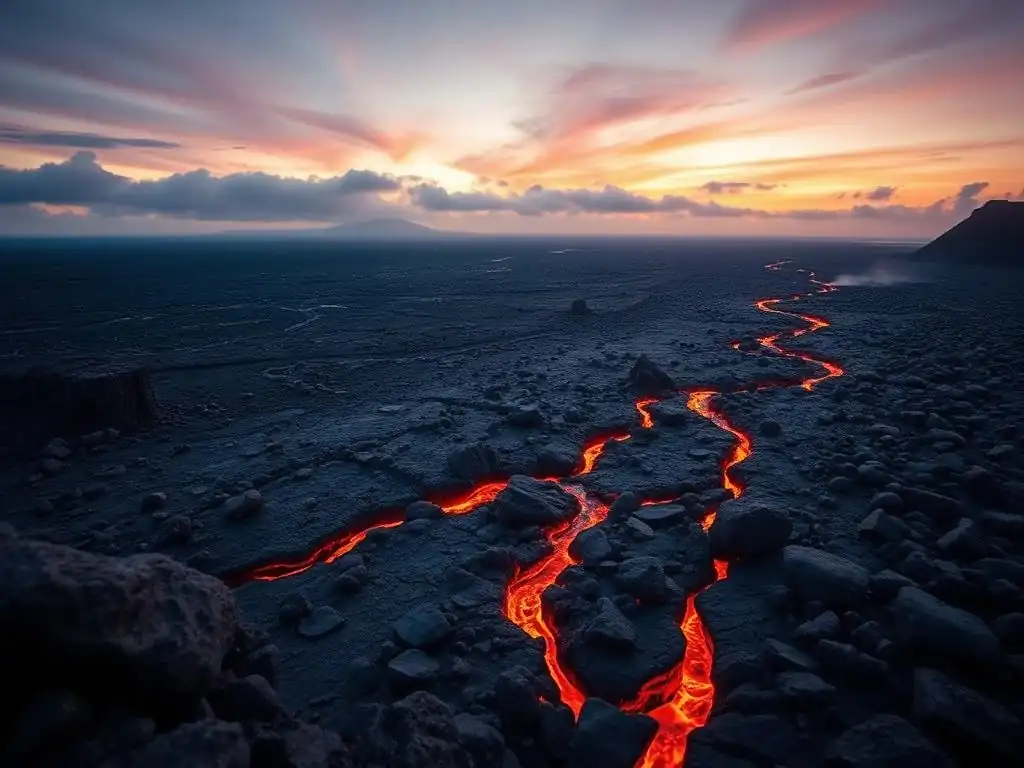
Lava flows have a dramatic and immediate impact on vegetation. When a lava flow inundates an area, it completely destroys any existing vegetation in its path. The extreme heat of the lava, typically ranging from 700 to 1200 degrees Celsius, incinerates plants and organic matter, leaving behind a barren landscape of solidified rock. In the short term, the impact is devastating, creating a zone of complete ecological disruption. However, volcanic landscapes are remarkably resilient, and in the long term, lava flows play a crucial role in ecological succession and the creation of new habitats.
Following an eruption, the process of ecological succession begins. Pioneer species, such as lichens and mosses, are often the first to colonize the barren lava flows. These hardy organisms can survive in harsh conditions and begin the process of soil formation by breaking down the volcanic rock. As soil develops, grasses, ferns, and shrubs may start to establish themselves.
Over time, depending on the climate and surrounding vegetation, forests and more complex ecosystems can gradually develop on lava flows. The time scale for ecological recovery varies greatly, ranging from decades to centuries, depending on factors such as lava flow thickness, climate, seed dispersal, and the type of vegetation in the surrounding area. Lava flows, while initially destructive, are integral to the long-term ecological dynamics of volcanic regions, creating opportunities for new life to emerge and evolve.
Soil Formation and the Creation of New Land
Effusive eruptions are fundamental to soil formation in volcanic regions. While lava flows initially destroy existing soils, they also provide the raw material for the creation of new, fertile volcanic soils over time. Volcanic rock, particularly basalt, is rich in essential minerals and nutrients, such as iron, magnesium, calcium, and potassium, which are vital for plant growth.
The process of soil formation begins with the physical and chemical weathering of the solidified lava. Physical weathering, driven by temperature changes, freeze-thaw cycles, and mechanical abrasion, breaks down the lava rock into smaller fragments. Chemical weathering, facilitated by water and acids from decaying organic matter, further decomposes the rock, releasing minerals and nutrients into the developing soil.
Volcanic soils, known as Andisols, are often highly fertile and productive. They are characterized by their dark color, good water retention, and rich mineral content. These soils support diverse and productive ecosystems and are often highly valued for agriculture. In addition to soil formation on land, lava flows that enter the ocean or lakes can create new land.
As lava cools and solidifies in water, it adds to the coastline or lake shore, expanding the land area. This process of land creation is particularly evident in volcanic islands like Hawaii and Iceland, where ongoing volcanic activity continues to build new landmasses. Effusive eruptions, therefore, play a dual role in shaping the environment, initially causing destruction but ultimately contributing to long-term soil fertility and land creation.
The Role of Effusive Eruptions in Shaping Volcanic Landscapes
Effusive eruptions are the primary force behind the construction of many of the iconic volcanic landforms we see around the world. Shield volcanoes, characterized by their broad, gently sloping profiles, are built almost entirely by the accumulation of fluid basaltic lava flows from effusive eruptions. The Hawaiian Islands and Iceland are prime examples of shield volcanoes.
The low viscosity of basaltic lava allows it to flow long distances, spreading out in thin sheets and gradually building up the volcano's broad, shield-like shape over thousands to millions of years. Lava plateaus, vast elevated plains of basaltic lava, are also formed by massive effusive eruptions, often flood basalt events. These eruptions can cover enormous areas with thick layers of lava, creating extensive plateaus like the Columbia River Plateau in the United States and the Deccan Plateau in India.
Effusive eruptions also contribute to the formation of other volcanic features, such as lava fields, lava cones, and lava tubes. Lava fields are extensive areas covered by solidified lava flows, often exhibiting a variety of flow textures and morphologies. Lava cones, also known as spatter cones or hornitos, are small, steep-sided cones formed by the accumulation of lava spatters around a vent.
Lava tubes, as discussed earlier, are subterranean tunnels formed within lava flows, playing a crucial role in lava transport and landscape evolution. Effusive volcanism, therefore, is a fundamental geological process that shapes volcanic landscapes, creating diverse and dynamic landforms that reflect the flow behavior and eruptive history of volcanoes.
Understanding the Hazards Associated with Effusive Eruptions
Direct Threats from Lava Flows: Burns and Entrapment
While effusive eruptions are often described as "gentle" compared to explosive eruptions, they still pose significant direct hazards, primarily from lava flows themselves. The most immediate and obvious threat is from burns. Lava is molten rock at extremely high temperatures, typically ranging from 700 to 1200 degrees Celsius. Direct contact with lava will cause severe and often fatal burns. Even proximity to lava flows can pose a burn risk due to radiant heat. The intense heat emitted by lava can ignite flammable materials and cause heatstroke or dehydration in humans and animals.
Entrapment is another significant direct hazard associated with lava flows. While lava flows are not as fast as pyroclastic flows, they can still move at speeds of several meters per second on steep slopes, and even slower-moving flows can be difficult to outrun or escape, especially in rugged terrain or dense vegetation. People and animals can become trapped by advancing lava flows, particularly if they underestimate the flow rate or are caught in areas with limited escape routes.
Lava flows can also block roads and pathways, cutting off escape routes and isolating communities. Understanding the speed and path of lava flows and maintaining a safe distance are crucial for minimizing the risks of burns and entrapment during effusive eruptions.
Indirect Hazards: Lahars and Volcanic Gases
In addition to the direct threats from lava flows, effusive eruptions can also trigger a range of indirect hazards, including lahars and volcanic gases. Lahars are volcanic mudflows or debris flows composed of a mixture of volcanic ash, rock debris, and water. They can be triggered by effusive eruptions in several ways.
Lava flows can melt snow and ice on volcano summits, generating meltwater that mixes with loose volcanic material to form lahars. Heavy rainfall on volcanic slopes covered with fresh volcanic ash can also trigger lahars. Lahars are highly mobile and destructive, capable of traveling long distances down valleys and river channels, posing significant risks to communities and infrastructure located downstream from volcanoes.
Volcanic gases are another important indirect hazard. While effusive eruptions are generally less gas-rich than explosive eruptions, they still release significant amounts of volcanic gases into the atmosphere, including sulfur dioxide (SO2), carbon dioxide (CO2), hydrogen sulfide (H2S), and others. SO2 can react with water vapor in the atmosphere to form acid rain, which can damage vegetation, infrastructure, and water resources. High concentrations of CO2 can accumulate in low-lying areas, displacing oxygen and creating hazardous conditions.
H2S is a toxic gas that can cause respiratory problems and other health effects. Volcanic gas plumes can also affect air quality downwind of volcanoes, posing respiratory hazards to nearby populations. Monitoring volcanic gas emissions and understanding the potential for lahar generation are crucial aspects of hazard assessment and mitigation for effusive eruptions.
Mitigation Strategies for Communities Near Active Lava Flows
Mitigating the hazards associated with effusive eruptions requires a range of strategies, from engineering solutions to community preparedness measures. Lava flow diversion barriers are one engineering approach used to protect infrastructure and communities. These barriers, typically constructed from earth, rock, or concrete, are designed to redirect lava flows away from vulnerable areas. The success of diversion barriers depends on factors such as the volume and flow rate of lava, the topography, and the design and placement of the barriers.
Water cooling is another mitigation technique, as demonstrated during the Eldfell eruption in Iceland. Spraying seawater onto lava flows can increase their viscosity and promote solidification, slowing down or diverting their path. However, water cooling is most effective for relatively small lava flows and requires significant water resources and logistical challenges.
Land-use planning and zoning are crucial long-term mitigation strategies. Restricting development in high-hazard lava flow zones can reduce the exposure of communities and infrastructure to volcanic risks. Building codes can be implemented to require structures in volcanic areas to be more resistant to lava flows and ashfall.
Community education and preparedness programs are essential for raising awareness about volcanic hazards, promoting evacuation planning, and building community resilience. Early warning systems, based on volcanic monitoring data, are critical for providing timely alerts and enabling evacuations before lava flows reach populated areas. A combination of engineering, planning, and community-based mitigation strategies is necessary to effectively reduce the risks associated with effusive eruptions.
Evacuation Plans and Safety Measures for Lava Flow Events
Effective evacuation plans and safety measures are paramount for protecting communities threatened by lava flow events. Evacuation plans should be developed based on detailed hazard assessments that identify areas at risk from lava flows, lahar pathways, and volcanic gas plumes. These plans should outline clear evacuation routes, designated safe zones, and communication protocols to ensure timely and orderly evacuations.
Early warning systems are critical for triggering evacuations in advance of lava flow arrival. These systems rely on real-time volcanic monitoring data, including seismic activity, ground deformation, gas emissions, and thermal monitoring, to detect changes in volcanic behavior that may indicate an impending eruption or lava flow.
Public education campaigns are essential for familiarizing communities with evacuation plans, safety procedures, and warning signals. Residents should be informed about potential lava flow paths, safe evacuation routes, and designated assembly points. Emergency drills and exercises can help to test evacuation plans and improve community preparedness. During a lava flow event, it is crucial to follow official evacuation orders and safety guidelines. Stay informed about the eruption situation through official sources, such as volcano observatories and emergency management agencies.
Avoid entering areas designated as high-hazard zones. If evacuation is necessary, follow designated evacuation routes and proceed to safe assembly points. Be prepared for potential disruptions to transportation, communication, and essential services. By having well-prepared evacuation plans and adhering to safety measures, communities can significantly reduce the risks associated with lava flow events.
The Beauty and Wonder of Effusive Eruptions
Observing Effusive Eruptions Safely
Effusive eruptions, despite their potential hazards, can be awe-inspiring natural spectacles. Observing lava flows is a unique and unforgettable experience, but it is crucial to do so safely and responsibly. Always prioritize safety and follow official guidelines and warnings issued by volcano observatories and emergency management agencies. Maintain a safe distance from active lava flows. Lava flows are extremely hot, and even being too close can expose you to dangerous radiant heat and volcanic gases. Respect any restricted areas or exclusion zones established by authorities. These zones are put in place to protect public safety.
Be aware of potential hazards beyond the immediate lava flow. Volcanic gases, unstable ground, and the possibility of sudden changes in eruption activity are all risks to consider. Observe lava flows from uphill and upwind whenever possible to minimize exposure to volcanic gases and falling debris. Wear appropriate clothing and footwear, including long pants, long sleeves, sturdy shoes, and eye protection. Bring water and snacks, and be prepared for changing weather conditions.
Never approach lava flows on unstable or steep terrain. Lava flow margins can be unstable and prone to collapse. Respect the environment and avoid disturbing the volcanic landscape. Do not collect lava samples or souvenirs from active eruption sites. By following these safety guidelines and respecting the power of nature, you can safely appreciate the beauty and wonder of effusive eruptions.
Photography and Videography of Lava Flows
Capturing the visual spectacle of lava flows through photography and videography is a popular and rewarding pursuit. However, it is essential to prioritize safety while photographing or filming active eruptions. Use appropriate safety gear, including heat-resistant clothing, eye protection, and respiratory protection if necessary, especially when close to vents or degassing areas. Maintain a safe distance from active lava flows and unstable terrain.
Use telephoto lenses to capture close-up shots of lava flows from a safe vantage point. Drones can be valuable tools for capturing aerial perspectives of lava flows, providing unique and dramatic views. However, always fly drones responsibly and in accordance with local regulations and airspace restrictions.
When photographing lava flows, consider using a tripod for stability and sharp images, especially in low-light conditions. Experiment with different camera settings to capture the dynamic range of lava flows, from the bright molten lava to the darker solidified crust. Consider shooting in RAW format to maximize editing flexibility. Capture both still photos and videos to document the dynamic nature of lava flows.
Time-lapse photography can be particularly effective in showcasing the movement and evolution of lava flows over time. Be mindful of changing lighting conditions and plan your shoots accordingly, considering sunrise, sunset, and nighttime photography opportunities. Respect the environment and avoid damaging vegetation or disturbing wildlife while setting up your shots. By combining creativity with safety and responsible practices, you can capture stunning and memorable images and videos of effusive eruptions.
The Cultural Significance of Lava in Volcanic Regions
Lava, as a fundamental product of volcanic activity, holds deep cultural significance in many volcanic regions around the world. In Hawaiian culture, Pele, the goddess of volcanoes and fire, is revered and deeply connected to volcanic eruptions and lava flows. Lava is seen as a manifestation of Pele's power and creative force.
Traditional Hawaiian chants and stories often feature Pele and the dynamic landscapes shaped by volcanic activity. In Iceland, where volcanic activity is a defining feature of the landscape, lava fields are imbued with folklore and mythology. Elves and hidden people are often associated with lava formations, reflecting the deep connection between Icelandic culture and the volcanic environment.
In other volcanic regions, lava may be viewed as a symbol of destruction and renewal, representing the Earth's power to both create and destroy. Volcanic rock and lava flows have been used for centuries in construction, art, and tools, reflecting their practical and aesthetic value in volcanic communities. Volcanic landscapes, shaped by effusive eruptions, often hold spiritual and cultural significance, serving as sacred sites, pilgrimage destinations, or places of cultural heritage.
Understanding the cultural significance of lava in volcanic regions provides a broader perspective on the human-volcano relationship, highlighting the intertwined connections between natural processes, human societies, and cultural beliefs. Effusive eruptions, therefore, are not only geological phenomena but also deeply embedded in the cultural fabric of volcanic communities worldwide.
Conclusion: The Ongoing Study of Effusive Lava Flows
Future Research Directions in Understanding Effusive Eruptions
The study of effusive eruptions is a dynamic and evolving field, with numerous avenues for future research. One key area is improving our understanding of lava flow dynamics and developing more accurate models to predict lava flow paths and inundation areas. This includes incorporating more complex factors, such as lava rheology, cooling rates, topography, and pre-existing ground conditions, into lava flow models.
Advanced numerical modeling and computational techniques are being used to simulate lava flow behavior with increasing realism. Research is also focused on better understanding the transition between pāhoehoe and ʻaʻā lava flows and the factors that control lava flow morphology. Investigating the role of gas content and degassing processes in effusive eruptions is another important area of ongoing research.
Monitoring techniques are continuously being improved. The development of more sophisticated satellite-based sensors and remote sensing techniques is enhancing our ability to track lava flow progression, measure effusion rates, and monitor volcanic gas emissions. The use of drones and unmanned aerial vehicles (UAVs) for detailed lava flow mapping and thermal monitoring is expanding rapidly.
Interdisciplinary research, integrating volcanology, geophysics, remote sensing, and computer science, is crucial for advancing our understanding of effusive eruptions. Future research will continue to refine our knowledge of effusive eruption processes, improve hazard assessment capabilities, and enhance our ability to mitigate the risks associated with lava flows.
The Importance of Continued Monitoring and Education
Continued monitoring of volcanoes and effusive eruptions is of paramount importance for mitigating volcanic hazards and protecting communities at risk. Volcano observatories play a critical role in monitoring volcanic activity, providing early warnings of potential eruptions, and tracking the progression of lava flows. Sustained investment in volcanic monitoring networks, including seismic networks, ground deformation instruments, gas monitoring stations, and remote sensing capabilities, is essential. Real-time monitoring data is crucial for informing emergency response efforts and guiding evacuation decisions.
Public education and outreach are equally important. Raising public awareness about volcanic hazards, promoting community preparedness, and disseminating accurate and timely information about volcanic activity are key to building resilient communities in volcanic regions. Educational programs, community workshops, and accessible online resources can help to empower individuals and communities to understand volcanic risks and take appropriate safety measures.
Effective communication between scientists, emergency managers, and the public is crucial for ensuring that monitoring data and hazard assessments are translated into actionable information that can save lives and reduce the impact of effusive eruptions. Continued monitoring and education are the cornerstones of effective volcanic hazard mitigation and building safer communities in volcanic areas.
Frequently Asked Questions
What is an effusive lava flow?
An effusive lava flow is a type of volcanic eruption characterized by the relatively slow and steady outpouring of lava from a vent or fissure. It contrasts with explosive eruptions that involve violent explosions of ash and gas. The type of lava and its viscosity greatly affect the speed and distance of the flow.
What factors influence the speed and distance of an effusive lava flow?
Several factors influence the flow's behavior. These include the lava's viscosity, which is its resistance to flow, the slope of the terrain, and the rate of lava supply from the vent. Higher viscosity, flatter slopes, and lower supply rates generally result in slower and shorter flows.
What are the different types of lava that produce effusive flows?
Two common types of lava associated with effusive flows are pahoehoe and 'a'ā. Pahoehoe is characterized by its smooth, ropy surface, while 'a'ā is rough, jagged, and blocky. The difference arises primarily from the lava's composition, temperature, and gas content.
How do volcanologists study effusive lava flows?
Volcanologists use a variety of methods, including remote sensing techniques (like satellite imagery), ground-based measurements of flow velocity and temperature, and analysis of lava samples to understand the composition and behavior of effusive flows. These studies help to predict future eruptions.
What are some potential hazards associated with effusive lava flows?
While generally slower than explosive eruptions, effusive flows can still pose significant hazards. They can bury infrastructure, disrupt transportation, and release harmful gases. Understanding their behavior is crucial for effective hazard mitigation and evacuation planning in volcanic regions.
Final Reflection: Embracing the Flow of Understanding
The journey through the secrets of lava flows, as explored in this article, reveals more than just geological processes; it underscores the power of understanding effusive lava flows to mitigate risks and appreciate the Earth's dynamic nature. From predicting eruption paths to harnessing geothermal energy, the knowledge gained from studying these molten rivers has profound implications for communities living near active volcanoes and for our understanding of the planet as a whole.
This exploration into effusive eruptions has deeply influenced how we perceive the Earth's power and fragility. It reminds us that even seemingly destructive forces can be understood and, to some extent, managed with diligent research and innovative thinking. The more we understand the processes that shape our planet, the better equipped we are to navigate its challenges and appreciate its beauty.
This understanding is not just scientific; it's a cultural imperative, shaping our relationship with the natural world.
Now, as you reflect on the secrets of lava flows, consider how this newfound understanding can inform your own perspective. How can you apply the principles of observation, analysis, and adaptation – so crucial in understanding effusive eruptions – to the challenges and opportunities in your own life? Let the steady, persistent flow of lava inspire you to embrace change, adapt to new landscapes, and find innovative solutions in the face of seemingly insurmountable obstacles.
Okay, I'm ready to craft a Call to Action (CTA) for a web article titled "The Secrets of Lava Flows: Understanding Effusive Eruptions" for Volcano Explorers (volcanoexplorers.org). Here's my attempt:
Ignite Your Inner Volcanologist!
Thanks for diving into the mesmerizing world of lava flows! We hope you now have a deeper understanding of these incredible effusive eruptions. Ready to take your passion for volcanoes to the next level?
Here's how:
- Boldly Explore your local geological museum or science center to see real volcanic rock samples and learn more about volcanic activity near you.
- Sign up for our exclusive Volcano Explorers newsletter to receive the latest eruption updates, fascinating facts, and insider tips for safe volcano viewing.
- Share this article with fellow volcano enthusiasts on your favorite social media platform – spread the heat and inspire others!
What’s one surprising thing you learned about lava flows that you're excited to share with the world?