
Ash Apocalypse Survival: The Critical Role of Respirators and Masks

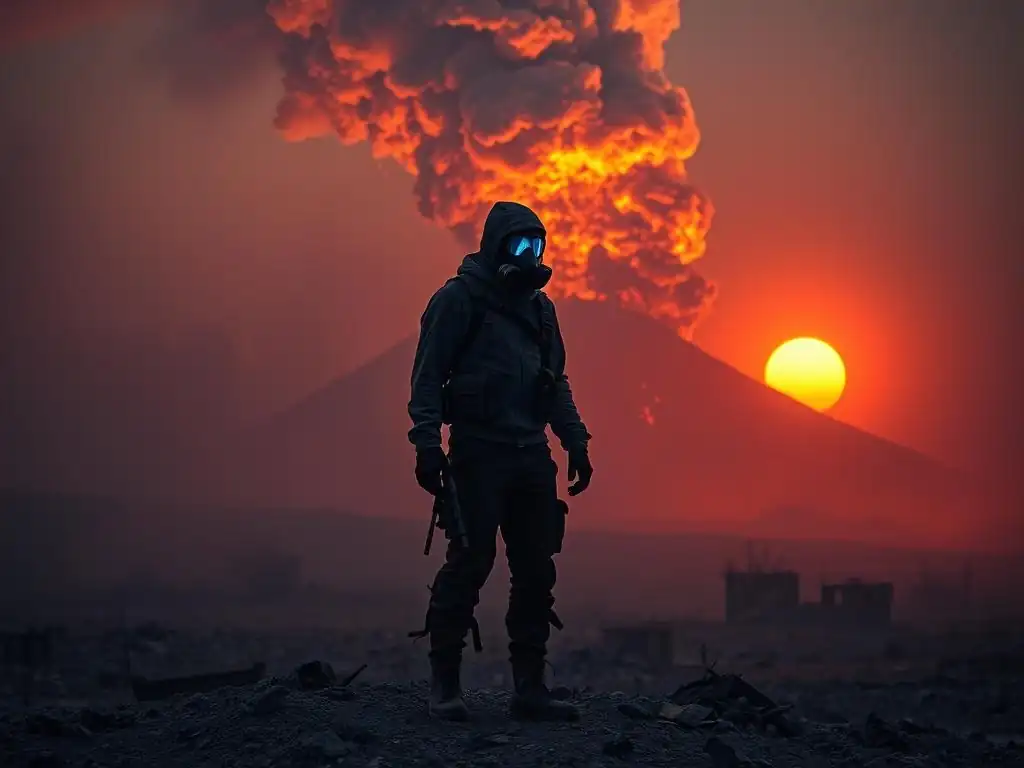
Welcome to Volcano Explorers!
Imagine a world blanketed in a grey shroud... The aftermath of a volcanic eruption can be devastating, and knowing how to navigate the hazardous landscape of ash is crucial. Are you prepared? Dive into our guide: " Ash Apocalypse Survival: The Critical Role of Respirators and Masks," and discover vital volcano ash survival tips that could save your life. Don't just survive, thrive – explore the science and practical advice within and arm yourself with the knowledge to face the fury of nature. What are the best masks and respirators for volcanic ash? Let's find out...
-
Volcano Ash Survival Tips: Protecting Yourself from the Ash Apocalypse
- Understanding the Dangers of Volcanic Ash Inhalation
- The Essential Role of Respirators and Masks in Volcano Ash Protection
- Why a Regular Dust Mask Isn't Enough: Upgrading for Volcanic Ash Survival
- Choosing the Right Respirator for Volcanic Ash: A Buying Guide
- Proper Respirator Usage: A Step-by-Step Guide for Volcano Ash Survival
- Beyond Respirators: Additional Volcano Ash Survival Gear
- Real-World Examples: Volcano Ash Survival Stories and Lessons Learned
- Conclusion: Prioritizing Respiratory Health in Volcano Ash Survival
-
Frequently Asked Questions
- What are the primary health risks associated with volcano ash exposure?
- Why are respirators and masks considered essential for volcano ash survival?
- What type of respirator or mask is most effective against volcanic ash?
- Besides respirators and masks, what other precautions should I take during a volcanic ashfall?
- Where can I find reliable information and updates on volcanic activity and ashfall forecasts?
- Final Reflection: Breathing Through the Ashes
- Unmask Your Preparedness: Secure Your Safety Today!
Volcano Ash Survival Tips: Protecting Yourself from the Ash Apocalypse
Understanding the Dangers of Volcanic Ash Inhalation
Volcanic ash, despite its seemingly innocuous name, is far from the soft, fluffy material one might imagine. It's a complex mixture of pulverized rock, minerals, and volcanic glass shards, often less than 2 millimeters in diameter.
This fine particulate matter is not like household dust; its microscopic jagged edges are abrasive and can cause significant irritation and damage to the respiratory system. Inhalation of volcanic ash can lead to a range of health problems, from mild throat and nose irritation to severe respiratory illnesses, particularly for vulnerable populations like children, the elderly, and those with pre-existing respiratory conditions such as asthma or bronchitis.
The immediate effects of volcanic ash inhalation include coughing, wheezing, shortness of breath, and irritation of the airways. The tiny particles can penetrate deep into the lungs, causing inflammation and exacerbating existing respiratory problems. Furthermore, volcanic ash can contain dissolved volcanic gases like sulfur dioxide, which, when combined with moisture in the lungs, can form sulfuric acid.
This chemical reaction further irritates the respiratory tract and can lead to more severe conditions like acute bronchitis or even silicosis with prolonged exposure. Beyond respiratory issues, volcanic ash can also cause eye irritation, skin abrasions, and contaminate water supplies, underscoring the multifaceted dangers it presents during volcanic eruptions.
The Essential Role of Respirators and Masks in Volcano Ash Protection
In the face of volcanic ashfall, respiratory protection is paramount. Respirators and masks are not merely suggested accessories; they are critical pieces of safety equipment that can significantly reduce the inhalation of hazardous ash particles. The primary function of these devices is to filter out airborne particulate matter, preventing it from entering the respiratory system. By creating a physical barrier, respirators and masks minimize the risk of immediate and long-term health problems associated with ash inhalation, allowing individuals to breathe cleaner air even in heavily ash-laden environments.
The effectiveness of respirators and masks in volcanic ash protection is well-documented and supported by public health recommendations from organizations like the Centers for Disease Control and Prevention (CDC) and the World Health Organization (WHO). These organizations emphasize the use of appropriate respiratory protection as a core component of any volcanic ash preparedness plan. During volcanic eruptions, especially those producing significant ash plumes, the air quality can deteriorate rapidly.
Respirators and masks become essential for outdoor activities, emergency response efforts, and even for individuals sheltering indoors, as fine ash particles can infiltrate buildings. They offer a vital layer of defense against the invisible threat of airborne volcanic ash.
Why a Regular Dust Mask Isn't Enough: Upgrading for Volcanic Ash Survival
While a regular dust mask might seem like a readily available solution for volcanic ash protection, it falls significantly short of providing adequate defense against the fine and hazardous nature of volcanic ash. Typical dust masks, often designed for larger particles like sawdust or construction debris, are not engineered to filter out the microscopic particles present in volcanic ash.
These masks often have loose-fitting designs and lack the necessary filtration efficiency to prevent the inhalation of the smallest and most harmful ash particles. Relying solely on a standard dust mask during volcanic ashfall can create a false sense of security without providing real protection.
Volcanic ash particles are significantly smaller and more abrasive than typical dust. They can easily penetrate the larger pores of a regular dust mask, rendering it ineffective. Furthermore, many dust masks lack a tight seal around the face, allowing ash-laden air to bypass the filter entirely.
For effective volcanic ash protection, it’s crucial to upgrade to respirators specifically designed and certified to filter out fine particulate matter. This upgrade is not just a matter of comfort; it's a matter of health and safety, ensuring that the respiratory system is adequately shielded from the harmful effects of volcanic ash inhalation during an eruption event.
Choosing the Right Respirator for Volcanic Ash: A Buying Guide
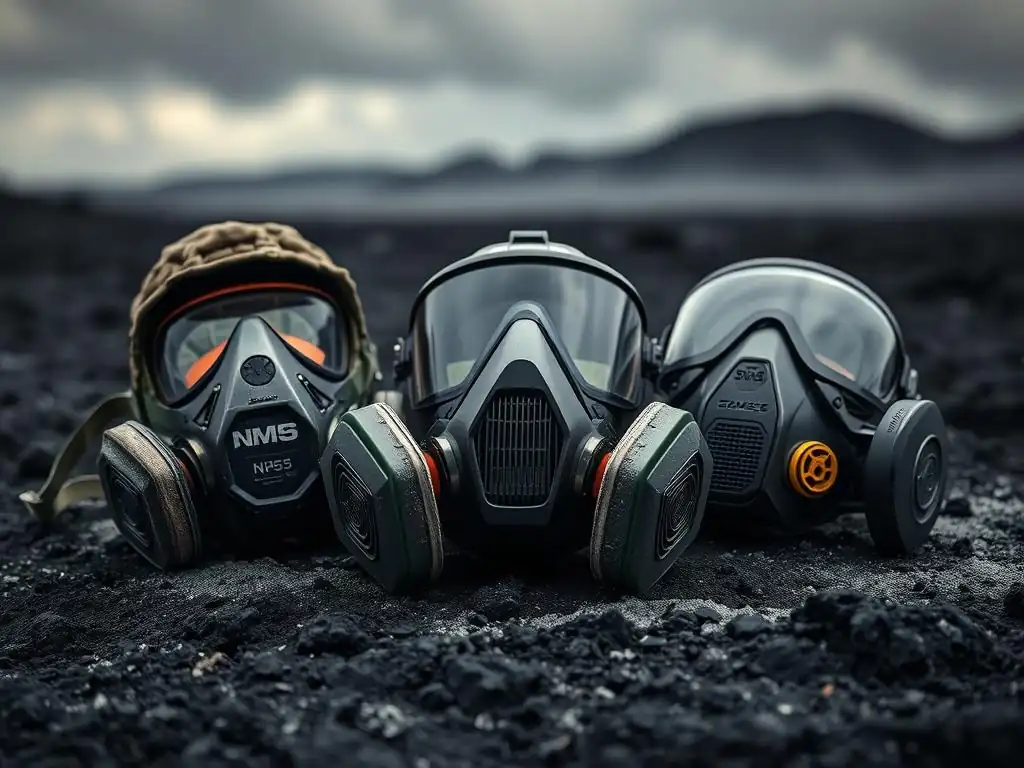
Selecting the appropriate respirator for volcanic ash protection involves understanding the different types available and their respective filtration capabilities. Respirators are classified based on their ability to filter out airborne particles, and for volcanic ash, higher filtration efficiency is generally better. Here’s a guide to help you choose the right respirator:
- N95 Respirators for Basic Ash Protection: N95 respirators are the minimum recommended level of protection for volcanic ash. They are designed to filter out at least 95% of airborne particles that are 0.3 microns or larger. For light to moderate ashfall, an N95 respirator can provide adequate protection for short durations. They are widely available and relatively inexpensive, making them a practical option for general preparedness.
- N99 Respirators for Enhanced Filtration: N99 respirators offer a step up in protection, filtering out at least 99% of airborne particles of 0.3 microns and larger. For situations with heavier ashfall or for individuals with increased sensitivity to respiratory irritants, N99 respirators offer a significant improvement over N95 masks. They provide a higher level of confidence in filtering out fine volcanic ash particles.
- P100 Respirators for Maximum Protection: P100 respirators are the highest level of particulate filtration available in disposable respirators. They filter out at least 99.97% of airborne particles of 0.3 microns or larger and are also effective against oil-based particles, which are not typically a concern with volcanic ash but indicate a very high filtration standard. For individuals requiring maximum protection, such as those with pre-existing respiratory conditions or those working in extremely ash-heavy environments, P100 respirators are the most suitable choice.
- Full-Face Respirators for Comprehensive Protection: Full-face respirators offer the most comprehensive protection, covering not only the nose and mouth but also the eyes. These respirators provide a sealed barrier against ash and volcanic gases, and often incorporate replaceable cartridges for extended use. While bulkier and more expensive than disposable respirators, full-face respirators are ideal for prolonged exposure to volcanic ash and offer enhanced comfort and protection, particularly for individuals with sensitive eyes or those working in ash-affected areas for extended periods.
- Considerations: When selecting a respirator, always prioritize NIOSH certification. This certification ensures that the respirator meets specific performance standards for filtration and breathability. Reading user reviews can provide practical insights into the comfort and effectiveness of different respirator models in real-world ashfall scenarios. Crucially, fit testing is essential to ensure a proper seal between the respirator and your face. A poorly fitting respirator, regardless of its filtration rating, will not provide adequate protection. Look for respirators with adjustable straps and nose clips to achieve a secure and comfortable fit.
Proper Respirator Usage: A Step-by-Step Guide for Volcano Ash Survival
Even the best respirator is ineffective if not used correctly. Proper usage is crucial for maximizing protection against volcanic ash. Follow these steps to ensure your respirator is working effectively:
- Wash Your Hands: Before handling your respirator, wash your hands thoroughly with soap and water or use hand sanitizer. This prevents transferring dirt and contaminants to the respirator and your face.
- Inspect the Respirator: Check the respirator for any damage, such as tears or punctures. Ensure the straps are intact and the nose clip is adjustable. Do not use a damaged respirator.
- Position the Respirator: Hold the respirator in your hand with the nosepiece facing upwards. Place it over your nose and mouth, ensuring it covers your chin as well.
- Secure the Straps: Position the top strap above your ears and the bottom strap below your ears. Adjust the straps to ensure a snug but comfortable fit. Avoid overtightening, which can cause discomfort and skin irritation.
- Adjust the Nose Clip: Mold the metal nose clip around the bridge of your nose to create a close seal. This is critical to prevent air from leaking in around the nose area.
- Perform a Seal Check: To check the seal, place your hands over the front of the respirator and exhale sharply. If you feel air leaking around the edges, readjust the straps and nose clip until a proper seal is achieved. Conversely, inhale sharply; the respirator should collapse slightly against your face, indicating a good seal.
- Maintain Proper Fit: Throughout the period of ash exposure, periodically check the respirator fit and readjust as needed. Facial movements and activities can sometimes loosen the seal.
- Dispose Properly: Disposable respirators are designed for single use or limited duration use. Once you leave the ash-affected area or the respirator becomes soiled or damaged, dispose of it properly. Avoid reusing disposable respirators. For reusable respirators with replaceable filters, follow the manufacturer's instructions for filter replacement and respirator maintenance.
Beyond Respirators: Additional Volcano Ash Survival Gear
Protecting Your Eyes: Goggles and Safety Glasses
While respirators protect your respiratory system, volcanic ash can also cause significant eye irritation and damage. The abrasive nature of ash particles can scratch the cornea, leading to discomfort, blurred vision, and in severe cases, corneal abrasions. Protecting your eyes is therefore a crucial aspect of volcanic ash survival. Goggles and safety glasses provide a physical barrier against ash particles, preventing them from coming into direct contact with your eyes.
For optimal eye protection, choose goggles that create a seal around your eyes, preventing ash from entering from the sides, top, or bottom. Safety glasses, while offering some protection, may not provide a complete seal, especially against fine ash particles. Look for goggles or safety glasses with anti-fog coatings to maintain clear vision, especially in humid conditions or during physical exertion. Wearing contact lenses during ashfall is generally discouraged, as ash particles can get trapped behind the lenses, causing significant irritation and potential damage to the cornea. If possible, switch to eyeglasses during periods of volcanic ashfall.
Protecting Your Skin: Clothing and Coverings
Volcanic ash, while primarily a respiratory hazard, can also irritate and abrade the skin. Prolonged exposure to ash can lead to dryness, itching, and rashes, particularly in sensitive areas. Protecting your skin with appropriate clothing and coverings minimizes direct contact with ash and reduces the risk of skin irritation. Wearing long-sleeved shirts, long pants, and gloves provides a physical barrier against ash particles.
Choose tightly woven fabrics to minimize ash penetration. Consider wearing a hat or scarf to protect your hair and scalp from ash accumulation. If possible, opt for clothing that can be easily washed or disposed of after exposure to ash. Applying a barrier cream or moisturizer to exposed skin areas can provide an additional layer of protection and help prevent dryness and irritation. Remember to wash ash off your skin and hair as soon as possible with soap and water to minimize prolonged contact and potential skin damage.
Air Purifiers for Indoor Air Quality During Ashfall
Even when sheltering indoors, volcanic ash can infiltrate buildings through gaps in doors and windows, ventilation systems, and other openings. This indoor ash contamination can compromise indoor air quality and continue to pose respiratory risks. Using air purifiers with HEPA filters can significantly improve indoor air quality during volcanic ashfall events. HEPA (High-Efficiency Particulate Air) filters are designed to capture at least 99.97% of particles 0.3 microns in diameter, effectively removing fine volcanic ash particles from indoor air.
Place air purifiers in rooms where you spend the most time, such as bedrooms and living areas. Ensure the air purifier's CADR (Clean Air Delivery Rate) is appropriate for the room size to effectively circulate and filter the air. Regularly clean or replace the air purifier filters according to the manufacturer's instructions to maintain optimal performance.
In addition to air purifiers, sealing windows and doors with tape and damp cloths can help minimize ash entry into buildings. Creating a "clean room" within your home, using plastic sheeting and tape to seal off a smaller area, can further enhance indoor air quality during prolonged ashfall.
Real-World Examples: Volcano Ash Survival Stories and Lessons Learned
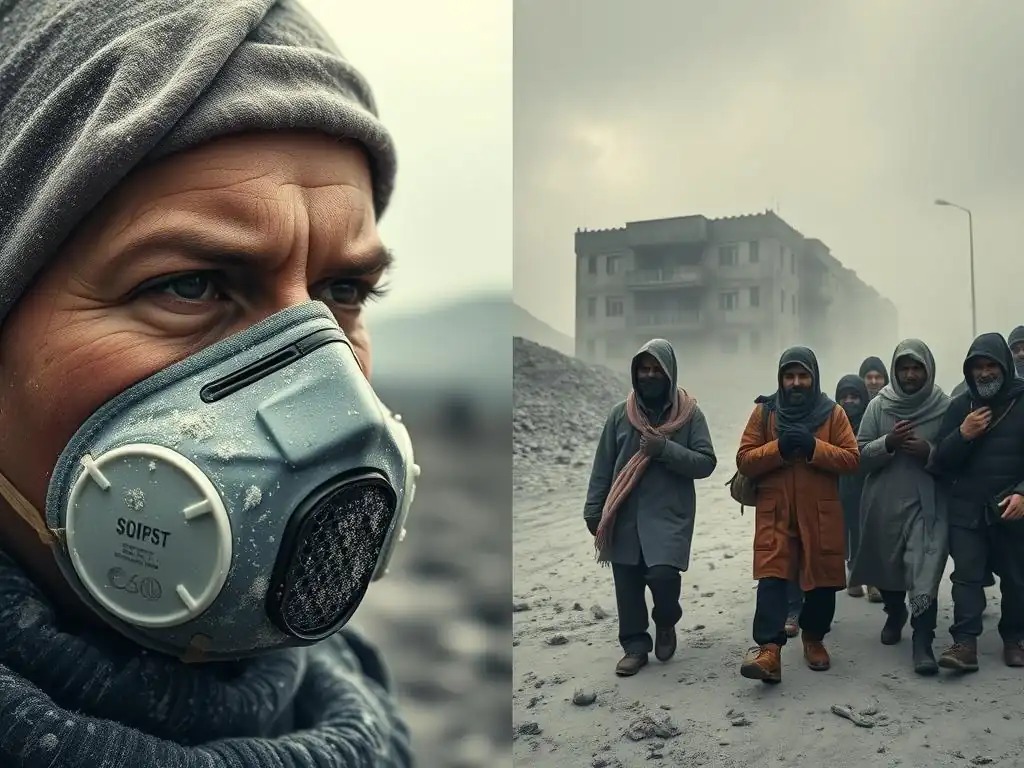
Case Study: The Mount St. Helens Eruption and Respiratory Protection
The 1980 eruption of Mount St. Helens in Washington State, USA, serves as a stark reminder of the devastating power of volcanic eruptions and the importance of respiratory protection. The eruption produced a massive ash plume that blanketed areas hundreds of miles away, depositing significant amounts of volcanic ash. Studies conducted after the eruption highlighted the widespread respiratory symptoms experienced by residents exposed to the ash, including coughing, shortness of breath, and increased asthma exacerbations.
The Mount St. Helens eruption underscored the critical need for public education on volcanic ash hazards and the importance of respiratory protection. While respirators were not widely used initially, lessons learned from this event led to improved public health preparedness and response strategies for future volcanic eruptions.
The experience emphasized that even seemingly "minor" ashfall can have significant health impacts and that proactive measures, including the use of respirators and masks, are essential to mitigate these risks. The long-term health follow-up studies on populations exposed to Mount St. Helens ash continue to inform our understanding of the chronic effects of volcanic ash inhalation.
Case Study: Iceland's Eyjafjallajökull Eruption and Air Travel Disruptions
The 2010 eruption of Eyjafjallajökull volcano in Iceland, while producing less ashfall in populated areas compared to Mount St. Helens, had a profound global impact due to its disruption of air travel. The fine volcanic ash plume drifted across Europe, forcing the closure of airspace and grounding thousands of flights for several days. This event demonstrated the far-reaching consequences of volcanic ash, even at relatively low concentrations in the atmosphere.
While the Eyjafjallajökull eruption primarily highlighted the aviation hazards of volcanic ash, it also reinforced the importance of understanding ash dispersal patterns and the potential for widespread impacts. The eruption prompted significant advancements in volcanic ash detection and forecasting, leading to improved procedures for managing airspace during volcanic events.
Furthermore, it underscored the need for preparedness not only in areas directly affected by ashfall but also in regions potentially impacted by ash clouds at higher altitudes. The Eyjafjallajökull eruption served as a global wake-up call regarding the interconnectedness of volcanic hazards and the need for international cooperation in monitoring and responding to volcanic events.
Conclusion: Prioritizing Respiratory Health in Volcano Ash Survival
Volcanic ash, an often underestimated hazard of volcanic eruptions, poses significant risks to respiratory health. From immediate irritation to long-term respiratory illnesses, the inhalation of volcanic ash can have serious consequences. Prioritizing respiratory health during volcanic ashfall events is not just advisable; it is essential for survival and well-being. Equipping yourself with the knowledge and the right tools, particularly respirators and masks, is a crucial step in mitigating the dangers of volcanic ash.
By understanding the risks, choosing appropriate respiratory protection, and practicing proper usage, individuals can significantly reduce their exposure to harmful ash particles and protect their respiratory systems. Beyond respirators, additional measures such as eye protection, skin coverings, and indoor air purification further enhance safety during ashfall events. Learning from past volcanic eruptions and real-world examples reinforces the importance of preparedness and proactive measures in volcanic ash survival. Ultimately, prioritizing respiratory health is a cornerstone of any effective volcanic ash safety strategy, ensuring resilience and minimizing the health impacts of these powerful natural events.
Frequently Asked Questions
What are the primary health risks associated with volcano ash exposure?
Volcanic ash can cause respiratory problems, such as coughing and difficulty breathing, and eye irritation. It can also exacerbate existing conditions like asthma and bronchitis.
Why are respirators and masks considered essential for volcano ash survival?
Respirators and masks provide protection from inhaling the fine, abrasive particles of volcanic ash, significantly reducing the risk of respiratory damage and health complications. This is especially important for vulnerable populations.
What type of respirator or mask is most effective against volcanic ash?
An N95 respirator offers the best protection against volcanic ash particles. Surgical masks can offer some protection, but are less effective for filtering out fine particles.
Besides respirators and masks, what other precautions should I take during a volcanic ashfall?
Stay indoors with windows and doors closed. Use air purifiers, if available, and cover food and water supplies to prevent contamination. Also, monitor official alerts and follow evacuation orders if necessary.
Where can I find reliable information and updates on volcanic activity and ashfall forecasts?
Refer to official sources like the Volcano Explorers website, local government agencies, and the US Geological Survey (USGS) for the most accurate and up-to-date information.
Final Reflection: Breathing Through the Ashes
The stark reality of volcanic eruptions, as highlighted throughout this article, underscores the critical importance of preparedness. Volcano ash, a seemingly innocuous substance, poses a significant threat to respiratory health and overall survival. Understanding the nuances of respirator and mask selection, proper usage, and the limitations of each is no longer a theoretical exercise, but a practical necessity in an increasingly volatile world.
The impact of volcanic ash extends far beyond immediate health concerns, influencing economies, ecosystems, and even societal structures. The ability to protect oneself from airborne hazards, like volcanic ash, represents a fundamental act of self-preservation and community resilience. The best preparation for tomorrow is doing your best today.
- H. Jackson Brown, Jr. This quote perfectly encapsulates the proactive approach required to navigate the challenges posed by natural disasters.
As you consider the information presented here, I urge you to reflect on your own preparedness. What steps can you take today to safeguard yourself and your loved ones from the potential dangers of volcanic ash? Don't wait for the eruption; empower yourself with knowledge, acquire the necessary equipment, and cultivate a mindset of proactive resilience. Your breath, and your future, depend on it.
Unmask Your Preparedness: Secure Your Safety Today!
Thanks for diving into the world of volcanic ash preparedness with us! We hope you now feel more equipped to face the unique challenges an ashfall event presents. Now, let's turn knowledge into action.
Here are a few crucial steps you can take to protect yourself and your loved ones:
- Don't delay – purchase a properly fitted respirator or N95 mask today. It's the single most important investment you can make.
- Share this article with friends and family to ensure they're equally informed and prepared. Knowledge is power!
- Consider joining our Volcano Explorers community forum at volcanoexplorers.org to connect with others, share your experiences, and learn more about local emergency resources.
What specific type of respirator are you considering, and what influenced your decision? Share your thoughts in the comments below!