
Children and Volcanoes: Tailoring First Aid Kits for Vulnerable Populations

Welcome to Volcano Explorers!
Imagine this: The ground trembles, ash fills the sky... Are you prepared? While volcanoes captivate with their raw power, safety is paramount, especially when children are involved. This is why we're diving deep into a crucial aspect of volcano preparedness: building First Aid Kits for Children. What makes these kits different? What specific items are essential for the unique needs of our youngest explorers? Uncover the answers below and ensure your family is ready for anything. Let the exploration begin!
- Understanding the Unique First Aid Needs of Children Near Volcanoes
- Building the Ultimate First Aid Kit for Kids Living Near Active Volcanoes
- Assembling a Comprehensive First Aid Kit: Step-by-Step Guide for Parents and Caregivers
- Case Studies: Real-World Examples of Children's First Aid Needs During Volcanic Eruptions
- Beyond the Kit: Education and Training for Children and Adults
- Maintaining Your Children's First Aid Kit: Regular Inspections and Replacements
- Resources and Further Information: Staying Informed and Prepared
-
Frequently Asked Questions
- What are the key considerations when assembling a first aid kit specifically for children living near volcanoes?
- Why is it important to tailor first aid kits for children in volcano-prone areas, rather than using a standard kit?
- Besides basic first aid supplies, what additional items should be included in a child's first aid kit for volcanic emergencies?
- How often should a first aid kit designed for children in a volcanic area be checked and restocked?
- What are some essential first aid skills that parents and caregivers should learn to effectively use a child-specific first aid kit during a volcanic event?
- Final Reflection: Resilience Amidst Volcanic Ash
- Prepare & Protect: Empower Your Community Today!
Understanding the Unique First Aid Needs of Children Near Volcanoes
Why Standard First Aid Kits May Fall Short for Kids in Volcanic Zones
Standard first aid kits are designed to address common injuries and medical emergencies encountered in everyday life, such as cuts, burns, and sprains. However, when considering the unique hazards associated with volcanic eruptions, these general kits often prove inadequate, especially for children. Children possess different physiological characteristics compared to adults; their respiratory systems are still developing, their skin is more sensitive, and their immune systems are less robust.
These factors make them particularly vulnerable to the specific dangers presented by volcanic events, including ashfall, gas exposure, and potential pyroclastic flows or lahars depending on proximity and type of volcano. A generic first aid kit may lack the specialized items needed to effectively protect and treat children in these challenging conditions.
Moreover, the standard dosages and equipment sizes in adult-oriented first aid kits are often inappropriate for children. Medications, bandages, and even respiratory masks are typically designed for adult physiques. Administering adult dosages of medication to a child can be dangerous, and ill-fitting masks offer inadequate protection against fine volcanic ash.
Similarly, wound care supplies in standard kits may not be gentle enough for a child's sensitive skin or appropriately sized for smaller injuries. Therefore, relying solely on a standard first aid kit in a volcanic zone, particularly when children are involved, can significantly compromise their safety and well-being. Specialized first aid kits for children are essential in these environments.
Addressing Respiratory Issues: A Primary Concern for Children During Volcanic Events
Volcanic eruptions release a complex mixture of gases and particulate matter, most notably volcanic ash. This ash, composed of fine shards of rock and glass, poses a significant respiratory hazard, especially for children. Children breathe faster than adults and have smaller airways, making them more susceptible to inhaling a greater concentration of ash particles.
Inhaling volcanic ash can trigger or exacerbate respiratory conditions like asthma, bronchitis, and other respiratory infections. Studies following eruptions, such as the 2010 eruption of Eyjafjallajökull in Iceland, showed a noticeable increase in respiratory complaints, particularly among children in ash-affected areas. The fine particles can irritate the airways, causing coughing, wheezing, shortness of breath, and even more severe conditions like acute bronchitis.
Beyond ash, volcanic gases like sulfur dioxide (SO2), hydrogen sulfide (H2S), and carbon dioxide (CO2) are also released during eruptions. Sulfur dioxide, even at low concentrations, can irritate the respiratory system and eyes, causing burning sensations and breathing difficulties. Children are more vulnerable to the effects of these gases due to their developing lungs and higher respiratory rate.
Hydrogen sulfide, while often detectable by its rotten egg smell, can become dangerous at higher concentrations, leading to respiratory distress and even unconsciousness. Carbon dioxide, being heavier than air, can accumulate in low-lying areas, displacing oxygen and posing a risk of asphyxiation, particularly for smaller children playing closer to the ground. Therefore, addressing respiratory protection is paramount when creating first aid kits for children in volcanic zones.
The Importance of Child-Sized Equipment in Volcanic Emergency Kits
The effectiveness of first aid interventions hinges on the correct application and fit of equipment. For children, using adult-sized equipment can be not only ineffective but also potentially harmful. Consider respiratory masks: an adult-sized N95 mask, designed to filter out fine particles like volcanic ash, will likely be too large for a child's face, creating gaps and allowing unfiltered air to be inhaled.
This defeats the purpose of the mask and offers minimal protection. Similarly, adult-sized bandages may be too large and cumbersome for smaller wounds on children, potentially hindering movement and proper healing. Furthermore, using adult dosages of medications on children can lead to serious adverse effects due to their different metabolic rates and body weights.
Child-sized equipment is specifically designed to address these discrepancies. Smaller respiratory masks are contoured to fit snugly on children's faces, ensuring a proper seal and effective filtration of volcanic ash and other airborne irritants. Child-sized bandages are appropriately proportioned for smaller injuries, providing comfortable and effective wound coverage.
Medications included in children's first aid kits should be formulated in appropriate dosages for pediatric use, minimizing the risk of overdose or adverse reactions. The inclusion of child-sized equipment in volcanic emergency kits is not merely a matter of convenience; it is a critical factor in ensuring the safety and well-being of children during volcanic events, enabling effective first aid and maximizing protection against volcanic hazards.
Building the Ultimate First Aid Kit for Kids Living Near Active Volcanoes
Essential Supplies: Beyond the Basics for Children's Volcanic Safety
Respiratory Protection: Choosing the Right Masks and Respirators for Small Faces
Selecting appropriate respiratory protection is crucial for children in volcanic areas. Standard surgical masks offer minimal protection against fine volcanic ash particles. N95 or N100 respirators are significantly more effective at filtering out at least 95% or 99.97% of airborne particles, respectively, including the fine ash that poses respiratory risks.
For children, it's essential to choose respirators specifically designed for smaller faces. These "child-sized" N95 or N100 masks are available and feature adjustable straps and nose bridges to ensure a snug and comfortable fit, minimizing gaps around the face. It’s important to practice fitting the mask on the child before an emergency to ensure they are comfortable wearing it and understand how to properly adjust it.
Furthermore, consider the comfort and practicality of the mask. Children may be more resistant to wearing uncomfortable masks, especially during stressful situations. Masks with exhalation valves can improve breathability and reduce heat and moisture buildup inside the mask, enhancing comfort for children, particularly during prolonged use or physical activity. Stocking multiple masks in various sizes and styles can accommodate different children's needs and preferences. It is also vital to ensure that masks are stored properly in a sealed bag within the first aid kit to prevent contamination and maintain their effectiveness.
Eye Protection: Goggles Designed for Comfort and Protection Against Ash
Volcanic ash is not only a respiratory irritant but also a significant eye irritant. The abrasive nature of ash particles can scratch the cornea, leading to discomfort, redness, blurred vision, and even infection. For children, who may be more prone to rubbing their eyes, eye protection is particularly important. Standard eyeglasses or contact lenses offer minimal protection against fine ash particles. Goggles provide a much more effective barrier, sealing around the eyes to prevent ash from entering. Choose goggles specifically designed for children, ensuring they are comfortable, lightweight, and fit snugly around the eye sockets without being too tight.
Look for goggles that are impact-resistant and offer a wide field of vision to minimize visual obstruction, which is especially important for children navigating potentially hazardous environments during volcanic events. Vented goggles can reduce fogging, which can be a common problem, particularly in humid conditions or during physical exertion. However, for maximum ash protection, consider non-vented goggles or those with a fine foam seal around the vents.
Similar to respiratory masks, it is beneficial to have children try on goggles beforehand to ensure a comfortable and secure fit and to familiarize them with wearing them. Storing goggles in a protective case within the first aid kit will prevent scratches and damage.
Wound Care: Gentle Cleansers and Kid-Friendly Bandages for Volcanic Ash Abrasions
Volcanic ash, being abrasive, can easily cause skin abrasions and irritations, especially in children with their more delicate skin. Wound care in a children's first aid kit for volcanic zones needs to be gentle and effective. Instead of harsh antiseptic solutions like hydrogen peroxide or strong iodine, opt for mild, child-friendly wound cleansers such as saline solution or diluted povidone-iodine (Betadine) solution. These are less likely to irritate a child’s skin and are still effective in cleaning minor abrasions caused by ash. Include sterile wipes soaked in saline solution for quick and easy cleaning of minor cuts and scrapes.
Bandages are another crucial component. Choose bandages that are specifically designed for children, often featuring fun designs or characters to make the experience less intimidating. Ensure a variety of bandage sizes and shapes are included to cover different types of minor wounds. Hypoallergenic bandages are recommended to minimize the risk of allergic reactions, particularly in children with sensitive skin.
Include adhesive tape for securing larger dressings or bandages. Non-stick dressings are also beneficial as they are less painful to remove, especially from children's sensitive skin. In addition to standard bandages, consider including butterfly closures for closing small cuts and wounds that may require a bit more support.
Burn Treatment: Specialized Ointments and Dressings for Potential Burns
While direct lava contact is unlikely for most people, volcanic eruptions can still present burn hazards. Pyroclastic flows and surges, though extremely dangerous and usually requiring evacuation, can cause severe burns. Hot ashfall, while generally not causing deep burns, can still cause superficial burns, especially if trapped against the skin.
Therefore, a children's first aid kit for volcanic zones should include burn treatment supplies. Burn creams or ointments containing aloe vera or silver sulfadiazine are beneficial for soothing minor burns and preventing infection. Silver sulfadiazine is a prescription ointment, so consulting with a pediatrician about its inclusion in a kit, especially if living in a high-risk volcanic area, is advisable.
Burn dressings are also essential. Sterile, non-adhesive burn dressings, often made of hydrogel or similar materials, are designed to cushion and protect burn injuries while keeping them moist to promote healing. These dressings are available in various sizes and should be included in the kit to cover different burn areas.
For minor burns, cool compresses can provide immediate relief. Include instant cold packs in the kit, ensuring they are the type that can be activated without refrigeration. It's crucial to remember that serious burns require professional medical attention, and the first aid kit is for initial care while seeking further medical help.
Hydration and Nutrition: Kid-Approved Electrolyte Solutions and Non-Perishable Snacks
Maintaining hydration and energy levels is critical during volcanic emergencies, especially for children. Stress, physical exertion, and exposure to volcanic ash can all contribute to dehydration. Children are more susceptible to dehydration than adults due to their higher metabolic rate and smaller body mass. Include kid-friendly electrolyte solutions in the first aid kit to help replenish fluids and electrolytes lost through sweating or potential vomiting/diarrhea, which can occur due to stress or contaminated water sources in emergency situations. Choose flavors that are palatable to children to encourage them to drink.
Non-perishable snacks are also vital for maintaining energy levels, particularly if evacuation or shelter-in-place situations are prolonged. Select snacks that are nutritious, lightweight, and appealing to children, such as granola bars, fruit snacks, crackers, and nut-free trail mix (considering potential allergies). Avoid sugary snacks that can lead to energy crashes. Water purification tablets or a portable water filter should also be considered if access to clean drinking water becomes compromised. Having these hydration and nutrition supplies readily available in the first aid kit helps ensure children remain hydrated and energized during and after a volcanic event.
Medication: Including Children's Dosage of Essential Medications
A children's first aid kit for volcanic zones must include essential medications in appropriate pediatric dosages. This goes beyond standard pain relievers and should consider common childhood ailments and potential volcanic-related health issues. Pain relievers and fever reducers like acetaminophen (Children's Tylenol) or ibuprofen (Children's Advil) are essential for managing pain and fever. Include these in liquid or chewable forms for easier administration to children. Antihistamines, such as diphenhydramine (Children's Benadryl) or loratadine (Children's Claritin), can be beneficial for allergic reactions, including skin reactions to volcanic ash or insect bites.
If a child has pre-existing conditions like asthma, ensure their inhaler and spacer are included in the kit. For children prone to motion sickness, consider including age-appropriate anti-nausea medication, especially if evacuation routes might involve bumpy roads. If a child requires any prescription medications, ensure a sufficient supply is included in the kit, along with copies of prescriptions in case refills are needed away from home.
Always consult with a pediatrician or pharmacist to determine the appropriate medications and dosages to include in a children's first aid kit, especially considering any pre-existing conditions and the specific volcanic hazards in the area. Clearly label all medications with dosages and instructions for use.
Child-Specific Considerations for Medication and Dosage During Volcanic Emergencies
Administering medication to children, especially during stressful emergency situations like volcanic eruptions, requires careful consideration of dosage and administration methods. Dosage for children is typically weight-based, meaning it varies significantly depending on the child's age and weight. Never administer adult dosages of medication to a child, as this can be dangerous. Always use children's formulations of medications and carefully follow the dosage instructions on the packaging or as prescribed by a pediatrician. Having pre-calculated dosage charts based on your children's weights and ages, kept within the first aid kit, can be incredibly helpful in emergency situations.
Administration methods also need to be child-appropriate. Liquid medications are often easier for younger children to swallow than pills. Chewable tablets are another convenient option for older children. Ensure you have appropriate measuring devices, such as oral syringes or measuring cups, to accurately administer liquid medications.
For inhalers, always use a spacer with children to ensure they receive the correct dose of medication effectively. If a child has allergies, clearly document them within the first aid kit and ensure that all medications included are safe for them. In emergency situations, if unsure about medication dosage or administration, it is always best to err on the side of caution and seek guidance from medical professionals whenever possible.
Assembling a Comprehensive First Aid Kit: Step-by-Step Guide for Parents and Caregivers
Inventory Checklist: Ensuring You Have Everything Your Child Needs
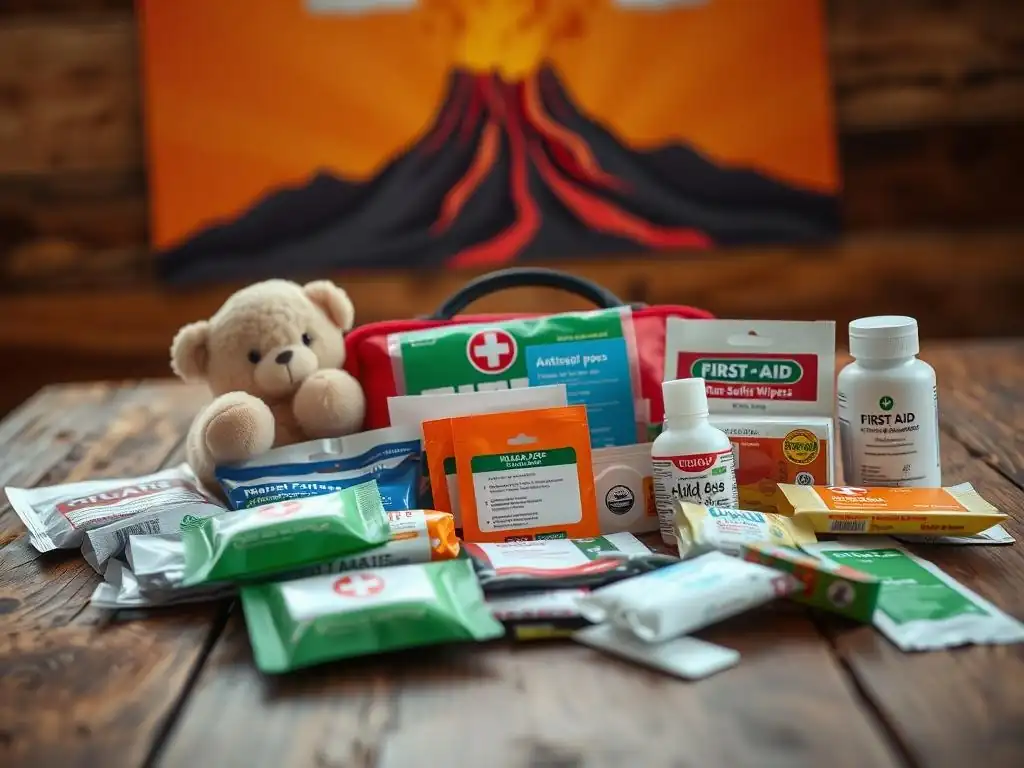
Creating a comprehensive first aid kit for children in volcanic zones requires a systematic approach. Start with a detailed inventory checklist to ensure you don't miss any essential items. This checklist should include all the categories discussed previously: respiratory protection (child-sized N95/N100 masks), eye protection (child-sized goggles), wound care (mild cleansers, kid-friendly bandages, non-stick dressings), burn treatment (burn cream, burn dressings), hydration and nutrition (electrolyte solutions, non-perishable snacks), and medications (pain relievers, antihistamines, prescription medications with child-appropriate dosages). Customize the checklist based on your children's specific needs, considering any pre-existing medical conditions, allergies, and ages.
Beyond these core categories, include general first aid supplies such as sterile gauze pads, adhesive tape, antiseptic wipes, tweezers, scissors, and gloves. A first aid manual or guide specifically geared towards children's needs can be a valuable addition. Don't forget personal items for each child, such as comfort items like a small toy or blanket, especially for younger children who may be more anxious during emergencies.
Regularly review and update your inventory checklist, especially as your children grow and their needs change. Use the checklist as a guide when assembling the kit and during regular inspections to ensure all items are present, unexpired, and in good working condition.
Packing for Portability: Choosing a Lightweight and Durable Bag
The portability of your children's first aid kit is paramount, especially during potential evacuations. Choose a lightweight yet durable bag or backpack to house all the supplies. A backpack is often a good option as it distributes weight evenly and allows for hands-free carrying.
Consider a bag made of water-resistant material to protect the contents from moisture, which can be particularly important in volcanic environments prone to rain or ashfall. The size of the bag should be large enough to accommodate all the necessary supplies comfortably without being excessively bulky or heavy for an adult or older child to carry.
Internal compartments and pockets within the bag are highly beneficial for organizing supplies and making them easily accessible in an emergency. Look for a bag with multiple compartments of different sizes to separate items by category (e.g., respiratory protection in one compartment, wound care in another). Clear plastic bags or pouches can be used to further organize smaller items within compartments.
Consider adding reflective tape to the exterior of the bag to enhance visibility in low-light conditions or during ashfall, which can reduce visibility significantly. Test pack the bag to ensure it is not too heavy or cumbersome to carry comfortably, especially for the person who will be primarily responsible for carrying it during an emergency.
Labeling and Organization: Making it Easy to Find Supplies in an Emergency
In the chaos of a volcanic emergency, quick access to first aid supplies can be critical. Proper labeling and organization within the first aid kit are essential for efficient retrieval of items. Clearly label each compartment and pouch within the kit, indicating the type of supplies contained within (e.g., "Respiratory," "Wound Care," "Medications"). Use bright, easy-to-read labels that are resistant to smudging or fading. For medications, clearly label each medication with its name, dosage, and intended use. If possible, use color-coded labels to further differentiate categories of supplies.
Within each compartment or pouch, organize items logically. For example, in the wound care compartment, group bandages together, cleansers together, and so on. Use clear plastic bags or pouches to further organize smaller items and keep them together. Consider creating a laminated card with a quick-reference guide to the kit's contents and their locations.
This card can be attached to the inside of the kit for easy access during an emergency. Regularly review the organization of the kit and ensure that labeling is clear and items are in their designated places. Practice locating items within the kit in a non-emergency setting to familiarize yourself with its layout and ensure you can quickly find what you need when time is of the essence.
Case Studies: Real-World Examples of Children's First Aid Needs During Volcanic Eruptions
Lessons Learned from Past Volcanic Eruptions and their Impact on Children
Historical volcanic eruptions offer valuable lessons regarding the specific vulnerabilities of children and their first aid needs during these events. The 1985 eruption of Nevado del Ruiz in Colombia, which triggered devastating lahars that engulfed the town of Armero, tragically highlighted the vulnerability of children. Many children were separated from their families and sustained injuries from the lahars and subsequent debris. Rescue efforts were complicated by the lack of child-specific resources and the overwhelming scale of the disaster. This event underscored the need for emergency preparedness plans to specifically address children's needs, including reunification strategies and child-appropriate first aid.
The 2018 eruption of Fuego volcano in Guatemala, which produced pyroclastic flows and heavy ashfall, demonstrated the respiratory risks children face. Reports from affected areas indicated a significant increase in respiratory illnesses among children due to ash inhalation. Many families lacked adequate respiratory protection, and existing first aid resources were often geared towards adults, lacking child-sized masks and appropriate medication dosages.
This event emphasized the critical importance of including child-sized respiratory protection and pediatric medications in first aid kits for volcanic zones. Furthermore, the psychological impact on children witnessing or experiencing volcanic eruptions should not be overlooked. Providing comfort items and psychological first aid training for caregivers are also crucial components of child-focused disaster preparedness.
Addressing Specific Injuries: Examples from Recent Volcanic Events Globally
Recent volcanic events worldwide continue to provide examples of specific injuries children sustain and the first aid needs that arise. Following the 2021 eruption of La Palma volcano in the Canary Islands, Spain, ashfall was a persistent issue, causing eye and respiratory irritation, particularly among children. Reports from local health authorities indicated an increase in conjunctivitis and respiratory complaints in children. First aid efforts focused on providing eye irrigation solutions and guidance on using respiratory masks, highlighting the ongoing need for readily available eye and respiratory protection in ashfall-affected areas.
The ongoing volcanic activity in Iceland, including eruptions at Fagradalsfjall and Sundhnúksgígaröð, while often less directly impactful on populated areas, still presents potential hazards. Even minor ashfall events can cause respiratory irritation, and volcanic gas emissions can pose localized risks. Children participating in outdoor activities near volcanic areas may be more susceptible to these hazards.
First aid preparedness in these regions focuses on educating the public, including children, about volcanic hazards and promoting the use of personal protective equipment, such as masks and goggles, even during seemingly minor volcanic activity. These examples reinforce the importance of tailored first aid kits for children in volcanic zones, addressing respiratory, eye, and skin irritation, as well as potential burn injuries depending on the volcanic hazards present.
Beyond the Kit: Education and Training for Children and Adults
Teaching Children Basic First Aid Skills for Volcanic Emergencies
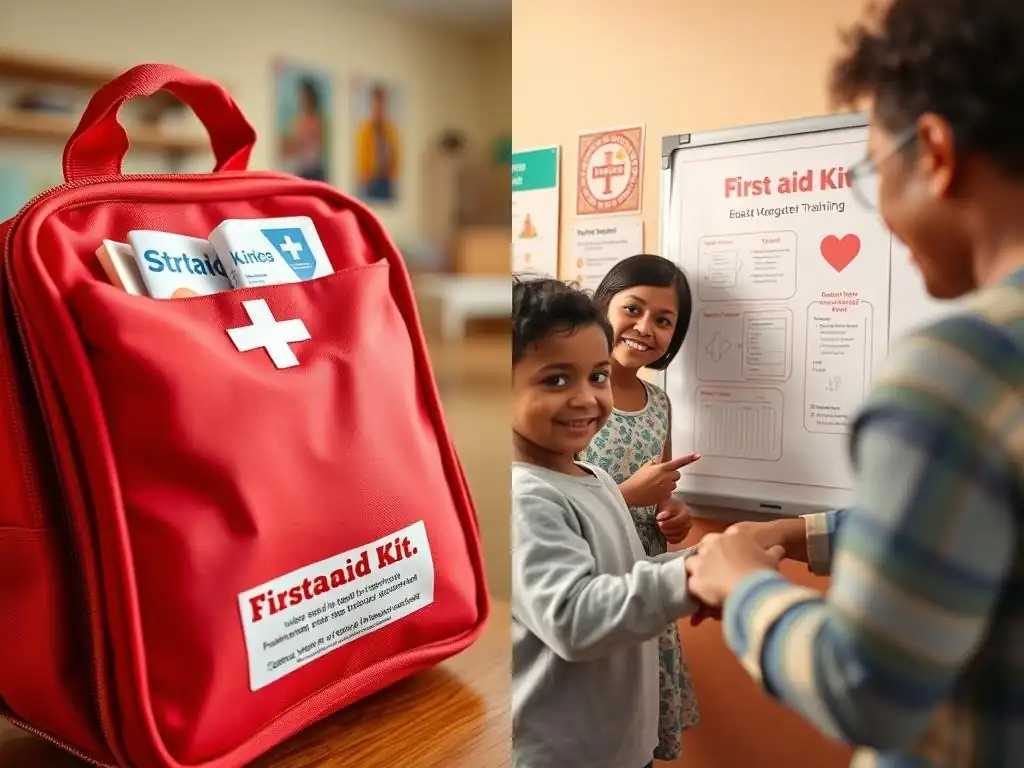
Equipping children with basic first aid skills empowers them to respond effectively in volcanic emergencies and enhances their overall safety. Age-appropriate first aid training can be introduced to children from a young age. Start with simple concepts like calling for help (knowing emergency numbers), cleaning minor cuts with water and soap, and applying a bandage. As children get older, they can learn more advanced skills, such as how to use a first aid kit, apply pressure to stop bleeding, and recognize signs of respiratory distress. Make learning fun and engaging through games, role-playing scenarios, and interactive activities.
Involve children in assembling and maintaining the family's first aid kit. This hands-on experience helps them become familiar with the contents and their uses. Teach them how to properly wear a respiratory mask and goggles, and practice these skills regularly.
Explain the importance of staying calm and following instructions during an emergency. Emphasize that first aid is not about replacing adult help but about taking initial steps to care for themselves and others until professional help arrives. By providing children with basic first aid knowledge and skills, you not only increase their safety but also foster a sense of responsibility and preparedness within the family.
Empowering Kids: How to Use a First Aid Kit and Stay Safe
Empowering children to use a first aid kit effectively involves more than just teaching them skills; it's about building their confidence and reducing fear in emergency situations. Make sure children know where the first aid kit is located and how to access it quickly. Show them how to open the kit and identify different compartments and supplies. Use clear and simple language when explaining the purpose of each item and how to use it. For example, explain that bandages are like "stickers" for boo-boos and masks are like "superhero shields" against dusty air.
Encourage children to practice using the first aid kit in non-emergency situations. Set up pretend scenarios and let them practice applying bandages or using a mask. Praise their efforts and build their confidence. Reassure them that it's okay to ask for help if they are unsure about something. Emphasize that using a first aid kit is a way to help themselves and others stay safe during a volcanic event. By empowering children with knowledge and skills, you transform them from passive bystanders into active participants in ensuring their own safety and the safety of their family during emergencies.
First Aid Training Courses: Resources for Parents and Caregivers in Volcanic Zones
For parents and caregivers in volcanic zones, comprehensive first aid training is essential to effectively respond to emergencies and care for children. Enroll in certified first aid courses offered by organizations like the Red Cross or St. John Ambulance. Look for courses that specifically cover pediatric first aid and disaster preparedness, including volcanic hazards if possible. These courses provide in-depth knowledge and hands-on practice in various first aid techniques, including CPR, wound care, burn treatment, and managing respiratory emergencies.
Consider taking advanced first aid courses or wilderness first aid training, which may be particularly relevant in more remote volcanic areas or for those engaging in outdoor activities near volcanoes. Online first aid resources and refresher courses are also available to supplement in-person training and keep skills up-to-date. Stay informed about local emergency preparedness initiatives and training programs offered by emergency management agencies in your volcanic zone.
Sharing first aid knowledge with other parents and caregivers in your community can create a network of preparedness and support. Investing in first aid training is an investment in the safety and well-being of your children and family, empowering you to respond confidently and effectively during volcanic emergencies.
Maintaining Your Children's First Aid Kit: Regular Inspections and Replacements
Expiration Dates: Checking and Replacing Expired Medications and Supplies
Regular maintenance of your children's first aid kit is crucial to ensure its effectiveness when needed. A key aspect of maintenance is checking expiration dates on medications and supplies. Medications, particularly ointments, creams, and liquid medications, have expiration dates after which they may lose their potency or become unsafe to use. Regularly (at least every six months) review all medications in the kit and replace any that are expired. Dispose of expired medications properly according to local guidelines, often involving designated collection sites or pharmacies.
Similarly, check expiration dates on other supplies like antiseptic wipes, sterile dressings, and even some bandages. While bandages may not technically expire, their sterility can be compromised over time, especially if packaging is damaged. Replace any expired or compromised items promptly. Set calendar reminders to conduct regular expiration date checks to ensure your kit is always stocked with fresh and effective supplies. Properly functioning and unexpired supplies are essential for the first aid kit to be reliable in an emergency.
Restocking: Ensuring You're Prepared for the Next Volcanic Event
Beyond expiration dates, regular restocking is essential to maintain a fully functional children's first aid kit. After using any item from the kit, even for minor incidents, promptly replace it. This ensures that the kit is always complete and ready for the next emergency. Keep a running list of items used or nearing expiration to facilitate restocking. Periodically review the entire kit inventory, even if no items have been used, to ensure all supplies are present and in sufficient quantities.
Consider seasonal restocking, particularly before periods of increased volcanic activity or during annual emergency preparedness weeks. Check supplies that may deplete over time, such as bandages, antiseptic wipes, and pain relievers. Restock non-perishable snacks and electrolyte solutions periodically to ensure freshness. Replace water purification tablets or update water filters according to manufacturer recommendations. Regular restocking ensures that your children's first aid kit remains a reliable resource, fully equipped to address their needs during any volcanic event.
Customizing Your Kit: Adapting to Your Child's Evolving Needs and the Specific Volcanic Hazards in Your Area
A children's first aid kit is not a static entity; it should be customized and adapted to your child's evolving needs and the specific volcanic hazards in your area. As children grow, their medication dosages, clothing sizes (for burn dressings, for example), and even comfort items may change. Regularly review and adjust the kit's contents to reflect these changes.
For infants and toddlers, include items like diaper rash cream, infant pain relievers, and formula or baby food if applicable. For older children, consider including items relevant to their activities, such as blister treatment for hikers or insect repellent for outdoor play.
Furthermore, tailor the kit to the specific volcanic hazards prevalent in your region. Areas prone to heavy ashfall may require a greater emphasis on respiratory and eye protection supplies. Regions with potential for lahars or pyroclastic flows may necessitate including items related to burn care and wound management for more severe injuries.
Consult local emergency management agencies or volcanologists to understand the specific volcanic risks in your area and adjust your first aid kit accordingly. Customization ensures that your children's first aid kit is not only comprehensive but also specifically relevant and effective for the unique challenges posed by volcanic hazards in your location.
Resources and Further Information: Staying Informed and Prepared
Local Emergency Management Agencies: Contact Information and Guidance
Staying informed and prepared for volcanic events requires accessing reliable resources and guidance. Local emergency management agencies are primary sources of information and support in volcanic zones. Identify and maintain contact information for your local emergency management agency, including phone numbers, websites, and social media channels. These agencies provide crucial information about volcanic hazards in your area, emergency preparedness plans, evacuation routes, and shelter locations. They often conduct community outreach programs, workshops, and drills to educate residents about volcanic safety.
Attend public meetings and information sessions organized by emergency management agencies to stay updated on volcanic activity and preparedness measures. Familiarize yourself with your community's emergency alert systems and sign up for notifications to receive timely warnings and updates during volcanic events. Emergency management agencies can also provide guidance on assembling emergency kits, including first aid kits, tailored to local hazards. Building a relationship with your local emergency management agency is a vital step in enhancing your family's volcanic preparedness.
Volcano Monitoring Organizations: Real-Time Updates and Safety Alerts
Volcano monitoring organizations provide real-time updates and scientific information about volcanic activity worldwide. Organizations like the United States Geological Survey (USGS) Volcano Hazards Program, the Smithsonian Institution's Global Volcanism Program, and local volcano observatories in volcanic regions offer valuable resources for staying informed. Visit their websites for information on current volcanic activity, volcano alerts, hazard assessments, and educational materials about volcanoes. Many organizations offer email alerts or social media updates to provide timely notifications about changes in volcanic activity.
Familiarize yourself with the volcano monitoring organization responsible for your local volcanic area. Understand their alert levels and what each level signifies in terms of volcanic risk. Use their data and information to assess the potential hazards in your area and inform your preparedness plans. While these organizations provide scientific information, remember that local emergency management agencies are responsible for issuing official warnings and evacuation orders. Use volcano monitoring resources in conjunction with guidance from local authorities to stay informed and prepared for volcanic events.
Recommended Reading: Books and Websites on Volcano Safety and First Aid
Expanding your knowledge about volcano safety and first aid can further enhance your preparedness. Explore recommended reading materials, including books and websites dedicated to these topics. Look for books on volcano hazards, emergency preparedness for volcanic eruptions, and first aid specifically for disaster situations. The USGS and other volcano monitoring organizations often publish educational materials and guides on volcano safety, which are readily available on their websites. Websites like Ready.gov and FEMA (Federal Emergency Management Agency) offer comprehensive resources on disaster preparedness, including specific guidance for volcanic hazards.
Search for websites and articles focused on pediatric first aid and children's health during emergencies. The American Academy of Pediatrics (AAP) and similar organizations provide valuable resources on children's health and safety. Explore websites and blogs dedicated to emergency preparedness and survival skills, which often include information relevant to volcanic environments. Continuously seeking knowledge and staying informed is an ongoing process that strengthens your ability to protect your children and family from volcanic hazards.
Frequently Asked Questions
What are the key considerations when assembling a first aid kit specifically for children living near volcanoes?
The main considerations are age-appropriate supplies and child-sized equipment, such as bandages and masks. Include medications with proper dosages clearly labeled and safe for children.
Why is it important to tailor first aid kits for children in volcano-prone areas, rather than using a standard kit?
Children have unique needs and vulnerabilities. Standard kits may contain items unsuitable for them, like adult-sized doses of medication. A tailored kit ensures effective treatment and reduces risks for children.
Besides basic first aid supplies, what additional items should be included in a child's first aid kit for volcanic emergencies?
Include items like a dust mask or respirator sized for children, eye protection, and a comfort item such as a small toy or blanket to ease anxiety during stressful situations.
How often should a first aid kit designed for children in a volcanic area be checked and restocked?
Kits should be checked and restocked at least every six months, or more frequently if items have been used or are nearing their expiration dates. This ensures the kit is always ready for an emergency.
What are some essential first aid skills that parents and caregivers should learn to effectively use a child-specific first aid kit during a volcanic event?
CPR and basic wound care are crucial. Also, learn how to administer children's medication and recognize signs of respiratory distress from ash inhalation.
Final Reflection: Resilience Amidst Volcanic Ash
The lessons learned from examining the specific needs of children living near volcanoes are not just academic; they are a vital call to action for preparedness everywhere. While this article focuses on volcanic regions, the principles of tailoring first aid kits to vulnerable populations resonate deeply in any community facing potential disasters. The fragility of childhood, compounded by the unpredictable nature of natural events, demands a proactive and compassionate response.
The impact of this topic extends far beyond the immediate aftermath of an eruption. It underscores the fundamental importance of community resilience and the responsibility we all share in protecting the most vulnerable among us. The simple act of assembling a first aid kit, thoughtfully curated for children, becomes a powerful symbol of hope and preparedness. The best preparation for tomorrow is doing your best today.
- H. Jackson Brown, Jr. This quote encapsulates the proactive spirit needed to safeguard our children in the face of adversity.
Now, consider how you can apply these lessons in your own life and community. What vulnerabilities exist in your area, and how can you proactively address them? Take the time to assess your own preparedness, not just for yourself, but for the children and other vulnerable individuals around you. Let this article be a catalyst for action, inspiring you to create a safer, more resilient future for all.
Prepare & Protect: Empower Your Community Today!
Thank you for learning about creating specialized first aid kits for children living near volcanoes. We hope this article provided valuable insights and practical knowledge to help safeguard your community. Now, let's put that knowledge into action!
Here are a few things you can do to make a real difference:
- Organize a community workshop on assembling child-specific first aid kits tailored to volcanic hazards. This is the most impactful step you can take!
- Share this article with other parents, educators, and community leaders via email and social media to expand awareness and encourage collaborative preparation.
- Consider including unique and comforting items, like special child-friendly bandages or small, familiar toys, in your emergency kits.
What innovative ideas will you incorporate into your volcano-ready first aid kit to provide extra comfort and security for children in your community? Share your suggestions in the comments below!