
Volcano Gear on a Budget: Affordable Safety Solutions for Adventurers

Welcome to Volcano Explorers!
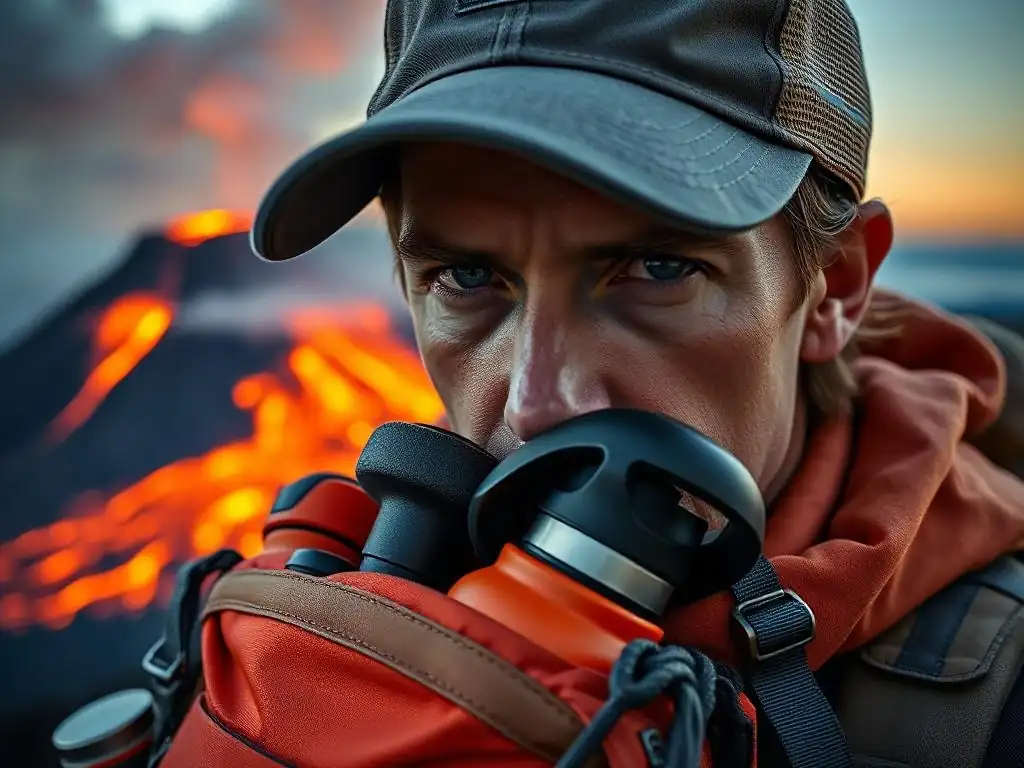
Dare to approach the edge? The raw power and breathtaking beauty of volcanoes beckon, but respect for the Earth's fiery heart is paramount. Before you embark on your next adventure, are you truly prepared? Dive into our guide on Affordable Volcano Adventure Gear and discover how to equip yourself for a safe and unforgettable journey without breaking the bank. What essentials are you missing? Let's uncover the secrets to smart volcano exploration, one budget-friendly piece of gear at a time...
- Planning Your Affordable Volcano Adventure: Prioritizing Safety Without Breaking the Bank
- Affordable Respiratory Protection for Volcano Explorers
- Protecting Your Eyes: Affordable Volcano Goggles and Eyewear
- Durable and Affordable Clothing for Volcano Environments
- Affordable Footwear for Volcano Terrain: Boots that Won't Break the Bank
- Essential Safety Tools on a Budget: Affordable Gadgets for Volcano Explorers
- Final Thoughts: Staying Safe and Saving Money on Your Volcano Adventure
-
Frequently Asked Questions
- What are the most essential pieces of affordable volcano adventure gear for beginners?
- How can I find budget-friendly alternatives to expensive, brand-name volcano exploration equipment?
- What safety features should I prioritize when selecting affordable volcano adventure gear?
- Are there any specific brands known for offering reliable yet affordable volcano gear options?
- Where can I find up-to-date information on affordable volcano adventure gear sales and discounts?
- Final Reflection: Embracing Adventure Responsibly
- Ignite Your Adventure: Gear Up Without Breaking the Bank!
Planning Your Affordable Volcano Adventure: Prioritizing Safety Without Breaking the Bank
Embarking on a volcano adventure is an exhilarating experience, bringing you face-to-face with the raw power of nature. However, the unique environment of a volcano, with its potential for ashfall, gas emissions, and unstable terrain, demands careful preparation and the right safety gear. Many aspiring volcano explorers might be deterred by the perceived high cost of specialized equipment.
The good news is that experiencing these geological wonders doesn't require emptying your bank account. With smart planning and resourcefulness, you can acquire essential safety gear without breaking the bank, ensuring a safe and memorable adventure. This article will guide you through selecting affordable volcano adventure gear, allowing you to prioritize safety and enjoy your exploration responsibly.
Before you even consider packing your bag, meticulous planning is paramount. Research the specific volcano you plan to visit. Understand its activity level, typical weather conditions, and potential hazards. Websites like the Smithsonian Institution's Global Volcanism Program and local geological surveys offer valuable insights into volcano status and associated risks.
Knowing if the volcano is actively erupting, experiencing increased seismic activity, or simply dormant will heavily influence the type and level of protection required. For example, an active volcano with recent ash emissions will necessitate robust respiratory and eye protection far beyond what's needed for a dormant volcano with minimal gas output. Thorough research forms the foundation of your budget-conscious safety strategy, allowing you to focus your spending on the most crucial gear for your specific adventure.
Understanding Essential Volcano Safety Gear: More Than Just a Hike
Volcano exploration is distinct from a typical hike. While sturdy footwear and weather-appropriate clothing are essential for any outdoor adventure, volcano environments present unique challenges. Volcanic ash, composed of fine particles of rock and glass, can irritate lungs and eyes, and damage equipment.
Volcanic gases, such as sulfur dioxide, can be harmful in concentrated amounts, especially in areas with poor ventilation like volcanic craters or fumarole fields. Furthermore, the terrain around volcanoes is often unstable, with loose rocks, steep slopes, and potentially hot ground near active vents. Therefore, volcano safety gear extends beyond standard hiking equipment to include specialized items designed to mitigate these specific hazards.
Essential volcano safety gear can be broadly categorized into respiratory protection, eye protection, durable clothing, sturdy footwear, and basic safety tools. Respiratory protection, typically in the form of respirators or specialized dust masks, is crucial for filtering out harmful volcanic ash particles. Eye protection, such as goggles, shields your eyes from ash and gas irritants. Durable clothing, including long sleeves and pants made from robust materials, provides physical protection from abrasive ash and potential heat.
Sturdy, ankle-supporting boots are vital for navigating uneven and potentially hot terrain. Finally, basic safety tools, such as a multi-tool, first-aid kit, and navigation aids, contribute to your overall preparedness in a remote and potentially unpredictable environment. Understanding these categories is the first step in assembling your affordable volcano adventure gear.
The Importance of Budget-Friendly Volcano Protection: Why You Need to Gear Up
Some might question the necessity of specialized gear, especially when aiming for an affordable volcano adventure. "Can't I just use a bandana and sunglasses?" one might ask. While resourcefulness is commendable, compromising on safety in a volcanic environment is a gamble that's simply not worth taking.
Volcanic ash, unlike ordinary dust, is abrasive and can cause significant respiratory irritation, eye damage, and even exacerbate pre-existing respiratory conditions like asthma. Prolonged exposure to volcanic gases can also lead to headaches, nausea, and more severe health issues. Investing in even budget-friendly protective gear is a direct investment in your health and well-being during and after your volcano exploration.
Furthermore, inadequate gear can severely impact your enjoyment and the success of your adventure. Imagine struggling to breathe through a bandana clogged with ash, or constantly wiping your eyes because standard sunglasses offer insufficient protection. Discomfort and compromised visibility detract from the experience and can even lead to dangerous situations.
Affordable volcano protection is not about overspending; it's about making smart, informed choices to mitigate risks and ensure you can fully appreciate the awe-inspiring beauty of volcanoes. By prioritizing essential safety items, even on a budget, you are making a responsible and informed decision that allows you to explore with confidence and peace of mind.
Affordable Respiratory Protection for Volcano Explorers
Dust Masks vs. Respirators: Choosing the Right Protection for Volcanic Ash
When it comes to respiratory protection against volcanic ash, you'll encounter two main types of equipment: dust masks and respirators. While both aim to filter out airborne particles, they offer different levels of protection and are suited for varying levels of volcanic activity. Simple dust masks, often inexpensive paper or cloth masks, are designed for larger particles and offer minimal protection against fine volcanic ash.
They are generally inadequate for volcano environments, especially during or after ashfall events. Respirators, on the other hand, are designed to filter out much finer particles, including the microscopic glass shards present in volcanic ash. They provide a tighter seal around the face and utilize more effective filter media.
For volcano exploration, especially in areas with potential ash exposure, respirators are the recommended choice. The most common and budget-friendly respirators are N95 and P100 respirators. N95 respirators filter out at least 95% of airborne particles that are 0.3 microns or larger. They are effective against volcanic ash and are widely available at hardware stores and online retailers.
P100 respirators offer an even higher level of protection, filtering out at least 99.97% of airborne particles of 0.3 microns or larger. While slightly more expensive than N95 masks, P100 respirators provide enhanced protection, particularly if you are sensitive to dust or anticipate heavy ashfall. Choosing between N95 and P100 depends on your individual needs and the anticipated level of ash exposure, but both are significantly superior to basic dust masks for volcano safety.
Budget-Friendly Respirator Options: N95 and P100 Respirator Comparisons
N95 and P100 respirators are readily available and represent affordable yet effective respiratory protection for volcano explorers. N95 respirators are generally the more budget-friendly option. A single N95 mask can cost as little as $1-3 USD, and packs of 10 or 20 are often available for even greater savings per mask. Brands like 3M and Honeywell offer widely available and certified N95 respirators. Look for masks with adjustable nose clips and straps to ensure a snug and comfortable fit, minimizing air leakage around the edges.
P100 respirators, while offering superior filtration, typically come at a slightly higher price point. A single P100 mask might range from $3-7 USD, with bulk purchases offering better value. P100 respirators often utilize replaceable filter cartridges, which can be a cost-effective option if you plan on multiple volcano adventures.
While the initial investment might be slightly higher, the enhanced protection and potential for reusable components can make P100 respirators a worthwhile investment for frequent volcano explorers. When comparing budget-friendly options, consider the duration and intensity of your planned volcano exposure, your personal respiratory sensitivity, and the overall cost-effectiveness of single-use N95 masks versus reusable P100 respirators with replaceable filters.
DIY Respiratory Protection: When is it Acceptable (and When is it Not)?
The allure of DIY solutions is strong, especially when aiming for affordable volcano adventure gear. However, when it comes to respiratory protection against volcanic ash, DIY alternatives are generally not acceptable and can be dangerously ineffective. Homemade masks made from fabric, scarves, or bandanas offer minimal filtration against the fine particles of volcanic ash. While they might provide a slight psychological sense of protection, they do little to prevent inhalation of harmful ash particles and can even become saturated with ash, further hindering breathing.
The effectiveness of respirators lies in their specialized filter media and tight facial seal, features that are impossible to replicate reliably with DIY methods. Volcanic ash particles are microscopic and require specialized filtration to be effectively removed from inhaled air. Attempting to create DIY respiratory protection is not only ineffective but also creates a false sense of security, potentially leading to increased exposure to harmful ash.
In situations where certified N95 or P100 respirators are unavailable as a last resort in an emergency situation, a tightly woven damp cloth may offer marginally better protection than nothing at all, but this is far from ideal and should not be considered a planned alternative. Prioritize acquiring certified respirators for volcano exploration; your respiratory health is not worth the risk of ineffective DIY solutions.
Protecting Your Eyes: Affordable Volcano Goggles and Eyewear
Why Standard Sunglasses Aren't Enough: The Dangers of Volcanic Ash and Gases
Protecting your eyes during volcano exploration is just as crucial as protecting your lungs. While sunglasses offer some protection from UV radiation, they are woefully inadequate against the hazards of volcanic ash and gases. Standard sunglasses typically have gaps around the frames, allowing fine volcanic ash particles to easily enter and irritate the eyes. Volcanic ash is abrasive and can scratch the cornea, the clear front surface of the eye. This can lead to pain, blurred vision, and in severe cases, even long-term vision problems.
Furthermore, volcanic gases, such as sulfur dioxide, can cause significant eye irritation, leading to burning, stinging, and excessive tearing. Sunglasses offer no barrier against these gases. Exposure to volcanic gases can also exacerbate the irritating effects of volcanic ash. For effective eye protection in a volcano environment, you need eyewear that provides a tight seal around the eyes, preventing both ash particles and irritating gases from entering. This level of protection is not offered by standard sunglasses, making specialized goggles or safety eyewear essential for volcano adventurers.
Top Budget Goggles for Volcano Exploration: Ski Goggles vs. Safety Goggles
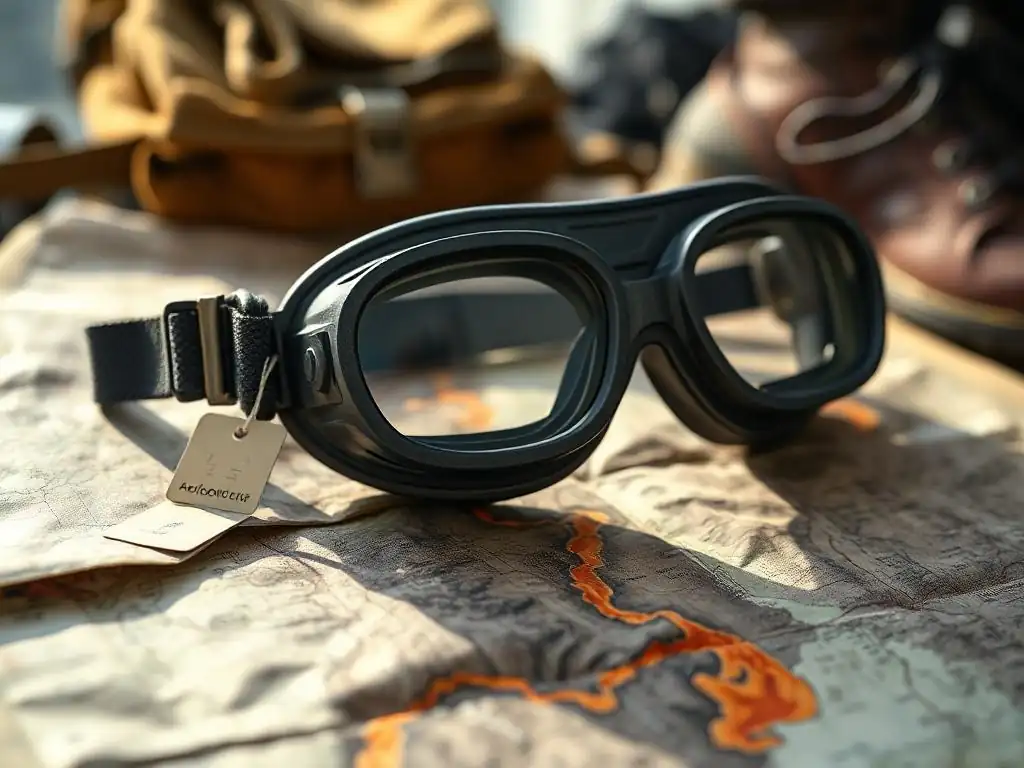
When searching for affordable and effective eye protection for volcano exploration, two excellent options stand out: ski goggles and safety goggles. Both types of goggles are designed to provide a close fit around the eyes and offer protection from particles and impacts. Ski goggles are designed for snowy conditions and provide excellent coverage and protection from wind, snow, and glare. Many budget-friendly ski goggles are available with dual-layer lenses to prevent fogging, a crucial feature in varying volcanic weather conditions. They typically feature a comfortable foam seal that conforms to the face, effectively blocking out ash and wind.
Safety goggles, designed for industrial and construction settings, are another highly effective and affordable option. Safety goggles are specifically designed to protect against impacts and airborne particles, making them ideal for volcanic ash environments. Look for safety goggles that meet ANSI Z87.1 standards, indicating they have been tested and certified for impact resistance and particle protection.
Both ski goggles and safety goggles can be found for under $20 USD, making them accessible options for budget-conscious volcano explorers. When choosing between ski goggles and safety goggles, consider factors like lens tint (clear lenses are versatile for most conditions), ventilation (to minimize fogging), and overall comfort for extended wear.
Protecting Your Vision: Tips for Maintaining Clear Sight on a Budget
Beyond selecting the right goggles, several practical tips can help maintain clear vision and protect your eyes during volcano exploration, even on a budget. Firstly, ensure your goggles fit properly and create a good seal around your eyes. Adjust the straps for a snug but comfortable fit. If you wear contact lenses, consider switching to eyeglasses for volcano adventures, as volcanic ash can get trapped under contact lenses, causing significant irritation and potential corneal abrasions. If eyeglasses are worn, ensure your goggles fit comfortably over them.
Carry a small bottle of eyewash or sterile saline solution. If ash does get into your eyes, flush them immediately and thoroughly. Avoid rubbing your eyes, as this can worsen corneal scratches. Blinking frequently can also help naturally clear debris from your eyes. If you anticipate dusty conditions, periodically clean your goggle lenses with a soft, clean cloth or lens wipes. Avoid using abrasive materials that could scratch the lenses. By combining affordable, effective goggles with these practical tips, you can significantly enhance your eye protection and maintain clear vision throughout your volcano adventure, ensuring both safety and enjoyment.
Durable and Affordable Clothing for Volcano Environments
Layering for Volcanic Conditions: Balancing Protection and Breathability
Clothing for volcano exploration needs to be both protective and adaptable. Volcanic environments can experience rapid changes in temperature and weather conditions. Layering is the key to managing these fluctuations and ensuring comfort and safety. Start with a moisture-wicking base layer against your skin. This could be a synthetic fabric or lightweight merino wool. The base layer helps draw sweat away from your body, keeping you dry and comfortable, especially during strenuous activity.
The middle layer provides insulation. Fleece or lightweight synthetic jackets are excellent affordable options. These layers trap heat and can be easily added or removed as temperatures change. The outer layer should be a durable, weather-resistant jacket and pants. Look for materials that are windproof and water-resistant to protect against wind, rain, and potential ashfall. While fully waterproof gear can be expensive, water-resistant options are often sufficient for typical volcano conditions and are more budget-friendly. Layering allows you to adjust your clothing to maintain a comfortable body temperature and provides flexibility for changing weather conditions encountered during volcano exploration.
Inexpensive, Heat-Resistant Clothing Options: Consider Wool and Synthetics
While specialized heat-resistant clothing like Nomex suits used by volcanologists is expensive and unnecessary for most volcano adventurers, you can still choose affordable clothing options that offer a degree of heat resistance and durability. Wool and synthetic fabrics are excellent choices for volcano environments. Wool, even inexpensive wool blends, is naturally flame-resistant, offers good insulation even when damp, and is relatively durable. Wool socks are particularly valuable for foot protection and moisture management inside hiking boots.
Synthetic fabrics like polyester and nylon are also durable, quick-drying, and often more affordable than wool. Look for tightly woven synthetic fabrics for outer layers to provide better protection against wind and abrasion from volcanic ash. Avoid cotton clothing, as it absorbs moisture, dries slowly, and offers minimal insulation when wet.
For pants, durable work pants made from canvas or heavy-duty synthetic blends can provide good protection against abrasion and heat at an affordable price. Choosing wool and synthetic fabrics over cotton, and opting for durable work pants instead of lightweight hiking pants, can significantly reduce clothing costs while still providing adequate protection and heat resistance for volcano exploration.
Protecting Your Skin: Sunscreen and Insect Repellent for Volcano Adventures
Skin protection extends beyond just clothing in volcano environments. Even on cloudy days, high altitudes and reflective volcanic landscapes can intensify UV radiation. Sunscreen with a high SPF (Sun Protection Factor) is essential to prevent sunburn. Apply sunscreen liberally to all exposed skin, including your face, neck, ears, and hands, even if they are partially covered by clothing. Reapply sunscreen every two hours, or more frequently if you are sweating heavily.
Insect repellent is also an important consideration, especially in volcanic regions with vegetation. Mosquitoes, flies, and other biting insects can be present, and insect bites can be uncomfortable and potentially transmit diseases. Choose an insect repellent containing DEET or picaridin and apply it to exposed skin according to the product instructions. Consider clothing treated with permethrin for added insect protection, particularly if you are exploring areas with dense vegetation. Sunscreen and insect repellent are relatively inexpensive but crucial for protecting your skin and ensuring a comfortable and safe volcano adventure.
Affordable Footwear for Volcano Terrain: Boots that Won't Break the Bank
Choosing the Right Boots: Ankle Support, Traction, and Heat Resistance on a Budget
Footwear is a critical component of volcano safety gear. Volcanic terrain is often uneven, loose, and potentially hot. Choosing the right boots is essential for ankle support, traction, and protection from heat and sharp rocks. Ankle support is crucial for navigating unstable terrain and preventing sprains and twists. Look for boots with a high-cut ankle and a stiff midsole that provides good support and stability. Traction is vital for gripping loose rocks and steep slopes. Boots with aggressive lug patterns on the outsoles provide better traction on uneven surfaces.
Heat resistance is also a factor, especially if you are exploring areas with potential geothermal activity or hot ground. Boots with thick rubber outsoles offer some insulation from ground heat. While specialized heat-resistant boots are expensive, durable hiking boots with robust rubber outsoles are usually sufficient for most volcano exploration scenarios. When choosing budget-friendly boots, prioritize ankle support, traction, and a durable construction over specialized features that significantly increase the price.
Budget Hiking Boots for Volcano Exploration: Trail Runners vs. Hiking Boots
For affordable footwear options, consider the trade-offs between trail runners and hiking boots for volcano exploration. Trail runners are lightweight and flexible, offering good agility on trails. However, they typically provide less ankle support and protection than hiking boots. Trail runners may be suitable for well-maintained trails and less demanding volcano hikes, but they are generally not recommended for rugged or unstable volcanic terrain.
Hiking boots, while heavier and less agile than trail runners, offer superior ankle support, durability, and protection. Budget-friendly hiking boots are readily available from various brands and outdoor retailers. Look for boots made from durable leather or synthetic materials with waterproof or water-resistant membranes. While full-grain leather boots are very durable, synthetic boots are often lighter and dry faster. For volcano exploration, especially on challenging terrain, investing in affordable hiking boots is a wise choice for enhanced ankle support, traction, and overall foot protection compared to trail runners.
Caring for Your Boots: Extending Their Life After a Volcano Hike
Proper care for your hiking boots after a volcano hike can significantly extend their lifespan and maintain their performance. Volcanic ash is abrasive and can damage boot materials over time. After each hike, thoroughly clean your boots to remove volcanic ash and dirt. Use a soft brush and water to scrub the uppers and outsoles. For leather boots, use a leather cleaner and conditioner to maintain suppleness and prevent cracking. For synthetic boots, use a mild soap and water solution.
Allow your boots to air dry completely in a well-ventilated area, away from direct heat sources like radiators or direct sunlight, which can damage the materials. Remove the insoles to allow them to dry separately and prevent odor buildup. Store your boots in a cool, dry place when not in use. Consider using shoe trees to help maintain their shape. Regular cleaning and proper storage will protect your investment in affordable hiking boots and ensure they are ready for your next volcano adventure.
Essential Safety Tools on a Budget: Affordable Gadgets for Volcano Explorers
Multi-Tools: The All-in-One Solution for Basic Repairs
A multi-tool is a versatile and affordable gadget that can be invaluable for volcano explorers. Multi-tools typically combine various tools, such as knives, screwdrivers, pliers, and saws, into a compact and portable device. In a volcano environment, a multi-tool can be used for basic gear repairs, adjusting equipment, cutting cordage, and various other tasks. For example, a loose bootlace can be quickly tightened with pliers, or a ripped piece of clothing can be temporarily repaired with a knife and duct tape (always carry duct tape! ).
Budget-friendly multi-tools are widely available from various brands. Look for a multi-tool with essential functions that are relevant to volcano exploration, such as a knife blade, pliers, screwdrivers, and possibly a saw. While high-end multi-tools with numerous features can be expensive, a basic and reliable multi-tool with core functionalities can be purchased for under $30 USD. A multi-tool is a lightweight and practical addition to your volcano safety gear, providing a range of solutions for minor repairs and unexpected situations.
A well-stocked first-aid kit is non-negotiable for any volcano adventure, even on a budget. While pre-assembled first-aid kits are available, building your own allows you to customize it to volcano-specific injuries and control costs. Focus on items relevant to potential volcano-related injuries, such as cuts, scrapes, burns (from sun or minor geothermal contact), eye irritation from ash, and sprains. Include adhesive bandages of various sizes, antiseptic wipes, pain relievers (like ibuprofen or acetaminophen), blister treatment, and gauze pads.
For eye irritation, include sterile eyewash or saline solution. For minor burns, consider burn cream or aloe vera gel. Ankle and knee braces can be added for extra support and to address potential sprains. Assemble your kit in a durable, water-resistant bag or container. You can purchase individual first-aid items from drugstores or online retailers, often at lower prices than pre-assembled kits. Review your first-aid kit before each volcano adventure, check expiration dates, and replenish any used items. A budget-friendly, customized first-aid kit is an essential safety investment for volcano explorers.
Navigating volcanic terrain can be challenging, especially in areas with limited trails or poor visibility due to fog or ashfall. While GPS devices and smartphone GPS apps offer advanced navigation capabilities, they can be battery-dependent and may not be reliable in all locations. An affordable and reliable backup navigation tool is a compass and a topographic map of the volcano area. Learning basic compass and map reading skills is a valuable skill for any outdoor adventurer.
Budget-friendly compasses are readily available for under $20 USD. Choose a compass with a rotating bezel and a declination adjustment feature for accurate bearings. Topographic maps of volcanic areas can often be obtained from local geological surveys or online map providers. Familiarize yourself with the map and compass before your volcano adventure and practice basic navigation techniques. While GPS apps can be convenient, a compass and map provide a reliable, battery-free backup for navigation, especially in areas with potential signal loss or limited power access.
Final Thoughts: Staying Safe and Saving Money on Your Volcano Adventure
Prioritizing Safety Over Price: Knowing Where to Splurge and Where to Save
Embarking on a volcano adventure on a budget is entirely achievable without compromising safety. The key is to prioritize essential safety gear and make informed choices about where to spend and where to save. Respiratory protection (N95 or P100 respirators) and eye protection (goggles) are non-negotiable safety items where quality and effectiveness should be prioritized. While budget-friendly options exist, ensure they meet basic safety standards and provide adequate protection for the anticipated volcanic hazards.
Areas where you can save money include clothing and footwear. Utilizing layering techniques with affordable wool and synthetic clothing, and opting for budget-friendly hiking boots with good ankle support and traction, can significantly reduce costs without sacrificing essential protection. DIY respiratory protection is never acceptable, but building your own first-aid kit and utilizing a compass and map for navigation are smart ways to manage expenses. Remember, your health and safety are paramount. Invest in essential protective gear, even on a budget, to ensure a safe and enjoyable volcano adventure.
Resources for Affordable Volcano Gear: Online Marketplaces and Local Shops
Finding affordable volcano adventure gear requires knowing where to look. Online marketplaces like Amazon, eBay, and specialized outdoor gear retailers often offer competitive prices and a wide selection of budget-friendly options. Search for N95 and P100 respirators, safety goggles, hiking boots, and multi-tools on these platforms. Compare prices and read customer reviews to ensure you are getting quality gear at a reasonable price.
Local hardware stores and outdoor supply shops can also be valuable resources. Hardware stores often carry N95 and P100 respirators, safety goggles, work pants, and basic first-aid supplies. Local outdoor supply shops may offer budget-friendly hiking boots, fleece jackets, and other essential gear. Consider checking discount outdoor retailers or end-of-season sales for even greater savings. By exploring both online marketplaces and local shops, you can effectively source affordable volcano adventure gear and prepare for your exploration without breaking the bank.
Frequently Asked Questions
What are the most essential pieces of affordable volcano adventure gear for beginners?
The most essential pieces are a proper respirator mask for ash and gas protection, sturdy hiking boots with ankle support, and protective eyewear like goggles or safety glasses.
How can I find budget-friendly alternatives to expensive, brand-name volcano exploration equipment?
Look for discounted or used gear from reputable outdoor retailers, consider renting equipment instead of buying, and compare prices across different online stores.
What safety features should I prioritize when selecting affordable volcano adventure gear?
Prioritize gear that offers adequate protection from ash, gases, and heat. Ensure your respirator has the correct filter rating, and that your clothing provides sufficient coverage and insulation.
Are there any specific brands known for offering reliable yet affordable volcano gear options?
While brand names change, look for reviews of generic or lesser-known brands that consistently receive positive feedback regarding their durability and safety features, especially in volcanic environments.
Where can I find up-to-date information on affordable volcano adventure gear sales and discounts?
Check online outdoor gear marketplaces, subscribe to newsletters from outdoor retailers, and follow volcano exploration forums or social media groups for shared deals and recommendations.
Final Reflection: Embracing Adventure Responsibly
The journey to explore the raw power of volcanoes, once a realm reserved for the wealthy and well-equipped, is now becoming increasingly accessible. This democratization of adventure, however, must be tempered with a commitment to safety, ensuring that affordability doesn't compromise well-being. The gear we choose, regardless of its price point, is the first line of defense against the unpredictable forces of nature.
The pursuit of affordable volcano adventure gear is more than just a quest for savings; it's about empowering individuals to connect with the earth's most dramatic landscapes responsibly. This article underscores the importance of informed decision-making, prioritizing functionality and safety over mere aesthetics or brand recognition. The best gear is not always the most expensive, but it is always the most reliable.
This sentiment should guide every adventurer as they prepare to witness the awe-inspiring spectacle of a volcano.
As you embark on your own volcano adventures, remember that preparation is paramount. Take the time to research, to test your gear, and to understand the risks involved. Let this article serve as a reminder that adventure is not about conquering nature, but about respectfully experiencing its grandeur. Equip yourself wisely, explore responsibly, and return safely, enriched by the unforgettable experience.
Ignite Your Adventure: Gear Up Without Breaking the Bank!
Thank you for exploring the world of volcano exploration with us! We hope this guide has empowered you to pursue your adventurous spirit safely and affordably. Now, it's time to take action and turn your volcano dreams into reality.
Here are a few next steps:
- Prioritize your safety: Begin by assembling a basic safety kit using our recommended budget-friendly options – remember, safety is paramount!
- Share your budget-friendly tips! We encourage you to share your advice or feedback in the comments section.
- Visit our FAQ page for more details and the latest volcanic information.
Ready to gear up and explore with confidence?