
Unveiling Volcano Shelters: Your Fortress Against Fury

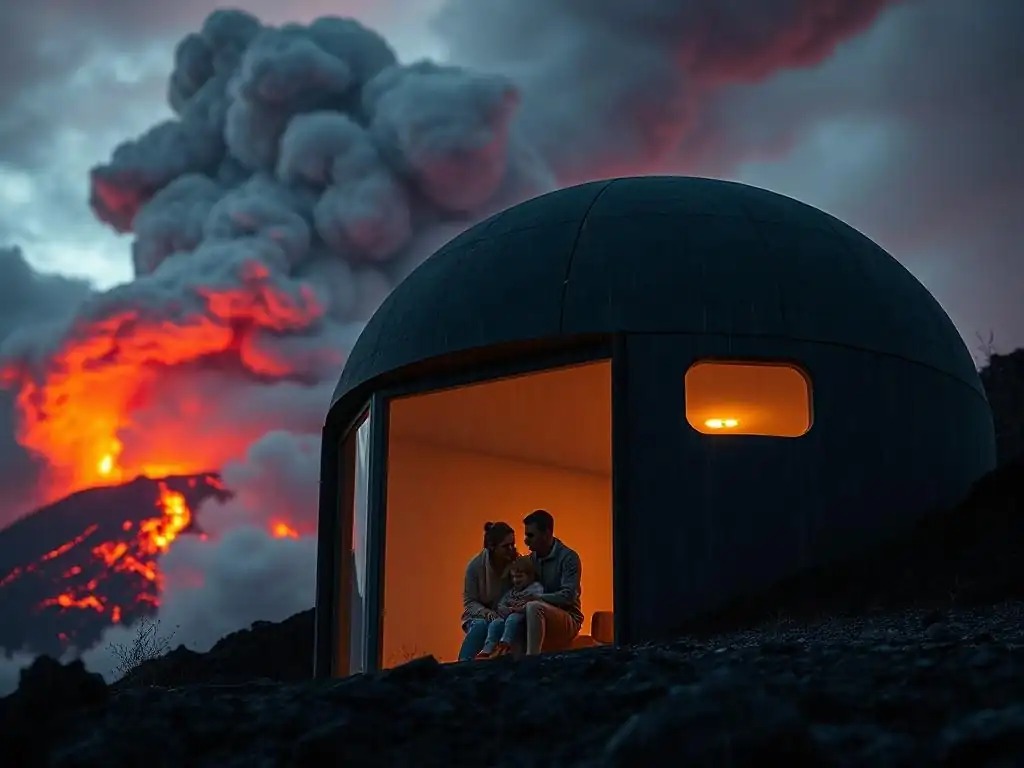
Welcome to Volcano Explorers. Ever wondered what it truly takes to withstand the raw power of a volcanic eruption? We invite you to journey into the heart of volcanic preparedness. This isn't just about surviving; it's about understanding the science and strategies that can keep you safe. Dive in now to discover vital volcano shelter safety tips and unlock the secrets to weathering nature's most formidable forces. Are you ready to learn how to build your fortress against the fury?
- Volcano Shelter Safety Tips: A Comprehensive Guide
-
Frequently Asked Questions
- What are volcano shelters and why are they important?
- Where are volcano shelters typically located?
- What kind of supplies should be stocked in a volcano shelter?
- How can I find the nearest volcano shelter if I live near an active volcano?
- What are some important safety tips to remember when evacuating to a volcano shelter?
- Final Reflection: Embracing Preparedness in the Shadow of Giants
- Secure Your Peace of Mind: Plan Your Volcano Emergency Strategy Now!
Volcano Shelter Safety Tips: A Comprehensive Guide
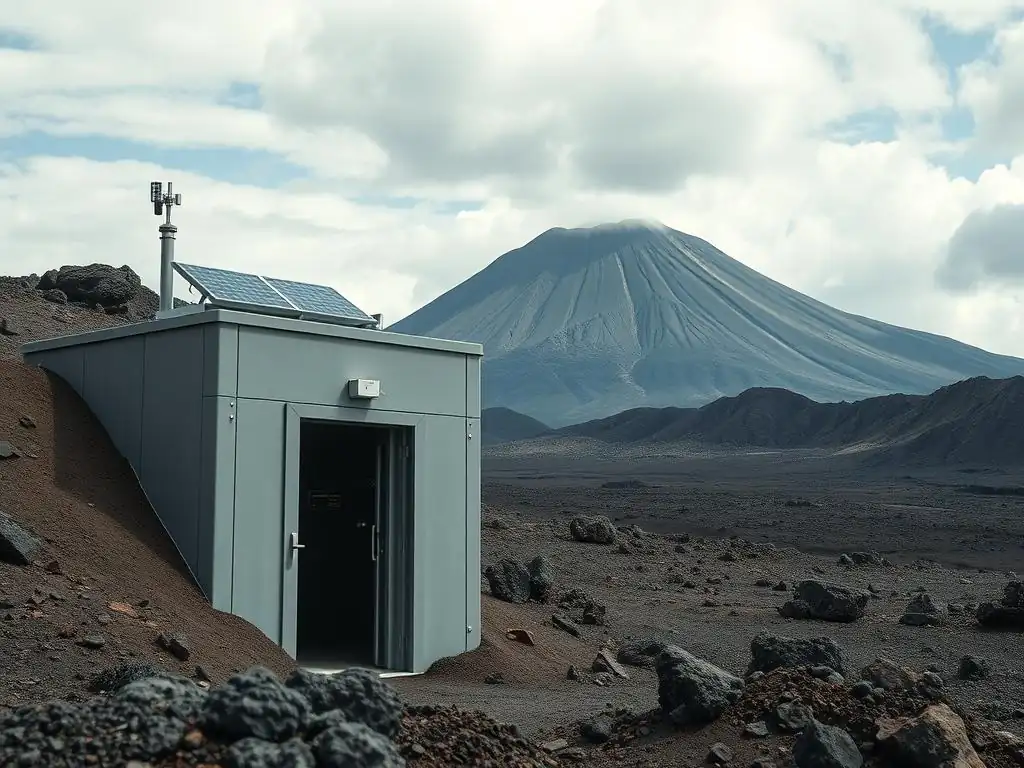
Identifying Potential Volcanic Threats: Ashfall, Pyroclastic Flows, Lahars, Volcanic Gases
Volcanoes pose a multifaceted threat, extending far beyond the dramatic imagery of lava flows. Understanding the specific hazards associated with volcanic eruptions is crucial for effective shelter planning. Ashfall, for instance, is a widespread hazard that can affect areas hundreds of kilometers from the volcano.
While seemingly benign, ash is composed of fine shards of volcanic glass and rock. Accumulations as thin as a few millimeters can irritate the respiratory system, damage electronics, disrupt transportation, and even cause roofs to collapse under its weight, especially when wet. The 1980 eruption of Mount St. Helens in Washington State deposited ash across several states, demonstrating the extensive reach of this hazard.
Pyroclastic flows and surges represent a far more immediate and lethal threat. These are superheated mixtures of gas and volcanic debris that can move at speeds exceeding 700 km/h (450 mph) and reach temperatures of up to 1,000°C (1,832°F). They are generated by collapsing lava domes, explosive eruptions, or the failure of eruption columns. The 1902 eruption of Mount Pelée on Martinique resulted in a pyroclastic flow that destroyed the city of Saint-Pierre, killing an estimated 30,000 people in minutes.
Lahars, or volcanic mudflows, are another significant hazard. These are mixtures of volcanic debris, rock, and water that flow down river valleys from volcanoes. They can be triggered by heavy rainfall during or after an eruption, melting snow and ice, or the breakout of crater lakes. Lahars are incredibly destructive due to their density and speed, capable of carrying massive boulders and destroying infrastructure in their path.
The 1985 Nevado del Ruiz eruption in Colombia triggered a lahar that buried the town of Armero, causing over 25,000 fatalities. Finally, volcanic gases, including sulfur dioxide, carbon dioxide, and hydrogen sulfide, can pose both immediate and long-term health risks. High concentrations of gases near vents can be directly toxic, while prolonged exposure to lower concentrations can cause respiratory problems and acid rain. The silent release of carbon dioxide from Lake Nyos in Cameroon in 1986 suffocated over 1,700 people and thousands of animals, highlighting the insidious danger of volcanic gases.
Assessing Your Vulnerability: Proximity to Volcanoes and Community Risk Assessments
Determining your vulnerability to volcanic hazards is a critical first step in volcano shelter safety. Proximity to a volcano is the most obvious factor; communities located closer to active volcanoes face a higher risk. However, vulnerability is not solely defined by distance. Topography, prevailing wind directions, and the type of volcano also play significant roles. Valleys and low-lying areas can channel pyroclastic flows and lahars, increasing risk even at greater distances.
Downwind locations are more susceptible to ashfall and volcanic gas exposure. Furthermore, different types of volcanoes present different hazards. Stratovolcanoes, like Mount Fuji or Mount Rainier, are known for explosive eruptions that can generate pyroclastic flows and significant ashfall. Shield volcanoes, like those in Hawaii, are characterized by effusive lava flows, although explosive eruptions can still occur.
Community risk assessments are essential tools for understanding and mitigating volcanic vulnerability. These assessments, often conducted by volcanologists and emergency management agencies, analyze potential volcanic hazards, identify vulnerable areas and populations, and evaluate existing infrastructure and resources. For example, the USGS Volcano Hazards Program conducts detailed hazard assessments for volcanoes in the United States, mapping potential lahar pathways, ashfall zones, and areas susceptible to pyroclastic flows. These assessments inform land-use planning, emergency preparedness strategies, and the development of community volcano shelter plans.
Residents living near volcanoes should actively seek out and understand the risk assessments relevant to their area. Local emergency management agencies often publish these assessments and conduct community outreach programs to disseminate information and promote preparedness. Understanding your community's risk assessment is vital for making informed decisions about volcano shelter needs and evacuation plans.
The Importance of Emergency Preparedness: Developing a Family Emergency Plan
Emergency preparedness is not merely a suggestion; it is a necessity for those living in volcanic regions. Developing a comprehensive family emergency plan is a cornerstone of volcano safety. This plan should outline specific actions to take before, during, and after a volcanic eruption, ensuring that all family members know what to do and how to stay safe. A crucial element of the plan is establishing clear communication protocols.
This includes identifying primary and secondary meeting points in case family members are separated during an eruption. Having out-of-state contacts can also be beneficial, as local communication networks may become overloaded or disrupted. The plan should also detail evacuation routes, including primary and alternative routes, and designate family members responsible for specific tasks, such as gathering emergency supplies or assisting vulnerable individuals.
Practicing the emergency plan through regular drills is vital. These drills should simulate different eruption scenarios and include practicing evacuation routes, shelter entry and exit procedures, and communication protocols. Drills help identify weaknesses in the plan and ensure that family members can execute it effectively under stress. Emergency preparedness extends beyond just planning; it also involves assembling a comprehensive emergency kit.
This kit should include essential supplies such as non-perishable food, water, first-aid supplies, medications, communication devices (like a battery-powered NOAA weather radio), protective gear (N95 masks and goggles), and important documents. Regularly checking and replenishing the emergency kit ensures that supplies are readily available when needed. The Federal Emergency Management Agency (FEMA) and the American Red Cross offer detailed guidance and checklists for developing family emergency plans and assembling emergency kits, providing valuable resources for communities living near volcanoes to enhance their preparedness and resilience.
Frequently Asked Questions
What are volcano shelters and why are they important?
Volcano shelters are designated safe zones designed to protect people from the immediate dangers of a volcanic eruption. They are crucial for minimizing casualties in areas prone to volcanic activity, providing a secure space during hazardous events.
Where are volcano shelters typically located?
Volcano shelters are strategically positioned in areas at risk from volcanic hazards like ashfall, lahars, and pyroclastic flows. They are often located in sturdy buildings away from valleys and low-lying areas susceptible to flooding and mudflows.
What kind of supplies should be stocked in a volcano shelter?
A well-equipped volcano shelter should have essential supplies such as water, food, first-aid kits, dust masks, and communication devices. Having these readily available helps ensure the survival and well-being of those seeking refuge.
How can I find the nearest volcano shelter if I live near an active volcano?
Local emergency management agencies and government websites typically provide information on designated volcano shelters in your area. It is crucial to familiarize yourself with these locations and evacuation routes before an eruption occurs.
What are some important safety tips to remember when evacuating to a volcano shelter?
Follow official evacuation orders promptly and bring only essential items. Protect yourself from ashfall by wearing a mask and covering exposed skin. Stay informed about the volcanic activity through reliable sources like radio or emergency alerts.
Final Reflection: Embracing Preparedness in the Shadow of Giants
The information presented throughout this article underscores the critical importance of proactive volcano shelter planning. While the raw power of volcanic eruptions can seem insurmountable, understanding and implementing volcano shelter safety tips is not just about survival; it's about empowering ourselves to face nature's most formidable displays with knowledge and resilience.
The concept of a volcano shelter, and the preparedness it represents, has profoundly influenced how we perceive our relationship with the natural world. It's a stark reminder of our vulnerability, but also a testament to our ingenuity and determination to protect ourselves and our communities. This understanding, this proactive stance, is not a fleeting trend, but a fundamental shift in how we approach living in volcanically active regions. The best preparation for tomorrow is doing your best today.
- H. Jackson Brown, Jr.
Ultimately, the lessons learned about volcano shelter safety tips extend far beyond the immediate threat of an eruption. They speak to the broader importance of preparedness in all aspects of life. Consider how you can apply the principles of planning, resourcefulness, and community support discussed here to other challenges you may face. Let this article be a catalyst for reflection and action, inspiring you to build your own personal "fortress" – not just against volcanic fury, but against any adversity that life may present.
Secure Your Peace of Mind: Plan Your Volcano Emergency Strategy Now!
Thanks for diving deep into the world of volcano shelters and emergency preparedness with Volcano Explorers! We hope you’ve gained valuable insights into protecting yourself and your loved ones in the face of volcanic activity. Now, it's time to put that knowledge into action!
Here's how you can take the next steps to safeguard your future:
- Identify your nearest designated volcano shelter. This is the most crucial step for immediate safety!
- Develop a family emergency plan and share it with everyone, including at least two escape routes and rally points.
- Spread awareness! Share this article and other resources from VolcanoExplorers.org with your friends, family, and community to help them prepare, too.
What steps will you take today to build your personal volcano preparedness plan, and what resources do you find most helpful in doing so?