
Decoding Magma Genesis: Plate Tectonics' Role in Volcanic Chemistry

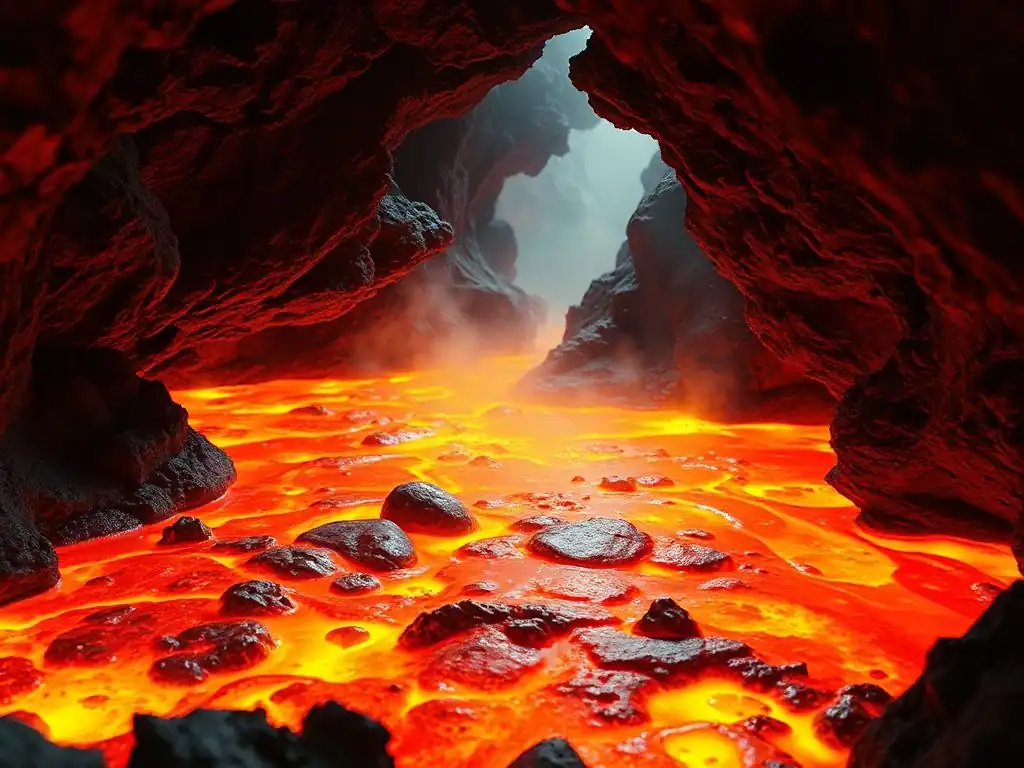
Welcome to Volcano Explorers, where the earth whispers its fiery secrets. Ever wondered how the molten heart of our planet births the colossal wonders we call volcanoes? Prepare to journey into the depths, because right now, we're unlocking the secrets of magma formation and plate tectonics. What unseen forces shape the very chemistry of volcanic eruptions? Dive in and discover the explosive connection between Earth's shifting plates and the fiery depths below.
Understanding Magma's Origins
Magma, the molten rock beneath the Earth's surface, is the lifeblood of volcanoes and the engine driving volcanic activity. Its genesis is a complex process deeply intertwined with the planet's internal dynamics, primarily driven by heat from radioactive decay and residual heat from Earth's formation. This heat causes rocks in the asthenosphere and lower crust to partially melt, forming magma.
The initial formation of magma is not a simple melting of all rock components at once; rather, it's a fractional melting where minerals with lower melting points liquefy first. This initial melt is typically less dense than the surrounding solid rock, causing it to ascend towards the surface.
The journey of magma from its source region to the Earth's surface is influenced by a multitude of factors, including pressure, temperature, and the presence of volatile substances like water and carbon dioxide. The depth at which magma forms varies significantly depending on the tectonic setting. For instance, magma generation depths can range from as shallow as a few kilometers in rift zones to hundreds of kilometers beneath subduction zones.
Understanding the origin of magma is crucial for comprehending volcanic eruptions, the formation of igneous rocks, and the broader geological evolution of our planet. The composition of the source rock, the degree of partial melting, and the subsequent processes magma undergoes as it ascends all contribute to the final chemical characteristics of erupted lava and the nature of volcanic activity.
- How do plate tectonics influence magma formation?
- What is the relationship between magma composition and plate tectonic setting?
- What are the main processes by which plate tectonics cause magma formation?
- How does magma formation at mid-ocean ridges differ from that at subduction zones?
- What are the implications of understanding magma formation for predicting volcanic eruptions?
Frequently Asked Questions
How do plate tectonics influence magma formation?
Plate tectonics are the driving force behind most magma formation. The movement of plates creates conditions like subduction zones and mantle plumes, both of which can lead to melting and magma generation.
What is the relationship between magma composition and plate tectonic setting?
The chemical composition of magma is directly linked to the plate tectonic setting. For example, subduction zone magmas tend to be more water-rich than those formed at mid-ocean ridges.
What are the main processes by which plate tectonics cause magma formation?
The main processes include decompression melting at divergent boundaries, flux melting at subduction zones (due to water introduction), and heat transfer from the mantle to the lithosphere.
How does magma formation at mid-ocean ridges differ from that at subduction zones?
Mid-ocean ridges produce magma through decompression melting of the asthenosphere as plates separate, resulting in basaltic magma. Subduction zones involve flux melting where water lowers the melting point of the mantle wedge, often leading to more silica-rich magmas.
What are the implications of understanding magma formation for predicting volcanic eruptions?
Understanding the relationship between magma genesis and plate tectonics allows scientists to better understand the processes leading to eruptions. This knowledge helps in assessing volcanic hazards and developing more accurate eruption forecasts.
Final Reflection: The Earth's Fiery Breath
The intricate dance between magma formation and plate tectonics is not just a geological curiosity; it's a fundamental force shaping our planet's surface and influencing its very habitability. Understanding the processes that govern magma genesis, as we've explored, allows us to decipher the Earth's internal workings and anticipate the potential impacts of volcanic activity on our lives and environment.
This exploration into the depths of magma formation underscores the profound interconnectedness of Earth's systems. The realization that plate tectonics directly dictates the chemical composition of volcanic eruptions highlights the power of slow, continuous processes to create dramatic and sometimes catastrophic events. The Earth is a dynamic planet, constantly reshaping itself through the interplay of forces both seen and unseen.
This quote serves as a constant reminder of the responsibility we have to understand and respect the planet's inherent power.
As we conclude this journey into the heart of magma genesis, I invite you to consider the implications of this knowledge. How can a deeper understanding of magma formation and plate tectonics inform our decisions about land use, resource management, and disaster preparedness? Let us strive to be informed stewards of our planet, recognizing the vital role these fiery processes play in shaping the world we inhabit and the future we create.
Unveil Your Inner Volcanologist!
Thanks for diving into the fascinating world of magma genesis! We hope you've gained a new appreciation for the intricate dance between plate tectonics and volcanic chemistry. Ready to put that knowledge to use?
Here's how to explore further:
- Investigate the geochemistry of a volcano near you! Research its magma type and see if you can relate it to the local tectonic setting.
- Share this article with a friend who is also fascinated by Earth science – sparking conversation is the key to discovery!
- Design your own hypothetical volcano! Consider the tectonic setting, expected magma composition, and potential hazards.
What surprising connections between plate tectonics and volcanic chemistry will you uncover next?