
Magma's Journey: From the Mantle's Depths to Plate Tectonic Eruptions

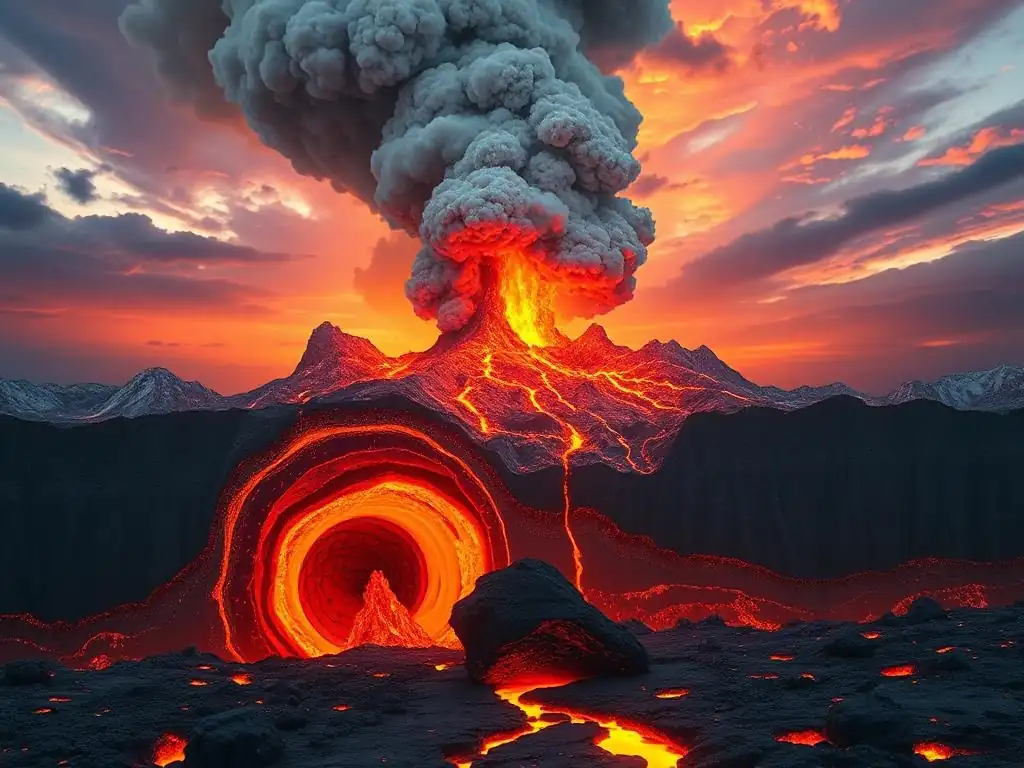
Welcome to Volcano Explorers, where the Earth's fiery secrets are brought to light! Ever wondered about the molten heart that fuels these magnificent mountains? Prepare to embark on a journey to Understanding Magma Movement and Eruptions, a crucial piece in the puzzle of volcanic activity. But first, imagine the immense pressure, the searing heat... what forces govern this underground river of fire, and what happens when it finally breaches the surface? Dare to delve deeper and uncover the volatile truth!
Introduction: Unveiling the Secrets of Magma Movement
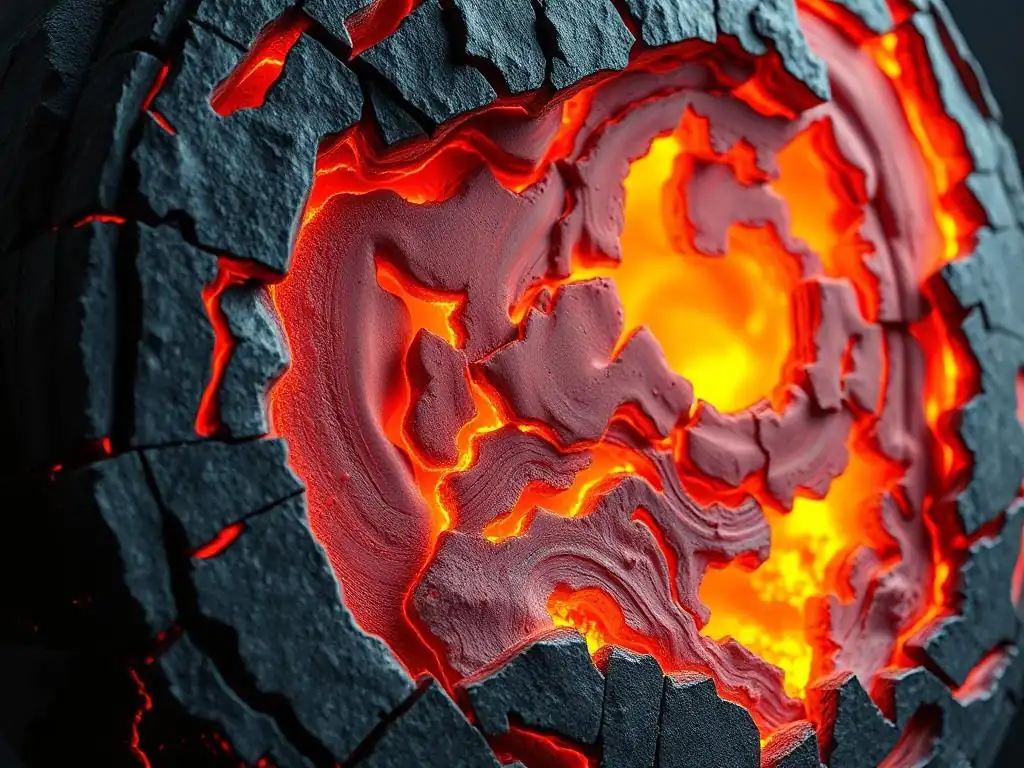
Exploring the Intricate Relationship Between Magma and Plate Tectonics
The Earth's dynamic surface is constantly being reshaped by forces originating deep within its interior. A key player in this geological drama is magma, molten rock that resides beneath the surface. Understanding magma movement and eruptions is fundamental to grasping the processes that build continents, create fertile lands, and, at times, unleash devastating natural hazards.
The journey of magma, from its birthplace in the mantle to its eruption onto the surface, is intrinsically linked to plate tectonics, the theory describing the large-scale motion of Earth's lithosphere. The movement of these plates—colliding, separating, or sliding past each other—directly dictates where and why magma forms, ascends, and erupts, shaping the volcanic landscapes we observe across the globe.
The interaction between plate tectonics and magma genesis is a complex and fascinating field of study. For instance, at convergent plate boundaries, where one plate subducts beneath another, the sinking plate releases water into the mantle wedge above. This introduction of water significantly lowers the melting point of mantle rocks, triggering the formation of magma.
Conversely, at divergent plate boundaries, like mid-ocean ridges, the plates pull apart, causing a decrease in pressure on the underlying mantle. This pressure reduction also leads to partial melting and the generation of vast quantities of magma, responsible for creating new oceanic crust. Even in intraplate settings, far from plate boundaries, plumes of hot mantle material rise to the surface, creating hotspots like Hawaii, further illustrating the diverse ways plate tectonics influences magma's journey and subsequent volcanic activity.
Why Understanding Magma's Journey is Crucial for Volcano Monitoring
Comprehending the intricacies of magma movement is not merely an academic pursuit; it is of paramount importance for effective volcano monitoring and hazard mitigation. Volcanic eruptions, while awe-inspiring, pose significant risks to human lives and infrastructure. By diligently studying the processes governing magma ascent, storage, and eruption, volcanologists can better forecast volcanic activity and provide timely warnings to at-risk communities. Understanding magma's journey is akin to deciphering the internal workings of a volcano, allowing scientists to interpret subtle signals that precede eruptions.
The ability to monitor and predict volcanic eruptions relies heavily on our understanding of magma dynamics. Changes in seismicity, ground deformation, and gas emissions are all surface manifestations of magma movement beneath the volcano. For example, as magma rises towards the surface, it can fracture surrounding rocks, generating earthquakes that are detectable by seismographs.
The pressure exerted by ascending magma can also cause the ground to swell or deform, measurable through techniques like GPS and satellite interferometry. Furthermore, the composition and flux of volcanic gases released from fumaroles can provide valuable insights into the state of the magma system and the likelihood of an impending eruption. By integrating these monitoring data with a robust understanding of magma's journey, scientists can refine eruption forecasts and enhance public safety in volcanically active regions.
Frequently Asked Questions
What is magma, and where does it originate?
Magma is molten rock found beneath the Earth's surface. It originates from the Earth's mantle, where high temperatures and pressures cause rocks to partially melt.
How does magma move from the mantle to the surface?
Magma rises due to its lower density compared to the surrounding rock, aided by pressure gradients and fractures in the Earth's crust. This process is crucial for understanding eruption potential.
What are the different types of volcanic eruptions?
Eruptions vary based on magma composition, gas content, and viscosity. They range from effusive eruptions with lava flows to explosive eruptions with ash and pyroclastic flows.
How do plate tectonics influence magma formation and eruptions?
Plate tectonics play a critical role by creating conditions for magma formation at subduction zones and mid-ocean ridges. These tectonic settings directly impact the location and type of eruptions.
How do volcanologists monitor magma movement to predict eruptions?
Volcanologists use various techniques, including seismic monitoring, gas emission analysis, and ground deformation measurements, to detect changes in magma behavior and assess eruption probabilities.
Final Reflection: Embracing the Earth's Fiery Dance
The journey of magma, from its molten origins deep within the Earth to its dramatic eruption onto the surface, is a powerful reminder of the planet's dynamic nature. Understanding magma movement and eruptions is not just an academic pursuit; it's a crucial step in mitigating the risks associated with volcanic activity and appreciating the forces that shape our world.
The influence of magma's journey extends far beyond the immediate impact of eruptions. It shapes landscapes, enriches soils, and even influences climate patterns. This intricate interplay between the Earth's interior and its surface is a constant source of wonder and a humbling reminder of our place within this grand geological narrative. The Earth is a living organism, and magma is its lifeblood.
- Attributed to James Hutton, though the exact wording is debated, the sentiment captures the essence of geological dynamism.
As we conclude this exploration of magma's journey, I invite you to reflect on the profound implications of these fiery processes. Consider how the very ground beneath your feet is a testament to the Earth's relentless energy. Let us strive to deepen our understanding of these forces, not only to protect ourselves from their potential dangers, but also to cultivate a deeper appreciation for the planet that sustains us.
Ignite Your Inner Volcanologist!
Thank you for exploring the fascinating journey of magma with us! We hope you've gained a deeper appreciation for the powerful forces shaping our planet. Now, it's time to put that knowledge into action!
Here are a few ways you can continue your volcanic exploration:
- Discover the specific types of volcanoes nearest you and identify potential hazards—understanding your local landscape is the first step to preparedness!
- Share this article with a friend or family member who shares your fascination with geology and get them hooked on volcanoes.
- Dive deeper! Research a specific volcanic eruption from history and present your findings in an engaging social media post.
Ready to become a true Volcano Explorer? What's the most surprising thing you learned about magma's journey, and how will it change the way you view your local landscape?