
Volcano Gods and Goddesses: Deities Born from Plate Tectonic Forces

Welcome to Volcano Explorers!
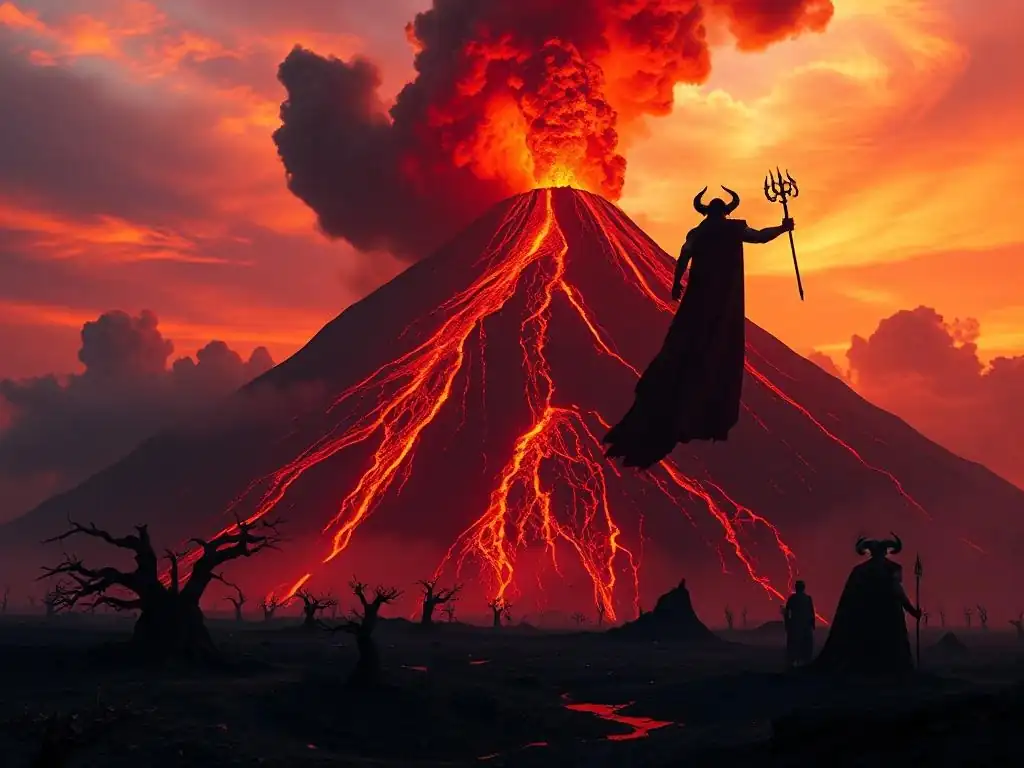
Ever wondered what ancient cultures believed fueled the Earth's fiery breath? Prepare to journey beyond the science of plate tectonics and molten rock, into the realm of Volcano deities and mythology. Unearth the fascinating stories of gods and goddesses born from the heart of volcanic power, and discover how these legends shaped civilizations and continue to resonate today. Dare to explore the legends?
- Introduction: The Intersection of Volcanoes, Plate Tectonics, and Mythology
- Ancient Beliefs and Volcano Worship
- Prominent Volcano Deities Across Cultures
- Volcano Spirits and Local Legends
- The Enduring Appeal of Volcano Deities and Mythology
- Conclusion: Volcano Deities and Mythology as a Reflection of Earth's Power
-
Frequently Asked Questions
- What role did volcano deities play in ancient cultures?
- Are there specific volcano deities that are more widely known than others?
- How did people try to appease volcano deities?
- What is the connection between plate tectonics and the stories of volcano deities?
- Where can I learn more about the cultural significance of volcanoes around the world?
- Final Reflection: Echoes of Fire and Faith
- Unleash Your Inner Volcano Explorer!
Introduction: The Intersection of Volcanoes, Plate Tectonics, and Mythology
The Power of Volcanoes in Ancient Cultures
Volcanoes, with their earth-shattering eruptions and displays of raw power, have profoundly shaped human imagination since the dawn of civilization. For ancient cultures, witnessing a volcano erupt was not merely observing a natural phenomenon; it was an encounter with the formidable forces of nature, a spectacle that inspired both awe and terror. These dramatic events, capable of reshaping landscapes and altering climates, were often interpreted through a mythological lens. Lacking scientific understanding of plate tectonics and magma chambers, early societies attributed volcanic activity to supernatural entities, imbuing volcanoes with sacred significance and developing elaborate systems of worship around them.
The sheer scale of volcanic eruptions, accompanied by booming sounds, fiery lava flows, and ash plumes darkening the sky, naturally led people to believe that powerful beings resided within these mountains. Volcanoes became focal points for religious beliefs and practices, serving as both dwelling places and manifestations of powerful deities. Ancient civilizations across the globe, from the Mediterranean to the Pacific Ring of Fire, developed rich mythologies centered on volcano gods and goddesses, reflecting the profound impact these geological forces had on their lives and worldviews.
Plate Tectonics: Shaping the Landscape and Inspiring Legends
While ancient peoples lacked the scientific framework of plate tectonics, the very forces that sculpt our planet and create volcanoes are intrinsically linked to the birth of volcano deities and mythology. The movement of tectonic plates, colliding and diverging beneath the Earth's surface, generates immense pressure and heat, leading to the formation of magma. This molten rock, when it breaches the surface, results in volcanic eruptions that dramatically alter landscapes, creating towering mountains and fertile plains alike. These processes, though explained by geology today, were once seen as the deliberate actions of powerful, often volatile, supernatural beings.
The dramatic and transformative nature of plate tectonics, manifest in volcanic activity, provided fertile ground for mythological narratives. The creation of mountains from the earth's depths, the fiery birth of new land from the sea, and the destructive power of eruptions resonated deeply with ancient societies. These natural events were not random occurrences but were interpreted as the expressions of divine will, the actions of volcano gods and goddesses shaping the world and interacting with humanity. Thus, the geological reality of plate tectonics, though unknown in antiquity, indirectly fueled the creation of rich and diverse mythologies surrounding volcanoes.
Ancient Beliefs and Volcano Worship
Connecting Earth's Forces with Divine Power
The connection between volcanoes and divine power in ancient beliefs stems from the overwhelming sensory experiences associated with volcanic eruptions. The earth trembles, the sky turns dark, and molten rock flows like rivers of fire – these were not subtle events. They were perceived as direct manifestations of immense, uncontrollable forces, far beyond human comprehension or control.
This sense of being at the mercy of something greater than themselves naturally led people to attribute volcanic activity to supernatural agents. The sheer destructive capability of volcanoes, capable of wiping out entire settlements and altering the course of rivers, reinforced the idea that these were places imbued with extraordinary, divine power.
Furthermore, volcanoes were often sources of both destruction and creation. While eruptions brought devastation, volcanic soils were also recognized for their fertility, leading to abundant harvests. This duality – destruction and creation, terror and sustenance – further solidified the association of volcanoes with powerful, complex deities capable of both wrath and benevolence.
Ancient cultures sought to understand and appease these perceived divine forces through rituals, offerings, and the development of elaborate mythologies explaining the origins and motivations of volcano gods and goddesses. Worship became a means of seeking protection from volcanic fury and ensuring continued prosperity in the shadow of these imposing natural wonders.
The Role of Volcanoes in Creation Myths
Volcanoes frequently feature in creation myths across various cultures, embodying primordial forces and playing pivotal roles in the genesis of the world. In many traditions, the fiery and explosive nature of volcanoes is linked to the very act of creation, mirroring the cosmic upheavals often described in cosmogonies.
The sudden appearance of land from the sea during volcanic island formation could be interpreted as a literal act of creation, solidifying the volcano’s role as a birthplace or point of origin. The dynamic and transformative power of volcanoes, constantly reshaping the landscape, aligned with the narratives of world-making and the emergence of order from chaos.
For instance, in some Polynesian creation myths, volcanic deities are central figures in the formation of islands and the separation of sky and earth. The fiery depths of volcanoes are seen as connected to the underworld or the primordial void from which creation emerges. The eruptions themselves can be interpreted as acts of cosmic birth, bringing forth new land and life. This integration of volcanoes into creation myths underscores their fundamental importance in ancient worldviews, positioning them not just as geological features, but as active participants in the ongoing process of creation and the maintenance of cosmic order.
Prominent Volcano Deities Across Cultures
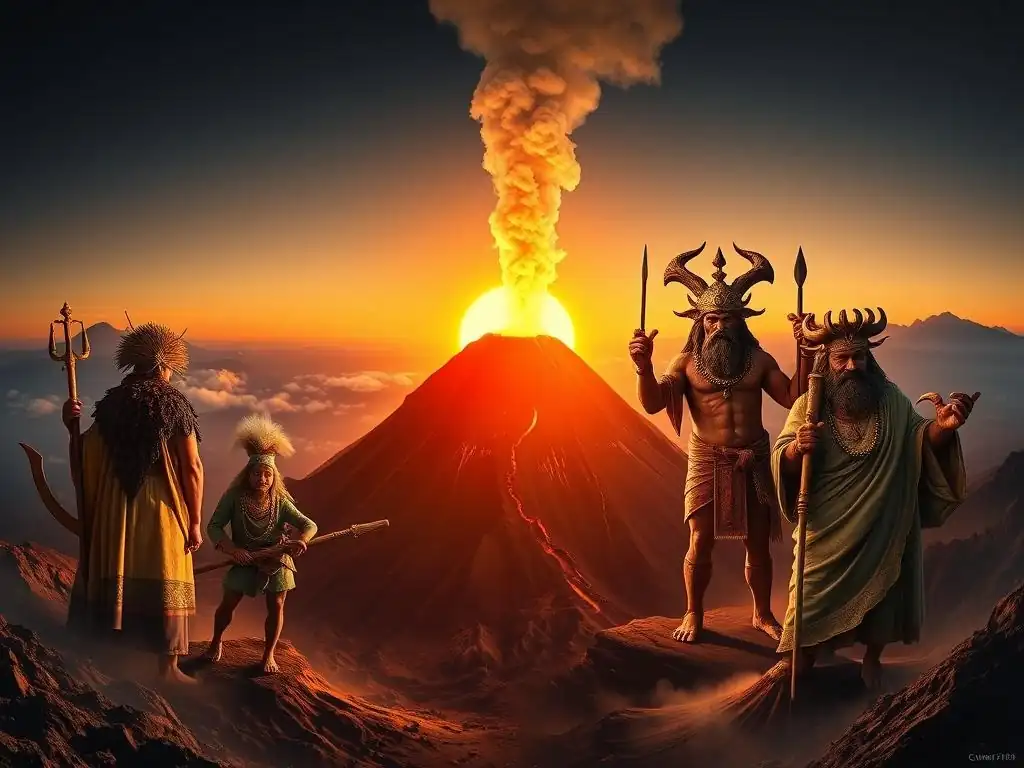
Pele: The Hawaiian Goddess of Volcanoes and Fire
Pele's Temperament and Power
Pele, the renowned Hawaiian goddess of volcanoes, fire, lightning, and wind, embodies the dynamic and often unpredictable nature of volcanic activity. Revered and feared throughout the Hawaiian archipelago, Pele is not merely a deity associated with volcanoes; she is the volcano, her fiery essence residing within the craters of Kīlauea and Mauna Loa. Her temperament is as volatile as the eruptions she commands, capable of both immense creation and devastating destruction. Legends portray her as passionate, impulsive, and fiercely independent, mirroring the sudden and powerful bursts of volcanic energy.
Pele’s power is absolute within her domain. She controls the lava flows, the steam vents, and the explosive eruptions, shaping the Hawaiian Islands with her fiery will. Her wrath is often invoked in volcanic events, and traditional Hawaiian culture emphasizes showing respect and deference to Pele to avoid incurring her anger.
Offerings and rituals were historically performed to appease her and seek her favor, acknowledging her paramount influence over the volcanic landscape and the lives of those who inhabit it. Understanding Pele's temperament is crucial to understanding the Hawaiian cultural relationship with volcanoes – a relationship built on respect for immense power and the recognition of nature's dual capacity for creation and destruction.
Legends of Pele and Her Impact on the Islands
The legends of Pele are deeply interwoven with the geological history and volcanic activity of the Hawaiian Islands. Stories abound of her journeys across the islands, her conflicts with other deities, and her role in shaping the landscape. One prominent legend tells of Pele's arrival in Hawaiʻi and her search for a permanent home.
After being driven away from other islands by her siblings, particularly her water goddess sister, Nā-maka-o-Kahaʻi, Pele finally settled in Kīlauea on the Big Island, establishing her fiery domain. This narrative explains the concentration of volcanic activity on the Big Island and the ongoing rivalry between fire and water, as seen in volcanic eruptions interacting with the ocean.
Other legends attribute specific volcanic features to Pele's actions or emotions. Halemaʻumaʻu Crater at Kīlauea's summit is considered her sacred dwelling place, and the volcanic glass known as "Pele's hair" and "Pele's tears" are believed to be strands and droplets of her fiery essence. These legends are not merely entertaining stories; they serve as cultural explanations for natural phenomena, reinforcing the connection between Pele and the volcanic landscape.
They also provide a framework for understanding and interacting with the volcanic environment, emphasizing the need for respect and caution in Pele's domain. The enduring power of Pele's legends highlights her central role in Hawaiian culture and the deep-seated reverence for volcanic forces.
Vulcan: The Roman God of Fire and the Forge
Vulcan's Association with Craftsmanship and Volcanic Activity
Vulcan, the Roman god of fire, metalworking, and volcanoes, occupies a significant place in Roman mythology, bridging the domains of craftsmanship and the Earth's fiery depths. Unlike Pele, who is the embodiment of volcanic fire itself, Vulcan is more associated with the control and manipulation of fire, particularly in the context of metalworking and forging.
His forge was traditionally located beneath volcanoes, particularly Mount Etna in Sicily, suggesting a direct link between volcanic fire and his divine craftsmanship. The Roman understanding of volcanoes, while less intimately intertwined with daily life than in volcanic island cultures, still recognized their potent connection to the god of fire and his creative, yet potentially destructive, powers.
Vulcan's association with craftsmanship stems from the essential role of fire in metallurgy. He was considered the divine blacksmith, crafting weapons and armor for gods and heroes. His forges, fueled by volcanic fire, were imagined as places of intense heat and powerful creation, mirroring the internal workings of volcanoes themselves.
This connection between volcanic fire and the creation of useful and powerful objects further solidified the awe and respect Romans held for both Vulcan and volcanoes. Volcanic eruptions, in this context, could be interpreted not only as displays of raw power but also as manifestations of Vulcan at work in his subterranean forge.
Vulcanalia: Festivals in Honor of the Roman God
The Romans honored Vulcan with the festival of Vulcanalia, celebrated annually on August 23rd. This festival was a significant event in the Roman religious calendar, dedicated to appeasing the potentially destructive power of fire and seeking Vulcan's protection from conflagrations, particularly during the hot and dry summer months when fires were a significant threat. Vulcanalia was characterized by bonfires and sacrifices, often involving animals thrown into the flames as offerings to the god. These rituals were intended to both honor Vulcan and to symbolically control and contain the element of fire he represented.
Beyond the practical aspect of fire prevention, Vulcanalia also had a social and communal dimension. It was a time for public feasts and gatherings, reinforcing community bonds and collective dependence on Vulcan's favor. The festival highlights the Roman understanding of fire as both a beneficial and dangerous force, embodied by Vulcan himself. While not directly focused on volcanoes in the same way as Polynesian rituals for Pele, Vulcanalia underscores the Roman recognition of the potent and potentially destructive power of fire associated with the god, and by extension, with the volcanic forces believed to be under his dominion.
Other Notable Volcano Gods and Goddesses
Mount Etna and Hephaestus: The Greek God of the Forge
Mount Etna, the imposing volcano in Sicily, held special significance in ancient Greek mythology and was closely associated with Hephaestus, the Greek counterpart of Vulcan. Like Vulcan, Hephaestus was the god of fire, metalworking, crafts, blacksmiths, sculptors, metallurgy, and volcanoes.
The Greeks believed Hephaestus had his forge deep within Mount Etna, where, aided by the Cyclopes, he crafted magnificent weapons and armor for the gods, including Zeus' thunderbolts. The volcanic activity of Etna was seen as evidence of Hephaestus at work in his fiery workshop, the rumbling and eruptions attributed to the powerful blows of his hammer and the roaring of his forge.
The connection between Hephaestus and Mount Etna is deeply ingrained in Greek mythology. The volcano served as a tangible manifestation of the god's power and skill, a place where divine craftsmanship was perpetually underway. Stories abound of heroes and gods visiting Hephaestus' forge within Etna to obtain divinely crafted weapons and tools.
This association not only elevated Mount Etna to a sacred site but also reinforced the broader Greek understanding of volcanoes as places of immense power and creative energy, linked to the divine realm and the art of creation itself. The myths surrounding Hephaestus and Etna highlight the enduring human fascination with volcanoes as both natural wonders and sources of divine inspiration.
Indonesian Archipelago and Gunung Agung: The Balinese Beliefs
In the Indonesian archipelago, a region characterized by intense volcanic activity, numerous volcano deities and spirits are revered. Among the most prominent is Gunung Agung (Mount Agung) in Bali, considered the holiest mountain on the island and deeply revered by Balinese Hindus. Gunung Agung is believed to be the abode of the gods, particularly Shiva, and is central to Balinese cosmology and religious practices.
The mountain is not merely a geographical feature but a sacred axis mundi, connecting the earthly realm with the heavens and the underworld. Its volcanic nature is intrinsically linked to its divine status, representing both creative and destructive forces.
Balinese Hinduism incorporates a complex system of beliefs surrounding Gunung Agung and its associated deities. Temple complexes are strategically located on the slopes of the volcano, reflecting its sacred significance and serving as points of connection between the human and divine realms. Rituals and ceremonies are regularly performed to honor the gods residing on Gunung Agung, seeking their blessings and protection from volcanic eruptions.
The cyclical nature of volcanic activity, with periods of dormancy and eruption, is integrated into Balinese religious understanding, reflecting the dynamic interplay of creation and destruction in the natural world and the divine will embodied by Gunung Agung. The reverence for Gunung Agung and associated volcano deities underscores the profound impact of volcanic landscapes on shaping religious and cultural beliefs in Indonesia.
Volcano Spirits and Local Legends
The Belief in Volcano Spirits in Different Regions
Beyond major deities, many cultures around volcanic regions also believe in lesser volcano spirits or local guardians associated with specific volcanic features. These spirits are often seen as intermediaries between the human world and the more powerful volcano gods, or as localized manifestations of volcanic energy. Belief in volcano spirits is widespread in areas with active volcanism, reflecting a deeply ingrained understanding of volcanoes as living entities imbued with spiritual power. These beliefs often manifest in localized traditions, rituals, and stories that are specific to particular volcanoes or volcanic areas.
The nature and characteristics of volcano spirits vary widely across cultures. Some are benevolent guardians, protecting the land and its inhabitants, while others are more capricious or even malevolent, requiring appeasement to prevent harm. They may be associated with specific features like craters, lava flows, or hot springs, each considered a dwelling place or manifestation of the spirit's presence.
These beliefs often influence how local communities interact with volcanoes, dictating practices related to resource management, land use, and even personal conduct near volcanic areas. Understanding these local beliefs in volcano spirits provides valuable insights into the nuanced relationship between humans and volcanic landscapes in different parts of the world.
Stories of Volcano Spirits and Their Influence on Communities
Stories about volcano spirits often serve to explain local phenomena, reinforce cultural values, and guide community behavior around volcanoes. These narratives frequently depict interactions between humans and volcano spirits, highlighting the consequences of respecting or disrespecting these supernatural entities. They can range from cautionary tales about angering spirits through improper behavior to accounts of spirits intervening to protect communities from volcanic hazards or to bestow blessings. These stories are not simply folklore; they are integral to the cultural understanding and management of volcanic risk in many communities.
For example, in some cultures, stories tell of volcano spirits who can bring either prosperity or disaster depending on human actions. Respectful behavior, such as offering gifts or adhering to certain traditions, might ensure the spirit's favor and protection, leading to fertile lands and abundant resources. Conversely, disrespect or neglect could provoke the spirit's wrath, resulting in volcanic eruptions, earthquakes, or other calamities.
These narratives act as social and environmental guidelines, shaping community practices and fostering a sense of responsibility towards the volcanic environment and its spiritual inhabitants. The enduring power of these stories demonstrates the deep integration of volcano spirits into the cultural fabric of volcanic regions.
Mount Asama and its Tengu spirits: Legends in Japan
Mount Asama, an active volcano in central Japan, is not only a significant geological feature but also a site rich in folklore and legends, particularly those involving Tengu spirits. Tengu are mythical creatures in Japanese folklore, often depicted as bird-like humanoids with long noses, associated with mountains and forests, and possessing supernatural powers. Mount Asama is traditionally considered one of the dwelling places of Tengu, and its volcanic activity is sometimes attributed to their actions or moods. These legends reflect a Japanese cultural interpretation of volcanic phenomena through the lens of local mythology and spirit beliefs.
The Tengu associated with Mount Asama are often portrayed as powerful and sometimes mischievous spirits. They are said to control the weather around the mountain and can influence events in the human world. Legends tell of Tengu punishing those who disrespect nature or engage in unethical behavior near Mount Asama.
Conversely, those who show respect and humility may receive blessings or guidance from these mountain spirits. The association of Tengu with Mount Asama adds a layer of spiritual significance to the volcano, influencing local perceptions and practices. Even today, elements of Tengu folklore persist in the cultural landscape surrounding Mount Asama, highlighting the enduring power of spirit beliefs in shaping human interaction with volcanic environments.
The Enduring Appeal of Volcano Deities and Mythology
Why Volcano Myths Continue to Resonate Today
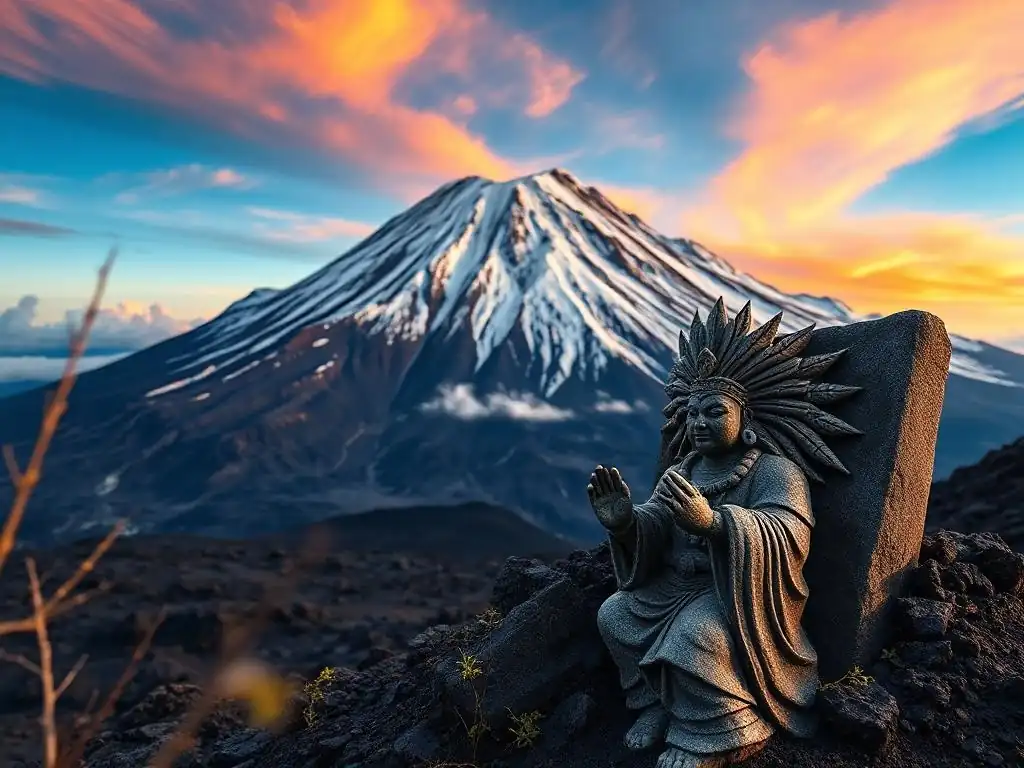
Despite advances in scientific understanding of volcanism, volcano myths and deities continue to resonate in contemporary society for several reasons. Firstly, the sheer power and spectacle of volcanic eruptions still evoke a sense of awe and wonder, mirroring the emotions that inspired ancient mythologies. Even with scientific explanations, the raw force of nature displayed by volcanoes retains a sense of the sublime, tapping into primal human responses to overwhelming natural phenomena. Mythology provides a framework for understanding and relating to these powerful forces on a deeper, emotional level, beyond purely scientific analysis.
Secondly, volcano myths often embody universal themes of creation, destruction, transformation, and the relationship between humanity and nature. These themes remain relevant and engaging in modern times, as we grapple with environmental concerns and our place in the natural world. The stories of volcano gods and goddesses offer symbolic representations of these complex issues, providing a cultural lens through which to consider our connection to the planet and the forces that shape it. The enduring appeal of these myths lies in their ability to address fundamental human questions about our relationship with a powerful and dynamic Earth.
Volcano Deities and Mythology in Contemporary Art and Culture
Volcano deities and mythology continue to inspire contemporary art, literature, and popular culture. Pele, in particular, remains a potent symbol in Hawaiian culture and beyond, appearing in various artistic forms, from traditional hula and chants to modern paintings, sculptures, and films. Vulcan and Hephaestus, though rooted in ancient Mediterranean cultures, still feature in literature and fantasy genres, often representing themes of craftsmanship, fire, and subterranean power. These mythological figures provide rich source material for creative expression, allowing artists and writers to explore themes of nature, power, and human interaction with the environment.
In popular culture, volcanoes themselves often serve as powerful metaphors for intense emotions, transformative events, or latent potential. Films, video games, and literature frequently utilize volcanic imagery to symbolize danger, passion, or dramatic change. The enduring presence of volcano deities and mythological motifs in contemporary art and culture demonstrates their continued relevance and symbolic power. They offer a bridge between ancient beliefs and modern sensibilities, reminding us of the long-standing human fascination with and respect for the Earth's powerful volcanic forces.
The Importance of Understanding Cultural Perspectives on Volcanoes
Understanding cultural perspectives on volcanoes, including volcano deities and mythology, is crucial for a comprehensive appreciation of human-volcano interactions. While scientific knowledge provides essential insights into the geological processes of volcanism, cultural perspectives offer valuable context for understanding how societies have historically perceived, interpreted, and responded to volcanic phenomena. These perspectives highlight the diverse ways in which humans have sought to make sense of and coexist with volcanoes, shaping their beliefs, rituals, and social structures in response to these powerful natural forces.
Furthermore, understanding cultural perspectives is increasingly important in contemporary volcano risk management and communication. Engaging with local beliefs and traditions can improve communication strategies, build trust between scientists and communities, and promote culturally sensitive approaches to hazard preparedness and mitigation. Recognizing the spiritual and cultural significance of volcanoes for local populations can lead to more effective and respectful strategies for living alongside these dynamic and potentially hazardous landscapes. By integrating both scientific and cultural understandings, we can develop a more holistic and nuanced approach to human-volcano coexistence.
Conclusion: Volcano Deities and Mythology as a Reflection of Earth's Power
The Legacy of Volcano Gods and Goddesses
The legacy of volcano gods and goddesses is a testament to the enduring power of volcanoes to shape human culture and belief systems. These deities and mythologies represent humanity's long-standing attempt to understand and make sense of the Earth's most dramatic and awe-inspiring geological phenomena.
They reflect a deep-seated recognition of the immense forces at play within our planet and the profound impact these forces have on human lives and landscapes. The stories of Pele, Vulcan, Hephaestus, and countless other volcano spirits continue to resonate, reminding us of the primal connection between humanity and the fiery heart of the Earth.
These mythological traditions offer valuable insights into past societies' understanding of nature, their spiritual beliefs, and their strategies for coping with environmental challenges. They serve as a reminder that volcanoes are not merely geological formations but also culturally significant landscapes imbued with meaning and power. The legacy of volcano gods and goddesses extends beyond ancient beliefs, influencing contemporary art, culture, and even approaches to volcano risk management, demonstrating the enduring relevance of these mythological traditions.
Further Exploration of Volcano Mythology
The world of volcano mythology is vast and diverse, offering endless opportunities for further exploration and discovery. Delving deeper into the specific mythologies of different volcanic regions, from the Americas to Asia and beyond, reveals a rich tapestry of beliefs, rituals, and stories that reflect the unique cultural and environmental contexts of each area.
Further research can uncover lesser-known volcano deities, local spirit traditions, and the evolving relationship between volcano mythology and scientific understanding. Exploring volcano mythology is not only an academic pursuit but also a journey into the human imagination and our enduring quest to understand and relate to the powerful forces of nature that shape our planet.
Frequently Asked Questions
What role did volcano deities play in ancient cultures?
Volcano deities often represented powerful forces of nature, embodying both creation and destruction. They were frequently associated with fertility, fire, and the underworld, reflecting the life-giving and destructive aspects of volcanic activity.
Are there specific volcano deities that are more widely known than others?
Yes, some well-known examples include Pele in Hawaiian mythology, the goddess of fire and volcanoes, and Vulcan in Roman mythology, the god of fire, metalworking, and volcanoes. These deities often have complex stories and attributes.
How did people try to appease volcano deities?
Offerings and rituals were common ways to appease these deities. These could include sacrifices, prayers, and dances, all aimed at preventing eruptions or securing blessings. These practices were deeply tied to local beliefs and traditions.
What is the connection between plate tectonics and the stories of volcano deities?
While ancient cultures didn't understand plate tectonics, they attributed volcanic activity to the actions and emotions of these deities. Modern science explains volcanoes through geological processes, but the myths reflect an attempt to understand a powerful force.
Where can I learn more about the cultural significance of volcanoes around the world?
VolcanoExplorers.org offers resources on the cultural significance of volcanoes, including sections on photography, travel, and historical accounts. You can explore how different cultures have interacted with and interpreted volcanic landscapes.
Final Reflection: Echoes of Fire and Faith
The stories we've explored, tales of volcano gods and goddesses, are not simply relics of the past; they are powerful reminders of humanity's enduring relationship with the raw, untamed forces of nature. These deities, born from the earth's fiery core, continue to resonate in our collective consciousness, shaping our understanding of creation, destruction, and the delicate balance between them.
The impact of these volcanic deities extends far beyond ancient rituals and forgotten temples. They represent a profound respect for the earth's power, a recognition of our vulnerability in the face of its immense energy. This reverence, though often expressed through mythology, offers valuable lessons for our modern world. We are all children of the volcano, born of its fire and ash.
- An ancient Hawaiian saying, echoing the interconnectedness of life and the earth's primal forces.
Now, as you reflect on the stories of Pele, Vulcan, and other powerful figures, consider the lessons they impart. How can we, as stewards of this planet, learn to coexist with the forces that both create and destroy? Let the myths of volcano deities and mythology inspire you to cultivate a deeper appreciation for the earth's power and a greater sense of responsibility for its future.
Unleash Your Inner Volcano Explorer!
Thank you for exploring the fascinating world of volcanic deities with us! We hope you enjoyed learning about the powerful forces behind these legends. Now, it's time to connect with that fiery spirit.
Here are a few ways to continue your volcanic exploration:
- Dive Deeper: Research a specific volcanic eruption linked to a deity that resonates with you. Discover the geological context and impact of that event.
- Share Your Passion: Share this article with friends and fellow enthusiasts—let them explore this captivating world!
- Connect with Nature: Take a moment to appreciate the raw power of our planet and reflect on how volcanic landscapes have shaped cultures and stories. Consider how you can incorporate this appreciation into your daily life.
Which deity's story captivated you most, and what modern event best reflects their power? Share your thoughts in the comments below!