
Unveiling the Mysteries of Volcanic Barren Ecosystems

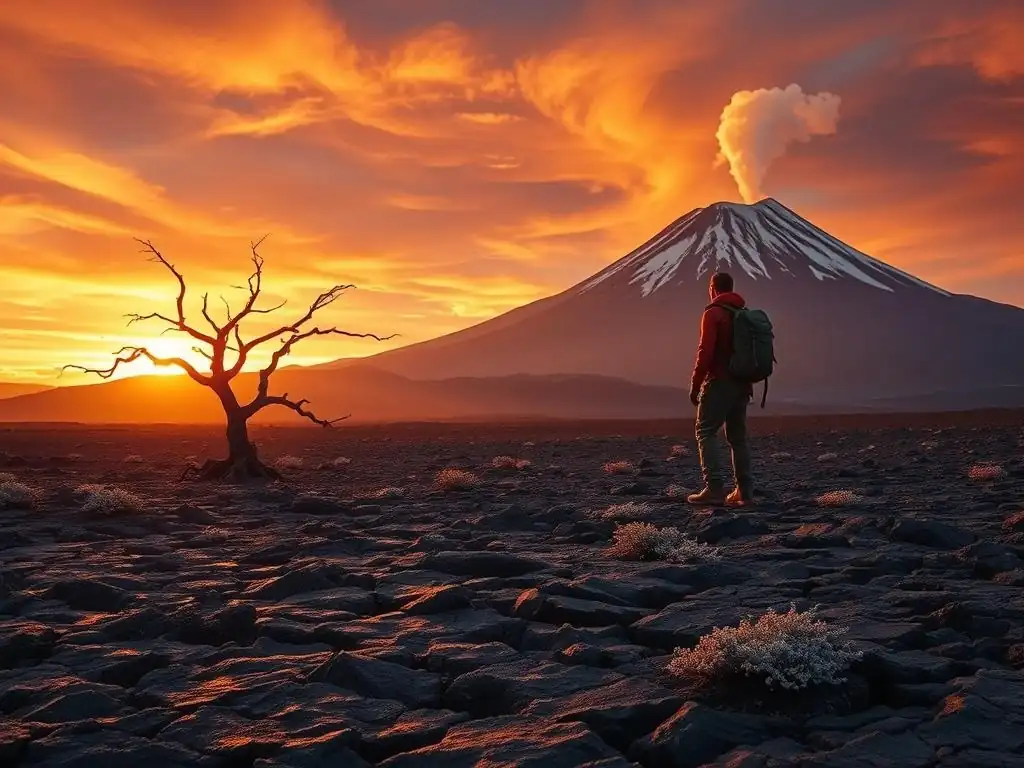
Welcome to Volcano Explorers!
Prepare to be captivated. Ever wondered how life tenaciously clings to existence amidst the desolate beauty of a freshly forged volcanic landscape? Our exploration into volcanic barren ecosystems begins now, unveiling the astonishing secrets hidden within these seemingly lifeless frontiers. Discover the pioneering species, the scientific marvels, and the breathtaking resilience of nature in its rawest form. Dive in and witness the improbable story of life's emergence against all odds.
- Introduction to Volcanic Barren Ecosystems: A Harsh Beauty
- What Defines a Volcanic Barren Ecosystem?
- Life in the Extreme: Adaptations in Volcanic Barren Ecosystems
- Volcanic Barren Ecosystem Formation: A Step-by-Step Process
- Case Studies: Investigating Volcanic Barren Ecosystems Around the World
- Threats to Volcanic Barren Ecosystems and Conservation Efforts
- The Future of Volcanic Barren Ecosystem Exploration
- Conclusion: Appreciating the Resilience of Life in Volcanic Barren Landscapes
-
Frequently Asked Questions
- What exactly is a "volcanic barren ecosystem"?
- What makes volcanic barren ecosystems interesting for exploration?
- What are some of the challenges involved in volcanic barren ecosystem exploration?
- What types of organisms are typically found in these volcanic barren ecosystems?
- How does exploring volcanic barren ecosystems contribute to our understanding of broader ecological principles?
- Final Reflection: Embracing Life's Renewal After Fire
Introduction to Volcanic Barren Ecosystems: A Harsh Beauty
Exploring the Unique Landscapes of Volcanic Deserts
Volcanic barren ecosystems, often referred to as volcanic deserts, present some of the most visually striking and seemingly desolate landscapes on Earth. Imagine vast stretches of black or grey terrain, sculpted by ancient lava flows, punctuated by jagged rocks and sparse vegetation struggling to take hold. These are not your typical deserts defined by aridity, but rather landscapes shaped by volcanic activity, where the very ground beneath is of recent geological origin.
The visual palette ranges from the stark monochrome of fresh lava fields to the subtly colored ash plains, creating a unique aesthetic that is both austere and strangely beautiful. The textures are equally varied, from the glassy smoothness of obsidian flows to the rough, porous surfaces of pumice fields and the fine dust of ash deposits. These landscapes challenge our conventional notions of ecosystems and invite closer inspection to understand the processes at play.
The stark beauty of volcanic deserts stems from their dramatic geological history. Volcanic eruptions are powerful forces that can instantaneously reshape the land, burying existing ecosystems under layers of ash, lava, and pyroclastic flows. This immediate destruction is followed by a period of slow, often centuries-long, ecological recovery.
The resulting landscapes are characterized by a lack of developed soil, limited water retention, and often harsh chemical conditions due to volcanic gases and mineral leaching. Despite these challenges, volcanic barren lands are not devoid of life; instead, they are home to specialized communities of organisms uniquely adapted to these extreme conditions. The very emptiness and rawness of these environments allow us to witness ecological succession in its most fundamental form, making them invaluable natural laboratories for scientific study and volcanic barren ecosystem exploration.
The Significance of Volcanic Barren Ecosystem Exploration
The exploration of volcanic barren ecosystems holds immense scientific significance for several reasons. Firstly, these environments provide unparalleled opportunities to study primary ecological succession, the process by which life colonizes and develops on newly formed or completely barren land. Unlike secondary succession, which occurs after disturbances in existing ecosystems, primary succession in volcanic areas starts virtually from scratch.
By studying these sites, scientists can gain insights into the fundamental mechanisms of ecosystem development, including how pioneer species establish themselves, how soil formation begins, and how nutrient cycles are initiated in the absence of pre-existing organic matter. This knowledge is crucial for understanding ecological resilience and the capacity of life to recover from catastrophic events.
Secondly, volcanic barren ecosystems are extreme environments that push the boundaries of life. Organisms that thrive in these harsh conditions, often referred to as extremophiles, exhibit remarkable adaptations to stress factors such as nutrient scarcity, toxic elements, temperature fluctuations, and UV radiation.
Studying these adaptations can provide valuable insights into the limits of life and the potential for life to exist in other extreme environments, including extraterrestrial ones. For instance, the study of microbial life in volcanic hot springs and acidic crater lakes has broadened our understanding of the diversity of life on Earth and has implications for astrobiology, the study of the origin, evolution, distribution, and future of life in the universe.
Furthermore, the unique biogeochemical cycles in volcanic areas, driven by volcanic gases and mineral interactions, offer a natural laboratory to study element cycling and its influence on biological processes, which is relevant to global geochemical cycles and climate change research. Therefore, volcanic barren ecosystem exploration is not just about understanding life in extreme places but also about gaining fundamental knowledge applicable to broader ecological and planetary sciences.
What Defines a Volcanic Barren Ecosystem?
Key Characteristics of Volcanic Barren Lands
Volcanic barren lands are distinguished by a suite of characteristics that set them apart from other ecosystems. One of the most prominent features is the substrate. These ecosystems are built upon volcanic materials such as lava flows, ash deposits, pumice, and pyroclastic debris. The type of volcanic material significantly influences the physical and chemical properties of the habitat.
For example, basaltic lava flows create dark, relatively dense substrates, while rhyolitic pumice is light, porous, and more acidic. The geological youth of these substrates is another defining trait. Volcanic eruptions often create entirely new land surfaces, meaning that volcanic barren ecosystems are typically in the early stages of soil development, or even lack true soil altogether. This young age contrasts sharply with the ancient soils found in many other terrestrial ecosystems.
Another key characteristic is the limited nutrient availability. Volcanic substrates are initially poor in essential plant nutrients like nitrogen and phosphorus. Nitrogen is often lost during volcanic eruptions through volatilization, and phosphorus is slowly released from volcanic rocks through weathering.
The lack of organic matter, which is a significant source of nutrients in mature soils, further exacerbates nutrient scarcity in volcanic barren lands. Water availability can also be a limiting factor, despite not being a traditional desert in terms of precipitation. Porous volcanic substrates can drain water rapidly, reducing water retention and making it challenging for plants to establish deep root systems.
Furthermore, volcanic gases released from vents and fumaroles can create toxic conditions, adding another layer of environmental stress. These combined factors – young, nutrient-poor substrates, limited water retention in some cases, and potential exposure to volcanic gases – define the harsh conditions of volcanic barren ecosystems and shape the unique communities that inhabit them, making volcanic barren ecosystem exploration crucial to understanding life's adaptability.
Factors Contributing to Barrenness: Ashfall, Gases, and Lava Flows
Several volcanic processes contribute to the barrenness of these ecosystems. Ashfall, a common consequence of explosive volcanic eruptions, blankets the landscape with layers of fine volcanic particles. While ash can eventually contribute to soil formation, initially, thick ash deposits can smother existing vegetation, bury seed banks, and create a physically unstable surface. The fine particles can also clog plant stomata and reduce photosynthesis. The chemical composition of ash can also be detrimental; some volcanic ash contains high concentrations of sulfur and other elements that can acidify soils and leach into water sources, creating toxic conditions for many organisms.
Volcanic gases, such as sulfur dioxide (SO2), hydrogen sulfide (H2S), and carbon dioxide (CO2), also play a significant role in shaping volcanic barren environments. SO2 and H2S can be directly toxic to plants and animals at high concentrations. When SO2 reacts with water vapor in the atmosphere, it forms sulfuric acid, contributing to acid rain, which can further damage vegetation and acidify soils and water bodies.
CO2, while essential for photosynthesis, can accumulate in volcanic depressions, creating pockets of dense, oxygen-depleted air that are lethal to many organisms. Lava flows, while visually dramatic, are perhaps the most destructive force creating barrenness. Molten rock at temperatures exceeding 1000°C incinerates everything in its path, completely resetting the ecological clock.
The solidified lava cools to form hard, impermeable rock that is extremely challenging for plant roots to penetrate. The combination of these factors – ashfall, toxic gases, and destructive lava flows – creates the harsh conditions that define volcanic barren ecosystems and necessitate specialized adaptations for life to persist, highlighting the importance of continued volcanic barren ecosystem exploration.
The Role of Soil Composition in Volcanic Barren Habitats
Although often referred to as barren, volcanic landscapes are not entirely devoid of soil; rather, soil development is typically in its nascent stages. The composition of this nascent volcanic soil, or lack thereof, plays a crucial role in shaping the habitats and influencing the types of organisms that can colonize. Initially, immediately after a volcanic eruption, the substrate is primarily composed of fragmented volcanic rock and ash, lacking the organic matter and developed horizons characteristic of mature soils. Over time, physical, chemical, and biological weathering processes begin to break down the volcanic material, releasing minerals and creating finer particles.
The mineral composition of the parent volcanic rock directly influences the soil's chemical properties. For instance, soils derived from basaltic lava are often richer in iron and magnesium compared to soils from rhyolitic lava. Volcanic ash, even though initially sterile, can contribute essential minerals to the developing soil. However, the rate of nutrient release from volcanic minerals is often slow, particularly for phosphorus, which can be tightly bound in volcanic rocks.
Organic matter accumulation is a critical step in volcanic soil development. Pioneer species, such as lichens and mosses, play a vital role in this process. They can colonize bare rock surfaces and begin to break them down chemically and physically, while their decaying biomass contributes the first inputs of organic carbon and nitrogen to the soil.
The texture of volcanic soils is also highly variable, ranging from coarse, gravelly substrates in lava fields to fine, silty textures in ash deposits. This textural diversity influences water retention, aeration, and root penetration, further shaping the microhabitats available for plant and animal life. Understanding the intricate relationship between volcanic soil composition and ecological processes is central to volcanic barren ecosystem exploration.
Life in the Extreme: Adaptations in Volcanic Barren Ecosystems

Pioneer Species: The First Colonizers of Volcanic Landscapes
Volcanic barren landscapes, despite their harsh conditions, are not devoid of life. Pioneer species, the first organisms to colonize these newly formed or disturbed habitats, play a crucial role in initiating ecological succession. These species are characterized by their ability to tolerate extreme conditions, including nutrient scarcity, harsh weather, and unstable substrates. Among the most important pioneer species in volcanic barren ecosystems are lichens.
These symbiotic organisms, composed of a fungus and an alga or cyanobacterium, are remarkably resilient. They can colonize bare rock surfaces, including lava flows and ash deposits, and extract nutrients from the air and rainwater. Lichens also contribute to soil formation by physically and chemically weathering rocks, releasing minerals and creating crevices where other organisms can establish.
Mosses are another key group of pioneer species in volcanic areas. They are often found alongside lichens, forming mats on rocks and ash. Mosses are effective at capturing moisture from fog and rain, and their decaying biomass adds organic matter to the developing soil.
Certain species of cyanobacteria also play a critical role as pioneer colonizers. These photosynthetic bacteria can fix atmospheric nitrogen, converting it into forms that can be used by plants, thereby initiating nitrogen cycling in these nutrient-poor environments. In areas with even minimal soil accumulation, certain hardy plant species begin to appear.
These pioneer plants are typically small, fast-growing, and have efficient dispersal mechanisms to reach these isolated habitats. They often exhibit adaptations to nutrient stress and drought conditions. The collective action of these pioneer species – lichens, mosses, cyanobacteria, and hardy plants – initiates the long process of ecological succession in volcanic barren lands, making them essential subjects of volcanic barren ecosystem exploration.
Plant Adaptations to Volcanic Barren Environments: Lupinus lepidus, Epilobium angustifolium
Plants that successfully colonize volcanic barren ecosystems exhibit a range of remarkable adaptations to survive the harsh conditions. Consider Lupinus lepidus, a lupine species found on the pumice plains of Mount St. Helens. This plant is a nitrogen fixer, meaning it can convert atmospheric nitrogen into ammonia, a form of nitrogen that plants can use.
This adaptation is crucial in volcanic soils, which are typically nitrogen-poor. Lupinus lepidus also has deep roots that help it access water and nutrients in the porous pumice substrate and anchor it against strong winds common in these exposed landscapes. Furthermore, it is tolerant of the low nutrient availability and potentially toxic elements present in volcanic soils.
Another example is Epilobium angustifolium, commonly known as fireweed. This plant is a frequent colonizer of disturbed areas, including volcanic landscapes. Fireweed is known for its rapid growth and efficient seed dispersal, allowing it to quickly colonize newly available habitats.
It is also relatively tolerant of nutrient-poor soils and can thrive in areas with full sun exposure, typical of volcanic barren lands. Beyond specific species, general plant adaptations to volcanic barren environments include drought tolerance, often achieved through deep root systems, water-storing tissues, or reduced leaf surface area to minimize water loss. Nutrient acquisition strategies are also vital, such as nitrogen fixation, mycorrhizal associations (symbiotic relationships with fungi that enhance nutrient uptake), and efficient nutrient re-absorption from senescing leaves.
Tolerance to toxic elements, such as heavy metals or acidity, is another common adaptation. These adaptations, both species-specific and general, underscore the remarkable plasticity of plant life and are key focus areas in volcanic barren ecosystem exploration.
Animal Life in Volcanic Barren Zones: Strategies for Survival
While plant life in volcanic barren ecosystems is often sparse, animal life, though perhaps less conspicuous, is also present and has developed strategies to survive in these challenging environments. Initially, after a major volcanic eruption, animal life is scarce, but as vegetation begins to establish, so too do animals, often starting with invertebrates. Insects, particularly hardy species like certain beetles and spiders, are often among the first animal colonizers.
They may arrive via wind dispersal or by crawling from adjacent, less disturbed areas. These invertebrates often feed on detritus, fungi, or the pioneer plants that are beginning to grow. They, in turn, become a food source for other animals.
Birds play a crucial role in volcanic barren ecosystems. Some species, like ravens and raptors, may scavenge in volcanic areas or prey on smaller animals that have established themselves. Seed-eating birds can also contribute to plant dispersal by carrying seeds from more vegetated areas to the barren landscapes.
Mammals, particularly small rodents, can also colonize volcanic barren areas, utilizing burrows for shelter from harsh weather and predators. Herbivorous mammals, such as mountain goats in some volcanic regions, may graze on the sparse vegetation, while carnivorous mammals, like foxes or coyotes, may prey on smaller mammals and birds. Adaptations for animal survival in these environments include mobility to find food and water sources, efficient thermoregulation to cope with temperature extremes, and specialized diets to utilize the limited resources available.
For example, some insects may have drought-resistant eggs or larvae, while burrowing mammals can escape surface temperature fluctuations and find refuge from volcanic gases. Understanding these strategies is essential for comprehensive volcanic barren ecosystem exploration.
Volcanic Barren Ecosystem Formation: A Step-by-Step Process
The Initial Stages: Post-Eruption Landscape
The formation of a volcanic barren ecosystem begins with a dramatic and often catastrophic event: a volcanic eruption. The initial stages are characterized by the complete or near-complete destruction of pre-existing ecosystems and the creation of a new, largely sterile landscape. Immediately after an eruption, the landscape is dominated by volcanic ejecta – lava flows, ash deposits, pyroclastic flows, and volcanic gases.
The type of eruption and the nature of the volcanic material deposited heavily influence the initial characteristics of the barren land. For instance, a basaltic lava flow will create a dark, rocky surface, while an explosive eruption producing pumice and ash will result in a lighter, more porous substrate.
The physical environment in the immediate aftermath of an eruption is extremely harsh. Temperatures can be extreme, especially on dark lava surfaces exposed to direct sunlight. Water availability is often limited, particularly on porous substrates that drain rapidly. Nutrient levels are virtually non-existent, as the newly formed volcanic material lacks organic matter and readily available nutrients.
Chemically, the environment can be influenced by volcanic gases still being released, creating acidic conditions or introducing toxic elements. Biologically, the landscape is largely sterile, though some hardy microorganisms might survive deep within lava flows or in sheltered ash deposits. This initial post-eruption landscape is essentially a blank slate, setting the stage for the long and gradual process of ecological succession that leads to the development of a volcanic barren ecosystem. Studying these initial stages is crucial for understanding the trajectory of volcanic barren ecosystem exploration.
Soil Development and Nutrient Cycling in Volcanic Barren Areas
Following the initial devastation, the slow process of soil development and nutrient cycling begins in volcanic barren areas. Soil formation, or pedogenesis, is a gradual process driven by physical, chemical, and biological weathering. Physical weathering involves the breakdown of volcanic rock into smaller fragments through processes like freeze-thaw cycles, temperature fluctuations, and wind erosion. Chemical weathering involves the alteration of rock minerals through reactions with water, air, and acids. Volcanic gases, such as sulfur dioxide, contribute to chemical weathering by forming acid rain, which can accelerate the breakdown of volcanic rock.
Biological weathering is driven by pioneer organisms, particularly lichens and mosses. Lichens secrete organic acids that dissolve rock minerals, while their physical presence can create micro-crevices that promote further weathering. As pioneer organisms colonize, their decaying biomass begins to accumulate, contributing the first organic matter to the developing soil. This organic matter is crucial for improving soil structure, water retention, and nutrient availability.
Nutrient cycling in volcanic barren areas is initially very limited. The primary source of nitrogen is atmospheric deposition and nitrogen fixation by cyanobacteria and certain plants like Lupinus. Phosphorus is slowly released from volcanic minerals through weathering.
Over time, as organic matter accumulates and biological activity increases, nutrient cycles become more established. Decomposers, such as fungi and bacteria, break down organic matter, releasing nutrients that can be taken up by plants, creating a rudimentary nutrient cycle. Understanding these early stages of soil development and nutrient cycling is fundamental to volcanic barren ecosystem exploration.
The Gradual Establishment of Plant Communities
The gradual establishment of plant communities is a defining feature of volcanic barren ecosystem formation. Following the initial colonization by pioneer species like lichens and mosses, more complex plant communities begin to develop through a process known as ecological succession. Early successional plant communities are typically dominated by hardy, fast-growing species adapted to nutrient-poor conditions and harsh environments.
These plants are often small in stature, have efficient dispersal mechanisms, and can tolerate drought and temperature extremes. Examples include grasses, herbs, and low-growing shrubs. These early colonizers further contribute to soil development by adding organic matter and modifying the microclimate, making the environment more hospitable for other species.
As soil conditions improve and nutrient availability increases, mid-successional plant communities start to emerge. These communities are often characterized by a greater diversity of plant species, including taller shrubs and early successional trees. Competition for resources, such as light, water, and nutrients, becomes more intense. The vegetation structure becomes more complex, providing habitat for a wider range of animals.
Late-successional stages, while less common in volcanic barren areas due to the slow pace of soil development and potential for further volcanic disturbances, might eventually lead to the establishment of more mature forest or woodland communities, depending on the climate and regional vegetation. However, in many volcanic regions, the harsh conditions and frequent disturbances may keep ecosystems in earlier successional stages, resulting in persistent volcanic barren landscapes. The study of this successional process, from bare volcanic rock to developing plant communities, is central to volcanic barren ecosystem exploration.
Case Studies: Investigating Volcanic Barren Ecosystems Around the World
Mount St. Helens: A Story of Ecological Recovery
Mount St. Helens, in Washington State, USA, provides a compelling case study of ecological recovery in a volcanic barren ecosystem. The catastrophic eruption of 1980 dramatically reshaped the landscape, creating vast areas of volcanic ash and pumice plains, and obliterating pre-existing forests and lakes. In the immediate aftermath, the landscape appeared utterly devastated. However, within a few years, signs of life began to emerge, demonstrating the remarkable resilience of nature. Ecological recovery at Mount St. Helens has been extensively studied, providing valuable insights into primary succession.
Pioneer species, such as Lupinus lepidus, played a critical role in initiating plant colonization on the pumice plains. These lupines not only tolerated the harsh conditions but also improved soil fertility through nitrogen fixation. Pocket gophers, surprisingly, also contributed to recovery by turning over the soil, burying seeds and creating micro-sites for plant establishment. Aquatic ecosystems, such as Spirit Lake, also showed remarkable recovery.
While initially sterilized by the eruption, the lake was gradually recolonized by algae, zooplankton, and eventually fish. The Mount St. Helens National Volcanic Monument was established to protect the recovering landscape and facilitate scientific research. Long-term studies at Mount St. Helens continue to track the progress of ecological succession, providing a real-world example of volcanic barren ecosystem exploration and recovery. The area serves as a natural laboratory, demonstrating the power of natural processes to heal even after catastrophic volcanic events.
Iceland's Volcanic Barren Ecosystems: A Study in Resilience
Iceland, a volcanic island in the North Atlantic, is characterized by extensive volcanic barren ecosystems. The island's geology is dominated by active volcanoes, lava fields, and glacial outwash plains, resulting in vast areas with limited vegetation cover. These Icelandic volcanic barren lands offer a unique study in ecological resilience in a subarctic environment. Iceland's volcanic landscapes are shaped by frequent volcanic eruptions, glacial activity, and harsh climatic conditions, including strong winds, cold temperatures, and short growing seasons.
Despite these challenges, life persists in Iceland's volcanic barren ecosystems. Pioneer species, such as mosses, lichens, and hardy grasses, are common colonizers of lava fields and ash plains. Globally, Iceland is known for its extensive moss cover in volcanic areas.
These mosses play a crucial role in soil stabilization, water retention, and nutrient cycling. Icelandic volcanic soils are often young and nutrient-poor, but over time, with the help of pioneer species and organic matter accumulation, they can support more diverse plant communities. The resilience of Icelandic ecosystems is also evident in their ability to recover from volcanic eruptions and glacial disturbances.
Studies in Iceland have focused on understanding the factors that influence vegetation recovery rates, the role of different pioneer species, and the long-term dynamics of volcanic barren ecosystems exploration in a cold, volcanic environment. Iceland provides valuable insights into how life adapts and persists in persistently disturbed and geologically young landscapes.
Deception Island, Antarctica: A Volcanic Barren Ecosystem in a Polar Environment
Deception Island, located in the South Shetland Islands of Antarctica, is an active volcanic island that presents a unique example of a volcanic barren ecosystem in a polar environment. The island's volcanic activity, coupled with its polar location, creates an extremely challenging environment for life. Deception Island's volcanic landscape is characterized by geothermal areas, volcanic ash plains, and glaciers, creating a stark and dramatic scenery. The island experiences sub-freezing temperatures, strong winds, and a short growing season, typical of Antarctic environments, further limiting biological activity.
Despite the extreme conditions, Deception Island is not entirely devoid of life. Microbial communities, including bacteria, archaea, and fungi, thrive in the geothermal areas, utilizing chemical energy sources from volcanic vents. Lichens and mosses are also found in less geothermal areas, colonizing rocks and ash deposits. Invertebrates, such as mites and springtails, are present in soil and vegetation patches, feeding on algae, fungi, and detritus.
Seabirds, including penguins and petrels, nest on the island's rocky slopes, utilizing the volcanic landscape as a breeding ground. Deception Island represents an extreme case of volcanic barren ecosystem exploration, showcasing how life can adapt and persist even in the combined stresses of volcanic activity and a polar climate. Studies on Deception Island focus on understanding the adaptations of organisms to these combined stresses, the role of geothermal energy in supporting life, and the unique biogeochemical cycles operating in this extreme volcanic polar ecosystem.
Threats to Volcanic Barren Ecosystems and Conservation Efforts
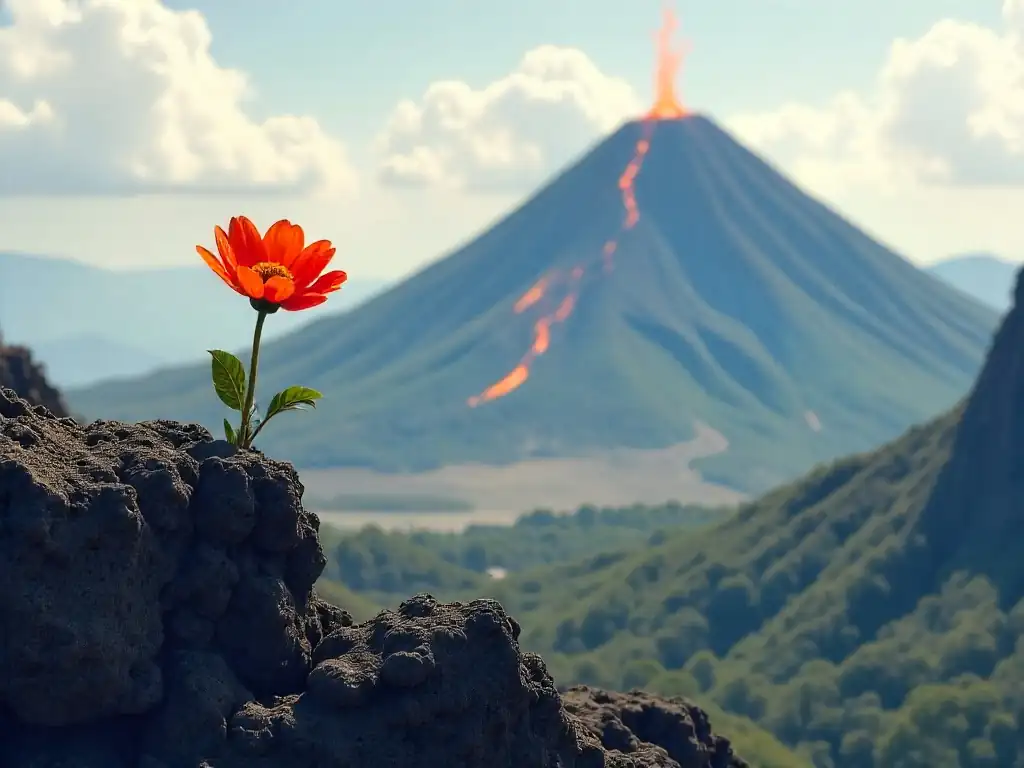
Human Impact on Volcanic Barren Environments: Geothermal Energy Exploitation, Tourism
Volcanic barren ecosystems, while often perceived as remote and resilient, are increasingly susceptible to human impacts. Geothermal energy exploitation is a significant and growing threat in many volcanic regions. Volcanic areas are often rich in geothermal resources, which are harnessed to generate electricity and provide heating.
While geothermal energy is considered a renewable energy source, its exploitation can have detrimental effects on volcanic barren ecosystems. Geothermal power plants can alter hydrological regimes, release pollutants, and disrupt natural habitats. Drilling and infrastructure development can directly destroy vegetation and soil, and the extraction of geothermal fluids can alter the chemical composition of groundwater and surface water, impacting sensitive ecosystems.
Tourism is another increasing pressure on volcanic barren landscapes. The unique and dramatic scenery of volcanic areas attracts tourists from around the world. While tourism can bring economic benefits to local communities, unsustainable tourism practices can damage these fragile ecosystems. Uncontrolled foot traffic can cause soil erosion, vegetation trampling, and disturbance to wildlife.
Infrastructure development for tourism, such as roads, trails, and visitor facilities, can fragment habitats and introduce invasive species. Furthermore, pollution from tourism activities, such as litter and waste, can degrade the pristine quality of volcanic barren environments. Recognizing and mitigating these human impacts is crucial for the long-term conservation of volcanic barren ecosystems exploration sites.
The Importance of Protecting Volcanic Barren Habitats
Protecting volcanic barren habitats is of paramount importance for several ecological and scientific reasons. Firstly, these ecosystems are unique natural laboratories for studying ecological processes, particularly primary succession and adaptation to extreme environments. They provide invaluable opportunities to understand how life colonizes and develops on newly formed land, and how organisms adapt to harsh conditions like nutrient scarcity, volcanic gases, and temperature extremes. Conserving volcanic barren areas ensures that these natural laboratories remain available for future scientific research and education.
Secondly, volcanic barren ecosystems, despite their apparent barrenness, harbor unique biodiversity. They are home to specialized communities of organisms, including extremophiles and pioneer species, that are adapted to these specific environments. Many of these species are found nowhere else and are of significant conservation value. Protecting volcanic barren habitats helps to safeguard this unique biodiversity and prevent species extinctions.
Thirdly, volcanic barren ecosystems play important ecosystem services. Pioneer species, like lichens and mosses, contribute to soil formation, water retention, and nutrient cycling, which are essential for the long-term ecological health of volcanic landscapes. Protecting these ecosystems ensures the continued provision of these vital ecosystem services.
Finally, volcanic barren landscapes have cultural and aesthetic value. Their dramatic scenery and geological features are of great interest to tourists and nature enthusiasts. Conservation efforts contribute to preserving these landscapes for future generations to appreciate and enjoy, fostering the continued volcanic barren ecosystem exploration and appreciation.
Conservation Strategies for Volcanic Barren Ecosystems
Effective conservation strategies are essential to protect volcanic barren ecosystems from increasing human pressures. Establishing protected areas, such as national parks and nature reserves, is a crucial step. These protected areas can limit human activities, such as geothermal energy exploitation and unsustainable tourism, and ensure the long-term preservation of volcanic barren habitats. Within protected areas, management plans should be implemented to regulate tourism, control invasive species, and monitor ecosystem health. Sustainable tourism practices, such as designated trails, visitor education programs, and limits on visitor numbers, can minimize the impact of tourism on fragile volcanic landscapes.
Restoration efforts may be necessary in areas that have been degraded by human activities. This could involve removing invasive species, restoring natural hydrological regimes, and re-vegetating disturbed areas with native pioneer species. Raising public awareness about the ecological and scientific value of volcanic barren ecosystems is also crucial. Educational programs and outreach initiatives can help to promote responsible behavior and support for conservation efforts.
International cooperation is important for conserving volcanic barren ecosystems that span national borders or are of global significance, such as those in Antarctica and Iceland. Collaborative research, information sharing, and joint conservation initiatives can enhance the effectiveness of conservation efforts. By implementing these strategies, we can ensure the long-term protection of these unique and valuable ecosystems and continue volcanic barren ecosystem exploration for generations to come.
The Future of Volcanic Barren Ecosystem Exploration
Research Opportunities in Volcanic Barren Ecology
The field of volcanic barren ecology offers a wealth of exciting research opportunities for scientists. Primary succession remains a central research area. Long-term studies are needed to understand the detailed mechanisms of plant and animal colonization, soil development, and nutrient cycling in volcanic barren areas. Researchers are investigating the roles of different pioneer species, the influence of volcanic substrate type, and the effects of climate change on successional trajectories.
Microbial ecology is another frontier in volcanic barren ecosystem exploration. Volcanic areas are home to diverse microbial communities, including extremophiles that thrive in geothermal areas, acidic environments, and nutrient-poor substrates. Research is focused on identifying these microbial communities, understanding their metabolic pathways, and exploring their roles in nutrient cycling and ecosystem functioning.
Adaptation to extreme environments is a key research theme. Volcanic barren ecosystems provide excellent model systems for studying how organisms adapt to harsh conditions. Researchers are investigating the physiological, genetic, and evolutionary adaptations of plants, animals, and microbes to volcanic stresses, such as nutrient scarcity, toxic elements, and temperature extremes. Biogeochemical cycling in volcanic areas is a complex and fascinating area of research.
Volcanic gases, mineral weathering, and biological activity interact to create unique biogeochemical cycles. Studies are exploring the fluxes of carbon, nitrogen, sulfur, and other elements in volcanic barren ecosystems, and how these cycles are influenced by volcanic activity and climate change. These diverse research opportunities underscore the continued relevance and importance of volcanic barren ecosystem exploration.
Understanding Climate Change Impacts on Volcanic Barren Zones
Climate change poses a significant threat to all ecosystems, and volcanic barren zones are no exception. Understanding the potential impacts of climate change on these unique environments is crucial for effective conservation and management. Temperature changes are a primary concern. Many volcanic barren ecosystems are located in high-latitude or high-altitude regions, which are particularly sensitive to warming. Increased temperatures can accelerate glacial melting in volcanic areas, altering hydrological regimes and potentially destabilizing volcanic slopes. Changes in temperature can also affect the physiology and distribution of species adapted to cold environments, potentially leading to range shifts or local extinctions.
Changes in precipitation patterns are another important factor. Some volcanic regions may experience increased drought, while others may face more intense rainfall events. Drought can exacerbate water stress in already arid volcanic barren areas, impacting plant survival and ecosystem productivity. Increased rainfall can lead to soil erosion and nutrient leaching, particularly in areas with unstable volcanic substrates.
Changes in extreme events, such as heatwaves, wildfires, and volcanic eruptions, can also have significant impacts. Heatwaves can stress organisms adapted to cooler temperatures, while wildfires can further degrade vegetation and soil. Increased volcanic activity, potentially linked to climate change-induced glacial unloading, could lead to more frequent disturbances and slower ecosystem recovery. Research is needed to assess the vulnerability of volcanic barren ecosystems to climate change and to develop adaptation strategies to mitigate these impacts, making volcanic barren ecosystem exploration even more critical in the context of global change.
The Broader Significance of Studying Volcanic Barren Ecosystems for Astrobiology
The study of volcanic barren ecosystems extends beyond terrestrial ecology and has significant implications for astrobiology, the study of the origin, evolution, distribution, and future of life in the universe. Volcanic environments on Earth are considered to be analogous to environments that may exist or have existed on other planets and moons in our solar system and beyond. Mars, for example, is a volcanically active planet with vast lava plains and volcanic features. Studying life in terrestrial volcanic barren ecosystems can provide insights into the potential for life to exist in similar environments on Mars or other celestial bodies.
Extremophiles found in volcanic areas, such as thermophiles, acidophiles, and chemoautotrophs, are of particular interest to astrobiologists. These organisms demonstrate that life can thrive in extreme conditions that were once thought to be uninhabitable. Understanding the adaptations of these extremophiles can help to define the limits of life and expand our search for life beyond Earth.
Volcanic hydrothermal systems, both terrestrial and submarine, are considered to be potential sites for the origin of life. Studying microbial communities in volcanic hot springs and deep-sea vents can provide clues about the conditions and processes that may have led to the emergence of life on Earth and potentially elsewhere. The exploration of volcanic barren ecosystems on Earth, therefore, is not only about understanding terrestrial ecology but also about informing the search for life beyond our planet, highlighting the profound broader significance of volcanic barren ecosystem exploration.
Conclusion: Appreciating the Resilience of Life in Volcanic Barren Landscapes
The Enduring Appeal of Volcanic Barren Ecosystems
Volcanic barren ecosystems, despite their seemingly desolate appearance, hold an enduring appeal for scientists, nature enthusiasts, and anyone fascinated by the power of nature and the resilience of life. Their stark beauty, shaped by dramatic geological forces, is captivating. The vast expanses of lava fields, ash plains, and volcanic cones create landscapes unlike any other, evoking a sense of awe and wonder.
These ecosystems serve as a reminder of the dynamic and ever-changing nature of our planet. The ongoing volcanic activity, the slow but persistent processes of ecological succession, and the adaptations of life to extreme conditions all contribute to the unique character of volcanic barren lands.
Beyond their aesthetic appeal, volcanic barren ecosystems offer profound scientific value. They are natural laboratories for studying fundamental ecological processes, such as primary succession, adaptation, and biogeochemical cycling. They provide insights into the limits of life and the potential for life to exist in extreme environments, with implications for astrobiology and the search for life beyond Earth.
The organisms that inhabit these ecosystems, from hardy pioneer plants to extremophile microbes, demonstrate the remarkable adaptability and resilience of life in the face of adversity. Volcanic barren ecosystem exploration allows us to witness the power of nature to heal and regenerate even after catastrophic events, fostering a deeper appreciation for the intricate web of life on our planet.
Further Resources for Volcanic Barren Ecosystem Exploration
For those interested in delving deeper into the fascinating world of volcanic barren ecosystems, numerous resources are available to facilitate further volcanic barren ecosystem exploration. Scientific literature provides a wealth of information on the ecology, geology, and biology of volcanic areas. Academic journals specializing in ecology, volcanology, and geology publish research articles on volcanic barren ecosystems from around the world.
Online databases, such as Web of Science and Scopus, are valuable tools for accessing scientific publications. Books and field guides offer accessible overviews of volcanic landscapes and their ecosystems. These resources often include detailed descriptions of volcanic landforms, plant and animal communities, and ecological processes.
Online resources, such as websites of national parks and geological surveys, provide information on specific volcanic areas and ongoing research projects. Websites dedicated to volcanology and ecology offer educational materials, images, and videos related to volcanic barren ecosystems. Volcanic observatories and research institutions often conduct outreach programs and public lectures on volcanic topics, providing opportunities to learn from experts and engage with the scientific community.
Visiting volcanic areas in person is an unparalleled way to experience these unique ecosystems firsthand. Many volcanic regions offer guided tours, hiking trails, and visitor centers that provide educational information and facilitate responsible volcanic barren ecosystem exploration. By utilizing these diverse resources, anyone can embark on a journey to further understand and appreciate the mysteries and resilience of life in volcanic barren landscapes.
Frequently Asked Questions
What exactly is a "volcanic barren ecosystem"?
It refers to an area newly formed or severely altered by volcanic activity, where life struggles to establish due to harsh conditions like nutrient-poor soil and high temperatures. These ecosystems are often the first stages of ecological succession.
What makes volcanic barren ecosystems interesting for exploration?
These environments offer a unique opportunity to study how life adapts and colonizes extreme environments. They provide insights into the resilience of species and the processes of ecosystem development in challenging conditions.
What are some of the challenges involved in volcanic barren ecosystem exploration?
Exploration can be hazardous due to unstable terrain, toxic gases, and potential for further volcanic activity. The remoteness of many volcanic areas also poses logistical difficulties for research teams.
What types of organisms are typically found in these volcanic barren ecosystems?
Pioneer species, such as lichens, mosses, and certain bacteria, are commonly the first to colonize these areas. They help break down rock and create the initial soil necessary for other life forms.
How does exploring volcanic barren ecosystems contribute to our understanding of broader ecological principles?
Studying these ecosystems helps us understand primary succession and the factors that influence biodiversity. It also provides insights into extremophile organisms and their potential applications in fields like biotechnology.
Final Reflection: Embracing Life's Renewal After Fire
The exploration of volcanic barren ecosystems, as we've seen, isn't just about scientific curiosity; it's about understanding the resilience of life itself. These seemingly desolate landscapes are, in fact, dynamic canvases where nature paints its most compelling stories of rebirth and adaptation. By studying these extreme environments, we gain invaluable insights into the processes that shape our planet and the potential for life to flourish even in the face of seemingly insurmountable odds.
The enduring power of these volcanic landscapes lies in their ability to challenge our preconceived notions of what is possible. Witnessing life emerge from the ashes, so to speak, profoundly impacts our understanding of adaptation and the interconnectedness of all living things. The darkest night is often the bridge to the brightest tomorrow.
This quote, though not directly about volcanoes, perfectly encapsulates the spirit of these ecosystems, reminding us that even from destruction, new beginnings can arise.
As we conclude this exploration of volcanic barren ecosystems, I invite you to consider the lessons they hold for your own life. Just as these landscapes demonstrate the power of resilience and adaptation, so too can you embrace challenges as opportunities for growth and renewal. Let the vibrant, albeit unconventional, life found in these seemingly desolate places inspire you to find strength in adversity and to cultivate your own unique path to flourishing.
I'm ready. Please share the article content so I can create a compelling call to action. I need the key themes and conclusions to ensure the CTA is relevant and effective.