
Beyond Ordinary Luggage: Specialized Packs for Extreme Volcano Journeys

Welcome to Volcano Explorers!
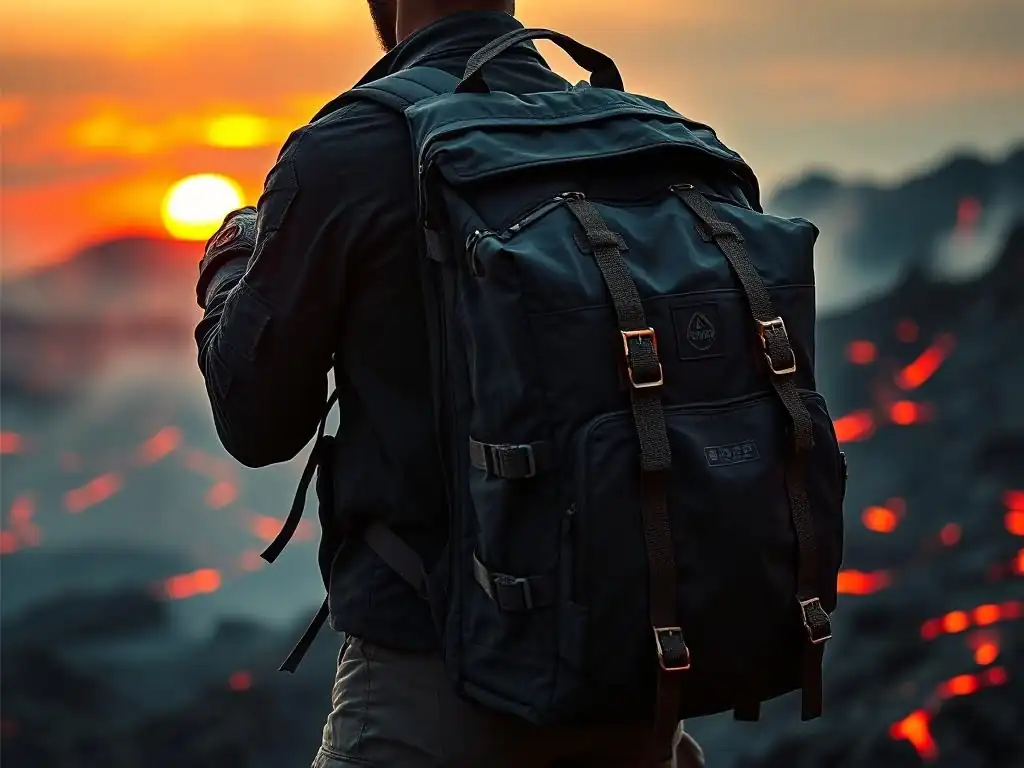
Ever wondered what it takes to truly conquer a volcano? Forget ordinary luggage. This isn't your average hike. Prepare to be amazed as we unveil the secrets behind specialized packs for volcano trips, the unsung heroes that make extreme journeys possible. What essential gear must you have to survive and thrive near the Earth's fiery heart? Dive in and discover the difference between a good trip and an unforgettable adventure!
- Introduction: Why Standard Luggage Fails on Volcano Expeditions
- Understanding the Demands of Volcano Travel: Key Features for Specialized Packs
- Comparative Product Analysis: Top Specialized Packs for Volcano Trips in 2024
- Essential Accessories for Your Volcano Travel Pack: Enhancing Protection and Performance
- Real-World Examples: Specialized Packs in Action on Volcano Expeditions
- Choosing the Right Specialized Pack for Your Volcano Adventure: A Personalized Guide
- Conclusion: Investing in Specialized Packs for Safe and Successful Volcano Exploration
-
Frequently Asked Questions
- What makes a specialized pack necessary for volcano trips?
- What are some key features to look for in a volcano trip pack?
- How do I protect my equipment from volcanic ash when using a specialized pack?
- What type of safety equipment should I carry in my specialized volcano trip pack?
- Where can I find reliable information and resources for planning a safe volcano trip?
- Final Reflection: Embracing the Fiery Unknown
- Ignite Your Inner Explorer: Gear Up for Your Next Volcano Adventure!
Introduction: Why Standard Luggage Fails on Volcano Expeditions
Venturing into volcanic landscapes presents a unique set of challenges that quickly expose the limitations of ordinary luggage. The rugged terrain, often composed of sharp lava rocks and loose volcanic ash, can shred flimsy fabrics and buckle under the stress of uneven surfaces. Imagine dragging a wheeled suitcase across a field of jagged obsidian – the wheels would be rendered useless, and the delicate structure would likely disintegrate within minutes. Standard luggage, designed for smooth airport terminals and paved streets, simply isn't built to withstand the abrasive nature and unpredictable conditions encountered on volcano expeditions.
Beyond the physical demands of the terrain, the environmental factors in volcanic regions pose significant threats to conventional luggage and its contents. Volcanic ash, a fine, abrasive particulate matter, can infiltrate zippers and seams, compromising closures and damaging sensitive equipment. The intense heat radiating from volcanic vents and lava flows can melt synthetic materials and warp rigid frames. Furthermore, the presence of volcanic gases, such as sulfur dioxide, can be corrosive and damaging to certain materials. Therefore, relying on standard luggage in these environments is not only impractical but also potentially detrimental to your gear and even your safety.
Understanding the Demands of Volcano Travel: Key Features for Specialized Packs
Specialized packs for volcano trips are engineered to overcome the limitations of standard luggage and meet the rigorous demands of these unique environments. Durability is paramount; these packs are constructed from robust, abrasion-resistant materials like high-denier Cordura nylon or reinforced ripstop fabrics. These materials are designed to withstand the constant scraping against rocks, lava formations, and volcanic ash, ensuring the pack remains intact throughout demanding expeditions. Reinforced stitching and robust zippers further enhance durability, preventing failures in critical stress points.
Weather resistance is another crucial feature. Volcanic regions can experience sudden shifts in weather, from intense sun exposure to unexpected downpours. Specialized packs often incorporate waterproof or water-resistant coatings and fabrics to protect contents from moisture and volcanic ash.
Features like storm flaps over zippers and taped seams further enhance weather protection, safeguarding sensitive equipment such as cameras, GPS devices, and communication tools from the elements. The capacity and organization of these packs are also carefully considered, offering ample space for essential gear while providing compartmentalization for efficient packing and quick access to critical items like water, first-aid supplies, and navigation tools. Comfort and support are also key, with advanced suspension systems designed to distribute weight evenly and padded shoulder straps and hip belts to ensure comfortable carrying over long distances and challenging terrains.
Comparative Product Analysis: Top Specialized Packs for Volcano Trips in 2024
Arc'teryx Bora AR 63 Backpack: A Heavy-Duty Hauler for Extreme Conditions
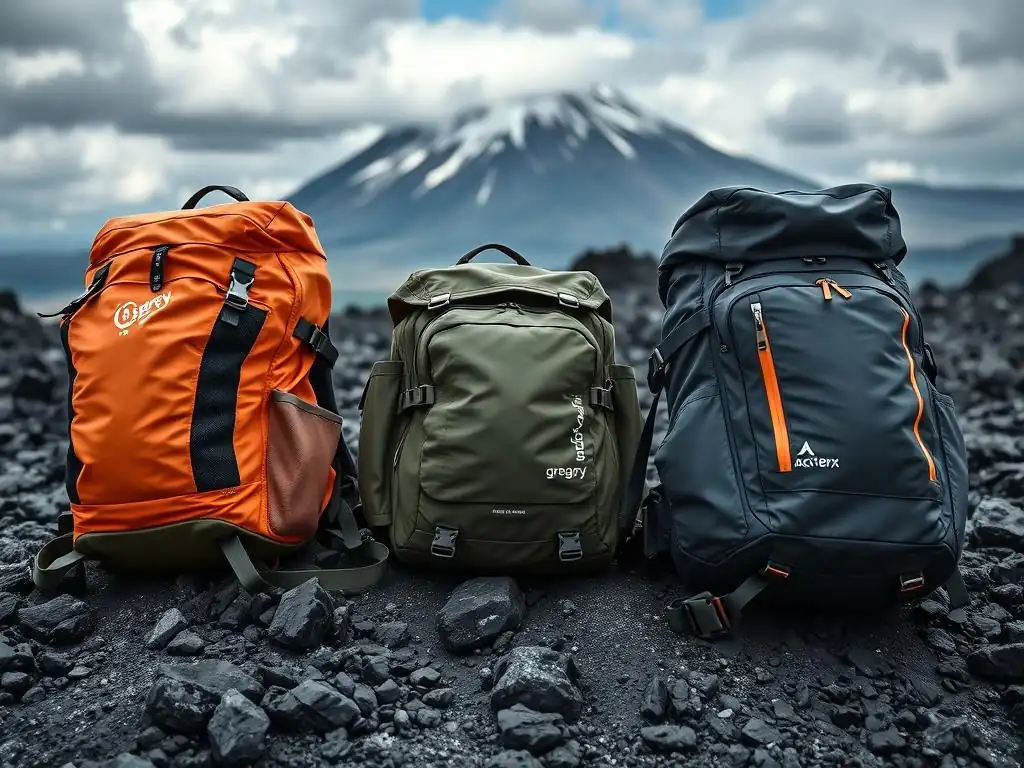
The Arc'teryx Bora AR 63 is renowned for its exceptional durability and load-carrying capacity, making it an ideal choice for extended volcano expeditions where substantial gear is required. Constructed from a combination of 420d and 630d nylon fabrics, this pack offers superior abrasion resistance against sharp volcanic rocks and rugged terrain. Its hybrid construction, utilizing Arc'teryx's RotoGlide™ hipbelt, allows the hipbelt to rotate independently from the pack body.
This feature is particularly beneficial on uneven volcanic slopes, enabling greater freedom of movement and reducing chafing, especially when navigating steep inclines or descents. The Bora AR 63 boasts a substantial 63-liter capacity, providing ample space for multi-day trekking gear, including camping equipment, extra layers for varying volcanic climates, and specialized scientific instruments if needed.
Furthermore, the Bora AR 63 incorporates thoughtful organizational features crucial for volcano expeditions. Multiple external pockets, including side pockets and a large front kangaroo pocket, provide quick access to frequently used items like water bottles, maps, and snacks. Internal dividers and compression straps help to secure and organize gear, preventing shifting during strenuous hikes.
The pack is also hydration bladder compatible, essential for maintaining hydration in often arid volcanic environments. While its robust construction contributes to a slightly heavier weight compared to more lightweight options, the Bora AR 63's unparalleled durability and load-carrying capability make it a trusted companion for serious volcano explorers tackling demanding and extended expeditions in harsh conditions.
Osprey Talon 22 Backpack: Lightweight Agility for Active Volcano Exploration
For volcano explorations that prioritize agility and speed, such as day hikes around volcanic areas or fast-paced ascents to observation points, the Osprey Talon 22 backpack offers an excellent balance of lightweight design and essential features. Weighing in at just over 2 pounds and boasting a 22-liter capacity, the Talon 22 is designed for nimble movement over varied volcanic terrain.
Its AirScape™ backpanel provides ventilation, crucial for maintaining comfort during strenuous activity in potentially hot volcanic climates. The BioStretch™ harness and hipbelt offer a close-to-body fit that enhances stability and allows for dynamic movement, essential when navigating uneven lava fields or scrambling over rocky outcrops.
Despite its lightweight nature, the Talon 22 doesn't compromise on functionality for volcano exploration. It features trekking pole attachments, allowing hands-free carrying of poles when navigating steep or unstable sections of volcanic trails. Stretch mesh side pockets and a front panel pocket provide readily accessible storage for water bottles, snacks, and extra layers.
The LidLock™ helmet attachment is a particularly useful feature for volcano environments where head protection might be required, allowing for secure and convenient carrying of a climbing or safety helmet. While its capacity is more limited compared to larger expedition packs, the Osprey Talon 22 excels in providing lightweight agility and essential features for active volcano exploration, making it ideal for day trips and fast-paced adventures in volcanic landscapes.
Mystery Ranch Bridger 65 Backpack: Versatile Hybrid Pack for Diverse Volcano Environments
The Mystery Ranch Bridger 65 backpack stands out as a versatile hybrid pack, adept at handling a range of volcano environments and trip durations. It blends features of both backpacking and trekking packs, offering a balance of load-carrying capacity, comfort, and adaptability.
Constructed with durable 210D Robic recycled nylon ripstop and 330D Robic recycled nylon base, the Bridger 65 provides reliable abrasion resistance for navigating volcanic terrain. Mystery Ranch's signature 3-ZIP design offers exceptional access to the main compartment, allowing for quick retrieval of gear without unpacking the entire pack – a valuable feature when needing to access specific items in rapidly changing volcanic conditions.
The Bridger 65 incorporates a comfortable and supportive Guide Light MT™ Frame, designed to efficiently transfer weight to the hips, making it suitable for carrying moderate loads for multi-day volcano treks. Adjustable torso length and hipbelt ensure a customized fit for a wide range of body types. Ample external attachment points and daisy chains provide options for securing extra gear, such as ice axes or trekking poles, which might be necessary depending on the specific volcanic environment and planned activities.
The pack also features hydration reservoir compatibility and multiple pockets for organization. The Mystery Ranch Bridger 65's combination of durable construction, versatile features, and comfortable carry makes it a solid choice for volcano explorers seeking a pack that can adapt to diverse volcanic environments and trip styles, from multi-day treks to basecamp-supported explorations.
Essential Accessories for Your Volcano Travel Pack: Enhancing Protection and Performance
Gas Masks and Respirators: Prioritizing Respiratory Safety in Volcanic Zones
Volcanic environments can present significant respiratory hazards due to the presence of volcanic gases and ash. Volcanic gases, such as sulfur dioxide (SO2), hydrogen sulfide (H2S), and carbon dioxide (CO2), can be emitted from vents, fumaroles, and lava flows, posing risks of irritation, respiratory distress, and even asphyxiation in high concentrations. Sulfur dioxide, for instance, is a common volcanic gas known to irritate the respiratory system and eyes, even at relatively low concentrations of around 0.5-1 parts per million (ppm).
Hydrogen sulfide, while often detectable by its rotten egg smell, can quickly desensitize the sense of smell and become highly toxic at concentrations above 100 ppm. Volcanic ash, composed of fine particles of rock and glass, can also be inhaled, causing respiratory irritation and potentially leading to long-term lung problems.
Therefore, carrying a certified gas mask or respirator is paramount for safety in volcanic zones, especially when approaching active vents, fumaroles, or areas with visible gas plumes. For basic protection against volcanic ash and particulate matter, a NIOSH-certified N95 respirator or P100 respirator can be effective. These respirators filter out at least 95% and 99.97% of airborne particles, respectively. For protection against volcanic gases, a respirator equipped with acid gas cartridges is necessary.
Half-face respirators with replaceable cartridges offer a good balance of protection and comfort for many situations. In environments with high concentrations of volcanic gases or limited oxygen, a full-face respirator with appropriate cartridges and potentially a self-contained breathing apparatus (SCBA) might be required. It is crucial to ensure the respirator fits properly and is correctly donned before entering areas with potential respiratory hazards, and to carry spare cartridges and filters as needed.
Protective Eyewear: Shielding Your Eyes from Ash and UV Radiation
The eyes are particularly vulnerable in volcanic environments, facing threats from volcanic ash, intense UV radiation, and potential flying debris. Volcanic ash, even in small amounts, can cause significant eye irritation, scratching the cornea and leading to discomfort, blurred vision, and potential infection. The abrasive nature of ash particles makes protective eyewear essential, especially during windy conditions or volcanic eruptions that generate ash plumes.
Furthermore, high altitudes and reflective volcanic landscapes amplify UV radiation exposure, increasing the risk of sunburn and long-term eye damage such as cataracts. Studies have shown that UV radiation intensity increases by approximately 4-5% for every 1000 feet of altitude gain, making UV protection critical at volcanic summits and high-elevation areas.
Protective eyewear for volcano trips should prioritize both impact resistance and UV protection. Polycarbonate lenses offer excellent impact resistance, shielding eyes from flying rocks or debris, and are preferable to glass lenses which can shatter upon impact. Look for eyewear that meets ANSI Z87.1 standards for impact protection. UV protection is equally crucial; sunglasses should block 100% of UVA and UVB rays.
Wraparound styles or sunglasses with side shields provide additional protection from peripheral light and ash entry. Goggles offer the most comprehensive eye protection, creating a seal around the eyes to prevent ash and gas entry. For activities in areas with significant ashfall or gas plumes, goggles are highly recommended. Carrying both sunglasses and goggles allows for adaptability to different volcanic conditions, ensuring optimal eye protection in various scenarios.
Hydration Systems: Staying Hydrated in Arid Volcanic Landscapes
Volcanic landscapes, despite often being associated with geothermal activity, are frequently arid and exposed environments where maintaining adequate hydration is critical. The combination of high altitude, intense sun exposure, and strenuous physical activity during volcano exploration can lead to rapid dehydration. Altitude itself can increase respiration rates and fluid loss, while sun exposure intensifies sweating. Volcanic terrain often lacks readily available water sources, making it essential to carry sufficient water and utilize effective hydration systems. Studies indicate that in high-altitude environments, daily water intake requirements can increase by 1 to 1.5 liters compared to sea level.
Hydration systems for volcano trips should prioritize capacity, reliability, and ease of use. Hydration bladders, typically ranging from 2 to 3 liters in capacity, offer a convenient hands-free hydration solution, allowing for sipping water on the move without stopping to remove water bottles from a pack. Look for bladders made from durable, puncture-resistant materials and with leak-proof bite valves. Water bottles, particularly durable Nalgene-style bottles or stainless steel bottles, provide a reliable backup hydration option and are useful for carrying electrolyte solutions or powdered drink mixes.
Consider carrying a combination of a hydration bladder and water bottles to maximize water capacity and versatility. Electrolyte replenishment is also important, especially during prolonged exertion in hot conditions, as sweating depletes electrolytes like sodium and potassium. Electrolyte tablets or powdered drink mixes can be added to water to help maintain electrolyte balance and prevent dehydration-related fatigue and muscle cramps.
First Aid Kits: Preparing for Injuries in Remote Volcanic Environments
Volcano expeditions inherently carry risks of injuries due to the rugged terrain, potential volcanic hazards, and remoteness of many volcanic locations. Trips, falls, and sprains are common on uneven lava fields and rocky slopes. Exposure to volcanic heat sources, such as lava flows or geothermal areas, can result in burns. Volcanic ash and gases can cause skin and eye irritation, and in remote areas, access to immediate medical assistance may be limited or delayed. Statistics from search and rescue operations in mountainous and volcanic regions highlight the importance of self-sufficiency and preparedness for injuries.
A well-equipped first aid kit tailored for volcano environments is an indispensable component of any specialized pack. Beyond standard first aid supplies like bandages, antiseptic wipes, and pain relievers, a volcano-specific kit should include items addressing common volcanic-related injuries. Burn cream or gel is essential for treating minor burns from volcanic heat or sun exposure.
Eye wash or saline solution is crucial for flushing out volcanic ash or irritants from the eyes. Consider including specialized bandages for blisters, as foot issues are common during long treks on rough terrain. A triangular bandage and safety pins can be useful for immobilizing sprains or fractures.
Depending on the specific volcanic environment and potential hazards, items like tweezers for removing splinters from volcanic rock, and a SAM splint for more serious musculoskeletal injuries, might be beneficial. Knowledge of basic first aid and wilderness first aid principles is equally important, and carrying a first aid manual and taking a wilderness first aid course can significantly enhance preparedness for handling injuries in remote volcanic settings.
Real-World Examples: Specialized Packs in Action on Volcano Expeditions
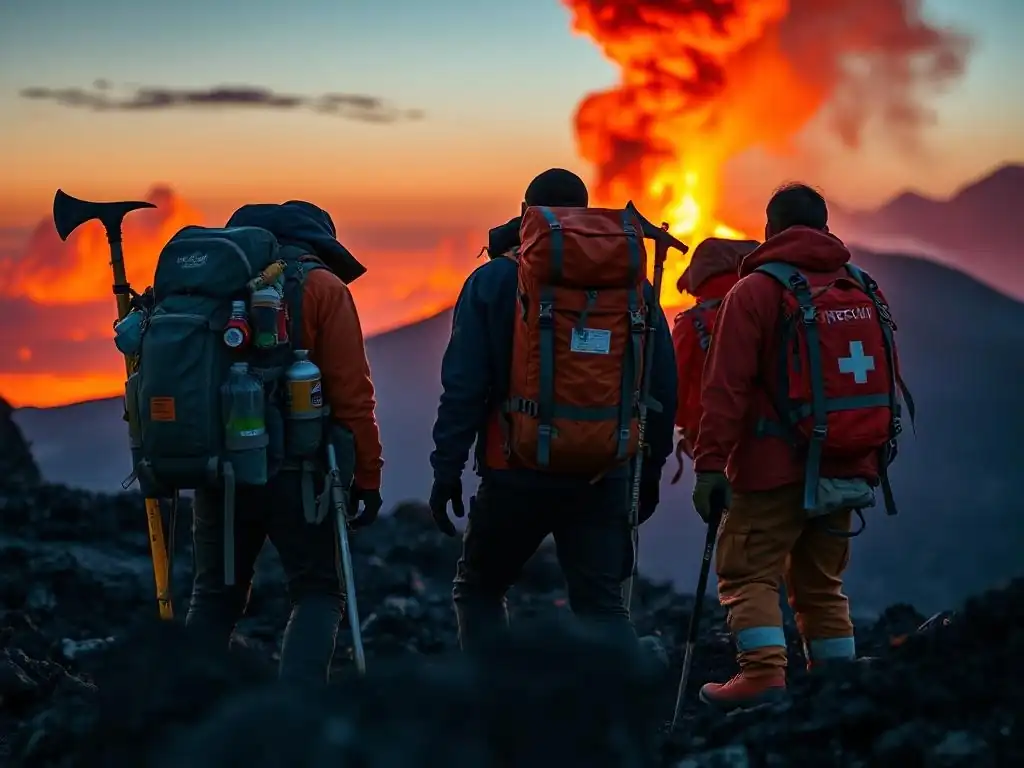
Documentaries showcasing volcanologists at work often provide compelling visuals of specialized packs in action. In the "Into the Inferno" documentary by Werner Herzog, scientists are seen navigating active volcanoes in Vanuatu and Ethiopia, carrying specialized packs loaded with equipment for gas sampling, thermal imaging, and rock collection.
These packs are not just carrying personal gear; they are mobile laboratories, designed to withstand harsh conditions and provide quick access to scientific instruments in precarious environments. The robust construction and organizational features of these packs are evident as researchers maneuver around steaming vents and lava flows, demonstrating the practical necessity of specialized gear for professional volcano exploration.
Mountaineering expeditions to volcanic peaks like Mount Rainier or Mount Kilimanjaro also exemplify the use of specialized packs in challenging volcanic environments. Climbers tackling these glaciated volcanoes rely on durable, high-capacity packs to carry mountaineering gear, including ice axes, crampons, ropes, and cold-weather clothing, in addition to personal supplies. These packs must withstand not only volcanic terrain but also glacial ice and extreme weather conditions at high altitudes. Accounts from expeditions to volcanoes like Eyjafjallajökull in Iceland following its 2010 eruption highlight the importance of ash-resistant packs. Photographers and journalists documenting the eruption and its aftermath relied on specialized packs to protect sensitive camera equipment and electronics from fine volcanic ash that permeated everything. These real-world examples underscore that specialized packs are not merely a luxury but a critical tool for safety, efficiency, and success in various types of volcano explorations, from scientific research to adventurous ascents and documentation efforts.
Choosing the Right Specialized Pack for Your Volcano Adventure: A Personalized Guide
Selecting the ideal specialized pack for a volcano trip hinges on a careful assessment of the specific adventure type, duration, and personal needs. For short day hikes around volcanic areas, focusing on agility and lightweight design is key. Packs in the 20-30 liter range, like the Osprey Talon 22, offering features like ventilation, hydration compatibility, and trekking pole attachments are well-suited.
These packs allow for carrying essentials like water, snacks, extra layers, and a first aid kit without feeling cumbersome. For multi-day volcano treks or expeditions requiring camping gear and more extensive equipment, larger capacity packs in the 50-70 liter range, such as the Arc'teryx Bora AR 63 or Mystery Ranch Bridger 65, are necessary. Consider the load capacity and durability required based on the expected weight of gear and the ruggedness of the terrain.
The climate and specific volcanic environment also play a crucial role in pack selection. In hot, arid volcanic regions, ventilation and hydration features become paramount. Packs with breathable backpanels and ample hydration capacity are essential. In contrast, for expeditions to glaciated volcanoes or regions with frequent rainfall, weather resistance and waterproof features are more critical. Look for packs with waterproof fabrics, taped seams, and storm flaps.
Personal gear requirements are another key factor. Photographers or videographers will need packs with padded compartments and organizational features to protect camera equipment. Scientists conducting field research might require packs with specialized attachment points for instruments and sample collection tools. Ultimately, the best specialized pack is the one that best matches the individual explorer's needs, trip type, and the unique demands of the specific volcano adventure, ensuring a balance of comfort, functionality, and durability.
Conclusion: Investing in Specialized Packs for Safe and Successful Volcano Exploration
Investing in specialized packs for volcano trips is not merely an upgrade in gear; it's a strategic investment in safety, comfort, and the overall success of your exploration. While standard luggage may suffice for conventional travel, it is woefully inadequate for the demanding conditions encountered in volcanic environments. The enhanced durability, weather resistance, and specialized features of volcano-specific packs are designed to directly address the unique challenges of these landscapes, protecting gear from abrasion, ash, and the elements, while ensuring comfortable and efficient load carriage over rugged terrain.
The comparative analysis of leading specialized packs highlights the range of options available, catering to different trip styles and priorities, from lightweight agility to heavy-duty hauling. Essential accessories, such as respirators, protective eyewear, hydration systems, and specialized first aid kits, further underscore the comprehensive approach required for safe volcano exploration. Real-world examples demonstrate the critical role specialized packs play in both professional and adventurous volcano endeavors.
Ultimately, choosing the right specialized pack, tailored to the specific volcano adventure, is a crucial step in responsible and prepared volcano exploration. It’s an investment that pays dividends in peace of mind, enhanced performance, and the ability to fully experience the awe-inspiring world of volcanoes with confidence and safety.
Frequently Asked Questions
What makes a specialized pack necessary for volcano trips?
Volcano trips often involve challenging terrain and exposure to harsh conditions like extreme temperatures and volcanic ash. Specialized packs are designed with durable materials and specific features to handle these challenges better than ordinary luggage.
What are some key features to look for in a volcano trip pack?
Look for packs made from heat-resistant and waterproof materials, offering ample storage with specialized compartments for gear like gas masks and monitoring equipment. A comfortable suspension system is also crucial for carrying heavy loads over long distances.
How do I protect my equipment from volcanic ash when using a specialized pack?
Many specialized packs have built-in rain covers that also offer protection from ash. Consider packing sensitive equipment in waterproof and dustproof bags within your pack for added security.
What type of safety equipment should I carry in my specialized volcano trip pack?
Essential safety items include a gas mask or respirator, a first-aid kit with supplies for burns and respiratory issues, a reliable communication device, and a GPS or map and compass for navigation.
Where can I find reliable information and resources for planning a safe volcano trip?
Websites like VolcanoExplorers.org offer educational content, safety guides, and real-time updates on volcanic activity. Consult with experienced volcanologists or tour operators for personalized advice and guidance.
Final Reflection: Embracing the Fiery Unknown
The journey into the heart of a volcano, as we've explored, demands more than just a spirit of adventure; it necessitates the right tools, and chief among them are specialized packs designed to withstand the extreme conditions. The information shared throughout this article underscores the critical role these packs play in ensuring safety, efficiency, and ultimately, the success of any volcano expedition. The need for durable, specialized equipment is not merely a suggestion, but a vital consideration for anyone daring to venture into such volatile environments.
The impact of these specialized packs extends beyond mere functionality; they represent a commitment to preparedness and respect for the raw power of nature. My own fascination with volcanology stems from a deep appreciation for the Earth's dynamic processes, and seeing how technology can enable safer exploration is truly inspiring. The best preparation for tomorrow is doing your best today.
- H. Jackson Brown, Jr. This quote perfectly encapsulates the spirit of meticulous planning and execution that is essential when dealing with the unpredictable nature of volcanoes.
Now, as you contemplate your own adventures, whether they involve scaling volcanic peaks or navigating the challenges of everyday life, consider the lessons learned here. What specialized tools do you need to equip yourself for the journey ahead? What preparations can you make to ensure your safety and success? Embrace the spirit of preparedness, and remember that with the right equipment and a thoughtful approach, you can conquer any challenge, no matter how fiery it may seem.
Ignite Your Inner Explorer: Gear Up for Your Next Volcano Adventure!
Thanks for exploring the world of specialized luggage for extreme volcano journeys! We hope you've gained valuable insights into choosing the perfect pack to ensure your safety and preparedness for your next adventure. Now, it's time to put that knowledge into action!
Here are a few ways to enhance your volcano exploration journey:
- Start planning your dream volcano trek! Research potential destinations and imagine yourself conquering those incredible landscapes.
- Share this article with fellow adventure enthusiasts who might be seeking the perfect gear for their own volcanic expeditions.
- Learn more about specialized gear! Research the properties of materials like Nomex and Kevlar and how they offer protection against the harsh conditions of a volcanic landscape.
What volcano are you dreaming of exploring first, and what's the one essential piece of gear you wouldn't leave home without? Share your thoughts in the comments below!