
Volcanic Ash vs. Chemical Fertilizers: Nature's Champion in the Ring?

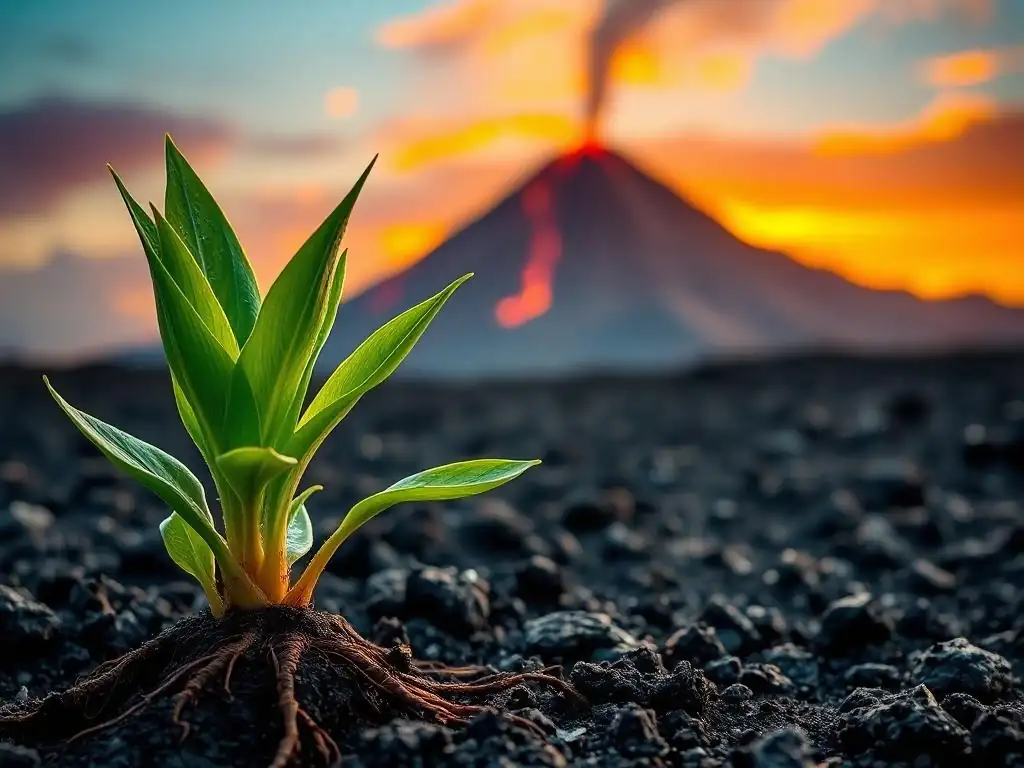
Welcome!
Prepare to uncover the hidden secrets of the Earth's fiery heart. VolcanoExplorers.org is your portal to a world of molten rock, explosive eruptions, and breathtaking landscapes. But did you know that these geological titans offer more than just drama? Today, we're diving deep into the surprisingly beneficial side of volcanic activity, specifically exploring the remarkable benefits of volcanic ash as a natural fertilizer. Could this potent powder be the champion we need to revitalize our soils? Read on to discover how volcanic ash stacks up against chemical fertilizers, and unlock the secrets to a more sustainable future!
- Volcanic Ash vs. Chemical Fertilizers: Nature's Champion?
- Introduction: Unveiling the Power of Volcanic Ash in Agriculture
-
Frequently Asked Questions
- What are the primary benefits of volcanic ash as a fertilizer compared to chemical fertilizers?
- How does volcanic ash improve soil structure and water retention?
- What specific nutrients does volcanic ash contribute to the soil that benefit plant growth?
- Is volcanic ash safe to use as a fertilizer, and are there any potential risks?
- How do volcanologists study and monitor volcanic activity to potentially predict ashfall events and their impact on agriculture?
- Final Reflection: Embracing Nature's Fertile Power
- Unleash Nature's Power: Grow Healthier, Greener!
Volcanic Ash vs. Chemical Fertilizers: Nature's Champion?
Introduction: Unveiling the Power of Volcanic Ash in Agriculture

Exploring Natural Soil Amendment from Volcanoes
Volcanic ash, a product of explosive volcanic eruptions, might seem like a mere environmental hazard, blanketing landscapes in a gray shroud. However, beneath this initial impression lies a hidden potential – a natural soil amendment brimming with minerals and nutrients. This seemingly destructive byproduct of nature's fury can, in fact, be a powerful tool for soil enrichment and agricultural enhancement.
For centuries, communities living near volcanoes have observed and intuitively understood the beneficial effects of volcanic ash on their lands. After an eruption, they noticed enhanced soil fertility and improved crop yields in areas covered by ash deposits. This traditional knowledge, now backed by scientific research, reveals volcanic ash as a naturally occurring resource with significant agricultural value.
The journey of volcanic ash from a volcanic plume to a soil enhancer is a fascinating one. Ejected during eruptions, it consists of fine particles of pulverized rock, minerals, and volcanic glass. This composition is a direct reflection of the Earth's mineral-rich interior, making volcanic ash a complex and diverse material. Unlike manufactured fertilizers, volcanic ash is a completely natural substance, requiring no industrial processing to harness its beneficial properties. Its inherent mineral content and physical characteristics make it a unique and potentially transformative element in the realm of soil management.
The Rise of Sustainable Agriculture: Why Volcanic Ash Matters
In an era increasingly focused on sustainable practices, the agricultural sector is under pressure to reduce its reliance on synthetic inputs and minimize environmental impact. Chemical fertilizers, while effective in boosting crop yields in the short term, have raised concerns about soil degradation, water pollution, and greenhouse gas emissions. The search for eco-friendly alternatives has become paramount, leading researchers and farmers to explore natural soil amendments that can deliver both productivity and environmental benefits. This is where volcanic ash steps into the spotlight as a compelling candidate.
Volcanic ash aligns perfectly with the principles of sustainable agriculture due to its natural origin and multifaceted benefits. As a naturally replenishing resource (through volcanic activity), it offers a sustainable alternative to mined or industrially produced fertilizers. Furthermore, its ability to improve soil health, enhance nutrient retention, and potentially reduce the need for synthetic inputs positions it as a key component in creating more resilient and environmentally responsible agricultural systems.
The shift towards sustainable agriculture is not merely a trend; it is a necessity for ensuring long-term food security and environmental health. Volcanic ash, with its natural richness and soil-enhancing properties, offers a promising pathway to achieving these goals.
Frequently Asked Questions
What are the primary benefits of volcanic ash as a fertilizer compared to chemical fertilizers?
Volcanic ash provides a slow-release source of nutrients, improving soil structure and water retention. Unlike chemical fertilizers, it contains a wide range of trace minerals that are beneficial for plant health and long-term soil fertility. It's also a natural and sustainable option.
How does volcanic ash improve soil structure and water retention?
The porous nature of volcanic ash allows it to increase soil porosity, creating better air circulation and drainage. This improved structure also enhances the soil's ability to retain water, making it more drought-resistant and beneficial for plant growth.
What specific nutrients does volcanic ash contribute to the soil that benefit plant growth?
Volcanic ash contains essential nutrients like phosphorus, potassium, calcium, and magnesium, all crucial for plant development. It also provides trace elements such as iron, zinc, and copper, which are often lacking in chemically fertilized soils and vital for plant health.
Is volcanic ash safe to use as a fertilizer, and are there any potential risks?
Volcanic ash is generally safe, but it's essential to test its pH level before application. Some ash can be acidic and may need to be neutralized with lime. Also, avoid inhaling the ash, as the fine particles can irritate the respiratory system.
How do volcanologists study and monitor volcanic activity to potentially predict ashfall events and their impact on agriculture?
Volcanologists use a variety of tools, including seismometers, gas sensors, and satellite imagery, to monitor volcano behavior. They analyze data to predict eruptions and ashfall patterns, allowing for early warnings and mitigation strategies to protect agricultural lands.
Final Reflection: Embracing Nature's Fertile Power
The exploration of volcanic ash as a potent fertilizer alternative reveals a crucial truth: nature often holds the most sustainable and effective solutions. In a world increasingly aware of the environmental consequences of synthetic fertilizers, the potential of volcanic ash to enrich our soils and nourish our crops offers a compelling path towards a more balanced and ecologically sound agricultural future.
The shift towards embracing natural alternatives like volcanic ash is not just a trend, but a necessary evolution in our relationship with the land. This journey towards sustainable agriculture resonates deeply with the need to respect and understand the intricate ecosystems that sustain us. The earth is what we all have in common.
- Wendell Berry. This quote encapsulates the shared responsibility we have to protect and nurture our planet, and utilizing resources like volcanic ash is a powerful step in that direction.
As you consider the benefits of volcanic ash fertilizer, I invite you to reflect on your own role in fostering a healthier planet. What small changes can you make in your garden, your community, or your purchasing habits to support sustainable practices? Embrace the power of nature's champion and contribute to a future where agriculture and environmental stewardship go hand in hand.
Unleash Nature's Power: Grow Healthier, Greener!
Thanks for exploring the potential of volcanic ash as a natural fertilizer! We hope this article sparked your curiosity and showed you a new perspective on soil enrichment. Now, let's put this knowledge into action and see how nature's power can transform your garden.
Here are a few ways to get started:
- Experiment with a small patch in your garden: Apply a thin layer of volcanic ash to a test area and monitor the growth compared to your usual methods. Track your results and share your experience!
- Research local sources of volcanic ash near you. You might be surprised where you can find this natural resource!
- Share this article with fellow gardeners and nature enthusiasts! Let's spread the word about sustainable soil solutions.
Ready to ditch the chemicals and embrace a more natural approach to gardening? What plants do you plan to nourish with volcanic ash first?