
Why Cinder Cones Are Nature's Fireworks Display

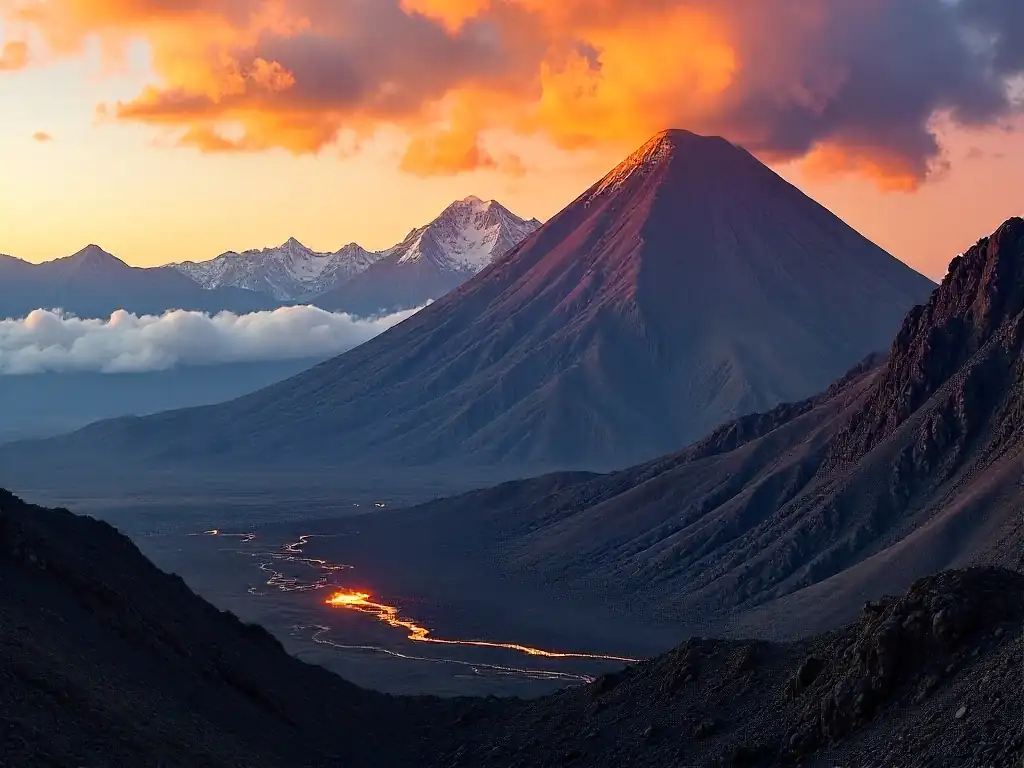
Welcome to Volcano Explorers, where we ignite your curiosity about the Earth's fiery heart! Ever wondered about those perfectly cone-shaped volcanoes that seem almost too picturesque to be so powerful? Prepare to uncover the explosive truth! Dive into our exploration of cinder cone volcano facts and discover why these geological formations are nature's very own fireworks display – a spectacle of creation and destruction you won't want to miss. What secrets do these seemingly simple structures hold? Let's find out...
- Understanding Cinder Cone Volcanoes: An Introduction to Their Explosive Nature
- Cinder Cone Volcano Facts: Unveiling the Secrets of These Small Volcanoes
- The Eruptive Style of Cinder Cones: A Pyroclastic Spectacle
- Where Can You Find Cinder Cone Volcanoes Around the World?
- The Life Cycle of a Cinder Cone: From Formation to Dormancy
- Cinder Cones and Human Interaction: Benefits and Risks
- Cinder Cone Volcanoes: A Visual Summary of Their Explosive Beauty
- Frequently Asked Questions
- Final Reflection: The Enduring Spark of Cinder Cones
- Ignite Your Inner Volcanologist!
Understanding Cinder Cone Volcanoes: An Introduction to Their Explosive Nature
Exploring the Formation of Cinder Cones: From Eruptions to Pyroclastic Debris
Cinder cone volcanoes are among the simplest and most common types of volcanoes, often dotting landscapes around the world. Their formation is a relatively straightforward process, beginning with gas-rich magma rising from deep within the Earth. As this magma nears the surface, the pressure decreases, allowing dissolved gases to escape violently. This rapid expansion of gases propels molten rock, known as pyroclastic debris, into the air in a spectacular display of volcanic activity. This ejected material, ranging in size from ash to larger volcanic bombs, then falls back to the ground around the vent.
Over time, the accumulation of this pyroclastic debris, primarily cinders and scoria, builds up around the vent, creating the characteristic cone shape. Imagine shaking a bottle of soda and then quickly opening it; the sudden release of pressure causes the soda to spray upwards and outwards. Cinder cone formation is analogous to this, but on a much grander and geological scale.
Each eruption adds layers of fragmented material, gradually increasing the height and defining the steep slopes of the cinder cone. The process is primarily driven by these explosive ejections, setting cinder cones apart from volcanoes formed by lava flows.
What Makes Cinder Cones Unique Among Volcano Types?
Several factors distinguish cinder cones from other types of volcanoes like shield volcanoes or stratovolcanoes. One of the most notable is their size. Cinder cones are typically small, rarely exceeding 1,000 feet (300 meters) in height, and often much smaller. This diminutive stature contrasts sharply with the massive profiles of stratovolcanoes like Mount Fuji or shield volcanoes like Mauna Loa. Furthermore, cinder cones are characteristically steep-sided, with slopes often ranging from 30 to 40 degrees, formed by the loose accumulation of pyroclastic material at its angle of repose.
Another defining feature is their monogenetic nature. This means that most cinder cones are formed during a single, short-lived eruptive episode, which can last from weeks to a few years. Once the eruption ceases, the volcano is unlikely to erupt again from the same vent. This contrasts with polygenetic volcanoes, such as stratovolcanoes, which are built up over hundreds of thousands or even millions of years through numerous eruptions from the same vent system. The composition of the erupted material is also relatively consistent in cinder cones, typically basaltic or andesitic, reflecting the magma source and eruption style.
Cinder Cone Volcano Facts: Unveiling the Secrets of These Small Volcanoes
Key Characteristics of Cinder Cones: Shape, Size, and Composition
When considering cinder cone volcano facts, their physical characteristics are paramount. Their conical shape is a direct result of the way pyroclastic material is ejected and deposited. The symmetrical cone shape is formed as ejecta falls relatively evenly around the vent.
The size of cinder cones is generally small, as mentioned before, with diameters at the base often ranging from a few hundred meters to about a kilometer. Their height is similarly limited, rarely exceeding 300 meters, although exceptions exist. For instance, Cerro Negro in Nicaragua, a relatively young cinder cone, has grown significantly since its birth in 1850, but still remains within the typical size range for this type of volcano.
The composition of cinder cones is predominantly pyroclastic material. This material is primarily composed of scoria and cinders, which are vesicular (containing gas bubbles) volcanic rocks. Scoria is typically darker in color, often black or dark brown, and denser than pumice. Cinders are similar but may be slightly less vesicular.
The composition of the magma that feeds cinder cones is usually basaltic or andesitic, meaning it is relatively low in silica content. This lower silica content contributes to the more fluid nature of the lava, although cinder cone eruptions are primarily explosive rather than effusive. Small amounts of lava flows may sometimes issue from the base of a cinder cone, but the cone itself is built from the accumulation of ejected fragments.
The Role of Gas Pressure in Cinder Cone Eruptions: Fueling the Fireworks
The explosive nature of cinder cone eruptions, central to cinder cone volcano facts, is intrinsically linked to gas pressure within the magma. Magma contains dissolved gases, primarily water vapor, carbon dioxide, sulfur dioxide, and others. At depth, under immense pressure, these gases remain dissolved within the molten rock. However, as magma ascends towards the Earth's surface, the surrounding pressure decreases. This reduction in pressure allows the dissolved gases to exsolve, or come out of solution, forming bubbles within the magma.
If the magma is sufficiently viscous (resistant to flow), these gas bubbles cannot easily escape. Instead, they accumulate, increasing the internal pressure within the magma. When this pressure exceeds the strength of the surrounding rocks, a violent eruption occurs.
The rapid expansion of these gas bubbles is what propels magma fragments into the air as pyroclastic debris. Think of it like shaking a carbonated drink; the pressure builds up, and upon opening, the dissolved carbon dioxide rapidly expands, forcing the liquid out in a spray. In cinder cone eruptions, this process is responsible for the spectacular "fireworks" display of ejected material and the formation of the cone itself.
The Eruptive Style of Cinder Cones: A Pyroclastic Spectacle
Strombolian Eruptions: The Common Eruptive Pattern of Cinder Cones
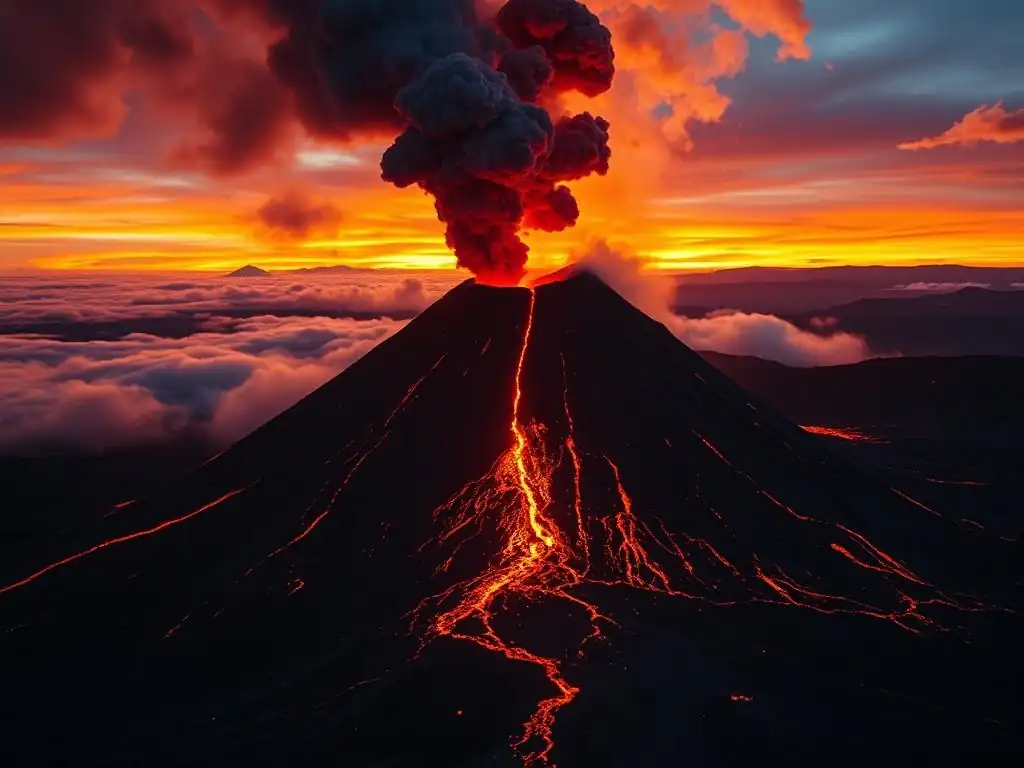
The eruptive style most commonly associated with cinder cones is Strombolian. Named after the Italian volcano Stromboli, which exhibits this type of activity persistently, Strombolian eruptions are characterized by relatively mild to moderate bursts of gas and pyroclastic material. These eruptions are often described as rhythmic or pulsating, with discrete explosions occurring every few minutes to hours. A key feature of Strombolian eruptions is the ejection of incandescent bombs and blocks, along with lapilli (small rock fragments) and ash, creating a visually striking display.
During a Strombolian eruption, magma within the conduit rises and encounters a plug of cooler, more viscous magma or solidified rock near the surface. The pressure from the gas-rich magma below eventually overcomes this plug, leading to an explosive burst. These bursts eject incandescent material upwards, often forming lava fountains that can reach tens to hundreds of meters in height.
The ejected material then falls back around the vent, contributing to the growth of the cinder cone. Strombolian eruptions are generally not as violent or sustained as Plinian eruptions (associated with stratovolcanoes), but they are nonetheless impressive and contribute significantly to the dynamic nature of volcanic landscapes.
Tephra and Ash Production: Creating the Volcanic "Fireworks"
The "fireworks" display of cinder cones is largely due to the production and ejection of tephra and ash. Tephra is a general term for all airborne volcanic ejecta, ranging in size from fine ash particles (less than 2 mm in diameter) to large volcanic bombs and blocks (greater than 64 mm in diameter). Ash, the finest component of tephra, is formed when gas-rich magma is fragmented explosively into tiny particles. These ash particles can be carried high into the atmosphere and travel long distances downwind, potentially impacting air travel and human health.
Larger tephra fragments, such as lapilli, bombs, and blocks, are ejected closer to the vent and contribute directly to the construction of the cinder cone. The incandescent nature of these fragments, especially at night, creates the visual spectacle reminiscent of fireworks. Molten bombs, in particular, can be quite impressive as they arc through the air, glowing red or orange before impacting the ground and solidifying. The continuous ejection of tephra, varying in size and incandescence, is what makes cinder cone eruptions such a captivating and visually stunning natural phenomenon.
Where Can You Find Cinder Cone Volcanoes Around the World?
Notable Cinder Cone Examples: Parícutin (Mexico), Sunset Crater (USA), Mount Scoria (Australia)
Cinder cone volcanoes are distributed globally, often found in volcanic fields and regions associated with continental rifting or hot spot volcanism. Parícutin volcano in Mexico offers a dramatic example of cinder cone formation witnessed by humans in recent history. Born in a cornfield in 1943, Parícutin erupted for nine years, growing rapidly to a height of 424 meters and burying two villages under ash and lava. Its relatively recent formation and well-documented history make it a classic case study of cinder cone development.
Sunset Crater Volcano National Monument in Arizona, USA, showcases a well-preserved cinder cone in a desert environment. Sunset Crater erupted around 1085 AD, blanketing the surrounding landscape with ash and cinder. The reddish-orange cinders near the summit give the volcano its name and create a striking visual contrast with the surrounding black lava flows.
Further afield, Mount Scoria in Queensland, Australia, provides an example of a cinder cone in a different geological setting. While its exact age is less precisely known than Parícutin or Sunset Crater, Mount Scoria is notable for its well-defined cone shape and basalt columns, showcasing the variety and global distribution of these fascinating volcanic landforms.
Cinder Cone Fields: Areas Dominated by These Volcanic Formations
Cinder cones often occur not in isolation but in groups, forming extensive volcanic fields. These fields can contain dozens, hundreds, or even thousands of individual cinder cones scattered across a broad area. The San Francisco Volcanic Field in Arizona, where Sunset Crater is located, is a prime example, containing over 600 cinder cones. Similarly, the Michoacán-Guanajuato Volcanic Field in Mexico, home to Parícutin, features thousands of cinder cones, making it one of the densest cinder cone fields on Earth.
These volcanic fields arise from widespread volcanic activity where magma finds multiple pathways to the surface through fractures and weaknesses in the Earth's crust. Each cinder cone in a field typically represents an independent eruptive event, although they may share a common magma source at depth. Other notable cinder cone fields can be found in Iceland, parts of East Africa, and various locations along the western coasts of North and South America. The presence of cinder cone fields indicates areas of significant volcanic potential and provides valuable insights into the underlying geological processes shaping the Earth's surface.
The Life Cycle of a Cinder Cone: From Formation to Dormancy
The Relatively Short Lifespan of Cinder Cone Volcanoes
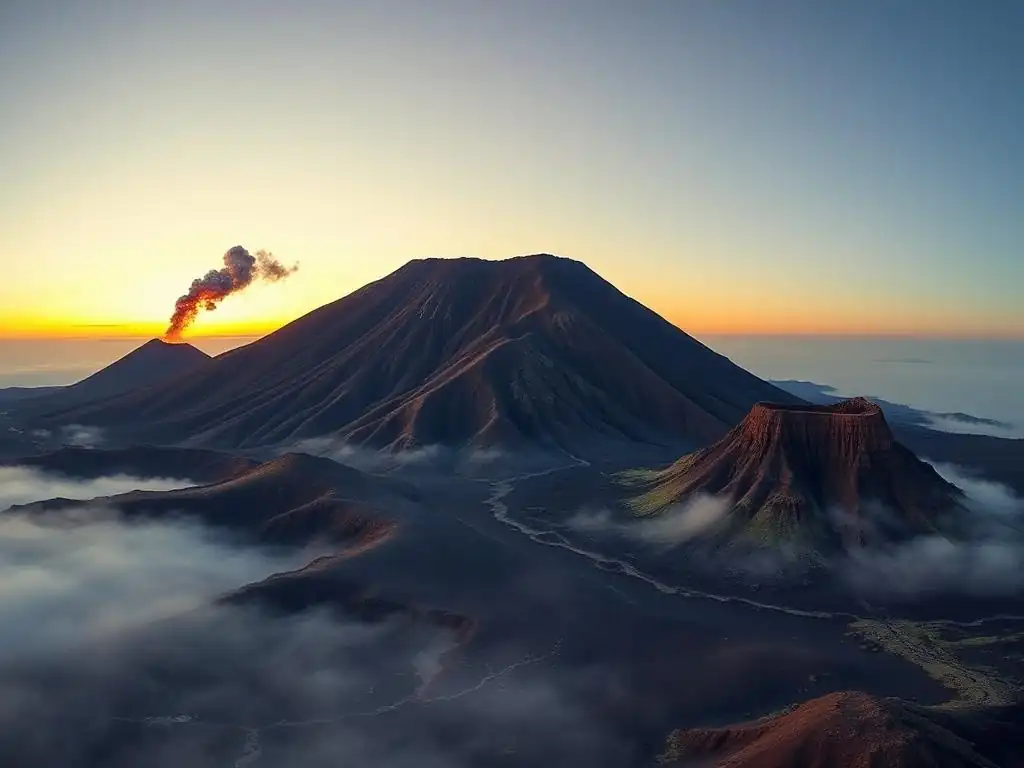
Compared to larger, more complex volcanoes, cinder cones have a relatively short lifespan. As monogenetic volcanoes, they typically form during a single eruptive episode that can last from a few weeks, months, or up to several years. Parícutin's nine-year eruption is somewhat longer than average, but many cinder cones form in eruptions lasting only a few months or even weeks. Once the magma supply is exhausted or diverted to another location, the eruption ceases, and the cinder cone enters a period of dormancy, which in most cases is effectively permanent.
The short lifespan is due to the localized and often transient nature of the magma pathways that feed cinder cones. Unlike stratovolcanoes with deep-seated magma chambers and complex plumbing systems, cinder cones are typically fed by smaller, more isolated magma batches. Once this magma is erupted, the conduit often becomes sealed or the magma source shifts, making future eruptions from the same vent unlikely. This characteristic short lifespan contributes to the abundance of cinder cones in volcanic fields, as each eruption creates a new, relatively short-lived volcanic feature.
Erosion and Weathering: How Cinder Cones Change Over Time
Although cinder cones are formed rapidly, they are also susceptible to erosion and weathering processes over geological time. The unconsolidated nature of the pyroclastic material that makes up cinder cones makes them relatively vulnerable to breakdown by rain, wind, and freeze-thaw cycles. Rainwater can infiltrate the loose cinders, causing them to erode and slump, gradually reducing the steepness of the slopes and smoothing out the cone's profile. Wind erosion can also play a role, especially in arid environments, carrying away fine ash and cinders.
Vegetation can also influence the weathering process. While initially barren, cinder cones can become colonized by plants over time, especially in wetter climates. Plant roots can help to stabilize the cone material, but they can also contribute to chemical weathering by releasing organic acids that break down volcanic rocks.
Over thousands of years, erosion and weathering can significantly alter the appearance of cinder cones, reducing their height, broadening their base, and making them less distinct volcanic features in the landscape. However, in arid regions like the American Southwest, cinder cones can remain remarkably well-preserved for thousands of years due to slower rates of erosion.
Cinder Cones and Human Interaction: Benefits and Risks
Resource Extraction from Cinder Cones: Aggregate for Construction, Road Base
Despite their relatively small size and explosive nature, cinder cones offer certain benefits to humans, primarily as a source of valuable construction materials. The scoria and cinder that compose cinder cones are excellent sources of volcanic aggregate. This aggregate is widely used in the construction industry for various purposes, including road base, asphalt, and concrete production. The vesicular nature of scoria and cinder makes them lightweight yet strong, providing good drainage and insulation properties when used in construction.
Quarrying cinder cones for aggregate is common in many volcanic regions around the world. The readily available and easily extractable nature of the material makes it an economically attractive resource. For example, in areas around Flagstaff, Arizona, cinder from Sunset Crater and other nearby cones has been extensively used in road construction and landscaping. However, resource extraction from cinder cones must be carefully managed to minimize environmental impacts, such as habitat destruction and visual scarring of the landscape. Sustainable quarrying practices are essential to balance resource utilization with environmental preservation.
Volcanic Hazards Associated with Cinder Cone Eruptions: Lava Flows, Ashfall, Lahars
While cinder cone eruptions are generally less violently explosive than those of stratovolcanoes, they still pose significant volcanic hazards. Lava flows are a common hazard associated with cinder cone eruptions. Although cinder cones themselves are built from pyroclastic material, lava flows can often erupt from vents at the base of the cone or from fissures associated with the eruption. These lava flows, while typically basaltic and relatively slow-moving, can still inundate and destroy infrastructure, agricultural land, and communities in their path.
Ashfall is another significant hazard. Even though cinder cone eruptions are often smaller in scale, they can still produce substantial amounts of volcanic ash. Ashfall can disrupt air travel, contaminate water supplies, damage crops, and cause respiratory problems.
In areas downwind of an erupting cinder cone, ashfall can accumulate to significant depths, causing structural damage to buildings, particularly roofs. Lahars, or volcanic mudflows, are less commonly associated with cinder cones directly but can occur if eruptions trigger melting of snow or ice on nearby higher volcanoes or if heavy rainfall mobilizes loose ash and debris on the flanks of the cinder cone. Therefore, even though cinder cones are smaller volcanoes, understanding and mitigating their associated hazards is crucial for communities living in volcanic regions.
Cinder Cone Volcanoes: A Visual Summary of Their Explosive Beauty
Photography Tips for Capturing Cinder Cone Landscapes
Cinder cone landscapes offer unique photographic opportunities due to their distinctive shapes, textures, and often dramatic settings. To effectively capture the beauty of cinder cones, consider shooting during the "golden hours"—sunrise and sunset. The low-angle light during these times enhances the textures and contours of the volcanic cones, creating more visually appealing images. Look for compositions that emphasize the conical shape of the volcanoes, perhaps using leading lines from lava flows or roads to guide the viewer's eye towards the cone.
Experiment with different perspectives. Shooting from a distance can capture the cinder cone within its broader landscape context, while close-up shots can highlight the details of the volcanic rock and cinder. Consider incorporating elements like vegetation, lava flows, or even human-made structures to provide scale and context. For capturing eruptions (if safe and permitted), use fast shutter speeds to freeze the motion of ejected material and consider time-lapse photography to show the progression of Strombolian bursts. Remember to protect your equipment from volcanic ash and dust, which can be abrasive and damaging to camera gear.
The Cultural Significance of Cinder Cones in Different Regions: Indigenous Legends, Tourism
Cinder cones, like all volcanoes, hold cultural significance for many societies around the world, often intertwined with local legends, folklore, and spiritual beliefs. Indigenous cultures living near volcanic regions often have stories and myths that explain the origin and behavior of volcanoes, including cinder cones. These narratives may personify volcanoes as deities or spirits, reflecting both awe and respect for their power. For example, some Native American cultures in the southwestern United States have oral traditions associated with the eruption of Sunset Crater, interpreting it as a significant event in their history and mythology.
In modern times, cinder cones also contribute to tourism and recreation. Volcanic areas with well-preserved cinder cones, like national parks and monuments, attract visitors interested in geology, hiking, and scenic landscapes. The unique and often stark beauty of cinder cone landscapes, combined with the fascinating geological processes they represent, makes them popular destinations for both scientific study and tourism, contributing to local economies and fostering appreciation for Earth's dynamic forces. The contrasting reddish cinders of Sunset Crater against the dark lava flows, for instance, draw countless tourists each year, demonstrating the allure of these "nature's fireworks displays."
Frequently Asked Questions
What is a cinder cone volcano?
A cinder cone volcano is a steeply sloped volcanic cone built from accumulated pyroclastic material, primarily cinders and volcanic ash, ejected from a single vent. These are often smaller and more symmetrical than other volcano types.
How are cinder cone volcanoes formed?
Cinder cone volcanoes form through strombolian eruptions, where gas-rich magma erupts explosively, throwing fragments of lava into the air. These fragments cool and solidify into cinders before falling back to Earth and accumulating around the vent.
What are some common characteristics of cinder cone volcanoes?
Common characteristics include a circular or oval cone shape, a crater at the summit, and a composition of mainly basaltic cinders and ash. They are typically relatively small, often less than 1,000 feet tall.
Are cinder cone volcanoes dangerous?
While cinder cone eruptions can be explosive, they are generally less dangerous than stratovolcanoes. The main hazards are falling cinders and volcanic bombs, as well as potential lava flows if fissures open at the base.
Where can I find examples of cinder cone volcanoes?
Examples can be found worldwide, including Sunset Crater Volcano in Arizona, Parícutin in Mexico, and various cinder cones in volcanic fields across the western United States and beyond.
Final Reflection: The Enduring Spark of Cinder Cones
The fiery birth and surprisingly delicate existence of cinder cones, as explored throughout this article, are not just geological curiosities; they are powerful reminders of Earth's dynamic nature and the ephemeral beauty of creation. Understanding these "fireworks displays" in the landscape allows us to appreciate the raw power and fleeting moments that shape our planet.
The influence of volcanic landscapes, including cinder cones, extends far beyond scientific interest. They shape ecosystems, inspire awe, and serve as constant reminders of the forces that both create and destroy. My own fascination with these formations stems from the realization that even seemingly barren landscapes hold intricate stories of resilience and rebirth. The mountains are calling and I must go.
- John Muir. This quote encapsulates the deep connection humans feel with these geological wonders, a connection that transcends mere scientific understanding.
Now, consider the lessons these cinder cones impart. They remind us that change is constant, beauty can be found in unexpected places, and even the most dramatic events eventually give way to new beginnings. Let us carry this understanding forward, embracing the dynamism of our own lives and seeking out the hidden beauty that surrounds us, just as nature continues to rebuild and flourish on the slopes of these volcanic monuments.
Okay, I'm ready to create a Call to Action (CTA) for an article titled "Why Cinder Cones Are Nature's Fireworks Display" on a website called "Volcano Explorers" with the domain volcanoexplorers.org. Here it is:
Ignite Your Inner Volcanologist!
Thanks for exploring the fascinating world of cinder cones with us! We hope you now appreciate these fiery formations as the Earth's very own fireworks. Ready to take your volcano knowledge to the next level?
Here's how you can continue your adventure:
- Plan your next adventure to see a cinder cone in person! Check our website for a list of accessible locations.
- Share this article with other volcano enthusiasts to help them uncover the beauty and science of these natural wonders.
- Explore our interactive 3D model to virtually experience climbing a cinder cone. It’s like being there, without the ash!
What’s the first cinder cone you’re adding to your travel bucket list? Share your dream volcanic destination in the comments below!