
Unmasking the Invisible Threat: Your Guide to Volcano Ash Respirators

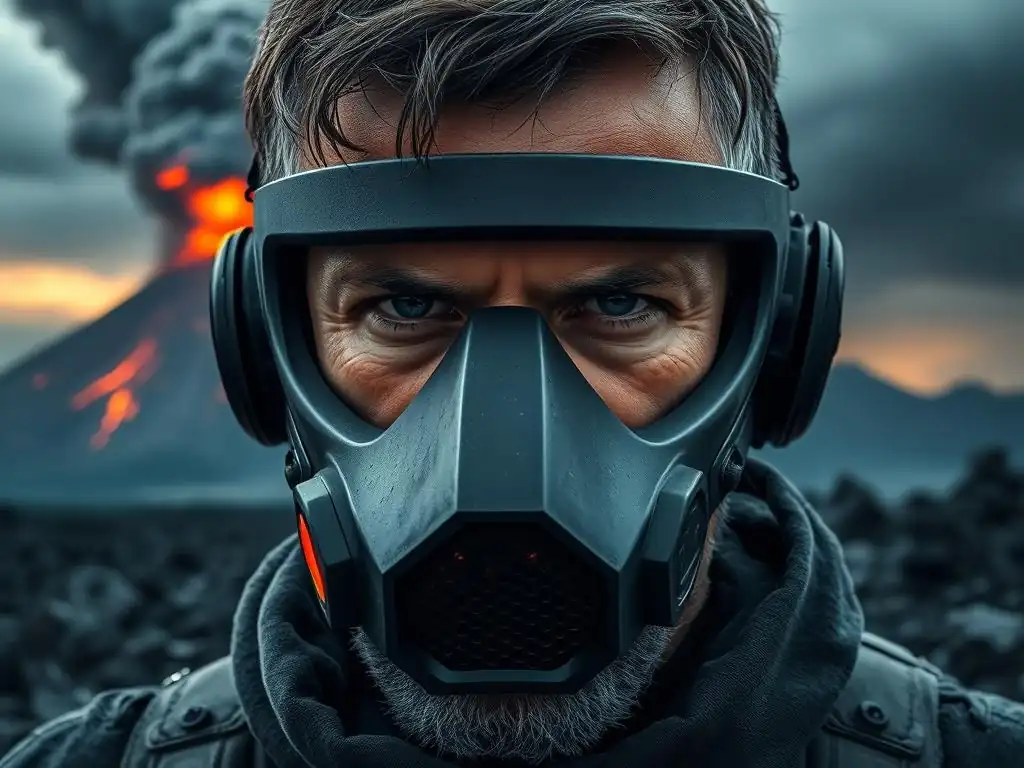
Welcome to Volcano Explorers, where the earth breathes fire and adventure awaits! Unmasking the Invisible Threat: Your Guide to Volcano Ash Respirators is just the beginning. But what exactly makes the right respirator a matter of life and death in the face of volcanic ash? Explore further and discover the crucial knowledge you need to stay safe amidst nature's raw power.
- Why You Need a Volcano Ash Respirator: Understanding the Danger
- Choosing the Right Volcano Ash Respirator: A Buyer's Guide
-
Top Volcano Ash Respirator Recommendations: Reviews and Comparisons
- 3M Particulate Respirator 8210, N95: A Basic and Widely Available Option
- 3M Rugged Comfort Quick Latch Half Facepiece Reusable Respirator 6502QL/49491: Premium Protection for Frequent Exposure
- GVS Elipse P100 Half Mask Respirator: Compact and Comfortable
- Comparison Chart: Side-by-Side Analysis of Recommended Respirators [Instruction: Skip this section as it is a chart]
- Proper Use and Maintenance of Your Volcano Ash Respirator
- Alternative Protection: Dust Masks vs. Respirators for Volcanic Ash
- Real-World Scenarios: How to Use Your Respirator During a Volcanic Event
- Beyond the Respirator: Comprehensive Volcanic Ash Protection
- Staying Informed: Monitoring Volcanic Activity and Safety Alerts
-
Frequently Asked Questions
- What is volcano ash, and why is a respirator needed?
- What type of respirator is most effective for filtering volcano ash?
- How often should I replace my volcano ash respirator?
- Where can I purchase a suitable volcano ash respirator?
- Besides a respirator, what other precautions should I take during a volcano ashfall event?
- Final Reflection: Breathing Easier in the Shadow of the Volcano
- Ignite Your Safety: Gear Up and Explore!
Why You Need a Volcano Ash Respirator: Understanding the Danger
The Insidious Nature of Volcanic Ash: A Health Hazard
Volcanic ash, seemingly innocuous like fireplace ash, is a far more sinister substance. It's not the soft, fluffy residue you might imagine. Instead, volcanic ash is composed of pulverized rock, minerals, and volcanic glass shards, often less than 2 millimeters in diameter. These tiny particles are created during explosive volcanic eruptions when magma is violently fragmented and ejected into the atmosphere. The problem lies in their composition and size.
Unlike household ash, volcanic ash is abrasive and mildly corrosive. Its glassy nature means the particles have sharp, irregular edges, making them particularly harmful when inhaled. This abrasive nature can cause significant irritation and damage to the respiratory system, eyes, and skin. The sheer volume of ash produced during even moderate eruptions can blanket entire regions, turning day into night and posing a widespread health hazard that necessitates proper respiratory protection.
Beyond the immediate physical irritation, the chemical components of volcanic ash can also pose longer-term health risks. Ash can contain dissolved gases like sulfur dioxide, hydrogen fluoride, and hydrogen sulfide, which, while often in low concentrations in the ash itself after settling, can become problematic when the ash interacts with moisture in the lungs or on the skin. For instance, prolonged exposure to fine ash particles, especially those with adsorbed acidic gases, can exacerbate pre-existing respiratory conditions such as asthma and bronchitis.
Furthermore, in areas with frequent volcanic activity, chronic exposure to even low levels of volcanic ash can contribute to the development of respiratory illnesses over time. Therefore, understanding the insidious nature of volcanic ash is the first crucial step in recognizing the need for effective personal protective equipment, starting with a reliable volcano ash respirator.
Microscopic Particles, Macro Problems: Respiratory System Impact
The most significant danger of volcanic ash stems from its microscopic particle size. A considerable portion of volcanic ash is made up of particles that are less than 10 micrometers (PM10) and even smaller than 2.5 micrometers (PM2.5) in diameter. To put this into perspective, a human hair is approximately 50-70 micrometers in diameter.
These fine particles are respirable, meaning they can be inhaled deep into the lungs, bypassing the body's natural defense mechanisms like nasal hairs and mucus membranes that trap larger particles. Once inhaled, these particles can lodge themselves deep within the alveolar sacs of the lungs, the sites of oxygen exchange.
This deep lung penetration can trigger a cascade of respiratory problems. Short-term exposure can lead to immediate irritation of the airways, causing coughing, wheezing, shortness of breath, and sore throats. For individuals with pre-existing respiratory conditions like asthma or COPD, even brief exposure can trigger severe exacerbations, potentially requiring hospitalization.
Longer-term exposure, even at lower concentrations, can lead to more chronic issues. The abrasive nature of the ash particles can cause inflammation and scarring of lung tissue over time, potentially contributing to conditions like silicosis, a serious and irreversible lung disease caused by inhaling crystalline silica, a common component of volcanic ash.
Studies conducted after eruptions like the 1980 Mount St. Helens eruption and the 2010 Eyjafjallajökull eruption have documented increased respiratory symptoms in exposed populations, highlighting the real-world impact of these microscopic particles on respiratory health. Therefore, a high-quality volcano ash respirator is not merely a comfort item, but a vital tool for safeguarding respiratory health during and after volcanic eruptions.
Beyond Breathing: Eye Irritation and Skin Sensitivity
While respiratory hazards are the primary concern with volcanic ash, the threat extends beyond just breathing. Volcanic ash is also a significant irritant to the eyes and skin. The sharp, glassy nature of the particles makes them highly abrasive. When ash comes into contact with the eyes, it can cause immediate irritation, redness, a gritty sensation, and excessive tearing.
In severe cases, it can lead to corneal abrasions, which, while usually treatable, can be painful and temporarily impair vision. Individuals who wear contact lenses are particularly vulnerable, as ash particles can become trapped under the lenses, exacerbating irritation and potentially causing more serious corneal damage. Eye protection, such as goggles or well-fitting glasses, is therefore a crucial component of comprehensive volcanic ash protection, alongside a respirator.
Skin sensitivity is another often-overlooked consequence of volcanic ash exposure. The abrasive and sometimes acidic nature of the ash can irritate the skin, leading to dryness, itching, redness, and rashes. In individuals with sensitive skin or pre-existing skin conditions like eczema, these reactions can be more severe and prolonged.
The fine particles can clog pores and exacerbate acne. Furthermore, if volcanic ash is mixed with moisture, such as sweat or rain, it can form a cement-like substance that can further irritate the skin and be difficult to remove. While skin irritation from volcanic ash is generally less serious than respiratory problems, it can still be uncomfortable and disruptive.
Wearing protective clothing, such as long sleeves and pants, and using skin moisturizers can help to minimize skin exposure and irritation. However, the primary focus for personal protection should always remain on respiratory protection with a properly fitted volcano ash respirator, as the long-term health consequences of inhaling volcanic ash are far more significant.
Choosing the Right Volcano Ash Respirator: A Buyer's Guide
Understanding Respirator Ratings: N95, P100, and Beyond
Navigating the world of respirators can be confusing, with various ratings and certifications. Understanding these ratings is crucial to selecting the right volcano ash respirator. The most commonly encountered ratings, particularly for particulate respirators, are those defined by the National Institute for Occupational Safety and Health (NIOSH) in the United States. These ratings are based on the respirator's ability to filter out airborne particles.
The letters 'N', 'R', and 'P' indicate the respirator's resistance to oil-based particles. 'N' stands for Not resistant to oil, 'R' for Resistant to oil, and 'P' for oil Proof. Since volcanic ash is not oil-based, 'N' series respirators are suitable. The number following the letter, such as 95, 99, or 100, indicates the percentage of airborne particles the respirator is designed to filter out.
An N95 respirator, for example, is certified to filter out at least 95% of airborne particles that are 0.3 microns in diameter and larger. This is the minimum level of filtration generally recommended for protection against many types of particulate hazards, including some components of volcanic ash. N99 respirators offer 99% filtration efficiency, and N100 respirators, the highest level of filtration in the 'N' series, filter out at least 99.97% of airborne particles.
P-series respirators, like P100, offer the same filtration efficiencies as their N-series counterparts (P95, P99, P100), but they are also resistant to oil-based particles, offering broader protection. For volcanic ash, either N-series or P-series respirators can be effective, with higher numbers indicating better filtration.
It's important to note that these ratings are based on laboratory testing and assume a proper fit. A respirator's effectiveness in real-world volcanic ash conditions depends not only on its rating but also on achieving a good seal to the wearer's face and consistent, correct usage.
N95 Masks for Volcano Ash: Are They Enough?
N95 masks are widely recognized and readily available, often being the first type of respirator people consider for particulate protection, including volcano ash. Their N95 rating signifies they filter out at least 95% of airborne particles 0.3 microns and larger, which includes a significant portion of volcanic ash particles. For short-duration exposure to low to moderate concentrations of volcanic ash, an N95 mask can provide a reasonable level of protection.
They are relatively inexpensive, lightweight, and disposable, making them a convenient option for many. Public health agencies often recommend N95 masks as a minimum level of protection during ashfall events, especially for the general public who may not have access to more specialized respirators.
However, it's crucial to understand the limitations of N95 masks when it comes to volcanic ash, particularly for prolonged or heavy exposure. While they filter out a substantial percentage of particles, they are not designed to filter out 100%, and some very fine ash particles can still penetrate. Furthermore, N95 masks are typically designed for single-use and may become less effective over prolonged periods due to filter loading with ash.
The fit of an N95 mask is also critical. They are designed to form a tight seal against the face, but achieving a proper fit can be challenging, especially for individuals with facial hair or certain facial shapes. Gaps in the seal can significantly reduce their effectiveness, allowing unfiltered air, and thus ash, to be inhaled.
For individuals who are regularly exposed to volcanic ash, or for those with pre-existing respiratory conditions who require a higher level of protection, a more robust respirator, such as a P100, might be a more appropriate choice. Therefore, while N95 masks can be a helpful first line of defense, understanding their limitations and considering the specific exposure scenario is essential when choosing a volcano ash respirator.
P100 Respirators: Superior Protection Against Fine Particles
For situations involving heavy volcanic ashfall or for individuals requiring a higher level of respiratory protection, P100 respirators offer a significant step up from N95 masks. P100 respirators are rated to filter out at least 99.97% of airborne particles 0.3 microns and larger, providing a much higher level of filtration efficiency than N95 masks.
This enhanced filtration is particularly beneficial in environments with very fine volcanic ash particles, which can be more difficult for less efficient filters to capture. The 'P' designation also means they are oil-proof, although this characteristic is less relevant for volcanic ash itself, it indicates a more robust filter construction overall.
P100 respirators are often found in reusable half-face or full-face respirator designs. These respirators typically use replaceable filter cartridges or disks, allowing for longer-term use compared to disposable N95 masks.
While the initial cost of a P100 respirator system is higher than that of disposable N95 masks, the ability to replace filters can make them more cost-effective in the long run, especially for frequent use. Furthermore, reusable respirators often offer a more secure and comfortable fit than disposable masks, contributing to better overall protection.
Many P100 respirators also incorporate features like exhalation valves, which reduce heat and moisture buildup inside the mask, making them more comfortable for extended wear, a significant advantage during prolonged ashfall events or cleanup activities. For individuals living in areas frequently impacted by volcanic ash, or for those involved in activities that expose them to high concentrations of ash, investing in a P100 respirator provides a superior level of respiratory protection and can be a worthwhile long-term investment in their health and safety.
Half-Face vs. Full-Face Respirators: Which is Best for You?
When choosing a P100 respirator, or even considering higher-level N-series respirators, you'll encounter two main types: half-face and full-face respirators. The primary difference lies in the extent of facial coverage and the protection they offer. Half-face respirators cover the nose and mouth, providing respiratory protection but leaving the eyes exposed. Full-face respirators, on the other hand, provide a seal around the entire face, incorporating a face shield that protects both the respiratory system and the eyes. The choice between the two depends on the specific needs and exposure scenario.
Half-face respirators are generally more compact, lighter, and less expensive than full-face respirators. They are often sufficient for situations where eye protection is addressed separately with goggles or safety glasses, which is common in many industrial and occupational settings. For volcanic ash protection, if you are also wearing effective eye protection, a half-face P100 respirator can provide excellent respiratory protection.
However, full-face respirators offer a more comprehensive solution, particularly in heavy ashfall conditions. They eliminate the need for separate eye protection, ensuring that both the respiratory system and eyes are sealed off from the ash-laden environment. This is especially beneficial for individuals who wear contact lenses or who are particularly sensitive to eye irritation from volcanic ash.
Full-face respirators also offer a higher level of facial seal, as the larger sealing surface area tends to be more forgiving and less prone to leaks compared to half-face respirators. While they are bulkier and can be more expensive, the added protection and convenience of integrated eye protection can make full-face respirators a preferred choice for those seeking maximum protection in volcanic ash environments, especially during intense or prolonged exposure.
Key Features to Look For: Valve Systems, Adjustable Straps, and Seal Quality
Beyond the respirator rating and type (half-face vs. full-face), several key features contribute to the comfort, effectiveness, and usability of a volcano ash respirator. Paying attention to these features will help you choose a respirator that not only provides adequate protection but is also practical and comfortable to wear, especially during potentially stressful volcanic events.
Valve Systems: Many reusable respirators, and even some disposable ones, incorporate exhalation valves. These valves are designed to release exhaled air directly, reducing heat and moisture buildup inside the mask. This can significantly improve comfort, especially during prolonged wear or in warm climates. Respirators with exhalation valves are generally preferred for volcano ash protection, as they reduce fogging of eyewear (if worn separately or with a full-face respirator) and make breathing easier, particularly during physical exertion, which might be necessary during evacuation or cleanup.
Adjustable Straps: A secure and comfortable fit is paramount for respirator effectiveness. Look for respirators with adjustable head straps that allow you to customize the fit to your face shape and size. Multiple straps, especially those with adjustable buckles, help distribute pressure evenly and ensure a snug seal. Elastic straps should be durable and maintain their elasticity over time.
Seal Quality and Material: The seal of the respirator is the point of contact between the mask and your face and is critical for preventing unfiltered air from entering. Respirators with soft, flexible sealing surfaces made of silicone or elastomeric materials tend to provide a better and more comfortable seal compared to those with hard plastic or rigid edges. The design of the sealing edge should conform to the contours of the face to minimize gaps.
Some respirators are available in multiple sizes to accommodate different face shapes, which is another important factor to consider for achieving optimal seal quality. Prioritizing these key features will ensure you select a volcano ash respirator that is not only highly protective but also comfortable and user-friendly in real-world volcanic ash scenarios.
Top Volcano Ash Respirator Recommendations: Reviews and Comparisons
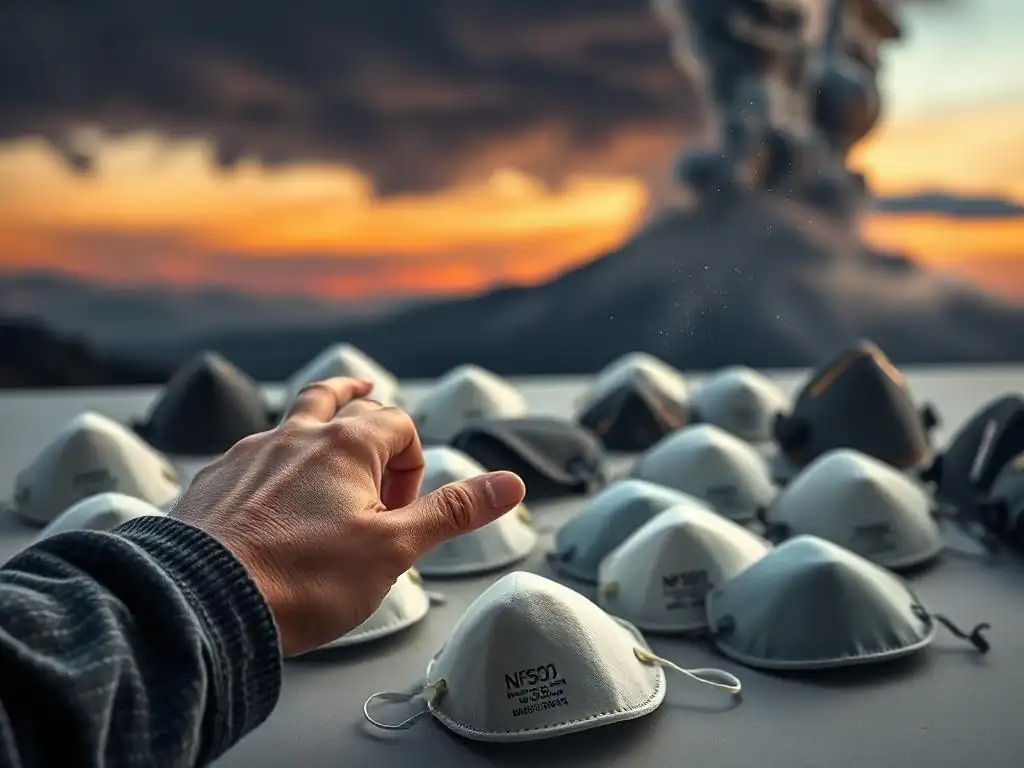
3M Particulate Respirator 8210, N95: A Basic and Widely Available Option
Features: N95 rating, two-strap design
Pros: Affordable, readily available, lightweight
Cons: Limited protection compared to P100, may not fit all face shapes, not ideal for prolonged exposure
The 3M 8210 N95 respirator is a classic example of a widely accessible and economical disposable N95 mask. Its primary feature is its N95 filtration rating, providing a minimum of 95% filtration efficiency against particulate matter 0.3 microns and larger. The simple two-strap design ensures basic securement to the face.
One of its key advantages is its affordability; it's often sold in multi-packs at very reasonable prices, making it accessible to a broad population. Its widespread availability means you can find it in most hardware stores, pharmacies, and online retailers, especially during times of increased demand, such as wildfire seasons or volcanic events. The lightweight construction also contributes to user comfort for short periods.
However, the 3M 8210 N95, like all N95 masks, has limitations for volcanic ash protection, particularly in heavy or prolonged exposure scenarios. Its filtration efficiency, while decent, is less than that of P100 respirators. The fit can be inconsistent across different face shapes, and those with facial hair may struggle to achieve a proper seal.
Due to its disposable nature and potential for filter loading with fine ash particles, it's not ideal for extended use or repeated exposures. While it offers a baseline level of protection and is a good starting point for emergency preparedness kits or for short periods of light ashfall, for more serious or prolonged volcanic ash exposure, a higher-rated respirator is recommended.
Where to Buy: [Affiliate Link to Retailer] [Instruction: Do not include links]
Features: P100 filters, Quick Latch mechanism, durable construction
Pros: Excellent filtration, comfortable fit, easy to put on and take off
Cons: Higher price point, may require additional filter replacements
The 3M Rugged Comfort 6502QL/49491 is a significant step up in protection and usability, moving into the realm of reusable half-face respirators with P100 filtration. Its key feature is the inclusion of P100 filters, providing 99.97% filtration efficiency against particulate matter, offering superior protection compared to N95 masks, especially against very fine volcanic ash. The "Quick Latch" mechanism is a notable design element, allowing users to easily drop the respirator down from the face without fully removing it – convenient for temporary breaks or communication and then quickly re-engaging it.
The respirator is constructed from more durable materials compared to disposable masks, designed for repeated use and cleaning. The facepiece is made from a silicone material intended for enhanced comfort during extended wear.
The primary advantage of the 3M 6502QL/49491 is its excellent filtration combined with user-friendly features. The P100 filters provide top-tier particulate protection, crucial for environments with heavy volcanic ash. The Quick Latch mechanism adds a layer of practicality.
The more robust construction and comfortable facepiece make it suitable for frequent use and longer durations of wear, ideal for individuals living in volcanically active regions or those involved in ash cleanup efforts. However, the higher performance and features come with a higher price point compared to disposable N95 masks. Users also need to consider the ongoing cost of filter replacements, although the filters are designed for extended use depending on ash concentration and usage frequency.
Where to Buy: [Affiliate Link to Retailer] [Instruction: Do not include links]
GVS Elipse P100 Half Mask Respirator: Compact and Comfortable
Features: Low-profile design, lightweight, P100 filters
Pros: Comfortable for extended wear, doesn't interfere with vision, effective filtration
Cons: Can be difficult to find replacement filters, smaller size may not fit all faces
The GVS Elipse P100 Half Mask Respirator distinguishes itself with its compact and low-profile design, while still offering P100 level protection. A key feature is its flat, integrated filter design that sits close to the face, minimizing bulk and improving the field of vision compared to respirators with protruding filter cartridges. Its lightweight construction, typically under 1 pound depending on size and filter type, enhances comfort for extended wear.
Despite its smaller size, it utilizes P100 filters, ensuring 99.97% filtration efficiency against particulate matter, providing excellent protection against volcanic ash. The design is often praised for being comfortable and less intrusive than bulkier respirators, making it a potentially better option for individuals who find traditional half-face respirators cumbersome.
The main advantages of the GVS Elipse P100 are its comfort and unobtrusive design, coupled with high-level filtration. The low profile is particularly beneficial for users who need a wide field of vision or wear other safety equipment like helmets or face shields. The lightweight nature enhances comfort for prolonged use, which is important during extended ashfall events or cleanup work.
The P100 filters ensure excellent respiratory protection against fine volcanic ash. However, a potential drawback can be the availability of replacement filters; they may not be as readily found in general retail outlets as filters for more mainstream brands like 3M, requiring users to plan ahead for filter replacements. The smaller size, while contributing to its low profile, might also mean it doesn't fit all face shapes equally well, and users should consider trying different sizes to ensure a proper seal.
Where to Buy: [Affiliate Link to Retailer] [Instruction: Do not include links]
Comparison Chart: Side-by-Side Analysis of Recommended Respirators [Instruction: Skip this section as it is a chart]
Proper Use and Maintenance of Your Volcano Ash Respirator
Achieving a Proper Seal: Fit Testing and Adjustment Techniques
The effectiveness of any volcano ash respirator, regardless of its rating, hinges critically on achieving a proper seal. A respirator that doesn't fit correctly allows unfiltered air, laden with ash, to leak in around the edges, negating much of the intended protection. Fit testing is a crucial step to ensure a respirator is appropriate for an individual's face and that they know how to wear it correctly.
Formal fit testing, often conducted in occupational settings, uses specialized equipment to objectively measure leakage. However, for personal use, a simpler user seal check is essential every time you put on your respirator.
To perform a user seal check for a negative pressure respirator (the most common type for volcano ash), first, put on the respirator and adjust the straps to achieve a snug but comfortable fit. Inhale sharply; the respirator should collapse slightly against your face. If you feel air leaking in around the edges, readjust the straps and try again. If leakage persists, reposition the respirator on your face and readjust again.
If you still cannot achieve a seal, the respirator may be the wrong size or style for your face. For respirators with exhalation valves, cover the valve with your hand and exhale gently. You should feel slight positive pressure inside the mask, and no air should be leaking around the face seal. If you feel air escaping, readjust the straps or reposition the mask.
Practicing these fit checks regularly, and whenever you put on your respirator, is vital. Facial hair, such as beards or mustaches that fall along the sealing surface, can prevent a proper seal and should be trimmed or managed to ensure effective respirator function. Understanding and consistently applying proper fit testing and adjustment techniques are as important as choosing the right respirator in ensuring protection from volcanic ash.
Cleaning and Storing Your Respirator: Extending Its Lifespan
Proper cleaning and storage are essential for maintaining the effectiveness and extending the lifespan of reusable volcano ash respirators. Volcanic ash is abrasive and can degrade respirator materials over time if not properly removed. After each use, especially after exposure to volcanic ash, respirators should be cleaned according to the manufacturer's instructions.
Generally, this involves wiping down the facepiece and straps with a damp cloth or mild disinfectant wipe, taking care not to damage the filter media. For respirators with replaceable filters, the filters themselves are typically not washable and should be replaced according to the manufacturer's recommendations or when they become clogged or damaged. Disposable N95 masks are not designed for cleaning and should be discarded after use or when they become soiled, damaged, or breathing resistance increases significantly.
Storage is equally important. Respirators should be stored in a clean, dry place, away from direct sunlight, extreme temperatures, and contaminants. Ideally, store them in a sealed plastic bag or container to protect them from dust, debris, and physical damage. Avoid storing respirators in areas where they could be crushed or deformed.
Inspect your respirator before each use for any signs of damage, such as cracks, tears, or worn straps. If any damage is found, or if the respirator no longer seals properly, it should be replaced. Following these cleaning and storage practices will not only prolong the life of your reusable respirator but also ensure it remains effective when you need it most, providing consistent protection against volcanic ash.
When to Replace Filters: Identifying Signs of Degradation
For reusable respirators with replaceable filters, knowing when to replace those filters is crucial for maintaining optimal protection against volcanic ash. Filters do not last indefinitely and their effectiveness diminishes over time due to filter loading with particulate matter and potential degradation of the filter media. There are several indicators to watch for that signal the need for filter replacement.
The most obvious sign is increased breathing resistance. As filters become loaded with ash particles, it becomes progressively harder to breathe through them. If you notice that you have to exert more effort to breathe while wearing your respirator, it's a strong indication that the filters are becoming clogged and need to be replaced.
Another sign is physical damage or soiling of the filter. If the filter is visibly dirty, damaged, or deformed, it should be replaced immediately. Some filters also have a recommended service life specified by the manufacturer, often indicated in hours of use or days after first opening the filter packaging. Always adhere to the manufacturer's guidelines for filter replacement.
In heavy volcanic ash environments, filters may become clogged more quickly and require more frequent replacement. It's always better to err on the side of caution and replace filters sooner rather than later, especially if you are unsure about their condition or remaining service life. Keeping spare filters on hand is essential for ensuring continuous protection, particularly during prolonged volcanic events or cleanup operations.
Recognizing End of Service Life Indicators (ESLI)
While many particulate filters rely on increased breathing resistance as a primary indicator for replacement, some advanced respirators and filters incorporate End-of-Service-Life Indicators (ESLI). ESLIs are designed to provide a more objective and often visual indication of when a filter is nearing the end of its effective lifespan. For particulate filters, ESLIs are less common than for chemical cartridges, but some advanced particulate filters may incorporate features that change color or texture when they are nearing capacity.
For volcanic ash respirators, the primary ESLI remains the subjective experience of increased breathing resistance. However, paying close attention to the manufacturer's recommendations and observing the filter's physical condition are also important forms of ESLI. Some manufacturers may provide guidelines on the maximum hours of use in specific dust concentrations, which can be considered a form of time-based ESLI.
It's essential to familiarize yourself with the specific respirator and filter you are using and understand any ESLI features or recommendations provided by the manufacturer. While visual ESLIs are less common for standard particulate filters used for volcanic ash, being vigilant about breathing resistance, filter condition, and manufacturer guidelines are crucial for ensuring timely filter replacement and maintaining consistent respiratory protection.
Alternative Protection: Dust Masks vs. Respirators for Volcanic Ash
The Limitations of Dust Masks: Why They Fall Short
In discussions about respiratory protection, the term "dust mask" often arises, sometimes used interchangeably with "respirator." However, it's crucial to understand that standard dust masks, often thin paper or fabric masks, are significantly different from certified respirators like N95 or P100 masks, especially in the context of volcanic ash protection.
Dust masks, typically not NIOSH-certified, are primarily designed for nuisance dust and larger particles, such as those encountered during light household cleaning or sanding. Their filtration efficiency is very low, often filtering out only a small percentage of airborne particles, particularly the fine particles that make up a significant portion of volcanic ash.
The materials used in dust masks are generally porous and loosely woven, offering minimal barrier to fine particles. They also typically lack a tight facial seal, allowing unfiltered air to easily bypass the filter material. In contrast, certified respirators like N95 and P100 masks are constructed with tightly woven filter media and are designed to form a close seal to the face, channeling inhaled air through the filter material.
For volcanic ash, which contains a high percentage of respirable fine particles, dust masks provide inadequate protection. They will not effectively filter out the harmful microscopic ash particles that can penetrate deep into the lungs and cause respiratory irritation and long-term health problems.
Relying on dust masks for volcanic ash protection is akin to using a sieve to catch sand – most of the harmful fine particles will pass right through, leaving you vulnerable to the health hazards of volcanic ash inhalation. Therefore, for any situation involving volcanic ash, certified respirators are the recommended and necessary form of respiratory protection.
When a Dust Mask Might Be Acceptable (Very Light Exposure)
While dust masks are generally inadequate for volcanic ash protection, there might be extremely limited scenarios where their use could be considered marginally acceptable, specifically during very light ashfall events. This is not to endorse dust masks as a recommended solution, but to acknowledge that in situations of minimal and very short-duration exposure to volcanic ash, a dust mask might be slightly better than no protection at all.
This should only be considered as a last resort and in situations where certified respirators are absolutely unavailable and exposure is truly minimal. "Very light exposure" would mean only a barely visible dusting of ash, for a very short period outdoors, and with no visible airborne ash clouds.
Even in such minimal exposure scenarios, the limitations of dust masks remain. They still offer very limited filtration of fine particles and lack a proper facial seal. If you choose to use a dust mask in such a situation, it's critical to understand its limitations and to upgrade to a certified respirator as soon as possible.
Furthermore, even with very light ashfall, individuals with pre-existing respiratory conditions, children, and the elderly are still at higher risk and should ideally use certified respirators even for minimal exposure. In essence, the acceptability of a dust mask for volcanic ash is extremely narrow and should only be considered in truly exceptional circumstances of very light and brief exposure when no better option is available. The overwhelming recommendation remains: for effective volcanic ash protection, always use a certified respirator, such as an N95 or P100 mask.
Real-World Scenarios: How to Use Your Respirator During a Volcanic Event
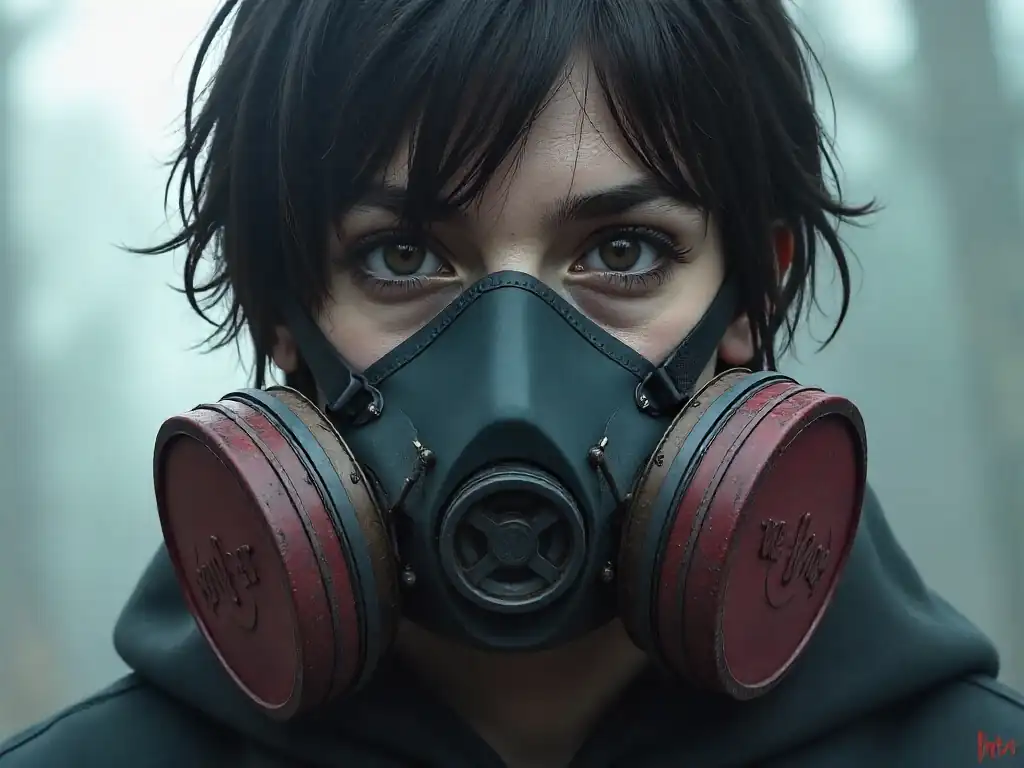
Preparing for an Eruption: Stocking Up and Practicing Donning
Being prepared for a volcanic eruption involves more than just having a volcano ash respirator; it includes proactive steps before, during, and after an ashfall event. Preparation should begin well before an eruption is imminent by stocking up on essential supplies, including respirators, and practicing how to use them correctly.
Every household and individual in a volcanically active area should have a supply of respirators readily accessible, ideally enough for each person for several days, considering potential filter replacement needs for reusable respirators. Stocking up on both disposable N95 masks for general use and potentially higher-protection P100 respirators for those with respiratory sensitivities or for cleanup activities is advisable.
Crucially, preparation also includes practicing how to properly put on (don) and take off (doff) your respirator. Familiarize yourself with the adjustment straps and fit check procedures. Practice performing a user seal check to ensure a proper fit each time you put on the respirator.
This practice is essential so that in the stressful situation of an actual ashfall event, you can quickly and effectively don your respirator without fumbling or making mistakes. Keep respirators stored in an easily accessible location, perhaps in an emergency preparedness kit alongside other essential items like goggles, first-aid supplies, and non-perishable food and water. Being proactive and preparing beforehand, including respirator stocking and donning practice, significantly increases your ability to protect yourself and your family during a volcanic eruption.
Using Your Respirator During Ashfall: Best Practices for Protection
During an ashfall event, your volcano ash respirator becomes your primary line of defense against inhaling harmful particles. Following best practices for respirator use is essential to maximize its effectiveness. The first and foremost rule is to don your respirator before you are exposed to volcanic ash. As soon as you are aware of ashfall, or if you are in an area where ashfall is anticipated, put on your respirator.
Ensure it is properly fitted and conduct a user seal check to confirm a good seal. If you are outdoors during ashfall, stay indoors as much as possible to minimize exposure. If you must be outside, wear your respirator continuously while outdoors.
Avoid activities that increase your breathing rate, such as strenuous exercise, as this can increase the volume of air, and potentially ash, that penetrates any minor leaks in the respirator seal. If you need to remove your respirator temporarily, do so in a clean, ash-free environment if possible. If you are using a reusable respirator, inspect it regularly for any signs of damage or filter clogging.
If you are using a disposable N95 mask, consider replacing it after a few hours of use, especially in heavy ashfall conditions, or if it becomes visibly soiled or breathing resistance increases. Remember that a respirator is only effective when worn correctly and consistently. During ashfall, it should be considered an essential piece of personal protective equipment, worn whenever there is a risk of ash inhalation.
Post-Eruption Cleanup: Continuing Protection During Recovery
The danger of volcanic ash doesn't disappear immediately after an eruption subsides and ashfall stops. Post-eruption cleanup activities can stir up settled ash, re-suspending fine particles into the air and posing continued respiratory risks. Therefore, respiratory protection, including your volcano ash respirator, remains crucial during the cleanup and recovery phase. Whether you are cleaning your home, clearing ash from roofs and gutters, or participating in community cleanup efforts, continue to wear your respirator whenever you are working in areas with volcanic ash.
During cleanup, heavy physical exertion is often involved, which increases your breathing rate and the need for effective respiratory protection. For cleanup activities, consider using P100 respirators, which offer a higher level of protection, especially if you are dealing with significant amounts of ash or if you have any respiratory sensitivities. Remember to continue practicing proper respirator use, including fit checks and regular filter replacement for reusable respirators, or mask replacement for disposable ones.
Even seemingly "light" cleanup tasks can generate significant airborne ash particles. Do not underestimate the continued risk of ash inhalation during the recovery phase. Consistent respirator use during post-eruption cleanup is essential for protecting your respiratory health and preventing both short-term and long-term health problems associated with volcanic ash exposure.
Beyond the Respirator: Comprehensive Volcanic Ash Protection
Protecting Your Eyes: Goggles and Glasses Recommendations
While a volcano ash respirator is paramount for respiratory protection, comprehensive volcanic ash protection extends to other vulnerable areas of the body, particularly the eyes. Volcanic ash is a significant eye irritant, and eye protection is just as crucial as respiratory protection during ashfall events and cleanup activities. The best form of eye protection is achieved with goggles that create a seal around the eyes, preventing ash particles from entering.
Look for goggles that are rated for dust and impact resistance, offering both particle protection and some level of physical protection. Goggles with indirect venting or non-vented designs are preferable, as they minimize the entry of fine particles compared to directly vented goggles.
If goggles are not available, well-fitting safety glasses with side shields can offer some degree of eye protection. However, glasses provide less comprehensive sealing than goggles, and fine ash particles may still enter around the edges, especially in heavy ashfall conditions. Contact lens wearers should be particularly diligent about eye protection, as ash particles can become trapped under contact lenses, causing significant irritation and potential corneal damage.
Ideally, contact lens wearers should switch to eyeglasses during ashfall events and wear goggles or well-fitting safety glasses over them for added protection. Regardless of whether you choose goggles or glasses, ensure they fit comfortably and securely, and clean them regularly to maintain visibility. Eye protection, alongside a respirator, is a fundamental component of personal safety during volcanic ash exposure.
Shielding Your Skin: Clothing and Protective Gear
Beyond respiratory and eye protection, shielding your skin from volcanic ash is another aspect of comprehensive protection. While skin irritation from volcanic ash is generally less severe than respiratory hazards, it can still be uncomfortable and problematic, especially for sensitive skin. The best way to protect your skin is to minimize exposed areas by wearing appropriate clothing. Opt for long-sleeved shirts, long pants, and socks to cover as much skin as possible. Choose tightly woven fabrics that offer better barrier protection against fine ash particles compared to loosely woven materials.
Gloves are essential for protecting your hands, especially during cleanup activities where you might be handling ash-covered surfaces or objects. Durable work gloves made of leather or synthetic materials are recommended. Consider wearing a hat or other head covering to protect your hair and scalp from ash accumulation. If working outdoors in sunny conditions during ashfall, wear sunscreen on any exposed skin, as volcanic ash can reflect sunlight and potentially increase sunburn risk.
After exposure to volcanic ash, wash exposed skin thoroughly with soap and water. Change into clean clothes as soon as possible to avoid prolonged skin contact with ash. While clothing and protective gear might seem less critical than respirators and eye protection, they are still important components of a comprehensive approach to minimizing the overall health impact of volcanic ash exposure.
Air Purifiers for Indoor Protection: Minimizing Ash Exposure at Home
While personal protective equipment is essential when outdoors or during cleanup, air purifiers can play a valuable role in minimizing volcanic ash exposure indoors, particularly at home. High-efficiency particulate air (HEPA) filters are highly effective at removing fine particles from the air, including volcanic ash. Portable air purifiers equipped with HEPA filters can significantly reduce indoor air pollution from volcanic ash, creating a cleaner and healthier indoor environment. When selecting an air purifier for volcanic ash, ensure it specifically states that it uses a true HEPA filter, capable of capturing particles as small as 0.3 microns with high efficiency.
Position air purifiers in rooms where you spend the most time, such as bedrooms and living areas. Keep windows and doors closed as much as possible during ashfall events to minimize outdoor air infiltration. Regularly clean or replace the air purifier filters according to the manufacturer's instructions to maintain their effectiveness.
In addition to portable air purifiers, consider upgrading your home's HVAC system filters to high-efficiency filters, such as MERV 13 or higher, if compatible with your system. While air purifiers are not a substitute for personal respirators when outdoors or during cleanup, they provide an important layer of indoor protection, especially for vulnerable individuals, and contribute to a more comprehensive strategy for minimizing volcanic ash exposure and its health impacts.
Staying Informed: Monitoring Volcanic Activity and Safety Alerts
Relying on Official Sources: Government Agencies and Volcanology Centers
Staying informed about volcanic activity and safety alerts is paramount for residents of volcanically active regions. Reliable and timely information is crucial for making informed decisions about personal safety and preparedness. The most trustworthy sources of information are official government agencies and volcanology centers that monitor volcanic activity and issue alerts.
In the United States, the United States Geological Survey (USGS) Volcano Hazards Program is the primary federal agency responsible for monitoring and researching volcanoes. The USGS operates volcano observatories in various regions of the US, providing real-time data, volcanic activity updates, and hazard assessments. Globally, similar organizations exist in volcanically active countries, such as the National Institute of Geophysics and Volcanology (INGV) in Italy, the Japan Meteorological Agency (JMA), and many others.
These official sources provide accurate and science-based information, including volcano alert levels, ashfall forecasts, and safety recommendations. They often have websites and social media channels that disseminate up-to-date information to the public. Relying on these official sources is crucial to avoid misinformation and rumors that can circulate during volcanic events. Be wary of unverified information from social media or unofficial channels.
Identify the official volcanology agency in your region and make it your primary source for volcanic activity information. Sign up for email alerts or social media notifications from these agencies to receive timely updates and warnings directly. Staying informed through official channels is the foundation of effective volcanic preparedness and response.
Understanding Volcanic Ash Forecasts: Planning Your Safety
Volcanic ash forecasts are valuable tools for planning your safety and mitigating the impacts of ashfall. These forecasts, often issued by volcanology centers and meteorological agencies, predict the likely path and extent of volcanic ash plumes based on eruption characteristics and weather patterns. Understanding how to interpret and utilize these forecasts is essential for preparedness.
Ash forecasts typically depict areas expected to receive ashfall, often categorized by ash thickness or concentration levels. They can also indicate the expected timeframe of ashfall. These forecasts are not always perfectly precise due to the unpredictable nature of volcanic eruptions and atmospheric conditions, but they provide a valuable indication of potential ashfall areas.
Use volcanic ash forecasts to assess your personal risk and plan accordingly. If your location is within the forecasted ashfall zone, take proactive steps to protect yourself, your family, and your property. This includes ensuring you have adequate respirators and eye protection, securing outdoor items, and preparing for potential disruptions to transportation and infrastructure.
Ash forecasts can also inform evacuation decisions, helping authorities and individuals make timely choices about relocating from high-risk areas. Monitor updated forecasts regularly, as ash plume trajectories can change as eruptions evolve and weather patterns shift. Volcanic ash forecasts are a crucial resource for informed decision-making and proactive safety measures during volcanic eruptions, enabling communities and individuals to better prepare for and respond to ashfall hazards.
Emergency Preparedness Kits: Ensuring You're Ready for Anything
An emergency preparedness kit is an essential component of volcano safety, ensuring you have readily available supplies to cope with the impacts of a volcanic eruption and ashfall. A well-stocked kit should include items to address various needs, from respiratory protection to basic survival necessities. At the core of your kit should be an adequate supply of volcano ash respirators, both disposable N95 masks and potentially reusable P100 respirators, sized appropriately for all family members.
Include replacement filters for reusable respirators if applicable. Eye protection, such as goggles or safety glasses, is equally important and should be included in sufficient quantities.
Beyond respiratory and eye protection, your kit should contain essential supplies for general emergencies, such as a first-aid kit, non-perishable food and water (enough for at least several days), a flashlight and extra batteries, a battery-powered or hand-crank radio to receive emergency broadcasts, a whistle to signal for help, dust-proof bags for electronics and valuables, basic tools, and copies of important documents in waterproof containers. Consider adding items specific to volcanic ash situations, such as plastic sheeting and duct tape to seal windows and doors, and extra clothing to minimize skin exposure.
Store your emergency preparedness kit in an easily accessible location in your home and ensure all family members know where it is and what it contains. Regularly check and replenish your kit, replacing expired food and water and checking battery life.
Having a well-prepared emergency kit provides peace of mind and significantly enhances your ability to cope effectively with the challenges posed by a volcanic eruption and ashfall.
Frequently Asked Questions
What is volcano ash, and why is a respirator needed?
Volcanic ash is composed of tiny, abrasive particles of rock and glass. A respirator is needed because inhaling ash can cause respiratory problems and eye irritation. Even short-term exposure can be harmful.
What type of respirator is most effective for filtering volcano ash?
An N95 respirator is generally considered the minimum standard for filtering volcanic ash. Higher-rated respirators like P100 offer even better protection, especially during heavy ashfall. Fit is also important.
How often should I replace my volcano ash respirator?
Respirators should be replaced when they become visibly dirty or damaged, or when breathing becomes difficult. The lifespan also depends on the ash concentration and duration of exposure.
Where can I purchase a suitable volcano ash respirator?
You can typically find respirators at hardware stores, pharmacies, and online retailers. Look for models that are NIOSH-approved (National Institute for Occupational Safety and Health).
Besides a respirator, what other precautions should I take during a volcano ashfall event?
Stay indoors if possible, close windows and doors, and wear eye protection (goggles or glasses). Cover exposed skin and protect your water supply from contamination. Follow official emergency guidelines.
Final Reflection: Breathing Easier in the Shadow of the Volcano
The information presented throughout this volcano ash respirator guide is not merely academic; it's a vital lifeline in an increasingly volatile world. Volcanic eruptions, once considered distant threats, are now impacting communities globally with alarming frequency. Understanding the nuances of volcano ash and the critical role of respirators is no longer a niche concern, but a necessity for preparedness and survival.
This guide underscores the profound impact that natural disasters have on our lives, forcing us to confront our vulnerability and the importance of proactive measures. My hope is that this information empowers individuals to take control of their safety and the safety of their loved ones in the face of unpredictable events. The best preparation for tomorrow is doing your best today.
- H. Jackson Brown, Jr. This quote perfectly encapsulates the spirit of preparedness that this guide aims to instill.
Now, armed with the knowledge of how to choose and use a volcano ash respirator, I urge you to consider your own preparedness. Don't wait for the ash to fall. Take the time to assess your risk, equip yourself with the right tools, and share this information with your community. Your proactive steps today can make a world of difference tomorrow.
Ignite Your Safety: Gear Up and Explore!
Thanks for diving deep into the essential world of volcano ash respirators! We hope this guide has empowered you with the knowledge to protect yourself and others during volcanic activity. Now, let's translate knowledge into action.
Here’s how you can take the next step:
- Commit to preparedness: Acquire a certified volcano ash respirator today from a reputable supplier. Prioritize your respiratory health before your next adventure! This is your shield against the invisible threat.
- Share this vital information! Spread awareness by sharing this article with friends, family, or colleagues who live near active volcanoes or are planning a visit. Let's build a safer community together.
- Explore our interactive map on volcanoexplorers.org to locate volcano monitoring stations near you. Familiarize yourself with local emergency protocols.
What steps will you take today to ensure you're prepared for the next volcanic event?