
Living in the Shadow: Community Resilience and Volcano Wisdom

Welcome to Volcano Explorers, where the Earth breathes fire! Ever wondered how communities thrive in the shadow of these magnificent, yet volatile giants? Our latest exploration dives deep into Community Preparedness for Volcano Eruptions, revealing the secrets to resilience and the wisdom passed down through generations. Prepare to uncover the tools and knowledge needed to navigate life near active volcanoes, and discover how we can learn to coexist with these powerful forces of nature. The journey starts now...
- Living with Fire: Community Resilience and Volcanic Wisdom in the Shadow of Mount Rainier
- Understanding Volcanic Hazards and Community Vulnerability
- The Role of Community Preparedness for Volcano Eruptions
- Volcano Wisdom: Traditional Knowledge and Modern Science
- Building Resilience: Fostering Adaptability in Volcanic Communities
- Lessons Learned: Best Practices in Community Preparedness and Volcano Risk Management
-
Frequently Asked Questions
- What is the primary focus of "Living in the Shadow: Community Resilience and Volcano Wisdom" on VolcanoExplorers.org?
- Why is community involvement so crucial in volcano preparedness efforts?
- What kind of information can I find on VolcanoExplorers.org regarding safety during an eruption?
- How does VolcanoExplorers.org address the cultural significance of volcanoes?
- Beyond safety, what else can I learn about volcanoes on VolcanoExplorers.org?
- Final Reflection: Embracing the Fire Within
- Ignite Your Inner Resilience: Learn from Volcano Communities!
Living with Fire: Community Resilience and Volcanic Wisdom in the Shadow of Mount Rainier
Understanding Volcanic Hazards and Community Vulnerability
Assessing the Risks: Lahar and Ashfall Hazards from Mount Rainier
Mount Rainier, an active stratovolcano, poses significant volcanic hazards to the communities residing in its shadow, particularly Pierce County, Washington. Two of the most concerning threats are lahars and ashfall. Lahars, volcanic mudflows composed of water, rock, and debris, are rapid and destructive, capable of traveling tens of miles down river valleys with little warning.
The Osceola Mudflow, approximately 5,600 years ago, serves as a stark reminder of the potential scale, having reached Puget Sound and reshaped the landscape dramatically. Areas along the Puyallup, Carbon, and White River valleys are especially vulnerable to future lahars originating from Mount Rainier's glaciers and snowfields. Geological surveys indicate that even moderate eruptions could trigger lahars that reach populated areas within tens of minutes to a few hours.
Ashfall, while less immediately destructive than lahars, presents a widespread and longer-lasting hazard. Volcanic ash consists of fine particles of rock and glass, and even a relatively small eruption can blanket communities with several inches of ash. A significant ashfall event from Mount Rainier could disrupt transportation, damage infrastructure, contaminate water supplies, and cause respiratory problems.
The 1980 eruption of Mount St. Helens, though smaller than potential Mount Rainier eruptions, deposited ash hundreds of miles away, causing significant disruption in eastern Washington. Pierce County, being closer to Mount Rainier, would experience a much heavier ashfall, potentially lasting for days or weeks and requiring extensive cleanup and recovery efforts. Understanding the specific pathways and potential impacts of both lahar and ashfall hazards is crucial for effective community preparedness for volcano eruptions.
Identifying Vulnerable Populations: Pierce County's Elderly and Low-Income Residents
Within Pierce County, certain populations are disproportionately vulnerable to the impacts of volcanic hazards. Elderly residents, particularly those with mobility limitations or pre-existing health conditions, face significant challenges during volcanic events. Evacuation can be physically demanding, and access to healthcare and essential services may be disrupted. Data from past disasters, such as Hurricane Katrina, have shown that elderly populations are more susceptible to heat stress, dehydration, and other health complications during and after emergencies. In Pierce County, a significant portion of the elderly population resides in areas potentially affected by lahars, increasing their vulnerability.
Low-income residents also face heightened risks due to limited resources and access to information. They may live in less stable housing more susceptible to ashfall damage, lack personal transportation for evacuation, and have fewer financial resources to recover from economic disruptions caused by volcanic events. Furthermore, access to timely warnings and emergency information may be limited for low-income communities due to language barriers, lack of internet access, or reliance on public transportation.
Studies on disaster vulnerability consistently show that socio-economic factors significantly influence a community's capacity to prepare for, respond to, and recover from natural hazards. Addressing the specific needs of elderly and low-income residents is paramount for ensuring equitable and effective community preparedness for volcano eruptions in Pierce County.
The Psychological Impact of Living Under the Threat of Eruption
Living in the shadow of an active volcano like Mount Rainier can have a considerable psychological impact on residents. The constant awareness of potential volcanic hazards, even in times of quiescence, can contribute to chronic stress and anxiety. Studies on communities living near other active volcanoes, such as Mount Vesuvius in Italy and Popocatépetl in Mexico, have documented increased rates of anxiety, depression, and post-traumatic stress symptoms related to volcanic risk perception. This "volcano stress" can manifest as heightened vigilance, sleep disturbances, and emotional distress, particularly during periods of increased volcanic activity or heightened media attention.
Furthermore, the uncertainty associated with volcanic eruptions can exacerbate psychological distress. Unlike predictable events like hurricanes, volcanic eruptions are less easily forecast in terms of precise timing and magnitude. This unpredictability can lead to feelings of helplessness and a diminished sense of control over one's environment.
Children and adolescents are particularly vulnerable to the psychological impacts of living under volcanic threat, as they may have difficulty processing complex hazard information and coping with parental anxiety. Promoting mental health resources, fostering community support networks, and providing clear and consistent communication about volcanic risks are crucial components of community preparedness for volcano eruptions, addressing both the physical and psychological well-being of residents.
The Role of Community Preparedness for Volcano Eruptions
Enhancing Community Preparedness: Pierce County's Emergency Management Strategies
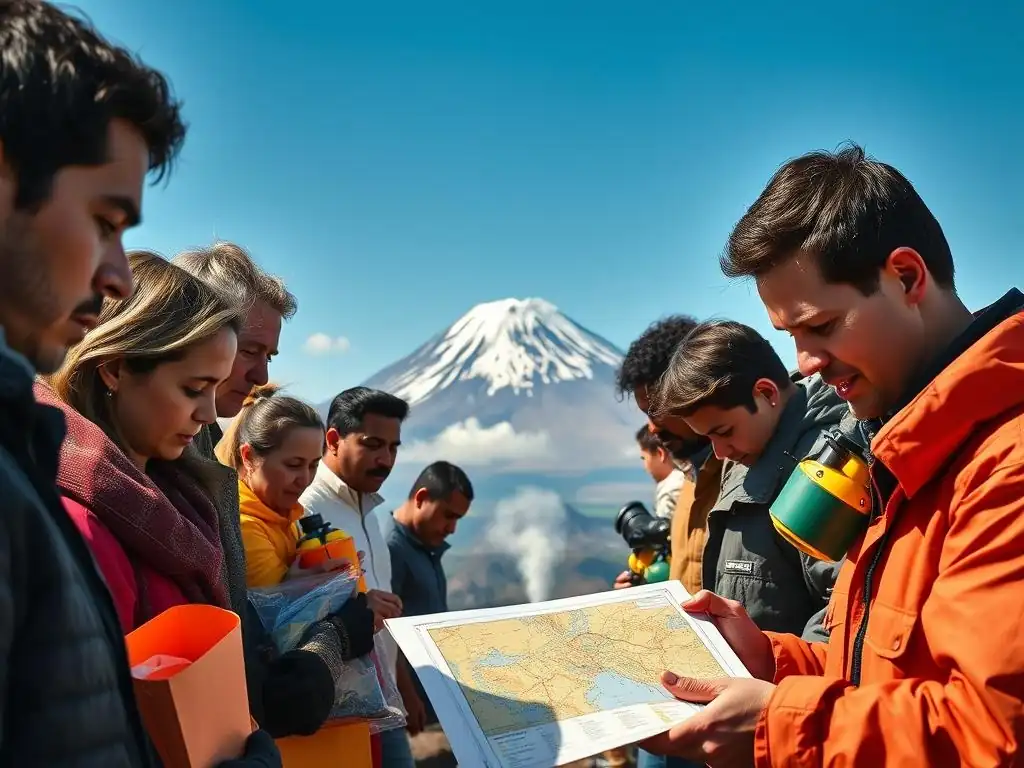
Pierce County Emergency Management (PCEM) plays a central role in enhancing community preparedness for volcano eruptions. Their strategies are multifaceted, encompassing hazard mitigation, emergency planning, public education, and interagency coordination. PCEM works closely with the United States Geological Survey (USGS) to monitor Mount Rainier and interpret volcanic activity data, translating scientific information into actionable warnings and guidance for the public. They maintain a robust emergency operations center (EOC) capable of coordinating a large-scale response to a volcanic event, including managing evacuations, sheltering, and resource allocation.
Public education is a cornerstone of PCEM's preparedness efforts. They conduct outreach programs in schools, community centers, and public events, disseminating information about lahar and ashfall hazards, evacuation routes, and emergency preparedness kits. PCEM also leverages various communication channels, including their website, social media, and local media outlets, to disseminate timely warnings and preparedness messages.
Regular drills and exercises, involving emergency responders, local governments, and community volunteers, are conducted to test emergency plans and improve coordination. These comprehensive strategies aim to build a culture of preparedness within Pierce County, empowering residents to take proactive steps to protect themselves and their families in the face of potential volcanic eruptions.
Developing and Implementing the Pierce County Volcano Emergency Plan
The Pierce County Volcano Emergency Plan is a detailed and regularly updated document outlining the county's comprehensive strategy for responding to a Mount Rainier eruption. Developed by PCEM in collaboration with various stakeholders, including the USGS, local cities, tribes, and emergency response agencies, the plan addresses all phases of emergency management: preparedness, response, recovery, and mitigation. It clearly defines roles and responsibilities for different agencies and organizations, ensuring a coordinated and effective response.
Key components of the plan include detailed evacuation routes and procedures for communities in lahar and ashfall hazard zones, protocols for activating the lahar detection system and disseminating warnings, and strategies for managing mass care and sheltering. The plan also addresses logistical challenges, such as transportation, communication, and resource mobilization.
Implementation of the plan involves regular training and exercises to ensure that emergency responders and community members are familiar with procedures and prepared to act quickly and effectively. The Pierce County Volcano Emergency Plan is not a static document; it is continuously reviewed and updated based on new scientific information, lessons learned from exercises and real-world events, and evolving community needs.
Community-Based Alert Systems for Lahar Detection on the Puyallup River
A critical element of community preparedness for volcano eruptions in Pierce County is the lahar detection system installed along the Puyallup River valley. This system, a collaborative effort between the USGS and PCEM, employs a network of sensors strategically placed along the river and its tributaries to detect ground vibrations and changes in water flow indicative of a lahar. When a lahar is detected, the system automatically triggers alarms and warnings, providing valuable time for downstream communities to evacuate.
The lahar detection system is integrated with a multi-tiered warning system that includes outdoor sirens, NOAA Weather Radio alerts, and emergency notifications disseminated through mobile devices and local media. The system is designed to provide at least 40 minutes to an hour of warning time for communities like Orting and Puyallup, allowing residents to move to designated safe zones before a lahar arrives. Regular testing and maintenance of the lahar detection system are essential to ensure its reliability and effectiveness.
Community education campaigns are also vital to ensure that residents understand the warning signals and know how to respond appropriately when an alert is issued. This system exemplifies a proactive approach to community preparedness for volcano eruptions, leveraging technology to mitigate the risks associated with rapid-onset volcanic hazards.
Volcano Wisdom: Traditional Knowledge and Modern Science
Integrating Tribal Knowledge with USGS Monitoring of Mount Rainier
For millennia, Indigenous tribes, including the Nisqually, Puyallup, and Muckleshoot, have lived in the shadow of Mount Rainier, accumulating deep ecological knowledge and oral histories related to volcanic activity and other natural hazards. Recognizing the value of this traditional knowledge, the USGS Volcano Science Center has fostered collaborative relationships with these tribes, integrating their insights into modern volcano monitoring and hazard assessment efforts. Tribal knowledge provides a long-term perspective on volcanic activity, supplementing the relatively short instrumental record.
Oral histories and traditional ecological knowledge can offer valuable information about past eruptions, lahar pathways, and the long-term impacts of volcanic events on ecosystems and communities. For example, tribal stories may describe past lahar events and their effects on salmon populations, providing a historical context for understanding current lahar hazards.
Collaborative projects between the USGS and tribal communities involve sharing data, co-developing educational materials, and incorporating tribal perspectives into hazard mitigation strategies. This integration of traditional knowledge with modern scientific monitoring enhances the overall understanding of Mount Rainier's volcanic hazards and strengthens community preparedness efforts by incorporating culturally relevant perspectives.
Traditional Practices for Salmon Protection During Ashfall Events
Salmon are a culturally and economically vital resource for the tribes of the Pacific Northwest, and volcanic ashfall poses a significant threat to salmon habitats and populations. Traditional practices developed by tribes to protect salmon during ashfall events reflect a deep understanding of ecological processes and adaptive resource management. These practices often involve modifying fishing techniques, adjusting fishing locations, and implementing measures to protect spawning streams from ash contamination.
For instance, traditional fishing practices may be temporarily suspended or shifted to areas less affected by ashfall to minimize stress on salmon populations already impacted by environmental changes. Tribal resource managers may also focus on protecting critical spawning habitats by diverting streams away from heavily ash-laden areas or implementing riparian restoration projects to enhance stream health and resilience.
Traditional ecological knowledge also informs long-term salmon management strategies, recognizing the interconnectedness of volcanic activity, watershed health, and salmon populations. These traditional practices, rooted in generations of observation and experience, offer valuable insights for contemporary salmon conservation efforts in volcanic regions and demonstrate the enduring wisdom of Indigenous resource management.
Case Studies: The Resilience of the Nisqually Tribe to Past Lahar Events
The Nisqually Tribe, whose ancestral lands lie in the shadow of Mount Rainier, has a long history of resilience in the face of volcanic hazards, particularly lahars. Oral histories and archaeological evidence document the tribe's experiences with past lahar events, including the Electron Mudflow approximately 500 years ago, which significantly impacted the Nisqually River valley. These historical experiences have shaped the tribe's cultural identity, environmental stewardship practices, and community preparedness strategies.
Case studies of the Nisqually Tribe's response to past lahar events reveal adaptive strategies that have contributed to their long-term resilience. These include traditional building practices that minimize lahar damage, community-based warning systems, and cultural practices that promote social cohesion and mutual support during times of crisis.
The tribe's deep connection to the land and their traditional ecological knowledge have also been crucial in their ability to recover from volcanic disturbances and maintain their cultural and economic ties to the Nisqually River watershed. The Nisqually Tribe's enduring resilience serves as a powerful example of how communities can adapt and thrive in volcanic landscapes, drawing upon both traditional wisdom and modern resources to enhance their preparedness and long-term well-being.
Building Resilience: Fostering Adaptability in Volcanic Communities

Strengthening Neighborhood Networks and Community Emergency Response Teams (CERT)
Building community resilience to volcanic hazards requires strengthening social connections and empowering local residents to take proactive preparedness measures. Neighborhood networks and Community Emergency Response Teams (CERT) are vital components of this resilience-building approach. Neighborhood networks, informal groups of neighbors who communicate and support each other, enhance information sharing and mutual aid during emergencies. These networks can facilitate the dissemination of warnings, assist vulnerable residents with evacuation, and provide localized support in the immediate aftermath of a volcanic event.
CERT programs, sponsored by FEMA, provide citizens with training in basic disaster response skills, such as fire safety, light search and rescue, and disaster medical operations. CERT volunteers can play a crucial role in supporting professional emergency responders during a volcanic crisis, assisting with tasks like traffic control, shelter management, and damage assessment. Strengthening neighborhood networks and expanding CERT participation within Pierce County enhances the community's capacity to respond effectively to volcanic eruptions and other emergencies. These initiatives foster a sense of collective responsibility and empower residents to become active participants in building a more resilient community.
Economic Diversification: Promoting Tourism and Sustainable Agriculture
Economic diversification is a crucial strategy for enhancing community resilience in volcanic regions. Relying heavily on a single industry, particularly one vulnerable to volcanic impacts, can make a community economically fragile. Promoting tourism and sustainable agriculture are two avenues for diversifying the economy of Pierce County, creating more resilient livelihoods and reducing economic vulnerability to volcanic events. Volcano tourism, while requiring careful management to ensure safety and environmental sustainability, can attract visitors interested in Mount Rainier's unique geological landscape and natural beauty.
Sustainable agriculture practices, such as diversified farming and local food systems, can reduce reliance on external food supplies that may be disrupted during a volcanic crisis. Supporting local farmers' markets and promoting agritourism can also enhance economic resilience and community food security. Economic diversification strategies not only reduce economic vulnerability but also create a more vibrant and adaptable local economy, better equipped to withstand and recover from volcanic disruptions. Investing in diverse economic sectors strengthens the overall resilience of volcanic communities, fostering long-term prosperity and well-being.
Promoting Volcano Hazard Education in Pierce County Schools
Volcano hazard education in Pierce County schools is an investment in long-term community resilience. Educating children and youth about volcanic hazards, preparedness measures, and community safety fosters a culture of awareness and responsibility from a young age. Age-appropriate curricula can be integrated into science, social studies, and health education, teaching students about the science of volcanoes, the specific hazards posed by Mount Rainier, and how to prepare for and respond to volcanic events.
School-based preparedness programs can include drills and exercises, family preparedness workshops, and student-led community outreach projects. Educating students not only equips them with essential knowledge and skills but also empowers them to become preparedness advocates within their families and communities. By fostering a generation of volcano-aware citizens, Pierce County schools play a critical role in building long-term community resilience and ensuring that future generations are well-prepared to live safely and sustainably in the shadow of Mount Rainier. Investing in volcano hazard education is an investment in the future safety and resilience of the entire community.
Lessons Learned: Best Practices in Community Preparedness and Volcano Risk Management
Analyzing the Success of the Mount Rainier Volcanic Lahar Warning System
The Mount Rainier Volcanic Lahar Warning System stands as a significant success story in community preparedness and volcano risk management. Since its implementation in the late 1990s, the system has proven to be reliable and effective in detecting simulated lahars and providing timely warnings to downstream communities. Regular drills and exercises have demonstrated the system's functionality and the responsiveness of emergency agencies and community members. The warning system has significantly reduced the potential for casualties in the event of a lahar, providing crucial time for evacuation and protective actions.
However, the success of the system is not solely due to technology. Effective community education and outreach have been essential in ensuring that residents understand the warning signals, know evacuation routes, and are prepared to respond appropriately when an alert is issued. The collaborative partnership between the USGS, PCEM, local governments, and community organizations has also been critical to the system's success.
Analysis of the Mount Rainier Volcanic Lahar Warning System highlights the importance of integrating technology, community engagement, and interagency collaboration in developing effective early warning systems for rapid-onset natural hazards. It serves as a model for other volcanic regions facing similar lahar risks, demonstrating the life-saving potential of proactive preparedness measures.
Addressing Challenges in Evacuating Vulnerable Populations
Despite advancements in warning systems and emergency planning, evacuating vulnerable populations during a volcanic eruption remains a significant challenge. Elderly residents, people with disabilities, low-income communities, and those without personal transportation face unique obstacles during evacuations. Mobility limitations, health conditions, lack of resources, and communication barriers can impede timely and safe evacuation. Addressing these challenges requires targeted strategies and tailored support for vulnerable populations.
Pre-disaster planning should include identifying and mapping vulnerable populations, developing accessible evacuation routes and transportation options, and establishing designated assistance centers. Community outreach and education efforts must be culturally and linguistically appropriate, ensuring that all residents receive timely and understandable emergency information. During an evacuation, providing transportation assistance, accessible shelters, and medical support are crucial for ensuring the safety and well-being of vulnerable individuals.
Lessons learned from past disasters highlight the need for proactive and inclusive evacuation planning that prioritizes the needs of all community members, particularly those most at risk. Effective community preparedness for volcano eruptions must address the specific challenges of evacuating vulnerable populations to ensure equitable protection for all.
Future Directions: Improving Lahar Modeling and Communication Strategies
Continued advancements in lahar modeling and communication strategies are essential for further enhancing community preparedness and volcano risk management in areas surrounding Mount Rainier. Lahar modeling, using sophisticated computer simulations, can provide more detailed and accurate predictions of lahar pathways and inundation zones, improving hazard mapping and evacuation planning. Future research can focus on incorporating factors such as forest cover, sediment characteristics, and rainfall intensity into lahar models to enhance their predictive capabilities.
Communication strategies can be further improved by leveraging new technologies and tailoring messages to specific audiences. Mobile phone alerts, social media platforms, and multilingual communication channels can enhance the speed and reach of warnings. Developing visually engaging educational materials, such as interactive maps and virtual reality simulations, can improve public understanding of volcanic hazards and preparedness measures.
Community-based communication networks, involving trusted local leaders and organizations, can also play a crucial role in disseminating information and building community trust. Investing in ongoing research and innovation in lahar modeling and communication strategies is vital for ensuring that communities living in the shadow of Mount Rainier are equipped with the best possible tools and information to prepare for and mitigate the risks of future volcanic eruptions.
Frequently Asked Questions
What is the primary focus of "Living in the Shadow: Community Resilience and Volcano Wisdom" on VolcanoExplorers.org?
The article primarily focuses on community preparedness for volcanic eruptions, emphasizing resilience and drawing on local knowledge to enhance safety. It aims to inform and empower communities living near active volcanoes.
Why is community involvement so crucial in volcano preparedness efforts?
Community involvement is vital because local knowledge can significantly improve risk assessments and evacuation plans. This inclusive approach ensures that preparedness strategies are tailored to the specific needs of the community.
What kind of information can I find on VolcanoExplorers.org regarding safety during an eruption?
The website provides safety guides and evacuation tips specifically designed for those living near active volcanoes. You'll also find real-time updates on volcanic activity worldwide.
How does VolcanoExplorers.org address the cultural significance of volcanoes?
The website includes sections dedicated to the cultural significance of volcanoes, exploring their role in art, mythology, and traditions around the world. It showcases the complex relationship between humans and these natural wonders.
Beyond safety, what else can I learn about volcanoes on VolcanoExplorers.org?
Besides safety information, you can explore the science behind volcanic activity, learn about different types of volcanoes, discover famous eruptions, and view captivating volcano photography and travel content.
Final Reflection: Embracing the Fire Within
The lessons gleaned from communities living in the shadow of volcanoes are not merely historical anecdotes or scientific observations; they are urgent blueprints for resilience in an increasingly unpredictable world. The principles of preparedness, adaptation, and communal support, forged in the crucible of volcanic threat, resonate far beyond the slopes of active mountains, offering invaluable insights for navigating the challenges of climate change, social upheaval, and personal adversity.
The enduring wisdom of these communities lies not just in their practical strategies, but in their profound understanding of interconnectedness. This connection to place, to each other, and to the power of nature, is a vital lesson for us all, reminding us that true strength lies in unity and respect. We cannot direct the wind, but we can adjust the sails.
This ancient proverb encapsulates the spirit of adaptation that defines these resilient communities, urging us to embrace change and find strength in flexibility.
As you reflect on the stories shared and the strategies explored, consider how you can cultivate your own inner volcano wisdom. How can you strengthen your community's preparedness for the inevitable eruptions of life, both literal and metaphorical? Embrace the spirit of resilience, foster connections, and remember that even in the face of overwhelming forces, the human spirit, like the molten core of a volcano, possesses an unyielding power to create and rebuild.
Ignite Your Inner Resilience: Learn from Volcano Communities!
We hope this article on community resilience and volcanic wisdom has inspired you. You've learned how communities thrive despite the ever-present threat of volcanic activity; now, let's apply these lessons to your own life and community.
Ready to take action? Here are a few ways to get started:
- Become a Volcano Advocate! Share what you've learned about community resilience and the wisdom of volcano-adjacent communities with your friends and family.
- Explore local resources: Research disaster preparedness programs in your area. Discover how your community is preparing for emergencies and find ways to participate.
- Join the conversation: Share your key takeaway from this article on social media using #VolcanoResilience and tag Volcano Explorers. Let's spread the word!
What small but impactful step will you take today to foster resilience in your community? Share your ideas in the comments below!