
Is Your Mask Enough? Volcanic Ash Respiratory Protection and First Aid

Welcome to Volcano Explorers, where the Earth's fiery secrets are unveiled! Ever wondered if you're really prepared for the invisible threat lurking in the aftermath of an eruption? Dive in to discover essential Volcanic Ash Respiratory Protection Tips and learn how to safeguard your health when the skies turn gray. But is your current mask enough? The answer might surprise you...
- Volcanic Ash Respiratory Protection and First Aid
- Understanding the Dangers of Volcanic Ash Inhalation
- Evaluating Respiratory Protection Against Volcanic Ash
- Choosing the Right Respiratory Protection for Volcanic Ash
- Respiratory Protection Strategies During Volcanic Ashfall
- First Aid for Volcanic Ash Exposure and Respiratory Distress
- Additional Measures for Protecting Respiratory Health
- Preparing for Future Volcanic Ash Events
- Cleaning Up Volcanic Ash Safely
- Debunking Myths About Volcanic Ash Respiratory Protection
-
Frequently Asked Questions
- How does volcanic ash affect your respiratory system?
- What type of mask offers the best protection from volcanic ash?
- Besides masks, what other measures can I take to protect myself from ash inhalation?
- What are the first aid steps to take if someone inhales volcanic ash?
- Where can I find reliable information about volcanic ash warnings and safety guidelines?
- Final Reflection: Breathing Easier in the Shadow of the Volcano
- Shield Yourself: Prepare for Respiratory Safety on Your Volcanic Adventures!
Volcanic Ash Respiratory Protection and First Aid
Understanding the Dangers of Volcanic Ash Inhalation
What is Volcanic Ash and Why is it Harmful?
Volcanic ash, despite its name, is not the soft, fluffy material you might associate with fireplaces. It is composed of tiny shards of pulverized rock, minerals, and volcanic glass created during volcanic eruptions. These particles are incredibly small, often finer than sand or silt, and can be easily suspended in the air for days or even weeks, traveling hundreds or even thousands of kilometers downwind from the volcano. The hazard lies in the sharp, abrasive nature of these particles and their chemical composition, which can include dissolved gases and heavy metals.
The danger of volcanic ash stems from its physical and chemical properties. The microscopic size and irregular shapes of ash particles allow them to penetrate deep into the respiratory system, reaching the bronchioles and alveoli, the delicate air sacs in the lungs responsible for oxygen exchange.
Furthermore, volcanic ash can be acidic and contain trace amounts of toxic substances like sulfur dioxide and hydrogen fluoride, which can exacerbate respiratory irritation and other health issues. The weight of accumulated ash can also cause structural damage to buildings and infrastructure, indirectly increasing health risks by disrupting essential services and creating hazardous environments.
The Short-Term and Long-Term Health Effects of Breathing Volcanic Ash
Exposure to volcanic ash can cause a range of respiratory problems, both short-term and long-term. In the immediate aftermath of an ashfall, individuals may experience acute symptoms such as nose and throat irritation, coughing, wheezing, shortness of breath, and bronchitis-like symptoms. Eye irritation and skin irritation are also common due to the abrasive nature of the ash. For example, during the 2010 eruption of Eyjafjallajökull in Iceland, reports from affected areas documented a significant increase in respiratory symptoms among the population, especially in those with pre-existing respiratory conditions like asthma.
Long-term exposure to volcanic ash, even at lower concentrations, can lead to more serious and chronic respiratory illnesses. Prolonged inhalation of fine ash particles can contribute to the development or worsening of conditions like chronic bronchitis, emphysema, and silicosis, a lung disease caused by inhaling crystalline silica, a component of volcanic ash.
Studies following the 1980 Mount St. Helens eruption in the United States, for instance, have shown long-term respiratory effects in populations exposed to ash, although the extent and severity varied depending on exposure levels and individual health factors. Children, the elderly, and individuals with pre-existing respiratory or cardiovascular conditions are particularly vulnerable to these long-term health consequences.
Who is Most Vulnerable to Volcanic Ash Respiratory Problems?
While everyone exposed to volcanic ash can experience some degree of respiratory irritation, certain groups are significantly more vulnerable to severe health effects. Individuals with pre-existing respiratory conditions such as asthma, chronic obstructive pulmonary disease (COPD), and bronchitis are at the highest risk. Volcanic ash can trigger asthma attacks, exacerbate COPD symptoms, and worsen bronchitis due to the irritant and inflammatory properties of the ash particles. These individuals may experience more severe symptoms and require more intensive medical care.
Children and infants are also particularly vulnerable because their respiratory systems are still developing, and their airways are narrower, making them more susceptible to blockage and irritation from ash inhalation. Similarly, the elderly often have weakened immune systems and may have underlying respiratory or cardiovascular conditions, increasing their vulnerability to ash-related health problems. Even healthy individuals who engage in strenuous outdoor activities during ashfall are at increased risk due to higher inhalation rates and deeper penetration of ash particles into their lungs. Therefore, targeted volcanic ash respiratory protection tips are especially crucial for these vulnerable populations.
Evaluating Respiratory Protection Against Volcanic Ash
Common Masks and Their Effectiveness Against Volcanic Ash Particles
When volcanic ash descends, the immediate thought for many is to reach for a mask. However, not all masks offer adequate protection against the fine particles present in volcanic ash. Simple surgical masks, often readily available and used for general hygiene, provide minimal protection against volcanic ash. These masks are designed to block large droplets, but they are not effective at filtering out the fine particles of volcanic ash that are most harmful to the respiratory system. Their loose fit also allows ash to bypass the filter and enter the airways.
Cloth masks, while offering slightly better filtration than surgical masks due to multiple layers of fabric, are also generally insufficient for effective volcanic ash respiratory protection. The weave of most cloth masks is not tight enough to trap the very small ash particles, and like surgical masks, they often have poor facial seal, allowing unfiltered air and ash to be inhaled.
While better than nothing, relying solely on surgical or cloth masks in heavy ashfall conditions can provide a false sense of security and may not prevent significant respiratory irritation or health risks. More specialized respiratory protection is generally recommended for effective defense against volcanic ash.
Are Dust Masks Sufficient for Volcanic Ash Exposure?
Dust masks, often used in construction and DIY projects, are designed to protect against larger dust particles and may offer some level of protection against coarser volcanic ash. These masks, typically made of paper or non-woven fabric, are rated to filter out a certain percentage of larger particles. However, the effectiveness of standard dust masks against volcanic ash is limited, primarily because they are not designed to filter out the very fine particles that pose the greatest respiratory hazard.
Many common dust masks lack a tight facial seal, allowing fine ash particles to leak around the edges and be inhaled. Furthermore, dust masks are often not rated for protection against very fine particles (less than 2.5 micrometers in diameter, PM2.5), which are a significant component of volcanic ash and can penetrate deeply into the lungs.
While a dust mask might offer some initial protection in light ashfall or for short periods, it is not considered adequate respiratory protection for prolonged or heavy volcanic ash exposure, especially for vulnerable individuals. For comprehensive volcanic ash respiratory protection, higher-rated respirators are necessary.
Understanding N95, P100, and Other Respirator Ratings
For effective volcanic ash respiratory protection, respirators with specific ratings are recommended. N95 respirators, certified by the National Institute for Occupational Safety and Health (NIOSH) in the United States, are a common and widely available option. "N" means the respirator is not resistant to oil, and "95" indicates that it filters out at least 95% of airborne particles 0.3 micrometers in diameter and larger. This level of filtration is considered significantly more effective against volcanic ash particles compared to dust masks or surgical masks.
P100 respirators offer an even higher level of protection. "P" indicates that the respirator is oil-proof, and "100" means it filters out at least 99.97% of airborne particles 0.3 micrometers and larger. P100 respirators provide the highest level of particulate filtration among NIOSH-rated respirators and are recommended for situations with very high concentrations of fine particles or for individuals with heightened respiratory sensitivity. Other respirator ratings like N99 and P99 offer filtration levels between N95 and P100. When choosing respirators for volcanic ash, looking for NIOSH certification and understanding these ratings is crucial for selecting appropriate respiratory protection.
Choosing the Right Respiratory Protection for Volcanic Ash
Selecting a NIOSH-Approved Respirator
When selecting respiratory protection for volcanic ash, prioritizing NIOSH-approved respirators is paramount. NIOSH, a US federal agency responsible for workplace safety and health research, sets standards and tests respirators to ensure they meet specific performance criteria. NIOSH-approved respirators are labeled with the NIOSH logo and an approval number (e.g., TC-84A-XXXX). This certification guarantees that the respirator has been tested and proven to provide the stated level of protection against airborne particles.
For volcanic ash respiratory protection, an N95 respirator is generally considered the minimum recommended level of protection for the general public. In situations with heavy ashfall or for individuals with pre-existing respiratory conditions, a P100 respirator may be a more prudent choice, offering an even greater degree of filtration. When purchasing respirators, ensure they are genuinely NIOSH-approved by checking for the logo and approval number on the packaging and the respirator itself. Avoid respirators without NIOSH certification, as their effectiveness against volcanic ash cannot be guaranteed.
Proper Fit Testing and Maintenance of Respirators
The effectiveness of any respirator, even a NIOSH-approved one, depends critically on proper fit. A respirator must form a tight seal against the face to prevent unfiltered air from leaking in around the edges. Fit testing is a process to ensure that the chosen respirator model and size create a proper seal for an individual's face. Qualitative fit testing uses a taste or smell test agent, while quantitative fit testing uses instruments to measure leakage. While formal fit testing is often conducted in workplaces, individuals can perform a user seal check each time they put on a respirator.
A user seal check involves placing the respirator on the face, covering it with both hands, and inhaling sharply. The respirator should collapse slightly against the face, and no air should be felt leaking around the edges. If leakage is detected, readjust the respirator straps and reposition it until a proper seal is achieved. Proper maintenance of respirators is also essential.
Disposable respirators like N95s and P100s are designed for single use or limited reuse in low-exposure environments. They should be discarded when they become soiled, damaged, or breathing becomes difficult. Reusable respirators with replaceable filters require regular cleaning and filter changes according to the manufacturer's instructions.
Alternative Respiratory Protection Options
While respirators are the most effective form of respiratory protection against volcanic ash, alternative options may be considered in situations where respirators are unavailable or unsuitable. In emergency situations, a damp cloth held firmly over the nose and mouth can provide some minimal, short-term protection. The dampness helps to trap larger ash particles, but this method is far less effective than a respirator and should only be used as a last resort. Ensure the cloth is thick enough (like a folded bandana or t-shirt) and kept moist.
Another alternative, albeit less practical for outdoor use, is to seek shelter in buildings with good ventilation systems and air filtration. Buildings with HEPA filters in their HVAC systems can significantly reduce indoor ash concentrations. Staying indoors with windows and doors closed and sealed is crucial, as discussed in later sections. However, these alternatives are not substitutes for proper respirators, especially for prolonged exposure or for individuals in high-risk groups. They should be seen as temporary measures when NIOSH-approved respirators are not accessible.
Respiratory Protection Strategies During Volcanic Ashfall
Staying Indoors and Sealing Your Home
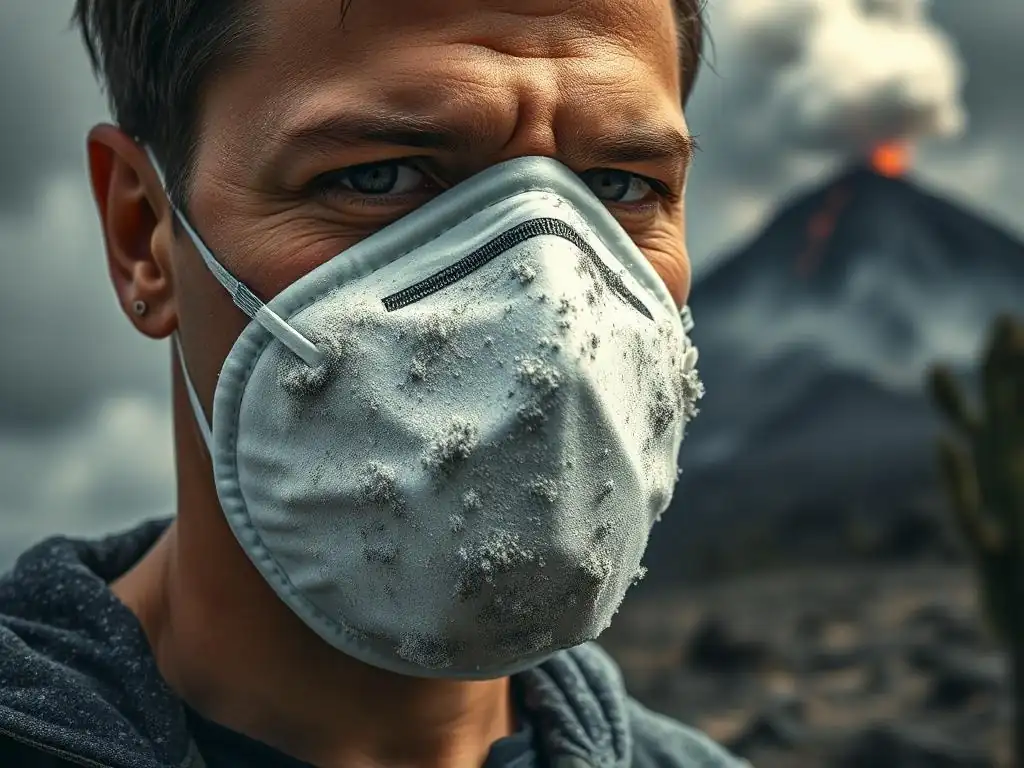
The most effective respiratory protection strategy during volcanic ashfall is to stay indoors. Buildings provide a significant barrier against airborne ash, reducing exposure levels considerably. Once indoors, it is crucial to seal your home as effectively as possible to minimize ash entry. Close all windows and doors tightly. Use weather stripping or tape to seal gaps around windows and doors, especially older or less well-insulated structures.
Cover any vents, chimneys, or other openings that could allow ash to enter the building. If possible, seal around utility penetrations like pipes and wires. Creating a sealed indoor environment significantly reduces the amount of ash that can infiltrate your living space, lowering your exposure and protecting your respiratory health. Remember that even well-sealed homes may not be completely airtight, but these measures can substantially decrease indoor ash concentrations and improve air quality during ashfall events.
Minimizing Physical Activity
During volcanic ashfall, minimizing physical activity is a vital respiratory protection strategy. Increased physical exertion leads to faster and deeper breathing, resulting in a higher volume of air and, consequently, more ash particles being inhaled into the lungs. Avoid strenuous outdoor activities such as running, heavy lifting, or yard work during ashfall. Even moderate activities like walking outdoors should be limited or avoided if possible.
If you must be outdoors, reduce your pace and effort level. When indoors, also avoid activities that increase breathing rate, such as vigorous exercise or heavy housework. Rest and relaxation are beneficial during ashfall events. By reducing physical activity, you minimize the amount of ash inhaled and lessen the burden on your respiratory system, helping to prevent or alleviate respiratory symptoms caused by volcanic ash exposure.
Creating a Clean Air Room
Establishing a clean air room within your home can provide an extra layer of respiratory protection during volcanic ashfall. Choose a room that can be easily sealed, preferably one with few windows and doors, such as a bedroom or interior room. Seal the room as thoroughly as possible by taping around doors, windows, and vents, as described previously. If possible, use plastic sheeting to create an additional barrier over windows and doors.
To improve air quality within the clean room, consider using a portable air purifier with a HEPA filter. HEPA filters are highly effective at removing fine particles like volcanic ash from the air. If an air purifier is unavailable, simply keeping the room sealed and minimizing entry will still provide a cleaner air space compared to the rest of the house.
Spend as much time as possible in the clean air room during ashfall events, especially if you are in a vulnerable group or experiencing respiratory symptoms. This strategy helps create a refuge with reduced ash concentrations, offering enhanced respiratory protection.
First Aid for Volcanic Ash Exposure and Respiratory Distress
Recognizing Symptoms of Volcanic Ash Inhalation
Recognizing the symptoms of volcanic ash inhalation is crucial for prompt first aid and seeking appropriate medical attention. Common symptoms include nose and throat irritation, often described as a scratchy or burning sensation. Coughing, both dry and productive (with mucus), is a frequent symptom as the respiratory system attempts to expel the irritant ash particles. Wheezing or shortness of breath may occur, indicating airway constriction or inflammation.
Eye irritation, characterized by redness, tearing, and a gritty sensation, is also common due to ash exposure. Skin irritation and itching can develop, particularly in exposed areas. In more severe cases, individuals may experience bronchitis-like symptoms, including chest tightness, increased mucus production, and persistent cough. It is important to note that symptom severity can vary depending on the concentration of ash, duration of exposure, and individual susceptibility. Prompt recognition of these symptoms allows for timely intervention and implementation of first aid measures.
Immediate Steps for Respiratory Problems
If you or someone nearby experiences respiratory problems due to volcanic ash inhalation, immediate first aid steps are essential. First, move to a cleaner air environment, ideally indoors and away from visible ashfall. If indoors is not immediately accessible, try to move upwind of the ash source. If coughing, try to cough forcefully to clear your airways of any inhaled ash. Rinsing the nose and mouth with clean water can help remove ash particles and soothe irritation.
For eye irritation, flush the eyes with clean water or saline solution for 15-20 minutes, tilting the head to the side to avoid contaminating the other eye. Do not rub your eyes, as this can further scratch the cornea. If skin irritation occurs, gently wash affected areas with soap and water. If breathing becomes difficult or symptoms worsen, seek medical attention promptly. These immediate steps are crucial for alleviating initial symptoms and preventing further respiratory complications from volcanic ash exposure.
When to Seek Medical Attention
While mild respiratory irritation from volcanic ash can often be managed with home care, it is important to know when to seek medical attention. If you experience severe shortness of breath, persistent wheezing, chest pain, or a severe and uncontrollable cough, seek medical help immediately. Individuals with pre-existing respiratory conditions like asthma or COPD should be particularly vigilant and seek medical advice even for milder symptoms that are worse than their usual baseline.
If eye irritation persists despite flushing with water or if vision is affected, consult a doctor. If skin rash or irritation is severe or widespread, medical evaluation may be necessary. Infants, young children, and the elderly are more vulnerable and should be assessed by a healthcare professional if they develop any respiratory symptoms after ash exposure. Do not hesitate to seek medical attention if you are concerned about your symptoms or if they are not improving with home care measures. Early medical intervention can prevent serious complications and ensure appropriate management of volcanic ash-related health issues.
Additional Measures for Protecting Respiratory Health
Eye Protection
While respiratory protection is paramount during volcanic ashfall, eye protection is equally important. Volcanic ash is highly irritating to the eyes and can cause conjunctivitis (inflammation of the conjunctiva), corneal abrasions (scratches on the cornea), and other eye injuries. Wearing appropriate eye protection can prevent these issues. Goggles that seal tightly around the eyes are the most effective form of eye protection, preventing ash from entering the eyes from all directions.
If goggles are unavailable, eyeglasses or safety glasses offer some protection, although they may not seal as completely as goggles. Contact lenses should be avoided during ashfall, as ash particles can become trapped under the lenses, causing severe irritation and potential corneal damage. If you wear contact lenses and are exposed to ash, remove them immediately with clean hands and switch to eyeglasses. Always prioritize eye protection alongside respiratory protection during volcanic ash events to prevent eye injuries and discomfort.
Skin Protection
Protecting your skin from volcanic ash is another important aspect of overall health protection during ashfall. While respiratory and eye hazards are often prioritized, volcanic ash can also irritate and damage the skin. Wear long sleeves, long pants, gloves, and a hat to minimize skin exposure when outdoors during ashfall or during ash cleanup activities. These measures create a physical barrier against ash contact.
If your skin is exposed to ash, wash it gently with soap and water as soon as possible. Avoid rubbing the skin vigorously, as this can cause further irritation from the abrasive ash particles. Moisturizing creams can help soothe dry or irritated skin after ash exposure. For individuals with sensitive skin or pre-existing skin conditions like eczema, extra care and prompt washing are particularly important to prevent or minimize skin irritation and potential allergic reactions to volcanic ash.
Air Purifiers and Filtration Systems
In addition to sealing homes and creating clean air rooms, air purifiers and filtration systems can significantly enhance indoor air quality during volcanic ash events. Portable air purifiers equipped with HEPA filters are highly effective at removing fine particles, including volcanic ash, from indoor air. Place air purifiers in frequently used rooms, especially bedrooms and living areas, to reduce airborne ash concentrations.
For homes with central heating and cooling systems, consider using high-efficiency filters in the HVAC system. MERV 13 or higher filters are capable of capturing fine particles and can improve overall indoor air quality. Regularly replacing HVAC filters, especially after ashfall events, is crucial for maintaining their effectiveness. Combining sealing measures with air purification and filtration systems provides a multi-layered approach to minimizing indoor ash exposure and protecting respiratory health within the home environment.
Preparing for Future Volcanic Ash Events
Developing a Family Emergency Plan
Preparing for future volcanic ash events is crucial for protecting your family's health and safety. Developing a family emergency plan is a fundamental step. This plan should include evacuation routes in case of a volcanic eruption that necessitates evacuation from your area. Identify designated emergency shelters or safe locations outside the ashfall zone. Establish communication protocols, including contact information for family members and emergency services.
Assign responsibilities to each family member, such as gathering emergency supplies or assisting vulnerable individuals. Practice your emergency plan regularly through drills to ensure everyone knows what to do in the event of volcanic ashfall or other volcanic hazards. A well-thought-out and practiced family emergency plan enhances preparedness and can significantly improve your family's ability to respond effectively during a volcanic crisis.
Stocking Up on Essential Supplies
Stockpiling essential supplies is a vital component of volcanic ash preparedness. This includes respiratory protection supplies like NIOSH-approved respirators (N95 or P100) for each family member, ensuring proper sizes and fit. Stockpile eye protection such as goggles or safety glasses. Include ample supplies of bottled water, non-perishable food, and any necessary medications, with at least a 3-day supply, and ideally a 2-week supply for longer-duration events.
Gather first aid supplies, including bandages, antiseptic wipes, pain relievers, and any specific medications for pre-existing conditions. Include tools and materials for sealing your home, such as plastic sheeting, duct tape, and weather stripping. Have flashlights, batteries, a battery-powered radio, and a manual can opener on hand. Regularly check and replenish your emergency supplies to ensure they are readily available and in good condition when needed.
Staying Informed About Volcanic Activity
Staying informed about volcanic activity is crucial for timely preparation and response. Monitor official sources for volcanic activity updates and warnings. Local emergency management agencies, geological surveys, and volcano observatories provide reliable information about volcanic eruptions and ashfall forecasts. Sign up for emergency alerts and notifications from these agencies to receive timely warnings and instructions.
Develop multiple ways to receive information, such as through radio, television, internet, and mobile alerts, in case of power outages or communication disruptions. Familiarize yourself with volcano monitoring websites and social media channels of official sources. Understanding the volcanic hazards in your area and staying informed about volcanic activity empowers you to take proactive steps to protect yourself and your family during volcanic events.
Cleaning Up Volcanic Ash Safely
Safe Ash Removal Techniques
Cleaning up volcanic ash requires safe techniques to minimize further exposure and health risks. When removing ash from outdoor areas like roofs, sidewalks, and yards, wear respiratory protection (N95 or P100 respirator), eye protection (goggles), gloves, long sleeves, and long pants to prevent ash inhalation and skin contact. Use shovels and brooms to remove ash, avoiding methods that create dust clouds, such as leaf blowers or dry sweeping.
For roofs, exercise extreme caution to prevent falls. If possible, clean roofs from the ground using long-handled tools. Avoid using water to wash down ash initially, as this can create a slurry that is heavy and difficult to manage. Instead, remove as much dry ash as possible first. Dispose of collected ash in sturdy plastic bags and seal them tightly to prevent ash from becoming airborne again.
The Importance of Wetting Down Ash
Wetting down volcanic ash is a crucial step in safe cleanup to prevent it from becoming airborne and causing further respiratory irritation. After removing as much dry ash as possible, lightly dampen the remaining ash with water from a hose or sprinkler. Use a gentle spray to avoid creating runoff and turning ash into a slippery mud. Wetting down ash helps to bind the fine particles together, reducing dust generation during the final stages of cleanup and sweeping.
When washing down surfaces with water, do so gently and avoid high-pressure spraying, which can aerosolize fine ash particles. Dispose of ash-contaminated water properly, avoiding drainage into storm sewers if possible, as volcanic ash can clog drainage systems. Wetting down ash is an essential practice for minimizing dust exposure and protecting respiratory health during and after ash cleanup operations.
Respiratory System Protection During Ash Cleanup
Respiratory system protection is paramount throughout the entire volcanic ash cleanup process. Always wear a NIOSH-approved respirator (N95 or P100) whenever you are engaged in ash cleanup activities, both indoors and outdoors. Ensure the respirator is properly fitted and worn correctly to provide effective filtration. Change respirators if they become soiled, damaged, or if breathing becomes difficult.
Even when wetting down ash, some fine particles can still become airborne, so respiratory protection remains necessary. Avoid prolonged or strenuous ash cleanup activities to minimize respiratory strain. Take frequent breaks in clean air environments during cleanup work. For individuals with pre-existing respiratory conditions, it is advisable to avoid ash cleanup altogether or to seek assistance from others to minimize their exposure and risk. Prioritizing respiratory protection during ash cleanup is essential for preventing ash-related health problems.
Debunking Myths About Volcanic Ash Respiratory Protection
One common myth is that ordinary surgical masks or cloth masks provide adequate protection against volcanic ash. As discussed earlier, these masks are not designed to filter out the fine particles present in volcanic ash and offer minimal respiratory protection. Relying on these masks can create a false sense of security and lead to inadequate protection against ash inhalation hazards. NIOSH-approved respirators like N95 or P100 are necessary for effective volcanic ash respiratory protection.
Another myth is that volcanic ash is just like ordinary dust and poses no significant health risks. While volcanic ash may resemble dust, it is composed of sharp, abrasive particles and can contain harmful chemicals. Inhaling volcanic ash can cause a range of respiratory problems, from short-term irritation to long-term lung diseases. Therefore, volcanic ash should be treated as a serious respiratory hazard, and appropriate protective measures should be taken.
A further misconception is that staying indoors is sufficient protection and respirators are unnecessary. While staying indoors is an important protective measure, homes are not completely airtight, and ash can still infiltrate indoor environments. Respirators provide an additional layer of protection, especially during periods of heavy ashfall or when engaging in outdoor activities or ash cleanup. Combining indoor sheltering with respirator use offers the most comprehensive respiratory protection strategy during volcanic ash events.
Frequently Asked Questions
How does volcanic ash affect your respiratory system?
Volcanic ash contains fine particles that can irritate your lungs and airways. Prolonged exposure can lead to respiratory problems, particularly for individuals with pre-existing conditions.
What type of mask offers the best protection from volcanic ash?
An N95 respirator mask is recommended for effective protection. It filters out at least 95% of airborne particles, including the harmful ash particles.
Besides masks, what other measures can I take to protect myself from ash inhalation?
Stay indoors with windows and doors closed. Use air purifiers, and if outdoors, wear protective clothing like long sleeves and goggles.
What are the first aid steps to take if someone inhales volcanic ash?
Move the person to fresh air immediately. Encourage them to gently cough and drink water to clear their throat. Seek medical attention if symptoms worsen.
Where can I find reliable information about volcanic ash warnings and safety guidelines?
Refer to official sources like local emergency management agencies and websites like VolcanoExplorers.org for the most up-to-date information and safety recommendations.
Final Reflection: Breathing Easier in the Shadow of the Volcano
The information presented throughout this article underscores the critical need for effective volcanic ash respiratory protection in affected communities. While the immediate danger of a volcanic eruption often focuses on lava flows and pyroclastic surges, the insidious threat of airborne ash, and its long-term health consequences, demands a proactive and informed approach. The tips and first aid advice outlined above are not merely suggestions; they are essential tools for safeguarding respiratory health and mitigating the risks associated with this pervasive environmental hazard.
This topic has profoundly influenced my understanding of disaster preparedness, highlighting the often-overlooked impact of seemingly "minor" volcanic byproducts like ash. The realization that something as seemingly innocuous as dust can pose such a significant health risk has shifted my perspective on environmental awareness and personal responsibility. In the face of adversity, resilience is not just about bouncing back; it's about bouncing forward, stronger and wiser than before.
This quote perfectly encapsulates the spirit of preparedness and the importance of equipping ourselves with the knowledge and tools to navigate unforeseen challenges.
Now, I urge you to consider the lessons learned here. Are you prepared? Do you know the proper procedures for protecting yourself and your loved ones from volcanic ash? Take the time to research, prepare, and share this knowledge with your community. By proactively addressing the risks and embracing a culture of preparedness, we can collectively breathe easier, even in the shadow of the volcano.
Shield Yourself: Prepare for Respiratory Safety on Your Volcanic Adventures!
Thank you for learning about protecting yourself from volcanic ash. Now that you're informed, let's ensure you're prepared for any volcanic exploration.
Here's how to take the next step:
- Prioritize your safety: Invest in a certified N95 or P100 respirator from a reputable supplier for optimal protection against volcanic ash.
- Share this vital information: Forward this article to fellow volcano explorers or anyone living near active volcanoes to promote awareness and preparedness.
- Enhance your skills: Participate in a local first aid and emergency preparedness workshop focusing on volcanic hazards to gain practical experience.
What steps will you take today to improve your respiratory safety before your next volcanic adventure?