
Volcanic Ash Skin First Aid: Relief for Itching and Irritation

Welcome to Volcano Explorers!
Ever wondered how to soothe skin ravaged by the gritty aftermath of an eruption? Volcanic ash, beautiful in its destructive power, can wreak havoc on your skin. But don't despair! Discover our crucial "Volcanic ash skin relief tips" below, offering practical first aid advice to combat itching and irritation. Unearth the secrets to protecting yourself and your loved ones – because understanding the danger is the first step to staying safe.
- Understanding Volcanic Ash and its Effects on Skin
- Immediate First Aid for Volcanic Ash Contact with Skin
- Soothing Itching and Irritation Caused by Volcanic Ash
- Preventing Further Skin Damage from Volcanic Ash
- Long-Term Skin Care After Volcanic Ash Exposure
- Volcanic Ash Skin Relief Tips for Sensitive Skin
- When to Seek Medical Attention for Volcanic Ash Skin Irritation
- Additional Resources for Volcanic Ash Safety and Preparedness
-
Frequently Asked Questions
- What are the immediate steps to take if volcanic ash gets on my skin?
- Can volcanic ash cause long-term skin problems?
- Are there specific types of lotions or creams recommended for volcanic ash skin relief?
- What should I do if I experience severe itching or a rash after volcanic ash exposure?
- Does wearing protective clothing help in preventing skin irritation from volcanic ash?
- Final Reflection: Embracing Resilience After the Ash
- Soothe Your Skin After Volcanic Ash Exposure: Find Relief Now!
Understanding Volcanic Ash and its Effects on Skin
What is Volcanic Ash and Why Does it Irritate Skin?
Volcanic ash, despite its name, is not the soft, fluffy material you might imagine. It's composed of tiny fragments of pulverized rock, minerals, and volcanic glass created during volcanic eruptions. These particles, often smaller than grains of sand, are incredibly abrasive due to their jagged and irregular shapes. Imagine microscopic shards of glass and rock – this is essentially what volcanic ash is. This abrasive nature is the primary reason why volcanic ash is so irritating to the skin.
Beyond its physical properties, the chemical composition of volcanic ash can also contribute to skin irritation. Ash can contain volcanic gases, such as sulfur dioxide, hydrogen sulfide, and hydrochloric acid, which, while often diluted in the atmosphere, can still be present on the ash particles themselves.
When these particles come into contact with moist skin, these chemicals can react, leading to further irritation and potential chemical burns in sensitive individuals or with prolonged exposure. Furthermore, volcanic ash can be slightly acidic, which also contributes to its irritant properties on the skin, disrupting the skin's natural pH balance and leading to discomfort.
Common Skin Reactions to Volcanic Ash Exposure
Exposure to volcanic ash can trigger a range of skin reactions, varying from mild irritation to more severe dermatitis, depending on the duration and intensity of exposure, as well as individual skin sensitivity. The most common reaction is irritant contact dermatitis. This manifests as redness, itching, and a burning sensation. The abrasive nature of the ash physically damages the outer layer of the skin, the epidermis, leading to inflammation. People often describe the feeling as similar to having tiny needles pricking their skin.
For individuals with pre-existing skin conditions like eczema or psoriasis, volcanic ash exposure can exacerbate their symptoms significantly. The irritant nature of the ash can trigger flare-ups, leading to increased itching, redness, scaling, and discomfort. Even those without pre-existing conditions can experience more pronounced reactions if they have sensitive skin or if the exposure is prolonged or to a high concentration of ash. In rare cases, particularly with prolonged and heavy exposure, and especially if combined with moisture and rubbing, abrasive dermatitis, characterized by more significant skin damage and potential for secondary infection, can occur.
Recognizing the symptoms of volcanic ash-related skin irritation is crucial for prompt first aid and preventing further complications. The most immediate and noticeable symptom is typically itching. This can range from mild to intense and is often accompanied by a stinging or burning sensation. Redness of the skin is another common early sign, indicating inflammation caused by the ash particles. The affected skin may appear flushed or blotchy.
Upon closer inspection, you might notice small bumps or a rash developing in the areas exposed to the ash. These bumps can be raised and slightly red, resembling hives or tiny pimples. In more severe cases or with continued exposure, the skin can become dry, cracked, and even start to peel. This is a sign that the skin barrier has been significantly compromised. It is important to differentiate these symptoms from other potential causes of skin irritation, but if they occur after a volcanic ashfall event, volcanic ash exposure should be the primary suspect.
Immediate First Aid for Volcanic Ash Contact with Skin
Step-by-Step Guide: Removing Volcanic Ash from Skin
The first and most crucial step in treating volcanic ash skin irritation is to remove the ash from the skin as quickly and gently as possible. Avoid rubbing or scratching the skin, as this will only further embed the abrasive ash particles and exacerbate the irritation. Instead, the recommended method is to gently brush off as much loose ash as possible using a soft brush, such as a makeup brush or a clean, soft-bristled paintbrush. If a brush is not immediately available, gently shaking clothing or lightly patting the skin can help remove some of the loose ash.
Once the loose ash is removed, the next step is to wash the affected areas thoroughly with water. Use lukewarm or cool water, as hot water can further irritate inflamed skin. Let the water run over the skin to help flush away the remaining ash particles. If available, a gentle shower is ideal. Avoid vigorous scrubbing with a towel. After washing, pat the skin dry gently with a soft towel. Ensure all traces of ash are removed from skin folds and areas where ash might accumulate, such as under fingernails.
The Importance of Gentle Washing: Avoiding Further Irritation
Gentle washing is paramount when dealing with volcanic ash on the skin. The goal is to remove the irritating particles without causing further abrasion or inflammation. Vigorous scrubbing, even with a soft cloth, can push the sharp ash particles deeper into the skin and scratch the delicate surface, worsening the irritation and potentially leading to micro-abrasions. These micro-abrasions not only increase discomfort but also create entry points for potential secondary infections.
Furthermore, harsh soaps or cleansers should be avoided as they can strip the skin of its natural oils and disrupt the skin barrier, making it even more vulnerable to irritation and dryness. The skin is already under stress from the ash exposure, and using harsh products can exacerbate the damage and prolong the recovery process. Therefore, the emphasis should always be on gentle techniques and mild, skin-friendly cleansers to effectively remove the ash without compounding the skin's distress.
Recommended Cleansers for Volcanic Ash Removal
When selecting a cleanser for volcanic ash removal, mildness is key. Opt for gentle, fragrance-free cleansers that are designed for sensitive skin. Examples include mild liquid soaps like those formulated for babies, or hypoallergenic cleansers specifically labeled for sensitive skin. These cleansers typically have a neutral pH and lack harsh chemicals, dyes, and perfumes that can irritate already sensitive skin.
Another excellent option is to use a simple saline solution to wash the skin. Saline solution is isotonic, meaning it has a similar salt concentration to body fluids, making it very gentle and non-irritating. It effectively washes away ash and debris without disrupting the skin's natural balance. Alternatively, plain water can be sufficient if mild cleansers or saline are not immediately available, but ensure it is lukewarm or cool and used gently. Avoid using harsh antibacterial soaps or alcohol-based cleansers, as these can dry out and irritate the skin further, hindering the healing process.
Soothing Itching and Irritation Caused by Volcanic Ash

Calming Irritated Skin: Topical Treatments for Volcanic Ash Exposure
After gently removing volcanic ash and cleansing the skin, the next step is to soothe the irritation and reduce itching. Applying a cool compress to the affected areas can provide immediate, temporary relief. Soaking a clean cloth in cool water and gently pressing it against the irritated skin for 10-15 minutes can help calm inflammation and reduce the sensation of burning or itching. Repeat this several times a day as needed.
Topical treatments are also beneficial in managing volcanic ash skin irritation. Moisturizers play a crucial role in restoring the skin's barrier function, which is often compromised by ash exposure. Choose a fragrance-free, hypoallergenic moisturizer and apply it liberally to the affected areas several times a day, especially after washing. For more pronounced itching and inflammation, consider using over-the-counter hydrocortisone cream. This mild topical steroid can effectively reduce inflammation and itching. Apply a thin layer of hydrocortisone cream to the irritated areas 1-2 times daily, following the product instructions, and avoid prolonged use without consulting a doctor.
Natural Remedies for Volcanic Ash Skin Relief: Oatmeal Baths, Aloe Vera, and Chamomile Compresses
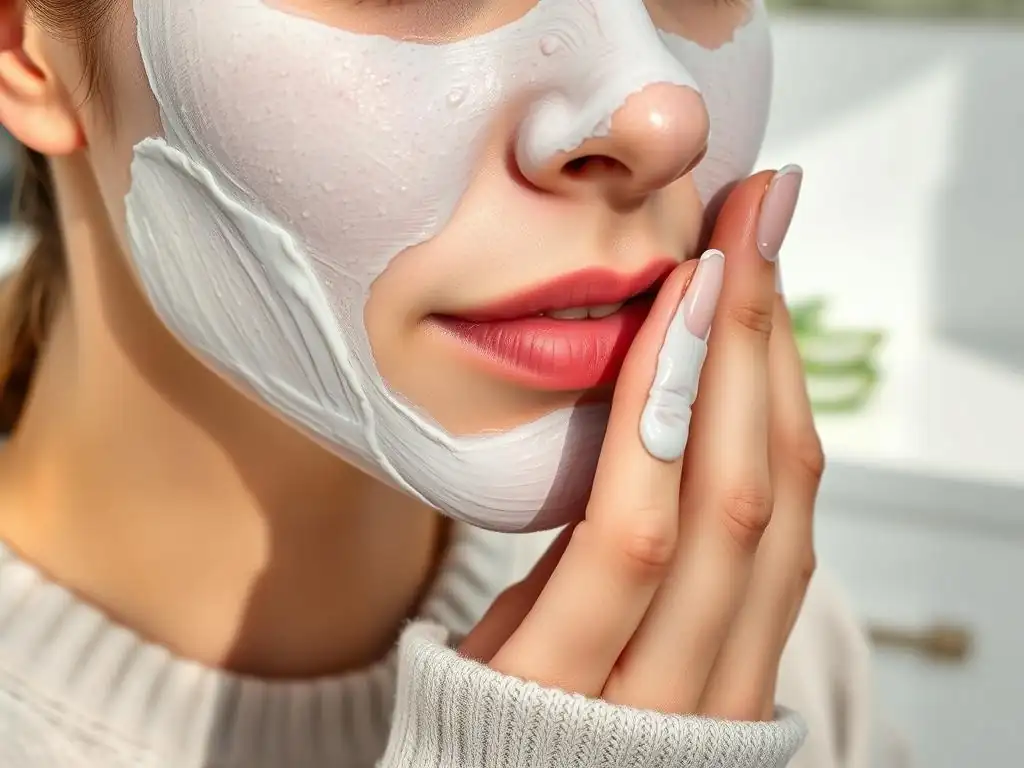
In addition to conventional treatments, several natural remedies can provide effective relief for volcanic ash-induced skin irritation. Oatmeal baths are a well-known remedy for soothing itchy and inflamed skin. Colloidal oatmeal, finely ground oatmeal that disperses in water, is particularly effective. Add colloidal oatmeal to lukewarm bathwater and soak for 15-20 minutes. Oatmeal contains compounds that have anti-inflammatory and anti-itch properties. Alternatively, you can create an oatmeal paste by mixing colloidal oatmeal with a little water and applying it directly to irritated areas as a soothing mask.
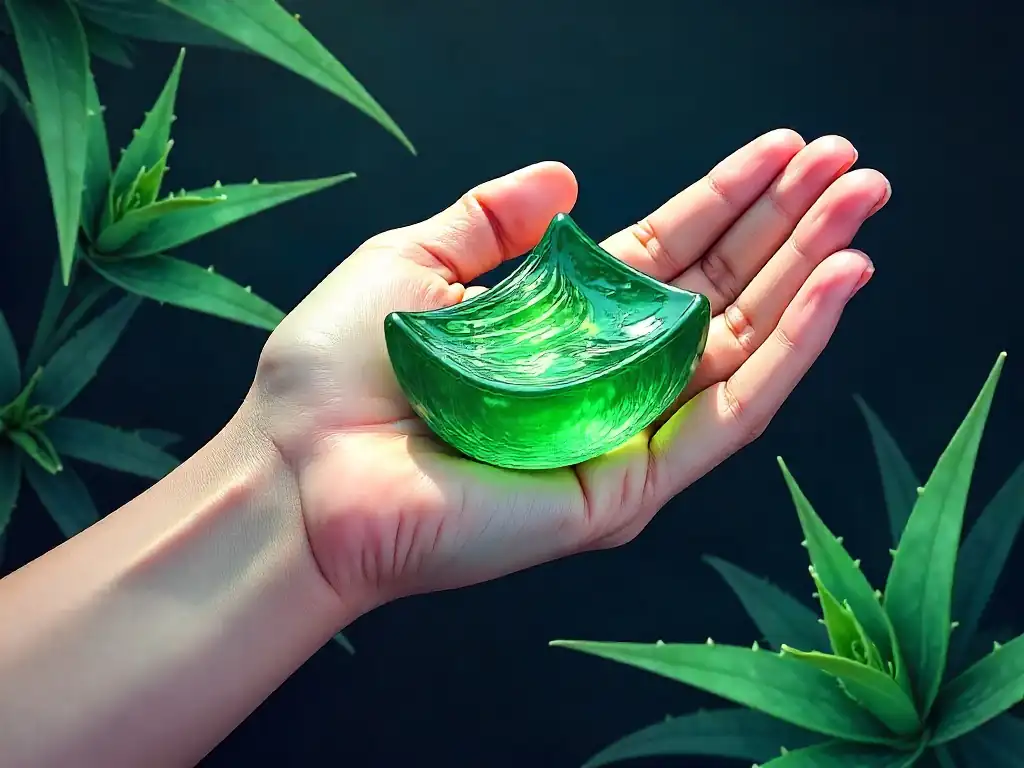
Aloe vera gel is another popular natural remedy for skin irritation. Known for its cooling and anti-inflammatory properties, aloe vera can help soothe redness, itching, and burning sensations caused by volcanic ash. Apply pure aloe vera gel directly to the affected skin several times a day. Chamomile compresses can also be beneficial.
Chamomile has anti-inflammatory and calming properties. Steep chamomile tea bags in hot water, let them cool, and then apply the cooled tea bags or a cloth soaked in chamomile tea as a compress to the irritated skin. These natural remedies can be used alone or in conjunction with other treatments to enhance relief.
When to Use Antihistamines for Volcanic Ash Skin Reactions
While topical treatments and natural remedies can effectively manage mild to moderate volcanic ash skin irritation, oral antihistamines can be helpful for controlling significant itching, especially if it is disrupting sleep or daily activities. Antihistamines work by blocking histamine, a chemical released by the body during an allergic reaction that contributes to itching. Over-the-counter antihistamines like cetirizine (Zyrtec), loratadine (Claritin), or diphenhydramine (Benadryl) can be used according to package instructions.
For daytime use, non-drowsy antihistamines like cetirizine or loratadine are preferable to avoid sedation. Diphenhydramine, while effective for itching, can cause drowsiness, making it more suitable for nighttime use to aid sleep if itching is particularly bothersome at night. If itching is severe or persistent despite using topical treatments and over-the-counter antihistamines, or if accompanied by other concerning symptoms, it is important to seek medical advice from a doctor or dermatologist. They may recommend stronger antihistamines or other prescription medications depending on the severity of the reaction.
Preventing Further Skin Damage from Volcanic Ash
Protective Clothing: Shielding Your Skin from Volcanic Ash
Prevention is always better than cure, and minimizing skin exposure to volcanic ash is the most effective way to prevent irritation. Wearing protective clothing is crucial when volcanic ashfall is anticipated or occurring. Long-sleeved shirts and long pants should be worn to cover as much skin as possible. Choose tightly woven fabrics to minimize ash penetration. Loose-fitting clothing is generally more comfortable and less likely to rub ash against the skin, further reducing irritation.
Gloves are essential to protect hands, especially when performing outdoor tasks during ashfall. Durable work gloves or even disposable gloves can provide a barrier against ash contact. For facial protection, consider wearing a wide-brimmed hat to shield the face and neck.
Goggles or safety glasses are important to protect the eyes from ash, but they also offer some additional skin protection around the eyes. A scarf or bandana can be worn around the neck and lower face to further minimize ash exposure to these sensitive areas. Remember to wash protective clothing thoroughly after exposure to remove ash particles and prevent them from causing further irritation.
Creating a Barrier: Moisturizers and Volcanic Ash Protection
While protective clothing provides the primary physical barrier against volcanic ash, applying a moisturizer can create an additional protective layer on the skin. A good moisturizer acts as a barrier cream, helping to prevent ash particles from directly contacting and embedding into the skin. Choose a thick, emollient moisturizer, preferably one that is fragrance-free and hypoallergenic to avoid further irritation.
Apply a generous layer of moisturizer to all exposed skin areas before going outdoors during ashfall. Pay particular attention to areas that are more prone to dryness and irritation, such as the face, hands, and neck. Reapply moisturizer frequently, especially after washing your hands or if you feel your skin becoming dry. Moisturizers containing ingredients like petrolatum, lanolin, or mineral oil are particularly effective as barrier creams. By creating this protective barrier, you can significantly reduce the direct impact of volcanic ash on your skin and minimize the risk of irritation.
Limiting Exposure: Staying Safe During Ashfall Events
The most effective way to prevent volcanic ash skin irritation, and other health problems associated with ash exposure, is to limit your exposure to ashfall events. Stay indoors as much as possible during ashfall. Close windows and doors and seal any gaps to prevent ash from entering your home. If you must go outdoors, minimize the duration of your time outside. Plan outdoor activities for times when ashfall is not occurring or is less intense.
Pay attention to official warnings and advisories regarding volcanic activity and ashfall. Local authorities and volcano observatories provide crucial information about ashfall forecasts and safety recommendations. If evacuation is recommended, follow evacuation orders promptly. If you live in an area prone to volcanic ashfall, develop a preparedness plan that includes having protective clothing, skin care products, and other essential supplies readily available. By taking proactive steps to limit exposure and prepare for ashfall events, you can significantly reduce the risk of skin irritation and other health impacts.
Long-Term Skin Care After Volcanic Ash Exposure
Repairing Damaged Skin: Healing After Ash Irritation
Even with prompt first aid, volcanic ash exposure can sometimes lead to skin damage that requires ongoing care for healing. After the initial irritation subsides, focus on repairing the skin barrier and promoting healing. Continue to use gentle cleansers and avoid harsh soaps or scrubs that can further damage the skin. Moisturizing is crucial during the healing phase. Apply a rich, emollient moisturizer several times a day to keep the skin hydrated and support barrier repair.
For areas of skin that are particularly dry, cracked, or peeling, consider using a thicker ointment, such as petrolatum or lanolin-based ointment, at night. These ointments create a protective layer that helps to lock in moisture and promote healing overnight. If there are signs of persistent inflammation or redness, continue to use a mild hydrocortisone cream as directed by a doctor or pharmacist. Avoid scratching or picking at healing skin, as this can delay the healing process and increase the risk of scarring or infection.
Moisturizing Routines: Maintaining Healthy Skin After Exposure
Maintaining a consistent moisturizing routine is essential for long-term skin health, especially after volcanic ash exposure. Even after the immediate irritation has resolved, volcanic ash can have a lingering drying effect on the skin. Regular moisturizing helps to replenish the skin's moisture barrier, keeping it healthy and resilient. Choose a moisturizer that is suitable for your skin type and apply it at least twice a day, ideally after showering or washing your face and hands.
Consider using a slightly richer moisturizer during drier seasons or climates. Pay attention to areas that are prone to dryness, such as elbows, knees, and hands, and apply moisturizer more frequently to these areas. Drinking plenty of water also contributes to overall skin hydration and health. By incorporating regular moisturizing into your daily routine, you can help your skin recover from volcanic ash exposure and maintain its long-term health and hydration.
Recognizing and Treating Secondary Skin Infections
While volcanic ash itself does not cause infections, the skin damage it causes can increase the risk of secondary bacterial or fungal infections. Micro-abrasions from ash particles can create entry points for bacteria and fungi to enter the skin. Be vigilant for signs of secondary infection, such as increased redness, swelling, pain, warmth to the touch, pus or drainage from the affected area, or the development of fever.
If you suspect a skin infection, it is important to seek medical attention promptly. A doctor can diagnose the infection and recommend appropriate treatment, which may include topical or oral antibiotics for bacterial infections or antifungal creams for fungal infections. Keeping the affected area clean and dry is important to prevent infection. Avoid using bandages unless directed by a doctor, as bandages can sometimes trap moisture and worsen certain types of infections. Prompt treatment of secondary skin infections is crucial to prevent complications and ensure proper healing.
Volcanic Ash Skin Relief Tips for Sensitive Skin
Understanding Skin Sensitivity and Volcanic Ash
Individuals with sensitive skin are more prone to experiencing irritation from volcanic ash. Sensitive skin is characterized by a reduced tolerance to irritants and allergens, and volcanic ash, with its abrasive and potentially chemically reactive properties, can be particularly challenging for sensitive skin types. People with conditions like eczema, rosacea, or allergic contact dermatitis often have more reactive skin and may experience more severe and prolonged reactions to volcanic ash exposure.
Understanding your skin's sensitivity is crucial for taking extra precautions during volcanic ash events and tailoring your skin care routine accordingly. If you know you have sensitive skin, it is even more important to minimize exposure to volcanic ash, use gentle skin care products, and seek medical advice promptly if you experience significant irritation or reactions. Being proactive and informed about your skin's needs is key to protecting it from volcanic ash and managing any potential irritation effectively.
Gentle Cleansing and Moisturizing for Sensitive Skin
For those with sensitive skin, gentle cleansing and moisturizing are even more critical in managing volcanic ash exposure. Use extremely mild, fragrance-free, and hypoallergenic cleansers specifically formulated for sensitive skin. Avoid any cleansers that contain harsh surfactants, sulfates, or alcohol, as these can strip the skin's natural oils and exacerbate dryness and irritation. When washing, use lukewarm or cool water and pat the skin dry very gently with a soft towel, avoiding any rubbing or friction.
Moisturizing is equally important for sensitive skin. Choose a rich, emollient moisturizer that is free of fragrances, dyes, and common irritants. Look for moisturizers containing soothing and skin-barrier repairing ingredients like ceramides, hyaluronic acid, or shea butter. Apply moisturizer liberally and frequently throughout the day, especially after cleansing, to keep the skin hydrated and protected. Patch-test new products on a small area of skin before applying them to larger areas to ensure they do not cause any adverse reactions.
Avoiding Harsh Chemicals and Irritants
Individuals with sensitive skin should be particularly vigilant about avoiding harsh chemicals and irritants, both during and after volcanic ash exposure. This includes avoiding harsh soaps, detergents, and cleaning products that can further irritate sensitive skin. When washing clothes that have been exposed to volcanic ash, use a mild, fragrance-free laundry detergent and ensure clothes are rinsed thoroughly to remove any residue.
Avoid using harsh exfoliants or scrubs on the skin, especially when it is irritated from volcanic ash. These can further damage the skin barrier and worsen inflammation. Limit the use of products containing potential irritants like fragrances, dyes, parabens, and essential oils, particularly when the skin is already sensitive. Opt for simple, minimalist skin care routines using gentle, hypoallergenic products to minimize the risk of further irritation and support skin healing.
When to Seek Medical Attention for Volcanic Ash Skin Irritation
Recognizing Severe Reactions: Signs You Need a Doctor
While most cases of volcanic ash skin irritation are mild and can be managed with home care, it is important to recognize signs that indicate a more severe reaction requiring medical attention. Seek medical advice if you experience severe itching that is not relieved by over-the-counter treatments, intense pain, significant swelling or blistering of the skin, or widespread rash that covers a large area of the body. These symptoms may indicate a more serious allergic reaction or severe irritant contact dermatitis.
Signs of secondary skin infection, such as increased redness, warmth, pain, pus, or fever, also warrant prompt medical evaluation. If you experience difficulty breathing, wheezing, chest tightness, or other respiratory symptoms in addition to skin irritation, seek immediate medical attention, as this could indicate a more serious systemic reaction. Do not hesitate to consult a doctor if you are concerned about your symptoms or if they do not improve with home care within a few days.
Eczema and Asthma: Exacerbation by Volcanic Ash Exposure
Individuals with pre-existing conditions like eczema and asthma are particularly vulnerable to the adverse effects of volcanic ash exposure. Volcanic ash can significantly exacerbate eczema flare-ups, leading to increased itching, redness, dryness, and scaling. The irritant nature of ash can trigger inflammation and worsen existing eczema symptoms. Similarly, volcanic ash can irritate the airways and trigger asthma attacks in people with asthma. The fine particles can penetrate deep into the lungs and cause inflammation and bronchospasm.
If you have eczema or asthma, take extra precautions to avoid volcanic ash exposure. Follow all recommended safety measures, including staying indoors, using air purifiers, and wearing protective clothing. If you experience a flare-up of eczema or worsening asthma symptoms after volcanic ash exposure, consult your doctor promptly. They may adjust your medication or recommend additional treatments to manage the exacerbation of your pre-existing condition.
For persistent or recurring skin problems related to volcanic ash exposure, consulting a dermatologist is advisable. If your skin irritation does not improve with home care within a week or two, or if you experience recurrent episodes of irritation after subsequent ashfall events, a dermatologist can provide specialized diagnosis and treatment. They can assess your skin condition, rule out other potential causes of irritation, and recommend prescription-strength topical medications or other therapies if needed.
A dermatologist can also help identify if you have developed allergic contact dermatitis to volcanic ash or its components. They can perform patch testing to identify specific allergens and provide advice on long-term skin care management and prevention strategies. If you have concerns about scarring or persistent skin discoloration after volcanic ash irritation, a dermatologist can offer treatments to address these issues and promote optimal skin healing.
Additional Resources for Volcanic Ash Safety and Preparedness
Volcano Explorers: Your Guide to Volcanic Hazards
VolcanoExplorers.org serves as a comprehensive resource for understanding volcanic hazards, including the risks associated with volcanic ash. Explore the website to find detailed information about volcanic ash composition, dispersal patterns, and potential health impacts. The site provides guidance on preparing for volcanic ashfall events, including creating emergency kits, developing family emergency plans, and understanding evacuation procedures.
Volcano Explorers offers articles and resources specifically focused on volcanic ash safety, covering topics like respiratory protection, eye protection, and, of course, skin care during and after ashfall. Utilize the website to enhance your knowledge about volcanic ash hazards and empower yourself with the information needed to stay safe and protect your health and your family's well-being in volcanically active regions.
Links to Relevant Government and Health Organizations
For authoritative information and real-time updates on volcanic activity and ashfall, consult official government and health organizations. The United States Geological Survey (USGS) Volcano Hazards Program provides scientific data, volcano monitoring information, and educational resources about volcanoes in the United States and worldwide. The National Weather Service (NWS) often issues alerts and advisories related to volcanic ash clouds and ashfall.
The Centers for Disease Control and Prevention (CDC) and the World Health Organization (WHO) offer valuable public health information regarding volcanic ash exposure, including guidance on protecting respiratory health, skin health, and overall well-being during ashfall events. Local emergency management agencies and health departments are also crucial sources of information for region-specific alerts, safety guidelines, and resources during volcanic emergencies. Consulting these official sources ensures you have access to the most accurate and up-to-date information to inform your safety and preparedness efforts.
Local Emergency Management Agencies and Support Groups
Local emergency management agencies are vital resources for communities living near volcanoes. These agencies provide localized warnings, evacuation orders, and real-time information during volcanic crises. Familiarize yourself with your local emergency management agency and their communication channels, such as websites, social media, and alert systems. Participate in community preparedness programs and drills organized by these agencies to enhance your readiness for volcanic emergencies.
Support groups and community organizations within volcanically active areas can also provide valuable assistance and resources. These groups often offer mutual aid, share local knowledge and experiences, and advocate for community needs during volcanic events and recovery periods. Connecting with local support networks can strengthen community resilience and provide a sense of solidarity and shared preparedness in the face of volcanic hazards.
Frequently Asked Questions
What are the immediate steps to take if volcanic ash gets on my skin?
The first step is to gently remove the ash with water and a mild soap. Avoid rubbing vigorously as this can further irritate the skin.
Can volcanic ash cause long-term skin problems?
While generally not causing long-term issues, prolonged exposure can lead to dryness, itching, and in some cases, exacerbate existing skin conditions like eczema.
Are there specific types of lotions or creams recommended for volcanic ash skin relief?
Moisturizing lotions that are fragrance-free and hypoallergenic are best. Look for ingredients like colloidal oatmeal or ceramides to help soothe and protect the skin barrier.
What should I do if I experience severe itching or a rash after volcanic ash exposure?
If itching is severe or a rash develops, consult a doctor or dermatologist. They may recommend topical corticosteroids or antihistamines to reduce inflammation and relieve symptoms.
Does wearing protective clothing help in preventing skin irritation from volcanic ash?
Yes, wearing long sleeves, pants, and gloves can significantly reduce skin exposure to volcanic ash. A dust mask or respirator is also crucial to prevent inhalation of ash particles.
Final Reflection: Embracing Resilience After the Ash
The immediate aftermath of a volcanic eruption often focuses on structural damage and displacement, but the insidious impact of volcanic ash on skin health is a persistent and often overlooked consequence. This article has explored practical strategies for mitigating the itching and irritation caused by this abrasive substance, highlighting the importance of proactive skincare in the face of environmental adversity.
The experience of dealing with volcanic ash exposure underscores the resilience of the human body and spirit. It reminds us that even amidst chaos, simple acts of self-care can provide comfort and a sense of control. The best preparation for tomorrow is doing your best today.
- H. Jackson Brown, Jr. This quote perfectly encapsulates the proactive approach needed to protect our skin and well-being in the face of unpredictable natural events.
Now, as you navigate the challenges that life throws your way, remember the lessons learned about soothing and protecting your skin from volcanic ash. Let this knowledge empower you to be proactive in your own well-being, seeking out information and implementing strategies that promote resilience and self-care, not just in times of crisis, but every day.
Soothe Your Skin After Volcanic Ash Exposure: Find Relief Now!
Thank you for learning about protecting and caring for your skin after exposure to volcanic ash. We hope you found this information helpful in understanding how to combat irritation and maintain healthy skin in volcanic areas. Now, let's put this knowledge to use!
Here are a few simple steps you can take immediately:
- Immediately cleanse affected skin with cool water and a gentle, fragrance-free cleanser – this is your first line of defense against ash irritation.
- Prepare a soothing oatmeal bath to alleviate itching and redness caused by ash exposure. Many simple recipes are readily available online.
- Share this article with friends and family who live in or are planning to visit volcanic regions to help them stay prepared and protected.
What's your best tip for protecting your skin from environmental irritants like volcanic ash? Share your advice in the comments below!