
Decoding Volcanic Ash Symptoms: When to Seek First Aid

Welcome to Volcano Explorers!
Ever felt the sting of a volcano's breath? Decoding the subtle yet serious impact of volcanic ash is crucial for those living in the shadow of these magnificent giants. Before diving into the depths of our exploration, let's unravel the mystery surrounding volcanic ash health symptoms and how to protect yourself. Are you truly prepared for the silent dangers lurking in the plume? Read on to discover what you need to know...
- Understanding Volcanic Ash and Its Health Effects
- Recognizing Common Volcanic Ash Health Symptoms
- Differentiating Mild Symptoms from Severe Symptoms Requiring First Aid
- First Aid Measures for Volcanic Ash Exposure: A Step-by-Step Guide
- Preventing Volcanic Ash Exposure: Minimizing Health Risks
- Long-Term Health Management After Volcanic Ash Exposure
-
Frequently Asked Questions
- What are the most common health symptoms associated with volcanic ash exposure?
- How does volcanic ash affect individuals with pre-existing respiratory conditions?
- What first aid measures can be taken for eye irritation caused by volcanic ash?
- Besides respiratory and eye problems, what other less common health issues can volcanic ash cause?
- When is it necessary to seek professional medical attention after volcanic ash exposure?
- Final Reflection: Breathing Easier After the Ash
- Uncover Your Inner Volcanic Survivor!
Understanding Volcanic Ash and Its Health Effects
What is Volcanic Ash and Why is it Harmful?
Volcanic ash, despite its name, is not the soft, fluffy material you might associate with fireplace remnants. Instead, it's composed of tiny shards of volcanic glass, rock fragments, and minerals, often less than 2 millimeters in diameter – finer than sand and sometimes as fine as silt. This seemingly innocuous substance is formed during volcanic eruptions when dissolved gases in magma rapidly expand and escape, shattering the molten rock into minuscule particles. These particles are then propelled high into the atmosphere and can be carried for thousands of kilometers by prevailing winds, blanketing vast areas downwind of an eruption.
The hazard posed by volcanic ash is multifaceted. Its fine, abrasive nature makes it irritating to the eyes, skin, and respiratory system. Furthermore, the chemical composition of ash can include corrosive substances like sulfur dioxide and hydrogen halides, which can exacerbate respiratory issues and cause environmental damage. The density of ash can also be surprisingly high; even a thin layer can weigh heavily on roofs, potentially causing structural damage or collapse. Beyond these immediate physical dangers, volcanic ash can disrupt essential services like transportation, communication, and agriculture, leading to widespread societal and economic impacts.
Short-Term vs. Long-Term Health Impacts of Ash Exposure
Exposure to volcanic ash can result in a range of health issues, categorized broadly as short-term and long-term effects. Short-term health impacts are typically immediate and arise directly from exposure during and shortly after ashfall. These are often irritant effects, affecting the respiratory system, eyes, and skin. Coughing, sore throat, runny nose, and breathing difficulties are common respiratory complaints.
Eye irritation, characterized by redness, itching, and a gritty sensation, is also frequent. Skin exposure can lead to dryness, itching, and in some cases, allergic reactions or dermatitis. These short-term symptoms are usually temporary and resolve once the ash exposure ceases and appropriate self-care measures are taken.
However, prolonged or repeated exposure to volcanic ash, especially at high concentrations, can lead to more serious long-term health problems. Chronic respiratory conditions are a primary concern. Long-term inhalation of fine ash particles can contribute to the development or worsening of conditions like chronic bronchitis, emphysema, and silicosis – a lung disease caused by inhaling crystalline silica, a component of many volcanic ashes.
Studies following volcanic eruptions have shown increased rates of respiratory hospitalizations and mortality in affected populations, even years after the event. While the long-term effects are still being researched, it is clear that minimizing exposure and protecting respiratory health are crucial, especially for individuals living in volcanically active regions.
Who is Most Vulnerable to Volcanic Ash Health Issues? (Children, Elderly, Respiratory Sufferers)
While volcanic ash can affect anyone exposed, certain populations are significantly more vulnerable to experiencing severe health issues. Children, due to their developing respiratory systems and higher breathing rate relative to their body size, are particularly susceptible. Their airways are narrower and more easily irritated, and they may be less able to effectively clear inhaled particles. Furthermore, children are often more active outdoors and may have less awareness of the dangers of ash exposure, making them more likely to inhale or ingest ash.
The elderly also represent a vulnerable group. As people age, their respiratory and immune systems naturally weaken, making them less resilient to the irritant and inflammatory effects of volcanic ash. Pre-existing conditions are also more prevalent in older adults, including cardiovascular disease and respiratory illnesses like chronic obstructive pulmonary disease (COPD). Exposure to ash can exacerbate these conditions, leading to more severe symptoms and increased risk of complications.
Individuals with pre-existing respiratory conditions, such as asthma, bronchitis, and emphysema, are at heightened risk during volcanic ashfall. Volcanic ash acts as a potent respiratory irritant, directly triggering asthma attacks and worsening symptoms of bronchitis and COPD. The fine particles can penetrate deep into the lungs, causing inflammation and further constricting airways already compromised by these conditions. For these individuals, even low concentrations of ash can trigger significant respiratory distress, requiring prompt medical attention and careful management to prevent severe exacerbations.
Recognizing Common Volcanic Ash Health Symptoms
Respiratory Symptoms: Identifying Breathing Difficulties
Coughing, Wheezing, and Shortness of Breath After Ashfall
Respiratory symptoms are among the most common and immediate health complaints following volcanic ashfall. Coughing is often the first and most prevalent symptom, as the body attempts to expel the irritating ash particles from the airways. This cough can range from a mild tickle to a persistent, dry cough that may worsen over time.
Wheezing, a whistling sound during breathing, indicates a narrowing of the airways and is another significant respiratory symptom. It is often associated with inflammation and constriction of the bronchioles in the lungs due to ash irritation. Shortness of breath, or dyspnea, is a more concerning symptom, signaling that the lungs are struggling to take in sufficient oxygen.
Individuals may feel like they can't get enough air, experience chest tightness, or have to breathe more rapidly and shallowly. These symptoms can appear shortly after ash exposure begins and may persist for days or even weeks if exposure continues or if underlying respiratory conditions are present.
Volcanic Ash and Asthma: Recognizing Triggered Asthma Attacks
For individuals with asthma, volcanic ash can be a potent trigger for asthma attacks. The fine particles in ash are strong irritants that can directly inflame the airways, causing them to narrow and produce excess mucus – the hallmark features of an asthma exacerbation. Symptoms of an ash-triggered asthma attack are similar to typical asthma attacks but are directly linked to ash exposure. These include increased wheezing, coughing, chest tightness, and significant shortness of breath.
Asthmatics may find their usual asthma medications, like bronchodilators (inhalers), are less effective during ashfall events. It is crucial for individuals with asthma to be particularly vigilant during ashfall, to strictly adhere to their asthma action plan, and to seek prompt medical attention if their symptoms worsen or are not adequately controlled by their usual medications. Early recognition and management of ash-triggered asthma attacks are essential to prevent severe respiratory complications.
Bronchitis and Other Respiratory Infections: Symptoms to Watch For
Exposure to volcanic ash can increase the risk of developing bronchitis and other respiratory infections. Bronchitis, an inflammation of the bronchial tubes, can be triggered or exacerbated by the irritant effects of ash. Symptoms of bronchitis include a persistent cough, often producing mucus, chest discomfort or pain, fatigue, and sometimes mild fever.
While viral bronchitis is common, volcanic ash exposure can lead to irritant bronchitis, where the inflammation is primarily caused by the ash particles themselves. Furthermore, the damage and inflammation caused by ash in the respiratory tract can make individuals more susceptible to bacterial and viral respiratory infections. The compromised airways and reduced lung function create an environment where pathogens can more easily take hold.
Therefore, monitoring for symptoms of respiratory infection, such as fever, productive cough with discolored mucus, and worsening shortness of breath, is important after volcanic ash exposure. Prompt medical evaluation is recommended if these symptoms develop to rule out or treat any secondary infections.
Eye Irritation and Injuries from Volcanic Ash
Symptoms of Eye Irritation: Redness, Itching, and Tearing
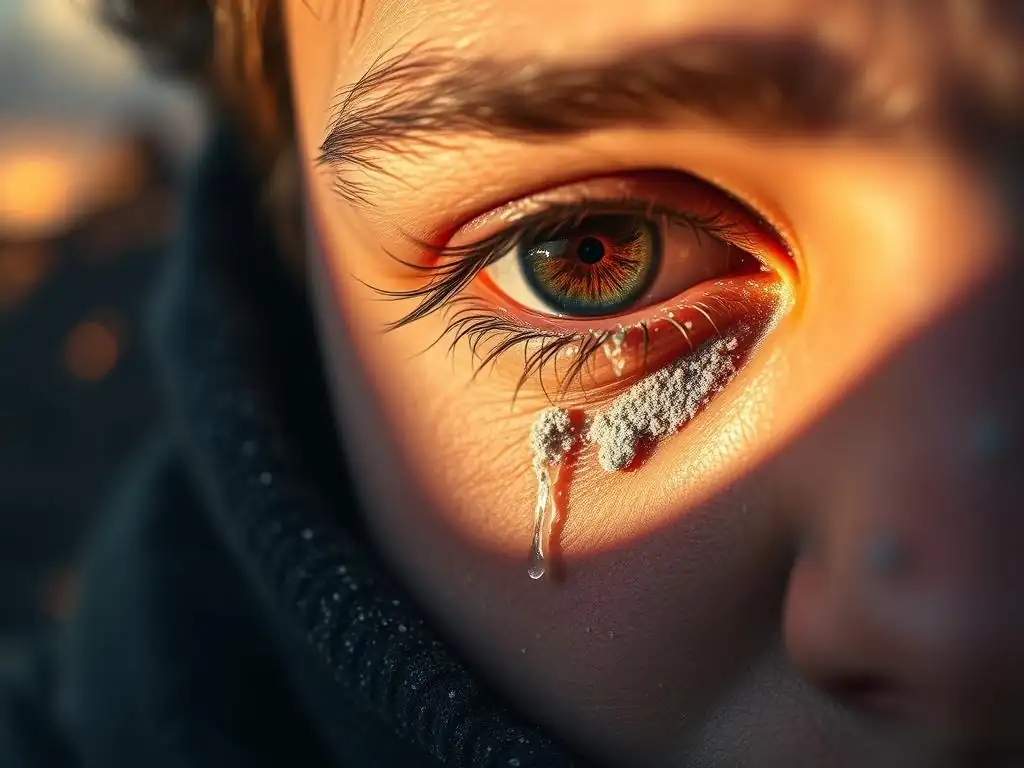
Eye irritation is a very common complaint during and after volcanic ashfall. The fine, abrasive particles of ash can easily enter the eyes, causing a range of uncomfortable symptoms. Redness of the eyes, known as conjunctival injection, is a visible sign of irritation as the blood vessels in the conjunctiva (the clear membrane covering the white part of the eye) become inflamed and dilated. Itching is another frequent symptom, creating a strong urge to rub the eyes, which can worsen the irritation and potentially cause further damage.
Tearing or watery eyes is a natural protective reflex as the eyes attempt to flush out the irritating ash particles. A gritty or sandy sensation in the eyes is also characteristic, as if there is a foreign body present. These symptoms can range from mild to moderate and usually resolve once the ash is removed and further exposure is avoided.
How Volcanic Ash Can Cause Corneal Abrasions
While eye irritation is common, volcanic ash can also cause more serious eye injuries, including corneal abrasions. The cornea, the clear front surface of the eye, is delicate and vulnerable to scratching by the abrasive ash particles. Corneal abrasions occur when the outer layer of the cornea is scraped or scratched. This can happen when ash particles rub against the cornea, especially if the eyes are rubbed vigorously in an attempt to relieve itching. Symptoms of a corneal abrasion are more intense than simple eye irritation and include sharp eye pain, a persistent feeling of something in the eye (foreign body sensation), increased sensitivity to light (photophobia), blurred vision, and excessive tearing. Corneal abrasions can be quite painful and, if left untreated, can increase the risk of infection. Therefore, it's crucial to avoid rubbing the eyes during ashfall and to seek medical attention if symptoms of a corneal abrasion develop.
Skin Irritation and Allergic Reactions
Recognizing Skin Rashes and Itching from Ash Exposure
Skin irritation is another common dermatological effect of volcanic ash exposure. The abrasive nature of ash particles can directly irritate the skin, leading to skin rashes and itching. Rashes may appear as red, bumpy patches or general redness and inflammation of the skin. These rashes are often described as irritant contact dermatitis, caused by direct physical irritation.
Itching, or pruritus, is a frequent accompanying symptom, driven by the skin's inflammatory response to the ash. The severity of skin reactions can vary depending on the duration and intensity of ash exposure, as well as individual skin sensitivity. Areas of the skin that are more exposed, such as the face, neck, hands, and arms, are typically more affected.
Volcanic Ash and Pre-existing Skin Conditions: Eczema, Psoriasis
Individuals with pre-existing skin conditions, such as eczema (atopic dermatitis) and psoriasis, are particularly susceptible to exacerbations from volcanic ash exposure. Volcanic ash can act as a trigger or irritant, worsening the symptoms of these conditions. For people with eczema, ash can exacerbate skin dryness, itching, and inflammation, leading to flare-ups characterized by increased redness, scaling, and weeping of the skin.
Similarly, in individuals with psoriasis, ash exposure can trigger psoriatic plaques to become more inflamed, itchy, and scaly. The irritant and potentially drying effects of ash can disrupt the skin barrier, making it more vulnerable to inflammation and exacerbating underlying skin conditions. People with eczema or psoriasis should take extra precautions during ashfall to minimize skin exposure and to diligently manage their skin conditions, potentially requiring increased use of their usual topical medications or seeking advice from a dermatologist.
Nausea, Vomiting, and Stomach Pain After Ashfall
While respiratory, eye, and skin issues are the most direct health effects of volcanic ash, gastrointestinal problems can also occur, primarily due to the unintentional ingestion of ash. Nausea, the feeling of wanting to vomit, is a common gastrointestinal symptom. Vomiting itself may occur as the body attempts to expel ingested irritants.
Stomach pain or abdominal discomfort can also result from the irritation of the digestive tract lining by ash particles. Ingestion can happen through various routes: by swallowing ash that has been coughed up from the lungs, by consuming food or drinks contaminated with ash, or by direct hand-to-mouth contact after touching ash-covered surfaces.
While the gastrointestinal effects are generally less severe and less frequent than respiratory or eye symptoms, they can still be unpleasant and contribute to overall discomfort during and after ashfall events. Practicing good hygiene, such as thorough handwashing and ensuring food and water are protected from ash contamination, can help minimize the risk of gastrointestinal issues.
Differentiating Mild Symptoms from Severe Symptoms Requiring First Aid

Mild Volcanic Ash Symptoms: Self-Care Strategies
Home Remedies for Coughing, Eye Irritation, and Skin Rashes
For mild volcanic ash symptoms, self-care strategies and home remedies can often provide relief. For coughing, staying hydrated by drinking plenty of water helps to thin mucus and soothe the throat. Warm liquids like herbal tea with honey can also be beneficial. Avoiding irritants like smoke and dust is important to prevent further airway irritation.
For eye irritation, rinsing the eyes with clean water or sterile saline solution is crucial to flush out ash particles. Using artificial tears can help to lubricate and soothe dry, irritated eyes. Avoid rubbing the eyes, as this can worsen irritation and potentially cause corneal abrasions.
For skin rashes and itching, gently washing the affected skin with mild soap and water is recommended to remove ash particles. Applying a bland, emollient moisturizer can help to soothe and hydrate irritated skin. Over-the-counter hydrocortisone cream can be used for more significant itching and inflammation, applied sparingly as directed.
Importance of Hydration and Rest After Ash Exposure
Hydration and rest are crucial components of self-care after volcanic ash exposure, regardless of the severity of symptoms. Staying well-hydrated helps to thin mucus in the respiratory system, making it easier to cough up and clear airways. Adequate fluid intake also supports overall bodily functions and helps the body recover from the stress of ash exposure. Rest is equally important, as it allows the body to focus on healing and recovery.
Exposure to ash can be physically and mentally taxing, and sufficient rest helps to reduce fatigue and bolster the immune system. Aim for adequate sleep and avoid strenuous activities during and after ashfall. Combining hydration and rest significantly aids in the body's natural recovery processes and helps to alleviate mild volcanic ash symptoms more effectively.
Severe Volcanic Ash Symptoms: When to Seek Immediate Medical Attention
Signs of Severe Respiratory Distress: Gasping, Cyanosis
It is critical to recognize the signs of severe respiratory distress that warrant immediate medical attention after volcanic ash exposure. Gasping for breath, or air hunger, is a serious symptom indicating significant difficulty breathing. Cyanosis, a bluish discoloration of the lips, tongue, and fingernails, is a critical sign of low blood oxygen levels and requires urgent medical intervention.
Other severe respiratory symptoms include rapid, shallow breathing; severe wheezing that is not relieved by usual asthma medications; inability to speak in full sentences due to shortness of breath; and significant chest pain or tightness. These symptoms suggest a serious compromise in respiratory function and may indicate conditions like severe bronchospasm, acute respiratory distress syndrome (ARDS), or worsening of underlying respiratory illnesses. Immediate medical evaluation and treatment are essential to manage severe respiratory distress and prevent life-threatening complications.
Symptoms of Severe Eye Injury: Vision Changes, Intense Pain
Severe eye injuries from volcanic ash, while less frequent than mild irritation, require prompt medical attention. Vision changes, such as blurred vision, double vision, or decreased vision, are concerning symptoms that could indicate corneal damage or other serious eye problems. Intense eye pain that is not relieved by rinsing or over-the-counter pain relievers is also a red flag.
Other signs of severe eye injury include persistent redness, swelling around the eye, discharge from the eye (especially if it is thick or discolored), and extreme sensitivity to light (photophobia). These symptoms may indicate corneal abrasions, corneal ulcers, or other more severe ocular injuries that require professional ophthalmic evaluation and treatment. Delaying care for severe eye injuries can potentially lead to vision impairment or other long-term complications.
When to Call Emergency Services After Volcanic Ash Exposure
Knowing when to call emergency services (like 911 or your local emergency number) after volcanic ash exposure is vital. Call emergency services immediately if someone is experiencing any of the following: severe respiratory distress, including gasping for breath or cyanosis; loss of consciousness or altered mental status; severe chest pain; signs of a heart attack (chest pain radiating to the arm, jaw, or back, sweating, nausea); severe allergic reaction (anaphylaxis) with symptoms like swelling of the face, lips, or tongue, difficulty breathing, or hives; or severe eye injury with significant vision changes or intense pain.
In these situations, the person's condition is life-threatening or poses a serious risk of permanent harm, and rapid emergency medical response is crucial.
Do not hesitate to call for help if you are unsure about the severity of the situation; it is always better to err on the side of caution and seek professional medical assessment.
First Aid Measures for Volcanic Ash Exposure: A Step-by-Step Guide
First Aid for Respiratory Issues: Assisting Breathing
How to Use an Inhaler During Volcanic Ashfall (Albuterol Inhaler Instructions)
For individuals with asthma or other respiratory conditions who use inhalers, knowing how to properly use them during volcanic ashfall is crucial. If experiencing respiratory symptoms like wheezing or shortness of breath, follow these steps for using a standard metered-dose inhaler (like Albuterol):
- Stay calm and sit upright. Panic can worsen shortness of breath.
- Remove the cap from the inhaler and spacer (if using one).
- Shake the inhaler well for 5-10 seconds.
- Attach the spacer to the inhaler (if using). A spacer makes it easier to get the medication deep into the lungs.
- Breathe out fully, expelling as much air as possible.
- Place the mouthpiece of the inhaler or spacer into your mouth, forming a tight seal with your lips.
- Start to breathe in slowly and deeply through your mouth.
- Press down on the inhaler canister once to release a puff of medication as you continue to inhale slowly and deeply.
- Hold your breath for 10 seconds (or as long as comfortable) to allow the medication to reach deep into your lungs.
- Breathe out slowly.
- Wait about 30-60 seconds before taking another puff, if prescribed.
- Rinse your mouth out with water after use to prevent thrush (a yeast infection in the mouth), especially if using a corticosteroid inhaler.
If symptoms do not improve or worsen after using your inhaler as prescribed, seek medical attention promptly.
Positioning and Comfort Techniques for Respiratory Distress
In addition to inhaler use, certain positioning and comfort techniques can help alleviate respiratory distress during volcanic ashfall. Sitting upright is generally the most helpful position, as it allows for maximum lung expansion. Leaning slightly forward while sitting can further ease breathing. If sitting upright is difficult, try propping pillows behind the back to elevate the upper body.
Avoid lying flat, as this can make breathing more labored. Encourage slow, deep breaths. Pursed-lip breathing, where you inhale through your nose and exhale slowly through pursed lips (as if blowing out candles), can help to control breathing and reduce shortness of breath.
Creating a calm and reassuring environment is also important, as anxiety can worsen respiratory symptoms. Loosen any tight clothing around the neck and chest to facilitate easier breathing. If possible, move to an area with cleaner air, away from heavy ashfall, even if it's just inside a building with closed windows and doors.
First Aid for Eye Irritation: Rinsing and Protection
Proper Eye Rinsing Techniques to Remove Volcanic Ash
Proper eye rinsing is crucial for removing volcanic ash and alleviating eye irritation. Use clean, cool water or sterile saline solution for rinsing. Avoid using tap water if it is not known to be safe and clean.
- Wash your hands thoroughly before touching your eyes.
- Tilt your head back and to the side of the affected eye.
- Gently pull down your lower eyelid to create a pouch.
- Pour a steady stream of clean water or saline solution into the pouch of the lower eyelid, allowing it to flow across the surface of the eye and wash out any ash particles. You can use a clean cup, a bottle, or an eye dropper.
- Continue rinsing for at least 10-15 minutes, ensuring you flush thoroughly under both the upper and lower eyelids. You can also gently lift the upper eyelid to rinse underneath it.
- Blink frequently during rinsing to help dislodge particles.
- Avoid rubbing your eyes during and after rinsing, as this can scratch the cornea.
- If both eyes are affected, rinse each eye separately, using fresh water or saline solution for each.
If irritation persists or worsens after rinsing, or if you suspect a corneal abrasion, seek medical advice.
Protecting Eyes from Further Ash Exposure: Goggles and Face Shields
Protecting your eyes from further volcanic ash exposure is essential to prevent ongoing irritation and potential injury. Wearing protective eyewear is highly recommended during ashfall. Goggles that seal around the eyes provide the best protection, preventing ash particles from entering from any direction. Safety goggles, ski goggles, or even swimming goggles can be used.
If goggles are not available, a face shield can offer some protection, although it may not seal as tightly as goggles. Avoid wearing contact lenses during ashfall, as ash particles can get trapped underneath them and cause significant irritation and potential corneal damage. If you wear contact lenses and are caught in ashfall, remove them as soon as possible with clean hands and rinse your eyes thoroughly. Even with protective eyewear, it's still advisable to minimize outdoor activities during heavy ashfall to reduce overall exposure and eye irritation.
First Aid for Skin Irritation: Cleansing and Moisturizing
Gentle Cleansing Methods to Remove Ash from Skin
Gentle cleansing is key to removing volcanic ash from the skin without causing further irritation. Avoid harsh scrubbing or using abrasive cleansers, as these can worsen skin irritation.
- Use lukewarm water for washing. Hot water can dry out the skin and exacerbate irritation.
- Use a mild, fragrance-free soap or cleanser. Avoid soaps with harsh chemicals, dyes, or perfumes, which can irritate sensitive skin. Baby soap or gentle facial cleansers are good options.
- Gently lather the soap and apply it to the ash-exposed skin.
- Rinse thoroughly with lukewarm water, ensuring all soap and ash particles are removed.
- Pat the skin dry with a soft towel. Avoid rubbing vigorously, as this can further irritate the skin.
For areas with heavy ash accumulation, you may need to repeat the cleansing process gently. For dry skin, consider using an emollient cleanser that is also moisturizing.
Soothing Irritated Skin with Moisturizers and Creams
After cleansing, applying a moisturizer is crucial to soothe irritated skin and restore its natural barrier function. Choose a bland, fragrance-free, and hypoallergenic moisturizer. Emollient creams and ointments are generally more effective than lotions for very dry or irritated skin, as they contain more oil and provide a better barrier.
- Apply moisturizer liberally to the cleansed, dry skin.
- Gently massage the moisturizer into the skin until it is absorbed.
- Reapply moisturizer frequently throughout the day, especially after washing your hands or if the skin feels dry or itchy.
- For more significant itching and inflammation, consider using an over-the-counter hydrocortisone cream (0.5% or 1%) sparingly, as directed on the packaging. Apply a thin layer to the affected areas, but avoid prolonged use without consulting a doctor.
- Avoid scratching itchy skin, as this can break the skin and increase the risk of infection. Keep fingernails short and consider wearing loose, breathable clothing to minimize further skin irritation.
Preventing Volcanic Ash Exposure: Minimizing Health Risks
Staying Informed: Monitoring Volcanic Activity and Ashfall Forecasts
Staying informed about volcanic activity and ashfall forecasts is the first line of defense in preventing volcanic ash exposure. Reliable sources of information include official volcano observatories (like the USGS Volcano Hazards Program in the United States, or local volcano monitoring agencies in other countries), meteorological agencies, and emergency management organizations. Monitor these sources regularly, especially if you live in or are traveling to a volcanically active region. Pay attention to volcano alert levels, which indicate the current state of volcanic activity and potential hazards.
Ashfall forecasts, when available, can provide valuable information about the expected direction and extent of ash plumes, allowing you to take preemptive measures. Utilize official websites, social media channels, and mobile apps from these agencies to receive timely updates and warnings. Having a reliable method for receiving alerts, such as a weather radio or emergency alert system, is also recommended.
Preparing for Ashfall: Creating a Volcanic Ash Emergency Kit (N95 Masks, Bottled Water, First Aid Kit)
Preparing a volcanic ash emergency kit is essential for minimizing health risks and managing ashfall events effectively. A well-stocked kit should include:
- N95 or P100 respirators/masks: These are crucial for filtering out fine ash particles and protecting your respiratory system. Include enough masks for each member of your household, and consider having extra for visitors. Ensure they are properly fitted.
- Goggles or protective eyewear: To shield your eyes from ash irritation and potential injury.
- Bottled water: Ashfall can contaminate water sources, so having a supply of bottled water is vital for drinking and hygiene. Aim for at least 3 liters per person per day for drinking, plus extra for washing.
- Food: Non-perishable food items that require minimal preparation (canned goods, energy bars, dried fruits, etc.) in case cooking is difficult or water is limited.
- First aid kit: Include basic first aid supplies like bandages, antiseptic wipes, pain relievers, eye wash solution, and any personal medications.
- Flashlight and batteries: Power outages can occur during volcanic eruptions.
- Battery-powered radio: To receive updates and emergency broadcasts if power and internet are disrupted.
- Dust cloths or plastic sheeting and duct tape: To seal windows and doors and prevent ash infiltration into your home.
- Basic tools: Shovel, broom, and dustpan for ash removal.
- Cash: ATMs and electronic payment systems may not function during emergencies.
- Personal hygiene items: Hand sanitizer, soap, toilet paper.
- Pet supplies: If you have pets, include food, water, and any necessary medications for them.
Store your emergency kit in an easily accessible location and ensure everyone in your household knows where it is and what it contains. Regularly check and replenish supplies, especially food and water, to keep your kit ready for use.
Protective Measures During Ashfall: Staying Indoors and Using Masks
Choosing the Right Mask for Volcanic Ash Protection (N95 vs Surgical Masks)
During volcanic ashfall, taking protective measures is paramount to minimize health risks. Staying indoors is the most effective way to reduce ash exposure. Close all windows and doors, and seal any gaps around them with damp cloths or plastic sheeting and duct tape to prevent ash from entering your home. Stay inside until ashfall has subsided and official advisories indicate it is safe to go outdoors. If you must go outside, wearing a properly fitted mask is essential for respiratory protection.
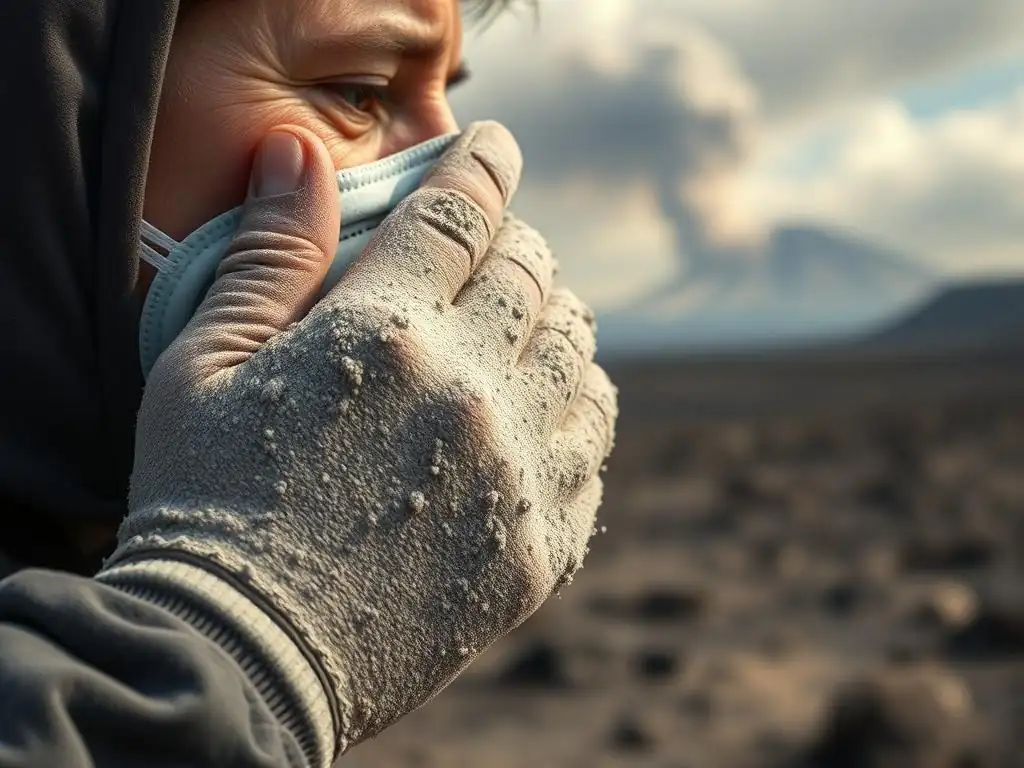
Choosing the right type of mask is crucial for effective volcanic ash protection. N95 respirators are the recommended type of mask for volcanic ash. N95 masks are designed to filter out at least 95% of airborne particles, including the fine particles in volcanic ash.
They provide a much better seal around the face compared to surgical masks, which are primarily designed to protect others from the wearer's respiratory droplets, not to protect the wearer from inhaling small particles. Surgical masks offer minimal protection against volcanic ash and should not be relied upon for respiratory protection during ashfall. Ensure that your N95 mask is NIOSH-certified (National Institute for Occupational Safety and Health) and that it fits properly, forming a tight seal around your nose and mouth.
Follow the manufacturer's instructions for proper donning and doffing of the mask. For individuals with facial hair, achieving a proper seal with an N95 mask can be challenging; in such cases, a P100 respirator may be considered, which offers even higher filtration and may be more effective with facial hair, but proper fit is still critical.
Sealing Windows and Doors to Prevent Ash Infiltration
Sealing windows and doors is a critical step in preventing volcanic ash infiltration into your home or building, creating a safer indoor environment during ashfall. Before ashfall begins, or as soon as warnings are issued, take the following steps:
- Close all windows and doors tightly. Ensure they are properly latched.
- Use damp cloths or towels to seal gaps around window frames and door frames. Stuff the damp cloths into cracks and crevices to block ash entry.
- Apply plastic sheeting over windows and doors for added protection. Secure the plastic sheeting around the edges with duct tape, ensuring a complete seal. Heavy-duty plastic garbage bags can be used if plastic sheeting is not available.
- Seal any other openings that could allow ash to enter, such as vents, chimneys, and pet doors. Cover vents with plastic and tape. For chimneys, temporarily seal the flue if it is safe to do so and you are not using a fireplace or wood stove.
- Consider using duct tape to seal the edges of windows and doors, even if they appear to be closed tightly, to further minimize air leaks and ash entry.
- If you have air conditioning or ventilation systems, set them to recirculate indoor air and close outdoor air intakes to prevent drawing ash into the building. If possible, turn off ventilation systems entirely during heavy ashfall.
Regularly check and maintain the seals around windows and doors throughout the ashfall event, and re-seal if necessary. Creating a well-sealed indoor space significantly reduces ash exposure and helps to protect respiratory health.
Long-Term Health Management After Volcanic Ash Exposure
Monitoring for Persistent Respiratory Problems
Even after volcanic ashfall has ceased, it is essential to monitor for persistent respiratory problems. While many people experience only short-term symptoms, some may develop ongoing respiratory issues that require medical attention. Pay attention to symptoms such as persistent cough that lasts for weeks or months, chronic wheezing, ongoing shortness of breath, chest tightness, and recurrent respiratory infections.
These symptoms could indicate the development or worsening of chronic respiratory conditions like bronchitis, asthma, or other lung diseases. If you experience any of these persistent respiratory symptoms after volcanic ash exposure, it is important to seek medical evaluation and follow-up with a healthcare professional. Early diagnosis and management of any long-term respiratory problems can help to prevent progression and improve long-term respiratory health.
Regular Check-ups with a Healthcare Professional
Regular check-ups with a healthcare professional are advisable, especially for individuals who have been significantly exposed to volcanic ash or who have pre-existing respiratory conditions. Routine check-ups can help to monitor lung function, identify any developing respiratory problems early, and ensure appropriate management of any existing conditions. Inform your healthcare provider about your volcanic ash exposure history, especially if you are experiencing any respiratory symptoms.
Regular check-ups may include a physical examination, lung function tests (spirometry), chest X-rays, or other tests as deemed necessary by your doctor. These check-ups are particularly important for vulnerable populations, such as children, the elderly, and those with pre-existing respiratory or cardiovascular conditions. Proactive health monitoring and regular medical follow-up are key to long-term health management after volcanic ash exposure.
Resources for People Affected by Volcanic Ash (Local Health Departments, American Lung Association)
Numerous resources are available to support people affected by volcanic ash, providing information, assistance, and healthcare guidance. Local health departments are valuable resources for public health information related to volcanic ash, including health advisories, safety guidelines, and local support services. Contact your local health department for information specific to your area and for guidance on managing health issues related to volcanic ash.
The American Lung Association (in the United States) and similar lung health organizations in other countries offer comprehensive information on respiratory health, including the effects of air pollution and volcanic ash. Their websites and helplines provide educational materials, support programs, and resources for individuals with lung conditions.
Additionally, community organizations, disaster relief agencies (like the Red Cross), and volunteer groups often provide assistance to communities affected by volcanic eruptions and ashfall, offering support with resources, shelter, and healthcare access. Utilizing these resources can help individuals and communities effectively manage the health impacts of volcanic ash and access necessary support and information.
Frequently Asked Questions
What are the most common health symptoms associated with volcanic ash exposure?
The most common symptoms include respiratory irritation like coughing and shortness of breath, eye irritation causing redness and discomfort, and skin irritation leading to itching and rashes.
How does volcanic ash affect individuals with pre-existing respiratory conditions?
Volcanic ash can significantly worsen pre-existing conditions like asthma and bronchitis. It is crucial for these individuals to take extra precautions and avoid exposure as much as possible.
What first aid measures can be taken for eye irritation caused by volcanic ash?
Immediately flush the eyes with clean water for at least 15 minutes. Avoid rubbing the eyes, as this can cause further damage. Seek medical attention if symptoms persist or worsen.
Besides respiratory and eye problems, what other less common health issues can volcanic ash cause?
Less common issues include skin abrasion from the abrasive nature of the ash, gastrointestinal problems if ingested, and potential mental health impacts due to stress and displacement.
When is it necessary to seek professional medical attention after volcanic ash exposure?
Seek immediate medical attention if you experience severe breathing difficulties, chest pain, or any other alarming symptoms. Even with mild symptoms, consult a doctor if they don't improve within a few days.
Final Reflection: Breathing Easier After the Ash
The pervasive threat of volcanic ash, often underestimated, is now undeniably relevant in a world increasingly susceptible to natural disasters. Understanding the potential health symptoms and knowing when to seek first aid is no longer just academic knowledge, but a crucial survival skill. This article has aimed to demystify those symptoms, empowering individuals to protect themselves and their loved ones in the face of volcanic eruptions.
The impact of volcanic ash extends far beyond immediate respiratory distress. It touches upon our fundamental right to breathe clean air and highlights the vulnerability of communities living near active volcanoes. The knowledge shared here is intended to foster resilience and preparedness, transforming fear into informed action. The best preparation for tomorrow is doing your best today.
- H. Jackson Brown, Jr. This quote underscores the importance of proactive learning and preparation, especially when facing unpredictable natural events.
Now, armed with this knowledge, take a moment to consider your own preparedness. Are you aware of the volcanic risks in your region? Do you have a plan in place to protect yourself and your family from volcanic ash? Let this article be a catalyst for action. Share this information, prepare your emergency kit, and empower your community to breathe easier, even in the shadow of a volcano.
Uncover Your Inner Volcanic Survivor!
Thank you for exploring the world of volcanic ash with Volcano Explorers! We hope this article has armed you with the knowledge to stay safe and informed. Now, it's time to put that knowledge into action.
Here's how you can transform from reader to volcanic ash preparedness pro:
- Prioritize your health: Immediately seek medical attention if you experience persistent respiratory issues, severe eye irritation, or any other alarming symptoms after ash exposure. This is your primary action.
- Share this vital information! Spread the word to your community, friends, and family to ensure everyone knows how to respond safely to volcanic ash.
- Create a personalized ash preparedness kit. Include items like a dust mask, goggles, skin moisturiser, water, and non-perishable food to stay prepared during future eruptions.
What specific action are you inspired to take today to enhance your preparedness for volcanic ash events?