
Volcanic Ash in Your Home: Safe Cleanup and Respiratory Protection


Welcome to Volcano Explorers, where the Earth roars to life! Ever wondered what it takes to safely navigate the aftermath of a volcanic eruption? This isn't just about sweeping up dust; our comprehensive guide, " Volcanic Ash in Your Home: Safe Cleanup and Respiratory Protection," unveils crucial Volcanic Ash Cleanup Safety Tips that could safeguard your health and home. But that's just the beginning... what hidden dangers lurk within that seemingly harmless ash cloud? Discover the secrets and prepare yourself for nature's raw power. Explore further and unlock the knowledge to stay safe and informed.
- Understanding the Dangers of Volcanic Ash Exposure
- Volcanic Ash Cleanup Safety Tips: Protecting Yourself
- Safe Volcanic Ash Cleanup Procedures Inside Your Home
- Volcanic Ash Cleanup Safety Tips: Protecting Your Home
- Respiratory Protection During and After Volcanic Ashfall
- Post-Cleanup Measures and Long-Term Recovery
-
Frequently Asked Questions
- What are the primary health hazards associated with volcanic ash?
- What type of respiratory protection is recommended during volcanic ash cleanup?
- What are the recommended methods for cleaning volcanic ash from indoor surfaces?
- How can I protect my pets from the dangers of volcanic ash?
- What are some important safety precautions to take when cleaning volcanic ash outdoors?
- Final Reflection: Embracing Resilience After the Ash
- Shield Your Home: Take Action After the Ash!
Understanding the Dangers of Volcanic Ash Exposure
What is Volcanic Ash and Why is it Harmful?
Volcanic ash, despite its name, is not the soft, fluffy material you might imagine. It is composed of tiny shards of volcanic glass, minerals, and rock fragments less than 2 millimeters in diameter, created during explosive volcanic eruptions. These particles are incredibly abrasive and can be surprisingly heavy when accumulated in large quantities. The hazard of volcanic ash lies in its physical and chemical properties.
The fine particles can easily become airborne and inhaled deep into the lungs, causing respiratory problems. Furthermore, volcanic ash often contains corrosive volcanic gases like sulfur dioxide and hydrogen halides, which can coat the ash particles and irritate the eyes, skin, and respiratory tract. The abrasive nature of the ash can also scratch surfaces, damage machinery, and contaminate water supplies.
The danger of volcanic ash is not just immediate; it can persist for days, weeks, or even months after an eruption. Wind can redistribute ash deposits, causing ongoing exposure even in areas far from the volcano itself. For example, after the 1980 eruption of Mount St. Helens in Washington State, ash fell as far away as Oklahoma.
More recently, the 2010 eruption of Eyjafjallajökull in Iceland grounded air traffic across Europe due to the potential damage volcanic ash could cause to jet engines, highlighting the widespread impact even seemingly small ash particles can have. Understanding that volcanic ash is a complex and persistent hazard is the first step in implementing effective volcanic ash cleanup safety tips.
Respiratory Problems Caused by Volcanic Ash Inhalation
Inhaling volcanic ash poses significant respiratory risks due to the fine, abrasive nature of the particles. When breathed in, these tiny fragments can penetrate deep into the lungs, irritating the airways and causing inflammation. This irritation can manifest as a range of symptoms, from a scratchy throat and coughing to more severe conditions like bronchitis. Individuals with pre-existing respiratory conditions, such as asthma or chronic obstructive pulmonary disease (COPD), are particularly vulnerable, as volcanic ash can exacerbate their symptoms and trigger asthma attacks or COPD flare-ups.
Studies conducted in areas affected by volcanic ashfall have consistently shown a correlation between ash exposure and respiratory health issues. For instance, research following the 2000 eruption of Popocatépetl volcano in Mexico documented a significant increase in respiratory illnesses among nearby populations. The fine particles, often smaller than 10 micrometers (PM10), are particularly dangerous as they can bypass the body's natural filtration systems in the upper respiratory tract.
Prolonged or heavy exposure to volcanic ash can even lead to a condition called silicosis, a serious and irreversible lung disease caused by the inhalation of crystalline silica, a component often found in volcanic ash. Therefore, implementing proper respiratory protection is paramount in volcanic ash cleanup safety tips to mitigate these health risks.
Other Health Risks Associated with Volcanic Ash Exposure (Eye Irritation, Skin Irritation)
Beyond respiratory problems, volcanic ash exposure presents other health risks, primarily affecting the eyes and skin. The abrasive nature of volcanic ash particles can cause significant eye irritation. Even small amounts of ash entering the eyes can lead to redness, itching, a gritty sensation, and excessive tearing. In more severe cases, corneal abrasions or conjunctivitis (inflammation of the conjunctiva) can occur if eyes are not properly protected. The acidic gases often adsorbed onto ash particles can further exacerbate eye irritation.
Similarly, direct contact with volcanic ash can irritate the skin. The sharp, glass-like fragments can cause skin abrasions and dryness. For individuals with sensitive skin or pre-existing skin conditions like eczema, volcanic ash exposure can trigger allergic reactions or worsen existing irritations.
The combination of abrasive particles and potentially acidic components in the ash can lead to skin rashes, itching, and discomfort. Furthermore, if volcanic ash is mixed with moisture (like sweat), it can form a cement-like substance that further irritates and dries the skin. Therefore, comprehensive volcanic ash cleanup safety tips must include measures to protect both the eyes and skin from direct contact with ash.
Volcanic Ash Cleanup Safety Tips: Protecting Yourself
Essential Protective Gear for Volcanic Ash Removal
When undertaking volcanic ash removal, protecting yourself from the hazards of ash exposure is critical. Essential protective gear forms the foundation of volcanic ash cleanup safety tips. This gear is designed to minimize inhalation, eye, and skin contact with the ash particles. The core components of personal protective equipment (PPE) for volcanic ash cleanup include:
- Respirator Mask: A properly fitted N95 or higher-rated respirator mask is crucial to filter out fine ash particles and prevent them from being inhaled into the lungs. Simple dust masks are generally insufficient for volcanic ash.
- Eye Protection: Goggles or safety glasses with side shields are necessary to protect the eyes from ash irritation and potential injury from flying debris during cleanup. Contact lenses should be avoided as ash particles can get trapped underneath them and cause further irritation.
- Protective Clothing: Wearing long-sleeved shirts, long pants, and closed-toe shoes is essential to minimize skin exposure to volcanic ash. Consider wearing waterproof or water-resistant clothing if the ash is wet or damp.
- Gloves: Durable gloves, such as work gloves or rubber gloves, should be worn to protect hands from skin irritation and abrasions from the ash.
- Head Covering: A hat or scarf can help protect your hair and scalp from ash accumulation.
Having these essential items readily available and using them correctly is paramount for safe volcanic ash cleanup.
Wearing a Proper Respirator Mask (N95 or Higher)
Among the volcanic ash cleanup safety tips, wearing a proper respirator mask is paramount for respiratory protection. An N95 or higher-rated respirator mask is recommended because it is designed to filter out at least 95% of airborne particles, including the fine particles of volcanic ash that pose the greatest respiratory hazard. Simple surgical masks or dust masks are not sufficient for volcanic ash cleanup as they do not provide an adequate seal around the face and are not designed to filter out very fine particles effectively.
To ensure the respirator mask provides optimal protection, it must be properly fitted. A poorly fitted mask allows ash-laden air to leak in around the edges, negating its filtration capabilities. Follow these steps for proper respirator mask use:
- Choose the Right Size: Respirator masks come in different sizes. Select a size that fits snugly but comfortably on your face.
- Position the Mask: Place the mask over your nose and mouth, ensuring the nosepiece is positioned correctly over the bridge of your nose.
- Secure the Straps: Adjust the straps to create a tight seal. For masks with two straps, the top strap typically goes above the ears, and the bottom strap goes below the ears and around the neck.
- Perform a Seal Check: To check the seal, place your hands over the mask and exhale sharply. If you feel air leaking around the edges of the mask, readjust the straps or the mask position until a proper seal is achieved. If you cannot achieve a proper seal, try a different size or style of respirator.
Regularly inspect your respirator mask for damage and replace it if it becomes soiled, damaged, or if breathing becomes difficult. Proper respirator use is a cornerstone of volcanic ash cleanup safety tips.
Protecting Your Eyes: Goggles and Eye Protection
Protecting your eyes is a crucial aspect of volcanic ash cleanup safety tips. Volcanic ash particles are abrasive and can cause significant eye irritation and even injury. Therefore, wearing appropriate eye protection is essential during cleanup activities. Goggles or safety glasses with side shields are recommended over regular eyeglasses or contact lenses.
Why Goggles are Preferred: Goggles provide a tighter seal around the eyes compared to safety glasses, preventing ash particles from entering from the sides or top and bottom. This complete seal is particularly important in environments with high concentrations of airborne ash.
Safety Glasses with Side Shields as an Alternative: If goggles are unavailable, safety glasses with side shields can provide a reasonable level of protection. Side shields help to block ash particles that might otherwise enter from the sides. Ensure that the safety glasses fit snugly and cover the eyes adequately.
Avoiding Contact Lenses: Contact lens wearers should avoid wearing lenses during volcanic ash cleanup. Volcanic ash particles can easily become trapped underneath contact lenses, causing severe irritation, corneal abrasions, and potentially leading to infections. If you wear contact lenses, switch to eyeglasses with side shields or goggles during cleanup activities.
Regardless of the type of eye protection used, ensure it is clean and in good condition before starting cleanup. Clean your eye protection regularly during cleanup if it becomes covered in ash to maintain visibility and continued protection. Prioritizing eye protection is a key element in volcanic ash cleanup safety tips.
Covering Your Skin: Gloves and Protective Clothing
Covering your skin with gloves and protective clothing is an essential component of volcanic ash cleanup safety tips. Direct contact with volcanic ash can cause skin irritation, dryness, and abrasions due to its abrasive nature and potential chemical components. Wearing appropriate clothing and gloves minimizes skin exposure and protects against these potential health issues.
Protective Clothing: To minimize skin exposure, wear long-sleeved shirts and long pants. Choose tightly woven fabrics that provide a good barrier against ash penetration. Consider wearing waterproof or water-resistant clothing, especially if the ash is wet or damp, as this can help prevent ash from sticking to your clothing and skin. Closed-toe shoes or boots are also essential to protect your feet from ash exposure and potential injuries from debris. A hat or scarf should be worn to cover your hair and scalp, preventing ash accumulation in your hair.
Gloves: Wearing gloves is crucial to protect your hands, which are often the most exposed part of the body during cleanup activities. Durable work gloves, such as leather or canvas gloves, are suitable for general ash cleanup. For wet cleanup or handling potentially contaminated materials, rubber or nitrile gloves are recommended as they provide a waterproof barrier. Ensure that the gloves fit properly and cover your wrists to prevent ash from entering.
After cleanup activities, carefully remove your protective clothing outdoors to avoid spreading ash inside your home. Wash your clothes separately from other laundry and shower thoroughly to remove any remaining ash from your skin and hair. Consistent use of protective clothing and gloves is a vital practice within volcanic ash cleanup safety tips.
Safe Volcanic Ash Cleanup Procedures Inside Your Home
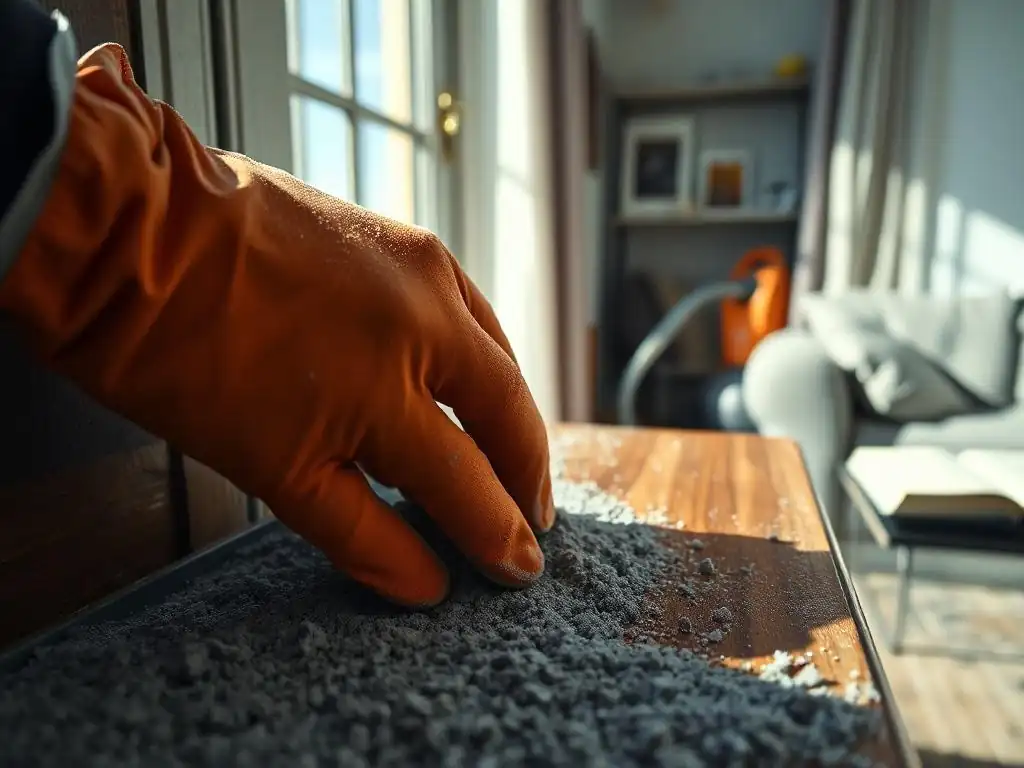
Initial Assessment: Identifying Areas Affected by Volcanic Ash
Before commencing any volcanic ash cleanup inside your home, an initial assessment is crucial. This step, integral to volcanic ash cleanup safety tips, involves identifying the areas most affected by ash intrusion. Volcanic ash can enter homes through various pathways, including open windows and doors, ventilation systems, cracks in walls and foundations, and even through clothing and shoes. A thorough assessment will help you prioritize cleanup efforts and prevent further contamination.
Begin by visually inspecting the interior of your home. Check for visible ash deposits on surfaces such as floors, furniture, countertops, windowsills, and carpets. Pay particular attention to areas near windows and doors, as these are common entry points for ash. Inspect ventilation systems, including air vents and furnace filters, to determine if ash has entered the ductwork. Also, examine areas where gaps or cracks might exist, such as around pipes, electrical outlets, and foundations.
Note the extent of ash accumulation in different areas. Some areas may have only a light dusting, while others might have a significant layer of ash. This assessment will help you determine the level of cleaning required for each area. Documenting the affected areas, perhaps with photographs, can be helpful for planning and tracking your cleanup progress. A careful initial assessment ensures that your volcanic ash cleanup safety tips are applied effectively and efficiently.
Preventing Further Contamination During Cleanup
A key principle in volcanic ash cleanup safety tips is preventing further contamination of your home during the cleanup process. Simply removing ash from one area can inadvertently spread it to other clean areas if precautions are not taken. Implementing strategies to contain and minimize ash dispersal is crucial for effective cleanup.
Containment Strategies:
- Close Off Unaffected Areas: Seal off rooms that are relatively free of ash to prevent contamination from cleanup activities. Use plastic sheeting and painter's tape to seal doorways and vents leading to clean rooms.
- Ventilation Control: While ventilation is important for air quality, avoid creating strong drafts that can stir up ash and redistribute it. If using fans, position them to exhaust air outwards, away from clean areas.
- Minimize Dust Disturbance: Work methodically and gently to avoid stirring up ash into the air. Use gentle sweeping or vacuuming motions rather than vigorous actions that can create dust clouds.
- Dampen Ash: Lightly dampening ash before sweeping or vacuuming can help to reduce dust generation. Use a fine mist sprayer to dampen surfaces, but avoid over-wetting, which can create a muddy mess.
- Designated Cleanup Zones: Establish designated cleanup zones and transition areas. Use doormats or sticky mats at entrances to cleanup areas to trap ash from shoes. Change protective clothing and footwear between cleanup zones and clean areas to minimize cross-contamination.
By implementing these preventative measures, you can significantly reduce the spread of volcanic ash within your home and make the cleanup process more efficient and effective, adhering to important volcanic ash cleanup safety tips.
Safe Removal of Volcanic Ash from Surfaces
Safe removal of volcanic ash from surfaces is a core element of volcanic ash cleanup safety tips. The abrasive nature of ash necessitates gentle yet effective cleaning methods to avoid damaging surfaces while ensuring thorough removal. Both dry and wet cleaning methods are applicable, depending on the surface type and extent of ash accumulation.
General Principles for Safe Removal:
- Start from Top to Bottom: Begin cleaning from ceilings and walls, working your way down to floors. This prevents re-soiling already cleaned lower surfaces.
- Gentle Cleaning Actions: Avoid harsh scrubbing or aggressive cleaning, which can scratch delicate surfaces like painted walls, furniture finishes, and glass.
- Regularly Clean Tools: Clean your cleaning tools, such as vacuum cleaner attachments, brushes, and cloths, frequently to prevent them from becoming saturated with ash and less effective.
- Ventilation: Ensure adequate ventilation during cleaning to disperse any airborne ash particles that are inevitably generated, even with careful techniques.
The following subsections detail specific techniques for vacuuming and wet cleaning, both crucial components of safe volcanic ash removal as part of comprehensive volcanic ash cleanup safety tips.
Vacuuming Techniques for Volcanic Ash
Vacuuming is a primary method for removing volcanic ash from many surfaces inside your home, and employing proper vacuuming techniques is a key aspect of volcanic ash cleanup safety tips. However, standard household vacuums may not be suitable for fine volcanic ash, as the particles can clog filters and even damage the motor. Using a vacuum with a HEPA (High-Efficiency Particulate Air) filter is highly recommended, as HEPA filters are designed to trap very fine particles, including volcanic ash.
Recommended Vacuum Type:
- HEPA Filter Vacuum: A vacuum equipped with a HEPA filter is essential for effective and safe volcanic ash removal. HEPA filters capture at least 99.97% of particles 0.3 microns in size, preventing ash particles from being recirculated back into the air during vacuuming. Canister vacuums or shop vacuums with HEPA filters are often preferred for their power and capacity.
Vacuuming Techniques:
- Low Suction Setting: Start with a low suction setting to prevent stirring up excessive dust. Increase suction gradually as needed.
- Slow and Deliberate Movements: Move the vacuum nozzle slowly and deliberately over surfaces to allow the vacuum to effectively pick up the ash. Avoid rushing, which can leave ash behind.
- Use Appropriate Attachments: Use brush attachments for upholstery, curtains, and delicate surfaces. Use crevice tools for corners and hard-to-reach areas. For carpets and rugs, use a beater bar attachment with caution, as it might stir up more dust initially.
- Empty Vacuum Bag/Canister Frequently: Volcanic ash is dense, and vacuum bags or canisters can fill up quickly. Empty them frequently to maintain vacuum efficiency and prevent overfilling. Dispose of vacuum bags or canister contents properly (see section on disposal).
- Clean Vacuum Filters Regularly: Clean or replace vacuum filters according to the manufacturer's instructions. Clogged filters reduce vacuum efficiency and can lead to motor overheating.
By using a HEPA filter vacuum and employing proper vacuuming techniques, you can effectively remove volcanic ash while minimizing dust dispersal, adhering to important volcanic ash cleanup safety tips.
Wet Cleaning Methods for Volcanic Ash Removal
Wet cleaning methods are essential for removing volcanic ash from many surfaces and are a crucial part of volcanic ash cleanup safety tips, especially for surfaces that cannot be effectively vacuumed or for removing residual ash after vacuuming. Wet cleaning helps to trap ash particles and prevent them from becoming airborne during cleanup. However, it's important to use wet cleaning methods correctly to avoid damaging surfaces and creating muddy messes.
Recommended Wet Cleaning Techniques:
- Damp Mopping Hard Floors: For hard floors like tile, linoleum, or wood, damp mopping is effective. Use a damp mop and clean water. Avoid over-wetting the mop, as excess water can spread ash and potentially damage some flooring materials. Change the mop water frequently to prevent re-depositing ash.
- Wiping Surfaces with Damp Cloths: For furniture, countertops, walls, and other surfaces, use damp cloths or sponges to wipe away ash. Use clean water and a mild detergent if necessary. Wring out cloths thoroughly to avoid dripping and over-wetting. Rinse cloths frequently in clean water.
- Damp Dusting: For delicate surfaces or areas with light ash accumulation, damp dusting can be effective. Use a lightly dampened cloth to gently wipe surfaces. The dampness traps ash particles and prevents them from becoming airborne.
- Avoid Power Washing Indoors: Power washing is not recommended for indoor volcanic ash cleanup as it can spread ash, damage surfaces, and introduce excessive moisture.
Important Considerations for Wet Cleaning:
- Surface Compatibility: Test wet cleaning methods on an inconspicuous area first to ensure they do not damage the surface. Some materials may be sensitive to water or certain detergents.
- Water Temperature: Use cool or lukewarm water for cleaning. Hot water can sometimes set stains or damage certain materials.
- Drying Surfaces: After wet cleaning, allow surfaces to air dry thoroughly. Ensure good ventilation to facilitate drying and prevent moisture buildup.
Employing appropriate wet cleaning methods, alongside vacuuming, is essential for comprehensive volcanic ash cleanup and adhering to volcanic ash cleanup safety tips.
Disposing of Volcanic Ash Properly
Proper disposal of volcanic ash is a critical, often overlooked, aspect of volcanic ash cleanup safety tips. Volcanic ash is not ordinary household waste and should be disposed of in a way that minimizes environmental impact and prevents re-exposure. Improper disposal can lead to ash being redistributed by wind or water, causing ongoing problems.
Recommended Disposal Methods:
- Bagging and Sealing: Collect vacuum bags, dust cloths, and damp cloths used for ash cleanup in sturdy plastic bags. Seal the bags tightly to prevent ash from escaping during disposal. Double-bagging may be advisable for added security.
- Designated Ash Disposal Sites: In areas heavily impacted by volcanic ashfall, local authorities may establish designated ash disposal sites. Check with your local emergency management agency or waste disposal services to determine if such sites are available and follow their guidelines for ash disposal.
- Landfill Disposal (If Permitted): If designated sites are not available, volcanic ash can often be disposed of in a municipal landfill. However, check with your local waste management authority to confirm if they accept volcanic ash and if there are any specific requirements for bagging or labeling.
- Avoid Composting or Yard Waste Bins: Do not dispose of volcanic ash in compost bins or yard waste collection, as it is not biodegradable and can contaminate compost.
- Prevent Water Runoff: When disposing of bagged ash outdoors, choose a location where rainwater runoff will not carry ash into storm drains, waterways, or gardens.
Handling Ash During Disposal:
- Continue Using Protective Gear: Wear a respirator mask and gloves when handling bags of volcanic ash for disposal to avoid inhaling or coming into contact with any escaping ash.
- Avoid Creating Dust: Handle bags of ash gently to minimize dust generation during transport and disposal.
Proper volcanic ash disposal prevents secondary exposure and environmental contamination, making it a vital component of comprehensive volcanic ash cleanup safety tips.
Volcanic Ash Cleanup Safety Tips: Protecting Your Home
Preventing Volcanic Ash from Entering Your Home
Preventing volcanic ash from entering your home in the first place is the most effective strategy for minimizing cleanup efforts and protecting your indoor environment. Proactive measures, as part of volcanic ash cleanup safety tips, taken before, during, and immediately after ashfall can significantly reduce indoor contamination.
Pre-Ashfall Preparations:
- Seal Windows and Doors: Before ashfall is anticipated, seal windows and doors to minimize air leaks. Use weather stripping, caulk, or tape to seal gaps and cracks.
- Cover Ventilation Openings: Cover ventilation openings such as air vents, chimneys, and dryer vents with plastic sheeting and tape to prevent ash entry through these pathways.
- Close Windows and Doors: Keep windows and doors closed during ashfall events. Minimize opening doors and windows to the outside.
During Ashfall Actions:
- Stay Indoors: Remain indoors as much as possible during heavy ashfall to minimize exposure and prevent tracking ash into your home.
- Limit Door and Window Openings: Minimize opening doors and windows to only when absolutely necessary and for the shortest possible time.
- Remove Shoes at the Door: Establish a designated entryway where shoes are removed to prevent tracking ash throughout the house. Use doormats to trap ash.
Post-Ashfall Actions (Ongoing Prevention):
- Continue Sealing: Maintain seals on windows, doors, and ventilation openings even after the initial ashfall event, as wind can redistribute ash for days or weeks.
- Regularly Clean Entryways: Regularly clean entryways and doormats to remove accumulated ash and prevent it from being tracked further into the home.
By taking these preventative steps, you can significantly reduce the amount of volcanic ash that enters your home, making cleanup easier and protecting your indoor air quality, in line with proactive volcanic ash cleanup safety tips.
Sealing Windows and Doors Against Ash Intrusion
Effectively sealing windows and doors is a crucial step in preventing volcanic ash intrusion and is a key element of proactive volcanic ash cleanup safety tips. Gaps and cracks around windows and doors are common entry points for fine ash particles. Proper sealing can significantly reduce the amount of ash that enters your home, minimizing cleanup needs and protecting indoor air quality.
Sealing Materials and Methods:
- Weather Stripping: Apply weather stripping around window and door frames to seal gaps and create a tighter seal. Weather stripping is available in various materials like foam, felt, or rubber and is relatively easy to install.
- Caulk: Use caulk to seal cracks and gaps around window and door frames, especially in corners and where frames meet walls. Choose a flexible caulk suitable for exterior use.
- Tape: For temporary sealing, use painter's tape or duct tape to cover gaps and cracks around windows and doors. Tape is useful for quickly sealing areas before or during ashfall.
- Plastic Sheeting: In severe ashfall situations, consider covering windows and doors with plastic sheeting and taping the edges securely to create an additional barrier against ash intrusion.
Application Techniques:
- Clean Surfaces: Before applying weather stripping, caulk, or tape, clean window and door frames to remove dirt and debris. This ensures proper adhesion of sealing materials.
- Identify Gaps and Cracks: Carefully inspect windows and doors to identify all gaps and cracks that need sealing. Pay attention to areas around frames, hinges, and door thresholds.
- Apply Sealing Materials Carefully: Apply weather stripping, caulk, or tape evenly and ensure a continuous seal along the entire perimeter of windows and doors. Press firmly to ensure good adhesion.
- Regular Inspection and Maintenance: Periodically inspect seals for damage or wear and tear. Replace or repair sealing materials as needed to maintain their effectiveness.
By diligently sealing windows and doors, you create a significant barrier against volcanic ash intrusion, making your home more ash-resistant and simplifying volcanic ash cleanup efforts.
Protecting Ventilation Systems from Ash
Protecting ventilation systems from volcanic ash is vital to prevent ash from entering your home through these pathways and to protect your HVAC equipment from damage. Ventilation systems, including air vents, furnaces, air conditioners, and chimneys, can draw in significant amounts of ash if not properly protected. These preventative measures are critical volcanic ash cleanup safety tips, as they minimize indoor contamination and potential equipment damage.
Protection Strategies:
- Close and Seal Air Vents: Before and during ashfall, close all outside air vents in your home. Seal them with plastic sheeting and tape to prevent ash entry into ductwork.
- Recirculate Indoor Air: Set your HVAC system to recirculate indoor air only during ashfall events. This prevents the system from drawing in outside air laden with ash.
- Turn Off HVAC Systems (Heavy Ashfall): In cases of heavy ashfall, consider turning off your HVAC system completely to prevent excessive ash from being drawn into the system and potentially damaging components.
- Protect Air Conditioner Units: Cover outdoor air conditioning units with tarps or plastic sheeting to protect them from ash accumulation. Secure the covers to prevent them from being blown away by wind.
- Chimney Protection: If you have a chimney, ensure the flue is closed. Consider covering the chimney opening with a plastic bag or tarp if possible to prevent ash from entering down the chimney.
- Furnace Filter Protection: If your furnace is used during ashfall, replace the standard air filter with a high-efficiency filter (e.g., MERV 11 or higher) to better trap fine ash particles. Change filters frequently during and after ashfall events as they will become clogged more quickly.
Post-Ashfall System Maintenance:
- Inspect and Clean Ductwork: After ashfall, have your HVAC ductwork professionally inspected and cleaned to remove any ash that may have entered the system. Ash accumulation in ducts can reduce system efficiency and recirculate ash dust throughout your home.
- Clean or Replace Filters Again: Replace HVAC filters again after ashfall cleanup to ensure optimal air filtration.
- Professional HVAC Check: Consider having your HVAC system professionally checked after a significant ashfall event to ensure it is functioning correctly and has not been damaged by ash intrusion.
Protecting ventilation systems is a proactive and essential part of volcanic ash cleanup safety tips, safeguarding both your home's air quality and your HVAC equipment.
Cleaning Gutters and Downspouts After Ashfall
Cleaning gutters and downspouts after volcanic ashfall is an important maintenance task to prevent potential water damage to your home. Accumulated volcanic ash in gutters can clog them, preventing proper water drainage. This blockage can lead to water overflowing gutters and potentially damaging roofs, walls, and foundations. Therefore, regular gutter cleaning is a crucial aspect of volcanic ash cleanup safety tips focused on protecting your property.
Why Gutter Cleaning is Necessary:
- Prevent Clogging: Volcanic ash is dense and can accumulate rapidly in gutters, leading to clogs that impede water flow.
- Avoid Water Overflow: Clogged gutters cause rainwater to overflow, potentially damaging roofing materials, siding, and foundations.
- Prevent Structural Damage: Water damage from overflowing gutters can lead to structural problems over time, including wood rot and foundation issues.
- Reduce Pest Attraction: Standing water in clogged gutters can attract pests like mosquitoes and rodents.
Safe Gutter Cleaning Procedures:
- Wait for Ash to Dry (If Possible): If the ash is wet, allow it to dry somewhat before cleaning, as dry ash is easier to handle.
- Use Protective Gear: Wear a respirator mask, eye protection (goggles), gloves, and protective clothing during gutter cleaning to protect yourself from ash exposure.
- Use a Ladder Safely: If using a ladder, ensure it is stable and placed on level ground. Follow ladder safety guidelines to prevent falls. Consider having someone assist you with ladder work.
- Scoop Out Ash: Use a scoop or small shovel to carefully remove accumulated ash from gutters. Avoid scraping or damaging the gutter material.
- Flush Gutters with Water: After scooping out the majority of ash, flush gutters with a hose to remove remaining fine ash particles. Ensure water flows freely through downspouts.
- Check Downspouts for Blockages: Verify that downspouts are clear and not clogged with ash. Use a hose to flush downspouts and dislodge any blockages.
- Collect and Dispose of Ash Properly: Collect removed ash in buckets or bags for proper disposal (see section on ash disposal).
Regular gutter cleaning after ashfall is a proactive measure that protects your home from water damage and is an essential part of comprehensive volcanic ash cleanup safety tips for property maintenance.
Protecting Gardens and Plants from Volcanic Ash Damage
Volcanic ashfall can significantly impact gardens and plants, potentially damaging foliage, smothering plants, and altering soil chemistry. Taking proactive steps to protect gardens and plants is an important aspect of volcanic ash cleanup safety tips for homeowners and gardeners. The extent of damage depends on the thickness of ashfall, the type of plants, and the composition of the ash.
Protection Strategies for Gardens and Plants:
- Light Ashfall (Thin Layer):
- Gently Rinse Plants: If ashfall is light, gently rinse plant foliage with water from a hose or sprinkler to remove ash. Do this as soon as possible after ashfall to prevent ash from compacting.
- Water Soil Thoroughly: Water the soil around plants to help wash ash into the soil and prevent it from forming a crust on the surface.
- Heavy Ashfall (Thick Layer):
- Gently Remove Excess Ash: Carefully remove thick layers of ash from plant foliage using a soft brush or by gently shaking branches. Avoid damaging delicate plants.
- Support Plants: Heavy ash accumulation can weigh down branches and stems. Provide support to plants, especially trees and shrubs, to prevent breakage.
- Remove Ash from Lawns: Rake or sweep ash from lawns to prevent smothering grass. Aerating the lawn may be beneficial after heavy ashfall.
- Do Not Dig Ash into Soil Immediately: Avoid digging ash directly into the soil immediately after ashfall, as it may alter soil pH and nutrient balance. Allow time for natural weathering and consider soil testing before amending.
- Protect Sensitive Plants:
- Cover Delicate Plants: Cover delicate plants, seedlings, and young plants with row covers, sheets, or plastic sheeting to protect them from heavy ashfall.
- Move Potted Plants Indoors: Move potted plants indoors or to a sheltered location during heavy ashfall to minimize ash exposure.
Post-Ashfall Garden Care:
- Monitor Plant Health: Observe plants for signs of stress or damage after ashfall. Provide extra care as needed, such as watering and fertilization (if appropriate).
- Soil Testing: Consider testing your soil pH and nutrient levels after ashfall, especially if you plan to plant new crops. Volcanic ash can sometimes alter soil chemistry.
- Amend Soil (If Necessary): Based on soil test results, amend the soil as needed to restore proper pH and nutrient balance. Compost or organic matter can help improve soil structure and fertility.
By implementing these protective measures and post-ashfall care strategies, you can minimize volcanic ash damage to your gardens and plants and promote their recovery, following essential volcanic ash cleanup safety tips for your outdoor spaces.
Respiratory Protection During and After Volcanic Ashfall
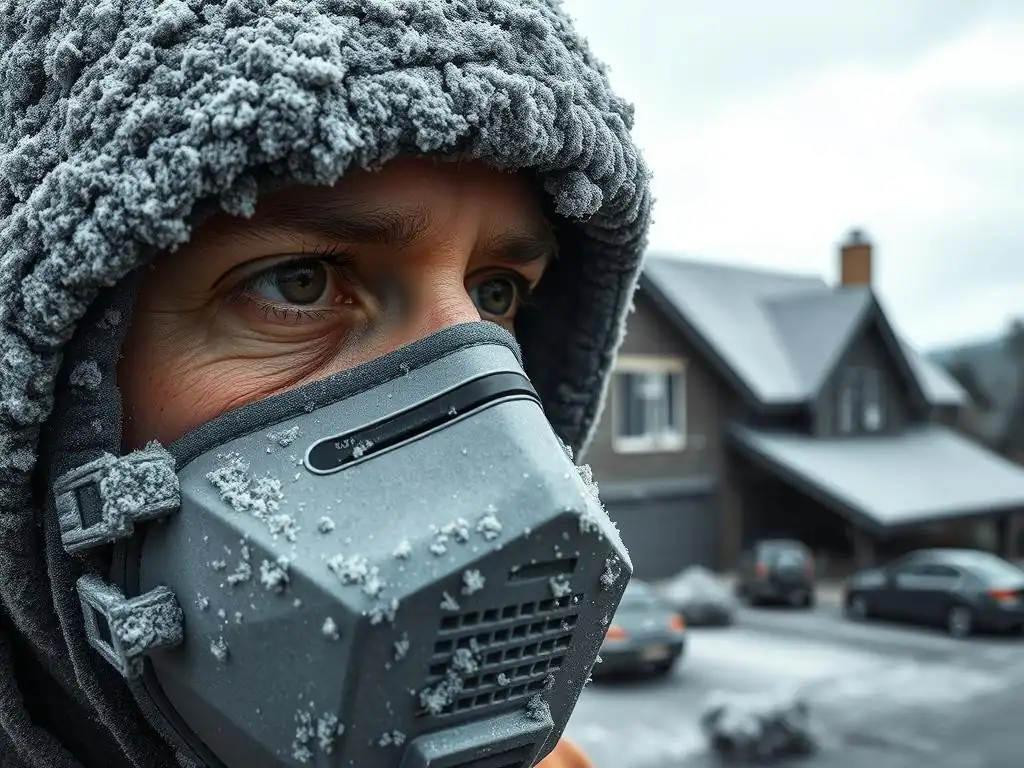
Recognizing Symptoms of Respiratory Distress from Ash Exposure
Recognizing the symptoms of respiratory distress from volcanic ash exposure is crucial for timely intervention and seeking appropriate medical attention. Volcanic ash inhalation can cause a range of respiratory issues, from mild irritation to more severe conditions. Being aware of these symptoms, as part of volcanic ash cleanup safety tips, allows for prompt action to protect your health and the health of others.
Common Respiratory Symptoms of Ash Exposure:
- Eye and Nose Irritation: Initial symptoms often include irritation of the eyes and nose, characterized by redness, itching, burning sensations, and increased tear or nasal mucus production.
- Scratchy Throat and Cough: A scratchy throat and cough are common responses to inhaling volcanic ash. The cough may be dry or produce phlegm.
- Shortness of Breath and Wheezing: Ash inhalation can cause shortness of breath, wheezing, and difficulty breathing, especially in individuals with pre-existing respiratory conditions like asthma or COPD.
- Chest Tightness or Pain: Some individuals may experience chest tightness or pain due to airway irritation and inflammation.
- Increased Asthma Symptoms: For asthmatics, volcanic ash can trigger asthma attacks, characterized by increased wheezing, coughing, shortness of breath, and chest tightness.
- Bronchitis Symptoms: Prolonged or heavy ash exposure can lead to bronchitis, with symptoms including persistent cough, phlegm production, shortness of breath, and fatigue.
When to Seek Medical Attention:
- Severe Shortness of Breath: If you experience severe shortness of breath or difficulty breathing that does not improve with rest and removal from ash exposure.
- Persistent Cough or Wheezing: If cough or wheezing persists or worsens despite self-care measures.
- Chest Pain or Pressure: If you experience chest pain or pressure.
- Worsening of Pre-existing Respiratory Conditions: If you notice a significant worsening of asthma, COPD, or other respiratory conditions.
- Any Concerning Respiratory Symptoms: If you are concerned about any respiratory symptoms you are experiencing after ash exposure, it is always best to seek medical advice.
Prompt recognition of respiratory symptoms and seeking timely medical attention are essential components of volcanic ash cleanup safety tips focused on health protection.
First Aid for Volcanic Ash Inhalation
Providing appropriate first aid for volcanic ash inhalation can help alleviate symptoms and prevent more serious complications. First aid measures, as outlined in volcanic ash cleanup safety tips, are intended for immediate relief and should be followed by medical evaluation if symptoms are severe or persistent.
First Aid Steps for Ash Inhalation:
- Move to Fresh Air: Immediately move the affected person to an area with clean, fresh air, away from volcanic ash. If indoors, go outside or to a room with filtered air.
- Minimize Further Exposure: Ensure the person is no longer exposed to volcanic ash. If outdoors, seek shelter indoors.
- Calm and Reassure: Reassure the person and help them to remain calm. Anxiety can worsen respiratory symptoms.
- Elevate Head and Shoulders: Help the person sit upright or in a semi-reclined position to ease breathing.
- Encourage Slow, Deep Breathing: Encourage the person to take slow, deep breaths to help clear their airways.
- Rinse Eyes and Nose: If the person is experiencing eye or nose irritation, gently rinse their eyes with clean water or saline solution for 15-20 minutes. Encourage them to gently blow their nose to remove ash particles.
- Drink Water: Encourage the person to drink water to help soothe their throat and stay hydrated.
- Avoid Strenuous Activity: Advise the person to avoid strenuous activity, which can worsen respiratory symptoms.
- Monitor Symptoms: Observe the person for any worsening of symptoms, such as increased shortness of breath, wheezing, or chest pain.
- Seek Medical Attention if Necessary: If symptoms are severe, do not improve, or worsen, seek medical attention immediately. Call emergency services or transport the person to the nearest medical facility.
These first aid measures provide immediate support for individuals experiencing volcanic ash inhalation symptoms, aligning with essential volcanic ash cleanup safety tips for health and well-being.
Long-Term Respiratory Health Considerations After Volcanic Ash Exposure
While immediate respiratory effects of volcanic ash inhalation are often the primary concern, long-term respiratory health considerations are also important, particularly for individuals with prolonged or repeated exposure. Understanding these long-term risks and taking appropriate preventative measures are key aspects of comprehensive volcanic ash cleanup safety tips.
Potential Long-Term Respiratory Health Issues:
- Silicosis Risk: Prolonged and heavy exposure to volcanic ash containing crystalline silica can increase the risk of developing silicosis, a serious and irreversible lung disease characterized by scarring of lung tissue. Silicosis can lead to chronic cough, shortness of breath, and increased susceptibility to respiratory infections.
- Chronic Bronchitis and COPD: Repeated exposure to volcanic ash can contribute to the development or worsening of chronic bronchitis and COPD (Chronic Obstructive Pulmonary Disease), characterized by chronic inflammation and airflow obstruction in the lungs.
- Increased Asthma Risk: Studies have suggested a possible link between volcanic ash exposure and increased risk of developing asthma, particularly in children.
- Lung Function Decline: Long-term exposure to air pollution, including volcanic ash, can contribute to a gradual decline in lung function over time.
Consulting a Doctor
Consulting a doctor is a crucial step in addressing both immediate and long-term respiratory health concerns related to volcanic ash exposure. Medical advice and evaluation are essential components of responsible volcanic ash cleanup safety tips, ensuring appropriate care and management of potential health issues.
When to Consult a Doctor:
- Persistent Respiratory Symptoms: If you experience persistent cough, shortness of breath, wheezing, or other respiratory symptoms that do not resolve after a reasonable period following ash exposure.
- Worsening Symptoms: If your respiratory symptoms worsen over time or interfere with your daily activities.
- Pre-existing Respiratory Conditions: If you have pre-existing respiratory conditions like asthma or COPD and experience any worsening of your condition after ash exposure.
- Concern about Long-Term Risks: If you are concerned about the potential long-term respiratory health risks associated with volcanic ash exposure, even if you are not currently experiencing symptoms.
- Routine Check-up (Post-Ashfall): Consider scheduling a routine check-up with your doctor after a significant volcanic ashfall event, especially if you have been exposed to ash.
What to Discuss with Your Doctor:
- Exposure History: Inform your doctor about your exposure history to volcanic ash, including the duration and intensity of exposure.
- Symptoms: Describe your respiratory symptoms in detail, including when they started, how severe they are, and any factors that worsen or relieve them.
- Medical History: Provide your doctor with your complete medical history, including any pre-existing respiratory conditions or allergies.
- Lifestyle Factors: Discuss lifestyle factors that may affect your respiratory health, such as smoking history and occupational exposures.
Your doctor can conduct a thorough evaluation, including physical examination and potentially lung function tests or imaging studies, to assess your respiratory health and provide appropriate medical advice and management strategies. Seeking professional medical guidance is a critical aspect of volcanic ash cleanup safety tips for long-term health protection.
Managing Pre-existing Respiratory Conditions
For individuals with pre-existing respiratory conditions such as asthma, COPD, or allergies, managing these conditions during and after volcanic ashfall is especially critical. Volcanic ash can significantly exacerbate these conditions, leading to increased symptoms and potentially severe respiratory distress. Proactive management strategies are vital volcanic ash cleanup safety tips for vulnerable individuals.
Management Strategies:
- Medication Adherence: Strictly adhere to your prescribed medication regimen for your respiratory condition. Ensure you have an adequate supply of medications, including inhalers or rescue medications.
- Asthma Action Plan: If you have asthma, follow your asthma action plan closely. Be prepared to use your reliever inhaler more frequently if symptoms worsen due to ash exposure.
- Avoid Ash Exposure: Minimize your exposure to volcanic ash as much as possible. Stay indoors during ashfall events and avoid outdoor activities when ash is present in the air.
- Use Respirator Mask: Wear a properly fitted N95 or higher-rated respirator mask whenever you are outdoors or in areas where volcanic ash may be present.
- Monitor Symptoms Closely: Monitor your respiratory symptoms closely and be alert for any worsening of your condition. Recognize early warning signs of asthma attacks or COPD flare-ups.
- Early Intervention: If you experience worsening respiratory symptoms, take action promptly. Use your reliever inhaler as directed, and if symptoms do not improve or worsen, seek immediate medical attention.
- Communicate with Your Doctor: Inform your doctor about your pre-existing respiratory condition and discuss specific strategies for managing your condition during and after volcanic ashfall. Develop a plan together for managing potential exacerbations.
- Indoor Air Quality: Improve indoor air quality in your home by using air purifiers with HEPA filters and ensuring good ventilation when ash levels are low outdoors.
By proactively managing pre-existing respiratory conditions and implementing these strategies, individuals can minimize the impact of volcanic ash exposure on their respiratory health and reduce the risk of severe complications, adhering to crucial volcanic ash cleanup safety tips for vulnerable populations.
Post-Cleanup Measures and Long-Term Recovery
Monitoring Air Quality After Volcanic Ashfall
Monitoring air quality after volcanic ashfall is an important post-cleanup measure and a component of long-term recovery. Even after initial cleanup efforts, fine ash particles can remain suspended in the air or be resuspended by wind or activity. Monitoring air quality helps assess ongoing exposure risks and guide continued preventative measures, aligning with comprehensive volcanic ash cleanup safety tips.
Methods for Monitoring Air Quality:
- Official Air Quality Reports: Check for official air quality reports from local environmental agencies or public health departments. These agencies often monitor air quality and provide public information during and after volcanic events.
- Portable Air Quality Monitors: Consider using portable air quality monitors that measure particulate matter (PM) levels in the air. These monitors can provide real-time data on airborne particle concentrations, including PM10 and PM2.5, which are relevant to volcanic ash.
- Visual Assessment: Observe visual cues for airborne ash. Hazy or dusty air conditions can indicate the presence of ash particles. However, visual assessment alone is not always reliable for detecting fine particles.
- Community Information Networks: Stay informed through community information networks, local news sources, and social media channels for updates on air quality conditions in your area.
Interpreting Air Quality Information:
- Particulate Matter (PM) Levels: Pay attention to PM levels reported in air quality indices. High PM10 and PM2.5 levels indicate elevated concentrations of inhalable particles, including volcanic ash.
- Air Quality Index (AQI): Understand the Air Quality Index (AQI) scale used in your region. AQI levels provide a general indication of air quality conditions, with higher AQI values indicating poorer air quality and greater health risks.
- Health Recommendations: Follow health recommendations issued by public health agencies based on air quality levels. These recommendations may include advising vulnerable populations to stay indoors, limit outdoor activities, or wear respirator masks.
Ongoing Monitoring:
- Regular Checks: Monitor air quality regularly in the days and weeks following ashfall, as ash can be resuspended over time.
- Seasonal Variations: Be aware that air quality may fluctuate with weather conditions, such as wind and rain, which can affect ash resuspension.
By actively monitoring air quality, you can make informed decisions about protecting your health and taking appropriate precautions during the post-ashfall recovery phase, adhering to ongoing volcanic ash cleanup safety tips.
Preventing Secondary Exposure to Volcanic Ash
Preventing secondary exposure to volcanic ash is crucial in the post-cleanup phase to minimize ongoing health risks and ensure long-term recovery. Even after initial cleanup, residual ash particles can settle in various areas and be resuspended into the air through everyday activities. Preventing secondary exposure is a vital aspect of long-term volcanic ash cleanup safety tips.
Strategies to Prevent Secondary Exposure:
- Thorough Initial Cleanup: Ensure a thorough initial cleanup of your home and property to remove as much ash as possible. Pay attention to often-overlooked areas like attics, crawl spaces, and garages.
- Regular Cleaning: Continue regular cleaning of your home, focusing on dust removal. Use damp dusting and vacuuming with HEPA filters to minimize dust resuspension.
- Air Purifiers with HEPA Filters: Use air purifiers with HEPA filters in your home to continuously remove fine particles from indoor air.
- Minimize Dust-Generating Activities: Reduce activities that can stir up dust, such as sweeping with dry brooms or vigorous vacuuming without HEPA filters.
- Ventilation Control: Control ventilation to minimize outdoor air infiltration when ash levels are still elevated outdoors. Use recirculating air settings on HVAC systems.
- Outdoor Footwear Management: Continue to remove shoes at the door to prevent tracking ash indoors from outdoor sources.
- Vehicle Cleaning: Regularly clean vehicles to remove accumulated ash and prevent it from being tracked into your home. Vacuum vehicle interiors and wash exteriors.
- Garden and Yard Maintenance: Minimize dust generation during garden and yard maintenance activities. Dampen soil before working in gardens and avoid dry sweeping outdoor surfaces.
Long-Term Awareness:
- Windy Conditions: Be particularly vigilant about secondary exposure during windy conditions, which can easily resuspend settled ash.
- Dry Weather: Dry weather conditions can also increase dust resuspension. Consider dampening outdoor surfaces lightly if needed to reduce dust generation.
By implementing these strategies to prevent secondary exposure, you can minimize ongoing health risks and promote a healthier indoor and outdoor environment during the long-term recovery phase after volcanic ashfall, reinforcing the principles of volcanic ash cleanup safety tips.
Restoring Your Home After a Volcanic Ash Event
Restoring your home after a volcanic ash event involves not only cleanup but also addressing potential damage and returning your living space to a comfortable and healthy condition. This restoration process, guided by volcanic ash cleanup safety tips, may include repairs, replacements, and ongoing maintenance to ensure long-term recovery and resilience.
Restoration Steps:
- Assess Damage: Conduct a thorough assessment of your home to identify any damage caused by volcanic ash. This may include damage to roofing, siding, gutters, windows, doors, landscaping, and HVAC systems.
- Prioritize Repairs: Prioritize repairs based on safety and urgency. Address structural damage, roof leaks, and HVAC system issues first.
- Roof Inspection and Repair: Have your roof professionally inspected for damage from ash accumulation and water overflow. Repair or replace damaged roofing materials as needed.
- Siding and Exterior Cleaning/Repair: Clean siding and exterior surfaces to remove residual ash. Repair or replace damaged siding or paint as necessary.
- Gutter and Downspout Repairs/Replacement: Repair or replace damaged gutters and downspouts to ensure proper water drainage.
- Window and Door Repairs/Replacement: Repair or replace damaged windows and doors, including weather stripping and seals.
- HVAC System Repair/Maintenance: Have your HVAC system professionally inspected and serviced after ashfall. Repair or replace damaged components and ensure thorough duct cleaning.
- Landscaping Restoration: Restore landscaping by removing damaged plants, amending soil if necessary, and replanting gardens and lawns.
- Interior Repairs and Refurbishment: Address any interior damage, such as water damage from roof leaks or ash staining. Repaint or refinish surfaces as needed.
- Professional Services: Engage qualified professionals for specialized repairs, such as roofing, HVAC, plumbing, and electrical work.
Long-Term Resilience:
- Consider Ash-Resistant Materials: When making repairs or replacements, consider using materials that are more resistant to ash damage, such as durable roofing materials and sealed windows and doors.
- Improve Ventilation: Enhance ventilation systems to improve indoor air quality and reduce future ash intrusion.
- Regular Maintenance Plan: Establish a regular home maintenance plan that includes gutter cleaning, HVAC system servicing, and periodic inspection of roofing and siding to ensure ongoing resilience to future ashfall events.
Restoring your home after a volcanic ash event is a comprehensive process that requires time, effort, and attention to detail. By following these steps and adhering to volcanic ash cleanup safety tips, you can effectively recover from ashfall and enhance the long-term resilience of your home.
Frequently Asked Questions
What are the primary health hazards associated with volcanic ash?
The primary health hazards include respiratory irritation due to the fine particles. Ash can also cause eye and skin irritation, and exacerbate existing respiratory conditions like asthma.
What type of respiratory protection is recommended during volcanic ash cleanup?
A well-fitted N95 respirator is highly recommended to filter out the fine ash particles. Standard dust masks may offer limited protection and are not as effective as an N95.
What are the recommended methods for cleaning volcanic ash from indoor surfaces?
Use a HEPA-filter vacuum to remove ash from carpets and upholstery. Wet wiping hard surfaces is preferable to sweeping, which can stir up the ash into the air.
How can I protect my pets from the dangers of volcanic ash?
Keep pets indoors as much as possible during ashfall. Provide them with fresh water and clean their paws regularly if they have been outside.
What are some important safety precautions to take when cleaning volcanic ash outdoors?
Wear protective clothing, including long sleeves, pants, and gloves. Avoid strenuous activity to minimize breathing rate and ash inhalation.
Final Reflection: Embracing Resilience After the Ash
The pervasive presence of volcanic ash, as detailed throughout this article, serves as a stark reminder of nature's power and our vulnerability. Understanding and implementing proper volcanic ash cleanup safety tips is not just about restoring our homes; it's about safeguarding our health and well-being in the face of unpredictable events. The information presented here is immediately relevant, as volcanic activity continues to impact communities worldwide, demanding proactive preparedness and informed action.
The enduring impact of volcanic ash extends beyond the immediate cleanup. It underscores the importance of community resilience, preparedness, and the interconnectedness of human health and environmental safety. The lessons learned from dealing with volcanic ash can be applied to other environmental hazards, fostering a culture of proactive risk management. The best preparation for tomorrow is doing your best today.
- H. Jackson Brown, Jr. This quote encapsulates the spirit of preparedness that we must embrace, not just for volcanic ash, but for any unforeseen challenge.
Now, armed with the knowledge of safe volcanic ash cleanup practices and respiratory protection, consider how you can contribute to your community's resilience. Reflect on the steps you can take to prepare your own household and share this vital information with your neighbors. Let us transform the potential devastation of volcanic ash into an opportunity for collective learning, empowerment, and a stronger, more resilient future for all.
Okay, I'm ready to craft a compelling Call to Action for the end of a web article titled "Volcanic Ash in Your Home: Safe Cleanup and Respiratory Protection," targeted for the website "Volcano Explorers" (volcanoexplorers.org). Here's my attempt:
Shield Your Home: Take Action After the Ash!
Thank you for taking the time to learn about protecting your home and health during volcanic ashfall. Now that you're equipped with the knowledge, let's put it into action to ensure your safety and well-being!
Here are some immediate steps you can take:
- Prioritize your respiratory health! Immediately check and replace the filters in your HVAC system and ensure you have appropriate NIOSH-approved respirators for everyone in your household. This is the single most important step you can take.
- Carefully document the damage to your property before cleaning. This is critical for insurance claims and potential aid applications. Take photos and videos of affected areas.
- Become a community champion: share this article and other resources from Volcano Explorers with your neighbors and local community groups. Working together makes all the difference!
What practical steps will you take today to safeguard your home and family from volcanic ash and inspire others to do the same?