
Unanswered Questions About Cinder Cones: The Mysteries That Remain

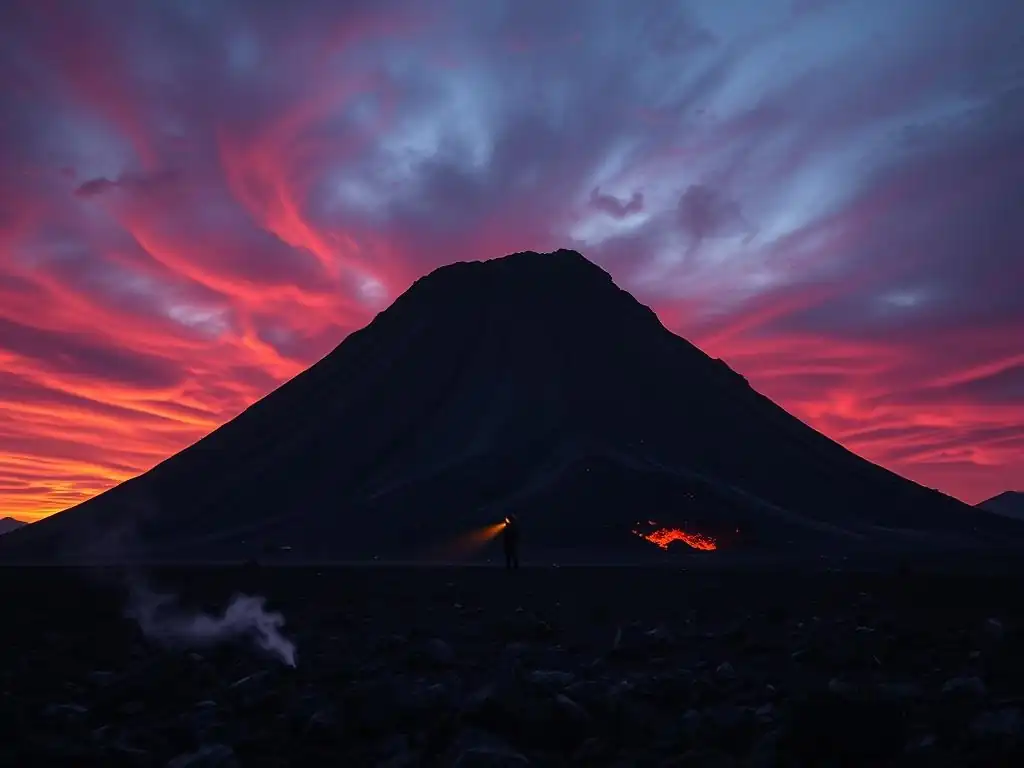
Welcome to Volcano Explorers!
Prepare to ignite your curiosity. While the earth trembles beneath our feet, we invite you to venture into the fascinating realm of volcanoes. What secrets lie hidden within these fiery giants? Today, we're plunging into the intriguing world of Cinder Cone Volcano Mysteries. From their surprisingly rapid formation to the lingering questions about their internal structure, prepare to have your understanding of these volcanic wonders challenged. Are you ready to uncover the unanswered questions and explore the mysteries that remain? Let the exploration begin...
- Introduction: Exploring the Unsolved Mysteries of Cinder Cones
- The Formation Process: Lingering Questions About Cinder Cone Genesis
- Eruption Dynamics: Unexplained Aspects of Cinder Cone Activity
- Compositional Variations: The Enigmatic Chemistry of Cinder Cone Materials
- Longevity and Lifespan: Uncertainties Surrounding Cinder Cone Activity
- Environmental Impact: Unforeseen Consequences of Cinder Cone Eruptions
- Unusual Cinder Cone Features: Puzzling Geological Formations
- Cinder Cone Distribution: Geographic Anomalies and Unanswered Questions
- The Future of Cinder Cone Research: Addressing the Remaining Knowledge Gaps
- Conclusion: Continuing the Exploration of Cinder Cone Volcanoes
-
Frequently Asked Questions
- What makes a cinder cone volcano so unique compared to other types of volcanoes?
- How long does a typical cinder cone eruption last, and what determines its duration?
- What geological factors influence the specific location where a cinder cone volcano will form?
- Are there any risks associated with living near a seemingly dormant cinder cone volcano?
- How do volcanologists use technology to study and monitor cinder cone volcanoes?
- Final Reflection: Embracing the Unsolved Mysteries of Cinder Cones
- Unveil Your Inner Volcanologist: Join the Exploration!
Introduction: Exploring the Unsolved Mysteries of Cinder Cones
Delving into the Unknown: What We Still Don't Know About Cinder Cone Volcanoes
Cinder cones, those seemingly simple, conical hills dotting volcanic landscapes worldwide, present a deceptive face of simplicity. While they are among the most common and smallest types of volcanoes, their formation and behavior are far from fully understood. Despite decades of research, significant gaps remain in our knowledge of these fascinating geological features. Scientists continue to grapple with fundamental questions about the precise mechanisms driving their eruptions, the factors influencing their lifespan, and the subtle variations in their composition. The study of cinder cones is an ongoing endeavor, marked by persistent mysteries that challenge our current understanding of volcanism.
The allure of cinder cones lies, in part, in their accessibility and abundance. They are often found in close proximity to larger volcanic systems, offering readily available natural laboratories for volcanologists. However, this accessibility has not translated into complete comprehension. From the intricate dance of magma beneath the surface to the dispersal of ash and cinders into the atmosphere, many aspects of the cinder cone lifecycle remain shrouded in scientific uncertainty. These unanswered questions are not merely academic curiosities; they are crucial for improving volcanic hazard assessments and understanding the broader dynamics of planetary volcanism.
The Formation Process: Lingering Questions About Cinder Cone Genesis
The Role of Magma Composition in Cinder Cone Formation: A Continuing Debate
The generally accepted model of cinder cone formation involves the Strombolian eruption of basaltic magma, rich in gases. This eruption type, characterized by relatively mild explosions, propels incandescent fragments of lava, known as cinders or scoria, into the air. These fragments then accumulate around the vent, building the characteristic cone shape.
However, the precise role of magma composition in dictating the specific characteristics of cinder cones remains a subject of ongoing debate. For instance, while basaltic magma is typical, some cinder cones exhibit compositions that deviate slightly, incorporating andesitic or even trachytic components. The question is, how do these variations influence the eruption style, cone morphology, and overall lifespan of the cinder cone?
Furthermore, the volatile content within the magma is crucial for Strombolian eruptions. The type and concentration of dissolved gases, primarily water vapor, carbon dioxide, and sulfur dioxide, directly impact the explosivity and fragmentation of magma. Yet, the exact thresholds of volatile concentration required for cinder cone formation are not definitively established. Research continues to explore the intricate interplay between magma composition, volatile content, and the resulting eruptive behavior that leads to the construction of these volcanic landforms. Understanding these nuances is vital for accurately predicting the potential hazards associated with cinder cone fields.
Understanding the Influence of Underlying Geology on Cinder Cone Shape and Size
While the internal dynamics of magma play a significant role, the external geological environment also exerts a considerable influence on cinder cone development. The pre-existing topography, tectonic setting, and the nature of the underlying bedrock can all affect the shape, size, and distribution of cinder cones. For example, cinder cones that form on steep slopes may exhibit asymmetrical shapes due to the preferential accumulation of ejecta on the downslope side. Similarly, the presence of pre-existing faults or fractures can influence the location and alignment of cinder cone vents.
The composition and structure of the underlying bedrock can also impact cinder cone morphology. If the bedrock is easily erodible, it may contribute to faster cone degradation over time. Conversely, stable bedrock might provide a more robust foundation, leading to cones that are preserved for longer geological periods.
Moreover, the permeability of the underlying geology can affect groundwater interaction with rising magma, potentially influencing eruption style and the degree of phreatomagmatic activity, which involves the interaction of magma with water. Despite recognizing these influences, quantifying the precise relationship between underlying geology and cinder cone characteristics remains a complex challenge, requiring detailed field studies and advanced geophysical investigations.
Eruption Dynamics: Unexplained Aspects of Cinder Cone Activity
The Predictability of Cinder Cone Eruptions: Can We Forecast Future Activity?
Cinder cones are often perceived as relatively low-hazard volcanoes compared to stratovolcanoes or caldera systems. Their eruptions are typically short-lived and localized, often lasting from a few weeks to a few years. However, the predictability of when and where new cinder cone eruptions might occur remains a significant challenge in volcanology. While cinder cones frequently form in well-established volcanic fields, the precise triggers that initiate individual eruptions are not always clear. Factors such as tectonic stress changes, magma recharge events in deeper reservoirs, and subtle shifts in gas pressure within the crust could all play a role.
Furthermore, the intermittent nature of cinder cone activity adds to the forecasting complexity. Volcanic fields can remain dormant for centuries or even millennia, only to suddenly become active with the formation of new cinder cones. Determining the recurrence intervals of cinder cone eruptions within a given volcanic field requires long-term monitoring and detailed geological mapping.
Currently, our ability to predict the precise timing and location of future cinder cone eruptions is limited. Improved monitoring techniques, including advanced seismic and geodetic networks, coupled with sophisticated modeling of magma transport and storage, are essential to enhance our predictive capabilities and mitigate potential volcanic hazards associated with cinder cone fields.
The Mystery of Vent Migration: Why Do Some Cinder Cones Shift Their Eruption Points?
A peculiar phenomenon observed in some cinder cone fields is vent migration, where subsequent eruptions in the same area occur from vents that are spatially offset from previous ones. Instead of erupting repeatedly from the same location, the locus of volcanic activity appears to shift over time, leading to the formation of chains or clusters of cinder cones.
The underlying mechanisms driving this vent migration are not fully understood. One hypothesis suggests that changes in the stress field within the crust, perhaps due to tectonic activity or magma accumulation, could influence the pathways of magma ascent, causing eruptions to initiate at slightly different locations.
Another possibility is that the cooling and solidification of magma conduits beneath previous vents may create zones of weakness or blockage, forcing subsequent magma pulses to find alternative routes to the surface. The geometry of the underlying dike system, which feeds magma to the surface, could also play a role in dictating the pattern of vent migration.
Detailed studies of cinder cone alignments, coupled with geophysical investigations to image subsurface structures, are crucial for unraveling the mystery of vent migration and understanding the long-term evolution of cinder cone fields. Understanding vent migration is not only a fundamental scientific question but also important for assessing the spatial distribution of potential hazards in volcanic areas.
Compositional Variations: The Enigmatic Chemistry of Cinder Cone Materials
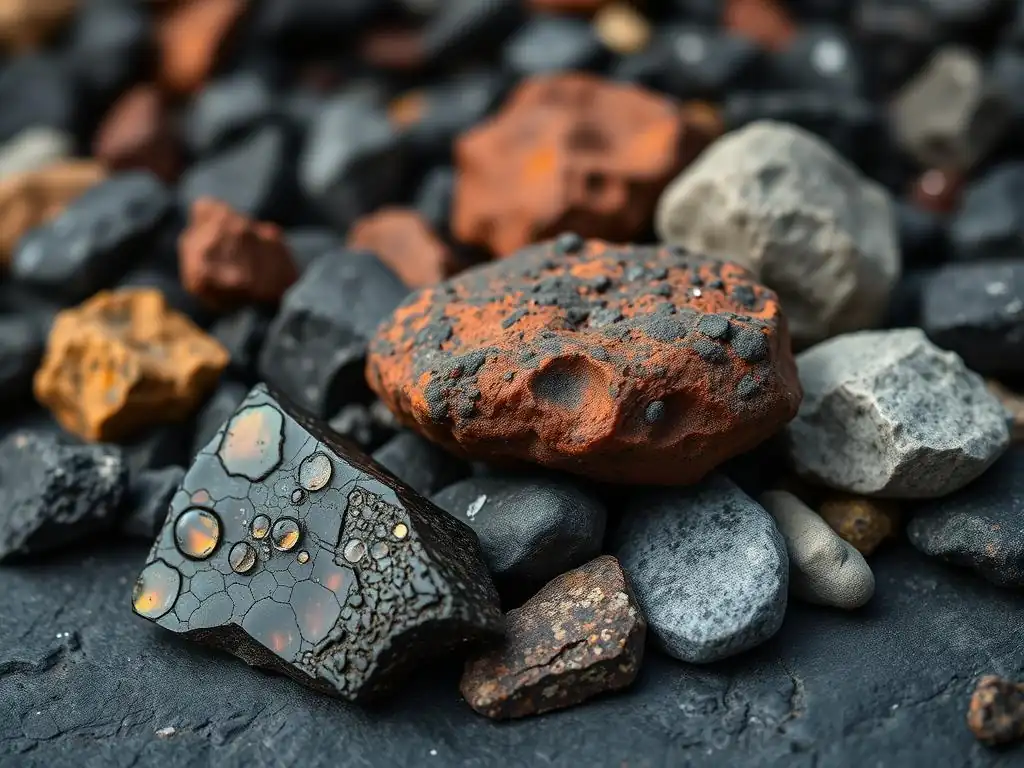
Unraveling the Variance in Cinder and Ash Composition Across Different Cinder Cones
While generally composed of basaltic materials, cinder cones exhibit surprising variations in the chemical and mineralogical composition of their ejecta, including cinders, ash, and lava flows. These variations can occur not only between different cinder cones within a volcanic field but also within a single cone over time. Understanding the sources of this compositional diversity is a key area of ongoing research. One factor contributing to variance is the heterogeneity of the mantle source region from which the magma originates. Slight differences in the composition of the mantle can lead to variations in the primary magmas generated.
Another important process is magma differentiation, which occurs as magma ascends through the crust and undergoes cooling and crystallization. Fractional crystallization, where certain minerals crystallize and are removed from the melt, can alter the composition of the remaining magma. Assimilation of crustal rocks by the magma as it ascends can also contribute to compositional changes.
Furthermore, mixing of magmas from different sources within the crustal magma system can generate hybrid compositions. Disentangling the relative contributions of these various processes to the observed compositional variations in cinder cone materials requires detailed geochemical analyses of erupted products from diverse cinder cones and volcanic fields worldwide.
The Source of Unusual Minerals Found in Specific Cinder Cone Volcanoes
In addition to the typical basaltic mineral assemblage, some cinder cones contain unusual or rare minerals that are not commonly found in this type of volcanic setting. These minerals can provide valuable clues about the magma source, the conditions of magma ascent and storage, and the potential involvement of crustal fluids. For instance, some cinder cones have been found to contain mantle xenoliths, fragments of the Earth's mantle carried to the surface by erupting magma. These xenoliths offer direct samples of the deep Earth and provide insights into the composition and processes occurring within the mantle beneath volcanic regions.
Other unusual minerals found in cinder cones might include those formed under high-pressure conditions or those indicative of specific alteration processes. The presence of hydrous minerals, for example, could suggest the involvement of water-rich fluids in the magma system. Similarly, the occurrence of minerals associated with metasomatism, the alteration of rocks by chemically active fluids, could indicate interaction between magma and surrounding crustal rocks. Identifying and characterizing these unusual minerals in cinder cones is crucial for gaining a more comprehensive understanding of the complex magmatic processes associated with their formation and evolution.
Longevity and Lifespan: Uncertainties Surrounding Cinder Cone Activity
Why Are Some Cinder Cones Active for Longer Periods Than Others?
Cinder cones are generally considered to be monogenetic volcanoes, meaning they typically form during a single, relatively short-lived eruptive episode. However, the duration of activity can vary significantly between different cinder cones. While some cones may erupt for only a few weeks or months, others can remain active for years or even decades.
The factors controlling this variability in eruptive lifespan are not fully understood. One possibility is that the volume of magma available for eruption plays a crucial role. Cinder cones fed by larger magma reservoirs might have a longer duration of activity compared to those supplied by smaller magma batches.
Another factor could be the rate of magma supply from the deeper mantle. If the magma supply rate is sustained over a longer period, it could prolong the eruptive activity. The geometry and permeability of the magma conduit system may also influence the duration of eruptions.
Conduits that are more efficient in transporting magma to the surface could lead to longer-lived eruptions. Furthermore, external factors such as tectonic stress and the presence of groundwater could also modulate the eruptive lifespan. Detailed studies of cinder cones with varying durations of activity, including analyses of their erupted volumes, magma supply rates, and geological settings, are needed to unravel the controls on their longevity.
Determining the Factors That Lead to Cinder Cone Extinction
The eventual cessation of eruptive activity, or extinction, of a cinder cone is another aspect that is not completely understood. What processes lead to the termination of magma supply and the end of eruptions? One potential mechanism is the depletion of the magma reservoir feeding the cinder cone. As magma is erupted, the reservoir may gradually empty, eventually reaching a point where the pressure is no longer sufficient to drive eruptions. Alternatively, changes in the stress field within the crust could shut down magma pathways, effectively cutting off the magma supply to the vent.
The cooling and solidification of the magma conduit system could also contribute to extinction. As magma flow decreases towards the end of an eruption, the conduit may begin to cool and crystallize, eventually becoming blocked and preventing further magma ascent.
In some cases, the formation of a more stable and differentiated magma body at depth might alter the eruption style and eventually lead to a transition to a different type of volcanic activity, or simply to the cessation of eruptions altogether. Understanding the processes that trigger cinder cone extinction is important for assessing the long-term volcanic hazards in cinder cone fields and for deciphering the life cycle of these fascinating volcanic features.
Environmental Impact: Unforeseen Consequences of Cinder Cone Eruptions
Long-Term Effects of Cinder Cone Ashfall on Soil Composition and Ecosystems
Cinder cone eruptions, while often localized, can disperse significant amounts of volcanic ash over surrounding areas. This ashfall can have both short-term and long-term impacts on soil composition and ecosystems. In the short term, ashfall can bury vegetation, contaminate water sources, and disrupt agricultural activities. However, over longer timescales, volcanic ash can weather and break down, releasing essential nutrients into the soil. This can lead to increased soil fertility and enhanced plant growth, particularly in nutrient-poor environments.
The specific long-term effects of ashfall on soil composition depend on several factors, including the chemical composition of the ash, the climate, and the pre-existing soil type. Ash rich in volcanic glass and ferromagnesian minerals can release elements like phosphorus, potassium, calcium, and magnesium, which are vital for plant nutrition. However, excessive ashfall can also alter soil pH, drainage properties, and water-holding capacity. The long-term ecological consequences of cinder cone ashfall, including changes in plant community structure, nutrient cycling, and ecosystem productivity, are still being actively investigated in various volcanic regions around the world.
The Impact of Cinder Cone Formation on Local Hydrology and Water Resources
The formation of cinder cones can significantly alter local hydrology and water resources. The cone itself acts as a topographic barrier, influencing surface water flow patterns and drainage basins. The permeable nature of cinder cones allows for rapid infiltration of rainwater, which can recharge groundwater aquifers. However, this infiltration can also lead to the leaching of soluble components from the volcanic materials into the groundwater, potentially affecting water quality.
In areas with pre-existing groundwater systems, the intrusion of magma during cinder cone formation can cause significant hydrological changes. Magma-water interaction can lead to phreatic or phreatomagmatic eruptions, which can create craters and alter groundwater flow paths. The heat from the magma can also warm groundwater, potentially creating hydrothermal systems or altering the temperature and chemistry of existing springs and streams.
Furthermore, the ash and lava flows associated with cinder cone eruptions can change surface runoff patterns and sediment transport in river systems. Understanding the complex interplay between cinder cone volcanism and local hydrology is crucial for managing water resources in volcanic regions and mitigating potential hazards related to volcanic-hydrothermal activity.
Unusual Cinder Cone Features: Puzzling Geological Formations

Explaining the Formation of Unusual Cinder Cone Vent Structures
While typically characterized by simple, bowl-shaped craters, some cinder cones exhibit unusual and complex vent structures. These can include nested craters, breached craters, or elongated fissures instead of a single central vent. The formation of these atypical vent structures is not always well understood. Nested craters may suggest multiple phases of eruptive activity occurring at slightly different locations within the vent area. Breached craters, where one side of the cone is missing, can result from lava flows erupting from the base of the cone or from slope failures during or after cone construction.
Elongated fissures or vents might indicate eruptions along pre-existing fractures in the crust, rather than from a single point source. The specific geological and magmatic conditions that lead to these unusual vent structures are still being investigated. Factors such as the magma supply rate, the volatile content of the magma, the tectonic stress regime, and the interaction with pre-existing topography could all play a role. Detailed mapping and analysis of cinder cone vent morphologies, coupled with numerical modeling of eruption processes, are needed to better explain the diversity of vent structures observed in cinder cones.
Understanding the Origin of Unique Lava Flows Associated with Specific Cinder Cones
Cinder cones are primarily built by the accumulation of pyroclastic materials, but they are often associated with lava flows that erupt from vents at the base of the cone. While basaltic lava flows are common, some cinder cones are associated with lava flows that exhibit unusual compositions, textures, or morphologies. For example, some cinder cones have erupted andesitic or even more evolved lava compositions, which are less typical for this type of volcano. Others may be associated with pahoehoe lava flows, characterized by smooth, ropy surfaces, or ʻaʻā lava flows, which are blocky and rough.
The reasons for these variations in lava flow characteristics are not fully understood. They could reflect differences in the magma source, the degree of magma differentiation, or the eruption conditions. The presence of unusual lava flow morphologies, such as lava tubes or lava channels, can also provide clues about the eruption rate, viscosity of the lava, and the cooling history. Detailed studies of the petrology, geochemistry, and morphology of lava flows associated with cinder cones are essential for unraveling the complex magmatic and eruptive processes that contribute to their formation and evolution.
Cinder Cone Distribution: Geographic Anomalies and Unanswered Questions
Why Are Cinder Cones More Prevalent in Certain Volcanic Fields?
Cinder cones are not uniformly distributed across all volcanic regions of the world. They are notably more prevalent in some volcanic fields than others, even in areas with seemingly similar tectonic settings and magma compositions. For instance, cinder cone fields are abundant in the Basin and Range province of the western United States, in parts of Mexico, and in Iceland. However, other volcanic regions with basaltic volcanism may have fewer or less prominent cinder cone fields. The reasons for these geographic variations in cinder cone abundance are not fully explained.
One potential factor could be the tectonic setting. Extensional tectonic environments, like the Basin and Range, are characterized by crustal thinning and faulting, which may facilitate magma ascent and the formation of cinder cones. The availability of volatiles in the mantle source region could also play a role.
Regions with mantle sources enriched in volatiles may be more prone to Strombolian eruptions and cinder cone formation. Furthermore, the geological history of a volcanic region, including the age and composition of the crust, might influence the style of volcanism and the likelihood of cinder cone development. Comparative studies of volcanic fields with varying cinder cone densities are needed to identify the key factors controlling their geographic distribution.
Investigating the Absence of Cinder Cones in Geologically Similar Regions
Conversely, the absence or scarcity of cinder cones in some volcanic regions that appear geologically similar to cinder cone-rich areas is equally puzzling. For example, some basaltic volcanic fields may be dominated by fissure eruptions or shield volcanoes, with relatively few cinder cones. Understanding why cinder cones are not more common in these regions is an important area of research. One possibility is that subtle differences in magma composition or volatile content may favor different eruption styles. Magmas with lower volatile contents or higher viscosities might be less likely to produce Strombolian eruptions and cinder cones.
Another factor could be the rate of magma supply. High magma supply rates might lead to effusive eruptions and the construction of shield volcanoes, while lower supply rates might favor Strombolian activity and cinder cone formation. The tectonic stress regime could also play a role. Compressional or transpressional tectonic settings might inhibit magma ascent and the formation of cinder cones. Investigating volcanic regions with a notable absence of cinder cones, and comparing them to cinder cone-rich areas, can provide valuable insights into the conditions that promote or inhibit cinder cone formation and the broader spectrum of volcanic styles.
The Future of Cinder Cone Research: Addressing the Remaining Knowledge Gaps
Emerging Technologies for Studying Cinder Cone Activity and Formation
Advancements in technology are continually opening new avenues for studying cinder cones and addressing the remaining knowledge gaps. High-resolution satellite imagery and drone-based surveys are providing unprecedented detail on cinder cone morphology, distribution, and volcanic field evolution. These techniques allow for the creation of detailed topographic maps and the identification of subtle geological features that might be missed in traditional field studies. Geophysical methods, such as seismic monitoring, gravity surveys, and electromagnetic imaging, are being used to probe the subsurface structure of cinder cone fields and image magma reservoirs and conduit systems.
Geochemical analyses of erupted products are becoming increasingly sophisticated, providing more precise constraints on magma source compositions, differentiation processes, and eruption conditions. Volcanic gas monitoring, using ground-based sensors and satellite instruments, is providing insights into degassing processes and magma dynamics. Numerical modeling of magma flow, eruption processes, and cone formation is becoming more advanced, allowing for the testing of different hypotheses and the simulation of volcanic activity under various conditions. The integration of these emerging technologies is crucial for advancing our understanding of cinder cones and mitigating the hazards they pose.
Collaborative Efforts to Solve the Enduring Cinder Cone Volcano Mysteries
Solving the enduring mysteries of cinder cone volcanoes requires collaborative efforts across different disciplines and research institutions. Volcanologists, geochemists, geophysicists, remote sensing specialists, and numerical modelers need to work together to integrate diverse datasets and develop comprehensive models of cinder cone formation and behavior. International collaborations are essential for comparing cinder cone fields in different geological settings and for sharing data and expertise. Open-access databases of cinder cone data, including geological maps, geochemical analyses, geophysical surveys, and monitoring data, are crucial for facilitating collaborative research and accelerating scientific progress.
Citizen science initiatives, involving the public in data collection and observation, can also contribute to cinder cone research. By working together and leveraging diverse perspectives and expertise, the scientific community can make significant strides in unraveling the remaining mysteries of cinder cone volcanoes and enhancing our understanding of these fascinating and dynamic geological features.
Conclusion: Continuing the Exploration of Cinder Cone Volcanoes
Acknowledging the Unanswered Questions and Encouraging Further Research on Cinder Cone Volcano Mysteries
Despite significant progress in volcanology, numerous unanswered questions persist regarding cinder cone volcanoes. From the intricacies of their formation processes to the nuances of their eruption dynamics, compositional variations, lifespan, environmental impacts, unusual features, and geographic distribution, much remains to be discovered. These "Cinder Cone Volcano Mysteries" are not just intellectual puzzles; they represent fundamental gaps in our understanding of volcanism and have implications for volcanic hazard assessment and mitigation.
Continued research, utilizing emerging technologies and fostering collaborative efforts, is essential to address these knowledge gaps and unlock the secrets held within these seemingly simple yet remarkably complex volcanic landforms. The ongoing exploration of cinder cone volcano mysteries promises to yield exciting discoveries and deepen our appreciation for the dynamic forces shaping our planet.
Frequently Asked Questions
What makes a cinder cone volcano so unique compared to other types of volcanoes?
Cinder cones are characterized by their steep slopes and relatively small size, formed from ejected lava fragments called cinders. Unlike stratovolcanoes, they typically have a single eruption vent.
How long does a typical cinder cone eruption last, and what determines its duration?
Cinder cone eruptions are often short-lived, lasting from a few weeks to a few years. The duration depends on factors like the magma supply rate and the stability of the vent.
What geological factors influence the specific location where a cinder cone volcano will form?
Cinder cones frequently form along fault lines or other areas of crustal weakness. The presence of shallow magma reservoirs also plays a significant role.
Are there any risks associated with living near a seemingly dormant cinder cone volcano?
Even dormant cinder cones can pose risks. Future eruptions, though potentially small, could produce lava flows, ashfall, and gas emissions, impacting nearby communities.
How do volcanologists use technology to study and monitor cinder cone volcanoes?
Volcanologists utilize various technologies, including satellite imagery, seismic monitoring, and gas sensors, to detect changes and assess the potential for future activity at cinder cone volcanoes.
Final Reflection: Embracing the Unsolved Mysteries of Cinder Cones
The exploration of cinder cone volcanoes, as we've seen, is a journey into the heart of geological processes, but also a humbling reminder of the vast unknowns that still shroud our planet. While we've uncovered much about their formation and behavior, the persistent mysteries surrounding their internal structures, eruption triggers, and long-term impacts underscore the dynamic and unpredictable nature of Earth's forces.
The enduring fascination with cinder cones stems not just from their dramatic landscapes, but from their capacity to ignite our curiosity and remind us of the limits of our knowledge. This pursuit of understanding, this constant questioning, is what drives scientific progress and deepens our appreciation for the natural world. The important thing is not to stop questioning. Curiosity has its own reason for existing.
- Albert Einstein. This quote perfectly encapsulates the spirit of inquiry that fuels our exploration of these volcanic wonders.
As we stand on the precipice of new discoveries, let us not shy away from the unanswered questions, but embrace them as opportunities for further exploration and innovation. Consider the implications of these volcanic mysteries on our understanding of planetary evolution and hazard mitigation. What role will you play in unraveling the secrets that lie dormant beneath the surface? Let the mysteries of cinder cones inspire you to cultivate a spirit of inquiry and contribute to a deeper understanding of the world around us.
Unveil Your Inner Volcanologist: Join the Exploration!
Thanks for exploring the world of cinder cones with us! We hope you enjoyed uncovering some of the mysteries surrounding these fascinating formations and are ready to take your exploration further. The adventure doesn't have to end here!
Here are a few ways you can continue to fuel your curiosity:
- Share your cinder cone observations and theories in the comments below! What unique features have you noticed?
- Plan your own volcanic adventure! Explore a cinder cone in person using our interactive map and contribute your photos and reports to Volcano Explorers.
- Dive deeper! Research ongoing studies on cinder cone formation and evolution – you might even discover a new perspective on these volcanic wonders.
What burning question about cinder cones are you most eager to see answered? Share your thoughts below!