
The Cold Fingerprint of Volcanoes: Identifying Eruptions in Climate Records

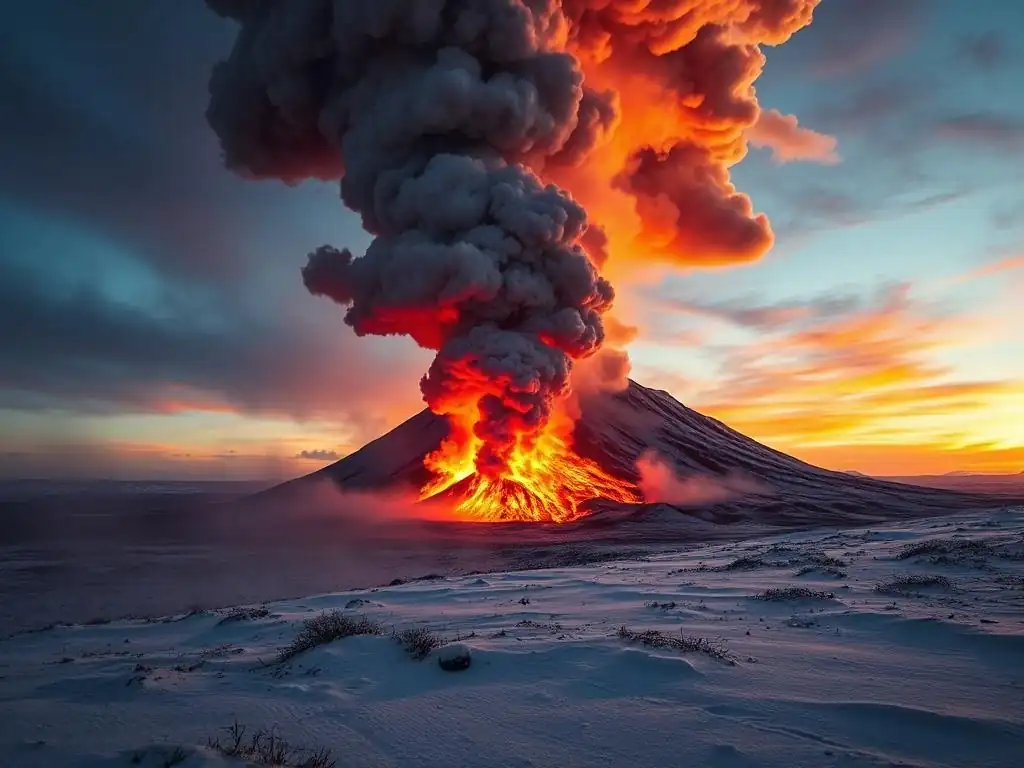
Welcome to Volcano Explorers!
Prepare to uncover the hidden stories etched in ice and air. What if I told you that the earth's climate bears the indelible mark of volcano eruptions? This isn't just about ash clouds and molten rock; it's about a subtle, chilling fingerprint left on our planet's history. Intrigued? Dive into "The Cold Fingerprint of Volcanoes: Identifying Eruptions in Climate Records" and discover how these fiery events shape our world in ways you never imagined, and understand the volcano eruption climate impact like never before. The secrets are waiting...
- Introduction: Understanding Volcanic Eruptions and Their Climate Impact
- Volcanic Eruptions and Global Climate Patterns: An Overview
- Identifying Volcanic Eruptions in Climate Records: The Evidence
- Case Studies: Notable Volcanic Eruption Climate Impact Examples
- Challenges and Limitations in Reconstructing Past Eruptions
- The Future of Volcano Climate Research
- Conclusion: The Enduring Legacy of Volcanoes on Global Climate
-
Frequently Asked Questions
- What is the primary way volcano eruptions impact the climate?
- How long does the cooling effect from a typical volcano eruption last?
- What evidence do scientists use to identify past volcano eruptions in climate records?
- Do all volcano eruptions have the same impact on the climate?
- Besides cooling, are there other potential climate impacts from volcanic eruptions?
- Final Reflection: Echoes of Fire, Whispers of Ice
- Unearth Your Inner Volcanologist!
Introduction: Understanding Volcanic Eruptions and Their Climate Impact
Volcanoes and Climate: A Powerful Connection
Volcanoes, often perceived as agents of destruction, play a significant role in shaping Earth's climate. While continuous volcanic activity releases gases like water vapor and carbon dioxide that contribute to the greenhouse effect over geological timescales, large explosive eruptions have a contrasting, immediate cooling effect on the planet. This cooling is primarily due to the injection of sulfur dioxide into the stratosphere.
Once in the stratosphere, sulfur dioxide reacts with water vapor to form sulfate aerosols, tiny particles that can persist for months to years. These aerosols act like a reflective veil, bouncing incoming solar radiation back into space, thereby reducing the amount of sunlight reaching the Earth's surface and leading to a temporary drop in global temperatures. This intricate interplay highlights the profound connection between volcanic eruptions and climate dynamics.
The impact of volcanoes on climate is not a uniform process; it varies significantly depending on the eruption's magnitude, location, and the composition of volcanic gases released. Eruptions that are rich in sulfur dioxide and reach high altitudes into the stratosphere have a more pronounced and widespread climate impact compared to smaller eruptions or those that primarily release ash. Furthermore, the latitude of an eruption can influence the distribution of aerosols and their subsequent climate effects.
Tropical eruptions tend to have a more global impact because stratospheric winds can distribute aerosols more evenly across both hemispheres, while eruptions at higher latitudes may have more localized effects. Understanding these nuances is crucial for deciphering the complex relationship between volcanoes and Earth's climate system and reconstructing past climate variability.
The Importance of Studying Past Eruptions
Studying past volcanic eruptions and their climatic consequences is crucial for several reasons. Firstly, it provides invaluable insights into the natural variability of Earth's climate system. By analyzing the climate records associated with historical eruptions, scientists can better understand the magnitude and duration of volcanic forcing and how the climate system responds to such abrupt changes.
This knowledge is essential for distinguishing natural climate fluctuations from human-induced climate change and for refining climate models to improve future climate projections. For instance, studying the climate response to eruptions like Tambora or Krakatoa helps to validate climate models' ability to simulate aerosol-climate interactions.
Secondly, understanding the climate impact of past eruptions can aid in assessing the potential risks posed by future volcanic events. While we cannot prevent volcanic eruptions, knowing the potential scale and duration of their climate effects allows for better preparedness and mitigation strategies.
This is particularly important for vulnerable populations and sectors, such as agriculture and water resources, that are sensitive to climate fluctuations. Furthermore, analyzing the socioeconomic impacts of historical eruptions, like the "Year Without a Summer" following the Tambora eruption, provides valuable lessons for managing the societal consequences of future large-scale volcanic events and enhancing resilience to climate shocks.
Volcanic Eruptions and Global Climate Patterns: An Overview
How Volcanoes Influence Global Temperatures
Volcanoes exert a cooling influence on global temperatures primarily through the release of sulfur dioxide (SO2) during explosive eruptions. When a volcano erupts violently, it can inject vast quantities of SO2 gas, along with volcanic ash and other particles, high into the stratosphere, often reaching altitudes above 10 kilometers. While volcanic ash is relatively heavy and tends to fall out of the atmosphere within weeks or months, SO2 gas undergoes a transformation in the stratosphere.
Through photochemical reactions with water vapor, SO2 is converted into sulfate aerosols, which are microscopic droplets of sulfuric acid. These sulfate aerosols are much lighter and can persist in the stratosphere for one to two years, sometimes even longer for exceptionally large eruptions.
The key mechanism by which these sulfate aerosols cool the planet is through their ability to reflect incoming solar radiation. These aerosols act like tiny mirrors, scattering a portion of the sunlight back into space before it can reach the Earth's surface and warm the planet. This process is known as "solar dimming". The greater the concentration of sulfate aerosols in the stratosphere, the more sunlight is reflected, and the more significant the cooling effect.
The magnitude of the cooling is also influenced by the size and optical properties of the aerosols. Larger aerosols and those with higher reflectivity are more effective at scattering sunlight. It's important to note that this volcanic cooling effect is typically temporary, lasting for a few years until the sulfate aerosols gradually settle out of the stratosphere due to gravitational forces and atmospheric processes.
The Role of Aerosols in Reflecting Sunlight
Aerosols, in the context of volcanic climate impact, are predominantly composed of sulfate particles formed from sulfur dioxide released during eruptions. These microscopic particles, typically ranging in size from nanometers to micrometers, play a crucial role in altering Earth's radiative balance. Their effectiveness in reflecting sunlight stems from their physical and optical properties. Sulfate aerosols are highly reflective, meaning they efficiently scatter incoming solar radiation in various directions, including back towards space. This scattering effect reduces the amount of solar energy absorbed by the Earth's atmosphere and surface.
The efficiency of aerosol scattering is also dependent on their size relative to the wavelength of incoming solar radiation. Sulfate aerosols, with their size range, are particularly effective at scattering visible and near-infrared wavelengths, which constitute a significant portion of the solar spectrum. Furthermore, the concentration and spatial distribution of these aerosols are critical factors.
A denser and more widespread aerosol layer in the stratosphere will lead to a greater overall reflection of sunlight and a more pronounced cooling effect. The longevity of these aerosols in the stratosphere, lasting for months to years, ensures a sustained period of solar dimming and consequent temperature reduction following a major volcanic eruption, making them a key agent in mediating the volcano eruption climate impact.
Identifying Volcanic Eruptions in Climate Records: The Evidence
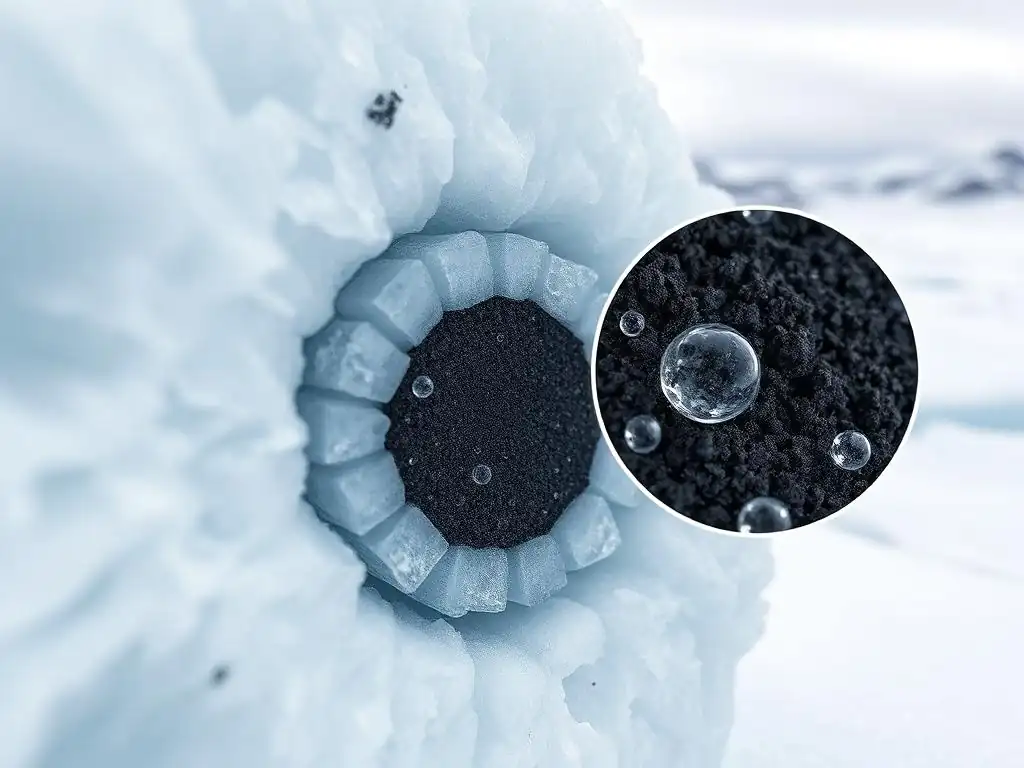
Ice Core Analysis: A Frozen Record of Volcanic Activity
Ice cores, drilled from glaciers and ice sheets in polar regions and high-altitude locations, provide an exceptional archive of past environmental conditions, including volcanic activity. These cores are essentially frozen time capsules, trapping layers of snow and ice that accumulate year after year, preserving atmospheric constituents from past eras.
Analyzing ice cores allows scientists to reconstruct past volcanic eruptions and their climate impacts with remarkable detail and temporal resolution, often dating back hundreds of thousands of years. The layers within ice cores are dated using various techniques, including counting annual layers (similar to tree rings) and radiometric dating of volcanic ash layers.
The value of ice cores for volcano climate research lies in their ability to record two key indicators of volcanic eruptions: sulfate deposition and volcanic ash (tephra). Sulfate aerosols, formed from volcanic sulfur dioxide, eventually deposit onto the Earth's surface, including polar ice sheets. These sulfate deposits are preserved in ice core layers, providing a direct chemical signature of past volcanic eruptions.
Simultaneously, volcanic ash, ejected during explosive eruptions, can also be transported long distances and deposited on ice sheets, creating visible layers within the ice core. Analyzing both sulfate and tephra in ice cores offers a comprehensive picture of past volcanic eruptions and their global reach, allowing for the reconstruction of eruption timing, magnitude, and geographical source.
Measuring Sulfate Deposits in Ice Cores
The concentration of sulfate ions (SO4^2-) in ice core layers is a primary proxy for identifying and quantifying past volcanic eruptions. When a volcanic eruption injects sulfur dioxide into the stratosphere, it is converted to sulfate aerosols, which are then transported globally and eventually deposited in precipitation, including snow. This sulfate-rich snow accumulates and becomes incorporated into ice sheets, leaving a distinct chemical signal in the ice core record.
Scientists measure sulfate concentrations in ice core samples using sophisticated analytical techniques such as ion chromatography and inductively coupled plasma mass spectrometry (ICP-MS). These methods allow for precise measurements of sulfate levels at very high resolutions, often down to sub-annual layers in the ice core.
Elevated sulfate concentrations in an ice core layer, significantly above the background level, are indicative of a volcanic eruption. The magnitude of the sulfate spike generally correlates with the size and sulfur dioxide yield of the eruption. Larger eruptions, with greater SO2 emissions, typically result in larger sulfate deposition and more prominent peaks in the ice core sulfate record.
By analyzing the timing and magnitude of sulfate peaks across multiple ice cores from different locations (e.g., Greenland and Antarctica), scientists can reconstruct the spatial extent and global impact of past volcanic eruptions. Furthermore, the isotopic composition of sulfate in ice cores can sometimes provide clues about the source volcano and the volcanic processes involved in the eruption.
Identifying Volcanic Ash (Tephra) Layers
Volcanic ash, or tephra, is another valuable indicator of past volcanic eruptions preserved in ice cores. Tephra consists of fragments of rock, minerals, and volcanic glass erupted explosively from volcanoes. During large eruptions, tephra can be dispersed over vast distances, and some of it settles onto ice sheets, creating visible layers within the ice core.
These tephra layers appear as distinct bands or lenses of darker material within the otherwise clear ice. The presence of tephra in an ice core provides direct evidence of a volcanic eruption and can be used to corroborate sulfate signals and provide additional information about the eruption characteristics.
Identifying tephra layers in ice cores involves visual inspection of the core and microscopic analysis of the particles. The color, texture, and mineral composition of tephra can vary depending on the source volcano and the type of eruption. Geochemical analysis of tephra shards, using techniques like electron microprobe analysis, allows scientists to "fingerprint" the tephra and potentially link it to a specific volcanic source region.
This is particularly useful for correlating tephra layers across different ice cores and for establishing the geographic origin of past eruptions. Furthermore, the thickness and distribution of tephra layers can provide insights into the magnitude and dispersal patterns of volcanic plumes, complementing the information derived from sulfate records in reconstructing volcano eruption climate impact.
Tree Ring Data: Deciphering Climate Signals
Tree rings, the annual growth layers of trees, are another powerful archive for reconstructing past climate variability and identifying the signatures of volcanic eruptions. Trees in temperate and high-latitude regions typically produce one growth ring per year, with the width and density of these rings reflecting environmental conditions during the growing season.
By analyzing tree ring chronologies, which are long-term records of tree ring widths, scientists can reconstruct past temperature, precipitation, and other climate variables going back centuries, and in some cases, millennia. Volcanic eruptions, with their global cooling effects, leave a discernible imprint on tree ring records, allowing for the detection and dating of past eruptions.
The sensitivity of tree growth to temperature makes tree rings particularly useful for detecting volcanic climate signals. Following a large volcanic eruption, the injection of sulfate aerosols into the stratosphere leads to a reduction in incoming solar radiation and a consequent drop in global temperatures, especially during the growing season. This cooling can stress trees and reduce their growth rate, resulting in narrower tree rings in the years immediately following the eruption.
By examining tree ring chronologies for periods of unusually narrow rings occurring synchronously across geographically widespread regions, scientists can identify potential volcanic cooling events. Furthermore, the precise dating of tree rings allows for accurate dating of these volcanic signals, providing valuable temporal information for reconstructing volcano eruption climate impact.
Analyzing Temperature Anomalies in Tree Rings
Analyzing temperature anomalies in tree rings involves examining deviations from the expected or average tree ring widths. In the context of volcanic eruptions, scientists look for negative temperature anomalies, indicated by unusually narrow tree rings, that occur in the years following a known or suspected eruption. These negative anomalies suggest a period of reduced tree growth, which is often attributed to volcanic cooling. Statistical methods are used to identify these anomalies, comparing tree ring widths in the years after a potential eruption with the long-term average ring width for that location or region.
The magnitude of the temperature anomaly, reflected in the degree of tree ring narrowing, can provide an indication of the intensity of the volcanic cooling. Larger temperature reductions typically result in more pronounced growth reductions and narrower rings. However, it's important to consider that tree growth is influenced by multiple factors, not just temperature.
Precipitation, sunlight, and nutrient availability can also affect tree ring widths. Therefore, when interpreting tree ring data for volcanic signals, scientists often consider multiple tree ring chronologies from different locations and integrate tree ring data with other climate proxies, such as ice cores and historical records, to strengthen the evidence for volcano eruption climate impact.
Detecting Volcanic Signals in Tree Growth Patterns
Detecting volcanic signals in tree growth patterns goes beyond simply looking for narrow rings; it involves analyzing the broader patterns and characteristics of tree ring chronologies to identify volcanic fingerprints. One approach is to examine "pointer years," which are years characterized by exceptionally narrow rings that are observed synchronously across a wide geographical area.
These pointer years often correspond to known major volcanic eruptions, suggesting a causal link between volcanic forcing and widespread tree growth reduction. For example, the year 1816, known as the "Year Without a Summer" following the Tambora eruption, is a prominent pointer year in tree ring chronologies from around the world.
Another approach is to analyze the temporal pattern of tree growth recovery following a volcanic eruption. Typically, after the initial cooling and growth reduction in the years immediately following an eruption, tree growth gradually recovers as the volcanic aerosol forcing diminishes and temperatures return to normal.
The rate and pattern of this recovery can provide additional information about the duration and intensity of the volcanic climate impact. Furthermore, comparing tree ring chronologies from different tree species and different environmental settings can help to isolate the volcanic signal from other environmental influences on tree growth, enhancing the reliability of tree ring-based reconstructions of volcano eruption climate impact.
Historical Records: Eyewitness Accounts and Climate Proxies
Historical records, including written accounts, diaries, chronicles, and early instrumental measurements, provide valuable complementary evidence for reconstructing past volcanic eruptions and their climate consequences, particularly for the last few centuries. Before the advent of modern scientific instrumentation, eyewitness accounts often documented unusual atmospheric phenomena, such as vivid sunsets, prolonged hazes, and unusual weather patterns, that were later recognized as signatures of major volcanic eruptions. These documentary sources, combined with early meteorological observations and phenological records (e.g., grape harvest dates), can provide insights into the timing, magnitude, and regional climate impacts of historical eruptions.
Historical records are particularly useful for corroborating evidence from ice cores and tree rings and for providing a more human-centric perspective on the societal impacts of volcano eruption climate impact. For example, historical accounts of crop failures, famines, and social unrest following eruptions like Tambora in 1815 provide valuable context for understanding the socioeconomic consequences of volcanic cooling.
Furthermore, historical records can sometimes provide information about eruptions that may not be well-preserved in other climate archives, such as smaller eruptions or eruptions from volcanoes in regions with limited ice core or tree ring data. Integrating historical records with other climate proxies allows for a more comprehensive and nuanced reconstruction of past volcano eruption climate impact.
Using Documentary Evidence to Reconstruct Eruptions
Documentary evidence plays a crucial role in reconstructing past volcanic eruptions, especially those that occurred in historical times before the widespread use of scientific instruments. Eyewitness accounts, such as letters, diaries, and official chronicles, often describe unusual atmospheric phenomena associated with volcanic eruptions, including dry fogs, sun dimming, and spectacular sunsets and sunrises.
These descriptions, while not always quantitatively precise, can provide valuable qualitative information about the timing, intensity, and spatial extent of volcanic aerosol clouds. For example, accounts of the "dry fog" that persisted across Europe for months after the Laki fissure eruption in Iceland in 1783 provide compelling evidence of the eruption's widespread atmospheric impact.
In addition to descriptions of atmospheric phenomena, documentary sources can also contain information about the immediate impacts of volcanic eruptions, such as ashfall, lahars, and pyroclastic flows. These accounts can help to identify the source volcano and characterize the type of eruption.
Furthermore, analyzing records of ship logs and travelers' journals can provide insights into the geographic distribution of volcanic ash and aerosols, helping to map the dispersal of volcanic plumes. By carefully analyzing and cross-referencing documentary evidence from various sources, historians and volcanologists can reconstruct a more complete picture of past volcanic eruptions and their initial environmental effects, complementing information from other climate archives.
Correlating Historical Data with Climate Indicators
Correlating historical data with climate indicators from ice cores and tree rings is essential for validating and refining reconstructions of past volcano eruption climate impact. By comparing the timing of volcanic signals in ice core sulfate records and tree ring chronologies with historical accounts of unusual weather and atmospheric phenomena, scientists can strengthen the evidence for a causal link between specific eruptions and observed climate anomalies.
For instance, if ice core sulfate records show a major volcanic signal in a particular year, and tree rings from the same period exhibit unusually narrow growth, and historical records from that year describe a "year without a summer" or unusually cold temperatures, the combined evidence provides a robust reconstruction of a volcano eruption climate impact event.
Furthermore, historical data can help to contextualize and interpret climate signals from ice cores and tree rings. For example, historical accounts of crop failures and famines following a volcanic eruption can corroborate tree ring evidence of reduced tree growth and provide insights into the socioeconomic consequences of volcanic cooling.
Conversely, climate indicators from ice cores and tree rings can help to verify and date historical accounts of volcanic eruptions, especially for eruptions that may not have been well-documented in written records. This interdisciplinary approach, integrating historical data with proxy climate records, is crucial for achieving a comprehensive and reliable understanding of past volcano eruption climate impact and its broader implications for climate history.
Case Studies: Notable Volcanic Eruption Climate Impact Examples
The Tambora Eruption of 1815: A Year Without a Summer
The eruption of Mount Tambora in Indonesia in April 1815 is considered one of the largest volcanic eruptions of the last millennium and serves as a stark example of significant volcano eruption climate impact. The eruption, with a Volcanic Explosivity Index (VEI) of 7, injected an estimated 60 megatons of sulfur dioxide into the stratosphere.
This massive release of SO2 led to the formation of a dense global veil of sulfate aerosols that persisted for several years. The resulting solar dimming caused a significant drop in global average temperatures, particularly pronounced in the Northern Hemisphere during the summer of 1816, famously known as the "Year Without a Summer."
The Tambora eruption provides a well-documented case study of the profound and widespread climate and societal consequences of a large volcanic event. The eruption's climate impacts were felt globally, leading to widespread crop failures, famines, and social unrest in many parts of the world. The event highlights the interconnectedness of the global climate system and the potential for volcanic eruptions to trigger significant and cascading impacts on human societies. Studying the Tambora eruption and its aftermath provides valuable lessons for understanding the risks associated with future large volcanic eruptions and for developing strategies to mitigate their potential consequences.
Climate Anomalies Following the Tambora Eruption
The climate anomalies following the Tambora eruption were dramatic and widespread, particularly during the year 1816. Global average temperatures are estimated to have decreased by 0.4 to 0.7 °C, with some regions experiencing even more significant cooling. In Europe and North America, the summer of 1816 was exceptionally cold, with widespread frosts and snowfalls reported in June, July, and August. These unseasonably cold temperatures severely disrupted agriculture, leading to widespread crop failures and food shortages. Historical records document unusually late harvests, reduced crop yields, and widespread famines across Europe, North America, and parts of Asia.
Beyond temperature, the Tambora eruption also influenced other aspects of the climate system. Changes in atmospheric circulation patterns and precipitation regimes were observed in various regions. Some areas experienced drought conditions, while others suffered from excessive rainfall and flooding.
The eruption's climate impacts extended beyond 1816, with continued cooling and climate disruptions observed in subsequent years. Tree ring records show evidence of reduced tree growth for several years following the eruption, and ice core sulfate records confirm the prolonged presence of volcanic aerosols in the stratosphere. The Tambora eruption serves as a powerful example of the multifaceted and long-lasting climate anomalies that can be triggered by a major volcanic event.
Socioeconomic Impacts of the Tambora Event
The socioeconomic impacts of the Tambora eruption and the subsequent "Year Without a Summer" were devastating, particularly in regions heavily reliant on agriculture. Widespread crop failures across Europe and North America led to severe food shortages and soaring food prices. Famines ensued in many areas, resulting in increased mortality rates and widespread social unrest. Historical records document food riots, looting, and increased migration as people struggled to cope with the food crisis. The economic hardship caused by the eruption contributed to social and political instability in several countries.
Beyond the immediate food crisis, the Tambora eruption had longer-term socioeconomic consequences. The disruption of agriculture and trade patterns impacted economies for years after the eruption. The experience of the "Year Without a Summer" also influenced social and cultural developments. The widespread suffering and uncertainty contributed to a sense of anxiety and pessimism in some societies. The Tambora event serves as a stark reminder of the vulnerability of human societies to natural climate shocks and the profound socioeconomic consequences that can result from volcano eruption climate impact.
The Krakatoa Eruption of 1883: Global Climate Disturbances
The eruption of Krakatoa in Indonesia in August 1883, another VEI 6 eruption, provides another significant case study of global climate disturbances caused by a volcanic event. While smaller than Tambora, the Krakatoa eruption still injected a substantial amount of sulfur dioxide into the stratosphere, estimated at around 20 megatons. The eruption's climate impact, although less severe than Tambora's, was still globally discernible and well-documented, thanks to the advancements in meteorological observations and communication technologies in the late 19th century.
The Krakatoa eruption is notable for its rapid and widespread dispersal of volcanic aerosols and its observable effects on atmospheric phenomena. Spectacular sunsets and sunrises, caused by the scattering of sunlight by stratospheric aerosols, were reported globally for several years after the eruption. Instrumental measurements of solar radiation showed a reduction in direct sunlight reaching the Earth's surface.
While the global average temperature cooling associated with Krakatoa was smaller than Tambora's, it was still measurable and contributed to interannual climate variability in the years following the eruption. The Krakatoa event further solidified the understanding of volcano eruption climate impact and the role of volcanic aerosols in modulating global temperatures.
The Spread of Volcanic Aerosols After Krakatoa
The spread of volcanic aerosols following the Krakatoa eruption was remarkably rapid and geographically extensive, facilitated by stratospheric winds and atmospheric circulation patterns. Within weeks of the eruption, the volcanic aerosol cloud had encircled the globe, reaching both hemispheres. Spectacular optical phenomena, such as brilliant sunsets and sunrises, and the "Bishop's Ring" (a diffuse halo around the sun), were observed worldwide, indicating the widespread presence of stratospheric aerosols. These visual observations were corroborated by measurements of atmospheric transparency and solar radiation, which showed a reduction in sunlight reaching the Earth's surface globally.
The rapid dispersal of Krakatoa aerosols was documented through observations from numerous meteorological stations and observatories around the world. Scientists tracked the movement and evolution of the aerosol cloud, providing valuable insights into stratospheric transport processes. The Krakatoa eruption served as a natural experiment, demonstrating the efficiency of stratospheric circulation in distributing volcanic aerosols globally and highlighting the potential for even relatively localized eruptions to have planet-wide atmospheric and climate consequences. The event underscored the global nature of volcano eruption climate impact.
Long-Term Climate Effects of the Krakatoa Eruption
While the immediate climate effects of the Krakatoa eruption were most pronounced in the first few years after 1883, the eruption also had discernible long-term climate effects, albeit more subtle. Global average temperatures are estimated to have decreased by about 0.2 to 0.3 °C in the years following the eruption, with the cooling effect lasting for several years. Tree ring records and other climate proxies show evidence of reduced temperatures and altered climate patterns in the late 19th century, partially attributed to the Krakatoa eruption.
The long-term climate effects of Krakatoa are less dramatic than those of Tambora, but they still contribute to the understanding of volcanic forcing and climate variability. The eruption's aerosols persisted in the stratosphere for several years, gradually diminishing over time. The climate system's response to this volcanic forcing involved complex interactions and feedbacks, leading to adjustments in atmospheric circulation, ocean temperatures, and other climate components. The Krakatoa eruption, along with other volcanic events, helps to illustrate the cumulative and long-term influence of volcanic activity on Earth's climate system over decadal to centennial timescales.
The Pinatubo Eruption of 1991: A Modern Case Study
The eruption of Mount Pinatubo in the Philippines in June 1991 is the most recent large volcanic eruption with significant global climate impact and serves as a valuable modern case study. The Pinatubo eruption, with a VEI of 6, injected approximately 20 megatons of sulfur dioxide into the stratosphere, comparable to Krakatoa. However, thanks to advanced satellite observations, atmospheric monitoring networks, and climate models available in the late 20th century, the Pinatubo eruption provided an unprecedented opportunity to study volcano eruption climate impact in detail and with high precision.
The Pinatubo eruption is arguably the best-documented volcanic climate event in history. Satellite measurements provided real-time tracking of the volcanic aerosol cloud's formation, dispersal, and evolution. Ground-based and balloon-borne instruments measured aerosol properties and radiative effects. Climate models were used to simulate the eruption's climate impacts and to compare model predictions with observational data. The Pinatubo eruption confirmed and refined the understanding of volcanic cooling mechanisms and provided valuable data for validating climate models and improving climate projections. It serves as a benchmark for assessing the potential climate impacts of future large volcanic eruptions.
Climate Impacts and Aerosol Distribution Following Pinatubo
The climate impacts of the Pinatubo eruption were clearly discernible and consistent with theoretical predictions and previous volcanic eruption climate impact studies. Global average temperatures decreased by approximately 0.5 °C in the year following the eruption, with the cooling effect peaking in 1992 and gradually diminishing over the next few years. Satellite measurements showed a decrease in incoming solar radiation and an increase in reflected solar radiation, confirming the solar dimming effect of volcanic aerosols. Changes in atmospheric circulation patterns and precipitation regimes were also observed, although these were more regionally variable.
The distribution of volcanic aerosols following Pinatubo was extensively tracked by satellites. The aerosol cloud initially spread rapidly westward from the eruption source in the tropics and then gradually expanded globally. Satellite data provided detailed information about the aerosol optical depth, size distribution, and vertical distribution, allowing for a quantitative assessment of the aerosol radiative forcing.
The Pinatubo eruption confirmed the effectiveness of satellite observations in monitoring volcanic aerosol clouds and quantifying their climate impacts. The event also highlighted the importance of tropical eruptions in driving global-scale climate responses due to the efficient global dispersal of aerosols from tropical latitudes.
Challenges and Limitations in Reconstructing Past Eruptions

Dating Uncertainties in Climate Archives
Reconstructing past volcanic eruptions and their climate impacts relies heavily on accurately dating climate archives like ice cores, tree rings, and sediments. However, dating these archives is not without uncertainties, which can limit the precision and reliability of eruption chronologies and volcano eruption climate impact reconstructions.
Dating ice cores, for example, involves counting annual layers or using radiometric dating of volcanic ash layers, but these methods can be affected by factors such as layer thinning, diffusion, and dating uncertainties associated with radiometric techniques. Similarly, tree ring dating, while generally very precise, can be affected by missing or false rings, particularly in trees growing under stressed conditions.
Dating uncertainties can lead to inaccuracies in correlating volcanic signals across different climate archives and in synchronizing volcanic eruption chronologies with historical records. If the dating of a volcanic signal in an ice core is uncertain by a few years, it becomes more challenging to confidently link it to a specific eruption identified in tree rings or historical accounts.
These dating uncertainties can also affect the accuracy of estimating the timing and duration of volcanic climate forcing and the climate system's response. Reducing dating uncertainties in climate archives is an ongoing effort in paleoclimatology research, with advancements in dating techniques and multi-proxy approaches aimed at improving the temporal resolution and accuracy of volcano eruption climate impact reconstructions.
Separating Volcanic Signals from Other Climate Drivers
A significant challenge in reconstructing volcano eruption climate impact is separating volcanic signals from other natural and anthropogenic climate drivers. Earth's climate is influenced by a multitude of factors, including solar variability, greenhouse gas concentrations, internal climate variability (e.g., El Niño-Southern Oscillation), and, in recent times, human-induced climate change. Disentangling the specific contribution of volcanic eruptions to past climate changes from the effects of these other drivers can be complex and requires careful statistical analysis and climate modeling.
For example, a cooling event recorded in climate archives might be attributed to a volcanic eruption, but it could also be influenced by a period of reduced solar activity or internal climate variability. Similarly, in the context of modern climate change, it can be challenging to isolate the residual climate effects of past volcanic eruptions from the ongoing warming trend caused by greenhouse gas emissions.
Climate models play a crucial role in separating volcanic signals from other climate drivers by simulating the climate system's response to different forcings and allowing for the attribution of observed climate changes to specific factors, including volcano eruption climate impact.
The Complexity of Climate Models
Climate models are essential tools for understanding volcano eruption climate impact and for projecting future climate responses to volcanic eruptions. However, climate models are complex numerical representations of the Earth's climate system, and they have inherent limitations and uncertainties. Models simplify the complex physical, chemical, and biological processes that govern the climate system, and they rely on approximations and parameterizations that can introduce errors and uncertainties into model simulations.
For volcano climate research, climate models need to accurately simulate the formation, transport, and radiative effects of volcanic aerosols, as well as the climate system's response to volcanic forcing. Model uncertainties can arise from various sources, including uncertainties in volcanic eruption characteristics (e.g., sulfur dioxide emissions, eruption height), uncertainties in aerosol microphysics and radiative properties, and uncertainties in climate system feedbacks (e.g., cloud feedbacks, ocean feedbacks).
Ongoing efforts in climate modeling research are focused on improving model representations of volcanic aerosols and their climate impacts, reducing model uncertainties, and enhancing the reliability of climate projections related to volcano eruption climate impact.
The Future of Volcano Climate Research
Advancements in Climate Modeling
The future of volcano climate research is closely linked to advancements in climate modeling capabilities. Improved climate models are crucial for enhancing our understanding of volcano eruption climate impact, for refining climate projections, and for assessing the risks associated with future volcanic eruptions. Key areas of advancement in climate modeling include more sophisticated representations of volcanic aerosol processes, improved simulation of stratospheric dynamics and aerosol transport, and enhanced coupling of atmosphere, ocean, and land surface components in climate models.
Future climate models are expected to incorporate more detailed microphysical schemes for aerosol formation, growth, and removal, allowing for a more accurate simulation of aerosol radiative properties and lifetimes. Higher-resolution models will better resolve stratospheric winds and aerosol transport pathways, improving the simulation of aerosol dispersal and distribution. Improved representation of cloud-aerosol interactions and other climate feedbacks will enhance the accuracy of simulating the climate system's response to volcanic forcing. These advancements in climate modeling will contribute to a more robust and reliable assessment of volcano eruption climate impact and its role in Earth's climate system.
Improved Data Collection and Analysis Techniques
Future progress in volcano climate research will also rely on improved data collection and analysis techniques. Enhanced monitoring of volcanic eruptions, both on the ground and from space, is crucial for providing accurate and timely information about eruption characteristics, including sulfur dioxide emissions, eruption height, and ash plume properties. Continued development of satellite instruments for measuring atmospheric aerosols, radiation, and climate variables will provide valuable data for tracking volcanic aerosol clouds and quantifying their climate impacts.
Advancements in ice core drilling and analysis techniques will allow for the recovery of longer and higher-resolution ice core records, extending the archive of past volcanic eruptions and climate variability further back in time. Improved analytical methods for measuring sulfate, tephra, and other volcanic proxies in ice cores will enhance the precision and accuracy of eruption chronologies and volcano eruption climate impact reconstructions. Furthermore, integrating data from multiple climate archives and using advanced statistical and data assimilation techniques will lead to a more comprehensive and robust understanding of past volcano eruption climate impact and its long-term implications.
The Importance of Interdisciplinary Collaboration
Volcano climate research is inherently interdisciplinary, requiring collaboration among volcanologists, atmospheric scientists, climate modelers, paleoclimatologists, historians, and social scientists. Effective interdisciplinary collaboration is crucial for addressing the complex challenges of understanding volcano eruption climate impact and its societal consequences. Volcanologists provide expertise on volcanic processes, eruption dynamics, and volcanic gas emissions. Atmospheric scientists study aerosol formation, transport, and radiative effects.
Climate modelers develop and apply climate models to simulate volcanic climate impacts. Paleoclimatologists reconstruct past eruptions and climate changes from climate archives. Historians provide valuable documentary evidence and contextual information about past eruptions and their societal impacts. Social scientists study the vulnerability and resilience of human societies to volcanic climate shocks.
Future progress in volcano climate research will depend on strengthening interdisciplinary collaborations and fostering communication and data sharing across different disciplines. Integrating diverse perspectives and expertise is essential for developing a holistic understanding of volcano eruption climate impact, from the physical processes of volcanic eruptions to the societal implications of volcanic cooling. Interdisciplinary research efforts are crucial for enhancing our ability to prepare for and mitigate the potential risks associated with future large volcanic eruptions and their climate consequences.
Conclusion: The Enduring Legacy of Volcanoes on Global Climate
Understanding Past Eruptions for Future Climate Projections
Understanding past volcanic eruptions and their climate impacts is not just an academic exercise; it has direct relevance for future climate projections and for assessing the risks associated with volcanic activity in a changing climate. By studying past volcano eruption climate impact events like Tambora, Krakatoa, and Pinatubo, scientists have gained valuable insights into the mechanisms of volcanic cooling, the magnitude and duration of volcanic forcing, and the climate system's response to abrupt volcanic perturbations.
This knowledge is crucial for validating climate models and improving their ability to simulate volcanic climate effects and to project future climate scenarios under different volcanic eruption scenarios.
Future climate projections need to consider the potential for large volcanic eruptions and their cooling influence on global temperatures. While human-induced greenhouse gas emissions are the dominant driver of long-term climate warming, volcanic eruptions can temporarily offset or mask this warming trend, particularly in the years immediately following a major eruption. Incorporating volcanic forcing into climate models and considering the potential for future eruptions is essential for producing more realistic and comprehensive climate projections and for informing climate policy and adaptation strategies. Understanding past volcano eruption climate impact is therefore crucial for preparing for future climate variability and change.
The Ongoing Relevance of Volcano Eruption Climate Impact Studies
Volcano eruption climate impact studies remain highly relevant in the 21st century, given the ongoing threat of volcanic eruptions and the increasing urgency of understanding and addressing climate change. While we cannot predict exactly when and where the next large volcanic eruption will occur, geological records indicate that major eruptions are inevitable in the future. As climate change intensifies and human societies become increasingly vulnerable to climate extremes, understanding the potential for volcanic eruptions to trigger abrupt climate shifts and societal disruptions is more important than ever.
Volcano eruption climate impact studies contribute to a broader understanding of Earth's climate system, its natural variability, and its sensitivity to different forcing factors. This knowledge is essential for distinguishing natural climate fluctuations from human-induced climate change and for developing robust climate mitigation and adaptation strategies.
Furthermore, understanding the societal impacts of past volcanic eruptions provides valuable lessons for enhancing societal resilience to future climate shocks, whether they are caused by volcanic eruptions, other natural hazards, or human-induced climate change. The ongoing relevance of volcano eruption climate impact studies underscores the need for continued research, monitoring, and interdisciplinary collaboration to address this important aspect of Earth's climate system and its interactions with human societies.
Frequently Asked Questions
What is the primary way volcano eruptions impact the climate?
Volcano eruptions primarily impact the climate by releasing sulfur dioxide into the stratosphere. This gas forms sulfate aerosols, which reflect sunlight back into space, leading to a cooling effect.
How long does the cooling effect from a typical volcano eruption last?
The cooling effect from a typical volcano eruption is usually temporary, lasting for about 1-3 years. This is because the sulfate aerosols eventually fall out of the stratosphere.
What evidence do scientists use to identify past volcano eruptions in climate records?
Scientists look for sulfate spikes in ice cores and tree rings. These spikes are indicators of past volcanic activity that released significant amounts of sulfur dioxide into the atmosphere, leaving a chemical fingerprint.
Do all volcano eruptions have the same impact on the climate?
No, the magnitude and location of the eruption are critical factors. Eruptions that inject large amounts of sulfur dioxide high into the stratosphere, particularly in the tropics, have a greater global impact.
Besides cooling, are there other potential climate impacts from volcanic eruptions?
While cooling is the most prominent short-term effect, some research suggests that volcanic eruptions can also influence regional precipitation patterns and even contribute to ozone depletion under certain conditions.
Final Reflection: Echoes of Fire, Whispers of Ice
The preceding exploration of volcanic eruptions and their profound impact on climate records underscores a crucial truth: Earth's history is etched in fire and ice, a constant dance between cataclysmic events and the delicate balance of our atmosphere. Understanding these "cold fingerprints" is not merely an academic exercise; it's a vital tool for predicting and mitigating the climate challenges we face today.
The enduring legacy of past eruptions continues to shape our present. The subtle shifts in temperature, the altered patterns of precipitation, all whisper tales of volcanic power. These whispers remind us that even seemingly distant events can have far-reaching consequences. The past is never dead. It's not even past.
- William Faulkner. This quote resonates deeply when considering the long-term effects of volcanic eruptions, effects that continue to ripple through our climate system.
As we conclude this journey through the layers of ice and ash, I invite you to consider your own role in understanding and responding to the challenges of a changing climate. Let the lessons learned from the "cold fingerprint of volcanoes" inspire you to become a more informed and engaged steward of our planet. By acknowledging the power of natural forces and embracing the knowledge they offer, we can work towards a future where humanity and nature coexist in greater harmony.
Unearth Your Inner Volcanologist!
Thank you for diving deep into the chilling impact of volcanic eruptions on our climate records. You've uncovered the powerful influence these natural events have on global temperatures, and the fascinating science behind identifying them. Now, let's turn that knowledge into action!
Here's how you can continue your volcanic exploration:
- Become a Citizen Scientist: Contribute to ongoing research by helping analyze ice core samples and identify volcanic fingerprints. Join the Volcano Explorers citizen science project on volcanoexplorers.org.
- Share this article with three friends who are interested in climate change or geology to spark a conversation about the role of volcanoes in Earth's history.
- Explore our interactive map of historical eruptions and identify the volcanoes with the most significant climate impacts – and tell us what you discover!
Ready to put your newfound knowledge to the test and contribute to our understanding of volcanic impacts on climate? What other natural events do you think leave lasting traces in our climate records, and how could we study them?