
Don't Panic, Prepare: Your Volcanic Ash Respiratory First Aid Checklist


Welcome to Volcano Explorers, where the earth breathes fire! Ever felt dwarfed by the raw power of a volcano? We understand. But what happens after the eruption? In this article, we're diving deep into the often-overlooked, yet crucial topic of Volcanic Ash Safety Tips. Don't let the fine particles catch you off guard. Discover the respiratory first aid checklist that could make all the difference – are you ready to breathe easy, even in the shadow of a giant? Read on to learn how.
- Volcanic Ash Safety Tips: Protecting Your Lungs During Eruptions
- Understanding the Risks: Why Volcanic Ash is a Respiratory Hazard
- Volcanic Ash Respiratory First Aid: A Step-by-Step Guide
- Long-Term Respiratory Health After Volcanic Ash Exposure
- Essential Items for Your Volcanic Ash Respiratory First Aid Kit
- Staying Informed: Monitoring Volcanic Activity and Ashfall Forecasts
- Community Preparedness: Helping Others During Volcanic Ash Events
-
Frequently Asked Questions
- What are the primary health risks associated with volcanic ash exposure?
- How does volcanic ash specifically affect people with pre-existing respiratory conditions?
- What are the essential items to include in a volcanic ash respiratory first aid kit?
- Besides respiratory protection, what other measures can I take to minimize ash exposure indoors?
- Where can I find reliable real-time updates and safety information during a volcanic eruption?
- Final Reflection: Breathing Easier in the Shadow of the Volcano
- Breathe Easier: Start Your Volcanic Ash Preparedness Plan Today!
Volcanic Ash Safety Tips: Protecting Your Lungs During Eruptions
Volcanic eruptions are awe-inspiring displays of nature's power, but they also present significant hazards, especially to respiratory health. One of the most pervasive dangers is volcanic ash, a seemingly innocuous substance that can pose serious risks to your lungs. Understanding volcanic ash safety tips is crucial for anyone living in or visiting volcanic regions.
This fine particulate matter, propelled high into the atmosphere during eruptions, can travel hundreds, even thousands, of kilometers downwind, affecting communities far from the volcano itself. Protecting your respiratory system from volcanic ash is not just about comfort; it's about preventing potential short-term and long-term health issues.
This article serves as your comprehensive guide to volcanic ash safety tips, focusing specifically on respiratory first aid. We will delve into the nature of volcanic ash, its impact on breathing, and provide a step-by-step checklist to help you prepare for and respond to ashfall events. From immediate actions to long-term health considerations, this guide equips you with the knowledge and practical steps to safeguard your respiratory health during volcanic eruptions. Being prepared is the best defense, and understanding these volcanic ash safety tips can make a significant difference in protecting yourself and your community.
Understanding the Risks: Why Volcanic Ash is a Respiratory Hazard
Volcanic ash, unlike the soft, fluffy ash from burnt wood, is composed of tiny shards of rock and volcanic glass. This seemingly innocuous dust is a significant respiratory hazard due to its unique physical and chemical properties. The danger of volcanic ash is often underestimated because it looks similar to ordinary dust, but its microscopic structure and chemical composition make it particularly harmful to the respiratory system. Ignoring the risks associated with volcanic ash can lead to a range of health problems, from minor irritations to severe respiratory conditions.
The health hazards of volcanic ash stem from its ability to penetrate deep into the lungs. These fine particles can bypass the body's natural defenses, such as nose hairs and mucus, and reach the delicate tissues of the lower respiratory tract. Once inhaled, volcanic ash can cause immediate irritation and trigger a cascade of inflammatory responses within the lungs.
Furthermore, the chemical components of ash, which can include soluble salts and acids, can exacerbate respiratory problems and contribute to long-term health issues. Therefore, understanding why volcanic ash is a respiratory hazard is the first crucial step in implementing effective volcanic ash safety tips.
The Composition of Volcanic Ash: A Microscopic Irritant
Volcanic ash is not the soft, fluffy residue you might associate with fireplace ash. Instead, it's a complex mixture of pulverized rock, minerals, and volcanic glass shards, often less than 2 millimeters in diameter. These particles are formed when explosive eruptions fragment molten rock and existing solid rock into tiny pieces. The sharp, angular nature of these microscopic fragments is a key factor in their irritating effect on the respiratory system. Imagine inhaling countless microscopic slivers of glass and rock – this gives you a sense of why volcanic ash is such a potent irritant.
The composition of volcanic ash varies depending on the type of volcano and the eruption style, but it generally includes silica, aluminum, iron, calcium, sodium, potassium, magnesium, and titanium. Silica, particularly in its crystalline form (such as cristobalite and tridymite), is a significant concern. Prolonged exposure to crystalline silica is known to cause silicosis, a serious and irreversible lung disease.
While the crystalline silica content in volcanic ash varies and is typically lower than in industrial settings where silicosis is a primary concern (like mining), repeated or heavy exposure can still contribute to respiratory problems. Furthermore, volcanic ash can carry adsorbed gases and acids, such as sulfur dioxide and hydrochloric acid, which can further irritate the airways and exacerbate respiratory distress. The combination of sharp particles and potentially harmful chemical components makes understanding the composition of volcanic ash essential for effective volcanic ash safety tips.
How Volcanic Ash Affects Your Respiratory System: From Irritation to Serious Conditions
Inhaling volcanic ash can trigger a range of respiratory issues, from mild irritation to serious, long-term conditions. The immediate effects are often felt in the upper respiratory tract, including the nose and throat. The sharp particles irritate the mucous membranes, leading to symptoms like a runny nose, sore throat, and sneezing. Many people experience a scratchy throat and nasal congestion shortly after ashfall begins. These initial symptoms, while uncomfortable, are the body's first line of defense attempting to expel the irritants.
However, the real danger lies in the ash particles that penetrate deeper into the lungs. Once inhaled into the lower respiratory tract, these particles can cause inflammation of the airways and air sacs (alveoli). This inflammation can lead to bronchitis, an inflammation of the bronchial tubes, characterized by coughing, wheezing, and shortness of breath.
For individuals with pre-existing respiratory conditions like asthma or chronic obstructive pulmonary disease (COPD), volcanic ash exposure can significantly worsen their symptoms, potentially triggering asthma attacks or COPD exacerbations. In severe cases of heavy ash exposure, or in vulnerable individuals, conditions like acute silicosis or even respiratory failure can occur, although these are less common in typical ashfall events compared to industrial exposures. Understanding the spectrum of respiratory effects is vital for implementing appropriate volcanic ash safety tips and seeking timely medical attention when needed.
Identifying Respiratory Symptoms of Volcanic Ash Exposure: Irritation, Coughing, and Shortness of Breath
Recognizing the symptoms of volcanic ash inhalation is crucial for prompt action and effective first aid. The most common initial symptoms are respiratory irritation, which manifests as a scratchy throat, runny nose, and watery eyes. You might also experience increased mucus production, sneezing, and a sensation of something being stuck in your throat. These symptoms are often the first indicators that you are being exposed to volcanic ash and should prompt you to take protective measures.
Coughing is another prevalent symptom, often starting as a dry cough and potentially progressing to a cough with mucus production as the airways attempt to clear the irritant. Shortness of breath is a more concerning symptom that can range from mild to severe. Mild shortness of breath might feel like you are slightly winded after minimal exertion, while severe shortness of breath makes it difficult to catch your breath even at rest.
Wheezing, a whistling sound when breathing, can also occur as the airways narrow due to inflammation. Chest tightness or pain, although less common, can also be a symptom, especially in individuals with pre-existing heart or lung conditions.
It is important to note that the severity of symptoms depends on the concentration of ash in the air, the duration of exposure, and individual susceptibility. Being aware of these symptoms is a key component of volcanic ash safety tips, allowing you to take appropriate first aid measures and seek medical help if necessary.
Volcanic Ash Respiratory First Aid: A Step-by-Step Guide
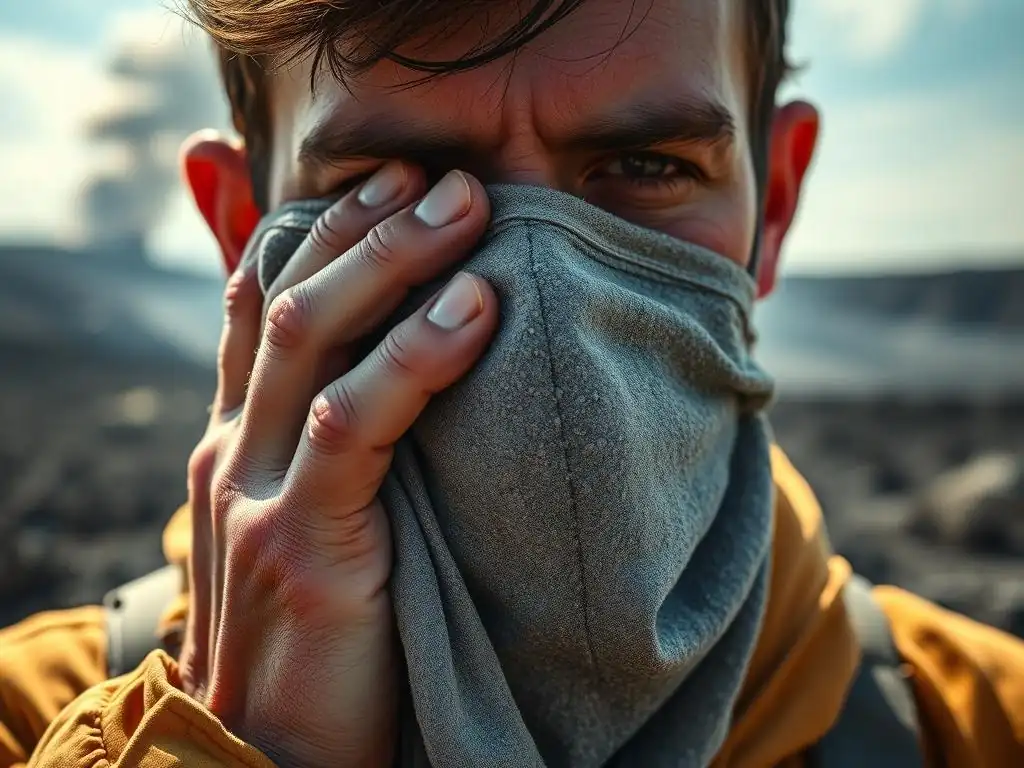
Responding effectively to volcanic ashfall requires a proactive approach and knowledge of basic respiratory first aid. This step-by-step guide provides a checklist of actions to take during and after ashfall to protect your respiratory health. These volcanic ash safety tips are designed to be practical and actionable, helping you navigate ashfall events with confidence and preparedness. Remember, the goal is to minimize ash inhalation and mitigate its harmful effects on your lungs.
This guide is structured into three key steps: immediate actions during ashfall, first aid for respiratory irritation, and recognizing when to seek medical help. Each step builds upon the previous one, providing a comprehensive approach to respiratory first aid in volcanic ash environments. By following these volcanic ash safety tips, you can significantly reduce your risk of respiratory problems and ensure the well-being of yourself and those around you during volcanic events.
Step 1: Immediate Actions During Ashfall: Shelter and Protection
The first and most crucial step during volcanic ashfall is to seek immediate shelter indoors. Minimize your exposure to the ash-laden air by getting inside as quickly as possible. Once indoors, take steps to prevent ash from entering your home or building. These immediate actions are paramount in reducing your initial exposure to volcanic ash and are fundamental volcanic ash safety tips.
Respiratory protection is the next critical action. Even indoors, fine ash particles can infiltrate buildings, so protecting your airways is essential. Wearing a mask or respirator is highly recommended. If specialized masks are unavailable, improvising with readily available materials can offer some level of protection. These immediate protective measures, focusing on shelter and respiratory protection, form the cornerstone of volcanic ash safety tips during ashfall.
Seeking Shelter: Find a Safe Indoor Environment
When volcanic ashfall begins, the priority is to find a safe indoor environment. Ideally, this should be a building with solid walls and a roof that can protect you from the elements and falling ash. Homes, offices, schools, and community centers are all suitable options. If you are outdoors when ashfall starts, seek shelter in the nearest available building. Do not remain outdoors unnecessarily, as prolonged exposure increases your risk of inhaling ash.
Once inside, close all windows and doors immediately to prevent ash from entering. If possible, seal any gaps around windows and doors with tape or damp cloths to further minimize ash infiltration. Turn off ventilation systems that draw air from outside, such as air conditioners and evaporative coolers. If you have a fireplace or wood-burning stove, ensure the damper is closed to prevent ash from entering through the chimney. Choosing the right shelter and taking these sealing measures are vital volcanic ash safety tips for minimizing indoor ash exposure.
Respiratory Protection: Masks, Respirators, and Improvised Solutions
Respiratory protection is paramount during volcanic ashfall, even indoors. The most effective protection is provided by respirators certified to filter out fine particles, such as N95, P100, or FFP2 masks. These masks are designed to filter out at least 95% of airborne particles, including volcanic ash. Ensure the mask fits snugly over your nose and mouth to create a tight seal. For those with facial hair, achieving a perfect seal can be challenging; consider shaving if possible or using a PAPR (Powered Air-Purifying Respirator) for better protection in prolonged ash events.
If specialized respirators are not readily available, surgical masks offer some degree of protection, although they are less effective than N95 or similar respirators. In emergency situations, where no masks are available, you can improvise respiratory protection using a damp cloth or towel held over your nose and mouth. While not as effective as a proper mask, a damp cloth can filter out larger ash particles and reduce inhalation of fine dust.
Remember to breathe through your nose and mouth covered by the damp cloth. These respiratory protection strategies, from professional respirators to improvised solutions, are crucial volcanic ash safety tips to minimize ash inhalation.
Step 2: First Aid for Respiratory Irritation: Soothing and Clearing Airways
After seeking shelter and donning respiratory protection, the next step is to address any respiratory irritation you may be experiencing. This involves soothing irritated airways and helping to clear ash particles from your respiratory system. These first aid measures are designed to alleviate discomfort and prevent minor irritations from escalating into more serious problems. Implementing these volcanic ash safety tips can significantly improve your comfort and respiratory well-being during and after ashfall.
This step focuses on three key techniques: irrigating nasal passages, soothing a sore throat, and managing coughing. Each of these methods is simple, effective, and can be performed at home using readily available materials. By proactively addressing respiratory irritation with these first aid techniques, you can minimize the impact of volcanic ash on your respiratory system and promote faster recovery.
Irrigating Nasal Passages: Saline Nasal Rinse Techniques
Nasal irrigation with saline solution is a highly effective method for clearing volcanic ash and irritants from your nasal passages. This simple technique helps to wash away ash particles, reduce nasal congestion, and soothe irritated nasal tissues. Regular nasal rinsing can significantly alleviate nasal irritation and prevent further respiratory complications. This is a key volcanic ash safety tip for maintaining clear airways.
You can use commercially prepared saline nasal sprays or create your own saline solution at home. To make your own saline solution, mix 1/4 teaspoon of non-iodized salt in 8 ounces (1 cup) of lukewarm, previously boiled or distilled water. Ensure the salt is fully dissolved. Use a bulb syringe, neti pot, or squeeze bottle to gently irrigate each nostril with the saline solution. Tilt your head to one side over a sink and gently insert the nozzle into the upper nostril.
Slowly squeeze the bulb syringe or bottle to allow the saline solution to flow through your nasal passages and drain out the other nostril. Repeat on the other side. Avoid forcing the solution, and breathe through your mouth during the process. Perform nasal rinsing 2-3 times a day during ashfall and for a few days afterwards to keep your nasal passages clear and soothe irritation.
Soothing a Sore Throat: Honey and Warm Water
A sore throat is a common symptom of volcanic ash exposure, caused by irritation of the throat tissues from inhaled ash particles. Soothing a sore throat can provide significant relief and prevent further discomfort. Simple home remedies like honey and warm water can be very effective in alleviating sore throat symptoms. These are easy-to-implement volcanic ash safety tips for managing throat irritation.
Warm liquids, in general, are soothing to the throat. Drinking warm water, herbal teas (like chamomile or ginger), or clear broths can help to hydrate and soothe irritated throat tissues. Honey is a natural cough suppressant and throat soother. A spoonful of honey, or honey mixed in warm water or tea, can help to reduce throat irritation and coughing.
For adults and children over one year old, honey is a safe and effective remedy. Avoid giving honey to infants under one year old due to the risk of botulism. Gargling with warm salt water (1/4 teaspoon of salt in 8 ounces of warm water) can also help to reduce inflammation and soothe a sore throat. These simple remedies can provide significant relief from sore throat discomfort associated with volcanic ash exposure.
Managing Coughing: Effective Cough Control Strategies
Coughing is a natural reflex to clear irritants from your airways, but persistent coughing can be tiring and uncomfortable. Managing coughing effectively is important for comfort and to prevent further irritation of the airways. Several strategies can help to control coughing associated with volcanic ash exposure. These volcanic ash safety tips focus on easing coughs and promoting respiratory comfort.
Staying hydrated is crucial for managing coughing. Drinking plenty of fluids, especially warm liquids, helps to thin mucus and make it easier to cough up. Avoid sugary drinks, as they can dehydrate you. Using a humidifier can add moisture to the air, which can help to soothe irritated airways and reduce coughing.
If you don't have a humidifier, taking a steamy shower or sitting in a steamy bathroom can have a similar effect. Over-the-counter cough suppressants containing dextromethorphan or guaifenesin can be used to reduce coughing, but consult with a pharmacist or doctor before using any medications, especially if you have underlying health conditions or are taking other medications. Avoid smoking and exposure to other respiratory irritants, as these can worsen coughing. If your cough is severe, persistent, or accompanied by other concerning symptoms like shortness of breath or fever, seek medical advice.
Step 3: Recognizing and Addressing Severe Respiratory Distress: When to Seek Medical Help
While most respiratory symptoms from volcanic ash are mild and manageable with first aid, it is crucial to recognize the signs of severe respiratory distress that require immediate medical attention. Knowing when to seek professional medical help is a vital component of volcanic ash safety tips. Prompt medical intervention can be life-saving in cases of severe respiratory complications.
This step outlines the signs of severe respiratory distress, explains when to call emergency services, and provides guidance on safely transporting someone experiencing respiratory issues to medical care. Understanding these critical aspects ensures that you can respond appropriately in emergency situations and get timely medical assistance when needed.
Identifying Signs of Severe Respiratory Distress: Wheezing, Difficulty Breathing, Chest Pain
Distinguishing between mild irritation and severe respiratory distress is essential for appropriate response. Wheezing, a high-pitched whistling sound when breathing, especially when exhaling, is a sign of narrowed airways and potential respiratory distress. Difficulty breathing, or severe shortness of breath, is another critical warning sign. This may manifest as feeling like you can't get enough air, rapid breathing, or struggling to breathe even at rest. Chest pain or tightness, especially if it is new or worsening, can also indicate a serious respiratory problem.
Other signs of severe respiratory distress include bluish discoloration of the lips or fingertips (cyanosis), which indicates low oxygen levels in the blood. Confusion, dizziness, or decreased level of consciousness can also occur due to lack of oxygen to the brain. If you or someone nearby experiences any of these severe symptoms after volcanic ash exposure, it is imperative to seek immediate medical attention. Do not delay in seeking help if you observe these signs of respiratory distress. Recognizing these symptoms is a crucial part of volcanic ash safety tips.
When to Call Emergency Services: Severe Shortness of Breath or Loss of Consciousness
In certain situations, the severity of respiratory distress warrants an immediate call to emergency services. If someone is experiencing severe shortness of breath, meaning they are struggling to breathe, gasping for air, or unable to speak in full sentences due to breathlessness, call emergency services immediately. Loss of consciousness or fainting is another critical indicator requiring emergency medical assistance. If someone becomes unresponsive or loses consciousness after volcanic ash exposure, call for emergency help right away.
Persistent chest pain, especially if it is severe or accompanied by shortness of breath, also warrants an emergency call. If you are unsure about the severity of the symptoms, err on the side of caution and contact emergency services. It is always better to seek professional medical advice promptly in potentially life-threatening situations.
Knowing when to call for emergency help is a critical aspect of volcanic ash safety tips. Dial your local emergency number (such as 911 in the US or 999 in the UK) and clearly explain the situation, including that it is related to volcanic ash exposure and the specific symptoms being experienced.
Transporting a Person with Respiratory Issues: Keep Upright and Monitor Breathing
If you need to transport someone experiencing respiratory issues to a medical facility, take precautions to ensure their safety and comfort during transport. If possible, call for an ambulance or emergency medical services for professional transport. If ambulance transport is not immediately available and you must transport the person yourself, keep them in an upright position during transport. Sitting upright can make breathing easier compared to lying down, especially for someone with respiratory distress.
Ensure they continue to wear respiratory protection, such as a mask, if available, during transport to minimize further ash inhalation. Continuously monitor their breathing, level of consciousness, and any changes in their condition. If their condition worsens during transport, pull over safely and call emergency services for further instructions or to arrange for an ambulance to meet you. Provide reassurance and keep them calm, as anxiety can worsen shortness of breath. Transporting someone with respiratory issues requires careful attention and continuous monitoring, reinforcing the importance of preparedness within volcanic ash safety tips.
Long-Term Respiratory Health After Volcanic Ash Exposure
While immediate respiratory issues from volcanic ash are often the primary concern, it's important to consider the potential long-term effects on respiratory health. Even if initial symptoms are mild, repeated or prolonged exposure to volcanic ash can contribute to chronic respiratory problems over time. Therefore, long-term respiratory health management is a crucial aspect of comprehensive volcanic ash safety tips.
This section focuses on monitoring your respiratory health after ash exposure, managing any chronic conditions that may develop or worsen, and taking preventative measures to minimize future exposure. Proactive management of long-term respiratory health is essential for individuals living in or frequently visiting volcanic regions.
Monitoring Your Respiratory Health: Regular Checkups with a Doctor
After a volcanic ashfall event, especially if you experienced respiratory symptoms, it is advisable to monitor your respiratory health closely and schedule a checkup with your doctor. Regular checkups can help detect any early signs of respiratory problems that may have been triggered or exacerbated by ash exposure. This proactive approach is a vital component of volcanic ash safety tips for long-term well-being.
During your checkup, inform your doctor about your exposure to volcanic ash and any respiratory symptoms you experienced, even if they seemed mild or have resolved. Your doctor can assess your lung function, listen to your lungs, and recommend further tests if necessary, such as spirometry (lung function test) or chest X-rays, to evaluate your respiratory health. Regular checkups are particularly important for individuals with pre-existing respiratory conditions, children, the elderly, and those who experienced significant ash exposure or respiratory symptoms. Early detection and management of any respiratory issues can prevent them from progressing into more serious chronic conditions.
Managing Chronic Respiratory Conditions: Consult with a Pulmonologist
For individuals with pre-existing chronic respiratory conditions like asthma, COPD, or bronchitis, volcanic ash exposure can significantly worsen their symptoms and potentially trigger exacerbations. It is crucial for these individuals to consult with their pulmonologist or respiratory specialist for personalized management strategies and adjustments to their treatment plans after volcanic ash exposure. This proactive approach is a key volcanic ash safety tip for those with pre-existing conditions.
A pulmonologist can assess the impact of ash exposure on your chronic respiratory condition and recommend appropriate adjustments to your medication regimen, such as increasing the dosage of inhalers or adding new medications. They can also provide guidance on managing symptoms, recognizing early warning signs of exacerbations, and developing an action plan for future ashfall events. Regular follow-up appointments with a pulmonologist are essential for individuals with chronic respiratory conditions living in volcanic regions to ensure optimal respiratory health management and minimize the long-term impact of volcanic ash exposure.
Preventing Future Exposure: Staying Informed and Prepared
Prevention is always better than cure, and minimizing future exposure to volcanic ash is a key aspect of long-term respiratory health management. Staying informed about volcanic activity and being prepared for future ashfall events are crucial volcanic ash safety tips for residents of volcanic regions. Proactive preparation can significantly reduce your risk of respiratory problems from future ash exposures.
Stay informed about the volcanic activity in your area by monitoring official sources of information, such as the USGS Volcano Hazards Program or your local volcano observatory. Heed volcanic ash advisories and warnings issued by authorities. Develop a personal or family preparedness plan for volcanic ashfall events, including having a respiratory first aid kit readily available, knowing evacuation routes if necessary, and practicing shelter-in-place procedures. By staying informed and prepared, you can significantly reduce your exposure to volcanic ash and protect your long-term respiratory health.
Essential Items for Your Volcanic Ash Respiratory First Aid Kit

Being prepared for volcanic ashfall includes assembling a dedicated respiratory first aid kit. This kit should contain essential items to protect your airways and manage respiratory symptoms effectively. Having a well-stocked kit readily available is a crucial aspect of volcanic ash safety tips and preparedness. This section outlines the essential items to include in your kit.
A comprehensive volcanic ash respiratory first aid kit should include respiratory protection, eye protection, nasal irrigation supplies, and hydration essentials. These items are relatively inexpensive and easily accessible, but they can make a significant difference in protecting your health during and after ashfall events. Regularly check and replenish your kit to ensure that all items are in good condition and readily available when needed.
Masks and Respirators: Choosing the Right Protection
Masks and respirators are the cornerstone of your volcanic ash respiratory first aid kit. Having an adequate supply of appropriate respiratory protection is essential for minimizing ash inhalation. Choosing the right type of mask or respirator is crucial for effective protection. This is a primary volcanic ash safety tip for kit preparation.
Include multiple N95, P100, or FFP2 respirators in your kit. These respirators offer the best protection against fine particles like volcanic ash. Ensure you have a variety of sizes to fit different family members, and practice proper mask fitting to ensure a good seal. Consider including surgical masks as a backup option or for less intense ashfall situations. Store masks in a sealed plastic bag or container to keep them clean and protected from dust and moisture. Check the expiration dates on respirators and replace them as needed.
Eye Protection: Goggles and Protective Eyewear
Volcanic ash can also irritate the eyes, causing redness, itching, and watering. Protecting your eyes is important for overall comfort and to prevent eye injuries. Including eye protection in your first aid kit is a recommended volcanic ash safety tip.
Include goggles or protective eyewear in your kit to shield your eyes from ash particles. Goggles that seal around the eyes provide better protection than regular eyeglasses. Ensure goggles fit comfortably and provide a clear field of vision. For contact lens wearers, it is advisable to switch to eyeglasses during ashfall to avoid ash particles getting trapped under contact lenses and causing irritation or corneal abrasion.
Saline Solution: For Nasal Irrigation
Saline solution is essential for nasal irrigation, a highly effective method for clearing ash from nasal passages and relieving congestion. Including saline solution in your kit ensures you have the means to perform nasal rinsing readily available. This is a key volcanic ash safety tip for managing nasal irritation.
Include commercially prepared saline nasal spray or saline solution in your kit. Alternatively, include non-iodized salt and instructions for making your own saline solution using clean water. A bulb syringe, neti pot, or squeeze bottle can be used for nasal irrigation and should also be part of your kit if possible. Having saline solution readily available allows for prompt and effective nasal rinsing to alleviate nasal irritation and congestion from volcanic ash.
Water: For Hydration
Staying hydrated is crucial for overall health and respiratory well-being during and after volcanic ashfall. Dehydration can worsen respiratory symptoms and make it harder to cough up mucus. Including water in your first aid kit, or ensuring easy access to clean water, is an important volcanic ash safety tip.
Store bottled water in your kit or ensure you have a plan for accessing clean drinking water during an ashfall event. Aim to drink plenty of fluids to stay hydrated, especially warm liquids which can help soothe the throat and loosen mucus. Having water readily available is essential for maintaining hydration and supporting respiratory function during and after volcanic ash exposure.
Staying Informed: Monitoring Volcanic Activity and Ashfall Forecasts
Staying informed about volcanic activity and ashfall forecasts is crucial for proactive preparedness and timely response. Monitoring official sources of information and understanding volcanic ash advisories are key volcanic ash safety tips for residents of volcanic regions. Being informed allows you to take preemptive measures to protect yourself and your community.
This section highlights reliable sources of information for monitoring volcanic activity and explains how to understand volcanic ash advisories. Access to timely and accurate information is essential for making informed decisions and taking appropriate actions during volcanic events.
Official Sources of Information: USGS Volcano Hazards Program and Local Emergency Management Agencies
Reliable information about volcanic activity and ashfall forecasts should come from official sources. The USGS Volcano Hazards Program ( www.usgs.gov/volcanoes ) is a primary source of information for volcanic activity in the United States, providing real-time monitoring data, alerts, and educational resources. For volcanoes outside the US, similar volcano observatories exist in many countries, often affiliated with national geological surveys or universities. These observatories provide scientific data and assessments of volcanic hazards.
Local emergency management agencies are also crucial sources of information during volcanic crises. They disseminate warnings, evacuation orders, and safety guidelines to the public. Familiarize yourself with the official sources of information in your area and monitor their websites and social media channels for updates and alerts. Relying on official sources ensures you receive accurate and timely information for making informed decisions and implementing effective volcanic ash safety tips.
Understanding Volcanic Ash Advisories: Stay Alert to Ashfall Warnings
Volcanic ash advisories are issued by meteorological agencies and volcano observatories to warn communities about potential ashfall events. These advisories typically include information about the expected extent and intensity of ashfall, the areas likely to be affected, and recommended safety precautions. Understanding these advisories and staying alert to ashfall warnings is a critical volcanic ash safety tip.
Pay attention to official ashfall warnings and advisories issued by your local authorities and meteorological agencies. These warnings often use specific terminology and alert levels to indicate the severity of the threat. Heed the recommendations provided in ashfall advisories, which may include staying indoors, wearing masks, and taking other protective measures.
Ashfall forecasts can help you anticipate ashfall events and take proactive steps to prepare, such as securing outdoor items, stocking up on supplies, and reviewing your respiratory first aid kit. Staying informed about ashfall advisories allows for timely implementation of volcanic ash safety tips and minimizes the impact of ashfall events.
Community Preparedness: Helping Others During Volcanic Ash Events
Volcanic ash events affect entire communities, and community preparedness is essential for ensuring the safety and well-being of everyone, especially vulnerable populations. Extending volcanic ash safety tips to community preparedness involves assisting those who may need extra help and promoting community awareness. A collective approach enhances overall resilience and reduces the impact of volcanic ash on the community as a whole.
This section focuses on assisting vulnerable populations within your community and sharing information and resources to promote community awareness. Community solidarity and mutual support are vital during volcanic crises.
Assisting Vulnerable Populations: Check on Neighbors and Family
Vulnerable populations, such as the elderly, children, individuals with pre-existing respiratory or health conditions, and people with disabilities, are particularly susceptible to the adverse effects of volcanic ash. Community preparedness includes proactively checking on these vulnerable neighbors and family members to ensure their safety and well-being during ashfall events. This is a crucial aspect of volcanic ash safety tips at a community level.
Reach out to elderly neighbors, family members with health conditions, or individuals with disabilities before, during, and after ashfall events. Offer assistance with securing their homes, obtaining supplies, and accessing transportation if needed. Ensure they have adequate respiratory protection and understand volcanic ash safety tips. Check on their well-being regularly and offer support as needed. Community preparedness involves looking out for the most vulnerable members and ensuring they are not left behind during volcanic crises.
Promoting community awareness about volcanic ash hazards and volcanic ash safety tips is essential for effective preparedness. Sharing information and resources within your community can empower individuals to take proactive steps to protect themselves and their families. Community-wide awareness enhances overall resilience and reduces the collective impact of volcanic ash events.
Share reliable information about volcanic ash hazards, safety precautions, and first aid measures through community networks, social media, local newsletters, or community meetings. Distribute educational materials, such as brochures or flyers outlining volcanic ash safety tips. Organize community workshops or training sessions on volcanic ash preparedness. Encourage neighbors to check on each other and share resources during ashfall events. By promoting community awareness and sharing information, you contribute to a more informed and prepared community, enhancing collective safety and resilience during volcanic crises.
Frequently Asked Questions
What are the primary health risks associated with volcanic ash exposure?
The primary risks are related to the respiratory system, including irritation of the lungs and airways. Ash can also cause eye irritation and skin discomfort.
How does volcanic ash specifically affect people with pre-existing respiratory conditions?
Volcanic ash can significantly worsen conditions like asthma and bronchitis, leading to increased coughing, wheezing, and shortness of breath. It's crucial for these individuals to take extra precautions.
What are the essential items to include in a volcanic ash respiratory first aid kit?
Key items include a well-fitting N95 respirator mask, eye protection like goggles or glasses, and any personal medications, especially inhalers for those with respiratory issues.
Besides respiratory protection, what other measures can I take to minimize ash exposure indoors?
Close windows and doors, seal gaps around them with tape, and use air purifiers with HEPA filters if available. Also, avoid activities that stir up dust.
Where can I find reliable real-time updates and safety information during a volcanic eruption?
Refer to official sources like your local emergency management agency and websites such as VolcanoExplorers.org for the latest alerts and volcanic ash safety tips.
Final Reflection: Breathing Easier in the Shadow of the Volcano
The threat of volcanic ash, often underestimated, is a stark reminder of nature's power and our vulnerability. This guide, while focused on practical respiratory first aid, underscores a deeper truth: preparedness is empowerment. By understanding the dangers and equipping ourselves with the knowledge and tools to mitigate them, we transform from passive observers to active participants in our own safety.
The impact of volcanic eruptions extends far beyond immediate destruction; the insidious reach of ash can linger for months, even years, affecting respiratory health and disrupting daily life. This article is more than just a checklist; it's a call to cultivate a culture of proactive safety, reminding us that our well-being is inextricably linked to our understanding of the environment. By failing to prepare, you are preparing to fail.
- Benjamin Franklin. This quote resonates deeply, highlighting the crucial role of foresight in navigating potential disasters.
Now, take a moment to consider your own preparedness. Have you thought about the potential environmental hazards in your region? Are you equipped with the knowledge and resources to protect yourself and your loved ones? Let this article be a catalyst for action. Don't wait for the ash to fall; begin preparing today, and breathe easier knowing you've taken steps to safeguard your health and well-being.
Okay, I understand. Here's a CTA for the end of a web article titled "Don't Panic, Prepare: Your Volcanic Ash Respiratory First Aid Checklist," for the website Volcano Explorers (volcanoexplorers.org):
Breathe Easier: Start Your Volcanic Ash Preparedness Plan Today!
Thank you for taking the time to learn how to protect your respiratory health during volcanic ashfall. You're now equipped with vital knowledge that can make a significant difference in your safety and well-being. Now, let's put that knowledge into action!
- Prioritize your respiratory health: Immediately create a volcanic ash emergency kit including N95 masks, eye protection, and any necessary medications. Consider storing it in an easily accessible location.
- Explore our website at volcanoexplorers.org. Discover lesser-known facts about different volcanic hazards and practical preparedness tips beyond respiratory health.
- Share this essential guide with your family, friends, and community members. Helping others prepare can create a safer environment for everyone.
What are the three most vital items you will include in your volcanic ash respiratory first aid kit, and where will you keep it for quick access? Let's start the discussion below!