
Grounded: Eyjafjallajökull Eruption and the Airline Industry's WakeUp Call

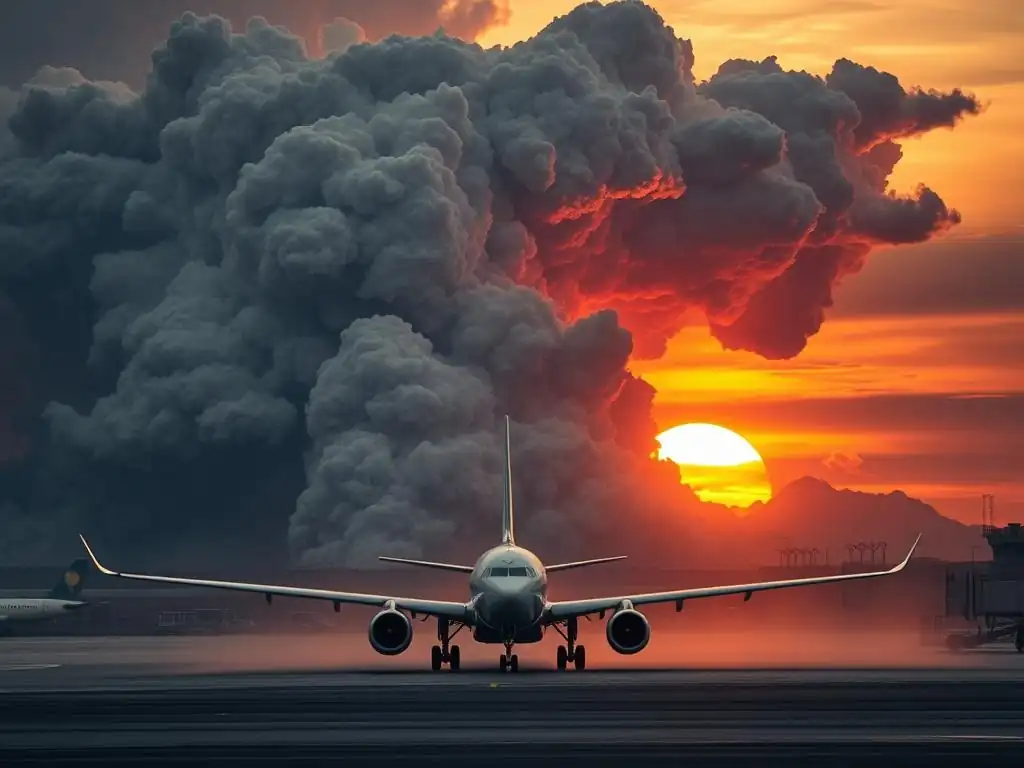
Welcome to Volcano Explorers, where the Earth's fiery secrets are unveiled. The Icelandic volcano, Eyjafjallajökull, may sound like a tongue-twister, but its 2010 eruption had a global impact. Ever wondered how a plume of ash could bring the world's airline industry to its knees? Prepare to discover the untold story of the Eyjafjallajökull eruption impact on airlines and the lessons learned from this unforgettable event. Let's dive in...
- Introduction: The 2010 Eyjafjallajökull Eruption - A Volcanic Disruption
- Eyjafjallajökull: A Volcanic Profile
- The Aviation Crisis: Impact of Volcanic Ash on Air Travel
- Economic Fallout: Airline Industry Losses and Beyond
- Rethinking Risk Management: Lessons Learned from Eyjafjallajökull
- Beyond Eyjafjallajökull: The Ongoing Threat of Volcanic Ash
- Conclusion: Eyjafjallajökull's Enduring Legacy on Air Travel Safety
-
Frequently Asked Questions
- What was the primary impact of the Eyjafjallajökull eruption on the airline industry?
- Why was volcanic ash so dangerous to airplanes during the Eyjafjallajökull eruption?
- How did airlines respond to the Eyjafjallajökull eruption?
- What lessons did the Eyjafjallajökull eruption teach the airline industry about volcanic risk?
- What long-term changes resulted from the Eyjafjallajökull eruption in the aviation sector?
- Final Reflection: Lessons from the Ash Cloud
- Ignite Your Inner Explorer: Take Flight with Volcano Knowledge!
Introduction: The 2010 Eyjafjallajökull Eruption - A Volcanic Disruption
In April 2010, the name Eyjafjallajökull, a seemingly unpronounceable Icelandic volcano, became synonymous with global air travel chaos. The eruption of this subglacial volcano, while not exceptionally large in volcanic terms, unleashed an unprecedented disruption on air traffic across Europe and beyond. For six days, a vast plume of volcanic ash drifted across the skies, forcing the closure of airspace and grounding thousands of flights.
This event served as a stark reminder of nature's power and exposed the vulnerability of the highly interconnected global airline industry to unexpected natural hazards. The Eyjafjallajökull eruption impact on airlines was profound, triggering a re-evaluation of risk management strategies and prompting significant changes in how volcanic ash is monitored and managed in aviation.
The grounding was not merely an inconvenience for travelers; it was a systemic shock to the airline industry and the global economy. Millions of passengers were stranded, businesses were disrupted, and the financial repercussions for airlines were substantial.
The event highlighted the critical need for robust protocols to assess and respond to volcanic ash threats, pushing the aviation sector to adapt and enhance its preparedness for future volcanic events. The story of the Eyjafjallajökull eruption is a compelling case study in how a seemingly localized natural event can have far-reaching global consequences, particularly in an era of hyper-mobility and interconnected systems.
Eyjafjallajökull: A Volcanic Profile
Understanding Eyjafjallajökull's Geological Context
Eyjafjallajökull, often shortened to simply 'Eyjafjalla' for easier pronunciation, is a stratovolcano located in southern Iceland. This region is part of the highly volcanically active Iceland hotspot, situated on the Mid-Atlantic Ridge where the North American and Eurasian tectonic plates diverge. Iceland's volcanic landscape is a direct result of this tectonic setting, characterized by frequent eruptions, geothermal activity, and a diverse range of volcanic features.
Eyjafjallajökull is capped by an ice cap, lending it the suffix '-jökull', which means glacier in Icelandic. This glacial cover plays a significant role in the type and explosivity of its eruptions, as the interaction between magma and meltwater can dramatically increase the plume's ash content.
The volcano's geological history is marked by a series of eruptions, though none in recent centuries had caused global disruption on the scale of the 2010 event. Prior to 2010, notable eruptions occurred in 1821-1823, which lasted for over a year and caused glacial outburst floods known as jökulhlaups. Eyjafjallajökull is situated near the larger and more frequently active volcano Katla, which lies beneath the Mýrdalsjökull ice cap.
Historically, eruptions of Eyjafjallajökull have sometimes preceded or coincided with eruptions of Katla, raising concerns among volcanologists about potential cascading volcanic events. The proximity to Katla, known for its powerful and explosive eruptions, adds another layer of complexity to the risk assessment of the region.
The Nature of the 2010 Eyjafjallajökull Eruption
The 2010 Eyjafjallajökull eruption began on March 20th with initial effusive activity in Fimmvörðuháls, a pass to the east of the main ice cap. This phase, characterized by lava flows, attracted considerable tourist attention but posed minimal disruption beyond the immediate vicinity. However, on April 14th, the eruption style shifted dramatically.
Magma began to erupt from the summit caldera beneath the ice cap, leading to a highly explosive phreatomagmatic eruption. This type of eruption occurs when hot magma interacts violently with water or ice, resulting in the fragmentation of magma into fine ash particles and the forceful ejection of steam and volcanic gases.
The key characteristic of the 2010 Eyjafjallajökull eruption was the exceptionally fine-grained nature of the volcanic ash produced. The interaction between the hot basaltic magma (approximately 1100 °C) and glacial meltwater resulted in rapid cooling and fragmentation, creating ash particles smaller than 2 mm in diameter, with a significant proportion in the silt and clay size range (less than 0.063 mm). This fine ash was easily lofted high into the atmosphere and dispersed over vast distances by prevailing winds at jet stream altitudes.
The eruption produced an estimated 250 million cubic meters of tephra (volcanic ash and rock fragments), with the ash plume reaching heights of up to 9 kilometers (30,000 feet). This combination of fine ash and high plume altitude, coupled with meteorological conditions that carried the plume over densely populated and heavily trafficked airspace, created the perfect storm for aviation disruption.
The Aviation Crisis: Impact of Volcanic Ash on Air Travel
Volcanic Ash Hazards to Aircraft
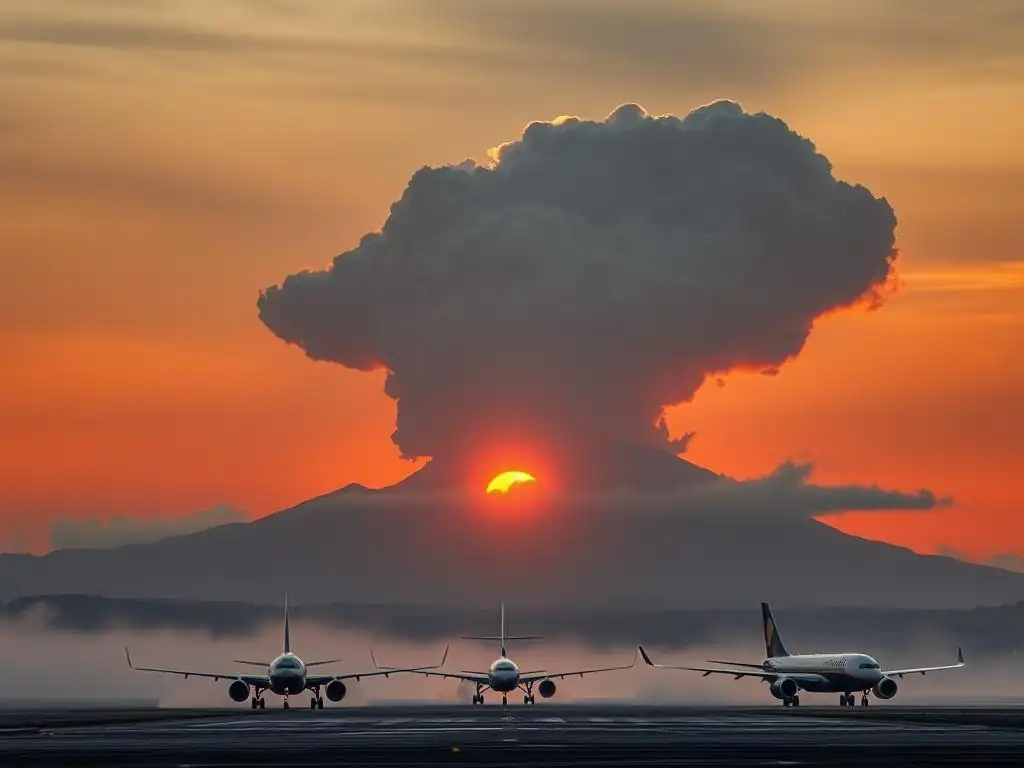
Volcanic ash poses a significant and multifaceted threat to aircraft. Unlike the soft ash from burnt wood, volcanic ash is composed of microscopic particles of volcanic glass and rock fragments, often with sharp, abrasive edges. When ingested into jet engines, these particles melt in the high temperatures of the combustion chamber and then solidify on cooler turbine blades and nozzles. This process, known as vitrification, can lead to engine damage, reduced engine efficiency, and even engine failure. Furthermore, the accumulation of ash can block fuel nozzles and cooling systems, further compromising engine performance.
Beyond engine hazards, volcanic ash can also cause severe abrasion to aircraft exteriors, particularly to windscreens and leading edges of wings and control surfaces. Reduced visibility due to ash clouds is another critical concern, making navigation and landing extremely challenging. Aircraft sensors, including airspeed indicators and pitot tubes, can also be blocked or malfunction due to ash accumulation, leading to unreliable flight instrument readings.
The electrical systems of aircraft can be affected by ash ingress, potentially causing short circuits and malfunctions. The combined effect of these hazards makes flying through volcanic ash clouds extremely dangerous, necessitating stringent safety protocols and airspace management strategies to avoid encounters.
European Airspace Closure: The Initial Response
In the immediate aftermath of the intensified Eyjafjallajökull eruption on April 14th, 2010, aviation authorities across Europe faced an unprecedented challenge. Based on scientific advice and atmospheric dispersion models, it became clear that a large plume of volcanic ash was drifting eastward over densely populated airspace. The prevailing understanding at the time, largely influenced by experiences with coarser volcanic ash from previous eruptions, was that any concentration of volcanic ash was considered unsafe for jet aircraft. This conservative approach, coupled with limitations in real-time ash detection and plume forecasting capabilities, led to widespread airspace closures.
Starting on April 15th, a cascade of airspace restrictions began across northern Europe, initially affecting countries like the UK, Ireland, and Scandinavia. As the ash plume spread, closures extended to encompass major air traffic hubs in continental Europe, including France, Germany, and the Netherlands. By April 16th, a significant portion of European airspace was effectively shut down, impacting hundreds of airports and grounding thousands of flights.
The decision to close airspace was based on the precautionary principle, prioritizing passenger safety in the face of an uncertain and evolving volcanic hazard. However, the scale and duration of the closures triggered intense debate and scrutiny, highlighting the need for more refined ash detection methods and risk assessment frameworks to balance safety with the operational needs of the aviation industry.
Economic Fallout: Airline Industry Losses and Beyond
Quantifying the Financial Impact on Airlines
The Eyjafjallajökull eruption impact on airlines was substantial, resulting in significant financial losses. During the six-day period of widespread airspace closure, airlines faced a complete cessation of operations across large parts of Europe. The International Air Transport Association (IATA) estimated that the global airline industry lost approximately \$1.7 billion in revenue due to the eruption. This figure encompasses lost ticket sales, costs associated with re-routing flights, passenger care, and aircraft ground time. European airlines bore the brunt of these losses, but the disruption also affected airlines worldwide due to flight cancellations and delays extending beyond Europe.
Beyond immediate revenue losses, airlines incurred additional expenses related to passenger accommodation, meals, and rebooking services for stranded travelers. Aircraft were stranded at various airports, disrupting flight schedules and crew rotations, leading to further operational inefficiencies and costs. Cargo airlines also suffered significant losses due to the disruption of air freight services.
The financial strain on airlines varied depending on their size, route networks, and financial reserves, with some smaller airlines facing particularly acute challenges. The Eyjafjallajökull eruption served as a stark reminder of the financial vulnerability of the airline industry to unforeseen external shocks and the importance of robust contingency planning.
The Ripple Effect: Global Economic Disruptions
The economic consequences of the Eyjafjallajökull eruption extended far beyond the airline industry. The disruption to air travel had a ripple effect across various sectors of the global economy. Businesses that rely on air freight for time-sensitive deliveries, such as the perishable goods and electronics industries, experienced significant delays and disruptions to supply chains. The tourism sector suffered substantial losses as millions of travelers were unable to reach their destinations, impacting hotels, restaurants, and tourist attractions across Europe. Business travel was severely curtailed, affecting conferences, meetings, and trade events.
The grounding also had indirect economic impacts, such as reduced productivity due to travel disruptions and delays in the movement of goods and personnel. Financial markets reacted to the uncertainty and economic disruption caused by the eruption, with some stock market indices experiencing temporary dips.
While quantifying the precise overall economic impact is complex, estimates suggest that the total global economic cost of the Eyjafjallajökull eruption disruption was in the billions of dollars. The event underscored the interconnectedness of the global economy and the far-reaching consequences that even a regional natural disaster can have on international trade, tourism, and business operations.
Rethinking Risk Management: Lessons Learned from Eyjafjallajökull
Enhanced Volcanic Ash Detection and Monitoring
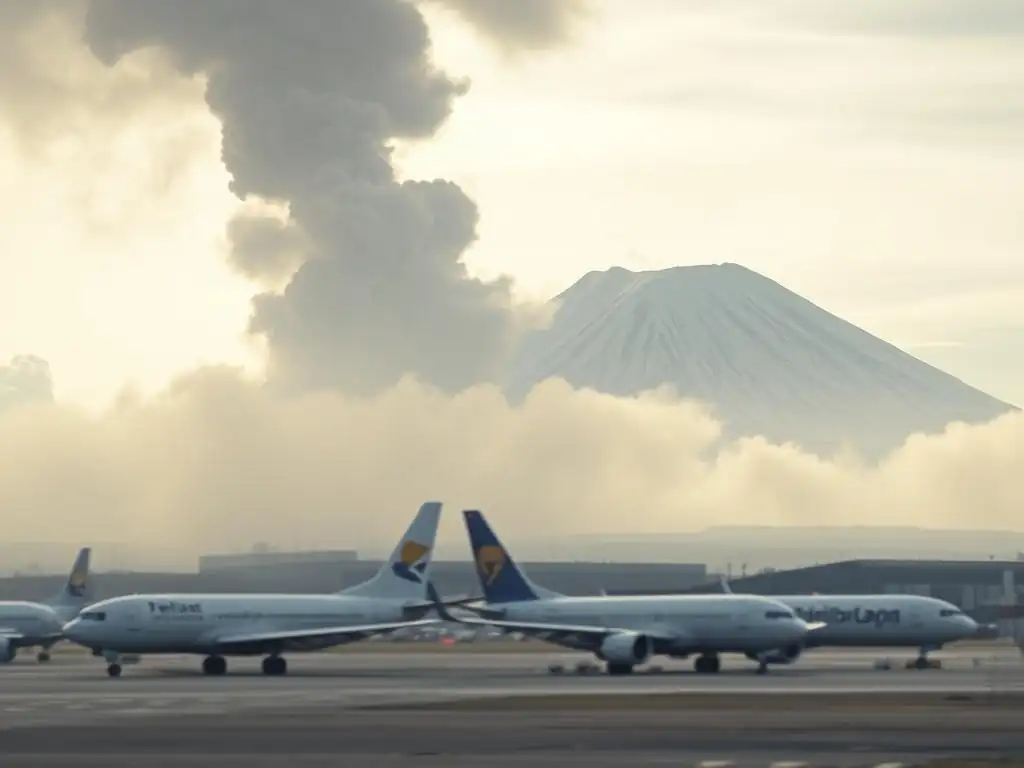
The Eyjafjallajökull eruption exposed critical gaps in volcanic ash detection and monitoring capabilities. Prior to 2010, reliance was primarily placed on pilot reports and ground-based observations, which proved inadequate for effectively tracking the fine ash plume. One of the key lessons learned was the urgent need for enhanced remote sensing technologies and atmospheric modeling to improve ash plume detection, tracking, and forecasting. In the aftermath of the eruption, significant investments were made in developing and deploying advanced technologies.
This included the increased use of satellite-based instruments, such as infrared and ultraviolet sensors, to detect and monitor volcanic ash clouds in real-time, even in remote areas and at night. Ground-based radar systems were also enhanced to provide more detailed information on ash plume altitude and concentration.
Atmospheric dispersion models were refined to better predict the movement and dispersal of volcanic ash, incorporating more sophisticated meteorological data and volcanic source parameters. The establishment of dedicated volcanic ash advisory centers (VAACs) was strengthened, with improved coordination and data sharing between volcanologists, meteorologists, and aviation authorities to provide more accurate and timely warnings.
Revised Airspace Management Protocols
The widespread airspace closures triggered by the Eyjafjallajökull eruption prompted a fundamental re-evaluation of airspace management protocols in volcanic ash scenarios. The previous 'zero tolerance' approach, which mandated airspace closure for any detectable ash concentration, was deemed overly restrictive and economically unsustainable. A shift towards a more risk-based approach was initiated, focusing on defining tolerable levels of volcanic ash concentration for aircraft operations. This involved extensive research and testing to determine the actual thresholds of ash concentration that pose a significant safety risk to different types of aircraft engines and airframes.
New airspace management concepts, such as 'time-limited operations' and 'ash-avoidance routes', were developed to allow for continued flight operations in areas with low to moderate ash concentrations, while still ensuring safety. The implementation of 'flexible use of airspace' principles allowed for dynamic adjustments to flight routes and airspace restrictions based on real-time ash plume information. Collaboration between aviation regulators, air traffic control agencies, and airlines was strengthened to develop and implement these revised protocols, ensuring a more balanced approach that minimizes disruption while maintaining acceptable safety standards.
Collaboration and Communication Improvements
The Eyjafjallajökull crisis highlighted the critical importance of effective collaboration and communication among various stakeholders in managing volcanic ash risks. The event underscored the need for seamless information flow and coordinated decision-making between volcanologists, meteorologists, aviation authorities, air traffic controllers, and airlines. In the aftermath, significant efforts were made to improve communication channels and establish clear protocols for information sharing and risk assessment.
Enhanced communication networks were established to facilitate rapid dissemination of volcanic ash advisories and airspace restrictions to all relevant parties. Regular meetings and exercises were conducted involving all stakeholders to improve coordination and rehearse response procedures. International cooperation was strengthened through organizations like the International Civil Aviation Organization (ICAO) and the World Meteorological Organization (WMO) to harmonize volcanic ash management procedures and standards globally. Public communication strategies were also improved to provide timely and accurate information to passengers and the general public during volcanic ash events, reducing uncertainty and mitigating travel disruptions.
Beyond Eyjafjallajökull: The Ongoing Threat of Volcanic Ash
Assessing the Vulnerability of Air Routes to Volcanic Eruptions
While the Eyjafjallajökull eruption focused attention on European airspace, the threat of volcanic ash to aviation is a global concern. Numerous active volcanoes are located beneath or near major air routes around the world, posing potential hazards to air travel. Regions such as Southeast Asia, the Pacific Ring of Fire, and parts of the Americas are particularly vulnerable to volcanic eruptions that could impact air traffic. Assessing the vulnerability of air routes to volcanic eruptions requires a comprehensive understanding of volcano locations, eruption frequency, ash plume characteristics, and prevailing wind patterns.
Volcanic ash hazard maps have been developed to identify areas of high volcanic ash risk to aviation, taking into account the distribution of active volcanoes and typical ash dispersal patterns. Air traffic management procedures are being adapted in regions with high volcanic ash risk to incorporate volcano monitoring and ash avoidance strategies into routine flight planning.
International collaboration is crucial to address the global nature of the volcanic ash threat, sharing best practices and coordinating responses across different regions and airspace jurisdictions. Continuous monitoring of volcanic activity worldwide and ongoing research into ash plume dynamics are essential to proactively manage the ongoing threat of volcanic ash to aviation.
The Future of Volcanic Ash Management in Aviation
The Eyjafjallajökull eruption served as a catalyst for significant advancements in volcanic ash management in aviation. However, ongoing research and development are crucial to further enhance detection capabilities, improve forecasting accuracy, and refine airspace management protocols. Future advancements may include the development of airborne volcanic ash detection systems that can be installed on aircraft to provide real-time ash concentration measurements. Improved atmospheric models, incorporating more detailed volcanic source parameters and atmospheric dynamics, are needed to enhance ash plume forecasting accuracy and extend prediction horizons.
Research into the effects of volcanic ash on different types of aircraft engines and airframes is ongoing to further refine tolerable ash concentration levels and inform risk-based airspace management decisions. The development of standardized international procedures and protocols for volcanic ash management is essential to ensure consistent and effective responses across different regions and airspace jurisdictions. Continued investment in volcano monitoring infrastructure, research, and international collaboration is vital to ensure that the aviation industry remains resilient to the ongoing threat of volcanic ash and can effectively manage future volcanic eruptions with minimal disruption to air travel while prioritizing safety.
Conclusion: Eyjafjallajökull's Enduring Legacy on Air Travel Safety
The 2010 Eyjafjallajökull eruption, while relatively modest in volcanic scale, left an indelible mark on the airline industry. The extensive airspace closures and economic disruptions it caused served as a powerful wake-up call, highlighting the vulnerability of global air travel to volcanic hazards and the critical need for improved risk management strategies. The eruption's enduring legacy lies in the significant advancements it spurred in volcanic ash detection, monitoring, and airspace management protocols.
The aviation sector has emerged from the Eyjafjallajökull experience with enhanced preparedness, improved technologies, and more robust procedures for responding to volcanic ash events. While the threat of volcanic ash to air travel remains, the lessons learned from Eyjafjallajökull have led to a more proactive and risk-informed approach to managing this hazard.
The event serves as a continuing reminder of the dynamic interplay between natural forces and human activities, and the importance of ongoing vigilance and adaptation to ensure the safety and resilience of critical infrastructure in the face of natural hazards. The Eyjafjallajökull eruption impact on airlines has been a transformative event, shaping the future of volcanic ash management and contributing to a safer and more resilient global air travel system.
Frequently Asked Questions
What was the primary impact of the Eyjafjallajökull eruption on the airline industry?
The primary impact was the widespread grounding of flights across Europe due to the volcanic ash cloud. This resulted in massive financial losses and travel disruptions for millions.
Why was volcanic ash so dangerous to airplanes during the Eyjafjallajökull eruption?
Volcanic ash contains abrasive particles that can damage jet engines, leading to engine failure. The ash can also reduce visibility and clog critical aircraft systems.
How did airlines respond to the Eyjafjallajökull eruption?
Airlines were forced to cancel flights and reroute aircraft, leading to significant schedule changes. They also worked with regulatory agencies to develop improved ash detection and avoidance strategies.
What lessons did the Eyjafjallajökull eruption teach the airline industry about volcanic risk?
The eruption highlighted the need for better monitoring of volcanic activity and improved models for predicting ash cloud dispersal. It also emphasized the importance of international cooperation in managing volcanic crises.
What long-term changes resulted from the Eyjafjallajökull eruption in the aviation sector?
Changes included enhanced ash detection technology on aircraft and improved coordination between airlines, volcanologists, and air traffic control. There was also a greater focus on risk assessment and crisis management planning.
Final Reflection: Lessons from the Ash Cloud
The eruption of Eyjafjallajökull in 2010, and the subsequent grounding of flights across Europe, serves as a potent reminder of nature's power and the fragility of even the most sophisticated systems. The disruption to the airline industry, and the global economy, was profound, forcing a critical re-evaluation of risk assessment and contingency planning. This event continues to resonate today, as airlines navigate increasingly complex challenges, from climate change to geopolitical instability, all demanding a similar level of adaptability and resilience.
The ash cloud that paralyzed air travel wasn't just a temporary inconvenience; it was a catalyst for change, forcing the industry to confront its vulnerabilities. The experience highlighted the interconnectedness of our world and the ripple effects of seemingly isolated events. It also underscored the importance of scientific understanding and international collaboration in managing global crises. The only constant in life is change.
- Heraclitus. This quote perfectly encapsulates the lesson learned: the airline industry, and indeed all industries, must embrace change and prepare for the unexpected.
As we move forward, let us remember the lessons learned from Eyjafjallajökull. Consider how you can apply the principles of resilience, adaptability, and foresight in your own life and work. How can you better prepare for the unexpected, embrace change, and contribute to a more sustainable and resilient future? The ash cloud may have dissipated, but the need for vigilance and proactive planning remains as crucial as ever.
Ignite Your Inner Explorer: Take Flight with Volcano Knowledge!
Thank you for exploring the fascinating intersection of volcanic activity and the airline industry. We hope you've gained a deeper understanding of how the Eyjafjallajökull eruption shook the world of aviation. Now, it's time to turn that knowledge into action!
Here are some ways you can further your journey:
- Share this article with fellow travel enthusiasts and spark a conversation about the unseen forces that shape our world.
- Delve deeper! Explore other eruptions on Volcano Explorers to compare their impacts on various industries and communities.
- Join our online forum to discuss the long-term effects of volcanic eruptions on global travel and the environment.
What surprising connection between volcanoes and everyday life will you uncover next?