
The Allure of Ash: Exploring the Intrigue of Volcanic Plumes

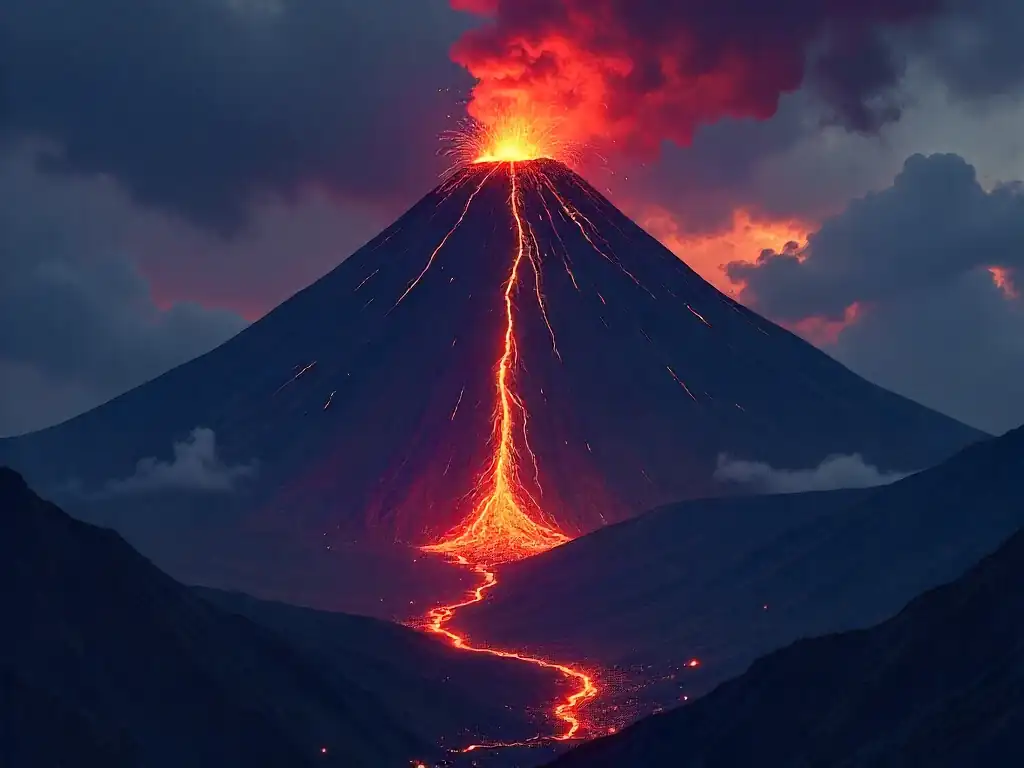
Welcome to Volcano Explorers, where the Earth's fiery heart beats loud. Ever wondered what secrets are hidden within the billowing clouds rising from a volcanic vent? Get ready to unravel the mysteries of volcanic plumes and their impact. Prepare to be captivated by the science, the spectacle, and the stories behind these awe-inspiring displays of nature's power... and perhaps even discover your next adventure.
- Volcano Photography: Capturing the Majesty of Volcanic Ash Plumes
- Understanding Volcanic Plumes: More Than Just Smoke
- The Impact of Volcanic Plumes: Environmental and Climatic Effects
- Photographing Volcanic Plumes: A Guide for Volcano Explorers
- Case Studies: Iconic Volcanic Plume Photographs and Their Stories
- Documenting Volcanic Plume Activity: Contributing to Scientific Understanding
- The Future of Volcanic Plume Research and Photography
- Conclusion: Appreciating the Power and Peril of Volcanic Plumes
- Frequently Asked Questions
- Final Reflection: Embracing the Volcanic Dance of Creation and Destruction
- Ignite Your Curiosity: Chart Your Volcanic Adventure!
Volcano Photography: Capturing the Majesty of Volcanic Ash Plumes
Introduction: The Dramatic Beauty of Erupting Volcanoes Through the Lens
Volcanic eruptions are among the most awe-inspiring displays of nature's power, and at the heart of these spectacles are volcanic plumes. These towering columns of ash, gas, and rock, rising high into the atmosphere, are not only visually arresting but also hold crucial information about the eruptive processes occurring deep within the Earth.
For volcano photographers, capturing the essence of these plumes is a pursuit that combines artistry with a deep respect for the raw forces of nature. Through the lens, the dramatic beauty of erupting volcanoes and their associated volcanic plumes can be immortalized, providing a unique perspective on these powerful geological events.
The allure of photographing volcanic plumes lies in their dynamic and ever-changing nature. No two eruptions are identical, and even within a single eruption, the shape, color, and intensity of the volcanic plumes can shift dramatically within minutes. From the dark, menacing clouds of ash billowing during explosive eruptions to the ethereal wisps of steam and gas released during gentler degassing, each plume tells a story. Photographers are drawn to capture these fleeting moments, seeking to convey the immense scale and energy of volcanic activity through compelling imagery of volcanic plumes.
Understanding Volcanic Plumes: More Than Just Smoke
What is a Volcanic Plume? Composition and Formation
A volcanic plume is far more complex than mere smoke. It is a buoyant column of hot volcanic gases, particulate matter (primarily volcanic ash), and often, fragments of rock, expelled into the atmosphere during volcanic eruptions.
The composition of volcanic plumes varies depending on the type of eruption and the magma involved, but common components include water vapor (H₂O), carbon dioxide (CO₂), sulfur dioxide (SO₂), hydrogen sulfide (H₂S), and hydrogen halides like hydrogen chloride (HCl) and hydrogen fluoride (HF). These gases can constitute up to 90% of a volcanic plume by volume, particularly in effusive eruptions, while explosive eruptions are characterized by a higher proportion of solid particles.
The formation of volcanic plumes is driven by the density difference between the hot volcanic ejecta and the surrounding cooler atmosphere. As magma rises towards the surface, dissolved gases exsolve, creating pressure that, upon reaching the surface, can lead to explosive fragmentation. This fragmentation propels ash, gas, and rock fragments upwards at high velocities.
The initial momentum of the eruption, combined with the buoyancy of the hot, less dense mixture, causes the plume to rise, entraining surrounding air as it ascends. This entrainment further cools the plume and dilutes the concentration of volcanic materials, but also contributes to its upward momentum and overall size, shaping the distinctive form of volcanic plumes.
Types of Volcanic Plumes: From Fumaroles to Explosive Eruptions
Volcanic plumes exhibit a wide range of characteristics, reflecting the diverse nature of volcanic activity. At one end of the spectrum are fumarolic plumes, which are relatively low-energy releases of steam and volcanic gases from vents called fumaroles. These plumes are often nearly invisible, composed primarily of water vapor, but can sometimes be laced with sulfurous gases, giving them a yellowish tinge and a characteristic odor. Fumarolic plumes are indicative of ongoing degassing from a volcano and are common even during periods of quiescence.
In contrast, explosive eruptions generate towering eruption columns, the most dramatic type of volcanic plumes. These plumes are driven by the rapid expansion of gases and fragmentation of magma, propelling vast quantities of ash and rock high into the atmosphere.
Plinian eruptions, named after Pliny the Younger who described the eruption of Mount Vesuvius in 79 AD, are a prime example, capable of sending volcanic plumes tens of kilometers into the stratosphere. The 1991 eruption of Mount Pinatubo in the Philippines, for instance, produced a volcanic plume that reached an estimated height of 40 kilometers (25 miles), injecting massive amounts of sulfur dioxide into the stratosphere.
Strombolian eruptions, characterized by smaller, intermittent explosions, produce more modest but still visually striking volcanic plumes, often resembling bursts of fire and incandescent rock fragments. Understanding these different types of volcanic plumes is crucial for both hazard assessment and capturing the diverse beauty of volcanic phenomena through photography.
Volcanic Ash: The Silent Threat Carried by Plumes
Volcanic ash, a key component of many volcanic plumes, is not like the soft ash from a wood fire. It is composed of fine fragments of pulverized rock, minerals, and volcanic glass, less than 2 millimeters in diameter, created during explosive volcanic eruptions. Despite its fine texture, volcanic ash is abrasive, corrosive, and electrically conductive when wet, posing a significant hazard. Volcanic plumes act as the primary transport mechanism for volcanic ash, carrying it vast distances downwind, often far beyond the immediate vicinity of the volcano.
The density and size distribution of ash particles within volcanic plumes determine how far they travel and how long they remain airborne. Larger, heavier particles settle out relatively quickly, closer to the volcano, while finer ash particles can be lofted high into the atmosphere and remain suspended for days, weeks, or even months.
These fine ash particles, carried within volcanic plumes, can travel thousands of kilometers, impacting air travel, agriculture, and human health far from the eruption source. The 2010 eruption of Eyjafjallajökull in Iceland demonstrated this dramatically, as its volcanic plume, rich in fine ash, disrupted air traffic across Europe for several days, highlighting the widespread reach and impact of volcanic ash carried by volcanic plumes.
The Impact of Volcanic Plumes: Environmental and Climatic Effects
Air Travel Disruption: Volcanic Ash and Aviation Safety
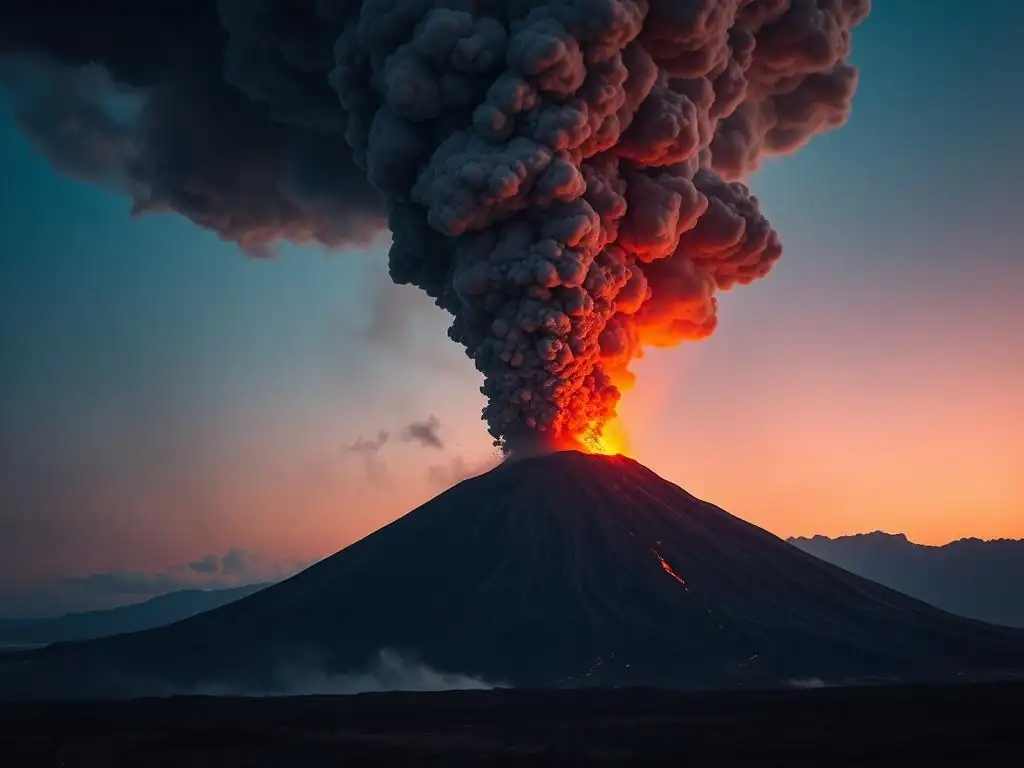
Volcanic plumes pose a significant and well-documented threat to aviation safety, primarily due to the presence of volcanic ash. Jet engines are particularly vulnerable to volcanic ash ingestion. When ingested into a jet engine, the fine particles of volcanic ash melt in the high-temperature combustion chamber, forming molten glass that then solidifies on turbine blades and other engine components. This accumulation can lead to engine damage, including compressor stall, reduced thrust, and even engine failure.
The dangers of volcanic ash to aircraft were tragically highlighted in 1982 when a British Airways Boeing 747 flew into a volcanic plume from Mount Galunggung in Indonesia. All four engines failed, and the aircraft descended thousands of feet before the crew managed to restart three engines and land safely. Since then, numerous incidents have underscored the risks, leading to stringent regulations and protocols for aviation in areas potentially affected by volcanic plumes.
Volcanic ash advisories and plume forecasts are now critical for air traffic control, guiding aircraft to avoid areas contaminated by volcanic plumes and ensuring the safety of air travel. The economic impact of volcanic plume-related airspace closures can be substantial, as demonstrated by the Eyjafjallajökull eruption in 2010, which caused billions of dollars in losses to the aviation industry and related sectors.
Agricultural Damage: The Impact of Ashfall on Crops and Livestock
Volcanic plumes, through the deposition of volcanic ash, can have significant detrimental effects on agriculture and livestock. Ashfall can blanket agricultural lands, directly damaging crops through several mechanisms. A thick layer of ash can physically smother plants, blocking sunlight and hindering photosynthesis. The abrasive nature of ash can also cause physical damage to leaves and stems, reducing plant health and yield. Furthermore, the weight of heavy ashfall can cause lodging in crops like grains, making harvesting difficult or impossible.
The chemical composition of volcanic ash also plays a role in its impact on agriculture. Fresh volcanic ash can contain soluble salts and acids that can contaminate soil and water sources, potentially harming plants and livestock. While some volcanic ashes can, over longer periods, enrich soil with beneficial nutrients, the immediate effects of ashfall are generally negative. Livestock can also be affected by volcanic ash.
Ingestion of ash while grazing can cause digestive problems and fluorosis, a fluoride poisoning condition, particularly harmful to animals grazing on ash-covered pastures. Water sources contaminated by ash can also pose health risks to livestock. The 2000 eruption of Hekla volcano in Iceland, for example, resulted in significant fluoride poisoning in sheep due to ashfall contamination of grazing lands and water.
Short-Term Climate Effects: Volcanic Aerosols and Global Cooling
Large explosive volcanic eruptions that inject sulfur dioxide (SO₂) into the stratosphere can have a measurable, albeit short-term, impact on global climate. Volcanic plumes from these eruptions carry SO₂ high into the stratosphere, where it reacts with water vapor to form sulfate aerosols. These sulfate aerosols are tiny particles that reflect incoming solar radiation back into space, reducing the amount of sunlight reaching the Earth's surface. This process can lead to a temporary cooling of the global climate.
The magnitude and duration of this cooling effect depend on the amount of SO₂ injected and the altitude reached by the volcanic plume. The 1991 eruption of Mount Pinatubo, one of the largest volcanic eruptions of the 20th century, injected an estimated 20 million tons of sulfur dioxide into the stratosphere. This resulted in a measurable global average temperature decrease of approximately 0.5 to 0.6 degrees Celsius (0.9 to 1.1 degrees Fahrenheit) for one to two years following the eruption.
While this cooling effect is temporary, typically lasting a few years, it demonstrates the significant influence that large volcanic plumes and their associated aerosols can have on the Earth's climate system. These climate effects are a critical area of study in volcanology and climate science, highlighting the interconnectedness of volcanic activity and global environmental processes.
Photographing Volcanic Plumes: A Guide for Volcano Explorers
Safety First: Approaching and Photographing Active Volcanoes
Photographing volcanic plumes is an exhilarating pursuit, but safety must always be the paramount concern when approaching active volcanoes. Volcanic environments are inherently hazardous, with risks ranging from explosive eruptions and pyroclastic flows to toxic gases and unstable terrain. Before venturing to photograph volcanic plumes, thorough research and planning are essential. Consult local volcano observatories and authorities for the latest eruption updates, hazard assessments, and access restrictions. Heed all warnings and evacuation orders – volcanic activity can change rapidly and unpredictably.
Maintain a safe distance from the active vent or eruption source. The distance required will vary depending on the volcano's activity level and eruption style, but erring on the side of caution is always wise. Be aware of wind direction and potential downwind hazards. Volcanic plumes can carry toxic gases and ash, and wind shifts can rapidly change the direction of plume dispersal.
Always position yourself upwind of the volcanic plume to minimize exposure. Wear appropriate protective gear, including a respirator or gas mask to filter out volcanic gases and ash particles, eye protection (goggles or safety glasses), long sleeves, long pants, and sturdy closed-toe shoes. Carry a first-aid kit, communication devices (like a satellite phone or two-way radio in remote areas), and be prepared for rapid changes in conditions. Photographing volcanic plumes is an incredible experience, but responsible volcano exploration prioritizes safety above all else.
Essential Photography Gear for Capturing Volcanic Plumes
Capturing stunning photographs of volcanic plumes requires the right equipment to withstand challenging conditions and capture the dynamic nature of eruptions. A robust DSLR or mirrorless camera with interchangeable lenses is recommended for versatility and image quality. For lenses, a telephoto lens (e.g., 70-200mm or longer) is crucial for safely photographing volcanic plumes from a distance, allowing you to capture details and compress perspective. A wide-angle lens (e.g., 16-35mm) can be useful for capturing the broader volcanic landscape and incorporating foreground elements to emphasize the scale of the volcanic plume.
Filters are essential accessories for volcano photography. A UV filter protects the front element of your lens from dust and ash. A polarizing filter can reduce glare and enhance the contrast of the volcanic plume against the sky, particularly useful in bright daylight. Neutral density (ND) filters can be used to slow down shutter speeds, allowing you to capture motion blur in the volcanic plume or to shoot at wider apertures in bright conditions.
A sturdy tripod is critical for sharp images, especially when using telephoto lenses or shooting in low light conditions often associated with volcanic activity. Protect your gear from volcanic ash and dust with rain covers or protective bags. Consider bringing extra batteries and memory cards, as volcanic photography trips can be demanding and opportunities may be fleeting.
Composition and Lighting: Techniques for Striking Volcanic Plume Photography
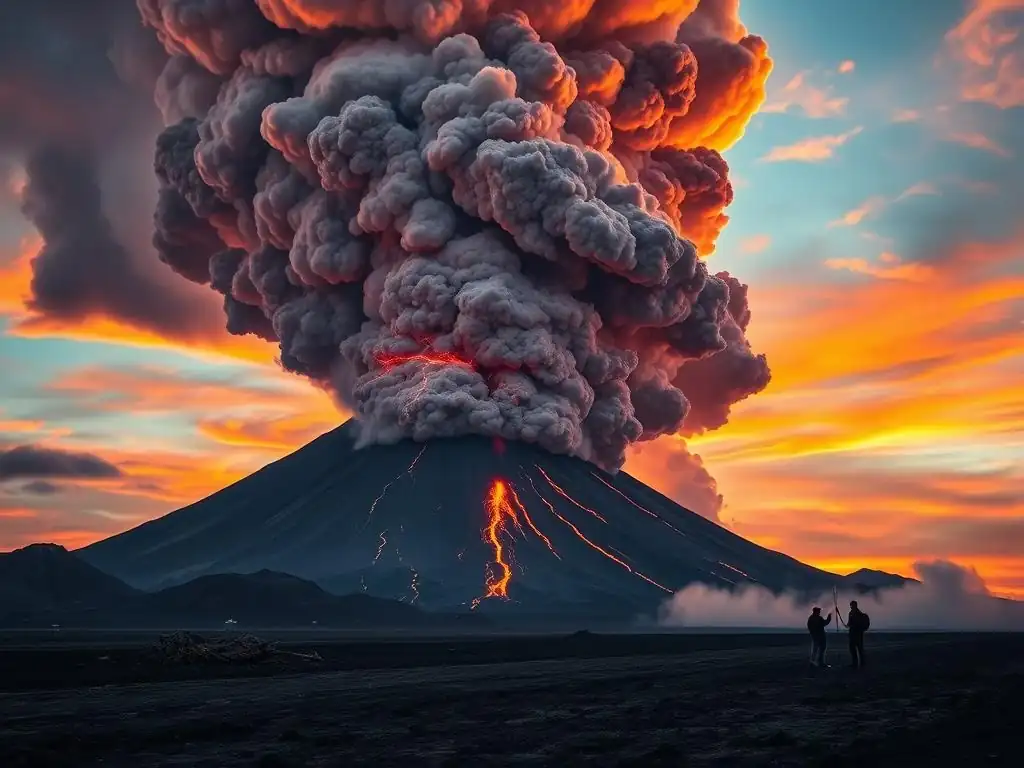
Creating compelling photographs of volcanic plumes involves careful consideration of composition and lighting. Compositionally, aim to create a sense of scale and drama. Volcanic plumes are often massive, so using foreground elements like trees, rocks, or even people (from a safe distance) can help convey the immense size of the plume and provide context.
Leading lines, such as lava flows or ridges, can guide the viewer's eye towards the volcanic plume, creating a more dynamic and engaging image. Experiment with different perspectives – shooting from a higher vantage point can provide a broader view of the volcanic landscape and plume, while a lower angle can emphasize the towering height of the plume.
Lighting is crucial in volcanic plume photography. Golden hour (the hour after sunrise and before sunset) often provides the most dramatic and warm light, enhancing the colors of the volcanic plume and the surrounding landscape. Shooting during blue hour (twilight) can create a more ethereal and moody atmosphere.
Midday light can be harsh and flat, but can also be used to capture the starkness and intensity of an eruption. Pay attention to the direction of light – side lighting can accentuate the texture and structure of the volcanic plume, while backlighting can create silhouettes and dramatic outlines. Experiment with different shutter speeds to capture the motion of the volcanic plume – faster shutter speeds will freeze the action, while slower shutter speeds can create a sense of movement and blur, particularly effective for capturing the billowing nature of ash clouds within volcanic plumes.
Capturing the Scale and Power: Using Foreground Elements in Your Photos
To truly convey the scale and power of volcanic plumes in photographs, incorporating foreground elements is a highly effective technique. A lone tree silhouetted against a massive volcanic plume, a small building dwarfed by an ash cloud, or even human figures (at a safe distance) observing the eruption can provide a crucial sense of perspective and emphasize the immense size of these natural phenomena. Foreground elements help viewers relate to the scene and understand the true scale of the volcanic event.
Consider the placement of foreground elements within your composition. Positioning them in the lower third of the frame can anchor the image and draw the viewer's eye upwards towards the volcanic plume. Use leading lines from the foreground to guide the viewer's gaze towards the plume, creating a visual pathway.
Reflections in lakes or bodies of water can also be used as foreground elements, doubling the visual impact of the volcanic plume and adding symmetry to the composition. When using people as foreground elements, ensure their safety and maintain a respectful distance from the volcanic hazards. The goal is to create a photograph that not only captures the visual spectacle of volcanic plumes but also communicates the sheer power and scale of volcanic eruptions in a way that resonates with viewers.
Case Studies: Iconic Volcanic Plume Photographs and Their Stories
Mount Pinatubo Eruption (1991): A Study in Scale and Destruction
The 1991 eruption of Mount Pinatubo in the Philippines stands as one of the most powerful volcanic eruptions of the 20th century, and the volcanic plume it generated was truly monumental. Photographs from this eruption provide a stark study in scale and destruction, showcasing the immense power of volcanic forces. The eruption produced a Plinian column that reached an estimated height of 40 kilometers (25 miles) into the stratosphere, a towering column of ash, gas, and pumice that dwarfed the surrounding landscape.
Iconic photographs from the Pinatubo eruption often depict the massive volcanic plume rising above the Clark Air Base, a U.S. Air Force base located near the volcano. These images vividly illustrate the scale of the eruption, with the plume completely overwhelming the human-built structures below. The dark, ash-laden plume contrasts sharply with the bright sky, creating a dramatic and ominous visual.
Photographers captured the progression of the eruption, from the initial explosive phases to the pyroclastic flows that cascaded down the volcano's slopes, all framed against the backdrop of the colossal volcanic plume. These photographs are not only visually stunning but also serve as a powerful reminder of the destructive potential of large volcanic eruptions and the immense scale of volcanic plumes they generate.
Eyjafjallajökull Eruption (2010): Capturing the Ash Cloud That Grounded Europe
The 2010 eruption of Eyjafjallajökull in Iceland is perhaps best known for the extensive volcanic ash cloud, or volcanic plume, that disrupted air travel across Europe for several days. Photographs from this eruption vividly captured the distinctive characteristics of this particular volcanic plume and its widespread impact. Unlike some eruptions that produce towering, vertically oriented plumes, the Eyjafjallajökull plume was characterized by its horizontal spread, driven by prevailing winds at altitude. This resulted in a vast, diffuse ash cloud that extended across much of northern Europe.
Photographers captured the plume from various perspectives, from ground-level shots showing the ash cloud obscuring the Icelandic landscape to aerial views illustrating its immense horizontal extent. The ash cloud's grayish-brown color, distinct from typical water vapor plumes, was a key visual feature.
Time-lapse photography and satellite imagery further documented the plume's evolution and movement. The visual record of the Eyjafjallajökull volcanic plume is significant not only for its aesthetic qualities but also for its documentation of a volcanic event that had profound global consequences, highlighting the far-reaching impact of volcanic plumes, particularly those rich in fine ash, on modern society and infrastructure.
Documenting Volcanic Plume Activity: Contributing to Scientific Understanding
While capturing aesthetically pleasing photographs of volcanic plumes is a rewarding endeavor, these images can also contribute valuable data to scientific understanding and volcanic monitoring efforts. Sharing your volcanic plume photographs through appropriate platforms can assist volcanologists and monitoring agencies in tracking volcanic activity and assessing potential hazards. Consider sharing your photos with volcano observatories and geological surveys in the region where you photographed the eruption. Many observatories have websites or social media platforms where they accept public submissions of volcanic observations, including photographs.
Online platforms dedicated to citizen science and volcano reporting, such as the Smithsonian Institution's Global Volcanism Program or regional volcano monitoring networks, can also be valuable avenues for sharing your images. Geotagging your photographs with accurate location and time information enhances their scientific utility.
When sharing images, provide detailed captions describing the date, time, location, and any notable observations about the volcanic plume, such as its color, height, direction of movement, and any associated phenomena like ashfall or gas emissions. By contributing your volcanic plume photography, you can play a role in enhancing volcanic monitoring and hazard assessment, bridging the gap between visual documentation and scientific data collection.
The Role of Citizen Scientists in Monitoring Volcanic Plumes
Citizen scientists, including photographers and volcano enthusiasts, can play a significant role in monitoring volcanic plumes and contributing to volcanic hazard mitigation. Volcano observatories often rely on a network of monitoring instruments, but visual observations from the ground are still crucial, especially in remote or poorly instrumented volcanic areas. Photographs of volcanic plumes, taken by citizen scientists, can provide valuable information about plume height, shape, color, and ash content, complementing data from satellite imagery and ground-based sensors.
Consistent visual documentation of volcanic plume activity over time can help track changes in eruption intensity and style. Reports of ashfall distribution and gas odors from citizen scientists can also provide valuable insights into plume dispersal and potential downwind hazards.
In some cases, citizen scientists may be the first to observe and report new volcanic activity, prompting official investigations and potentially early warnings. By actively observing and reporting volcanic plume phenomena, citizen scientists can act as valuable eyes on the ground, augmenting the capabilities of professional volcanologists and contributing to more comprehensive and timely volcanic monitoring efforts, ultimately enhancing public safety in volcanic regions.
The Future of Volcanic Plume Research and Photography
Advancements in Volcanic Plume Monitoring Technology
The field of volcanic plume research is continually advancing, driven by the need for improved monitoring and hazard assessment. New technologies are being developed and deployed to provide more detailed and real-time information about volcanic plumes. Satellite-based remote sensing techniques are becoming increasingly sophisticated, allowing for continuous monitoring of volcanic plumes globally, even in remote and inaccessible areas. Advanced satellite instruments can measure plume height, SO₂ emissions, ash concentration, and plume trajectory, providing critical data for aviation hazard warnings and climate modeling.
Ground-based monitoring techniques are also evolving. Improved gas sensors can provide more accurate and rapid measurements of volcanic gas compositions within plumes, offering insights into magma degassing processes and potential eruption precursors. Thermal cameras and infrared spectroscopy can be used to study plume temperature and thermal characteristics, aiding in the detection of changes in volcanic activity.
Unmanned aerial vehicles (UAVs or drones) are increasingly being used to sample volcanic plumes at close range, collecting gas and ash samples for detailed analysis and providing high-resolution imagery of plume morphology. These technological advancements are enhancing our ability to monitor volcanic plumes, understand their dynamics, and mitigate the hazards they pose.
The Importance of Visual Documentation in Understanding Volcanic Hazards
Visual documentation, including photography and videography, remains a vital component of volcanic plume research and hazard understanding, even with the advancements in remote sensing and automated monitoring technologies. Visual data provides a crucial context for interpreting instrumental measurements and understanding the overall eruptive process. Photographs and videos capture the dynamic and complex nature of volcanic plumes in a way that numerical data alone cannot. They reveal plume morphology, ash content, eruption style, and the interaction of the plume with the surrounding environment.
Visual records of past eruptions, including historical photographs and eyewitness accounts, are invaluable for understanding long-term volcanic behavior and assessing potential future hazards. Documenting the visual characteristics of volcanic plumes during different eruption phases can help refine eruption forecasting models and improve hazard assessments. Moreover, compelling visual imagery of volcanic plumes plays a crucial role in communicating volcanic hazards to the public and policymakers, raising awareness and promoting preparedness in volcanic regions. Visual documentation, therefore, remains an indispensable tool in the multifaceted approach to understanding and mitigating the risks associated with volcanic plumes.
Conclusion: Appreciating the Power and Peril of Volcanic Plumes
Volcanic plumes are both captivating spectacles of natural power and potent reminders of the Earth's dynamic and sometimes hazardous nature. They are visually striking phenomena, drawing photographers and volcano enthusiasts to witness their dramatic beauty. From the towering eruption columns of explosive events to the subtle wisps of gas from fumaroles, volcanic plumes offer a diverse range of photographic subjects, each telling a story of geological forces at play. However, beyond their aesthetic allure, volcanic plumes are also carriers of significant hazards, transporting volcanic ash that can disrupt air travel, damage agriculture, and even influence global climate.
Understanding volcanic plumes – their formation, composition, and impacts – is crucial for mitigating these risks and living safely in volcanic regions. Scientific research, coupled with visual documentation and citizen science contributions, continues to enhance our knowledge of these complex phenomena. Appreciating volcanic plumes requires acknowledging both their inherent beauty and their potential peril. They are a powerful symbol of Earth's geological energy, demanding respect, caution, and ongoing scientific inquiry to ensure human safety and environmental awareness in the face of these awe-inspiring displays of nature's force.
Frequently Asked Questions
What are volcanic plumes and how are they formed?
Volcanic plumes are columns of hot gas, ash, and rock fragments ejected into the atmosphere during a volcanic eruption. They form when magma decompresses as it rises to the surface, releasing dissolved gases.
What are the main components of a volcanic plume?
The primary components include volcanic ash, gases like sulfur dioxide and water vapor, and rock fragments (tephra). The precise mix depends on the volcano's composition and eruption style.
How high can volcanic plumes reach?
Volcanic plumes can vary greatly in height, ranging from a few hundred meters to over 50 kilometers (31 miles) in the most powerful eruptions. Their height is directly related to the eruption's intensity.
What are the main impacts of volcanic plumes on air travel?
Volcanic ash within plumes poses a significant threat to aircraft. Ash particles can damage jet engines, leading to engine failure and reduced visibility, hence rerouting planes is a frequent consequence.
Beyond air travel, what are some other environmental and health impacts of volcanic plumes?
Volcanic plumes can cause respiratory problems due to inhaled ash, contribute to acid rain, and impact climate by reflecting sunlight. Furthermore, they can also affect the local water supply quality.
Final Reflection: Embracing the Volcanic Dance of Creation and Destruction
The exploration of volcanic plumes, as we've seen, is more than just a scientific endeavor; it's a confrontation with the raw power and unpredictable beauty of our planet. Understanding the dynamics and impact of these plumes is critically relevant today, not only for mitigating potential hazards but also for appreciating the fundamental forces that shape our world and, ultimately, our existence.
The fascination with volcanic plumes stems from their dual nature: they are harbingers of destruction, capable of disrupting lives and ecosystems, yet they are also agents of creation, enriching the soil and contributing to the long-term evolution of landscapes. This duality is a powerful reminder of the interconnectedness of life and the environment, and it compels us to approach these phenomena with both respect and a thirst for knowledge. The mountains are fountains of men as well as of rivers, of glaciers, of fertile soil. The great poets, philosophers, prophets, men of science, all come from the mountains.
- John Muir. This quote encapsulates the idea that even from seemingly barren landscapes, life and inspiration can spring forth.
As we conclude this exploration of volcanic plumes, I invite you to reflect on your own relationship with the natural world. Consider the forces, both visible and invisible, that shape your environment and your life. Let the allure of ash remind you of the constant cycle of creation and destruction, and inspire you to embrace the challenges and opportunities that arise from living on this dynamic and ever-changing planet. Let us strive to understand and respect the power of nature, ensuring a sustainable future for generations to come.
Ignite Your Curiosity: Chart Your Volcanic Adventure!
Thanks for exploring the fascinating world of volcanic plumes with us! We hope you've gained a newfound appreciation for these incredible natural phenomena and the science behind them. Now, it's time to put your knowledge into action!
Here are a few ways to continue your volcanic exploration:
- Become a Citizen Scientist: Report your own volcanic ash observations using the Volcano Explorers app or website. Your contributions can help scientists better understand plume behavior and potential hazards.
- Explore our interactive map to discover underrated volcanic regions and learn about their unique plume characteristics. You might uncover a hidden gem!
- Share this article with fellow volcano enthusiasts and inspire discussion about the importance of monitoring volcanic activity and its impact.
What's the most surprising thing you learned about volcanic plumes, and how will it influence your perspective on future eruptions? Share your thoughts in the comments below!