
Volcanic Ash for Beginners: A Simple Guide to Using Nature's Fertilizer

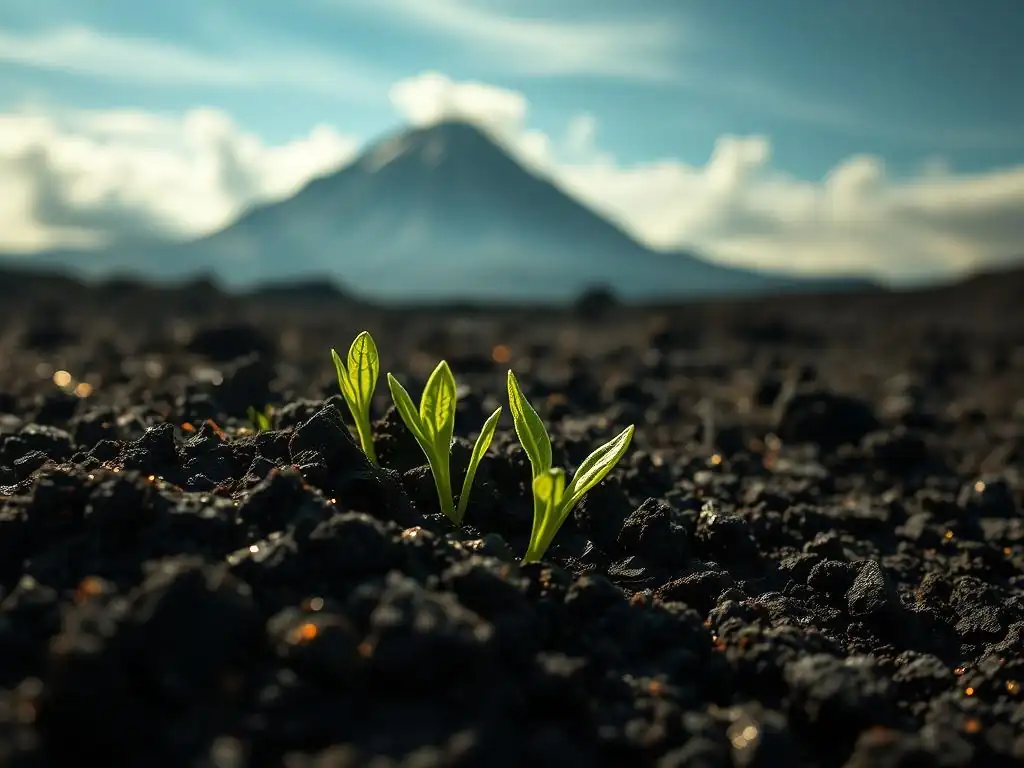
Welcome to Volcano Explorers, where the earth breathes fire and wonder! Ever wondered if something born of such destructive power could actually nurture life? Prepare to be amazed! This week, we're diving deep into a surprising secret hidden within the ash: discovering the Benefits of Volcanic Ash Fertilizer. Could the same eruptions that devastate also hold the key to enriching our soil? Read on to unlock the secrets of nature's most potent, and unexpected, fertilizer...
- Understanding and Utilizing Diatomaceous Earth for Garden and Pest Control
- Introduction to Diatomaceous Earth (DE) and its Uses
- Understanding the Benefits of Diatomaceous Earth
-
How to Use Diatomaceous Earth: A Step-by-Step Guide
- Step 1: Choosing the Right Type of Diatomaceous Earth (Food Grade vs. Filter Grade)
- Step 2: Preparing Your Garden or Area for Application
- Step 3: Applying Diatomaceous Earth for Pest Control
- Step 4: Applying Diatomaceous Earth as a Soil Amendment
- Step 5: Monitoring Pest Activity and Adjusting Application Rates
- Safety Precautions When Handling Diatomaceous Earth
- Diatomaceous Earth: Best Practices and Considerations
- Case Studies: Success Stories of Diatomaceous Earth Utilization
- The Future of Diatomaceous Earth as a Sustainable Solution
- Conclusion: Harnessing the Power of Diatomaceous Earth for a Healthier Garden
- Frequently Asked Questions
- Final Reflection: Cultivating Growth from the Earth's Embrace
- Rediscover Your Garden's Potential!
Understanding and Utilizing Diatomaceous Earth for Garden and Pest Control
Introduction to Diatomaceous Earth (DE) and its Uses
What is Diatomaceous Earth and Where Does it Come From?
Diatomaceous Earth, often abbreviated as DE, is a naturally occurring siliceous sedimentary rock composed of fossilized remains of diatoms. Diatoms are microscopic, single-celled aquatic algae with intricate, porous shells made of silica. Over millennia, these diatoms accumulated in the sediments of oceans, lakes, and rivers. As these bodies of water receded or dried up, the diatomaceous sediments were compressed and solidified, forming the rock we know as diatomite.
Mining and processing this diatomite yields the fine, powder-like substance that is Diatomaceous Earth. The unique properties of DE, particularly its high silica content, porosity, and abrasive nature, stem directly from the microscopic structure of these fossilized diatom shells. Deposits of diatomaceous earth are found worldwide, with significant commercial deposits in regions that were once ancient bodies of water, such as parts of the United States, Europe, and Asia.
Diatomaceous Earth's formation process imbues it with a composition that is approximately 80-90% silica, with the remaining percentage consisting of trace minerals like alumina, iron oxide, and calcium oxide. The form of silica in DE is amorphous, meaning it lacks a crystalline structure, which is important for safety considerations, particularly in food-grade DE.
The microscopic shells of diatoms, even after fossilization and processing, retain their intricate structure, giving DE its characteristic abrasive and absorbent qualities. This unique combination of composition and structure is what makes Diatomaceous Earth a versatile material with applications ranging from industrial filtration and polishing to agricultural uses as a natural pest control agent and soil amendment.
Diatomaceous Earth as a Natural Pest Control and Soil Amendment: An Overview
Diatomaceous Earth is gaining popularity as a natural and effective alternative in both pest control and soil improvement within gardens and agricultural settings. Its dual functionality stems from its unique physical properties, making it a valuable tool for gardeners seeking sustainable and environmentally friendly solutions. As a pest control agent, DE works mechanically rather than chemically.
The microscopic, sharp edges of the diatom fossils abrade the exoskeletons of insects, leading to dehydration and ultimately, death. This mechanical action means that insects are unlikely to develop resistance to DE, unlike many chemical pesticides. It is particularly effective against crawling insects such as ants, slugs, snails, and certain types of beetles.
Beyond pest control, Diatomaceous Earth also functions as a beneficial soil amendment. Its porous structure enhances soil aeration and drainage, which are crucial for healthy root development and plant growth. DE can improve water retention in sandy soils and prevent compaction in clay soils, creating a more balanced and fertile growing medium.
Furthermore, the silica content in DE is slowly released into the soil, providing plants with a bioavailable form of silicon. Silicon is known to enhance plant strength, disease resistance, and overall vitality. The use of Diatomaceous Earth, therefore, offers a holistic approach to gardening, addressing pest management while simultaneously improving soil health and contributing to the overall well-being of plants.
Understanding the Benefits of Diatomaceous Earth
The Composition of Diatomaceous Earth: Key Components
The effectiveness of Diatomaceous Earth (DE) in both pest control and soil amendment is directly linked to its unique composition. Silica is the dominant component, typically constituting 80% to 90% of DE. This silica is primarily in the amorphous form, which is crucial for safety, especially in food-grade DE intended for animal feed or human consumption.
Amorphous silica is less likely to cause silicosis, a lung disease associated with crystalline silica exposure. The specific type of amorphous silica found in DE is often referred to as hydrated silica or silicon dioxide (SiO2·nH2O), indicating the presence of water molecules within its structure.
Beyond silica, Diatomaceous Earth contains a range of minor minerals that contribute to its overall properties and potential benefits for soil. These minerals often include alumina (aluminum oxide), iron oxide, calcium oxide, magnesium oxide, and various trace elements. The exact mineral composition can vary depending on the source of the DE deposit, reflecting the geological conditions of the ancient water bodies where the diatoms accumulated.
For instance, DE from freshwater sources may have a slightly different mineral profile compared to DE from marine sources. While present in smaller quantities than silica, these trace minerals can contribute to soil fertility and plant nutrition over time as they slowly release into the soil. It's the synergistic effect of the high silica content and the presence of these trace minerals, combined with the unique microscopic structure of the diatom fossils, that makes DE a multifaceted and valuable resource for gardening and agriculture.
Benefits of Diatomaceous Earth for Soil Health: Improving Aeration and Drainage
Diatomaceous Earth offers significant benefits for soil health, primarily through its ability to improve aeration and drainage. The microscopic structure of DE, composed of porous diatom shells, creates tiny air pockets within the soil when incorporated as an amendment. This increased porosity enhances soil aeration, allowing for better oxygen circulation to plant roots.
Adequate oxygen is essential for root respiration and the uptake of nutrients, directly impacting plant vigor and growth. Soils that are compacted or have poor structure often suffer from oxygen deprivation, hindering root development and making plants more susceptible to disease. Adding DE can alleviate compaction and create a more oxygen-rich environment in the root zone.
Furthermore, the porous nature of Diatomaceous Earth also improves soil drainage. In heavy clay soils, DE particles help to break up dense clumps, creating pathways for water to drain more effectively. This prevents waterlogging, which can suffocate roots and lead to root rot and other fungal diseases. Conversely, in sandy soils that drain too rapidly, DE can improve water retention.
The porous diatom shells act like tiny sponges, holding onto water and releasing it gradually as the soil dries. This helps to maintain a more consistent moisture level in the soil, reducing water stress on plants and making water usage more efficient. Studies have shown that incorporating DE into various soil types can lead to improved plant growth, increased yields, and enhanced drought tolerance due to these improvements in soil physical properties.
Diatomaceous Earth as a Natural Insecticide: How it Works
Diatomaceous Earth's insecticidal properties are attributed to its unique mechanical mode of action. Unlike chemical insecticides that rely on neurotoxins or metabolic poisons, DE works by physically damaging the exoskeletons of insects. The microscopic shells of diatoms possess sharp, glass-like edges, though harmless to humans and larger animals. When insects, particularly those with exoskeletons like ants, cockroaches, fleas, and beetles, come into contact with DE powder, these sharp edges abrade their protective outer layer, known as the cuticle. This cuticle is a waxy layer that prevents insects from losing moisture.
The abrasion caused by DE disrupts the insect's cuticle, leading to the loss of essential body fluids and waxes. This process of desiccation, or drying out, is the primary mechanism by which DE kills insects. The insect essentially loses moisture faster than it can replenish it, leading to dehydration and death. Because DE's action is purely physical and not chemical, insects are unable to develop resistance to it.
This is a significant advantage over many synthetic insecticides, where pest resistance is a growing concern. Furthermore, DE is considered a broad-spectrum insecticide, effective against a wide range of crawling insects. However, it is most effective in dry conditions, as moisture can reduce its abrasive action. When DE gets wet, it needs to be reapplied once it dries to maintain its insecticidal efficacy.
Benefits of Using Diatomaceous Earth Over Chemical Pesticides
Choosing Diatomaceous Earth (DE) over chemical pesticides offers several compelling benefits, primarily related to environmental safety and human health. Chemical pesticides, while often effective in controlling pests, can pose significant risks. Many synthetic pesticides are neurotoxins that can harm not only target pests but also beneficial insects like bees and ladybugs, as well as wildlife, pets, and even humans through direct exposure or residue on food.
Furthermore, the widespread use of chemical pesticides has contributed to the development of pesticide-resistant pest populations, requiring stronger and more toxic chemicals over time. This can create a cycle of escalating chemical use with diminishing returns and increasing environmental impact.
In contrast, Diatomaceous Earth is a naturally occurring substance with a low toxicity profile. Food-grade DE is even considered safe for consumption by humans and animals in small quantities and is used in animal feed as an anti-caking agent and dewormer. As a mechanical insecticide, DE poses minimal risk of chemical contamination to soil, water, or food crops.
It breaks down naturally in the environment and does not leave harmful residues. Using DE reduces the risk of harming beneficial insects, although it's important to apply it strategically to minimize impact on pollinators and other beneficial arthropods. For gardeners and homeowners seeking to minimize their environmental footprint and protect their health, Diatomaceous Earth provides a safer, more sustainable, and equally effective alternative to harsh chemical pesticides for controlling a range of common garden and household pests.
How to Use Diatomaceous Earth: A Step-by-Step Guide
Step 1: Choosing the Right Type of Diatomaceous Earth (Food Grade vs. Filter Grade)
When considering Diatomaceous Earth for gardening and pest control, it's crucial to distinguish between food-grade and filter-grade DE, as they are not interchangeable. Food-grade Diatomaceous Earth is specifically processed and tested to be safe for use around food, animals, and humans. It is derived from freshwater sources and contains very low levels of crystalline silica, typically less than 1%.
This low crystalline silica content makes it safe for handling with basic precautions. Food-grade DE is the recommended type for garden use, pest control in homes, and for use around pets and livestock. It is often labeled as "food-grade" or "horticultural grade".
Filter-grade Diatomaceous Earth, on the other hand, is processed differently and typically comes from marine sources. It undergoes a calcination process, heating it to very high temperatures, which transforms the amorphous silica into crystalline silica. Crystalline silica is a known respiratory hazard when inhaled, and filter-grade DE can contain significantly higher levels of it, sometimes exceeding 60%.
Filter-grade DE is primarily used in industrial applications, such as pool filters, water filtration systems, and as a clarifying agent in brewing and winemaking. Filter-grade DE is not safe for garden use or pest control around homes and should never be used for these purposes. Always ensure you are purchasing food-grade Diatomaceous Earth for gardening and pest control applications to prioritize safety and avoid potential health risks associated with inhaling crystalline silica.
Step 2: Preparing Your Garden or Area for Application
Before applying Diatomaceous Earth, proper preparation of your garden or target area is essential to maximize its effectiveness, particularly for pest control. Start by identifying the areas where pests are most prevalent. Look for signs of insect activity, such as damaged leaves, trails, or visible pests themselves.
Weeds and excessive plant debris can provide harborage for pests and hinder DE's contact with the soil and plant surfaces. Therefore, remove weeds and clear away any fallen leaves, mulch, or other organic matter from around the base of plants and in the areas you intend to treat. This will expose the soil surface and make it easier for DE to reach crawling insects and create a more effective barrier.
For soil amendment purposes, preparation involves assessing your soil type. If you have heavy clay soil, consider incorporating compost or other organic matter along with DE to further improve soil structure. For sandy soils, DE can be directly incorporated to improve water retention. When applying DE for pest control on plants, ensure the foliage is dry.
DE works best in dry conditions, as moisture can clump the powder and reduce its effectiveness. If rain is expected shortly after application, it may be necessary to reapply DE once the treated area is dry again. Proper preparation ensures that Diatomaceous Earth can effectively reach its target pests or amend the soil, leading to better results and minimizing waste of the product.
Step 3: Applying Diatomaceous Earth for Pest Control
Applying Diatomaceous Earth for pest control requires careful consideration of the target pests and the area of infestation. The goal is to create a fine, even layer of DE dust in areas where pests crawl or congregate. For crawling insects like ants, cockroaches, earwigs, and silverfish, focus application on areas where they travel, such as along baseboards, cracks, crevices, window sills, and entry points into your home or garden.
In the garden, target areas around the base of plants, along plant stems, and on the soil surface where pests are observed. For plants susceptible to crawling pests like slugs and snails, create a ring of DE around the base of each plant to act as a barrier.
When applying DE outdoors, choose a calm day without strong winds to prevent the powder from being blown away and to ensure it settles precisely where you intend. Avoid applying DE immediately before or during rain, as moisture will reduce its effectiveness and require reapplication. For plants with foliage infestations, such as aphids or certain beetles, you can lightly dust the leaves, focusing on both the upper and lower surfaces where pests tend to reside. However, avoid excessive dusting, as a thick layer of DE can hinder plant respiration.
Regular inspection of treated areas is recommended to monitor pest activity. Reapply DE as needed, especially after rain or if you notice a resurgence of pests. Consistency in application, focusing on pest pathways and harborage areas, is key to successful pest control with Diatomaceous Earth.
Methods for Applying Diatomaceous Earth: Dusting, Sprinkling, and Mixing with Water
There are several methods for applying Diatomaceous Earth, each suited to different situations and target pests. Dusting is perhaps the most common method for pest control. This involves using a duster, such as a bulb duster, bellows duster, or even a simple powder applicator, to puff a fine cloud of DE dust into cracks, crevices, along baseboards, and around plants. Dusting is ideal for reaching confined spaces and creating a thin, even layer of DE. It's particularly effective for crawling insects and for creating barriers.
Sprinkling is another straightforward method, especially for garden applications. You can simply sprinkle DE powder directly from the container or use a hand spreader to distribute it over soil surfaces, around plant bases, and along garden rows. Sprinkling is effective for treating larger areas and creating a protective layer on the soil. It's useful for controlling soil-dwelling pests and creating barriers against slugs and snails.
Mixing with water is a less common but sometimes useful method, particularly for applying DE to plant foliage or in situations where dusting is undesirable. To mix DE with water, create a slurry by adding DE to water in a ratio of approximately 4 tablespoons of DE per gallon of water. Stir well to ensure the DE is suspended in the water. Use a sprayer to apply the mixture to plant leaves and stems.
As the water evaporates, it will leave a thin coating of DE on the plant surfaces. However, keep in mind that DE is only effective when dry, so this method may require more frequent reapplication, especially after rain, and may be less effective than dry dusting in certain situations. Always ensure thorough mixing when using the water slurry method, as DE can settle out of suspension quickly.
Step 4: Applying Diatomaceous Earth as a Soil Amendment
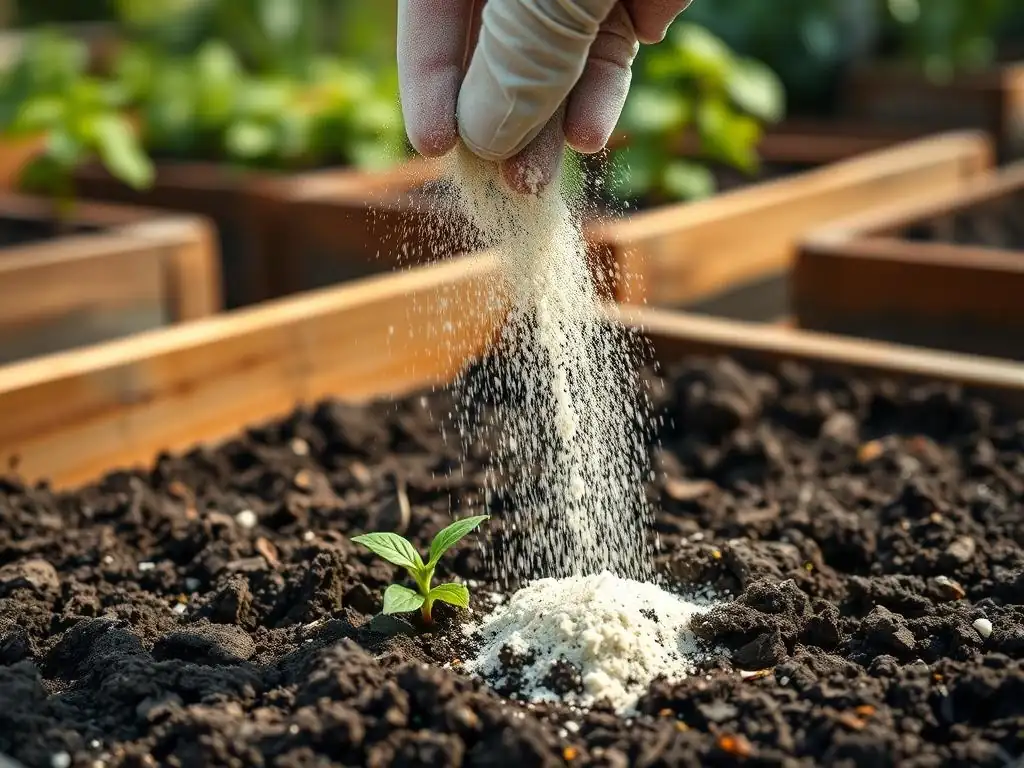
Applying Diatomaceous Earth as a soil amendment is a relatively simple process, best done during soil preparation before planting or when amending existing garden beds. The most effective method is to incorporate DE directly into the soil. For new garden beds or when preparing soil for planting, spread a layer of food-grade Diatomaceous Earth evenly over the soil surface.
A general guideline is to use approximately 1 to 2 pounds of DE per 100 square feet of garden area, but this can be adjusted based on soil type and desired level of amendment. For heavy clay soils, you might use a slightly higher rate to improve drainage and aeration more significantly. For sandy soils, a lower rate may be sufficient to enhance water retention.
Once the DE is spread, use a garden fork, rototiller, or shovel to thoroughly mix it into the top 6 to 8 inches of soil. Ensure even distribution to maximize its benefits throughout the root zone. For established garden beds or around existing plants, you can lightly sprinkle DE around the base of plants and gently work it into the top inch or two of soil, being careful not to disturb plant roots. Water the soil thoroughly after incorporating DE.
Watering helps to settle the DE into the soil and activate its soil-amending properties. Reapplication of DE as a soil amendment is generally not needed annually. The benefits of DE as a soil amendment are long-lasting, and you may only need to reapply every few years, depending on soil conditions and gardening practices. Regular soil testing can help determine the ongoing need for soil amendments like Diatomaceous Earth.
Step 5: Monitoring Pest Activity and Adjusting Application Rates
After applying Diatomaceous Earth for pest control, regular monitoring of pest activity is crucial to assess its effectiveness and determine if adjustments are needed. Observe the treated areas for any signs of continued pest presence, such as insect sightings, new trails, or plant damage. The timeframe for DE to control pests can vary depending on the pest type, infestation level, and environmental conditions. In some cases, you may see a noticeable reduction in pest activity within a few days, while in other situations, it may take a week or two for DE to achieve significant control.
If pest activity persists after the initial application, consider reapplying Diatomaceous Earth. Reapplication is often necessary, especially after rain or heavy watering, as moisture can reduce DE's effectiveness. Additionally, if you observe pests in areas that were not initially treated, expand your application to those areas. Adjust application rates based on the severity of the infestation and the type of pests. For heavy infestations, a slightly thicker layer of DE may be needed.
For smaller pests or in less infested areas, a lighter dusting may suffice. Observe the behavior of pests in treated areas. If you notice pests avoiding treated areas or exhibiting signs of dehydration, it indicates that the DE is working. Continue monitoring and reapply as needed to maintain effective pest control throughout the growing season or as long as pest issues persist.
Safety Precautions When Handling Diatomaceous Earth
Risks Associated with Diatomaceous Earth Exposure
While food-grade Diatomaceous Earth is considered relatively safe, it's important to be aware of potential risks associated with exposure, primarily through inhalation. The main concern is related to the fine dust particles of DE, which, when inhaled, can irritate the respiratory system. Inhaling DE dust can cause temporary coughing, sneezing, and shortness of breath.
Prolonged or repeated inhalation of Diatomaceous Earth dust, particularly filter-grade DE which contains crystalline silica, can potentially lead to more serious respiratory issues over time. Crystalline silica is a known cause of silicosis, a lung disease, but food-grade DE contains very low levels of crystalline silica, significantly reducing this risk. However, any fine dust can be an irritant to the lungs.
Eye irritation is another potential risk associated with Diatomaceous Earth exposure. Direct contact of DE powder with the eyes can cause dryness, redness, and a stinging sensation. Although DE is not chemically corrosive, its abrasive nature can irritate the delicate tissues of the eyes. Skin irritation is generally less common, but some individuals with sensitive skin may experience mild dryness or irritation upon prolonged or repeated skin contact with DE powder.
It's important to note that these risks are primarily associated with the dust form of Diatomaceous Earth. Once DE is applied and settles, the risk of inhalation exposure is significantly reduced. Following proper handling procedures and using appropriate protective gear can minimize these potential risks.
Protective Gear and Handling Procedures
To minimize the risks associated with Diatomaceous Earth exposure, especially inhalation and eye irritation, it's recommended to use protective gear and follow safe handling procedures during application. Respiratory protection is the most important precaution. When handling and applying DE powder, especially in enclosed or poorly ventilated areas, wear a dust mask or respirator rated N95 or higher. This will prevent the inhalation of fine DE particles and reduce the risk of respiratory irritation.
Eye protection is also crucial. Wear safety glasses or goggles to prevent DE powder from coming into direct contact with your eyes. This is particularly important when dusting or applying DE in windy conditions or overhead.
Gloves are recommended to protect your skin from potential dryness or irritation, especially during prolonged handling of DE powder. Wear gardening gloves or disposable gloves when applying DE, particularly if you have sensitive skin. When applying DE, work in a well-ventilated area whenever possible, especially indoors. Avoid creating excessive dust clouds during application.
Apply DE gently and deliberately to minimize airborne particles. Store Diatomaceous Earth in a sealed container in a dry place to prevent clumping and to minimize dust generation. Always read and follow the product label instructions for specific safety precautions and application guidelines provided by the manufacturer.
First Aid for Diatomaceous Earth Exposure
In the event of Diatomaceous Earth exposure, prompt first aid measures can help alleviate discomfort and prevent potential complications. For inhalation exposure, move to a well-ventilated area and get fresh air immediately. If coughing, sneezing, or shortness of breath persists or worsens, seek medical attention. Most mild respiratory irritation from DE dust will subside quickly with fresh air.
For eye contact, immediately flush the eyes with plenty of clean water for at least 15 minutes, holding eyelids open to ensure thorough rinsing. If irritation persists after rinsing, seek medical advice. Do not rub the eyes, as this can further irritate them.
For skin contact, wash the affected area with soap and water. If skin irritation develops or persists, consult a doctor. Generally, skin irritation from DE is mild and temporary. If Diatomaceous Earth is ingested, which is unlikely to cause serious harm with food-grade DE, drink plenty of water to help flush it out of the system.
If significant quantities are ingested or if symptoms like nausea or stomach upset occur, seek medical advice. In all cases of significant exposure or persistent symptoms, it's best to consult a medical professional or contact a poison control center for further guidance. Bring the product packaging with you if seeking medical attention to provide information about the type of Diatomaceous Earth and its potential risks.
Diatomaceous Earth: Best Practices and Considerations
Which Pests are Susceptible to Diatomaceous Earth?
Diatomaceous Earth is effective against a broad range of crawling insects and pests with exoskeletons. It is particularly useful for controlling common garden pests such as aphids, ants, caterpillars, cockroaches, earwigs, fleas, flea beetles, mites, slugs, snails, spider mites, squash bugs, and ticks. These pests are susceptible to DE's mechanical action because their exoskeletons are vulnerable to abrasion and desiccation. DE is most effective against insects that come into direct contact with the powder as they crawl or walk through treated areas.
However, Diatomaceous Earth is generally less effective against flying insects, such as flies, mosquitoes, and moths, unless they land and crawl on treated surfaces. Similarly, pests that spend most of their life cycle within plants or soil, such as root aphids or borers, may be harder to control with DE unless it is incorporated into the soil or applied directly to the root zone. Soft-bodied pests, like slugs and snails, are particularly vulnerable to DE due to their moist bodies, which are quickly dehydrated by the abrasive powder.
The effectiveness of DE can also vary depending on the life stage of the insect. Younger insect larvae with thinner exoskeletons may be more susceptible to DE compared to adult insects with thicker exoskeletons. Understanding which pests are most vulnerable to DE helps in targeting applications effectively and integrating it into a comprehensive pest management strategy.
Which Plants Benefit Most from Diatomaceous Earth?
Many types of plants can benefit from the use of Diatomaceous Earth, both for pest control and as a soil amendment. In terms of pest control, vegetable gardens, fruit trees, and ornamental plants that are susceptible to crawling insects and soft-bodied pests are prime candidates for DE application. Vegetables like tomatoes, peppers, beans, cucumbers, and leafy greens, which are often targeted by aphids, flea beetles, slugs, and snails, can be protected with DE applications around their base and on foliage.
Fruit trees, especially those prone to ant infestations or crawling pests that climb trunks, can benefit from DE barriers around their trunks. Ornamental plants like roses, flowers, and shrubs that are affected by aphids, spider mites, and other crawling pests can also be protected with DE dusting or soil applications.
As a soil amendment, Diatomaceous Earth can benefit a wide range of plants by improving soil structure, aeration, and drainage. Plants that thrive in well-drained soil, such as root crops (carrots, radishes, potatoes), herbs (lavender, rosemary, thyme), and many flowering plants, can particularly benefit from DE's soil-improving properties. Plants grown in heavy clay soils will experience improved root growth and nutrient uptake due to better aeration and drainage provided by DE.
Sandy soils will also benefit from DE's ability to improve water retention, reducing water stress for plants like tomatoes, peppers, and water-demanding vegetables. Essentially, any plant that benefits from improved soil health and protection from crawling pests can potentially benefit from the appropriate use of Diatomaceous Earth.
Potential Drawbacks of Using Diatomaceous Earth
While Diatomaceous Earth offers numerous benefits, it's important to be aware of potential drawbacks and use it judiciously. One significant drawback is its non-selectivity. DE is a broad-spectrum insecticide, meaning it can harm beneficial insects as well as pest insects if they come into contact with it. Beneficial insects like ladybugs, lacewings, bees, and predatory beetles can be affected by DE if they crawl through treated areas. Therefore, it's crucial to apply DE strategically, targeting specific pest areas and minimizing exposure to beneficial insects. Avoid broad, indiscriminate applications and focus on spot treatments or barrier applications.
Another limitation of Diatomaceous Earth is its reduced effectiveness when wet. Moisture diminishes its abrasive action, making it less effective as an insecticide. Rain or heavy watering will necessitate reapplication of DE to maintain pest control efficacy. This can be a consideration in humid climates or during rainy seasons. Furthermore, DE is primarily effective against crawling insects.
It has limited impact on flying insects unless they land on treated surfaces. Dust inhalation is another potential drawback, although primarily a concern during application. Proper protective gear, like dust masks, can mitigate this risk. Finally, excessive use of DE in soil amendment may, in some cases, slightly raise soil pH over time due to its mineral composition, although this is generally not a significant issue in most garden soils. Understanding these potential drawbacks allows for more informed and responsible use of Diatomaceous Earth in gardening and pest management.
Combining Diatomaceous Earth with Other Pest Control Methods
Diatomaceous Earth is most effectively used as part of an integrated pest management (IPM) strategy, often in combination with other pest control methods. IPM emphasizes a holistic approach, combining various techniques to manage pests while minimizing environmental impact and reliance on chemical pesticides. For example, cultural controls, such as crop rotation, companion planting, and maintaining healthy soil, can reduce pest pressure naturally.
Introducing beneficial insects, like ladybugs or lacewings, can provide biological control and complement DE's mechanical action. Physical barriers, such as row covers or netting, can prevent pests from reaching plants in the first place, reducing the need for direct insecticide applications.
When using Diatomaceous Earth within an IPM framework, it can be strategically applied to target specific pest outbreaks or create barriers in areas prone to pest infestation. For example, DE can be used to control crawling pests while beneficial insects are relied upon to manage other pest types. Horticultural oils or insecticidal soaps can be used in conjunction with DE to target different life stages of pests or to address infestations that are not effectively controlled by DE alone.
Regular monitoring of pest populations is a key component of IPM. This allows for timely intervention with appropriate control methods, including DE, only when necessary, rather than relying on preventative or broad-spectrum applications. Combining Diatomaceous Earth with other IPM strategies creates a more balanced and sustainable approach to pest management, maximizing effectiveness while minimizing potential drawbacks and environmental impact.
Case Studies: Success Stories of Diatomaceous Earth Utilization
Examples of Gardeners Using Diatomaceous Earth for Pest Control
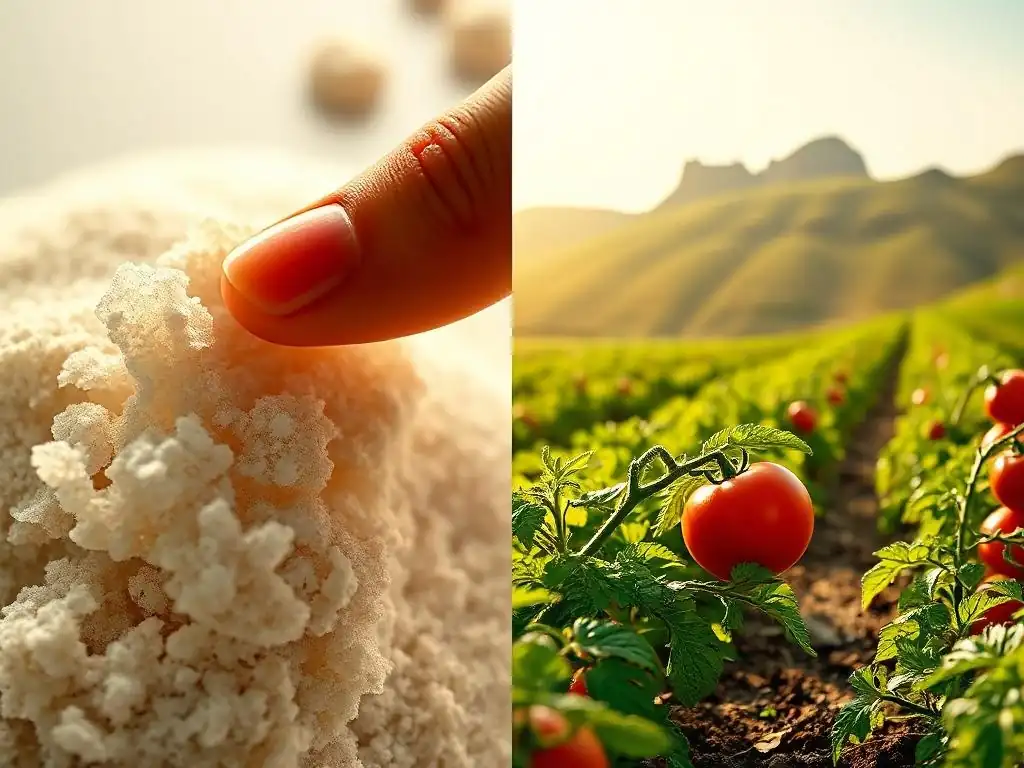
Numerous anecdotal accounts and case studies highlight the successful use of Diatomaceous Earth (DE) by gardeners for pest control. One common success story involves gardeners effectively controlling slug and snail infestations in vegetable gardens using DE. By creating a ring of DE around susceptible plants like lettuce, cabbage, and strawberries, gardeners have reported a significant reduction in slug and snail damage.
The DE barrier prevents these pests from reaching plants, protecting crops without resorting to chemical molluscicides. Many gardeners also report success using DE to control ant infestations in gardens and homes. Dusting ant trails, nests, and entry points with DE disrupts ant activity and eliminates colonies over time, providing a natural alternative to ant baits or sprays.
Another frequent success story involves the use of DE to manage flea beetle infestations on vegetable crops like eggplant, potatoes, and radishes. Lightly dusting plant foliage with DE has been shown to reduce flea beetle damage, as the DE deters feeding and dehydrates the beetles. Homeowners have also reported positive results using DE to control indoor pests like cockroaches, silverfish, and carpet beetles.
Applying DE in cracks, crevices, and along baseboards creates a long-lasting barrier that effectively controls these crawling insects without the need for chemical sprays. These examples, while often anecdotal, demonstrate the practical effectiveness of Diatomaceous Earth as a natural and versatile pest control tool in various gardening and household settings.
The Impact of Diatomaceous Earth on Specific Pests and Crops
While rigorous scientific studies on Diatomaceous Earth in home gardening are less abundant than anecdotal evidence, some research supports its efficacy against specific pests and on certain crops. Studies have shown DE to be effective in controlling aphids on various crops, including greenhouse vegetables and ornamental plants. In one study on greenhouse peppers, DE application significantly reduced aphid populations compared to untreated control groups.
Research on stored grain pests, such as grain weevils and beetles, has consistently demonstrated DE's effectiveness as a grain protectant. DE dust applied to stored grains physically damages the insects and reduces grain damage during storage.
Studies have also investigated DE's impact on slugs and snails. Laboratory and field trials have shown that DE can effectively kill slugs and snails by desiccation. While DE may not provide immediate knock-down control like some chemical molluscicides, it offers a longer-lasting barrier effect and reduces slug and snail populations over time. Regarding soil health benefits, research has explored the impact of DE as a soil amendment on crop yields.
In some studies, incorporating DE into soil has been shown to improve plant growth and increase yields of crops like tomatoes and cucumbers, particularly in compacted or poorly drained soils. However, the extent of yield increase can vary depending on soil type, crop, and environmental conditions. Further research is ongoing to quantify the specific benefits of DE for various crops and soil types under different growing conditions.
Diatomaceous Earth Management and Garden Health
Beyond immediate pest control, Diatomaceous Earth can contribute to long-term garden health through sustainable management practices. Using DE as a natural alternative to chemical pesticides reduces the risk of pesticide resistance development in pests and minimizes the harmful effects of chemical residues on the environment and beneficial organisms. By improving soil structure and drainage, DE promotes healthier root systems, which in turn enhance plant vigor and resilience to stress, including pest and disease pressures. Healthier plants are naturally more resistant to pest infestations and diseases, reducing the overall need for pest control interventions.
Incorporating Diatomaceous Earth into a soil-building program, along with other organic amendments like compost and cover crops, can create a more fertile and balanced garden ecosystem. The slow release of silica from DE into the soil can contribute to plant strength and disease resistance over time. By reducing reliance on synthetic pesticides and promoting soil health, Diatomaceous Earth supports a more sustainable and environmentally friendly approach to gardening. Long-term use of DE, as part of an integrated garden management strategy, can contribute to a healthier garden ecosystem, reduced pest problems, and improved plant health and productivity.
The Future of Diatomaceous Earth as a Sustainable Solution
Research and Development in Diatomaceous Earth Applications
Ongoing research and development are continually expanding the applications of Diatomaceous Earth (DE) and enhancing its effectiveness as a sustainable solution in various fields. In agriculture, research is focused on optimizing DE formulations for pest control, including exploring synergistic combinations with other natural pest control agents and developing more targeted application methods to minimize impact on beneficial insects.
Studies are also investigating the potential of DE as a delivery system for beneficial microorganisms and bio-pesticides, enhancing their efficacy and longevity in the field. In soil science, research is exploring the precise mechanisms by which DE improves soil physical properties and nutrient availability, aiming to tailor DE amendments for specific soil types and crop needs.
Beyond agriculture, research is expanding DE's applications in areas such as animal health, where DE is being investigated as a natural dewormer and feed additive for livestock and poultry. In environmental remediation, DE's absorbent properties are being explored for use in absorbing pollutants and contaminants from soil and water.
Material science research is investigating novel uses of DE in composite materials, filtration technologies, and even biomedical applications due to its biocompatibility and unique structural properties. This continuous research and development is unlocking new potential for Diatomaceous Earth, solidifying its role as a versatile and sustainable material with applications far beyond traditional pest control and soil amendment.
The Role of Diatomaceous Earth in Organic Gardening
Diatomaceous Earth plays a significant role in organic gardening practices, aligning perfectly with the principles of natural and sustainable pest management and soil improvement. Organic gardening emphasizes avoiding synthetic pesticides and fertilizers, and DE provides a highly effective and naturally derived alternative for controlling a wide range of garden pests.
Its mechanical mode of action makes it compatible with organic standards, as it poses minimal risk to beneficial organisms and the environment when used appropriately. Food-grade DE is approved for use in organic agriculture and is widely used by organic gardeners and farmers to manage pests in vegetable gardens, fruit orchards, and greenhouses.
As a soil amendment, Diatomaceous Earth also fits seamlessly into organic gardening practices. It improves soil physical properties naturally, enhancing aeration, drainage, and water retention without the use of synthetic soil conditioners. The silica and trace minerals in DE contribute to soil fertility and plant health in a sustainable way.
Organic gardeners value DE for its multifaceted benefits, serving as both a pest control agent and a soil enhancer, promoting healthy plant growth and reducing reliance on synthetic inputs. Its natural origin, low toxicity, and effectiveness make Diatomaceous Earth a cornerstone of organic pest management and soil improvement strategies, supporting the goals of ecological balance and sustainable food production.
Exploring the Potential of Diatomaceous Earth as a Soil Amendment
The potential of Diatomaceous Earth as a soil amendment is still being fully explored, with ongoing research revealing further benefits beyond improved aeration and drainage. Studies suggest that DE may enhance nutrient availability in soil, particularly phosphorus, by increasing its solubility and uptake by plants. DE's porous structure may also provide a beneficial habitat for soil microorganisms, promoting a healthy soil microbiome that is essential for nutrient cycling and plant health. Research is investigating the potential of DE to improve soil water use efficiency, reducing water runoff and leaching, and enhancing drought tolerance in plants.
Furthermore, DE's silica content may play a crucial role in plant defense mechanisms. Silicon uptake by plants has been shown to enhance resistance to various diseases and insect pests by strengthening plant cell walls and activating defense responses. DE, as a readily available source of amorphous silica, can contribute to this plant-strengthening effect.
The long-term effects of DE application on soil properties and plant health are also being studied, with indications that DE's benefits as a soil amendment can persist for several years. Exploring these multifaceted benefits of Diatomaceous Earth as a soil amendment is opening up new avenues for its use in sustainable agriculture and horticulture, potentially leading to improved crop yields, reduced input requirements, and enhanced environmental sustainability.
Conclusion: Harnessing the Power of Diatomaceous Earth for a Healthier Garden
Diatomaceous Earth stands out as a remarkable natural resource, offering a powerful yet gentle approach to both pest control and soil enhancement in gardens. Its unique composition, derived from fossilized diatoms, provides a mechanical insecticide that is effective against a wide range of crawling pests without the harmful effects of chemical pesticides. By understanding its mode of action and applying it strategically, gardeners can protect their plants and homes from unwanted insects while minimizing risks to beneficial organisms and the environment.
Beyond pest control, DE's soil-amending properties contribute to healthier, more vibrant gardens. Its ability to improve aeration, drainage, and water retention creates a more favorable growing environment for plants, promoting robust root development and overall plant vigor.
Embracing Diatomaceous Earth is a step towards sustainable gardening practices. It aligns with the principles of organic gardening, offering a natural, non-toxic, and environmentally friendly solution for common garden challenges. As research continues to uncover the full potential of DE, its role as a valuable tool for creating healthier gardens and a more sustainable future is only set to grow. By harnessing the power of Diatomaceous Earth, gardeners can cultivate thriving, pest-resistant gardens while nurturing the health of the planet.
Frequently Asked Questions
What makes volcanic ash a good fertilizer?
Volcanic ash is rich in minerals and nutrients like phosphorus, potassium, and calcium, which are essential for plant growth. It also improves soil structure and water retention.
How do I apply volcanic ash to my garden?
Mix volcanic ash into the soil before planting, or spread a thin layer around existing plants. Avoid applying too much at once, as it can be harmful in large quantities.
What types of plants benefit most from volcanic ash fertilizer?
Many plants benefit, including vegetables, fruits, and flowers. However, some plants are more sensitive, so test a small area first or consult with a local gardening expert.
Are there any risks associated with using volcanic ash as fertilizer?
Yes, excessive application can lead to soil imbalance and plant damage. Always wear a mask and gloves when handling ash to avoid respiratory irritation. Test your soil pH before and after application.
Where can I obtain volcanic ash for use as fertilizer?
While you should not collect ash from active eruption zones, some nurseries may sell specially processed volcanic ash. Look for reputable suppliers who can provide analysis and guidance.
Final Reflection: Cultivating Growth from the Earth's Embrace
The journey through understanding volcanic ash fertilizer reveals more than just its chemical composition and application techniques; it highlights the remarkable resilience and regenerative power of nature. What was once considered a destructive byproduct of volcanic eruptions can be harnessed to nourish and revitalize our soils, offering a sustainable alternative to synthetic fertilizers and a pathway to healthier, more productive ecosystems.
The impact of embracing natural solutions like volcanic ash extends far beyond the individual garden or farm. It represents a shift in perspective, a move towards a more harmonious relationship with the planet. This understanding, this connection to the earth's inherent ability to heal and provide, is crucial for fostering a sustainable future. Look deep into nature, and then you will understand everything better.
- Albert Einstein. This quote encapsulates the essence of appreciating the profound wisdom embedded within natural processes, like the transformative power of volcanic ash.
Now, as you consider the benefits of volcanic ash fertilizer, I encourage you to reflect on your own connection to the earth. How can you embrace more sustainable practices in your own life? What small steps can you take to nurture the soil and contribute to a healthier planet? The answer lies in recognizing the potential within nature's gifts and actively participating in the cycle of growth and renewal. Let us all strive to cultivate not only thriving gardens, but also a deeper appreciation for the earth that sustains us.
Rediscover Your Garden's Potential!
Thanks for exploring the power of volcanic ash! We hope this guide has unveiled the incredible benefits of this natural fertilizer and inspired you to embrace a more sustainable gardening approach. Ready to take your gardening to the next level?
Here are a few ways to put your newfound knowledge into action:
- Start Small: Test volcanic ash on a single plant or in a small section of your garden to observe its effects before applying it broadly. This will help you determine the ideal amount and frequency for your specific soil type.
- Share the knowledge! Tell at least one fellow gardener about the amazing properties of volcanic ash.
- Explore other sustainable gardening techniques to complement your use of volcanic ash. Perhaps try composting or companion planting!
What creative ways are you planning to use volcanic ash in your garden? Share your ideas in the comments below!