
Geothermal Energy from Hotspots: Harnessing Earth's Internal Heat


Welcome to Volcano Explorers, where the earth breathes fire! Ever wondered if the raw power of a volcano could do more than just erupt? Prepare to uncover a fascinating truth: beneath the fiery surface lies a clean energy source waiting to be tapped. Dive into our exploration of geothermal energy from volcanoes and discover how we're harnessing Earth's internal heat to power our future. What secrets do these fiery giants hold? Let's find out...
- Geothermal Energy from Volcanic Hotspots: Harnessing Earth's Internal Heat
- Understanding Geothermal Energy Potential in Volcanic Hotspots
- Geothermal Energy Extraction Methods in Volcanic Regions
- Geothermal Energy Development in Specific Volcanic Hotspot Locations
- Environmental Considerations and Sustainability of Geothermal Energy from Volcanoes
- Challenges and Future Prospects for Geothermal Energy from Volcanic Hotspots
-
Frequently Asked Questions
- How is geothermal energy extracted from volcanic hotspots?
- What are the main benefits of using geothermal energy from volcanoes?
- Are there any risks associated with harnessing geothermal energy from volcanic areas?
- Is geothermal energy from volcanoes a widely used energy source globally?
- What role do volcanologists play in the development of geothermal energy projects?
- Final Reflection: Embracing Earth's Fiery Potential
- Ignite Your Curiosity: Explore the Earth's Fiery Heart!
Geothermal Energy from Volcanic Hotspots: Harnessing Earth's Internal Heat
Understanding Geothermal Energy Potential in Volcanic Hotspots
What are Volcanic Hotspots and Their Geothermal Significance?
Volcanic hotspots are regions on Earth where plumes of hot mantle material rise to the surface, causing volcanic activity far from tectonic plate boundaries. Unlike volcanoes formed at subduction zones or mid-ocean ridges, hotspot volcanoes are often isolated and can persist for millions of years as tectonic plates move over stationary mantle plumes. These hotspots are characterized by exceptionally high heat flow from the Earth's interior, making them prime locations for harnessing geothermal energy.
The intense heat originates from deep within the Earth, often much deeper than the sources of heat for typical volcanic activity at plate boundaries. This deep-seated heat provides a consistent and immense reservoir of thermal energy, which can be tapped for electricity generation and direct heat applications.
The geothermal significance of volcanic hotspots is immense due to the concentrated and sustained heat source they provide. Consider the Hawaiian Islands, a classic example of a hotspot chain. The active volcanoes, like Kilauea and Mauna Loa, release vast amounts of heat. Even in areas slightly away from active eruptions, the subsurface temperatures remain significantly elevated compared to average continental crust.
This elevated temperature gradient means that drilling to relatively shallow depths in hotspot regions can access temperatures suitable for geothermal power production. Regions like Iceland, situated over the Mid-Atlantic Ridge hotspot, and Yellowstone National Park in the USA, another continental hotspot, demonstrate the potent geothermal potential associated with these geological phenomena. The consistent heat supply from the mantle plume ensures a long-lasting and reliable source of geothermal energy, making volcanic hotspots highly attractive for sustainable energy development.
The Science Behind Geothermal Heat: Magma Chambers and Thermal Gradients
The geothermal heat harnessed from volcanic hotspots is primarily derived from the Earth's internal heat, specifically from the radioactive decay of elements in the mantle and core, as well as residual heat from Earth's formation. In volcanic hotspots, this heat is particularly concentrated due to the upwelling of abnormally hot mantle material in plumes. These mantle plumes originate deep within the Earth, possibly at the core-mantle boundary, and rise buoyantly through the mantle.
As the plume head reaches the base of the lithosphere, it decompresses and partially melts, generating magma. This magma accumulates in magma chambers beneath the surface, acting as a near-surface heat source. The temperature within these magma chambers can reach 700°C to 1300°C (1300°F to 2400°F), creating a significant thermal anomaly in the surrounding crust.
The temperature gradient, or the rate of temperature increase with depth, is significantly higher in volcanic hotspot areas compared to average geothermal gradients. In normal continental crust, the geothermal gradient is around 25-30°C per kilometer of depth. However, in volcanic hotspots, this gradient can be several times higher, sometimes exceeding 100°C per kilometer in the immediate vicinity of magma chambers.
This steep thermal gradient means that usable geothermal temperatures (above 150°C for electricity generation) can be reached at shallower depths in hotspot regions, often within 1 to 3 kilometers. The heat transfer from the magma chamber to the surrounding rocks occurs through conduction and convection.
Conductive heat transfer is the direct transfer of heat through solid materials, while convective heat transfer involves the movement of heated fluids, such as water, through permeable rock formations. In volcanic areas, hydrothermal systems are common, where groundwater is heated by the magma chamber and circulates through fractures and porous rocks, carrying heat closer to the surface and creating reservoirs of geothermal energy.
Geothermal Energy: A Renewable Resource Powered by Volcanoes
Geothermal energy, especially when sourced from volcanic hotspots, stands out as a fundamentally renewable energy resource. The heat originating from the Earth's interior, driven by radioactive decay and primordial heat, is a virtually inexhaustible source on human timescales. Unlike fossil fuels, which are finite and deplete over time, the Earth's internal heat is continuously generated and replenished through natural processes.
This inherent renewability makes geothermal energy a crucial component of sustainable energy strategies, particularly as the world transitions away from carbon-intensive energy sources. The consistent heat flux from mantle plumes ensures a long-term energy supply, contrasting with the intermittent nature of solar and wind power, although geothermal can serve as a reliable baseload power source.
Furthermore, geothermal energy from volcanoes offers significant environmental advantages compared to traditional energy sources. Geothermal power plants have minimal land footprint compared to coal mines or large hydroelectric dams. Modern geothermal facilities also operate with very low greenhouse gas emissions. While some geothermal plants release small amounts of naturally occurring gases like carbon dioxide and hydrogen sulfide that are trapped in the geothermal fluids, these emissions are typically a tiny fraction of those from fossil fuel power plants.
Life cycle assessments consistently show that geothermal energy has a significantly lower carbon footprint than coal, oil, and natural gas. Moreover, advanced technologies like closed-loop binary cycle power plants further minimize emissions and water usage, enhancing the environmental sustainability of geothermal energy extraction from volcanic regions. By harnessing the Earth's internal heat, geothermal energy provides a clean, reliable, and renewable pathway to meet growing energy demands while mitigating climate change.
Geothermal Energy Extraction Methods in Volcanic Regions
Conventional Geothermal Power Plants in Hotspot Areas: Dry Steam, Flash Steam, and Binary Cycle
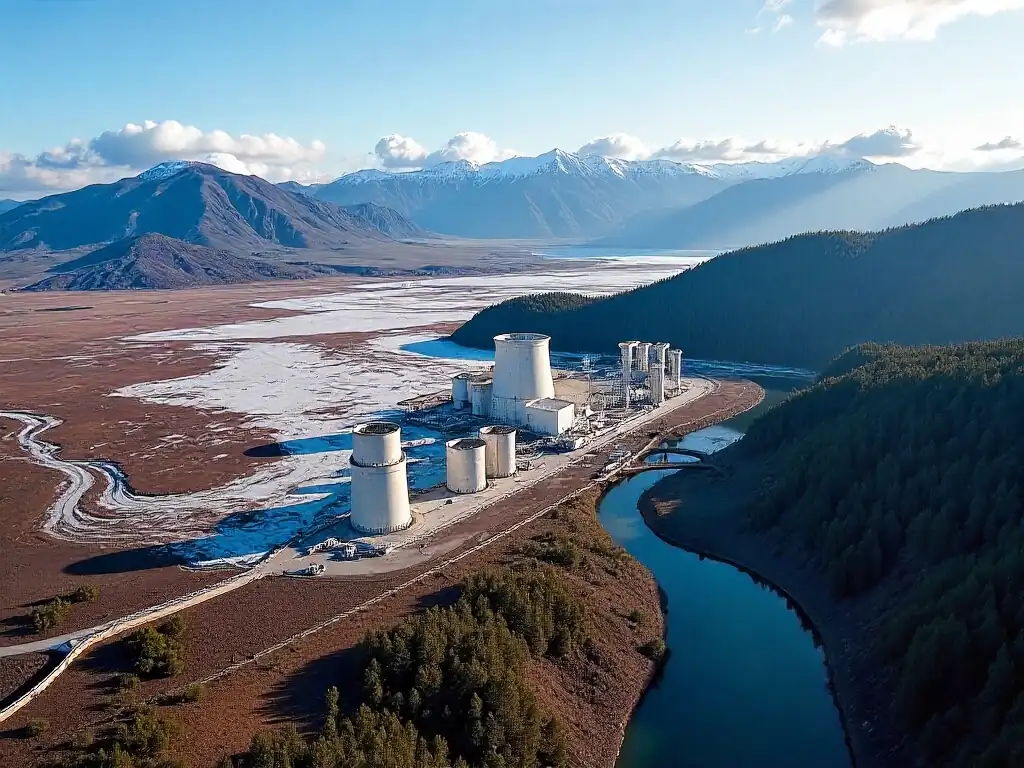
Conventional geothermal power plants are well-established technologies used to extract geothermal energy from hydrothermal reservoirs in volcanic hotspot areas. These power plants primarily utilize three main types of systems: dry steam, flash steam, and binary cycle, each suited to different geothermal resource characteristics. Dry steam power plants are the simplest and most efficient, directly using geothermal steam (typically at temperatures above 235°C or 455°F) from underground reservoirs to turn turbines and generate electricity.
The Geysers in California, one of the world's largest geothermal fields, is a prime example of a dry steam system. However, dry steam resources are relatively rare.
Flash steam power plants are more common and are used for high-temperature geothermal resources (above 180°C or 356°F) that primarily exist as hot water under pressure. In these plants, hot geothermal water is rapidly depressurized ("flashed") in a tank, causing a portion of it to instantly convert to steam. This steam is then used to drive turbines, while the remaining hot water and condensed steam are often reinjected back into the reservoir to maintain pressure and resource sustainability.
Many geothermal plants in Iceland and New Zealand, located within volcanic hotspot zones, utilize flash steam technology. Binary cycle power plants are designed for lower-temperature geothermal resources (typically between 85°C and 180°C or 185°F and 356°F). In this system, geothermal hot water is passed through a heat exchanger to heat a secondary working fluid with a lower boiling point than water, such as isobutane or pentane.
The vaporized working fluid then drives a turbine, and the geothermal water is reinjected. Binary cycle plants are particularly advantageous as they operate in a closed-loop system, minimizing emissions and maximizing resource utilization, making them suitable for a wider range of geothermal resources found in volcanic regions.
Enhanced Geothermal Systems (EGS) in Volcanically Active Zones: Creating Permeable Fractures for Fluid Circulation
Enhanced Geothermal Systems (EGS) represent a significant advancement in geothermal technology, particularly relevant for expanding geothermal energy utilization in volcanically active zones. Unlike conventional geothermal systems that rely on naturally occurring hydrothermal reservoirs, EGS technology aims to create artificial geothermal reservoirs in hot, dry rocks that lack sufficient permeability and fluid saturation. This is particularly important in volcanic hotspots where vast volumes of hot rock exist at depth but may not be naturally fractured or water-saturated enough for conventional geothermal extraction.
The EGS process typically involves drilling deep wells into hot, dry rock formations, often granitic or metamorphic rocks found beneath volcanic regions. Once the wells are drilled, high-pressure fluid, usually water, is injected into the rock formation to create or enhance fractures. This process, known as hydraulic fracturing, increases the permeability of the rock, allowing water to circulate through the hot rock and heat up.
After creating a network of fractures, a second well, or multiple production wells, are drilled to extract the heated water. This hot water is then used in a power plant, typically a binary cycle plant due to the potentially lower temperatures and need for a closed-loop system.
The cooled water is then reinjected back into the reservoir to be reheated, creating a sustainable closed-loop system. EGS technology holds immense potential for unlocking vast geothermal resources in volcanic regions and beyond.
Pilot EGS projects have been successfully demonstrated in various locations, including the Desert Peak EGS project in Nevada, USA, and projects in Soultz-sous-Forêts, France. While EGS technology is more complex and initially more expensive than conventional geothermal, ongoing research and development are focused on improving drilling techniques, fracture creation methods, and reservoir management to enhance efficiency and reduce costs, making EGS a promising pathway to significantly expand geothermal energy production from volcanic hotspots.
Direct Use Geothermal Applications Near Volcanoes: Heating, Agriculture, and Aquaculture
Beyond electricity generation, geothermal energy from volcanoes offers a wide array of direct use applications, particularly beneficial for communities located near volcanic hotspots. Direct use applications involve utilizing geothermal heat directly without converting it to electricity, often resulting in higher energy efficiency. District heating is one of the most prominent direct use applications.
In regions like Iceland, geothermal hot water is piped directly to homes, businesses, and industries for space heating and hot water supply. Approximately 90% of homes in Iceland are heated using geothermal energy, showcasing the immense potential for direct heating in volcanic areas. This significantly reduces reliance on fossil fuels for heating, contributing to cleaner and more sustainable urban environments.
Agriculture and aquaculture are other significant direct use applications that thrive near volcanoes. Geothermal heat can be used to heat greenhouses, extending growing seasons and enabling the cultivation of crops that would not normally be viable in colder climates. In Iceland and other volcanic regions, geothermal greenhouses are used to grow tomatoes, cucumbers, peppers, and even tropical fruits. Similarly, geothermal heat is used in aquaculture to warm fish farms, accelerating fish growth and improving yields.
Iceland is a major exporter of farmed fish, and geothermal energy plays a crucial role in maintaining optimal water temperatures for fish farming. Furthermore, geothermal heat can be utilized in various industrial processes, such as drying timber, pasteurizing milk, and in spa and recreational facilities. The versatility of direct use applications makes geothermal energy a valuable resource for local economies in volcanic regions, promoting sustainable development beyond electricity generation.
Geothermal Energy Development in Specific Volcanic Hotspot Locations
Geothermal Power Generation in Iceland: A Case Study in Hotspot Utilization
Iceland stands as a global exemplar of geothermal energy utilization, heavily leveraging its location on the Mid-Atlantic Ridge hotspot. Geothermal energy provides approximately 25% of Iceland's electricity and nearly 90% of its heating needs, making it a world leader in renewable energy adoption. Iceland's geothermal journey began in the early 20th century with small-scale direct use applications, but large-scale geothermal power generation commenced in the late 1960s with the construction of the first major geothermal power plant, the Krafla plant.
Today, Iceland boasts several large geothermal power plants, including Hellisheidi and Nesjavellir, which are among the largest in the world. These plants primarily use flash steam and binary cycle technologies to harness the high-temperature geothermal resources associated with Iceland's volcanic activity.
The success of geothermal energy in Iceland is attributed to several factors, including abundant high-quality geothermal resources, government support, and technological expertise. Iceland's geological setting provides readily accessible high-enthalpy geothermal reservoirs, simplifying and economizing energy extraction. Government policies have consistently promoted renewable energy development, including geothermal, through research funding, supportive regulatory frameworks, and incentives for geothermal projects.
Icelandic companies and institutions have also developed significant expertise in geothermal exploration, drilling, power plant construction, and operation, making them global leaders in geothermal technology. Iceland's experience serves as a compelling case study for other volcanic hotspot regions seeking to develop their geothermal resources, demonstrating the technical feasibility, economic viability, and environmental benefits of large-scale geothermal energy utilization.
Geothermal Resources in the Taupo Volcanic Zone, New Zealand: Sustainable Energy Solutions
The Taupo Volcanic Zone (TVZ) in New Zealand, situated along the Pacific Ring of Fire, is another region rich in geothermal resources, actively harnessing geothermal energy for electricity generation and direct use applications. The TVZ is a highly active volcanic and geothermal area characterized by numerous volcanoes, geysers, and hot springs. Geothermal energy plays a significant role in New Zealand's energy mix, contributing approximately 17% of the country's electricity generation, with the vast majority sourced from the TVZ.
New Zealand's geothermal power industry began in the 1950s with the commissioning of the Wairakei geothermal power station, one of the world's first large-scale geothermal plants. Today, the TVZ hosts several major geothermal power plants, including Ohaaki, Mokai, and Nga Awa Purua, utilizing primarily flash steam and binary cycle technologies.
New Zealand's approach to geothermal development in the TVZ emphasizes sustainability and responsible resource management. Geothermal operators in New Zealand prioritize reservoir monitoring and management to ensure the long-term viability of geothermal resources. Reinjection of geothermal fluids is widely practiced to maintain reservoir pressure and minimize environmental impacts.
New Zealand's geothermal industry also actively engages with indigenous Māori communities, who have traditional connections to geothermal resources and lands. Collaborative partnerships and benefit-sharing arrangements are increasingly common in geothermal projects in the TVZ, reflecting a commitment to social and environmental responsibility. The TVZ exemplifies a sustainable approach to geothermal energy development in a volcanic setting, balancing energy production with environmental stewardship and community engagement.
Geothermal Potential in the Great Basin, USA: A Focus on Basin and Range Geothermal Systems
The Great Basin region in the western United States, characterized by its Basin and Range topography, represents a significant area with untapped geothermal potential, distinct from volcanic hotspot settings but still geothermally active due to crustal extension and thinning. While not directly associated with a mantle plume like Iceland or Hawaii, the Great Basin experiences elevated heat flow due to the thinning of the Earth's crust and associated magmatic activity.
This geological setting has created numerous geothermal systems, particularly along fault lines within the Basin and Range province, where hot water rises to the surface. States within the Great Basin, such as Nevada, Utah, and California, are actively developing their geothermal resources, contributing to the growing geothermal energy capacity in the United States.
Geothermal development in the Great Basin primarily focuses on hydrothermal systems associated with fault zones. Conventional geothermal power plants, including flash steam and binary cycle plants, are utilized to harness these resources.
Nevada is a leading state in US geothermal energy production, with several operating geothermal power plants, including the aforementioned Desert Peak EGS project, which highlights both conventional and enhanced geothermal system development in the region. The Great Basin's geothermal potential is estimated to be substantial, with significant untapped resources remaining.
Ongoing exploration and technological advancements, particularly in EGS and advanced drilling techniques, are expected to further unlock the geothermal potential of the Great Basin, contributing to a cleaner and more diversified energy portfolio for the western United States. The focus on Basin and Range geothermal systems in the Great Basin demonstrates that significant geothermal resources exist beyond classic volcanic hotspot settings, broadening the scope of geothermal energy development globally.
Environmental Considerations and Sustainability of Geothermal Energy from Volcanoes
Minimizing Environmental Impact: Greenhouse Gas Emissions and Land Use
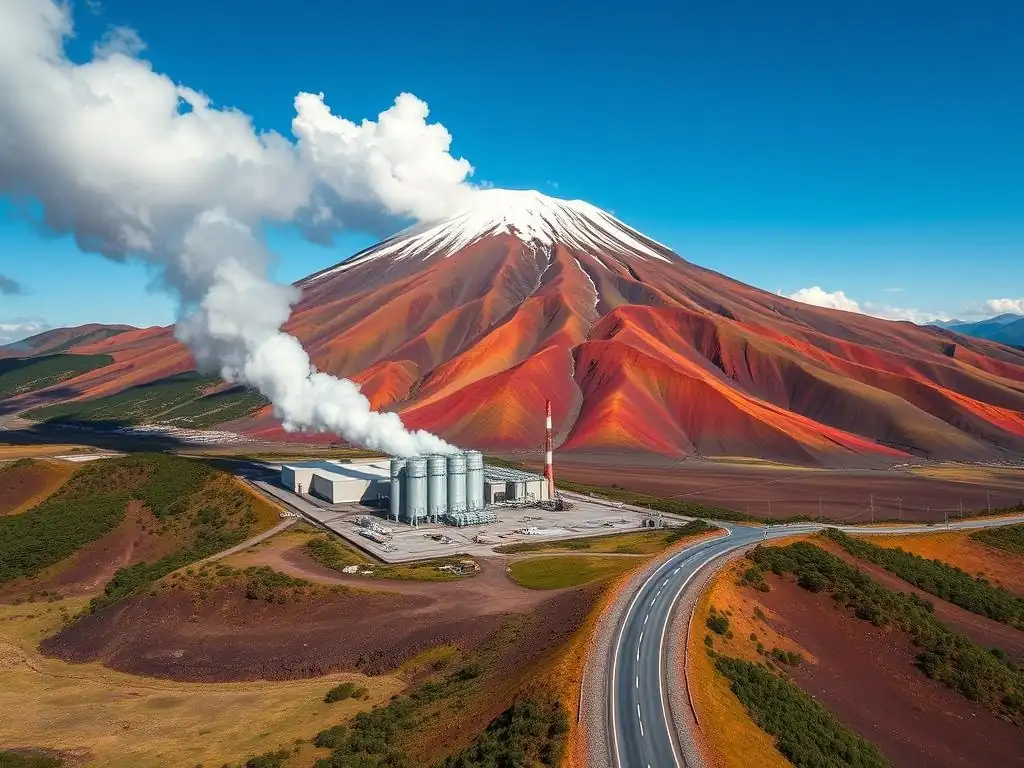
While geothermal energy from volcanoes is a renewable and cleaner energy source compared to fossil fuels, it is not entirely without environmental impact. Minimizing these impacts is crucial for ensuring the long-term sustainability of geothermal energy development. One key environmental consideration is greenhouse gas emissions.
Geothermal reservoirs can contain dissolved gases, including carbon dioxide (CO2), hydrogen sulfide (H2S), and methane (CH4). During geothermal energy extraction, some of these gases may be released into the atmosphere. However, the greenhouse gas emissions from geothermal power plants are typically significantly lower than those from fossil fuel power plants.
For instance, the lifecycle CO2 emissions from geothermal energy are estimated to be around 45 grams of CO2 equivalent per kilowatt-hour (g CO2e/kWh), compared to over 1000 g CO2e/kWh for coal and around 400-500 g CO2e/kWh for natural gas. Advanced technologies, such as carbon capture and sequestration, are being explored to further reduce or eliminate greenhouse gas emissions from geothermal plants.
Land use is another environmental consideration. Geothermal power plants and associated infrastructure, including well pads, pipelines, and transmission lines, require land. However, the land footprint of geothermal facilities is relatively small compared to other energy sources, such as coal mining or large-scale solar farms.
Careful site selection and land management practices can minimize land use impacts. For example, co-locating geothermal facilities with existing infrastructure or in previously disturbed areas can reduce the need for new land clearing. Furthermore, geothermal development can sometimes have localized impacts on water resources, particularly water consumption for cooling in some types of power plants.
Binary cycle plants, with their closed-loop systems, minimize water consumption compared to flash steam plants. Proper water management practices and reinjection strategies are essential to ensure the sustainable use of water resources in geothermal projects. By implementing best practices in emissions control, land use planning, and water management, the environmental footprint of geothermal energy from volcanoes can be minimized, enhancing its sustainability.
Sustainable Geothermal Resource Management: Ensuring Long-Term Viability
Sustainable geothermal resource management is paramount to ensuring the long-term viability of geothermal energy projects in volcanic regions. Geothermal reservoirs are finite resources, and while the heat source is renewable, the extractable heat and fluid within a reservoir can be depleted over time if not managed properly. Sustainable management practices focus on maintaining reservoir pressure, temperature, and fluid quality to ensure consistent energy production for decades.
Reservoir monitoring is a critical component of sustainable management. This involves continuously tracking key reservoir parameters, such as temperature, pressure, fluid flow rates, and chemical composition, using downhole sensors and surface monitoring techniques. Monitoring data provides valuable insights into reservoir behavior and helps operators to optimize production strategies and detect potential issues early on.
Reinjection of geothermal fluids is a widely adopted practice in sustainable geothermal management. After extracting heat from geothermal fluids in a power plant, the cooled fluids are reinjected back into the reservoir. Reinjection helps to maintain reservoir pressure, replenish fluid volumes, and enhance heat recovery.
It also reduces wastewater discharge and minimizes the environmental impact of geothermal operations. Optimized production strategies are also crucial for sustainability. This involves carefully controlling production rates from individual wells and managing the overall reservoir drawdown to avoid overexploitation.
Computer modeling and reservoir simulation techniques are used to optimize production strategies and predict long-term reservoir performance. Furthermore, research and development efforts are focused on enhancing reservoir permeability and heat extraction efficiency through technologies like EGS, which can improve the sustainability and longevity of geothermal resources in volcanic regions. By implementing these sustainable resource management practices, geothermal energy from volcanoes can provide a reliable and long-term source of clean energy.
The Role of Geothermal Energy in a Low-Carbon Future: A Volcanic Perspective
Geothermal energy from volcanoes holds a crucial role in the global transition towards a low-carbon future and mitigating climate change. As a reliable, renewable, and low-emission energy source, geothermal energy offers a significant alternative to fossil fuels, which are the primary drivers of greenhouse gas emissions and global warming.
The consistent baseload power provided by geothermal plants is particularly valuable in complementing intermittent renewable energy sources like solar and wind, ensuring a stable and resilient electricity grid. In regions with abundant geothermal resources, such as volcanic hotspots, geothermal energy can become a cornerstone of the energy system, significantly reducing reliance on fossil fuels and advancing decarbonization goals.
The potential of geothermal energy to contribute to a low-carbon future is substantial. Globally, geothermal energy currently provides a relatively small fraction of total energy consumption, but its untapped potential is enormous. Estimates suggest that geothermal resources could potentially meet a significant portion of global electricity demand and heating needs.
Expanding geothermal energy production, particularly in volcanic regions and through the deployment of EGS technology, can play a vital role in achieving ambitious climate targets, such as those outlined in the Paris Agreement. Furthermore, the direct use applications of geothermal energy, such as heating and cooling, agriculture, and industrial processes, can also contribute to decarbonizing various sectors beyond electricity generation. By embracing geothermal energy from volcanoes and other geothermal resources, nations can accelerate their transition to a sustainable, low-carbon energy future, mitigating climate change and ensuring energy security.
Challenges and Future Prospects for Geothermal Energy from Volcanic Hotspots
Technological Advancements in Geothermal Drilling and Energy Conversion
Despite the significant progress in geothermal energy development, several technological challenges remain to be addressed to further enhance its efficiency, reduce costs, and expand its reach, particularly in volcanic hotspot regions. Advancements in geothermal drilling technology are crucial for accessing deeper and hotter geothermal resources, including EGS reservoirs.
Conventional drilling techniques become increasingly expensive and challenging at greater depths and higher temperatures. Research is focused on developing advanced drilling methods, such as high-temperature drilling tools, automated drilling systems, and novel drilling techniques like laser drilling and plasma pulse drilling, to reduce drilling costs, increase drilling rates, and access previously inaccessible geothermal resources.
Improvements in energy conversion technologies are also essential for enhancing the efficiency and economic viability of geothermal power generation. Binary cycle power plants, while versatile, typically have lower conversion efficiencies compared to flash steam plants. Research is underway to develop advanced binary cycle systems with higher efficiencies, such as supercritical binary cycle plants and transcritical CO2 power cycles.
Furthermore, advancements in materials science are crucial for developing high-temperature tolerant materials for turbines, heat exchangers, and other power plant components, enabling operation at higher temperatures and pressures, thereby increasing energy conversion efficiency. Hybrid geothermal systems, which combine geothermal energy with other renewable energy sources like solar or biomass, are also being explored to improve overall system efficiency and reliability. Technological innovation in drilling and energy conversion will be key to unlocking the full potential of geothermal energy from volcanic hotspots and making it even more competitive and sustainable.
Economic Feasibility and Investment Opportunities in Volcanic Geothermal Projects
Economic feasibility is a critical factor influencing the deployment of geothermal energy projects in volcanic regions. While geothermal energy offers long-term cost stability and low operating costs, the initial capital costs for exploration, drilling, and power plant construction can be significant. Reducing these upfront costs is essential to improve the economic competitiveness of geothermal energy and attract investment. Advances in drilling technology, as discussed previously, are crucial for reducing drilling costs, which typically constitute a significant portion of the total project cost. Streamlining permitting processes and reducing regulatory hurdles can also help to lower project development costs and timelines.
Investment opportunities in volcanic geothermal projects are increasingly attractive as the global demand for clean energy grows and governments worldwide implement policies to promote renewable energy development. Geothermal energy projects offer stable, long-term revenue streams through electricity sales and direct heat supply contracts. Government incentives, such as feed-in tariffs, tax credits, and risk mitigation mechanisms, can further enhance the financial attractiveness of geothermal investments.
Public-private partnerships can also play a vital role in mobilizing capital and sharing risks in geothermal projects. Furthermore, the growing focus on environmental, social, and governance (ESG) investing is driving increased investor interest in sustainable energy projects like geothermal. As technology advances, costs decline, and supportive policies are implemented, volcanic geothermal projects are poised to become increasingly economically feasible and attractive investment opportunities, contributing to the expansion of geothermal energy globally.
The Future of Geothermal Energy: Harnessing More of Earth's Internal Heat from Volcanic Regions
The future of geothermal energy, particularly from volcanic hotspots, is bright, with significant potential for growth and expansion in the coming decades. As the world transitions towards a low-carbon energy system, geothermal energy is expected to play an increasingly important role in meeting global energy demands sustainably. Volcanic regions, with their concentrated and high-quality geothermal resources, are poised to become major centers of geothermal energy production.
Technological advancements, particularly in EGS and advanced drilling techniques, will unlock vast untapped geothermal resources, including hot dry rock formations and supercritical geothermal systems. These advancements will enable geothermal energy to be harnessed in a wider range of geological settings and at greater depths, significantly expanding the global geothermal resource base.
Increased research and development efforts, coupled with supportive government policies and growing investor interest, will drive the growth of the geothermal industry. The focus on sustainability and responsible resource management will ensure the long-term viability of geothermal projects and minimize environmental impacts. The integration of geothermal energy with other renewable energy sources, such as solar and wind, in hybrid energy systems will enhance grid stability and reliability.
Furthermore, the direct use applications of geothermal energy will continue to expand, contributing to decarbonizing various sectors beyond electricity generation. In the long term, geothermal energy from volcanic regions and beyond has the potential to become a major pillar of the global energy system, harnessing more of Earth's immense internal heat to power a cleaner, more sustainable future for all.
Frequently Asked Questions
How is geothermal energy extracted from volcanic hotspots?
Geothermal energy from volcanic hotspots is extracted by drilling wells into the hot underground reservoirs. This allows hot water and steam to rise to the surface, which is then used to power turbines and generate electricity.
What are the main benefits of using geothermal energy from volcanoes?
Geothermal energy offers several benefits, including being a renewable energy source and having a relatively small environmental footprint. It also provides a stable and reliable power supply, unlike some other renewables.
Are there any risks associated with harnessing geothermal energy from volcanic areas?
Yes, there are risks, including the potential for induced seismicity (small earthquakes) and the release of harmful gases. Careful monitoring and management are crucial to mitigate these risks.
Is geothermal energy from volcanoes a widely used energy source globally?
While the potential is significant, geothermal energy from volcanoes is not as widely used as other renewables like solar or wind. Its use is often limited to regions with accessible volcanic hotspots.
What role do volcanologists play in the development of geothermal energy projects?
Volcanologists play a vital role in assessing the geothermal potential of volcanic areas and monitoring volcanic activity. Their expertise helps ensure the safety and sustainability of geothermal energy projects.
Final Reflection: Embracing Earth's Fiery Potential
The exploration of geothermal energy, particularly harnessing the power simmering beneath volcanic hotspots, is no longer a futuristic fantasy but a pressing necessity. As we grapple with the urgent need for sustainable and renewable energy sources, the untapped potential residing within the Earth's fiery depths offers a compelling solution, demanding immediate attention and innovative development.
The promise of geothermal energy from volcanoes extends far beyond simply generating electricity. It represents a fundamental shift in our relationship with the planet, moving from a reliance on finite resources to a partnership with the Earth's inherent power. This transition requires not only technological advancements but also a profound understanding of the delicate balance between energy extraction and environmental stewardship. We are approaching a time when humanity will be forced to choose between planetary survival and continued economic growth. Geothermal energy offers a path where both can coexist.
As you consider the implications of geothermal energy from volcanoes, I invite you to reflect on your own role in shaping a sustainable future. How can you advocate for responsible energy policies, support innovative research, and embrace a mindset that values the Earth's resources? The power to ignite a cleaner, more sustainable world lies within each of us. Let us harness that power, just as we seek to harness the Earth's internal heat, and build a brighter tomorrow, powered by the very heart of our planet.
Ignite Your Curiosity: Explore the Earth's Fiery Heart!
Thank you for diving into the fascinating world of geothermal energy and the incredible potential locked within volcanic hotspots. We hope you've gained a newfound appreciation for the power beneath our feet! Now, let's channel that knowledge into action:
- Discover Your Geothermal Footprint: Research existing geothermal plants in your region and consider how they contribute to sustainable energy. This is your chance to connect with the energy revolution happening right now!
- Share this article with friends and family to spread awareness about the potential of geothermal energy.
- Explore the geology of your local area – you might be surprised to find evidence of past volcanic activity or geothermal features!
What steps will you take to learn more about harnessing the power of geothermal energy in your own community?