
The Impact of Hotspot Volcanoes on Climate

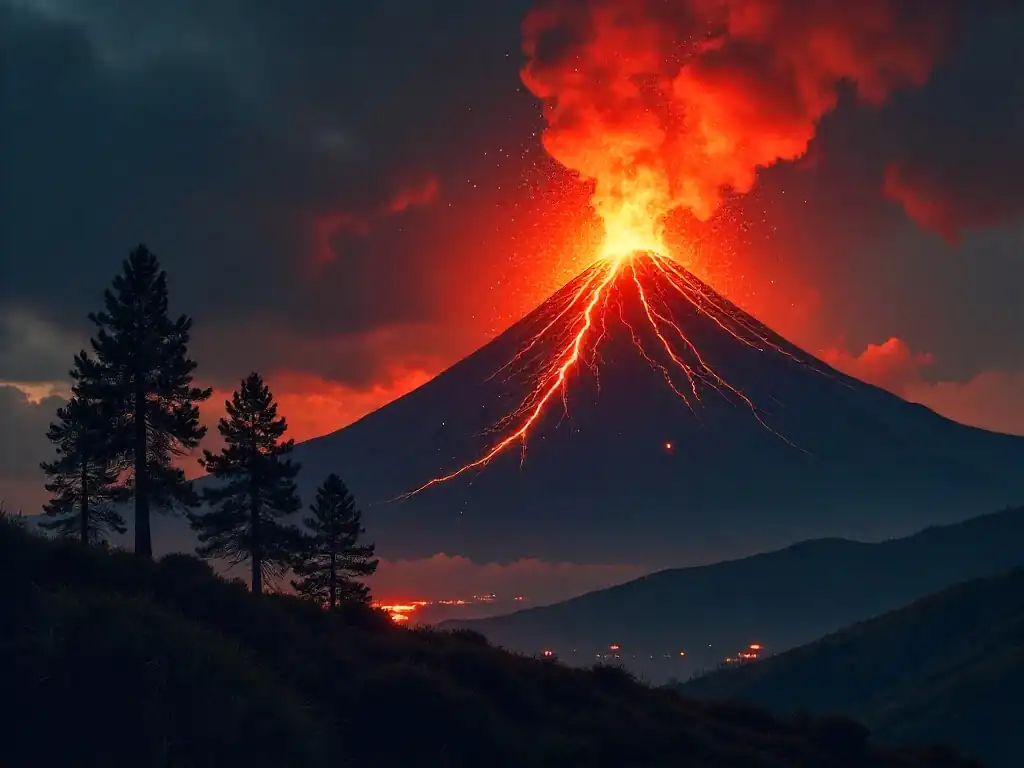
Welcome to Volcano Explorers!
Imagine a world shaped by fire and fury, where the Earth's own breath reshapes continents. Delve into the mesmerizing, and often terrifying, world of volcanoes. Ever wondered how seemingly isolated hotspot volcanoes could ripple through our planet's climate? Unlock the secrets of these geological powerhouses and discover the surprising, and potentially drastic, climate effects they unleash. Prepare to explore the science, the beauty, and the raw power of these natural wonders – and what their fiery heart reveals about our own future.
- Introduction: Understanding Hotspot Volcanoes and Their Climate Influence
- Hotspot Volcanic Activity: A Long-Term Perspective on Climate
- Mechanisms of Climate Impact: How Hotspot Volcanoes Alter the Earth's System
- Case Studies: Specific Hotspot Volcanoes and Their Climate Signatures
- Distinguishing Hotspot Volcano Climate Effects from Other Volcanic Activity
- Modeling and Predicting the Future Climate Impact of Hotspot Volcanoes
- The Broader Context: Hotspot Volcanoes and Global Climate Change
- Conclusion: The Enduring Influence of Hotspot Volcanoes on Earth's Climate
-
Frequently Asked Questions
- What are hotspot volcanoes, and how do they differ from other types of volcanoes?
- How do hotspot volcanoes contribute to climate change?
- What is the long-term impact of hotspot volcano emissions on the Earth's climate?
- Can the effects of hotspot volcanoes on climate be predicted or mitigated?
- Are there any positive aspects to hotspot volcano activity, considering their climate impact?
- Final Reflection: Unveiling Earth's Fiery Breath
- Uncover the Volcano's Secrets: Transform Knowledge into Action!
Introduction: Understanding Hotspot Volcanoes and Their Climate Influence
What are Hotspot Volcanoes? A Deep Dive into Mantle Plumes
Hotspot volcanoes represent a unique category of volcanic activity, distinct from those associated with plate boundaries. Unlike volcanoes that form at convergent or divergent plate margins, hotspot volcanoes arise from unusually hot regions deep within the Earth's mantle, known as mantle plumes. These plumes are theorized to be columns of hot, buoyant rock that ascend from the core-mantle boundary, or possibly from shallower depths within the mantle.
As a mantle plume rises, it encounters lower pressure, causing decompression melting of the mantle rock. This molten rock, or magma, is less dense than the surrounding solid mantle and continues to ascend towards the Earth's surface.
The key characteristic of hotspot volcanoes is their independence from tectonic plate boundaries. As tectonic plates move over a stationary mantle plume, a chain of volcanoes can form. The oldest volcanoes in the chain are carried away from the plume source by plate motion, becoming inactive and eroding over time, while new, younger volcanoes form directly above the plume.
A classic example of this is the Hawaiian Islands, a volcanic archipelago in the Pacific Ocean. The islands progressively increase in age from the active volcanoes of Hawai'i Island in the southeast to the older, submerged seamounts further northwest, illustrating the Pacific Plate's movement over the Hawaiian hotspot. This linear progression of volcanic islands is a hallmark feature of hotspot volcanism and a testament to the dynamic processes occurring deep within our planet.
Why are Hotspot Volcanoes Relevant to Climate Studies?
Hotspot volcanoes, while often perceived as geographically localized phenomena, possess a significant relevance to global climate studies due to their persistent and long-term activity, as well as the unique composition of their volcanic emissions. Unlike short-lived eruptions from stratovolcanoes at subduction zones, hotspot volcanoes can exhibit volcanic activity for millions of years. This sustained activity, even at relatively low effusion rates compared to singular massive eruptions, can contribute a considerable amount of volcanic gases into the atmosphere over geological timescales. These gases, notably carbon dioxide (CO2) and sulfur dioxide (SO2), are potent agents of climate forcing.
Furthermore, the composition of gases released from hotspot volcanoes can differ from those of subduction zone volcanoes. Mantle plumes, originating from deeper within the Earth, may carry distinct geochemical signatures, potentially influencing the ratios of different volcanic gases released. While subduction zone volcanoes are often associated with explosive eruptions and significant sulfur dioxide release leading to short-term cooling, hotspot volcanoes, with their more effusive eruptions, can contribute to long-term CO2 accumulation in the atmosphere.
Understanding the precise nature and magnitude of these emissions is crucial for accurately assessing the long-term impact of volcanic activity on the Earth’s climate system and for differentiating natural climate variability from anthropogenic influences. The study of hotspot volcanoes, therefore, provides valuable insights into the Earth's carbon cycle and the long-term interplay between volcanic activity and climate.
Hotspot Volcanic Activity: A Long-Term Perspective on Climate
The Geological Timescale: Hotspot Volcanoes and Past Climate Shifts
Over geological timescales, the influence of hotspot volcanoes on climate is considered a significant factor in shaping Earth's long-term climate evolution. The immense volumes of volcanic material erupted by hotspot volcanoes, particularly during large igneous province (LIP) events, have been linked to major climate shifts and even mass extinction events in Earth's history.
For instance, the Deccan Traps in India, a massive flood basalt province formed by hotspot volcanism around 66 million years ago, is temporally associated with the Cretaceous-Paleogene extinction event, which wiped out the dinosaurs. While the exact causal link is still debated, the massive release of volcanic gases, including CO2 and sulfur compounds, from the Deccan Traps is hypothesized to have triggered significant climate perturbations, including global warming and ocean acidification, contributing to the environmental stresses that led to the extinction event.
Similarly, the Siberian Traps, another vast LIP event that occurred around 252 million years ago, is strongly implicated in the Permian-Triassic extinction event, the largest mass extinction in Earth's history. The scale of volcanic outgassing from the Siberian Traps is estimated to be orders of magnitude greater than present-day volcanic emissions. Climate models and geochemical proxies suggest that this event caused a dramatic increase in atmospheric CO2 concentrations, leading to extreme global warming, ocean acidification, and widespread ocean anoxia.
These examples underscore the profound impact that hotspot volcanism, particularly through LIP events, can have on global climate and life on Earth over millions of years. The prolonged and voluminous gas emissions associated with these events are capable of driving substantial and long-lasting changes in the Earth's climate system, highlighting the importance of understanding hotspot volcanism in the context of deep-time climate change.
Current Hotspot Volcanic Activity: Measuring the Present-Day Impact
While past large igneous provinces represent extreme examples, present-day hotspot volcanic activity also contributes to the global climate system, albeit at a less dramatic scale. Ongoing volcanic eruptions from hotspots, such as those in Hawaii and Iceland, release volcanic gases into the atmosphere, including carbon dioxide (CO2), water vapor (H2O), and sulfur dioxide (SO2).
Estimates from the U.S. Geological Survey (USGS) suggest that volcanoes globally, including both hotspot and plate boundary volcanoes, release approximately 200 to 300 million tonnes of CO2 into the atmosphere annually. While this is significantly less than anthropogenic CO2 emissions, which are currently around 36 billion tonnes per year, volcanic CO2 emissions are a natural component of the Earth's carbon cycle.
Measuring the precise contribution of current hotspot volcanic activity to the present-day climate is a complex task. Scientists utilize various techniques, including satellite remote sensing and ground-based measurements, to monitor volcanic gas emissions. Instruments like the Ozone Monitoring Instrument (OMI) on NASA's Aura satellite and ground-based spectrometers are used to quantify SO2 and CO2 emissions from volcanic plumes.
Studies focusing on specific hotspots, like Kilauea in Hawaii or Grímsvötn in Iceland, provide valuable data on the emission rates and gas compositions of these volcanoes. These data are then incorporated into climate models to assess the current and potential future impact of hotspot volcanism on global and regional climate. While the immediate, short-term climate effects of current hotspot activity may be subtle compared to human-induced climate change, understanding these natural contributions is crucial for a complete picture of the Earth's climate system and its natural variability.
Mechanisms of Climate Impact: How Hotspot Volcanoes Alter the Earth's System
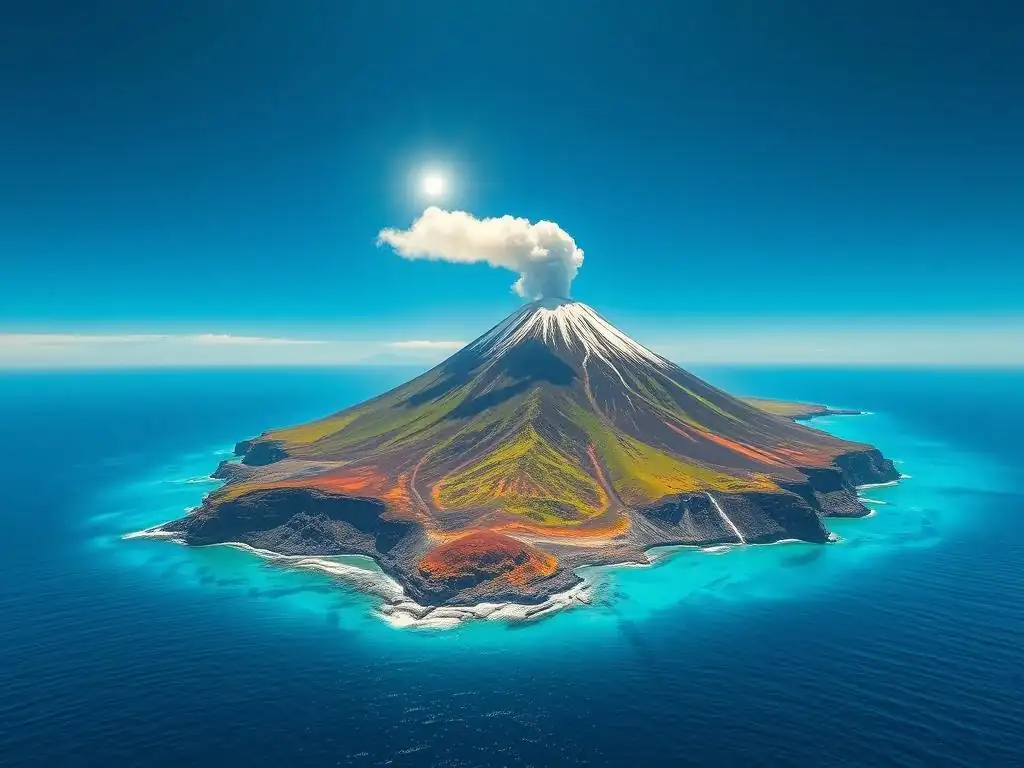
Greenhouse Gas Emissions from Hotspot Volcanoes: Carbon Dioxide and Sulfur Dioxide
Hotspot volcanoes, like all volcanoes, release a suite of gases into the atmosphere, with carbon dioxide (CO2) and sulfur dioxide (SO2) being the most climatically relevant. Carbon dioxide is a well-known greenhouse gas, trapping heat in the atmosphere and contributing to global warming. Volcanic CO2 emissions are a natural part of the Earth's carbon cycle, representing the release of carbon from the Earth's interior.
While present-day volcanic CO2 emissions are dwarfed by anthropogenic emissions from fossil fuel burning and deforestation, they are still a continuous input of CO2 into the atmosphere. Over geological timescales, volcanic CO2 emissions have played a crucial role in regulating Earth's climate.
Sulfur dioxide (SO2), on the other hand, has a more complex and often contrasting effect on climate. When SO2 is released into the atmosphere, it reacts with water vapor to form sulfate aerosols. These aerosols have a cooling effect on the climate by reflecting incoming solar radiation back into space.
Large explosive volcanic eruptions, particularly from stratovolcanoes, can inject significant amounts of SO2 into the stratosphere, where aerosols can persist for months to years, causing a measurable global cooling. For example, the 1991 eruption of Mount Pinatubo in the Philippines injected approximately 20 million tonnes of SO2 into the stratosphere, resulting in a global average temperature decrease of about 0.5°C for a couple of years.
While hotspot volcanoes are generally less explosive than subduction zone volcanoes, some, like those in Iceland, can still produce significant SO2 emissions, influencing regional and potentially global climate, albeit on shorter timescales compared to CO2's long-term warming influence. The balance between CO2 and SO2 emissions from hotspot volcanoes, and their respective timescales of impact, determines their net effect on the Earth's climate.
Aerosol Formation and Albedo Changes: The Role of Volcanic Particles
Beyond sulfur dioxide-derived aerosols, hotspot volcanoes also release other particulate matter into the atmosphere, including volcanic ash and other aerosols. Volcanic ash, composed of fine particles of rock and glass, is primarily associated with explosive eruptions. While ash particles are relatively short-lived in the atmosphere, typically settling out within days to weeks, large ash clouds can have regional impacts on solar radiation and albedo.
Albedo refers to the reflectivity of a surface; in this context, the Earth's albedo is influenced by clouds and aerosols in the atmosphere. Volcanic aerosols, including sulfate aerosols and ash particles, increase the Earth's albedo by reflecting more sunlight back into space, thereby reducing the amount of solar radiation absorbed by the Earth's surface and atmosphere.
The impact of volcanic aerosols on albedo is not uniform across the globe. Aerosols tend to be concentrated in the atmosphere around the latitude of volcanic eruptions and can be transported by winds globally.
The effectiveness of aerosols in reflecting sunlight depends on their size, composition, and altitude. Sulfate aerosols, particularly those in the stratosphere, are effective at scattering solar radiation and have a relatively long residence time, leading to a more prolonged cooling effect.
While hotspot volcanoes are not typically associated with the massive explosive eruptions that inject large quantities of ash and aerosols into the stratosphere like subduction zone volcanoes, certain hotspot eruptions, especially in Iceland with its ice-volcano interactions, can still produce significant ash plumes that affect regional albedo and atmospheric circulation patterns. The complex interplay between different types of volcanic aerosols and their impact on albedo is an active area of research in understanding the climate effects of hotspot volcanoes.
Influence on Ocean Chemistry: Hotspot Volcanoes and Marine Ecosystems
Hotspot volcanoes, particularly those that are submarine or coastal, can also influence ocean chemistry and marine ecosystems. Submarine volcanoes, which are common features associated with hotspots like Hawaii and Iceland, directly release volcanic gases and hydrothermal fluids into the ocean. These fluids are enriched in various chemicals, including dissolved metals, nutrients, and dissolved inorganic carbon. The input of these chemicals can alter the local ocean chemistry, affecting seawater pH, nutrient availability, and trace element concentrations.
For instance, the release of dissolved inorganic carbon, including CO2, from submarine volcanoes can contribute to ocean acidification, a process that reduces the pH of seawater and can have detrimental effects on marine organisms, particularly those with calcium carbonate shells or skeletons like corals and shellfish. Conversely, the release of nutrients like iron and phosphorus from hydrothermal vents associated with submarine volcanoes can stimulate phytoplankton growth in nutrient-limited ocean regions.
Phytoplankton are microscopic marine algae that form the base of the marine food web and play a crucial role in the ocean's carbon cycle by absorbing CO2 from the atmosphere through photosynthesis. The complex chemical interactions between volcanic emissions and seawater, and their subsequent effects on marine biogeochemical cycles and ecosystems, are important aspects of the broader climate impact of hotspot volcanoes, particularly in regions with significant submarine volcanic activity.
The long-term effects of these chemical inputs on ocean chemistry and marine life are still being actively investigated.
Case Studies: Specific Hotspot Volcanoes and Their Climate Signatures
The Hawaiian Hotspot: A Detailed Look at Long-Term Climate Effects
The Hawaiian hotspot provides a compelling case study for understanding the long-term climate effects of hotspot volcanism. The Hawaiian-Emperor seamount chain, formed by the Pacific Plate moving over the Hawaiian hotspot for tens of millions of years, represents a vast record of volcanic activity and its potential climate influence. Studies of the volcanic rocks and associated sediments from the Hawaiian chain provide insights into the gas emissions and eruption styles of this long-lived hotspot. Geochemical analyses of ancient volcanic rocks can help reconstruct past volcanic gas compositions, including CO2 and SO2 fluxes, over geological timescales.
Research suggests that the Hawaiian hotspot has contributed significantly to the long-term carbon cycle and atmospheric CO2 levels over millions of years. While individual eruptions are relatively small compared to large igneous provinces, the persistent volcanic activity over extended periods can cumulatively release substantial amounts of CO2 into the atmosphere. Furthermore, the Hawaiian Islands themselves influence regional climate patterns. The large volcanic edifices can affect local atmospheric circulation, rainfall patterns, and ocean currents. For example, the orographic effect of the mountains on the Big Island of Hawaii leads to significant variations in rainfall across the island, with windward slopes receiving much higher precipitation than leeward slopes. The warm ocean waters surrounding Hawaii also play a role in regional climate, influencing sea surface temperatures and atmospheric humidity. The Hawaiian hotspot, therefore, serves as a natural laboratory for studying the complex interplay between hotspot volcanism, long-term climate evolution, and regional climate patterns.
Iceland's Hotspot Volcanoes: Glacial Interactions and Regional Climate Change
Iceland, situated atop the Iceland hotspot and straddling the Mid-Atlantic Ridge, presents a unique case study due to the interaction between hotspot volcanism and glacial ice. Iceland's volcanoes are frequently covered or partially covered by glaciers, leading to a distinctive style of eruption known as subglacial eruptions or jökulhlaups. When a volcano erupts beneath a glacier, the heat from the eruption melts vast quantities of ice, producing meltwater that can accumulate beneath the icecap. Eventually, this meltwater can burst out in catastrophic glacial outburst floods, or jökulhlaups, which can have significant regional geomorphic and hydrological impacts.
Furthermore, the interaction between magma and ice during subglacial eruptions can enhance the explosivity of eruptions. The rapid vaporization of meltwater in contact with hot magma can lead to phreatomagmatic eruptions, which produce large quantities of fine volcanic ash. Icelandic volcanoes, like Eyjafjallajökull in 2010 and Grímsvötn in 2011, have demonstrated the potential for even moderately sized eruptions to produce substantial ash plumes that can disrupt air traffic and have regional climate implications through aerosol and albedo effects.
The presence of glaciers in Iceland also influences regional climate by affecting albedo and freshwater runoff into the North Atlantic Ocean. Melting glaciers contribute to sea-level rise and can alter ocean salinity and circulation patterns, potentially influencing the Atlantic Meridional Overturning Circulation (AMOC), a major driver of global heat transport. Iceland's hotspot volcanoes, therefore, highlight the complex interactions between volcanism, ice, and climate, particularly in high-latitude regions.
Yellowstone Hotspot: Geothermal Activity and Regional Climate Considerations
The Yellowstone hotspot in North America, while not currently experiencing large-scale effusive volcanism like Hawaii or Iceland, is characterized by intense geothermal activity and a history of massive explosive eruptions. Yellowstone National Park is renowned for its geysers, hot springs, and fumaroles, all manifestations of the underlying geothermal system driven by the Yellowstone hotspot.
This geothermal activity releases significant amounts of heat and gases, including water vapor, CO2, and hydrogen sulfide (H2S), into the atmosphere. While the CO2 emissions from Yellowstone's geothermal areas are relatively small compared to global volcanic CO2 emissions, they are still a measurable natural source of greenhouse gases in the region.
The Yellowstone hotspot has a history of three exceptionally large caldera-forming eruptions in the past 2.1 million years. These "supereruptions" were among the largest volcanic events in Earth's geological record, ejecting thousands of cubic kilometers of volcanic material and releasing vast quantities of volcanic gases and aerosols into the atmosphere.
Such supereruptions would have had catastrophic global climate consequences, including prolonged volcanic winters due to sulfate aerosol cooling and long-term climate perturbations from CO2 release. While the probability of another Yellowstone supereruption in the near future is considered low, the potential climate impact of such an event is immense.
Furthermore, the ongoing geothermal activity in Yellowstone, and the potential for future, albeit smaller, volcanic eruptions, underscore the long-term regional climate considerations associated with this continental hotspot. The monitoring of geothermal activity and volcanic unrest at Yellowstone is crucial for assessing potential hazards and understanding the ongoing influence of the hotspot on the regional climate system.
Distinguishing Hotspot Volcano Climate Effects from Other Volcanic Activity
Stratovolcanoes vs. Hotspot Volcanoes: A Comparative Analysis of Climate Impacts
While both stratovolcanoes and hotspot volcanoes contribute to the Earth's climate system, their modes of eruption, gas emissions, and resulting climate impacts differ significantly. Stratovolcanoes, typically found at subduction zones along plate boundaries, are characterized by explosive eruptions driven by gas-rich, viscous magma. These eruptions can inject large quantities of sulfur dioxide (SO2) into the stratosphere, leading to the formation of sulfate aerosols and a short-term global cooling effect.
The cooling effect from stratovolcano eruptions can last for months to a few years, as seen after the Mount Pinatubo eruption. However, stratovolcanoes generally have shorter lifespans and erupt less frequently compared to hotspot volcanoes.
Stratovolcanoes are primarily associated with short-term cooling effects due to SO2 emissions, while hotspot volcanoes are more linked to long-term climate effects, particularly through CO2 emissions and their influence on the Earth's carbon cycle. The contrasting eruption styles and gas compositions of these two types of volcanoes result in distinct climate signatures.
The Role of Plate Tectonics: Separating Hotspot Effects from Subduction Zone Eruptions
Plate tectonics plays a fundamental role in shaping the distribution and characteristics of different types of volcanism, influencing their respective climate impacts. Subduction zone volcanism, which gives rise to stratovolcanoes, is directly driven by the process of plate subduction. As one tectonic plate descends beneath another, water and other volatile compounds are released from the subducting plate into the overlying mantle wedge.
This flux of volatiles lowers the melting point of the mantle rock, leading to magma generation. The resulting magma is typically rich in silica and gases, contributing to the explosive eruption style of stratovolcanoes and their significant SO2 emissions. The location of stratovolcanoes is therefore tightly linked to plate boundaries and subduction zones, forming volcanic arcs along these convergent margins.
Hotspot volcanism, in contrast, is largely independent of plate boundaries and subduction processes. Mantle plumes, the source of hotspot volcanoes, are thought to originate from deep within the Earth's mantle, potentially from the core-mantle boundary. These plumes are relatively stationary, and as tectonic plates move over them, chains of volcanoes are formed.
The magma generated at hotspots is typically basaltic in composition, reflecting the melting of mantle peridotite. While plate tectonics itself does not directly cause hotspot volcanism, the movement of plates over hotspots determines the spatial distribution of hotspot volcanoes and the formation of volcanic island chains. Separating the climate effects of hotspot volcanoes from those of subduction zone volcanoes requires considering their distinct geological settings, eruption styles, and gas emission characteristics, all ultimately rooted in the fundamental processes of plate tectonics and mantle dynamics.
Modeling and Predicting the Future Climate Impact of Hotspot Volcanoes

Current Climate Models: Incorporating Hotspot Volcanic Forcing
Current climate models, used to simulate past, present, and future climate change, increasingly incorporate volcanic forcing, including the effects of both stratovolcanoes and hotspot volcanoes. Volcanic forcing refers to the influence of volcanic eruptions on the Earth's radiative balance, primarily through the injection of aerosols and gases into the atmosphere.
Climate models represent volcanic forcing by specifying the time-varying concentrations of sulfate aerosols and, to a lesser extent, volcanic CO2 in the atmosphere. For stratovolcano eruptions, models typically use historical records of past eruptions, such as the Volcanic Explosivity Index (VEI) and satellite-derived aerosol optical depth data, to estimate the magnitude and temporal evolution of aerosol forcing.
Incorporating the climate effects of hotspot volcanoes into climate models is more complex due to their long-term and less episodic nature. While large explosive eruptions from hotspots are relatively rare in the recent geological past, their persistent effusive activity and contribution to long-term CO2 emissions need to be accounted for in models simulating climate over geological timescales.
Some climate models include a background volcanic CO2 emission flux, representing the average degassing from all volcanoes, including hotspots. However, accurately representing the spatial and temporal variability of hotspot volcanic emissions and their specific climate impacts remains a challenge.
Researchers are working to improve climate models by incorporating more detailed representations of volcanic processes, including the gas compositions of different types of volcanoes and the influence of volcanic aerosols on cloud formation and radiative transfer. Refining the representation of hotspot volcanic forcing in climate models is crucial for improving our understanding of both natural climate variability and the long-term response of the climate system to volcanic activity.
Potential Scenarios: Predicting Future Climate Changes Based on Hotspot Activity
Predicting the future climate changes specifically driven by hotspot activity is challenging due to the inherent uncertainties in volcanic eruptions and long-term geological processes. However, we can consider potential scenarios based on our current understanding of hotspot volcanism and climate system responses. In the near-term, the most significant volcanic climate forcing is likely to come from explosive eruptions of stratovolcanoes, which can cause short-term global cooling. The timing and magnitude of such eruptions are inherently unpredictable. However, statistical analyses of past volcanic eruptions can provide probabilistic estimates of the likelihood of eruptions of different magnitudes occurring in the future.
Over longer timescales, the cumulative CO2 emissions from hotspot volcanoes could play a more substantial role in shaping Earth's climate. If hotspot volcanic activity were to increase significantly, for example, due to changes in mantle convection or plume dynamics, the resulting increase in volcanic CO2 emissions could contribute to long-term global warming. Conversely, a decrease in hotspot activity could lead to a reduction in natural CO2 emissions.
However, these are long-term geological processes that occur over millions of years, and their impact on human timescales is less certain. Current anthropogenic CO2 emissions are orders of magnitude larger than present-day volcanic CO2 emissions, and the dominant driver of future climate change in the coming centuries is undoubtedly human activities.
Nevertheless, understanding the potential range of future hotspot volcanic activity and its possible contribution to natural climate variability is important for long-term climate projections and for distinguishing natural from human-induced climate changes. Continued monitoring of volcanic activity and research into mantle dynamics are crucial for refining our understanding of these long-term scenarios.
The Broader Context: Hotspot Volcanoes and Global Climate Change
Hotspot Volcanoes within the Earth's Climate System
Hotspot volcanoes are integral components of the Earth's complex and interconnected climate system. They represent a natural source of greenhouse gases, aerosols, and other chemical species that interact with the atmosphere, oceans, and biosphere. Understanding the role of hotspot volcanoes within the broader Earth system context is crucial for a comprehensive understanding of climate change, both past and present.
Volcanic emissions, including those from hotspots, are part of the Earth's natural carbon cycle, which involves the exchange of carbon between the atmosphere, oceans, land, and the Earth's interior. Volcanic CO2 emissions are a natural input of carbon into the atmosphere, while processes like weathering and ocean absorption act as natural sinks, removing CO2 from the atmosphere.
The balance between these natural sources and sinks determines the long-term atmospheric CO2 concentration and, consequently, the Earth's climate. Hotspot volcanoes, with their long-lived activity and potential for large-scale eruptions, can perturb this natural carbon cycle and influence global climate over geological timescales. However, it is essential to emphasize that present-day anthropogenic CO2 emissions from fossil fuel burning and deforestation are significantly larger and are the primary driver of current global warming.
While hotspot volcanoes contribute to the natural background climate variability, their current influence on the rate of climate change is overshadowed by human activities. Nevertheless, understanding the natural contributions from hotspot volcanoes is essential for accurately attributing climate changes and for developing a complete picture of the Earth's climate system and its natural variability.
The Importance of Continued Research and Monitoring
Continued research and monitoring of hotspot volcanoes are of paramount importance for several reasons. Firstly, monitoring active hotspot volcanoes, such as those in Hawaii and Iceland, provides valuable data on their current gas emissions, eruption styles, and potential hazards. Real-time monitoring of volcanic activity can help forecast eruptions, assess ash plume dispersal, and mitigate risks to aviation and local communities.
Secondly, research into the geological history of hotspot volcanoes, including the study of ancient volcanic rocks and sediments, provides insights into their long-term climate impacts and their role in shaping Earth's past climate evolution. This knowledge is crucial for understanding natural climate variability and for contextualizing current climate change within a longer-term perspective.
Thirdly, improving our understanding of mantle plume dynamics and the processes that control hotspot volcanism is essential for predicting potential future changes in hotspot activity and their potential climate consequences. This requires interdisciplinary research, combining volcanology, geochemistry, geophysics, and climate modeling. Finally, in the context of global climate change, it is crucial to distinguish between natural volcanic contributions and anthropogenic influences.
Accurate assessment of volcanic emissions, including those from hotspots, is necessary for refining climate models and for developing effective climate mitigation and adaptation strategies. Therefore, sustained investment in research and monitoring of hotspot volcanoes is vital for both hazard mitigation and for advancing our understanding of the Earth's climate system.
Conclusion: The Enduring Influence of Hotspot Volcanoes on Earth's Climate
Key Takeaways: Understanding the Complex Relationship
Hotspot volcanoes exert an enduring influence on Earth's climate through a complex interplay of processes operating across various timescales. Key takeaways from our exploration of hotspot volcanoes and their climate effects include:
- Long-Term Climate Drivers: Hotspot volcanoes, due to their persistent activity and potential for large-scale eruptions, are significant drivers of long-term climate change over geological timescales. Their CO2 emissions contribute to the Earth's carbon cycle and can influence atmospheric CO2 concentrations and global temperatures over millions of years.
- Distinct from Plate Boundary Volcanoes: Hotspot volcanoes differ from stratovolcanoes associated with plate boundaries in their eruption styles, gas compositions, and climate impacts. Stratovolcanoes primarily cause short-term cooling through SO2 emissions, while hotspot volcanoes are more linked to long-term climate effects through CO2 emissions.
- Regional and Global Impacts: Hotspot volcanoes can have both regional and global climate impacts. Regional effects can include alterations to atmospheric circulation, rainfall patterns, and ocean chemistry. Global impacts are primarily driven by changes in atmospheric greenhouse gas and aerosol concentrations.
- Complex Interactions: The climate effects of hotspot volcanoes are complex and involve interactions with other components of the Earth system, including the atmosphere, oceans, ice sheets, and biosphere. For example, subglacial eruptions in Iceland highlight the interplay between volcanism, ice, and climate.
- Importance of Research: Continued research and monitoring of hotspot volcanoes are crucial for understanding their role in the Earth's climate system, for assessing potential volcanic hazards, and for distinguishing natural climate variability from anthropogenic climate change.
Further Exploration: Resources for Learning More about Volcanic Climate Effects
For those interested in delving deeper into the fascinating world of hotspot volcanoes and their climate effects, numerous resources are available. Reputable sources for further exploration include:
- U.S. Geological Survey (USGS) Volcano Hazards Program: The USGS website provides comprehensive information on volcanoes, including hotspot volcanoes, volcanic hazards, and real-time monitoring data. Their publications and online resources are excellent for understanding the science of volcanology.
- NASA Earth Observatory: NASA's Earth Observatory website features articles, images, and data visualizations related to volcanoes and their climate impacts, often utilizing satellite observations.
- Smithsonian National Museum of Natural History - Global Volcanism Program: This program maintains a comprehensive database of volcanic eruptions worldwide, including information on eruption characteristics, gas emissions, and climate effects.
- Scientific Journals: Peer-reviewed scientific journals such as "Nature," "Science," "Geology," "Journal of Geophysical Research," and "Volcanology and Geothermal Research" publish cutting-edge research on volcanology and climate change.
- Books and Educational Websites: Numerous books and educational websites cater to various levels of understanding, from introductory texts to advanced scientific literature on volcanoes and climate. Websites of universities with volcanology or climate science departments often offer valuable educational resources.
By exploring these resources, you can further expand your knowledge of the captivating and climatically significant world of hotspot volcanoes and their enduring influence on our planet.
Frequently Asked Questions
What are hotspot volcanoes, and how do they differ from other types of volcanoes?
Hotspot volcanoes are formed over mantle plumes, areas of rising hot rock from deep within the Earth. Unlike volcanoes at plate boundaries, they are not directly associated with tectonic plates moving. This allows them to form in the middle of tectonic plates.
How do hotspot volcanoes contribute to climate change?
Hotspot volcanoes can release large amounts of gases, including carbon dioxide and sulfur dioxide, into the atmosphere. While individual eruptions have short-term cooling effects, over geological timescales, the accumulated CO2 emissions can contribute to long-term warming.
What is the long-term impact of hotspot volcano emissions on the Earth's climate?
Over millions of years, the accumulated emissions from hotspot volcanoes can lead to significant increases in atmospheric CO2 concentrations. This can result in a gradual warming trend and potentially trigger major climate shifts.
Can the effects of hotspot volcanoes on climate be predicted or mitigated?
Predicting the exact timing and magnitude of hotspot volcanic eruptions remains a challenge. While direct mitigation of volcanic emissions is currently not feasible, understanding their impact is crucial for improving climate models and assessing long-term climate risks.
Are there any positive aspects to hotspot volcano activity, considering their climate impact?
While their climate impact is a concern, hotspot volcanoes also create new land and unique ecosystems. They can also provide valuable geothermal energy resources and offer insights into the Earth's interior dynamics and mantle composition.
Okay, here's a final reflection tailored for your article "The Impact of Hotspot Volcanoes on Climate," designed to resonate with readers and encourage further thought, while also subtly reinforcing the keyword "Hotspot volcanoes climate effects":
Final Reflection: Unveiling Earth's Fiery Breath
The exploration of hotspot volcanoes' climate effects reveals a profound and often overlooked connection between Earth's internal processes and the global climate system. Understanding these powerful geological forces is not merely an academic exercise; it's crucial for predicting future climate scenarios and mitigating potential environmental disasters. The intricate dance between volcanic activity and atmospheric conditions demands our continued attention and rigorous investigation.
The enduring influence of hotspot volcanoes on our planet's climate is undeniable. Their long-term impact, shaping landscapes and influencing atmospheric composition over millennia, underscores the interconnectedness of geological and atmospheric systems. The Earth is a dynamic system, and volcanoes are a vital part of that dynamism. Understanding their role in climate change is essential for a sustainable future.
This understanding compels us to reconsider our relationship with the planet and the forces that shape it.
As we conclude this exploration of hotspot volcanoes and their climate effects, I invite you to reflect on the sheer power and complexity of our planet. Consider how these seemingly distant geological events can ripple through the atmosphere, impacting weather patterns and ecosystems worldwide. Let this knowledge inspire you to become a more informed and engaged citizen, advocating for responsible environmental stewardship and supporting research that deepens our understanding of Earth's dynamic processes.
Alright, here's a CTA designed for the end of an article titled "The Impact of Hotspot Volcanoes on Climate" on a website called "Volcano Explorers" (volcanoexplorers.org):
Uncover the Volcano's Secrets: Transform Knowledge into Action!
Thank you for delving into the fascinating world of hotspot volcanoes and their impact on our climate. We hope you found this journey enlightening and now feel empowered to make a difference. Ready to take the next step?
- Dive deeper! Explore our interactive map of global hotspot volcanoes and discover their individual climate footprints.
- Share your newfound knowledge: Start a conversation with friends and family about the critical role volcanoes play in Earth's climate system.
- Support volcano research: Learn about organizations dedicated to studying volcanoes and consider contributing to their efforts. Even a small donation helps!
What specific action will you take today to become a more informed advocate for understanding the complex relationship between volcanoes and our changing climate?