
The Deepest Plumbing Secrets: Probing the Roots of Volcanoes

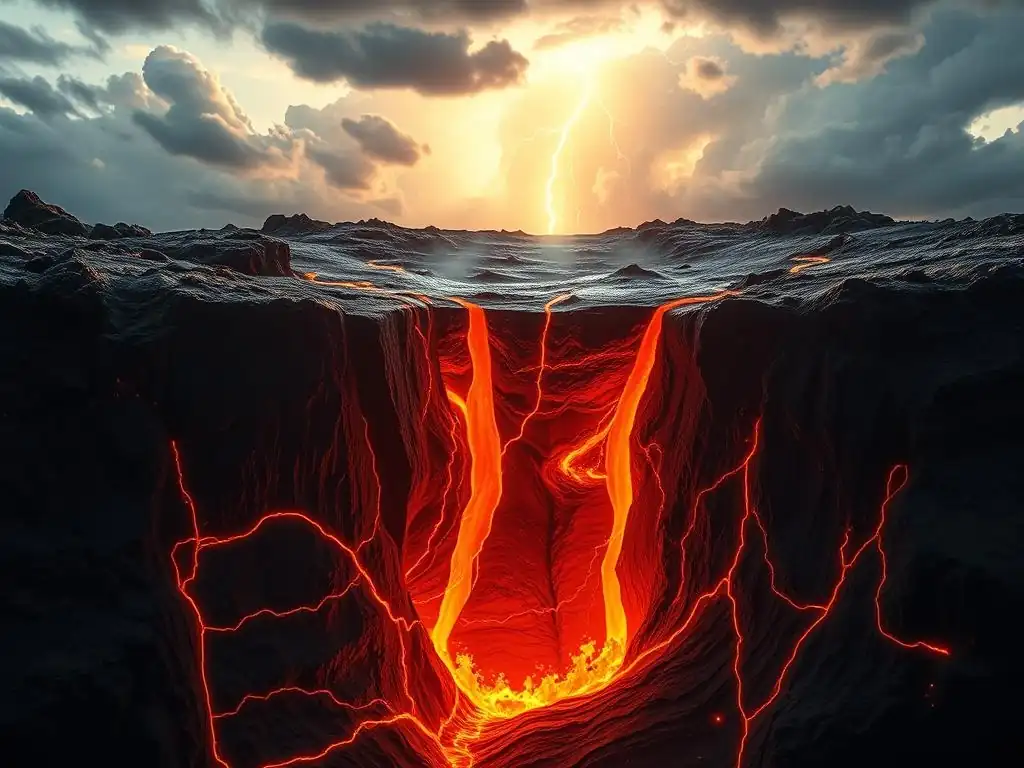
Welcome to Volcano Explorers, where we pull back the curtain on Earth's fiery heart. Ever wondered about the clandestine processes that birth these magnificent mountains of fire? Prepare to journey beneath the surface as we unravel the mysteries of how volcanoes are formed, exploring the intense geological forces that sculpt these iconic landforms. Dare to delve deeper and uncover the secrets hidden within the planet's molten core...
Understanding Volcanic Plumbing Systems: How Volcanoes Are Formed
The Crucial Role of Magma Chambers in Volcano Formation
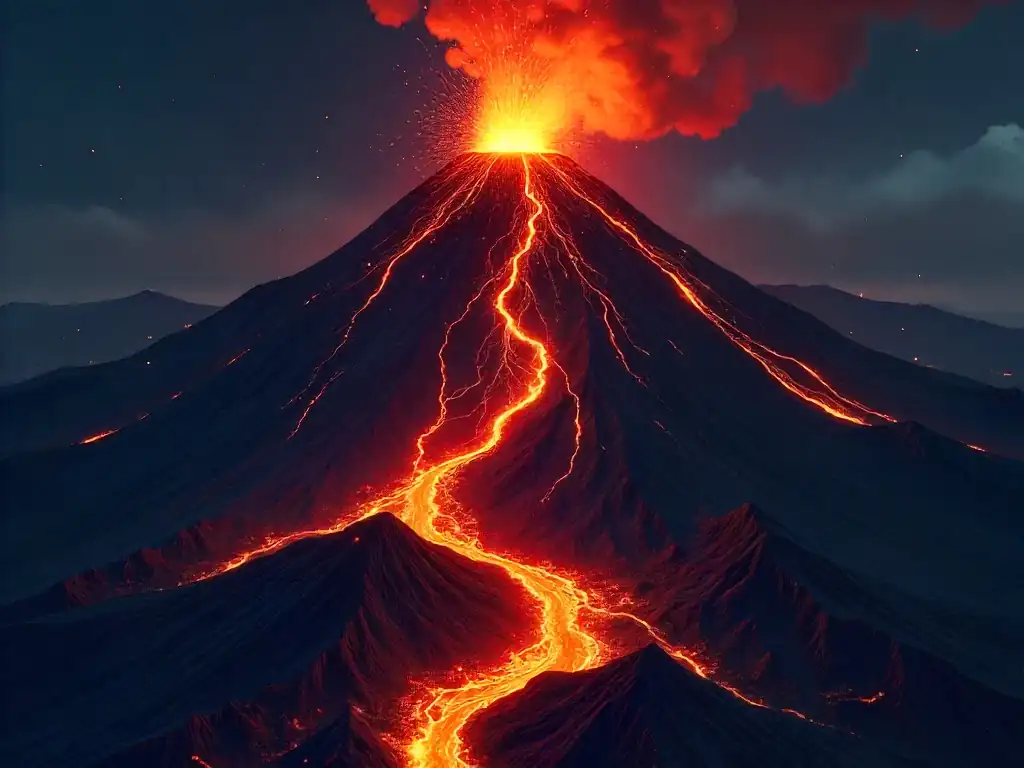
Magma chambers are fundamental components of volcanic plumbing systems, acting as reservoirs of molten rock beneath the Earth's surface. These subsurface cavities accumulate magma generated in the Earth's mantle or crust, serving as intermediate storage zones before eruption. Think of them as pressure cookers of the Earth, where molten rock gathers, differentiates, and builds up pressure that can eventually lead to a volcanic eruption.
The size and depth of magma chambers can vary significantly, ranging from small pockets a few kilometers below the surface to vast reservoirs located tens of kilometers deep. Their characteristics profoundly influence the style and frequency of volcanic eruptions.
The formation and evolution of magma chambers are complex processes influenced by various factors, including tectonic setting, magma supply rate, and the surrounding crustal structure. As magma rises from deeper sources, it may stall in areas where the surrounding rocks are less dense or where pressure conditions favor accumulation.
Over time, magma chambers can grow through repeated injections of fresh magma or shrink due to eruptions and cooling. The processes within magma chambers, such as fractional crystallization and magma mixing, alter the composition of the stored magma, further influencing the characteristics of future eruptions and ultimately, how volcanoes are formed and behave.
Exploring Volcanic Conduits: Pathways to Eruption
Volcanic conduits are the pathways through which magma ascends from the magma chamber to the Earth's surface. These conduits are essentially fractures or networks of fractures in the Earth's crust that provide a route for the less dense magma to rise through the denser surrounding rocks.
They are not always simple, pipe-like structures; they can be complex networks of cracks and fissures, especially in areas of significant tectonic stress or where magma interacts with pre-existing geological structures. The efficiency and geometry of these conduits play a critical role in controlling the rate of magma ascent and the style of eruption.
The formation of volcanic conduits is often linked to tectonic processes, such as plate divergence or faulting, which create zones of weakness in the Earth's crust. As magma pressure increases within the chamber, it exploits these zones of weakness, fracturing the surrounding rock and creating or widening pathways towards the surface.
The walls of these conduits can be altered by the passage of hot magma, undergoing processes like melting, assimilation, and hydrothermal alteration, which can further modify the conduit's shape and permeability. Understanding the architecture of these conduits is crucial for predicting eruption pathways and assessing volcanic hazards, as they dictate where and how volcanoes are formed and will erupt.
Frequently Asked Questions
How are volcanoes formed?
Volcanoes are primarily formed through tectonic plate movement and the accumulation of magma that rises to the Earth's surface. This magma can erupt explosively or effusively, creating the volcanic landforms we recognize.
What role does magma play in volcano formation?
Magma is the molten rock beneath the Earth's surface that fuels volcanic activity. Its composition, pressure, and volume significantly influence the style and intensity of volcanic eruptions and the overall shape of the volcano.
Are all volcanoes the same type?
No, volcanoes come in various types, including shield volcanoes, stratovolcanoes, and cinder cones. These different types are classified based on their shape, eruption style, and the composition of their lava and ejected material.
What are some of the dangers associated with living near a volcano?
Living near a volcano presents several risks, including lava flows, ashfall, pyroclastic flows, and lahars. These hazards can cause significant damage and pose a threat to human life and property.
How do volcanologists study volcanoes?
Volcanologists employ various methods, such as seismic monitoring, gas analysis, and ground deformation measurements, to study volcanic activity. They use this data to understand volcanic processes and predict potential eruptions.
Final Reflection: Unearthing Earth's Fiery Heart
The journey into the depths of volcanic plumbing, as we've explored, isn't just about understanding geological processes; it's about understanding the very pulse of our planet. The formation of volcanoes, a process driven by immense forces deep within the Earth, remains a powerful reminder of the dynamic and ever-changing nature of our world. This understanding is crucial today, as we grapple with the impacts of climate change and the increasing need to predict and mitigate natural disasters.
The study of volcanoes has profoundly shaped our understanding of Earth's internal structure and the forces that sculpt its surface. This exploration has ignited a personal fascination with the raw power and beauty of geological phenomena, reminding us of our small place within a vast and complex system. The mountains are calling and I must go.
- John Muir. This quote resonates deeply, capturing the inherent human desire to explore and understand the natural world, a drive that fuels the ongoing quest to unravel the mysteries of volcanic formation.
Now, armed with a deeper understanding of how volcanoes are formed, I invite you to reflect on the profound interconnectedness of our planet. Consider the immense energy that lies beneath our feet, and the delicate balance that sustains life on Earth. Let this knowledge inspire you to appreciate the power and fragility of our world, and to become a more informed and responsible steward of its future.
Unearth Your Inner Volcanologist!
Thank you for exploring the hidden plumbing of volcanoes with us! We hope you've gained a deeper understanding of the powerful forces shaping our planet. Now, let's put that knowledge to use.
Here's how you can continue your volcanic exploration:
- Become a Citizen Scientist: Report any unusual volcanic activity you observe in your area or during your travels using our online observation form. Your firsthand accounts help researchers better understand volcanic patterns.
- Explore our interactive map of active volcanoes worldwide and share a fascinating fact with a friend. You might just ignite their curiosity!
- Dive deeper into the science! Check out our curated list of scientific papers on volcanic plumbing – you'll uncover fascinating details.
What's one surprising thing you learned about volcanic plumbing that you'd like to share? Let us know in the comments below!