
The Chilling Reality of Volcanic Gases: Pyroclastic Flows and Toxic Fumes

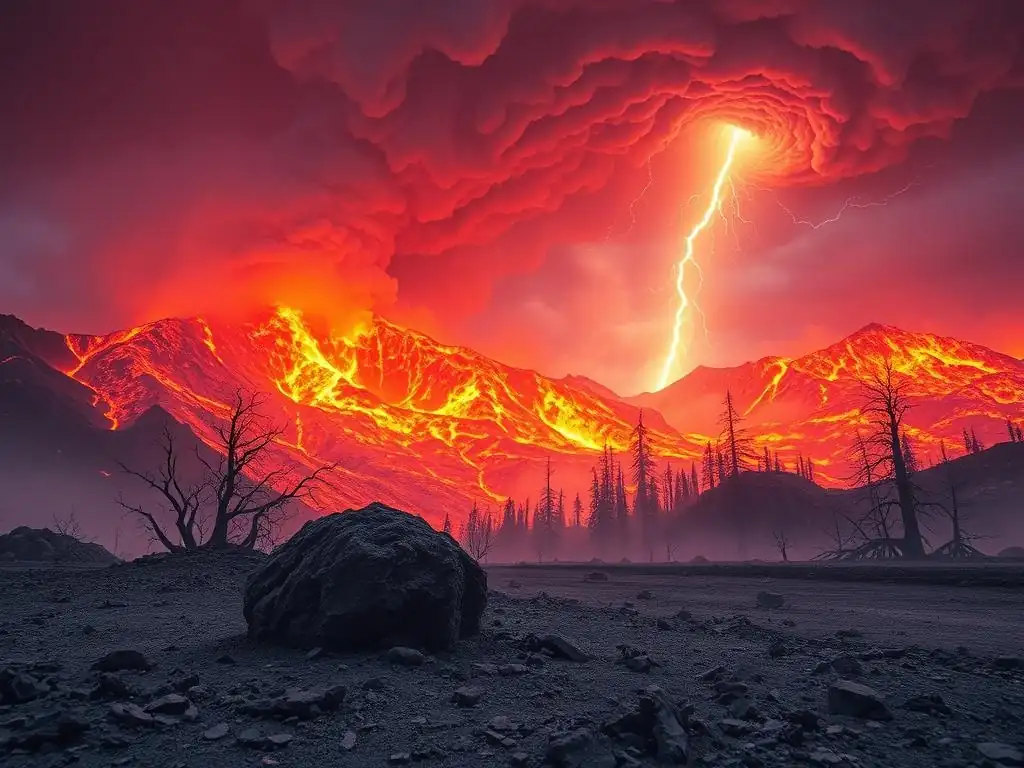
Welcome to Volcano Explorers, where the Earth's fiery heart meets human curiosity. Ever wondered about the invisible dangers lurking within those plumes of smoke billowing from a volcanic eruption? Prepare to uncover the often-overlooked – yet incredibly potent – effects of volcanic gases. These aren't just harmless vapors; they're a cocktail of elements capable of reshaping landscapes and lives. Dive in to understand the chilling reality behind pyroclastic flows and toxic fumes... and discover what makes these seemingly ethereal substances so devastating.
- Understanding the Dangers: Volcanic Gases and Pyroclastic Flows
- The Devastating Effects of Volcanic Gases on Human Health
- Pyroclastic Flows: A Force of Nature
- Toxic Fumes Released During Volcanic Eruptions: A Chemical Cocktail
- Distinguishing Between Pyroclastic Flows and Volcanic Gas Plumes
- The Combined Threat: Pyroclastic Flows and Toxic Gas Clouds
- Mitigation and Prevention Strategies for Volcanic Gas and Pyroclastic Flow Risks
- The Future of Volcanic Hazard Assessment: Research and Innovation
- Living with Volcanoes: Coexistence and Respect
-
Frequently Asked Questions
- What are the main effects of volcanic gases on the environment?
- How do volcanic gases contribute to pyroclastic flows?
- What are the most common toxic volcanic gases released during an eruption?
- What are the immediate health effects of volcanic gases on humans?
- How can people protect themselves from the effects of volcanic gases during an eruption?
- Final Reflection: Breathing in the Shadow of Volcanoes
- Unearth Your Inner Volcanologist!
Understanding the Dangers: Volcanic Gases and Pyroclastic Flows
Introduction to the Perils of Volcanic Emissions
Volcanoes, often visualized for their fiery lava flows, present a far more insidious and pervasive danger through their gaseous emissions and pyroclastic flows. While lava is undeniably destructive, the invisible threat of volcanic gases and the superheated, rapidly moving currents of pyroclastic flows pose a significantly greater risk to both human life and the environment. These phenomena are not merely side effects of eruptions; they are fundamental aspects of volcanic activity, capable of causing widespread devastation and long-term environmental changes.
Understanding these hazards is crucial for communities living near active volcanoes and for anyone interested in the full spectrum of volcanic dangers beyond the spectacle of lava. The effects of volcanic gases and pyroclastic flows can range from immediate respiratory distress to complete obliteration of landscapes, making them primary concerns in volcanology and disaster preparedness.
What are Pyroclastic Flows and Surges?
Pyroclastic flows and surges are among the most devastating phenomena associated with explosive volcanic eruptions. Pyroclastic flows are ground-hugging avalanches of hot gas, ash, pumice, and rock fragments. Driven by gravity, these flows can move at incredible speeds, sometimes exceeding 700 kilometers per hour (around 450 mph), and reach temperatures of up to 1000 degrees Celsius (1832 degrees Fahrenheit).
Imagine a scalding avalanche of rock and gas moving faster than a race car. Pyroclastic surges, often associated with flows, are less dense and more turbulent clouds of gas and ash that can spread more widely and rapidly, even over topographic barriers. They are like a hurricane of hot gas and ash, capable of engulfing areas beyond the direct path of the denser flow.
Both are formed during explosive eruptions when an eruption column collapses, or from the collapse of a lava dome or flow front. The key difference lies in density and concentration of solid material: flows are denser and channelized, while surges are more dilute and can spread laterally.
The Devastating Effects of Volcanic Gases on Human Health
Immediate Health Risks from Exposure to Volcanic Gases
Volcanic gases represent an immediate and often invisible threat to human health during and after eruptions. The most common and hazardous volcanic gases include sulfur dioxide (SO 2 ), carbon dioxide (CO 2 ), hydrogen sulfide (H 2 S), hydrogen halides (like hydrogen fluoride, HF, and hydrogen chloride, HCl), and water vapor (H 2 O). Sulfur dioxide is a potent respiratory irritant, causing coughing, wheezing, and shortness of breath even at low concentrations (parts per million, ppm). Exposure to higher concentrations can lead to pulmonary edema and even death. Carbon dioxide, being heavier than air, can accumulate in low-lying areas, displacing oxygen and causing asphyxiation. At concentrations above 7%, CO 2 can cause rapid loss of consciousness and death. Hydrogen sulfide, while recognizable by its rotten egg smell at low concentrations, quickly paralyzes the olfactory nerves at higher levels, eliminating the warning sign. It is also a toxic gas that can cause respiratory failure and nervous system damage. Hydrogen halides, such as HF and HCl, form strong acids upon contact with moisture in the respiratory tract and on the skin, causing severe burns and irritation to the eyes, skin, and mucous membranes.
Long-Term Health Consequences of Volcanic Gas Inhalation
Beyond the immediate dangers, chronic exposure to volcanic gases, even at low concentrations, can lead to significant long-term health problems. Prolonged inhalation of sulfur dioxide and other irritant gases can exacerbate pre-existing respiratory conditions like asthma and bronchitis, and increase the risk of developing chronic obstructive pulmonary disease (COPD). Studies conducted in volcanic regions, such as near active volcanoes in Italy and Iceland, have shown higher incidences of respiratory illnesses in populations exposed to persistent volcanic gas emissions.
Fluorosis, caused by the accumulation of fluoride from volcanic hydrogen fluoride (HF) emissions, is another long-term concern, particularly in areas where livestock graze on contaminated vegetation. Fluorosis can lead to skeletal and dental problems.
Furthermore, some studies suggest a potential link between long-term exposure to volcanic air pollution and cardiovascular issues, although more research is needed in this area. The subtle, yet persistent, effects of volcanic gases can significantly impact the quality of life and overall health of communities living near active volcanic areas.
Protecting Yourself from Volcanic Gas Hazards: Safety Measures
Protecting oneself from volcanic gas hazards requires a combination of preparedness, awareness, and immediate action when necessary. The primary safety measure is evacuation from areas downwind or potentially affected by volcanic gas plumes during periods of heightened volcanic activity or eruption. Local authorities usually issue evacuation orders based on volcanic monitoring data and plume dispersion models. If evacuation is not immediately possible, seeking shelter indoors is crucial. Buildings offer some protection, but it's important to seal windows and doors, and close any ventilation systems to minimize gas infiltration. Using damp cloths or commercially available respirators (like N95 or P100 masks) can help filter out ash particles and some larger gas molecules, but specialized gas masks with chemical cartridges are necessary for effective protection against high concentrations of specific volcanic gases like SO 2 or HF. Staying informed about volcanic activity through official sources like volcano observatories and emergency management agencies is paramount. Having a family emergency plan and a "go-bag" with essential supplies, including masks, water, and first-aid items, is also recommended for those living in volcanic hazard zones.
Pyroclastic Flows: A Force of Nature
Formation and Composition of Pyroclastic Flows
Pyroclastic flows are born from the violent energy of explosive volcanic eruptions. They typically form in a few primary ways. One common mechanism is the collapse of an eruption column – when an eruptive column of hot gas and ash, propelled upwards by volcanic forces, becomes too dense to sustain its height and collapses back down the volcano's flanks.
Another formation process is the collapse or explosion of a lava dome, a mound of viscous lava that can build up near a volcano's vent. When these domes become unstable, or explode due to internal pressure, they can generate pyroclastic flows. The composition of pyroclastic flows is a complex mixture, reflecting the materials erupted by the volcano.
They consist of hot volcanic gases, often at temperatures ranging from 200°C to 1000°C, mixed with volcanic ash (fine particles of pulverized rock and glass), pumice (lightweight, porous volcanic rock), and larger rock fragments (blocks and bombs). The proportions of these components vary depending on the eruption type and the volcano itself, but the combination always results in a dense, scorching, and incredibly destructive mixture.
The Catastrophic Impact of Pyroclastic Flows on the Environment
The impact of pyroclastic flows on the environment is nothing short of catastrophic. As these superheated avalanches surge down volcanic slopes, they incinerate everything in their path. Vegetation is instantly carbonized, forests are flattened, and agricultural lands are rendered sterile. Buildings and infrastructure are crushed, burned, or swept away by the immense force and heat.
The landscape is often completely reshaped, buried under thick deposits of ash and rock debris. In the immediate aftermath, the affected area resembles a barren wasteland, devoid of life. The heat from pyroclastic flows can also trigger wildfires in surrounding areas not directly impacted by the flow itself, further expanding the zone of devastation.
Longer-term environmental effects include significant changes to soil composition and hydrology. The thick layers of pyroclastic deposits can alter drainage patterns, leading to increased erosion and landslides in subsequent years. Recovery of ecosystems in pyroclastic flow zones is a slow process, often taking decades or even centuries for vegetation to re-establish and for the land to regain a semblance of its pre-eruption state.
Case Studies: Historical Examples of Pyroclastic Flow Destruction (Mount Pelée, Martinique, 1902)
The eruption of Mount Pelée on the Caribbean island of Martinique in 1902 serves as a stark and tragic example of the devastating power of pyroclastic flows. Prior to the major eruption on May 8th, Mount Pelée had been exhibiting increased volcanic activity for weeks, including steam and ash emissions, and minor explosions. Despite these clear warning signs, and against the advice of some who urged evacuation, the city of Saint-Pierre, then known as "the Paris of the Caribbean," remained largely populated.
On the morning of May 8th, a massive pyroclastic flow erupted from Mount Pelée and surged directly down towards Saint-Pierre. Traveling at an estimated speed of over 160 kilometers per hour (100 mph), the flow engulfed the city in minutes. The intense heat and force of the pyroclastic flow instantly killed nearly everyone in Saint-Pierre.
Estimates vary, but it is believed that approximately 30,000 people perished in the disaster. Only a handful of individuals in the city survived, mostly those on the edges of the flow's path or sheltered in very specific locations, like in the city jail which had thick walls. The destruction of Saint-Pierre by the pyroclastic flow stands as one of the deadliest volcanic disasters of the 20th century and underscores the lethal nature of these volcanic phenomena.
Toxic Fumes Released During Volcanic Eruptions: A Chemical Cocktail
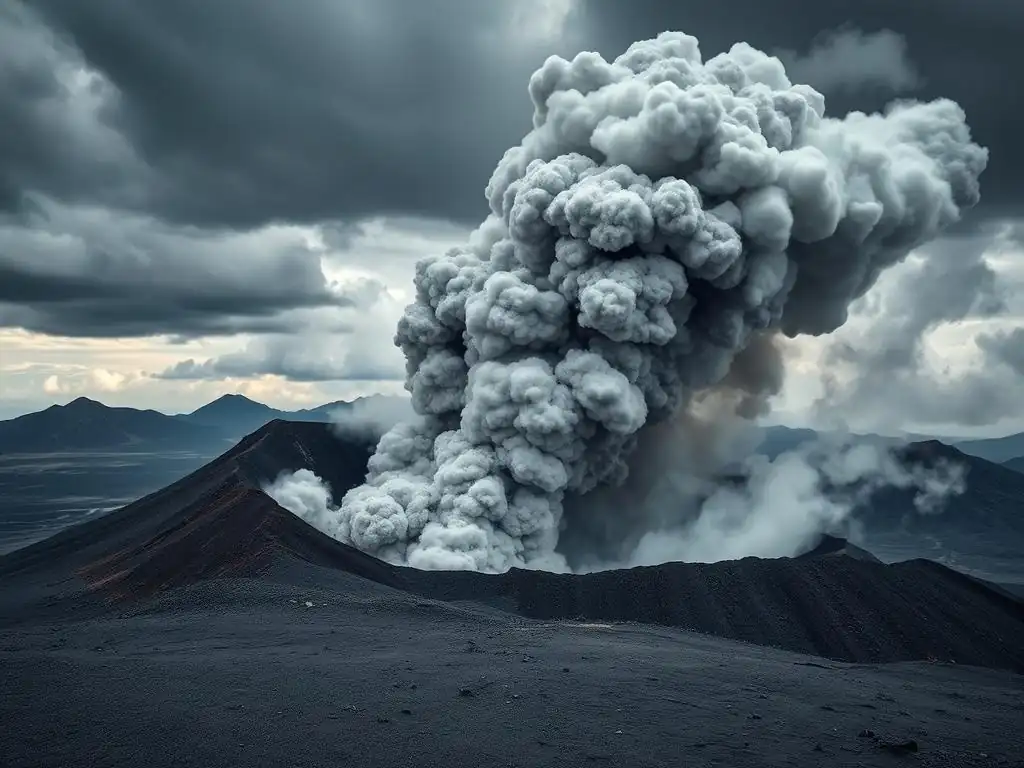
Common Volcanic Gases: Sulfur Dioxide, Carbon Dioxide, Hydrogen Sulfide
Volcanic eruptions release a complex mixture of gases, often described as a "chemical cocktail," that pose significant environmental and health hazards. Among the most abundant and impactful are sulfur dioxide (SO 2 ), carbon dioxide (CO 2 ), and hydrogen sulfide (H 2 S). Sulfur dioxide is a pungent, colorless gas that is readily detectable by its sharp, irritating odor even at low concentrations. It is a major contributor to acid rain and volcanic smog ("vog"). Carbon dioxide is an odorless, colorless gas that, while naturally present in the atmosphere, can become dangerous at high concentrations, particularly in volcanic settings where it can accumulate in depressions due to its density. Hydrogen sulfide is another colorless gas, notorious for its characteristic "rotten egg" smell at low concentrations. However, at higher, toxic levels, it can quickly deaden the sense of smell, making it even more dangerous. These three gases, along with other minor components like hydrogen halides and trace metals, form the primary constituents of the toxic fumes associated with volcanic activity.
The Chemical Reactions and Environmental Impact of Volcanic Gases
Volcanic gases undergo a series of chemical reactions in the atmosphere and upon interaction with the environment, leading to various impacts. Sulfur dioxide (SO 2 ) reacts with water vapor in the atmosphere to form sulfuric acid (H 2 SO 4 ), a primary component of acid rain. Acid rain damages vegetation, acidifies lakes and rivers, and corrodes buildings and infrastructure. In volcanic regions, this acid deposition can significantly degrade ecosystems and impact water quality. Volcanic smog, or "vog," is formed when sulfur dioxide and other volcanic gases react with sunlight, oxygen, and moisture, creating a haze of sulfate aerosols and other pollutants. Vog can reduce visibility, exacerbate respiratory problems, and impact air quality over large areas. Carbon dioxide (CO 2 ), while not directly toxic at typical volcanic concentrations in open air, contributes to the greenhouse effect and long-term climate change. In localized areas, CO 2 can accumulate in ground depressions, creating deadly, oxygen-depleted environments. Hydrogen sulfide (H 2 S), besides its direct toxicity, can also contribute to acid rain and air pollution. The cumulative effect of these chemical reactions is a widespread environmental impact, affecting air, water, soil, and ecosystems downwind of active volcanoes.
Monitoring and Predicting Volcanic Gas Emissions: The Role of Volcanologists
Volcanologists play a crucial role in monitoring and predicting volcanic gas emissions to assess volcanic activity and mitigate potential hazards. They employ a range of sophisticated techniques to measure gas concentrations, compositions, and fluxes. Ground-based instruments, such as gas spectrometers and sensors, are deployed near volcanoes to continuously monitor gas emissions from vents and fumaroles.
These instruments can detect changes in gas concentrations and ratios, which can be indicative of changes in magma activity beneath the surface and potential eruptions. Remote sensing techniques, using satellites and aircraft equipped with specialized sensors, are also essential for monitoring volcanic gas plumes over wider areas and in remote locations.
Satellite data can track the dispersal of sulfur dioxide and other gases, providing valuable information on the extent of gas plumes and their potential impact on air quality and aviation safety. By analyzing trends in gas emissions, alongside other monitoring data like seismicity and ground deformation, volcanologists can refine eruption forecasts and provide timely warnings to communities at risk, helping to reduce the effects of volcanic gases.
Distinguishing Between Pyroclastic Flows and Volcanic Gas Plumes
Key Differences in Formation, Composition, and Behavior
While both pyroclastic flows and volcanic gas plumes are hazardous volcanic phenomena, they differ significantly in their formation, composition, and behavior. Pyroclastic flows, as previously described, are dense, ground-hugging currents of hot gas, ash, and rock fragments, formed by the collapse of eruption columns or lava domes. They are characterized by their high density, high speed, and channelized flow paths, typically following valleys and topographic depressions.
In contrast, volcanic gas plumes are buoyant columns of gas and fine ash that rise high into the atmosphere. They are formed by the continuous release of gases and ash during volcanic eruptions, propelled upwards by the eruption's energy.
Gas plumes are less dense than pyroclastic flows, and their behavior is primarily governed by atmospheric conditions like wind and buoyancy. While pyroclastic flows are inherently ground-based and destructive at the surface, volcanic gas plumes ascend into the atmosphere and pose hazards primarily through air pollution and aviation disruption, although ash fallout from plumes can also impact ground areas.
Identifying Potential Hazards Based on Visual Cues
Distinguishing between pyroclastic flows and volcanic gas plumes visually is crucial for assessing immediate volcanic hazards during an eruption. Pyroclastic flows are often observed as a rapidly moving, dense cloud or avalanche of ash and dust hugging the ground, cascading down the flanks of a volcano. They may appear as a billowing cloud close to the surface, often with a darker, more textured appearance due to the presence of rock fragments and ash.
Their rapid downslope movement is a key visual indicator. Volcanic gas plumes, on the other hand, are typically seen as vertical columns rising above the volcanic vent. They are often less dense-looking than pyroclastic flows and extend upwards into the atmosphere.
The color of a gas plume can provide clues about its composition – for example, a bluish haze might indicate significant sulfur dioxide emissions. However, visual identification should always be complemented by official information from volcano observatories, as conditions can change rapidly, and visual assessments alone may not always be definitive, especially in poor visibility or during nighttime eruptions.
The Combined Threat: Pyroclastic Flows and Toxic Gas Clouds
Synergistic Effects of Heat, Ash, and Noxious Gases
Pyroclastic flows and toxic volcanic gases often occur together during explosive eruptions, creating a synergistic threat that is far greater than the sum of their individual hazards. Pyroclastic flows themselves are composed of hot gases, ash, and rock fragments, meaning they inherently carry a component of toxic gases within them.
The intense heat of pyroclastic flows, reaching hundreds of degrees Celsius, can vaporize additional volatile compounds from the surrounding environment, potentially releasing even more toxic fumes into the atmosphere. Furthermore, the ash component of pyroclastic flows, when inhaled, can cause severe respiratory irritation and exacerbate the effects of toxic gases.
The combination of extreme heat, physical impact from the flow, inhalation of ash particles, and exposure to noxious gases creates a deadly environment where survival is highly unlikely. Victims of pyroclastic flows often succumb not just to burns and physical trauma, but also to asphyxiation and poisoning from the complex mixture of gases present within and around the flow.
Evacuation Strategies in Areas Prone to Pyroclastic Flows and Toxic Fumes
Evacuation strategies in areas prone to both pyroclastic flows and toxic fumes must be comprehensive and account for the distinct characteristics of each hazard. For pyroclastic flows, evacuation planning must prioritize areas in valleys and downslope of potential flow paths, as these are the most vulnerable zones. Evacuation routes should be planned perpendicular to valley axes to minimize the risk of being overtaken by a flow.
For toxic gas plumes, evacuation should focus on areas downwind of the volcano, as gas plumes are carried by prevailing winds. Wind direction can change rapidly, so real-time monitoring of wind patterns is essential for dynamic evacuation adjustments. In situations where both pyroclastic flows and toxic gas plumes are imminent, a layered evacuation approach is often necessary.
Immediate evacuation of areas directly threatened by pyroclastic flows should be prioritized, followed by broader evacuations of downwind areas susceptible to gas plumes. Emergency shelters should be located outside of both potential pyroclastic flow paths and downwind gas plume zones, and equipped with appropriate air filtration systems if possible, to provide refuge from both hazards. Effective communication systems and public education are critical to ensure timely and orderly evacuations in these complex volcanic emergency scenarios.
Mitigation and Prevention Strategies for Volcanic Gas and Pyroclastic Flow Risks
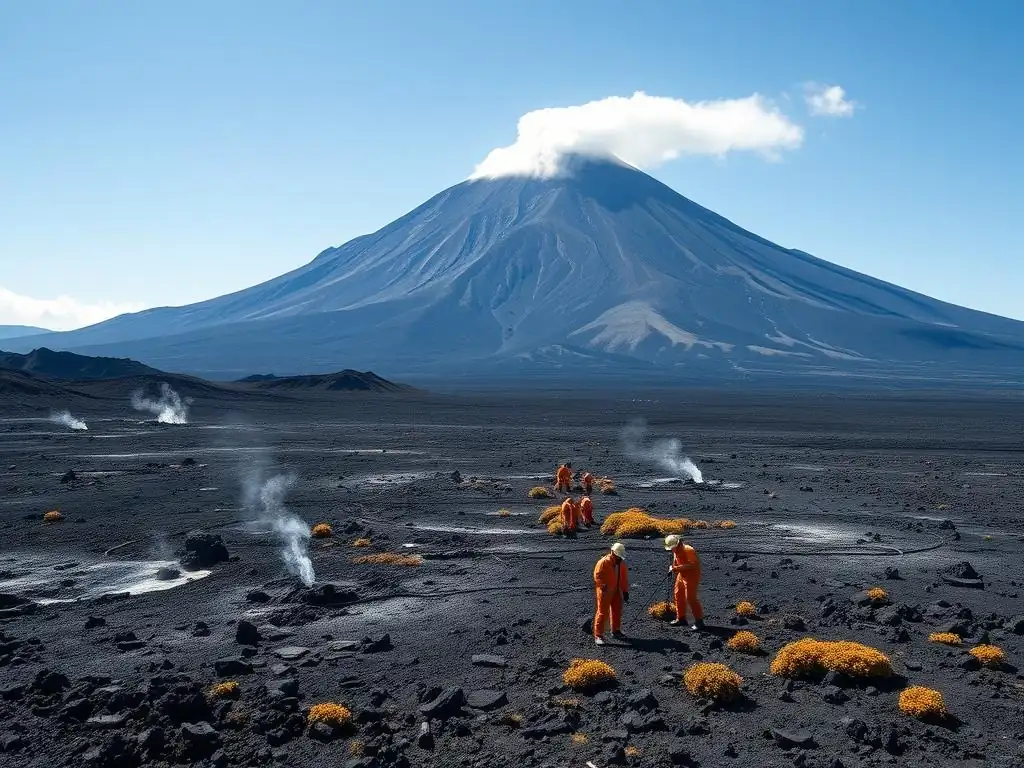
Early Warning Systems and Monitoring Technologies
Mitigating the risks from volcanic gases and pyroclastic flows relies heavily on robust early warning systems and advanced monitoring technologies. Volcano observatories around the world employ a suite of instruments to detect precursory signs of volcanic unrest and potential eruptions. Seismometers monitor ground vibrations, detecting volcanic earthquakes that often precede eruptions.
Ground deformation sensors, such as GPS stations and tiltmeters, measure subtle changes in the volcano's shape, indicating magma movement beneath the surface. Gas sensors, both ground-based and satellite-based, continuously measure volcanic gas emissions, detecting changes in gas type and concentration. Thermal cameras monitor changes in surface temperature, which can indicate magma approaching the surface.
Data from these monitoring networks are analyzed in real-time to assess the level of volcanic activity and issue timely warnings to at-risk communities. Advanced data processing and modeling techniques, including machine learning algorithms, are increasingly being used to improve the accuracy and speed of eruption forecasting, enhancing the effectiveness of early warning systems.
Land Use Planning and Community Preparedness
Effective land use planning and community preparedness are crucial for long-term mitigation of volcanic gas and pyroclastic flow risks. Land use zoning regulations can restrict development in high-hazard zones, such as valleys prone to pyroclastic flows and areas consistently downwind of volcanic vents. Building codes in volcanic regions can be strengthened to require structures to be more resistant to ashfall, gas infiltration, and even, in some cases, minor pyroclastic flow impacts. Community preparedness programs are essential to educate residents about volcanic hazards, evacuation routes, and emergency procedures. Regular drills and simulations can help communities practice their response plans and improve their readiness for volcanic emergencies. Public awareness campaigns, utilizing various media channels, can disseminate information about volcanic risks and safety measures to a wider audience. Engaging local communities in the development of risk reduction strategies and empowering them to take proactive steps enhances resilience and reduces vulnerability to volcanic hazards.
Building Resilience in Volcanic Regions: Infrastructure and Education
Building resilience in volcanic regions requires a multi-faceted approach that integrates infrastructure improvements with education and community engagement. Investing in resilient infrastructure is critical. This includes constructing evacuation routes that are less vulnerable to volcanic hazards, building stronger and more gas-resistant buildings in areas that cannot be avoided, and developing critical infrastructure, such as hospitals and emergency services, in safer locations. Education plays a vital role in fostering a culture of safety and preparedness.
Integrating volcanic hazard education into school curricula and public awareness programs ensures that residents, especially younger generations, understand the risks and know how to respond. Training local emergency responders and community leaders in volcanic crisis management enhances response capacity. Furthermore, promoting economic diversification and sustainable livelihoods in volcanic regions can reduce reliance on activities that are highly vulnerable to volcanic disruptions, fostering long-term community resilience and enabling coexistence with these dynamic natural systems.
The Future of Volcanic Hazard Assessment: Research and Innovation
Improving Predictive Models for Pyroclastic Flows and Gas Dispersal
The future of volcanic hazard assessment is heavily reliant on ongoing research and innovation to improve predictive models for pyroclastic flows and gas dispersal. Current models for pyroclastic flows are becoming more sophisticated, incorporating factors like topography, eruption parameters, and material properties to better simulate flow paths and runout distances. However, further research is needed to refine these models, particularly in complex terrain and for different types of pyroclastic flows.
Predictive models for volcanic gas dispersal are also continuously being improved, utilizing advanced atmospheric dispersion models and incorporating real-time meteorological data to forecast plume trajectories and concentrations. Machine learning and artificial intelligence are increasingly being applied to analyze large datasets of volcanic monitoring data and improve the accuracy of both pyroclastic flow and gas dispersal predictions. These advancements in modeling capabilities are crucial for providing more precise and timely warnings, and for informing effective mitigation strategies.
Developing Advanced Protective Equipment for Responders and Residents
Technological advancements are driving the development of advanced protective equipment for both responders and residents in volcanic hazard zones. For emergency responders, this includes developing lighter, more heat-resistant suits that offer better protection against pyroclastic flow exposure.
Improved respirators and gas masks are being designed to provide enhanced protection against a wider range of volcanic gases and ash particles, while also being more comfortable for extended use in harsh conditions. For residents, research is focusing on developing affordable and effective respirators for protection against ash and volcanic smog, as well as developing building materials and construction techniques that offer better resistance to gas infiltration and ash loading.
The development of community-based shelters with advanced air filtration systems is also being explored to provide refuge during volcanic gas events and ashfall episodes. Continuous innovation in protective equipment is essential for reducing the impact of volcanic hazards on both human health and safety.
Understanding the Complex Interplay Between Volcanic Activity and Climate Change
Understanding the complex interplay between volcanic activity and climate change is a critical area of ongoing research in volcanology and climate science. Volcanic eruptions release significant quantities of gases, including sulfur dioxide and carbon dioxide, which can have both short-term and long-term effects on the Earth's climate. Large volcanic eruptions can inject sulfur dioxide into the stratosphere, forming sulfate aerosols that reflect sunlight back into space, leading to short-term global cooling. Conversely, volcanic carbon dioxide emissions contribute to the greenhouse effect and long-term global warming, although the magnitude of volcanic CO 2 emissions is significantly smaller than anthropogenic emissions. Furthermore, climate change itself may influence volcanic activity in some regions, potentially through changes in ice melt, sea level, and stress on the Earth's crust. Investigating these complex interactions is crucial for improving our understanding of both volcanic hazards and climate change, and for developing holistic strategies for risk management and environmental sustainability in volcanic regions.
Living with Volcanoes: Coexistence and Respect
Acknowledging the Risks and Embracing Safety Practices
Living in the shadow of volcanoes requires a deep acknowledgment of the inherent risks and a proactive embrace of safety practices. Volcanoes are powerful natural forces that can pose significant threats to human life and livelihoods. Ignoring or underestimating these risks can have devastating consequences, as tragically demonstrated by historical eruptions.
Communities living near active volcanoes must cultivate a culture of preparedness and respect for volcanic hazards. This includes staying informed about volcanic activity, participating in community preparedness programs, heeding warnings from authorities, and having evacuation plans in place. Embracing safety practices is not about living in fear, but rather about living responsibly and sustainably in volcanic environments, minimizing risks and maximizing resilience.
The Cultural Significance of Volcanoes and the Importance of Preservation
Despite the inherent risks, volcanoes hold profound cultural significance for many societies around the world. In numerous cultures, volcanoes are revered as sacred mountains, homes of deities, or powerful symbols of creation and destruction. Volcanic landscapes often shape cultural identities, traditions, and livelihoods. Beyond their cultural value, volcanoes are also geological treasures, providing invaluable insights into the Earth's internal processes and shaping unique ecosystems.
Preservation of volcanic landscapes and cultural heritage associated with volcanoes is essential. This includes protecting volcanic national parks, preserving archaeological sites, and supporting cultural practices that are intertwined with volcanic environments. Recognizing and celebrating the cultural and scientific significance of volcanoes fosters a deeper appreciation for these natural wonders and promotes responsible stewardship.
Further Resources for Volcanic Hazard Awareness
For those seeking to deepen their understanding of volcanic hazards and enhance their awareness, numerous resources are available. Volcano observatories, such as the USGS Volcano Hazards Program in the United States, the Istituto Nazionale di Geofisica e Vulcanologia (INGV) in Italy, and similar institutions around the world, provide valuable information on volcanic activity, monitoring data, and hazard assessments. Websites of these organizations offer educational materials, real-time updates, and resources for community preparedness.
Academic institutions and geological surveys also conduct research and provide information on volcanic hazards. Books, documentaries, and online educational platforms offer accessible explanations of volcanic processes and risks. Engaging with these resources empowers individuals to become more informed about volcanic hazards, contribute to community preparedness, and foster a safer coexistence with volcanoes.
Frequently Asked Questions
What are the main effects of volcanic gases on the environment?
Volcanic gases, such as sulfur dioxide and carbon dioxide, can contribute to acid rain and global warming, impacting ecosystems and human health. They can also deplete the ozone layer.
How do volcanic gases contribute to pyroclastic flows?
While not a direct component, the high temperatures associated with volcanic gases can be a key factor in the mobility and devastating nature of pyroclastic flows, making them travel further and faster.
What are the most common toxic volcanic gases released during an eruption?
The most common toxic gases include sulfur dioxide (SO2), carbon dioxide (CO2), hydrogen sulfide (H2S), and hydrogen halides like hydrogen fluoride (HF) and hydrogen chloride (HCl).
What are the immediate health effects of volcanic gases on humans?
Exposure can cause respiratory problems, eye and skin irritation, and even asphyxiation, depending on the concentration and duration of exposure.
How can people protect themselves from the effects of volcanic gases during an eruption?
Staying indoors with sealed windows, using respiratory protection such as masks, and following evacuation orders are crucial steps for minimizing exposure and staying safe.
Final Reflection: Breathing in the Shadow of Volcanoes
The devastating power of volcanic eruptions is often visualized through fiery lava flows and explosive blasts, but the insidious threat of volcanic gases and pyroclastic flows represents a far more pervasive and often overlooked danger. Understanding the effects of these gases is not just an academic exercise; it's a matter of life and death for communities living in the shadow of these geological giants, a reality tragically underscored by recent events around the globe.
The enduring influence of volcanic activity, both destructive and creative, shapes our planet and our cultures. The knowledge of these dangers is crucial for informed decision-making and proactive safety measures, especially in regions where volcanic activity is a constant presence. The Earth will not continue to offer its harvest, except with faithful stewardship. We cannot say we love the land and then take steps to destroy it for use by future generations.
- Wendell Berry. This quote reminds us that understanding and respecting the Earth's power, including its volcanic forces, is essential for our survival and the well-being of future generations.
As you reflect on the chilling reality of volcanic gases and pyroclastic flows, consider your own connection to the natural world and the responsibility we all share in mitigating risks and promoting safety. Let this knowledge empower you to advocate for better monitoring systems, improved emergency preparedness, and a deeper understanding of the forces that shape our planet. The Earth speaks to us in many ways; are we listening closely enough to understand its warnings?
Unearth Your Inner Volcanologist!
Thanks for exploring the fascinating, yet dangerous, world of volcanic gases! We hope you've gained a new appreciation for the raw power and potential hazards of these natural forces. Ready to delve deeper?
Here are a few ways to continue your volcanic journey:
- Research Volcanic Hazard Zones in Your Area: Understanding potential risks is crucial for safety and preparedness. Is your community vulnerable to ashfall or other volcanic hazards? Find out!
- Share This Article: Help spread awareness about the dangers of volcanic gases and pyroclastic flows – knowledge is power!
- Explore Volcanoes Virtually: Use online resources to explore volcanoes worldwide from the comfort of your home. Focus on volcanoes actively monitored for gas emissions for a truly insightful experience.
Which volcano are you most interested in learning more about, and why? Share your thoughts in the comments below!