
Are You Prepared? Pyroclastic Flow Safety Measures for Volcano Regions


Welcome to Volcano Explorers, where the Earth's raw power meets human resilience. Ever wondered what it truly takes to survive the unimaginable fury of a volcanic eruption? Prepare to journey into the heart of these fiery behemoths, starting with a crucial understanding of one of their deadliest weapons: pyroclastic flows. Discover essential pyroclastic flow safety tips and arm yourself with the knowledge that could save your life. Are you ready to face the heat?
- Are You Prepared? Pyroclastic Flow Safety Measures for Volcanic Regions
- Understanding Pyroclastic Flows: A Volcano Explorer's Guide to Safety
- Pyroclastic Flow Safety Tips: Preparing for a Volcanic Emergency
- Pyroclastic Flow Safety for Residents: Minimizing Risk in Volcano Regions
- Case Studies: Lessons Learned from Past Pyroclastic Flow Events
- Resources for Pyroclastic Flow Safety: Stay Informed and Protected
-
Frequently Asked Questions
- What is a pyroclastic flow, and why is it so dangerous?
- What are some early warning signs that a pyroclastic flow might occur?
- What immediate actions should I take if a pyroclastic flow is imminent?
- What are the key components of a personal emergency kit for volcano regions?
- How can I stay informed about volcanic activity in my area?
- Final Reflection: Embracing Preparedness in the Shadow of Fire
- Fortify Your Safety: Prepare Now!
Are You Prepared? Pyroclastic Flow Safety Measures for Volcanic Regions
Understanding Pyroclastic Flows: A Volcano Explorer's Guide to Safety
What are Pyroclastic Flows and Surges? Understanding the Threat
Pyroclastic flows and surges are among the most devastating phenomena associated with explosive volcanic eruptions. These ground-hugging avalanches of hot gas, volcanic ash, and rock fragments can travel at incredible speeds, often exceeding 80 kilometers per hour (50 mph), and reach temperatures of up to 700 degrees Celsius (1300 degrees Fahrenheit). Understanding what they are and how they form is crucial for anyone living in or visiting volcanic regions to implement effective pyroclastic flow safety measures.
While both are hazardous, pyroclastic flows and surges differ slightly in their composition and behavior. Pyroclastic flows are denser, more concentrated mixtures that tend to follow valleys and topographic depressions. Pyroclastic surges, on the other hand, are more dilute, turbulent clouds that can travel over ridges and hills, affecting a wider area. Both types pose significant threats due to their extreme heat, speed, and destructive force, making knowledge of pyroclastic flow safety tips essential for survival in a volcanic eruption.
Why Pyroclastic Flows are So Dangerous: Velocity, Temperature, and Impact
The danger of pyroclastic flows stems from a combination of factors: extreme velocity, searing temperatures, and immense impact force. The sheer speed of these flows gives little to no time for escape. Imagine a dense, superheated cloud rushing down a mountainside faster than a car on a highway – this is the reality of a pyroclastic flow. The velocity alone can cause significant damage, flattening forests and destroying buildings in its path.
Beyond speed, the intense heat of pyroclastic flows is lethal. Temperatures within these flows are hot enough to incinerate organic matter instantly and ignite flammable materials at a considerable distance. The impact of the flow itself, carrying rocks and debris, acts like a high-speed blender, capable of crushing and pulverizing structures and landscapes. Furthermore, even if a person were to survive the initial impact and heat, the ash and gases within a pyroclastic flow can cause immediate asphyxiation and severe lung damage. Therefore, understanding these dangers is paramount for developing effective pyroclastic flow safety strategies.
Pyroclastic Flow Safety Tips: Preparing for a Volcanic Emergency
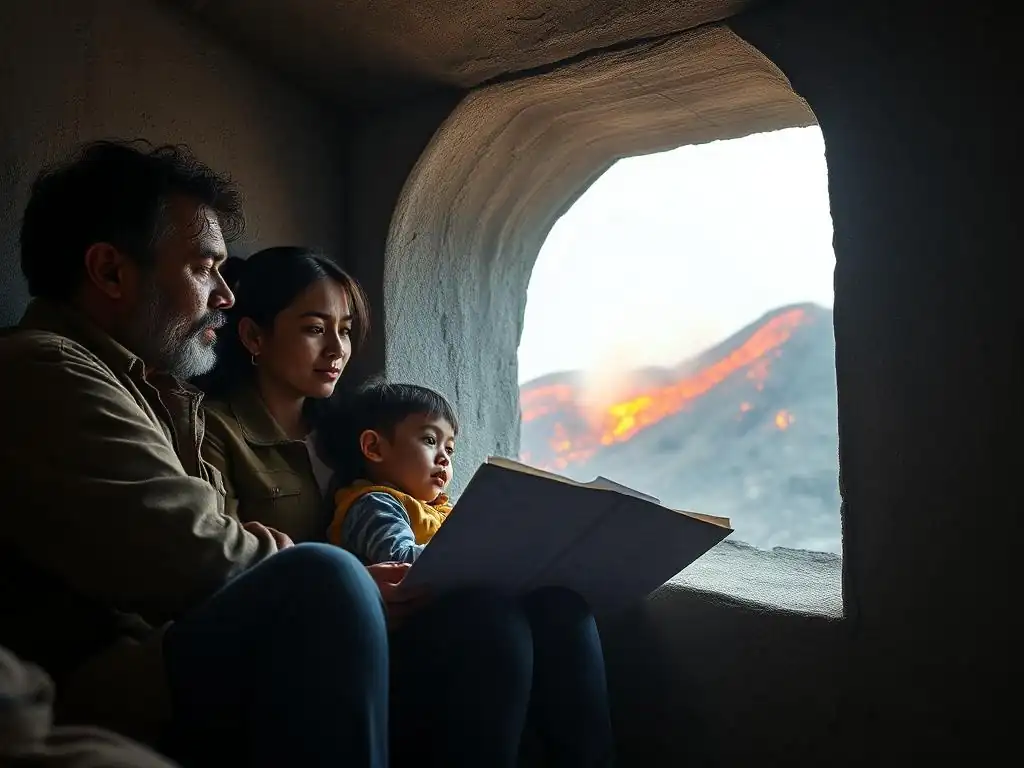
Pre-Eruption Pyroclastic Flow Preparedness: Mitigation and Planning
Effective pyroclastic flow safety begins long before an eruption occurs. Pre-eruption preparedness involves a combination of mitigation strategies and proactive planning. Mitigation focuses on reducing the potential impact of pyroclastic flows through measures like land-use planning and infrastructure design, which we will discuss later. Planning, on an individual and family level, is about preparing for the possibility of an eruption and knowing how to react to ensure safety from pyroclastic flow hazards.
This proactive approach to pyroclastic flow safety includes understanding the specific volcanic risks in your area, developing a comprehensive family emergency plan, and assembling a well-stocked volcanic emergency kit. These steps are crucial for enhancing your resilience and ability to respond effectively when faced with the threat of a pyroclastic flow. By taking these preparatory measures, residents of volcanic regions can significantly improve their chances of safety during a volcanic crisis.
Understanding Local Volcano Risk Assessments and Hazard Maps
One of the most crucial pyroclastic flow safety tips is to understand the specific volcanic risks in your locality. Volcano observatories and geological surveys, such as the United States Geological Survey (USGS) in the USA or the Istituto Nazionale di Geofisica e Vulcanologia (INGV) in Italy, produce volcano hazard assessments and hazard maps. These resources are invaluable for understanding the potential reach of pyroclastic flows and other volcanic hazards in your area.
Hazard maps delineate zones around a volcano that are at different levels of risk from various volcanic phenomena, including pyroclastic flows. These maps are based on past eruptive history, geological studies, and computer simulations. By consulting these maps, residents can identify if they live, work, or frequently travel in areas prone to pyroclastic flows. Understanding your location relative to these hazard zones is a fundamental step in pyroclastic flow safety planning and preparedness. These maps are often available online from the respective geological survey websites and local emergency management agencies.
Developing a Family Emergency Plan for Volcanic Eruptions
A well-thought-out family emergency plan is a cornerstone of pyroclastic flow safety. This plan should detail how your family will respond in the event of a volcanic eruption and specifically address pyroclastic flow hazards. The plan should include pre-determined evacuation routes, meeting points outside the hazard zone, and communication strategies in case family members are separated.
Discuss and practice the evacuation routes with all family members, ensuring everyone knows where to go and how to get there. Establish both primary and secondary meeting points in case the primary location becomes inaccessible. Designate an out-of-area contact person who family members can call to check in with if local communication networks are disrupted.
Include procedures for caring for pets and livestock in your plan. Regularly review and update your family emergency plan, especially if there are changes in residence, work locations, or family members. Practicing the plan, even through simple drills, can significantly improve your family's preparedness and pyroclastic flow safety.
Assembling a Volcanic Emergency Kit: Essential Supplies
Another critical pyroclastic flow safety tip is to prepare a volcanic emergency kit. This kit should contain essential supplies to help your family survive during and immediately after a volcanic eruption, particularly one involving pyroclastic flows. The kit should be stored in an easily accessible location and be portable in case of evacuation.
Essential items for a volcanic emergency kit include:
- Respiratory Protection: N95 or P100 respirators or face masks to protect against volcanic ash and gases.
- Eye Protection: Goggles or safety glasses to shield eyes from ash and irritants.
- Protective Clothing: Long-sleeved shirts, long pants, sturdy shoes, and gloves to protect skin from ash and heat.
- Food and Water: Non-perishable food items and bottled water for at least three days per person.
- First-Aid Kit: A comprehensive first-aid kit to treat minor injuries.
- Flashlight and Radio: Battery-powered or hand-crank flashlight and a NOAA weather radio or similar to receive emergency broadcasts.
- Extra Batteries: For flashlights and radios.
- Dust Masks and Wet Wipes: For additional respiratory and hygiene measures.
- Important Documents: Copies of important documents in a waterproof bag (identification, insurance, medical information).
- Cash: ATMs and electronic transactions may not be available during an emergency.
Regularly check and replenish your volcanic emergency kit to ensure that food and water are fresh and that batteries are charged. Having a well-stocked kit is a vital component of pyroclastic flow safety preparedness.
During a Pyroclastic Flow Event: Immediate Actions and Survival
Despite the best pre-eruption planning, knowing how to react during a pyroclastic flow event is paramount for pyroclastic flow safety. When an eruption is imminent or underway, immediate actions are crucial for survival. This section outlines critical pyroclastic flow safety tips for the acute phase of a volcanic emergency.
These actions include recognizing warning signs, following evacuation procedures promptly, and seeking appropriate shelter to maximize your chances of survival when a pyroclastic flow is a direct threat. Reacting quickly and decisively based on official guidance and your pre-established plan is essential in these high-stakes situations.
Recognizing the Warning Signs of an Imminent Pyroclastic Flow
Recognizing the warning signs of an imminent pyroclastic flow is a critical pyroclastic flow safety skill. Volcanoes often exhibit increased activity before a major explosive eruption that could generate pyroclastic flows. Being aware of these signs and heeding official warnings can be life-saving.
Warning signs can include:
- Increased Volcanic Activity: A noticeable increase in the frequency or intensity of volcanic earthquakes, explosions, or gas emissions.
- Rapid Ground Deformation: Swelling or bulging of the volcano's surface, indicating magma movement beneath.
- Changes in Gas Composition or Emission Rates: Significant increases in sulfur dioxide or other volcanic gases.
- Ash Plumes and Eruptions: The onset of ash plumes or small explosive eruptions, which can escalate rapidly.
- Lahar Warnings: Lahars (volcanic mudflows) can sometimes precede or accompany pyroclastic flows.
- Official Alerts and Warnings: Pay close attention to alerts and warnings issued by volcano observatories and emergency management agencies. These are the most reliable indicators of imminent danger.
If you observe any of these warning signs, especially in combination or if official warnings are issued, prepare to evacuate immediately and follow your pyroclastic flow safety plan. Do not wait for visual confirmation of a pyroclastic flow to begin taking action; early warning signs are your cue to act.
Evacuation Procedures During Volcanic Activity: Routes and Shelters
Prompt and orderly evacuation is the most effective pyroclastic flow safety measure when an eruption is imminent and evacuation orders are issued. Evacuation procedures are designed to move people from high-risk areas to safer locations as quickly and efficiently as possible. It is crucial to adhere to official evacuation orders and follow designated routes.
When an evacuation order is given:
- Evacuate Immediately: Do not delay. Time is of the essence when pyroclastic flows are a threat.
- Follow Designated Evacuation Routes: Use pre-planned evacuation routes or routes specified by emergency officials. Avoid shortcuts that may lead to more hazardous areas.
- Inform Others: If possible, alert neighbors or others in your vicinity about the evacuation order.
- Bring Your Emergency Kit: Take your volcanic emergency kit with you.
- Travel Calmly and Orderly: Avoid panic and follow instructions from emergency personnel.
- Go to Designated Shelters: Proceed to designated evacuation shelters if directed to do so. These shelters are chosen for their relative safety from volcanic hazards.
Ignoring evacuation orders or deviating from designated routes can significantly increase your risk. Cooperation and adherence to official procedures are vital for community-wide pyroclastic flow safety during an evacuation.
Seeking Shelter: Ideal Locations and Protective Measures Against Pyroclastic Flows
If evacuation is not possible or if you are caught in a pyroclastic flow event unexpectedly, seeking appropriate shelter is the next critical pyroclastic flow safety measure. The ideal shelter should provide protection from the heat, impact, and asphyxiating gases of a pyroclastic flow.
Ideal shelter locations include:
- Substantial Buildings: Strong, multi-story buildings made of concrete or brick can offer some protection. Seek shelter in interior rooms away from windows and doors, ideally on the lower floors.
- Basements or Underground Structures: Basements or underground structures can provide significant protection from heat and impact, but be aware of potential flooding or structural collapse.
- Valleys or Depressions (as a last resort): While pyroclastic flows generally follow valleys, if there are nearby side valleys or depressions perpendicular to the flow path, these might offer temporary refuge from the main force of the flow. However, this is a highly risky option and should only be considered if no other shelter is available.
Protective measures to take while sheltering:
- Close all windows and doors: Seal openings as much as possible to prevent ash and gas entry.
- Cover your mouth and nose: Use a respirator, mask, wet cloth, or any available fabric to filter out ash and reduce inhalation of toxic gases.
- Protect your skin: Cover exposed skin with clothing to minimize burns from heat and ash.
- Stay inside until the flow has passed and it is declared safe to emerge by authorities.
Remember, even the best shelter offers limited protection against a direct hit from a large pyroclastic flow. Evacuation remains the primary and most effective pyroclastic flow safety strategy.
Post-Pyroclastic Flow Safety: Recovery and Re-entry
Pyroclastic flow safety doesn't end when the flow passes. The aftermath of a volcanic eruption, particularly one involving pyroclastic flows, presents new hazards. Post-pyroclastic flow safety focuses on recovery and safe re-entry into affected areas. This phase involves assessing damage, understanding lingering hazards, and taking precautions when returning home.
This section addresses key pyroclastic flow safety considerations for the recovery period, ensuring residents can return and rebuild safely while minimizing exposure to ongoing volcanic risks.
Assessing Damage and Hazards After a Volcanic Eruption
After a pyroclastic flow event, it is crucial to assess the damage and identify lingering hazards before returning to affected areas. The landscape may be drastically altered, and new dangers can emerge. Post-eruption hazards can include:
- Unstable Structures: Buildings weakened or damaged by the pyroclastic flow may be unstable and prone to collapse.
- Ashfall Accumulation: Thick deposits of volcanic ash can weigh down roofs, causing structural failure. Ash can also be remobilized by wind and rain, creating ongoing respiratory hazards.
- Lahar Risk: Heavy rainfall after an eruption can mix with loose volcanic debris, generating dangerous lahars in valleys and drainage channels.
- Gas Hazards: Volcanic gases, such as sulfur dioxide and carbon dioxide, may still be present in hazardous concentrations, particularly in low-lying areas.
- Damaged Infrastructure: Roads, bridges, and utilities may be damaged or destroyed, making access and essential services unreliable.
Before re-entering affected areas, wait for official assessments from geological surveys and emergency management agencies. They will evaluate the area for hazards and provide guidance on safe re-entry procedures and pyroclastic flow safety.
Returning Home Safely: Precautions and Guidelines
Returning home after a pyroclastic flow event requires caution and adherence to specific pyroclastic flow safety guidelines. Do not return until authorities have declared it safe to do so. Even then, exercise extreme caution and be aware of potential hazards.
Guidelines for safe return:
- Wait for Official Clearance: Only return when authorities have declared it safe and given permission for re-entry.
- Wear Protective Gear: Wear sturdy shoes, long pants, long sleeves, gloves, goggles, and a respirator or dust mask to protect yourself from ash and debris.
- Inspect for Structural Damage: Carefully inspect your home for structural damage before entering. Look for cracks in walls, ceilings, and foundations. If there is significant damage, do not enter and seek professional assessment.
- Check Utilities: Inspect utilities (gas, electricity, water) for damage. Do not use gas or electrical systems until they have been professionally inspected and deemed safe.
- Be Aware of Ashfall Hazards: Be mindful of ash accumulation on roofs and other structures. Avoid disturbing ash unnecessarily to minimize respiratory exposure.
- Listen to Local Radio: Stay informed by listening to local radio or emergency broadcasts for updates and instructions.
Returning home safely after a volcanic eruption is a gradual process that requires patience, caution, and adherence to pyroclastic flow safety recommendations from authorities.
Dealing with Ashfall and Other Volcanic Debris
Volcanic ashfall is a widespread consequence of explosive eruptions and poses significant challenges for pyroclastic flow safety and recovery. Even if your area was not directly affected by pyroclastic flows, ashfall can create numerous problems.
Dealing with ashfall:
- Respiratory Protection: Continue to use respirators or dust masks when outdoors to avoid inhaling ash particles, which can cause respiratory irritation and long-term health problems.
- Eye Protection: Wear goggles to protect your eyes from ash irritation.
- Skin Protection: Cover skin to prevent irritation from ash.
- Roof Cleaning: If ash accumulation on roofs is heavy, carefully remove it to prevent structural collapse. Wet ash is heavier than dry ash. Use caution when working on roofs and consider professional help.
- Vehicle Maintenance: Ash can damage vehicles. Limit driving if possible. If driving is necessary, drive slowly and change air filters frequently.
- Water Contamination: Ash can contaminate water sources. Use bottled water or properly filtered water until water supplies are tested and declared safe.
- Drainage Blockage: Ash can clog drains and sewer systems. Clear drains and gutters regularly.
Effective ash cleanup and management are essential for community recovery and long-term pyroclastic flow safety in areas affected by volcanic eruptions.
Pyroclastic Flow Safety for Residents: Minimizing Risk in Volcano Regions
Community Involvement in Pyroclastic Flow Preparedness
Pyroclastic flow safety is not solely an individual responsibility; community involvement is crucial for effective preparedness and response in volcanic regions. Collective action and shared knowledge enhance the resilience of the entire community. This section emphasizes the importance of community-level pyroclastic flow safety initiatives.
Community involvement in pyroclastic flow safety includes participating in local emergency planning, engaging with emergency management agencies, and taking part in volcano drills and exercises. These collaborative efforts strengthen community preparedness and improve overall safety in areas prone to volcanic hazards.
Local Emergency Management Agencies: Roles and Responsibilities
Local emergency management agencies play a vital role in pyroclastic flow safety and overall volcanic hazard preparedness. These agencies are responsible for coordinating emergency response efforts, disseminating warnings, and providing resources to the community. Understanding their roles and responsibilities is essential for residents in volcanic regions.
Key roles of emergency management agencies:
- Hazard Assessment and Planning: Working with scientists to assess volcanic hazards and develop comprehensive emergency plans.
- Warning Systems: Establishing and maintaining early warning systems to alert the public of volcanic activity and potential pyroclastic flow threats.
- Evacuation Planning and Coordination: Developing evacuation plans, designating evacuation routes and shelters, and coordinating evacuation efforts during volcanic crises.
- Public Education and Outreach: Providing public education programs and materials on volcanic hazards, pyroclastic flow safety tips, and emergency preparedness.
- Resource Management: Managing emergency resources, including shelters, supplies, and personnel.
- Post-Eruption Response and Recovery: Coordinating post-eruption assessments, relief efforts, and recovery operations.
Residents should familiarize themselves with their local emergency management agency, understand their warning systems, and participate in community preparedness initiatives. Cooperation with these agencies is fundamental for pyroclastic flow safety at the community level.
Participating in Volcano Drills and Exercises
Participating in volcano drills and exercises is a proactive pyroclastic flow safety measure that enhances community preparedness. Drills and exercises simulate volcanic emergency scenarios, allowing residents and emergency responders to practice their response plans and identify areas for improvement.
Benefits of participating in drills and exercises:
- Familiarization with Procedures: Drills help residents become familiar with evacuation routes, shelter locations, and emergency procedures.
- Testing Emergency Plans: Exercises provide an opportunity to test the effectiveness of community and family emergency plans and identify weaknesses.
- Improving Response Coordination: Drills improve coordination and communication between emergency responders, government agencies, and the public.
- Building Community Resilience: Participation in drills fosters a sense of community responsibility and enhances overall preparedness.
- Identifying Gaps in Preparedness: Exercises can reveal gaps in resources, planning, or training that need to be addressed.
Check with your local emergency management agency for information on scheduled volcano drills and exercises and actively participate in these events. Community-wide participation in drills significantly improves pyroclastic flow safety and overall volcanic emergency readiness.
Building Resilient Communities: Infrastructure and Planning
Land Use Planning in Areas Prone to Pyroclastic Flows
Construction Techniques for Volcanic Hazard Mitigation
Case Studies: Lessons Learned from Past Pyroclastic Flow Events

Mount Pelée, Martinique (1902): Lessons in Evacuation and Preparedness
Resources for Pyroclastic Flow Safety: Stay Informed and Protected
Official Volcano Monitoring and Alert Systems
Further Reading on Pyroclastic Flow Mitigation and Safety Strategies
Frequently Asked Questions
What is a pyroclastic flow, and why is it so dangerous?
A pyroclastic flow is a high-density mixture of hot rock fragments and gases that moves at incredible speed down volcanic slopes. It's dangerous because of its extreme heat and velocity, capable of incinerating and crushing anything in its path.
What are some early warning signs that a pyroclastic flow might occur?
Key warning signs include increased volcanic activity like ash emissions, ground deformation, and changes in gas composition. Unusual sounds emanating from the volcano can also be a precursor.
What immediate actions should I take if a pyroclastic flow is imminent?
Evacuate immediately to higher ground and follow the instructions of local authorities. Seek shelter in a sturdy building if evacuation is impossible.
What are the key components of a personal emergency kit for volcano regions?
A personal emergency kit should include essentials like water, food, a first-aid kit, a radio, dust masks, and sturdy clothing. A whistle for signaling is also recommended.
How can I stay informed about volcanic activity in my area?
Monitor official sources like VolcanoExplorers.org, local government websites, and emergency services for real-time updates and warnings. Participate in community preparedness programs.
Final Reflection: Embracing Preparedness in the Shadow of Fire
The stark reality of pyroclastic flows, as detailed throughout this article, underscores the critical importance of proactive preparedness in volcanic regions. While we can never fully control nature's fury, understanding and implementing pyroclastic flow safety tips is not merely a suggestion, but a vital act of self-preservation and community responsibility, especially in light of increasing volcanic activity worldwide.
The ever-present threat of these devastating events has profoundly shaped the cultural and social fabric of communities living near volcanoes. This constant awareness, while sometimes daunting, fosters a deep respect for the power of nature and a strong sense of community resilience. The only way to survive is by knowing. Knowing the signs, knowing the risks, and knowing how to react.
This wisdom, passed down through generations, highlights the enduring need for education and preparedness in the face of volcanic hazards.
Now, armed with the knowledge shared within these pages, I urge you to reflect on your own preparedness. Are you living in or planning to visit a volcanic region? Take the time to review the pyroclastic flow safety tips, share them with your loved ones, and actively participate in community preparedness efforts. Your understanding and action could be the difference between safety and tragedy. Embrace preparedness, not as a burden, but as a powerful tool to protect yourself, your family, and your community in the face of nature's raw power.
Okay, here's a Call to Action (CTA) draft for your web article "Are You Prepared? Pyroclastic Flow Safety Measures for Volcano Regions" on Volcano Explorers (volcanoexplorers.org):
Fortify Your Safety: Prepare Now!
Thank you for exploring these vital pyroclastic flow safety measures with us. You've now gained essential knowledge to protect yourself and your community in volcanic regions. Let's transform this awareness into actionable steps today!
- Create and practice your family's emergency evacuation plan - This is your most critical action.
- Share this article with your friends, family, and neighbors to help everyone stay safe and informed. Knowledge is power!
- Research local volcano observatories and emergency services in your area; subscribe to their alerts and updates. You may find the specific steps you need in your area.
What specific preparations will you prioritize for your family’s safety after reading this? Share your plans in the comments!