
Lost Worlds in Craters: Exploring Life in Maar Lake Ecosystems

Welcome to Volcano Explorers!
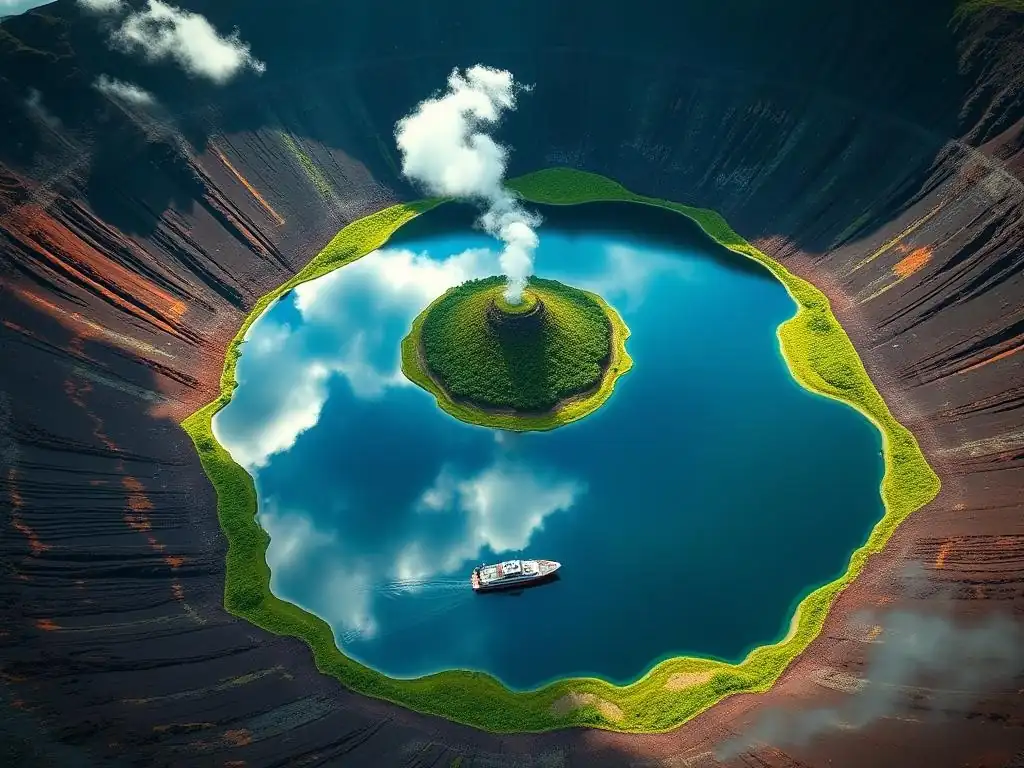
Prepare to descend into the heart of volcanic mysteries. Have you ever wondered what thrives in the seemingly desolate craters left behind after fiery eruptions? Our journey begins now, as we plunge into the fascinating world of Maar lake ecosystem exploration. Discover the unexpected life that flourishes in these unique environments and uncover the secrets held within their depths. What strange and wonderful creatures call these volcanic pools home? Dare to explore further...
- Introduction to Maar Volcanoes and Their Unique Ecosystems
- Understanding Maar Lake Environments: Key Factors Influencing Life
- Exploring the Biodiversity of Maar Lake Ecosystems
- Maar Lake Ecosystem Exploration: Research Methods and Techniques
- Case Studies: Notable Maar Lake Ecosystems Around the World
- Conservation and Management of Maar Lake Ecosystems
- The Future of Maar Lake Ecosystem Exploration: Unanswered Questions and Research Opportunities
- Conclusion: Appreciating the Unique Value of Maar Lake Ecosystems
- Frequently Asked Questions
- Final Reflection: Echoes of Ancient Life
- Unearth Your Inner Explorer: Dive Deeper into Maar Lake Mysteries!
Introduction to Maar Volcanoes and Their Unique Ecosystems
What are Maar Volcanoes? A Brief Overview
Maar volcanoes, distinct from towering stratovolcanoes or gently sloping shield volcanoes, are broad, low-relief volcanic craters often filled with water, forming what we call maar lakes. They are created by phreatomagmatic eruptions, violent explosions resulting from the interaction of magma with groundwater or shallow surface water. Unlike volcanoes that build cones from lava flows and ash deposits, maars are formed by powerful blasts that excavate a wide, circular depression in the Earth's surface. This process leaves behind a crater surrounded by a low ring of ejected material, known as a tuff ring, composed of fragmented rocks and volcanic debris.
The size of maar craters can vary significantly, ranging from a few hundred meters to several kilometers in diameter, and depths can reach hundreds of meters. Their relatively subdued topographic expression can sometimes make them less immediately recognizable as volcanic features compared to more classic volcano shapes. However, their geological origin as explosive vents gives rise to unique environmental conditions that foster fascinating and often isolated ecosystems within their lake basins. These ecosystems, found in the heart of volcanic landscapes, offer exceptional opportunities for scientific investigation, particularly in the field of ecology and limnology.
The Formation of Maar Lakes: A Volcanic Cradle of Life
The genesis of a maar lake begins with the ascent of magma towards the Earth's surface. As magma encounters groundwater or a body of surface water, the intense heat causes instantaneous vaporization. This rapid phase transition from liquid water to steam generates immense pressure, leading to a powerful explosion. The explosive force shatters the overlying rocks and excavates a crater, ejecting a mixture of steam, volcanic gases, rock fragments, and ash into the atmosphere. This ejected material, known as tephra, is deposited around the crater rim, forming the characteristic low-profile tuff ring.
Once the eruption subsides, the crater, often situated below the surrounding water table, gradually fills with groundwater, rainwater, and surface runoff, giving birth to a maar lake. The freshly formed lake basin is initially sterile, a blank slate in ecological terms. However, over time, colonization by various life forms begins, driven by dispersal from surrounding environments and unique geochemical conditions created by the volcanic setting. The geological history of maar formation is crucial to understanding the long-term evolution of these lake ecosystems and the factors shaping their biodiversity.
Why Maar Lake Ecosystems Are Special: Biological Hotspots in Volcanic Craters
Maar lake ecosystems stand out as exceptional natural laboratories for several reasons. Firstly, their formation through explosive volcanism creates geographically isolated basins, leading to potential endemism and unique evolutionary trajectories for aquatic organisms. The physical isolation, combined with distinct water chemistry influenced by volcanic inputs, fosters environments unlike typical lakes. This uniqueness attracts scientists interested in studying adaptation, ecological succession, and biogeochemical cycling in extreme or specialized conditions.
Secondly, maar lakes often exhibit steep environmental gradients within a relatively small area, from shallow littoral zones to deep, dark profundal zones. These gradients in light, temperature, oxygen, and nutrients create diverse niches, supporting a wide array of species adapted to different zones within the same lake.
Furthermore, the volcanic origin frequently imparts specific chemical characteristics to the lake water, including elevated concentrations of certain minerals and gases, influencing the types of organisms that can thrive and the ecological processes that dominate. This combination of isolation, gradients, and volcanic influence makes maar lake ecosystem exploration particularly rewarding for understanding fundamental ecological principles.
Understanding Maar Lake Environments: Key Factors Influencing Life
Water Chemistry in Maar Lakes: pH, Salinity, and Nutrient Dynamics
The water chemistry of maar lakes is significantly shaped by their volcanic origins and the surrounding geological setting. Unlike typical lakes influenced primarily by surface runoff and atmospheric deposition, maar lakes often receive inputs of volcanic gases and leached minerals from the volcanic tuff ring and underlying bedrock. This can lead to distinct chemical compositions, often characterized by higher concentrations of dissolved inorganic carbon, sulfur compounds, and trace elements. For example, studies of German maar lakes like the Messel Pit have revealed elevated levels of iron and manganese, reflecting the leaching of volcanic rocks.
The pH of maar lakes can vary widely, ranging from acidic to alkaline, depending on the specific volcanic and geological context. Some maar lakes, especially those influenced by active or recent volcanism, may exhibit lower pH values due to the input of volcanic acids. Salinity is generally low in most maar lakes, as they are typically fed by freshwater sources.
However, in some cases, particularly in arid or semi-arid regions, evaporation can lead to increased salinity. Nutrient dynamics, particularly nitrogen and phosphorus availability, are crucial for primary productivity in maar lakes. Volcanic inputs can sometimes enrich these nutrients, while in other cases, nutrient availability might be limited, influencing the overall trophic status and biodiversity of the maar lake ecosystem.
Thermal Stratification in Maar Lakes: Layers of Life
Many maar lakes, particularly those in temperate and stratified climates, exhibit thermal stratification, a phenomenon where distinct layers of water with different temperatures form during the summer months. The surface layer, or epilimnion, is warmed by solar radiation and is generally well-mixed by wind action. Below this lies the thermocline, a zone of rapid temperature change with depth. The deepest layer, the hypolimnion, remains cold and relatively undisturbed throughout the summer. This thermal stratification creates distinct vertical zones within the lake, each with unique physical and chemical characteristics that influence the distribution and activity of aquatic organisms.
The epilimnion, with its warmer temperatures and ample sunlight, is typically the zone of highest primary productivity, supporting phytoplankton and zooplankton communities. The thermocline acts as a barrier, limiting the mixing of oxygen between the epilimnion and hypolimnion. In productive maar lakes, the hypolimnion can become oxygen-depleted (anoxic) during stratification due to the decomposition of organic matter sinking from the upper layers. This anoxic condition can restrict the distribution of oxygen-requiring organisms and influence nutrient cycling processes. The degree and duration of thermal stratification are key factors shaping the habitat structure and biological communities of maar lake ecosystems.
The Role of Volcanic Gases in Maar Lake Biogeochemistry
Volcanic gases, even in dormant or quiescent volcanic regions, can play a significant role in the biogeochemistry of maar lakes. Gases such as carbon dioxide (CO2), methane (CH4), hydrogen sulfide (H2S), and helium (He) can emanate from the volcanic subsurface and dissolve into the lake water, influencing water chemistry, microbial processes, and overall ecosystem dynamics. CO2, for instance, is a major greenhouse gas and its input from volcanic sources can contribute to the dissolved inorganic carbon pool in maar lakes, affecting pH and carbon cycling.
Methane, another potent greenhouse gas, can be produced in anoxic sediments of maar lakes through microbial methanogenesis, and volcanic sources can also contribute to lake methane budgets. H2S, often associated with volcanic activity, can be toxic to many aerobic organisms but can also be utilized by sulfur-oxidizing bacteria, playing a role in microbial food webs.
Helium isotopes, such as 3He, are often used as tracers of mantle-derived fluids and can provide insights into the extent of volcanic gas inputs into maar lakes. Understanding the fluxes and impacts of these volcanic gases is crucial for a comprehensive understanding of maar lake ecosystem function and their role in regional and global biogeochemical cycles.
Exploring the Biodiversity of Maar Lake Ecosystems

Microorganisms in Maar Lakes: The Foundation of the Food Web
Bacterial Communities in Maar Lake Sediments: Deep Biosphere Exploration
The sediments of maar lakes harbor incredibly diverse and active bacterial communities, forming the base of the food web and driving key biogeochemical processes. These communities are not just limited to the surface sediments but extend deep into the subsurface, constituting a significant part of the deep biosphere. Studies using sediment coring and DNA sequencing techniques in lakes like Lake Baikal (although not a maar, the principle applies to deep lake sediments) and Lake Nyos have revealed a vast diversity of bacteria and archaea adapted to different depths and geochemical conditions within the sediments.
Within maar lake sediments, bacterial communities mediate the decomposition of organic matter, the cycling of nutrients like nitrogen, phosphorus, and sulfur, and the production and consumption of greenhouse gases like methane. Specific bacterial groups specialize in different metabolic pathways, such as sulfate reduction, methanogenesis, and anaerobic oxidation of methane, playing crucial roles in sediment biogeochemistry.
Exploring the diversity and function of these deep sedimentary microbial communities in maar lakes is essential for understanding the overall ecosystem functioning and the role of these systems in global biogeochemical cycles. The study of bacterial communities in maar lake sediments represents a frontier in deep biosphere exploration, offering insights into microbial life in volcanically influenced subsurface environments.
Algae and Cyanobacteria: Primary Producers
Algae and cyanobacteria are the primary producers in maar lake ecosystems, converting sunlight into energy through photosynthesis and forming the base of the aquatic food web. These microscopic organisms, collectively known as phytoplankton, inhabit the sunlit surface waters of maar lakes and are responsible for the majority of primary production in these systems. The types of algae and cyanobacteria present in a maar lake are influenced by factors such as nutrient availability, water transparency, temperature, and pH.
Diatoms, green algae, and dinoflagellates are common types of algae found in maar lakes. Cyanobacteria, also known as blue-green algae, are bacteria capable of photosynthesis and are often abundant in nutrient-rich waters. The phytoplankton community composition can vary seasonally and spatially within a maar lake, reflecting changes in environmental conditions. Understanding the dynamics of algal and cyanobacterial populations is crucial for assessing the overall productivity of maar lake ecosystems and their response to environmental changes, such as nutrient pollution or climate warming.
Invertebrates of Maar Lakes: Indicators of Ecosystem Health
Zooplankton: Grazers of Microbes
Zooplankton, microscopic animals drifting in the water column, play a vital role in maar lake ecosystems as grazers of phytoplankton and bacteria, forming a crucial link in the food web between primary producers and higher trophic levels. Common types of zooplankton found in maar lakes include rotifers, copepods, and cladocerans (water fleas). These organisms feed on algae, cyanobacteria, and bacteria, transferring energy and nutrients up the food chain.
The composition and abundance of zooplankton communities in maar lakes are sensitive to environmental conditions, making them valuable indicators of ecosystem health. Changes in water quality, such as nutrient enrichment or pollution, can alter zooplankton community structure. For example, increased nutrient levels may favor certain zooplankton species over others. Zooplankton are also important food sources for fish and other invertebrates, further highlighting their central role in maar lake food webs. Studying zooplankton communities provides insights into the trophic dynamics and overall ecological condition of these unique lake systems.
Benthic Invertebrates: Life at the Lake Bottom
Benthic invertebrates, animals living in or on the sediments at the bottom of maar lakes, represent another crucial component of these ecosystems. This diverse group includes insects (e.g., midge larvae, mayfly nymphs), crustaceans (e.g., amphipods, crayfish), mollusks (e.g., snails, clams), and worms (e.g., oligochaetes, nematodes). Benthic invertebrates play important roles in nutrient cycling, decomposition of organic matter, and as food sources for fish and waterbirds.
The types of benthic invertebrates inhabiting a maar lake are influenced by sediment type, water depth, oxygen availability, and water chemistry. For example, oxygen-sensitive invertebrates may be absent from the anoxic hypolimnion of stratified maar lakes. Benthic invertebrate communities can also be affected by pollution and habitat disturbance, making them useful indicators of environmental quality. Monitoring benthic invertebrate communities provides valuable information about the ecological integrity and overall health of maar lake ecosystems, particularly in the often-overlooked bottom habitats.
Vertebrates in Maar Lakes: Fish, Amphibians, and Birdlife
Fish Adaptations
Maar lakes, while sometimes isolated and potentially challenging environments, can support diverse fish populations. Fish species inhabiting maar lakes often exhibit adaptations to the specific conditions of these volcanic environments, such as fluctuating water levels, unique water chemistry, and limited connectivity to other water bodies. For instance, fish in some maar lakes may show tolerance to higher concentrations of dissolved minerals or lower oxygen levels compared to fish in typical lakes.
The types of fish found in maar lakes vary depending on geographic location, lake size, and connectivity to other water systems. Introduced species can also significantly alter native fish communities in maar lakes. Studying fish populations in maar lakes provides insights into evolutionary adaptation to volcanic environments and the ecological dynamics of these aquatic systems. Fish also play important roles as top predators in maar lake food webs, influencing the structure and function of lower trophic levels.
Amphibian Habitats
Maar lake margins and surrounding wetlands often provide important habitats for amphibians, such as frogs, toads, and salamanders. These areas offer breeding sites, foraging grounds, and refuge for various amphibian species. The shallow littoral zones of maar lakes, with their emergent vegetation and abundant invertebrates, are particularly crucial for amphibian larvae development.
The presence and diversity of amphibians in maar lake ecosystems are sensitive to habitat quality and water pollution. Amphibian populations worldwide are facing declines due to factors such as habitat loss, climate change, and disease. Maar lake ecosystems, with their potentially unique environmental conditions and biodiversity, can serve as important refugia for amphibian populations. Conservation efforts focused on protecting maar lake habitats are crucial for maintaining amphibian diversity in volcanic landscapes.
Bird Species Utilizing Lake Resources
Maar lakes attract a variety of bird species, both resident and migratory, that utilize the lake resources for feeding, breeding, and resting. Waterbirds, such as ducks, geese, swans, and herons, are commonly observed on maar lakes, feeding on fish, invertebrates, and aquatic vegetation. Shorebirds may forage along the lake margins, while raptors may hunt for fish and other prey around the lake.
Maar lakes can serve as important stopover sites for migratory birds, providing crucial refueling opportunities during long journeys. The ecological health of maar lakes directly influences their value as bird habitats. Pollution, habitat degradation, and disturbance can negatively impact bird populations utilizing these lakes. Conservation and management strategies for maar lakes should consider the needs of birdlife and the importance of these ecosystems for avian biodiversity.
Maar Lake Ecosystem Exploration: Research Methods and Techniques
Water Sampling Techniques
Exploring maar lake ecosystems involves a range of scientific methods, starting with water sampling. Water samples are collected to analyze various physical, chemical, and biological parameters. For chemical analysis, samples are taken to measure pH, dissolved oxygen, nutrient concentrations (nitrogen, phosphorus), major ions (e.g., calcium, sodium, chloride, sulfate), and trace elements. Different sampling depths are often targeted to capture vertical variations in water chemistry, especially in stratified lakes. Specialized water samplers, such as Van Dorn bottles or Niskin bottles, are used to collect water from specific depths without contamination.
For biological analysis, water samples are collected for phytoplankton and zooplankton studies. Phytoplankton samples are often preserved immediately after collection for later microscopic identification and enumeration. Zooplankton samples are typically collected using plankton nets towed through the water column. Water samples can also be used for microbiological analysis, including bacterial counts and identification using techniques like flow cytometry and DNA sequencing. Proper water sampling techniques are crucial for obtaining accurate and representative data for maar lake ecosystem exploration.
Sediment Coring: Unveiling Lake History
Sediment coring is a powerful technique used to reconstruct the history of maar lake ecosystems. Sediment cores are vertical columns of lake sediments extracted from the lake bottom using specialized coring devices. These cores provide a chronological record of past environmental conditions, as sediments accumulate layer by layer over time. Analyzing sediment cores allows scientists to investigate long-term changes in water quality, biological productivity, and climate.
Sediment cores are analyzed for various parameters, including sediment composition (e.g., organic matter content, mineral content), pollen grains (to reconstruct past vegetation), fossil remains (e.g., diatoms, zooplankton remains), and geochemical tracers (e.g., isotopes, trace metals). Dating techniques, such as radiocarbon dating, are used to establish the age of different sediment layers, allowing for the construction of chronologies spanning centuries to millennia. Sediment coring in maar lakes, such as Lake Pulvermaar in Germany, has provided valuable insights into past climate variability and long-term ecosystem dynamics.
DNA Sequencing and Microbial Ecology
DNA sequencing technologies have revolutionized the study of microbial ecology in maar lake ecosystems. Traditional methods for studying microorganisms relied on culturing, which often captures only a small fraction of the total microbial diversity. DNA sequencing allows scientists to identify and characterize microorganisms directly from environmental samples, without the need for culturing. This approach, known as metagenomics, provides a comprehensive view of microbial community composition and function.
In maar lake exploration, DNA sequencing is applied to water and sediment samples to analyze bacterial, archaeal, and eukaryotic microbial communities. By sequencing marker genes, such as the 16S rRNA gene for bacteria and archaea, researchers can identify the different types of microorganisms present in a maar lake. Metagenomic sequencing, which sequences all DNA in a sample, provides information about the metabolic potential of the microbial community and the genes involved in specific biogeochemical processes. DNA sequencing techniques are essential tools for exploring the hidden world of microorganisms in maar lake ecosystems and their roles in ecosystem functioning.
Remote Sensing and GIS for Mapping
Remote sensing and Geographic Information Systems (GIS) technologies are increasingly used in maar lake ecosystem exploration to provide spatial context and map lake characteristics. Remote sensing involves acquiring information about the Earth's surface from a distance, typically using satellites or aircraft. Satellite imagery can be used to map the spatial extent of maar lakes, assess water quality parameters (e.g., chlorophyll concentration, turbidity), and monitor changes in lake area over time.
GIS is a computer-based system for capturing, storing, analyzing, and displaying spatial data. GIS is used to integrate remote sensing data with other spatial information, such as land cover, topography, and geology, to create maps and spatial models of maar lake ecosystems and their surrounding landscapes. GIS analysis can help identify factors influencing maar lake water quality, assess habitat connectivity, and plan sampling strategies for field research. Combining remote sensing and GIS techniques enhances our ability to study and manage maar lake ecosystems at landscape scales.
Case Studies: Notable Maar Lake Ecosystems Around the World
Lake Nyos, Cameroon: A Case Study in Limnic Eruption and its Effects
Lake Nyos, a crater lake in Cameroon, is a dramatic example of a maar lake ecosystem shaped by volcanic processes, specifically a limnic eruption. In 1986, Lake Nyos experienced a catastrophic limnic eruption, also known as a lake overturn, where a large volume of dissolved carbon dioxide (CO2) suddenly erupted from the lake, suffocating over 1,700 people and thousands of animals in the surrounding area. This tragic event highlighted the potential dangers associated with CO2-rich maar lakes and spurred extensive research into the causes and mechanisms of limnic eruptions.
Lake Nyos is a deep, stratified maar lake located in a volcanic region. CO2 of volcanic origin slowly seeps into the lake from below and accumulates in the deep hypolimnion under pressure. In 1986, a triggering event, possibly a landslide or a small earthquake, caused the deep CO2-rich water to rapidly rise to the surface, leading to a massive degassing event.
Since the eruption, scientists have implemented degassing systems to continuously remove CO2 from the lake to prevent future catastrophic events. Lake Nyos serves as a crucial case study for understanding the hazards associated with volcanic lakes and the importance of monitoring and mitigation efforts in such environments. The ecosystem recovery after the limnic eruption also provides insights into the resilience of aquatic life following extreme disturbances.
Lake Pulvermaar, Germany: Examining Long-Term Climate Records
Lake Pulvermaar, located in the Eifel volcanic region of Germany, is a well-studied maar lake renowned for its exceptionally long and continuous sediment record. The deep, undisturbed sediments of Lake Pulvermaar have provided valuable archives for reconstructing past climate changes and environmental variations over tens of thousands of years. Paleoclimate studies using Lake Pulvermaar sediments have contributed significantly to our understanding of glacial-interglacial cycles, abrupt climate events, and long-term vegetation history in Central Europe.
Researchers have analyzed various proxies in Lake Pulvermaar sediment cores, including pollen, diatoms, isotopes, and geochemical markers, to reconstruct past temperatures, precipitation patterns, and lake productivity. The high-resolution sediment record allows for the examination of climate changes at decadal to centennial timescales. Lake Pulvermaar stands as a key European paleoclimate archive, offering insights into natural climate variability and providing a baseline for assessing the impacts of modern climate change. The long-term perspective gained from Lake Pulvermaar sediments is invaluable for understanding the context of present-day environmental changes.
Lake Pavin, France: Investigating Unique Microbial Communities
Lake Pavin, a deep, meromictic maar lake in the French Auvergne region, is notable for its unique microbial communities adapted to its permanently stratified and chemically distinct water column. Meromictic lakes are characterized by a lack of complete mixing between surface and deep waters, resulting in a chemocline separating the oxygen-rich surface layer (mixolimnion) from the anoxic, sulfide-rich deep layer (monimolimnion). Lake Pavin's monimolimnion harbors specialized microbial communities that thrive in these extreme conditions, making it a fascinating site for microbial ecology research.
Studies of Lake Pavin have revealed diverse communities of bacteria and archaea in the monimolimnion, including sulfur-cycling microorganisms, methanogens, and anaerobic methane oxidizers. These microbes play crucial roles in biogeochemical cycling in the lake, particularly in the sulfur and carbon cycles. The chemocline region of Lake Pavin is also a site of intense microbial activity, where different microbial groups interact and mediate the transformation of chemical compounds.
Lake Pavin serves as a natural laboratory for studying microbial adaptation to extreme environments and the role of microorganisms in biogeochemical processes in permanently stratified lakes. The insights gained from Lake Pavin contribute to our understanding of microbial life in analogous environments on Earth and potentially on other planets.
Conservation and Management of Maar Lake Ecosystems
Threats to Biodiversity: Pollution, Climate Change, and Invasive Species
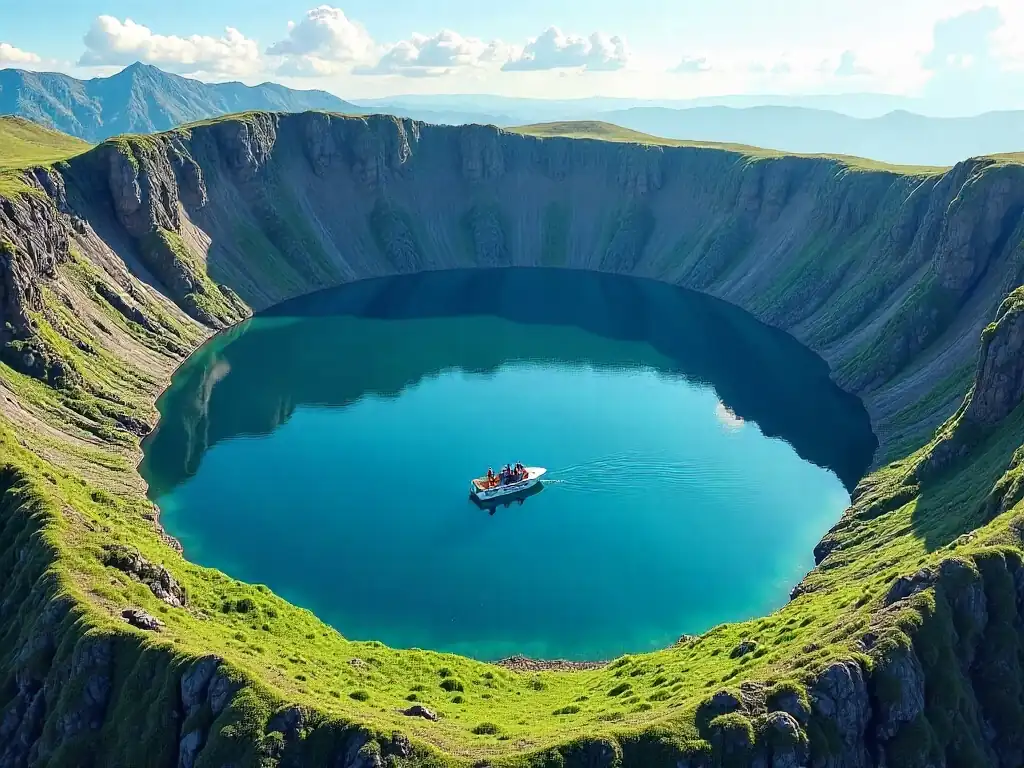
Maar lake ecosystems, despite their unique characteristics and ecological value, face a range of threats that can jeopardize their biodiversity and ecological integrity. Pollution, including nutrient enrichment from agricultural runoff and sewage discharge, and contamination from industrial activities, can degrade water quality and harm aquatic life. Eutrophication, caused by excessive nutrient inputs, can lead to algal blooms, oxygen depletion, and loss of biodiversity.
Climate change poses another significant threat to maar lakes. Changes in temperature and precipitation patterns can alter lake stratification, water levels, and nutrient cycling, impacting species distributions and ecosystem functioning. Increased frequency and intensity of extreme weather events, such as droughts and floods, can further stress maar lake ecosystems.
Invasive species, introduced intentionally or unintentionally, can outcompete native species, disrupt food webs, and alter ecosystem processes. For example, invasive fish species can prey on native amphibians or alter habitat structure, leading to declines in native biodiversity. Addressing these threats requires integrated conservation and management strategies to protect the ecological value of maar lake ecosystems.
Conservation Strategies for Habitat Protection
Effective conservation strategies are essential for protecting maar lake habitats and their unique biodiversity. Habitat protection is a cornerstone of maar lake conservation, focusing on preserving the natural integrity of lake basins and their surrounding watersheds. This includes establishing protected areas, such as nature reserves or national parks, around maar lakes to limit human disturbance and development. Buffer zones around lakes can help reduce nutrient runoff and pollution inputs from adjacent land uses.
Restoration efforts can be implemented to rehabilitate degraded maar lake habitats. This may involve restoring natural water flow patterns, removing invasive species, and re-vegetating riparian areas. Water quality management is crucial for maintaining healthy maar lake ecosystems. This includes implementing best management practices in agriculture to reduce nutrient runoff, upgrading wastewater treatment facilities, and controlling industrial discharges. Collaborative approaches involving local communities, government agencies, and scientists are essential for successful habitat protection and conservation of maar lake ecosystems.
Sustainable Tourism and Responsible Exploration
Maar lakes, with their scenic beauty and unique ecological features, can attract tourism and recreational activities. Sustainable tourism can provide economic benefits to local communities while promoting appreciation for nature and conservation. However, uncontrolled tourism can also have negative impacts on maar lake ecosystems, such as habitat disturbance, pollution, and introduction of invasive species. Responsible exploration and tourism practices are crucial for minimizing these impacts and ensuring the long-term sustainability of maar lake ecosystems.
Sustainable tourism approaches for maar lakes should emphasize low-impact activities, such as hiking, birdwatching, and kayaking. Infrastructure development should be minimized and carefully planned to avoid habitat fragmentation and pollution. Visitor education is essential to promote responsible behavior, such as staying on designated trails, avoiding littering, and respecting wildlife. Ecotourism initiatives that directly benefit local communities and support conservation efforts can be particularly effective in promoting sustainable use of maar lake ecosystems. Responsible exploration, including scientific research, should also adhere to ethical guidelines and minimize disturbance to these sensitive environments.
The Future of Maar Lake Ecosystem Exploration: Unanswered Questions and Research Opportunities
Exploring the Deep Biosphere: A Frontier of Discovery
The deep biosphere within maar lake sediments remains a largely unexplored frontier of scientific discovery. While surface waters and shallow sediments have been relatively well-studied, the microbial life and biogeochemical processes occurring deep within maar lake sediments are still poorly understood. Future research should focus on expanding our knowledge of the deep biosphere in maar lakes, using advanced techniques such as deep sediment coring, high-pressure microbiology, and metagenomics.
Exploring the deep biosphere in maar lakes could reveal novel microbial life forms adapted to extreme conditions, such as high pressure, low nutrient availability, and unique geochemical environments. Understanding the metabolic capabilities and ecological roles of deep biosphere microorganisms is crucial for comprehending the full extent of microbial life on Earth and its influence on global biogeochemical cycles. Maar lake sediments, with their potentially long and undisturbed history, may hold valuable clues about the evolution of life in subsurface environments and the potential for life in similar environments on other planets.
Understanding the Impact of Climate Change
Climate change is expected to have profound impacts on lake ecosystems worldwide, and maar lakes are particularly vulnerable due to their often-small size and unique hydrological and thermal characteristics. Future research is needed to understand the specific impacts of climate change on maar lake ecosystems, including changes in water temperature, stratification patterns, water levels, and nutrient cycling. Long-term monitoring programs are essential to track these changes and assess their effects on biodiversity and ecosystem functioning.
Climate change may alter the distribution and abundance of key species in maar lakes, potentially leading to shifts in food webs and ecosystem structure. Changes in precipitation patterns may affect lake water levels and nutrient inputs, influencing primary productivity and water quality. Understanding the vulnerability and resilience of maar lake ecosystems to climate change is crucial for developing effective adaptation and management strategies. Climate change research in maar lakes should focus on predicting future changes and identifying management actions to mitigate negative impacts and enhance ecosystem resilience.
The Search for Novel Organisms and Bioproducts
Maar lake ecosystems, with their unique environmental conditions and evolutionary histories, may harbor novel organisms with unique adaptations and potentially valuable bioproducts. Bioprospecting in maar lakes could lead to the discovery of new enzymes, antibiotics, and other bioactive compounds with applications in medicine, biotechnology, and industry. Microorganisms from extreme environments, such as those found in some maar lakes, are often sources of novel biomolecules with unique properties.
Future research should explore the biodiversity of maar lake ecosystems with a focus on bioprospecting and the search for novel organisms and bioproducts. This may involve isolating and characterizing microorganisms from maar lake water and sediments, screening for bioactive compounds, and investigating the genetic potential of maar lake organisms. Sustainable bioprospecting approaches are essential to ensure that the exploration of maar lake biodiversity benefits both science and conservation, while respecting the ecological integrity of these unique ecosystems.
Conclusion: Appreciating the Unique Value of Maar Lake Ecosystems
Maar lake ecosystems, born from volcanic fire and cradled in geological time, represent invaluable natural laboratories for ecological and evolutionary research. Their unique formation, isolated nature, and distinct environmental conditions foster biodiversity hotspots and offer unparalleled opportunities to study fundamental ecological processes. From the microbial communities driving biogeochemical cycles in their depths to the specialized vertebrates adapted to their waters, maar lakes are teeming with life intricately linked to their volcanic origins.
As we continue to explore these "lost worlds in craters", it is crucial to recognize their ecological significance and vulnerability. Threats from pollution, climate change, and invasive species demand proactive conservation and sustainable management strategies. By embracing responsible exploration, fostering scientific understanding, and promoting public awareness, we can ensure the preservation of these remarkable ecosystems for future generations. Maar lake ecosystem exploration is not just about uncovering scientific knowledge; it is about appreciating the intricate web of life in these volcanic cradles and safeguarding their unique value in a changing world.
Frequently Asked Questions
What exactly is a Maar lake?
A Maar lake is a volcanic crater lake formed by explosive eruptions, typically created when magma interacts with groundwater. They are usually circular and surrounded by low-lying tuff rings.
Why are Maar lake ecosystems considered "lost worlds"?
Maar lakes often exhibit unique chemical and physical conditions, like high mineral content or limited oxygen, leading to the evolution of specialized organisms found nowhere else. This isolation makes them ecological islands.
What kind of life can be found in Maar lake ecosystems?
You can find a variety of life, including extremophile bacteria, specialized algae, and even adapted species of fish and invertebrates that have evolved to thrive in the unique Maar lake environment.
How do volcanologists and biologists work together to study Maar lakes?
Volcanologists provide data on the geological history and chemistry of the Maar lake, while biologists study the life forms present and how they have adapted to the extreme conditions, creating a holistic understanding.
What are the potential benefits of studying Maar lake ecosystems?
Studying these ecosystems can reveal insights into early life on Earth, the potential for life on other planets, and even provide new sources of enzymes and other compounds for biotechnology and medicine.
Final Reflection: Echoes of Ancient Life
The exploration of Maar lake ecosystems, as we've seen, isn't just about cataloging unique species or understanding geological formations; it's about confronting the profound interconnectedness of life and environment. The resilience and adaptability of life within these seemingly isolated craters offer invaluable lessons for navigating the environmental challenges we face today. Understanding these miniature worlds allows us to extrapolate and apply these principles to larger, more complex ecosystems under increasing stress.
The study of Maar lakes has profoundly influenced my understanding of ecological fragility and the enduring power of life to find a foothold, even in the most extreme conditions. Witnessing the intricate web of life thriving in these volcanic cradles underscores the importance of conservation efforts and the need to protect these often-overlooked habitats. Look deep into nature, and then you will understand everything better.
- Albert Einstein. This quote resonates deeply when considering the secrets held within these ancient, cratered landscapes.
As you reflect on the discoveries shared within this exploration of Maar lake ecosystems, consider the lessons these miniature worlds offer. How can the principles of resilience and adaptation observed in these unique environments inform your own actions and choices? Let us all strive to be better stewards of our planet, recognizing the interconnectedness of all life and the importance of preserving even the smallest and most seemingly isolated ecosystems.
Unearth Your Inner Explorer: Dive Deeper into Maar Lake Mysteries!
Thank you for exploring the fascinating world of maar lake ecosystems with us! We hope you've gained a new appreciation for the unique biodiversity thriving in these hidden pockets of life. Now, let's continue the adventure!
Here are a few ways to further engage with the wonders of maar lakes:
- Become a Citizen Scientist: Contribute to our research by documenting and sharing images of maar lakes near you using the Volcano Explorers crowdsourcing platform!
- Share this article with fellow nature enthusiasts, educators, and anyone captivated by volcanic landscapes. Help us raise awareness of these delicate ecosystems.
- Explore the Volcano Explorers' photo archive and compare maar lake ecosystems from around the world – what fascinating similarities and differences do you discover?
What surprising life forms would you hope to discover while exploring a maar lake? Share your thoughts in the comments below!