
Peru's Ubinas Volcano: Documenting Life Near an Active Volcano

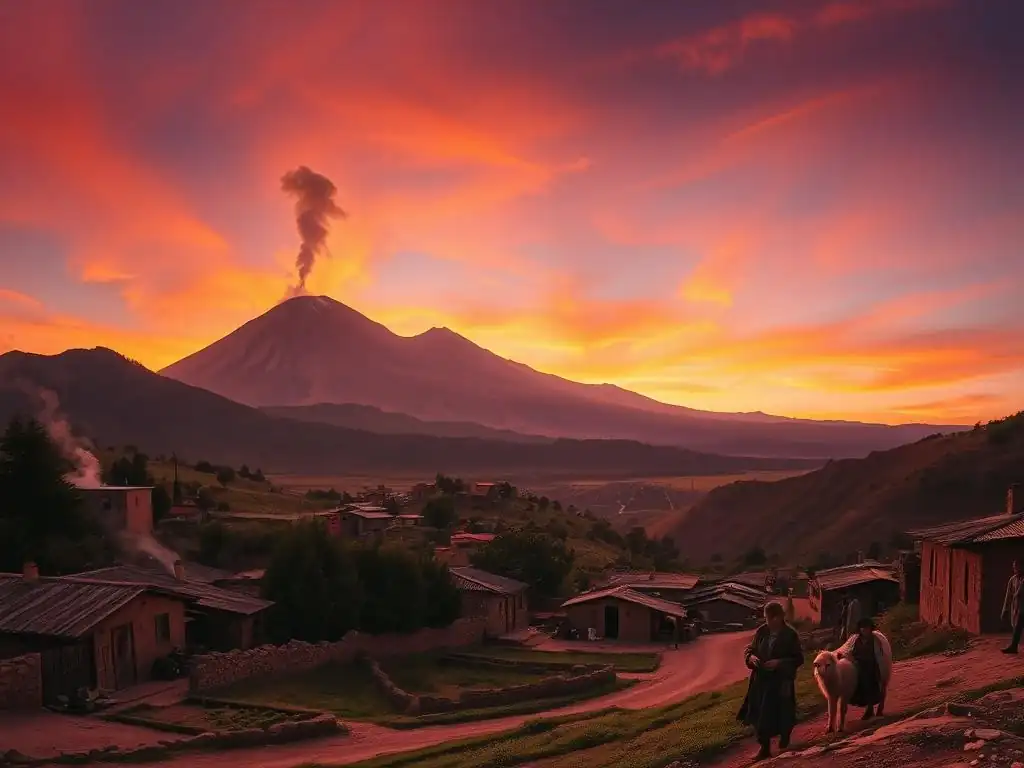
Welcome to Volcano Explorers, where the Earth breathes fire! Peru's Ubinas Volcano looms large, not just on the landscape, but in the lives of those who call its shadow home. Ever wondered what it really means to build a life near active volcanoes? Journey with us as we document the resilience, beauty, and inherent risks of a community living on the edge. Scroll down to uncover their story... and prepare to be captivated.
- Ubinas Volcano, Peru: Documenting Life in the Shadow of an Active Volcano
- Introduction: Exploring Resilience at the Foot of Ubinas
- Ubinas Volcano: A Guide for Visitors and Researchers
- Challenges of Living Near Ubinas Volcano
- Documenting Community Life: Opportunities for Observation and Research
- Community Adaptation and Preparedness
- Visiting Ubinas Volcano: Responsible Tourism and Community Engagement
- The Future of Life Near Ubinas Volcano: Sustainability and Resilience
- Conclusion: Coexistence with Nature's Power
-
Frequently Asked Questions
- How does living near an active volcano like Ubinas impact daily life?
- What are some of the biggest dangers faced by communities near Ubinas Volcano?
- How do scientists monitor Ubinas Volcano and provide warnings to local residents?
- What resources are available to help people prepare for a volcanic eruption near Ubinas?
- What are some long-term strategies for mitigating the risks associated with living near active volcanoes?
- Final Reflection: Embracing Life's Volcanic Heart
- Dare to Explore More: Embrace the Volcanic Spirit!
Ubinas Volcano, Peru: Documenting Life in the Shadow of an Active Volcano
Introduction: Exploring Resilience at the Foot of Ubinas
The Ubinas volcano, towering in the Moquegua region of southern Peru, is more than just a geological feature; it's the dramatic backdrop to the lives of thousands who call its flanks home. Living in the shadow of an active volcano presents a unique set of challenges and adaptations.
For centuries, communities residing near Ubinas have developed resilient strategies to coexist with its periodic eruptions, demonstrating a remarkable interplay between human life and powerful natural forces. This article delves into the realities of life near this active volcano, examining the scientific monitoring efforts, the community's adaptive strategies, and the opportunities for visitors and researchers to understand this dynamic environment.
Ubinas is not merely a spectacle of nature; it is an active participant in the daily lives of the people who inhabit its surroundings. The volcano’s presence shapes their agricultural practices, their water resources, their health, and even their cultural identity. By exploring the multifaceted aspects of life near Ubinas, we gain valuable insights into human resilience in the face of natural hazards and the intricate relationship between communities and their volcanic environment. This exploration is crucial for understanding the broader context of life near active volcanoes worldwide and the importance of sustainable coexistence.
The Ubinas Volcano Observatory: Monitoring and Community Engagement
The Geophysical Institute of Peru (IGP) operates the Ubinas Volcano Observatory, a crucial institution dedicated to the continuous monitoring of volcanic activity and the dissemination of vital information to nearby communities. Equipped with a network of seismographs, gas sensors, and deformation instruments strategically placed around the volcano, the observatory meticulously tracks subtle changes that could indicate an impending eruption.
Data collected is analyzed in real-time, providing early warning signals that are essential for mitigating potential risks to the population living in the vicinity. This constant vigilance is the first line of defense for those whose lives are intrinsically linked to the volcano's behavior.
Beyond its scientific functions, the Ubinas Volcano Observatory plays a vital role in community engagement. Recognizing that effective risk management requires local participation, the observatory conducts regular workshops and outreach programs for residents of nearby villages. These initiatives focus on educating the community about volcanic hazards, interpreting alert levels, and practicing evacuation procedures. By fostering a two-way communication channel, the observatory ensures that scientific data is translated into actionable knowledge for the people most directly affected by volcanic activity, strengthening their capacity to live safely and sustainably near this active natural force.
Ubinas: A Study in Human Adaptation to Volcanic Hazards
Life near Ubinas volcano is a testament to human adaptation and resilience. For generations, communities in the Ubinas valley have developed intricate systems to minimize the impacts of volcanic hazards, integrating traditional knowledge with modern scientific understanding. Their agricultural practices, for example, are adapted to volcanic soils, which, while initially fertile, can be affected by ashfall and changes in water acidity. Housing construction often incorporates locally sourced materials and designs that offer some protection against ash accumulation and seismic tremors, reflecting a deep-rooted awareness of the volcanic environment.
Furthermore, social structures and community networks play a critical role in coping with volcanic crises. Traditional communal labor practices, known as ayni and minka, are activated during times of emergency, allowing for collective efforts in ash removal, infrastructure repair, and mutual support. Local knowledge about weather patterns, volcanic precursors (like changes in fumarole activity or animal behavior), and safe zones during eruptions is passed down through generations, forming a crucial layer of community-based risk management. This blend of practical adaptation and strong social cohesion underscores the enduring capacity of these communities to thrive in a challenging volcanic landscape.
Ubinas Volcano: A Guide for Visitors and Researchers
Ubinas Volcano offers a unique opportunity for both scientific research and responsible tourism. Its accessibility, coupled with its consistent activity and the presence of nearby communities, makes it an ideal location to study volcanic processes and human-environment interactions. For researchers, Ubinas provides a natural laboratory to investigate eruption dynamics, gas emissions, and the long-term impacts of volcanic activity on ecosystems and human health. For visitors, it presents a chance to witness the raw power of nature and to learn firsthand about the realities of life near an active volcano, always with respect and responsibility.
Visiting Ubinas requires careful planning and adherence to safety guidelines. Given its altitude (approximately 5,672 meters or 18,609 feet), acclimatization is essential. Visitors should also be aware of potential volcanic hazards, including ashfall and gas emissions, and heed any warnings issued by local authorities or the Ubinas Volcano Observatory. Engaging with local communities and supporting community-based tourism initiatives is a crucial aspect of responsible visitation, ensuring that tourism benefits the people who live with the volcano and contributes to the sustainability of the region.
Geological Context: Understanding Ubinas' Tectonic Setting
Ubinas volcano is a stratovolcano situated within the Central Volcanic Zone of the Andes Mountains, a region characterized by intense volcanic and seismic activity. Its formation is directly linked to the subduction of the Nazca Plate beneath the South American Plate. This tectonic process generates magma at depth, which then rises to the surface, fueling volcanic eruptions. The Andean volcanism is known for producing explosive eruptions and the formation of andesitic and dacitic stratovolcanoes, like Ubinas, which are characterized by their steep slopes and layered structure built up from successive eruptions of lava flows, ash, and pyroclastic material.
The specific geological setting of Ubinas is further influenced by fault systems and regional tectonics within the Andes. These factors control the pathways of magma ascent and can influence the style and frequency of eruptions. Studies of the volcanic rocks at Ubinas reveal a complex history of magma evolution and interaction within the Earth's crust. Understanding the tectonic context and geological history of Ubinas is crucial for interpreting its current activity, assessing potential hazards, and developing effective long-term monitoring strategies. This knowledge is essential for mitigating risks and ensuring the safety of communities living near this geologically dynamic environment.
Eruption History: Key Events and Impacts on Local Communities
Ubinas has a long and well-documented history of eruptive activity, with evidence of eruptions dating back thousands of years. Historical records, combined with geological studies, reveal a pattern of frequent, moderate eruptions punctuated by occasional larger, more impactful events. Significant eruptions have occurred in recent centuries, including notable episodes in the 16th, 17th, 19th, and 20th centuries. The 2006-2009 eruption, for example, was characterized by ash emissions and explosive activity that significantly impacted nearby communities, leading to temporary evacuations and disruptions to agriculture and daily life.
The impacts of past eruptions on local communities have been varied and often severe. Ashfall is a persistent hazard, affecting air quality, water resources, and agriculture. Livestock grazing areas can be contaminated, and crops can be damaged or destroyed by ash accumulation.
Explosive eruptions can also generate pyroclastic flows and lahars (volcanic mudflows), posing significant threats to settlements located in valleys surrounding the volcano. Studying the eruption history of Ubinas provides valuable insights into the range of potential hazards and the long-term effects of volcanic activity on the environment and human populations, informing preparedness and mitigation strategies for the future.
Current Activity: Monitoring, Alerts, and Potential Hazards
Currently, Ubinas volcano is considered to be in a state of ongoing activity, with fluctuations in its behavior monitored closely by the Ubinas Volcano Observatory. Real-time monitoring data, available through the IGP, provides updates on seismic activity, gas emissions (particularly sulfur dioxide, SO2), and ground deformation. These parameters are key indicators of the volcano's internal state and potential for eruption. Alert levels, typically communicated through a color-coded system (e.g., green, yellow, orange, red), are used to inform the community and authorities about the level of volcanic risk.
Potential hazards associated with Ubinas' current activity include ash emissions, which can affect air quality and visibility, and the possibility of more significant explosive eruptions. While large-scale eruptions are less frequent, the potential for pyroclastic flows, lahars, and ballistic projectiles always exists. The Ubinas Volcano Observatory plays a critical role in providing timely warnings and hazard assessments, allowing communities and authorities to implement appropriate preparedness measures, such as evacuation planning and ashfall mitigation strategies. Staying informed about the volcano's current alert level and heeding official guidance is essential for ensuring safety in the vicinity of Ubinas.
Challenges of Living Near Ubinas Volcano
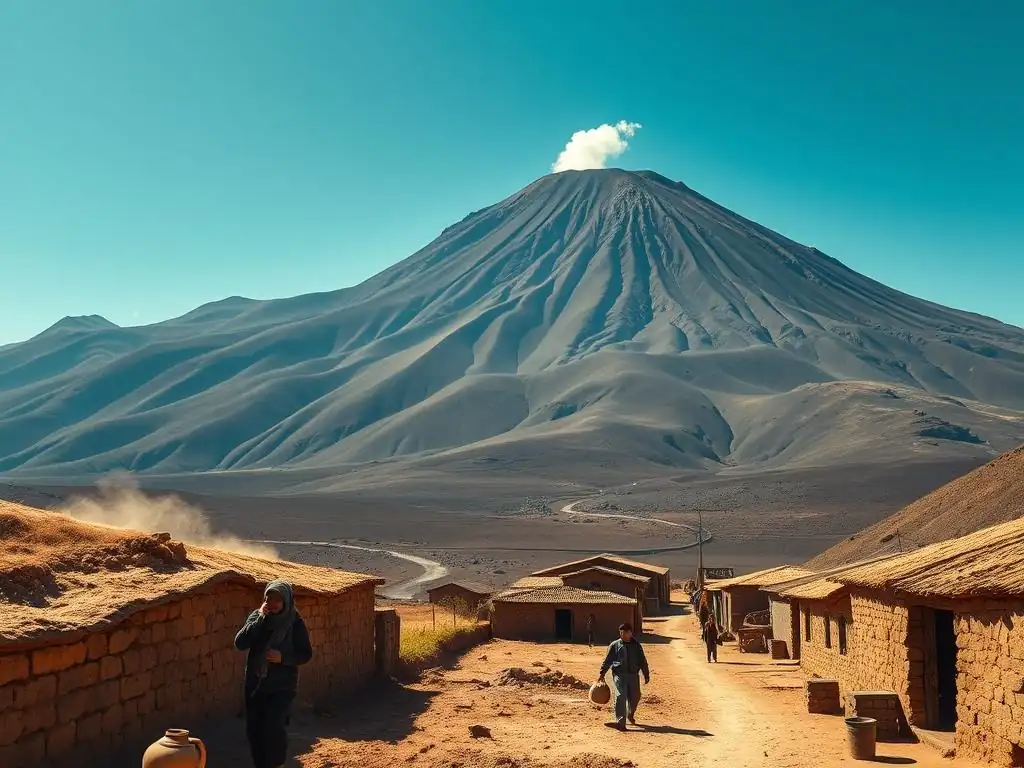
Living near an active volcano like Ubinas presents a multitude of ongoing challenges that impact various aspects of daily life. These challenges are not only environmental but also deeply intertwined with the health, economic activities, and social well-being of the communities. Understanding these multifaceted challenges is crucial for developing sustainable strategies for coexistence and resilience.
The communities near Ubinas face a constant balancing act: benefiting from the resources the volcanic environment provides – such as fertile soils in the long term – while mitigating the immediate and recurring threats posed by volcanic activity. This section explores some of the most significant challenges that define life in the shadow of Ubinas.
Respiratory Health Impacts of Volcanic Ash Exposure
Volcanic ash, composed of fine particles of rock, mineral, and volcanic glass, poses a significant respiratory health hazard to communities living near Ubinas. Inhaling volcanic ash can irritate the respiratory tract, causing symptoms such as coughing, wheezing, shortness of breath, and throat irritation. Individuals with pre-existing respiratory conditions like asthma or bronchitis are particularly vulnerable and may experience exacerbations of their symptoms during ashfall events. Long-term exposure to volcanic ash can potentially lead to more chronic respiratory problems, including silicosis, although the risk depends on the composition of the ash and the duration and intensity of exposure.
Studies conducted in volcanic regions worldwide, including areas affected by ashfall from other Andean volcanoes, have documented increased rates of respiratory illnesses following eruptions. Preventive measures, such as wearing masks during ashfall events and staying indoors, are crucial for minimizing exposure. Public health initiatives focused on respiratory health education and access to healthcare are also essential for supporting the well-being of communities living in the vicinity of Ubinas, particularly given the frequency of ash emissions from this active volcano.
Agriculture and Pastoralism: Adapting to Volcanic Soils and Ashfall
Agriculture and pastoralism are the economic mainstays for many communities living near Ubinas, yet these livelihoods are directly challenged by volcanic activity. While volcanic soils can be fertile in the long term due to the release of minerals, volcanic ashfall poses immediate and recurring threats to crops and livestock. Ash deposition can smother vegetation, contaminate grazing lands, and reduce crop yields. Heavy ashfall can physically damage plants and infrastructure, requiring significant effort for cleanup and recovery.
Farmers and herders in the Ubinas region have developed adaptive strategies to mitigate these impacts. These include adjusting planting cycles to avoid periods of high volcanic activity, using crop varieties that are more resistant to ashfall, and implementing ash removal techniques for agricultural fields and grazing areas. For livestock, providing shelter during ashfall events and ensuring access to clean water and uncontaminated feed are crucial management practices. Support for agricultural diversification and the development of drought-resistant crops can further enhance the resilience of these communities in the face of volcanic and climatic variability.
Water Resources: Managing Contamination Risks from Volcanic Activity
Water resources in the vicinity of Ubinas are vulnerable to contamination from volcanic activity, posing challenges for both human consumption and agricultural use. Volcanic ash and gas emissions can introduce pollutants into water sources, including surface water (rivers, lakes) and groundwater. Contaminants can include heavy metals, fluoride, and acidic compounds, which can affect water quality and render it unsafe for drinking or irrigation. Acid rain, formed from volcanic gases reacting with atmospheric moisture, can also contribute to water acidification and soil degradation.
Communities living near Ubinas rely on various water sources, including springs, streams, and wells. Protecting these water resources from volcanic contamination requires careful management and monitoring. This includes regular water quality testing, implementing water treatment methods where necessary, and protecting water catchment areas from ashfall and runoff. Developing alternative water sources, such as rainwater harvesting, and promoting water conservation practices can also enhance water security and resilience in this volcanic environment.
Documenting Community Life: Opportunities for Observation and Research
Ubinas volcano and its surrounding communities offer compelling opportunities for documentation and research, particularly for those interested in the interplay between human societies and dynamic natural environments. The region is a living laboratory for observing resilience, adaptation, and the complex relationship between people and a powerful geological force. Documenting life near Ubinas can take various forms, from photography and storytelling to scientific research, each contributing to a deeper understanding of this unique context.
For researchers, Ubinas presents a natural setting to study a range of topics, including volcanic hazards, community adaptation strategies, environmental impacts, and the long-term effects of living in a volcanically active zone. For photographers and storytellers, the region offers visually striking landscapes and compelling human narratives of resilience and coexistence.
Capturing the Resilience of Andean Communities in Photographs and Stories
The resilience of Andean communities living near Ubinas is a powerful and visually rich story to capture through photography and narrative. Photographs can document the daily lives of people adapting to the volcanic environment, showcasing their agricultural practices, housing styles, and community activities. Portraits of individuals and families can convey the human face of resilience, highlighting their strength, resourcefulness, and connection to their land. Images of the volcanic landscape itself, from the majestic volcano to the surrounding valleys and communities, provide a dramatic context for these human stories.
Alongside photography, storytelling plays a crucial role in conveying the depth and nuance of community resilience. Interviews with residents, community leaders, and local experts can capture personal experiences, traditional knowledge, and perspectives on living with volcanic hazards. Documenting oral histories, cultural practices, and community initiatives further enriches the narrative and provides valuable insights into the social and cultural dimensions of resilience in the Ubinas region.
Observing the Effects of Volcanic Activity on the Landscape and Infrastructure
The landscape around Ubinas volcano vividly displays the effects of volcanic activity, offering compelling subjects for observation and documentation. Volcanic ash deposits blanket the terrain, shaping soil profiles and influencing vegetation patterns. Lava flows and pyroclastic flow deposits from past eruptions are visible reminders of the volcano's power to reshape the landscape. Changes in fumarole activity, gas plumes, and thermal areas on the volcano's flanks can be observed and documented, providing insights into the ongoing volcanic processes.
Infrastructure in the region, including roads, buildings, and irrigation systems, also bears the marks of volcanic impacts. Ash accumulation on roofs, erosion from ashfall runoff, and repairs to infrastructure damaged by past eruptions provide tangible evidence of the challenges of living near an active volcano. Documenting these effects on the landscape and infrastructure helps to visualize the dynamic interaction between volcanic forces and the built and natural environment, highlighting the need for resilient infrastructure design and land-use planning in volcanic areas.
Ethical Considerations for Research and Documentation in Vulnerable Communities
When conducting research or documentation in communities living near Ubinas, ethical considerations are paramount. These communities are often vulnerable due to the ongoing volcanic hazards and socioeconomic factors, making it essential to approach research and documentation with sensitivity, respect, and a commitment to ethical principles. Informed consent is crucial; researchers and documentarians must ensure that community members fully understand the purpose of the work, how their information or images will be used, and their right to withdraw from participation at any time.
Beneficence and non-maleficence are guiding principles. Research and documentation should aim to benefit the community, or at least do no harm. This includes avoiding the exploitation of vulnerable populations, ensuring that research findings are shared with the community in accessible formats, and considering how research outcomes can contribute to community well-being and resilience. Cultural sensitivity is also essential; researchers and documentarians should respect local customs, traditions, and knowledge systems, and engage with communities in a culturally appropriate and respectful manner.
Community Adaptation and Preparedness
The communities living near Ubinas volcano are not passive victims of volcanic hazards but active agents in their own safety and resilience. Adaptation and preparedness are deeply ingrained in their way of life, reflecting a long history of coexistence with volcanic activity. These strategies range from formal evacuation plans and emergency response systems to traditional ecological knowledge and community-based risk mitigation practices.
Understanding and supporting these community-led initiatives is crucial for enhancing resilience and ensuring the long-term well-being of populations living near active volcanoes. This section explores some key aspects of community adaptation and preparedness in the Ubinas region.
Evacuation Planning and Emergency Response Capacity
Evacuation planning is a critical component of emergency preparedness for communities living near Ubinas. Local authorities, in coordination with the Ubinas Volcano Observatory and national emergency management agencies, have developed evacuation plans that outline procedures for relocating residents to safer areas in the event of a significant eruption. These plans typically involve designated evacuation routes, assembly points, and temporary shelters located away from high-risk zones. Regular drills and simulations are conducted to familiarize communities with evacuation procedures and to test the effectiveness of the response system.
Emergency response capacity in the region includes trained personnel, such as first responders, medical teams, and logistical support staff. Communication systems, including radio networks and community alert systems, are essential for disseminating warnings and coordinating emergency response efforts. Pre-positioning emergency supplies, such as food, water, and medical kits, in strategic locations is also part of preparedness planning. Effective evacuation planning and a robust emergency response capacity are crucial for minimizing casualties and ensuring the safety of communities during volcanic crises.
Traditional Ecological Knowledge and Risk Mitigation Strategies
Alongside formal emergency management systems, traditional ecological knowledge (TEK) plays a vital role in risk mitigation for communities near Ubinas. TEK, accumulated over generations of living with the volcano, encompasses a deep understanding of local environmental conditions, volcanic precursors, and effective coping strategies. For example, local communities may have traditional indicators for predicting eruptions, such as changes in fumarole activity, animal behavior, or weather patterns. Traditional agricultural practices, such as crop diversification and soil conservation techniques, can also enhance resilience to volcanic impacts.
Community-based risk mitigation strategies often incorporate TEK, combining it with modern scientific knowledge. This can include traditional methods of ash removal from rooftops and agricultural fields, community-based early warning systems, and the use of local materials and construction techniques that are better adapted to volcanic hazards. Recognizing and valuing TEK, and integrating it into formal risk management plans, can enhance the effectiveness and cultural appropriateness of preparedness efforts in volcanic regions.
The Role of Scientific Collaboration in Supporting Community Resilience
Scientific collaboration is essential for supporting community resilience in the face of volcanic hazards. The Ubinas Volcano Observatory, through its monitoring and research activities, provides crucial scientific data and hazard assessments that inform community preparedness efforts. Collaboration between scientists and local communities can further enhance resilience by integrating scientific knowledge with local expertise and needs. Participatory research approaches, where communities are actively involved in research design, data collection, and interpretation, can ensure that research is relevant and beneficial to local populations.
Scientific collaboration can also support capacity building within communities, through training programs in hazard monitoring, risk assessment, and emergency preparedness. Sharing scientific information in accessible formats, such as community workshops and educational materials in local languages, is crucial for empowering communities to make informed decisions about their safety and well-being. Long-term scientific partnerships, built on trust and mutual respect, are vital for fostering sustainable resilience in volcanic regions like Ubinas.
Visiting Ubinas Volcano: Responsible Tourism and Community Engagement
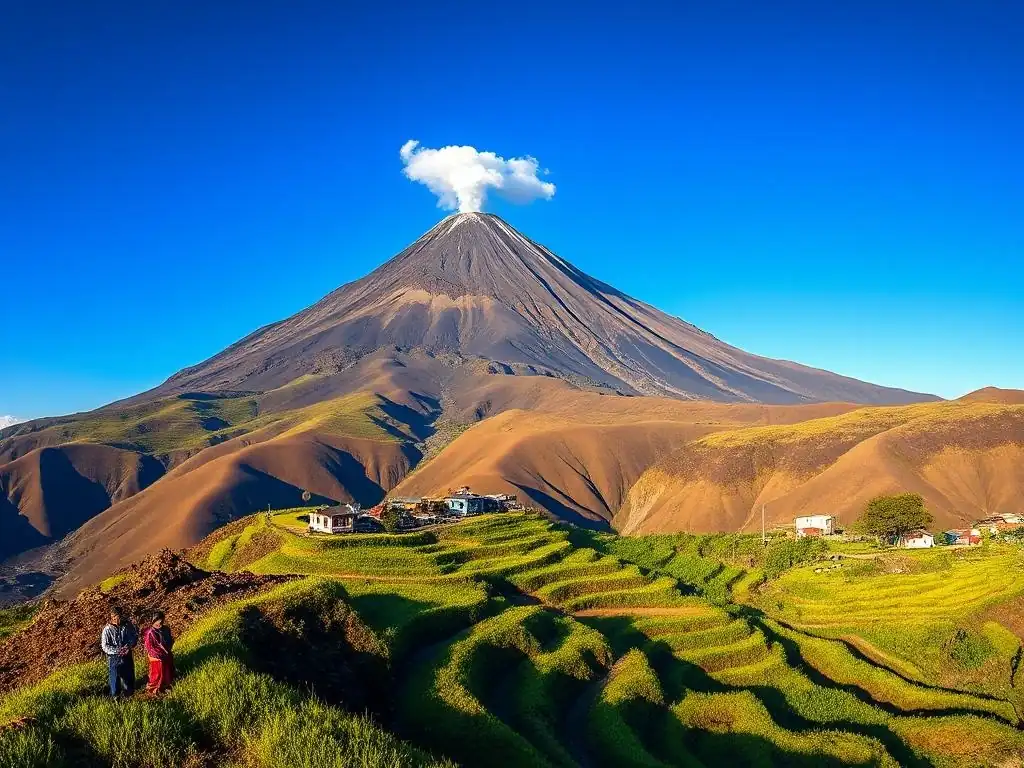
Ubinas volcano, with its dramatic landscapes and vibrant communities, has the potential to attract responsible tourism. However, tourism in a volcanically active area requires careful planning and a strong commitment to minimizing environmental and social impacts. Responsible tourism in the Ubinas region should prioritize community engagement, respect local culture and livelihoods, and contribute to the sustainable development of the area.
This section outlines key principles and practices for responsible tourism at Ubinas, emphasizing respectful observation, minimizing environmental impacts, and supporting local communities. By adhering to these guidelines, visitors can enjoy the unique experience of witnessing an active volcano while contributing positively to the well-being of the communities who call this region home.
Responsible tourism at Ubinas begins with minimizing environmental and social impacts. This includes adhering to Leave No Trace principles, such as packing out all trash, staying on marked trails, and avoiding disturbance to vegetation and wildlife. Respecting local customs and traditions is crucial; visitors should dress modestly, ask permission before taking photographs of people, and be mindful of local cultural practices. Supporting local businesses and community-based tourism initiatives is a key way to ensure that tourism benefits the local economy and contributes to community development.
Minimizing social impacts also involves being sensitive to the potential vulnerability of communities living near an active volcano. Visitors should be aware of the challenges these communities face and avoid actions that could exacerbate these challenges, such as disrupting daily life or contributing to resource scarcity. Engaging with local guides and tour operators who prioritize responsible tourism practices can help ensure that tourism is conducted in a sustainable and ethical manner, benefiting both visitors and host communities.
Optimal Viewing Locations and Respectful Observation Guidelines
Optimal viewing locations for Ubinas volcano should be chosen with safety and respect in mind. Designated viewpoints, often located at a safe distance from the volcano's summit and potential hazard zones, offer panoramic views of the volcanic landscape. Local guides can provide valuable insights into the best and safest viewing locations, as well as information about the volcano's current activity and potential hazards. Respectful observation guidelines include maintaining a safe distance from the volcano, particularly during periods of heightened activity, and heeding any warnings or instructions from local authorities or guides.
Using binoculars or telephoto lenses allows for closer observation of the volcano without approaching hazardous areas. Avoiding loud noises or disruptive behavior is important to respect the tranquility of the natural environment and the privacy of local communities. Remembering that Ubinas is not just a tourist attraction but also a place where people live and work is essential for responsible and respectful observation.
Local Businesses and Community-Based Tourism Initiatives
Supporting local businesses and community-based tourism initiatives is a vital aspect of responsible tourism at Ubinas. Engaging local guides, staying in locally owned accommodations, and purchasing goods and services from community vendors ensures that tourism revenue directly benefits the local economy. Community-based tourism initiatives, often managed by local cooperatives or associations, offer unique and authentic experiences while empowering communities to manage tourism sustainably and equitably.
These initiatives may include guided hikes to volcanic viewpoints, cultural tours of local villages, and opportunities to learn about traditional agricultural practices and local crafts. By choosing community-based tourism options, visitors can contribute to the economic empowerment of local communities, promote cultural preservation, and support sustainable development in the Ubinas region. Seeking out and supporting these initiatives is a tangible way to make tourism a force for good in the context of life near an active volcano.
The Future of Life Near Ubinas Volcano: Sustainability and Resilience
The future of life near Ubinas volcano hinges on continued efforts towards sustainability and resilience. This requires a multi-faceted approach that integrates long-term monitoring and hazard assessment research, community-driven disaster risk reduction initiatives, and education and awareness programs. Ensuring a sustainable and resilient future for communities living near Ubinas depends on collaborative partnerships between scientists, local authorities, community organizations, and residents themselves.
This section explores key strategies for building long-term sustainability and resilience in the Ubinas region, focusing on proactive measures to mitigate volcanic risks and enhance community well-being. By investing in these strategies, it is possible to foster a future where communities can continue to thrive in the shadow of this active volcano.
Long-Term Monitoring and Hazard Assessment Research
Long-term monitoring and hazard assessment research are crucial for understanding the evolving behavior of Ubinas volcano and for anticipating future volcanic activity. Continued operation and enhancement of the Ubinas Volcano Observatory's monitoring network are essential, including investing in advanced instrumentation and data analysis techniques. Research efforts should focus on improving our understanding of Ubinas' magmatic system, eruption dynamics, and potential hazards.
Hazard assessments need to be regularly updated based on the latest scientific data and integrated into land-use planning and disaster risk reduction strategies. Long-term monitoring and research also play a role in assessing the impacts of volcanic activity on the environment and human health, informing mitigation measures and public health interventions. Investing in sustained scientific research and monitoring is a cornerstone of building long-term resilience in volcanic regions like Ubinas.
Community-Driven Disaster Risk Reduction Initiatives
Community-driven disaster risk reduction initiatives are essential for empowering local populations to take ownership of their safety and resilience. These initiatives should be tailored to the specific needs and context of communities near Ubinas, incorporating local knowledge and participatory approaches. Community-based early warning systems, evacuation drills, and ashfall preparedness campaigns are examples of effective community-driven initiatives.
Supporting community organizations and local leadership in disaster risk reduction efforts is crucial. Providing resources, training, and technical assistance to community groups can enhance their capacity to plan and implement risk reduction measures. Community-driven initiatives, when effectively implemented, can build local ownership, enhance community cohesion, and strengthen resilience from the ground up.
Education and Awareness Programs: Building Capacity for Future Challenges
Education and awareness programs are vital for building long-term capacity and resilience in communities living near Ubinas. These programs should target all age groups, from school children to adults, and should be culturally appropriate and accessible to all community members. Educational content should cover volcanic hazards, risk reduction measures, emergency preparedness procedures, and relevant public health information.
Schools can play a key role in integrating volcanic hazard education into the curriculum, fostering a culture of preparedness from a young age. Community workshops, public awareness campaigns, and accessible information materials can reach wider audiences and promote community-wide understanding of volcanic risks and safety measures. Investing in education and awareness is a long-term strategy for building a more resilient and informed population capable of facing future volcanic challenges.
Conclusion: Coexistence with Nature's Power
Ubinas volcano stands as a potent symbol of nature's power and the enduring capacity of human communities to coexist with formidable natural forces. The story of life near Ubinas is a testament to resilience, adaptation, and the intricate relationship between people and their volcanic environment. It is a story of challenges, but also of ingenuity, community spirit, and a deep connection to place.
Looking ahead, the future of life near Ubinas depends on continued efforts towards sustainability, preparedness, and community empowerment. By learning from the experiences of communities like those at Ubinas, and by supporting their efforts to build resilience, we can gain valuable insights into how to foster sustainable coexistence with active volcanoes around the world.
Ubinas: A Case Study in Volcanic Risk Management
Ubinas volcano serves as a compelling case study in volcanic risk management. Its active nature, combined with the presence of nearby communities, presents a complex set of challenges that require a multi-faceted approach to risk mitigation. The Ubinas Volcano Observatory's continuous monitoring efforts, coupled with community engagement initiatives, exemplify best practices in volcanic risk management. The adaptive strategies developed by local communities, blending traditional knowledge with modern science, offer valuable lessons in building resilience.
Studying the Ubinas case provides insights applicable to other volcanic regions globally. It underscores the importance of scientific monitoring, community participation, education and awareness, and long-term planning in effectively managing volcanic risks. Ubinas demonstrates that coexistence with active volcanoes is possible, but it requires ongoing commitment, collaboration, and a deep understanding of both the natural hazards and the human dimensions of volcanic risk.
Supporting Community Resilience and Sustainable Development
Ultimately, supporting community resilience and sustainable development is paramount for ensuring a positive future for communities living near Ubinas volcano. This requires a holistic approach that addresses not only volcanic hazards but also broader social, economic, and environmental factors. Investing in education, healthcare, and sustainable livelihoods enhances community well-being and strengthens their capacity to cope with volcanic challenges.
Promoting community empowerment and participation in decision-making processes is essential for ensuring that development initiatives are aligned with local needs and priorities. Supporting community-based tourism, sustainable agriculture, and diversification of economic activities can contribute to long-term economic resilience. By working in partnership with communities, governments, and scientific institutions, we can foster a future where communities near Ubinas can thrive in harmony with their dynamic volcanic environment, demonstrating a model for sustainable coexistence with nature's power.
Frequently Asked Questions
How does living near an active volcano like Ubinas impact daily life?
Living near Ubinas significantly affects daily life due to the constant threat of eruptions and the need for preparedness. This includes monitoring activity levels, participating in evacuation drills, and dealing with ashfall.
What are some of the biggest dangers faced by communities near Ubinas Volcano?
The most significant dangers include pyroclastic flows, lahars (mudflows), and ashfall. These events can cause damage to property, disrupt agriculture, and pose serious health risks.
How do scientists monitor Ubinas Volcano and provide warnings to local residents?
Volcanologists use various techniques such as seismic monitoring, gas emission measurements, and deformation studies to track Ubinas' activity. They then disseminate warnings through local authorities and media.
What resources are available to help people prepare for a volcanic eruption near Ubinas?
Resources include evacuation plans, emergency supply kits, and community preparedness programs. These are often provided by government agencies and organizations dedicated to disaster risk reduction.
What are some long-term strategies for mitigating the risks associated with living near active volcanoes?
Long-term strategies involve land-use planning to restrict development in high-risk areas, investing in infrastructure to withstand volcanic hazards, and promoting education and awareness about volcanic risks.
Final Reflection: Embracing Life's Volcanic Heart
The preceding exploration of life near Peru's Ubinas volcano underscores a profound truth: human resilience thrives even in the face of constant uncertainty. The stories of the Ubinas residents, their adaptations, and their unwavering spirit serve as a powerful testament to our capacity to coexist with nature's most formidable forces, turning potential threats into a unique way of life.
The enduring influence of Ubinas on the surrounding communities is undeniable. It shapes their livelihoods, their culture, and their very identity. This symbiotic relationship, though fraught with challenges, highlights the deep connection between humanity and the natural world. We cannot conquer nature, but we can learn to live with it, to understand it, and to respect it.
This sentiment, echoed by many who call Ubinas home, encapsulates the essence of their existence and offers a valuable lesson for us all.
Now, consider your own "volcano" – the challenges, uncertainties, and potential disruptions in your own life. What lessons can you draw from the people of Ubinas? How can you cultivate resilience, embrace adaptation, and find strength in the face of adversity? Let the spirit of Ubinas inspire you to not just survive, but to truly live, even amidst the ever-present rumblings of life's unpredictable forces.
Dare to Explore More: Embrace the Volcanic Spirit!
Thank you for exploring the lives of those living near Peru's Ubinas Volcano. We hope you gained a deeper understanding of the challenges and resilience of these unique communities. Now, let's turn that understanding into action!
Here are a few ways you can continue your exploration and support:
- Share your newfound knowledge about how volcanoes impact communities by writing a blog post or creating a short video for social media.
- Delve deeper into the science of volcanology by researching the Ubinas Volcano's activity and sharing interesting facts with your friends.
- Join the Volcano Explorers community! Share your experiences with volcanic regions in the comments below, or suggest other communities you think we should feature.
What will you do today to connect with and understand the power of volcanoes and their impact on human life? Share your thoughts below!