
Is There a Volcano Psychologist? The Emerging Field of Mental Health in Eruption Zones

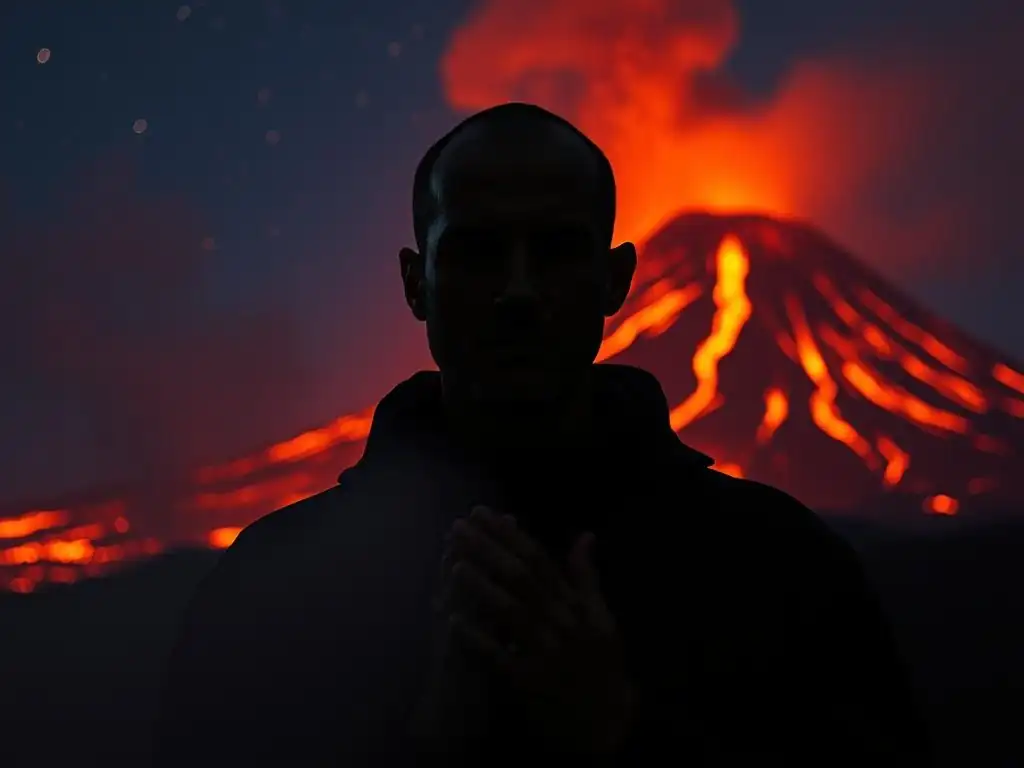
Welcome to Volcano Explorers, where the Earth's fiery heart meets human resilience. But what happens when the earth isn't the only thing erupting? We often focus on the physical dangers of volcanoes, but a hidden threat simmers beneath the surface: the profound impact on mental well-being within eruption zones. Dive into our exploration of the emerging field addressing just that – the crucial intersection of mental health and volcano eruption zones – and discover why understanding this connection is vital for true community preparedness.
- Understanding the Psychological Impact of Volcanic Hazards
-
Frequently Asked Questions
- Is there really such a thing as a "volcano psychologist"?
- Why is mental health important in volcano eruption zones?
- What types of mental health issues might people experience after a volcanic eruption?
- What kind of support is available for people struggling with mental health in these areas?
- How can I prepare myself or my family mentally for living near an active volcano?
- Final Reflection: Navigating the Psychological Aftermath of Volcanic Fury
- Unearth Resilience: Supporting Mental Well-being After Volcanic Eruptions
Understanding the Psychological Impact of Volcanic Hazards
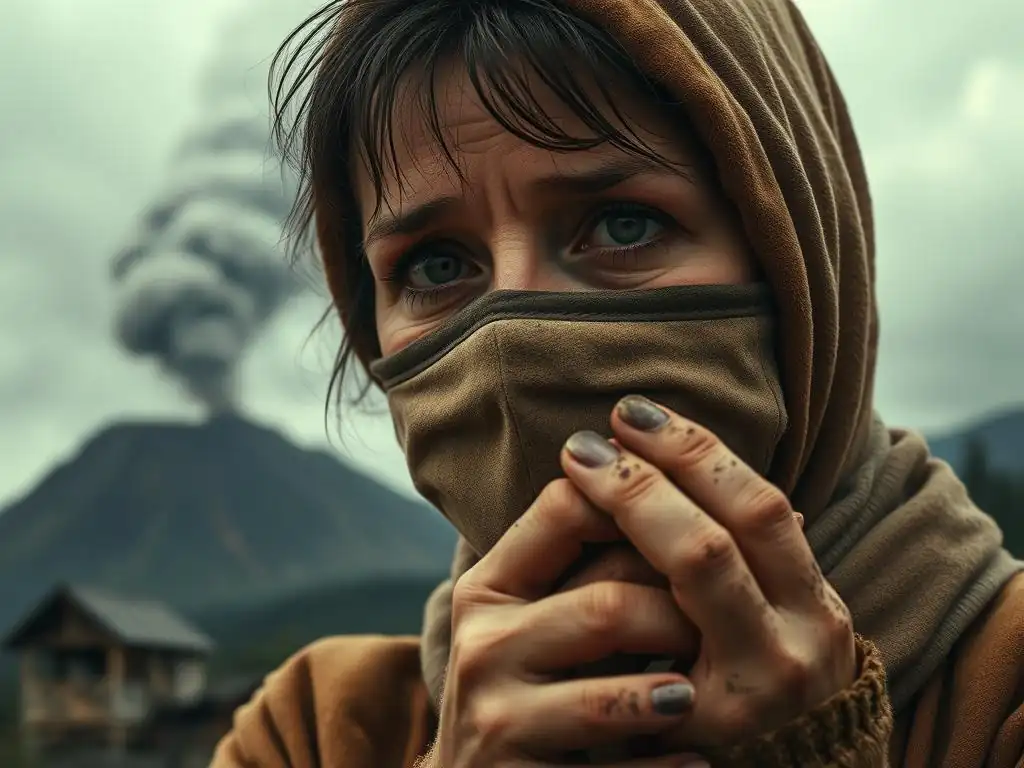
Stressors of Living Near Active Volcanoes: Uncertainty, Displacement, and Environmental Change
Living in close proximity to an active volcano presents a unique set of chronic stressors that significantly impact mental well-being. The most pervasive of these is uncertainty. Volcanic activity is inherently unpredictable; while scientists can monitor volcanoes and detect signs of unrest, pinpointing the exact timing, magnitude, and type of eruption remains a challenge. This constant state of anticipation, the "when will it erupt and how bad will it be?"
question, hangs over communities, fostering a sense of unease and hypervigilance. For example, residents near Mount Rainier in Washington State, USA, live with the knowledge that it is considered one of the most dangerous volcanoes in the country due to its proximity to large population centers. This awareness, coupled with the potential for lahars (volcanic mudflows) to reach populated areas rapidly, creates a baseline level of stress for the community.
Displacement is another major stressor. Volcanic eruptions frequently necessitate evacuations, sometimes for extended periods. Leaving one's home, community, and livelihood abruptly can be incredibly disruptive and psychologically taxing.
The 1995-2002 eruptions of Soufrière Hills volcano on Montserrat, a Caribbean island, led to the evacuation of the southern two-thirds of the island, rendering it uninhabitable. This event resulted in long-term displacement for a significant portion of the population, with many forced to relocate permanently, leading to profound social and economic disruptions and related mental health challenges. Furthermore, environmental changes resulting from volcanic activity, such as ashfall, air pollution from volcanic gases, and altered landscapes, can disrupt daily life, agriculture, and water sources, adding to the burden of stress and affecting mental well-being.
Mental Health Considerations in Volcanic Regions: A Multidisciplinary Approach
Addressing the mental health needs of communities in volcanic regions requires a multidisciplinary approach, integrating expertise from diverse fields. Psychology is central, with clinical psychologists, counselors, and psychiatrists equipped to diagnose and treat mental health conditions such as anxiety, depression, and PTSD that may arise or be exacerbated by volcanic hazards. However, the context of volcanic environments necessitates collaboration with other disciplines. Volcanologists play a crucial role in providing information about volcanic risk, monitoring activity, and communicating potential hazards to the public. Clear, timely, and accurate information from volcanologists can reduce uncertainty and anxiety, and inform effective preparedness measures.
Public health professionals are also essential, contributing to the development of community-wide mental health programs, promoting resilience, and ensuring access to mental health services. Sociologists and anthropologists bring valuable insights into the social and cultural context of volcano communities, understanding community structures, coping mechanisms, and cultural beliefs that influence mental health responses to volcanic events.
For instance, in some cultures, volcanoes are deeply intertwined with spiritual beliefs, and understanding these perspectives is crucial for culturally sensitive mental health interventions. Effective mental health support in volcano eruption zones therefore requires a collaborative effort, bringing together scientific understanding of volcanic hazards with psychological and social expertise to support community well-being.
Frequently Asked Questions
Is there really such a thing as a "volcano psychologist"?
While not officially termed "volcano psychologist," the field is emerging. Mental health professionals are increasingly focusing on the psychological impact of volcanic eruptions on affected communities.
Why is mental health important in volcano eruption zones?
Volcanic eruptions can be traumatic events. They can lead to displacement, loss of property, and even loss of life, all of which significantly impact mental wellbeing.
What types of mental health issues might people experience after a volcanic eruption?
Common issues include post-traumatic stress disorder (PTSD), anxiety, depression, and grief related to loss of loved ones or livelihoods. These psychological effects can be long-lasting.
What kind of support is available for people struggling with mental health in these areas?
Support can range from individual and group therapy to community outreach programs. Disaster relief organizations often provide mental health services alongside practical aid.
How can I prepare myself or my family mentally for living near an active volcano?
Education about volcanoes and emergency preparedness can help. Creating an evacuation plan and having a support network are also crucial for mental resilience.
The exploration of mental health support in volcano eruption zones, as detailed in this article, highlights a critical and often overlooked aspect of disaster response. The psychological trauma experienced by communities living near active volcanoes is a real and pressing concern, demanding specialized attention and resources that go beyond immediate physical needs. Ignoring this dimension of recovery leaves lasting scars, hindering long-term healing and resilience.
This nascent field of "volcano psychology" underscores the profound impact that environmental disasters have on our collective psyche. Witnessing the raw power of nature, the destruction of homes and livelihoods, and the constant threat of future eruptions leaves an indelible mark on individuals and communities. The human spirit is resilient, but it is also fragile. Disasters like volcanic eruptions can shatter that fragility, leaving behind a need for compassionate and specialized care.
This emerging discipline reminds us that true recovery encompasses not only rebuilding physical structures but also nurturing the mental and emotional well-being of those affected.
As you reflect on the challenges and possibilities presented in this article, consider the broader implications for disaster preparedness and mental health support worldwide. How can we better integrate psychological first aid into emergency response protocols? How can we foster greater awareness and understanding of the unique mental health needs of communities living in vulnerable environments? The answers to these questions lie within each of us, urging us to advocate for a more compassionate and holistic approach to disaster relief, ensuring that no one is left behind in the wake of nature's fury.
Unearth Resilience: Supporting Mental Well-being After Volcanic Eruptions
Thank you for exploring the vital intersection of volcanology and mental health. We hope this article highlighted the crucial work supporting communities near active volcanoes. Let's translate this understanding into action.
Here's how you can contribute and learn more:
- Become a Volcano Preparedness Advocate: Share this article and spark conversations about the importance of mental health resources in at-risk communities. Your voice can make a real difference.
- Support Local Mental Health Initiatives: Research organizations providing mental health support in your area or in regions prone to natural disasters. Consider volunteering your time or skills.
- Find Strength in Nature: Enjoy a mindful walk or outdoor activity. Reflect on how nature's resilience can inspire your own.
What small step will you take today to support mental wellness in the face of volcanic activity or other natural challenges? Share your thoughts in the comments below!