
Modern Volcano Shelters: Innovations in Safety Technology

Welcome to Volcano Explorers!
Ever wondered how far we've come in protecting ourselves from the raw power of volcanoes? Forget the images of desperate escapes – modern volcanic safety technology is revolutionizing how we live alongside these fiery giants. Dive into this article to uncover the ingenious innovations, from cutting-edge shelters to real-time monitoring systems, that are helping us mitigate the risks and understand the science behind these breathtaking forces. What if the key to surviving a volcanic eruption was already here?
- Understanding the Evolving Threat of Volcanic Eruptions
- The Rise of Modern Volcanic Safety Technology
- Key Features of Modern Volcano Shelters
- Case Studies: Successful Implementation of Modern Volcanic Safety Technology
- The Future of Volcanic Safety: Emerging Technologies
- Choosing the Right Modern Volcanic Shelter for Your Needs
- Investing in a Safer Future: The Cost-Effectiveness of Modern Volcanic Safety Technology
-
Frequently Asked Questions
- What is the primary purpose of modern volcano shelters?
- How does modern volcanic safety technology improve upon traditional methods?
- What are some key features of advanced volcano shelters?
- How is "VolcanoExplorers.org" contributing to the advancement of modern volcanic safety technology?
- What role does real-time monitoring play in modern volcanic safety?
- Final Reflection: Embracing Innovation in the Face of Volcanic Threat
- Fortify Your Future: Prepare, Explore, & Connect!
Understanding the Evolving Threat of Volcanic Eruptions
The Increasing Need for Advanced Volcanic Safety Measures
The imperative for enhanced volcanic safety measures has become increasingly critical in the 21st century. Several converging factors contribute to this heightened necessity. Firstly, global population growth has led to a significant increase in the number of people residing in close proximity to active volcanoes.
Regions once sparsely populated are now home to thriving communities, amplifying the potential for large-scale disasters when eruptions occur. For example, cities like Naples, Italy, are situated near Mount Vesuvius, a volcano with a history of catastrophic eruptions, placing millions at risk. Secondly, our understanding of volcanic processes has deepened considerably through advanced monitoring technologies.
This improved awareness, while beneficial, also reveals the complex and often unpredictable nature of volcanic activity, highlighting the limitations of relying solely on evacuation strategies and the importance of robust shelter solutions. Finally, the potential impacts of climate change on volcanic activity, although still being researched, raise concerns about altered eruption patterns and increased frequency of extreme events. This confluence of increased population density, better scientific understanding of volcanic risks, and potential climate-related changes underscores the urgent need for advanced volcanic safety measures, with modern shelters playing a central role.
The sheer scale and diverse nature of volcanic hazards also necessitate more sophisticated safety approaches. Volcanic eruptions are not singular events but rather complex phenomena that can unleash a variety of dangers, including pyroclastic flows, lahars (volcanic mudflows), ashfall, volcanic gas emissions, and even secondary hazards like earthquakes and tsunamis. Traditional safety measures, such as evacuation orders and basic community centers, may prove inadequate against the intensity and multifaceted nature of these threats.
For instance, pyroclastic flows, mixtures of hot gas and volcanic debris, can travel at speeds exceeding 700 km/h and reach temperatures of up to 1000°C, making outrunning them virtually impossible. Similarly, lahars can carry massive debris and travel for tens of kilometers, devastating infrastructure and burying entire settlements.
The 1985 Armero tragedy in Colombia, where over 25,000 people perished due to a lahar from Nevado del Ruiz, tragically illustrates the destructive power of these hazards and the critical need for shelters capable of withstanding such forces. Modern volcanic safety technology, particularly in the design and construction of advanced shelters, aims to provide robust protection against this spectrum of volcanic threats, ensuring greater resilience for communities living in volcanically active regions.
Limitations of Traditional Volcano Shelters
Traditional volcano shelters, while offering some degree of protection, often fall short in providing adequate safety against the full spectrum of volcanic hazards and the evolving understanding of eruption dynamics. Many older shelters are repurposed buildings like schools or community centers, which were not originally designed to withstand the specific stresses imposed by volcanic events. Their construction materials and structural designs are typically not optimized for heat resistance, impact from volcanic debris, or the corrosive effects of volcanic ash and gases.
For example, standard concrete structures, while robust in many scenarios, can degrade under prolonged exposure to acidic volcanic gases and may not offer sufficient insulation against the extreme heat of pyroclastic flows. Furthermore, the location of traditional shelters is often dictated by existing infrastructure rather than optimal safety considerations, potentially placing them in vulnerable zones susceptible to lahars or within areas prone to heavy ashfall accumulation.
Another significant limitation of traditional shelters lies in their capacity and provisions for extended use. Volcanic eruptions can be prolonged events, lasting for days, weeks, or even months. Traditional shelters are often designed for short-term emergencies, lacking sufficient supplies of clean air, water, food, and sanitation facilities for extended periods.
This can lead to overcrowding, resource depletion, and increased health risks within the shelter environment itself. Moreover, older shelters often lack advanced air filtration systems, crucial for mitigating the health hazards associated with volcanic ash and gases. Volcanic ash, composed of fine particles of rock and glass, can cause severe respiratory problems, eye irritation, and exacerbate pre-existing conditions like asthma.
Volcanic gases, such as sulfur dioxide and hydrogen sulfide, are toxic and can pose significant health risks, especially in enclosed spaces. Traditional shelters with inadequate ventilation or filtration systems can therefore become unhealthy environments, undermining their intended purpose of providing safe refuge. The advancements in modern volcanic safety technology directly address these limitations, focusing on purpose-built shelters with enhanced materials, structural integrity, life support systems, and strategic location to offer a significantly higher level of protection.
The Rise of Modern Volcanic Safety Technology
Materials Science: Revolutionizing Volcano Shelter Construction
High-Strength, Heat-Resistant Materials for Enhanced Protection
The advent of advanced materials science has been pivotal in revolutionizing the construction of modern volcanic shelters. Traditional building materials like standard concrete and steel, while having their merits, often lack the specific properties required to withstand the extreme conditions associated with volcanic eruptions. Modern shelters are increasingly incorporating high-performance materials engineered to offer superior strength, heat resistance, and durability.
For instance, advanced concretes, incorporating specialized additives and reinforcement techniques, can exhibit significantly enhanced compressive strength, exceeding 100 MPa in some formulations, compared to conventional concrete which typically ranges from 20 to 50 MPa. This increased strength is crucial for resisting the impact of volcanic debris and the pressure waves from explosive eruptions. Moreover, research into heat-resistant concretes, incorporating materials like volcanic ash itself or specialized aggregates, is yielding concretes capable of withstanding temperatures exceeding 800°C for extended durations, providing crucial protection against pyroclastic flows and intense radiant heat.
Furthermore, the use of specialized steels and alloys is becoming increasingly prevalent in shelter construction. High-strength steels, with yield strengths reaching over 700 MPa, offer exceptional structural integrity while minimizing material thickness and weight, which is particularly important for prefabricated shelter designs and ease of transport to remote volcanic regions. Heat-resistant alloys, such as certain grades of stainless steel and nickel-based alloys, are employed in critical components like ventilation systems and external cladding, providing resistance to both high temperatures and corrosive volcanic gases.
These materials can maintain their structural properties at temperatures up to 1000°C or even higher, depending on the specific alloy composition. The integration of these high-performance materials, driven by advancements in materials science, marks a significant departure from traditional construction approaches, enabling the creation of volcanic shelters that offer a far greater degree of protection and longevity in extreme volcanic environments.
The Role of Innovative Composites in Volcanic Shelter Design
Innovative composite materials are playing an increasingly vital role in the design and construction of modern volcanic shelters, offering a unique combination of properties that are highly advantageous in these demanding environments. Composites, typically consisting of a reinforcing material embedded in a matrix material, can be tailored to achieve specific performance characteristics. For volcanic shelters, fiber-reinforced polymers (FRPs) are particularly promising. These composites, often using carbon fibers or fiberglass as reinforcement within a polymer matrix like epoxy or polyester resin, offer exceptional strength-to-weight ratios, surpassing even high-strength steels in certain applications. This lightweight nature is crucial for prefabricated shelter modules, facilitating easier transportation and rapid deployment in emergency situations. Furthermore, FRP composites exhibit excellent corrosion resistance, a critical attribute in volcanic environments where shelters are exposed to acidic gases and ash. Unlike steel, which is susceptible to corrosion, FRPs are inert to many chemicals, ensuring long-term durability and reduced maintenance.
Beyond strength and corrosion resistance, advanced composites can be engineered to provide enhanced thermal insulation. Specialized composite panels incorporating insulating cores, such as polyurethane foam or aerogels, can significantly reduce heat transfer, offering vital protection against the intense heat of pyroclastic flows and radiant heat from volcanic eruptions. Aerogel-enhanced composites, for example, can achieve thermal conductivities as low as 0.015 W/m·K, providing exceptional insulation with minimal thickness.
Moreover, composites can be molded into complex shapes and integrated with other functionalities, such as incorporating fire-retardant additives or embedding sensors for structural health monitoring. The versatility of composite materials allows for the creation of highly optimized volcanic shelter designs, tailored to specific volcanic hazards and environmental conditions. Research and development in composite technology continue to push the boundaries of what is possible, promising even more advanced and effective volcanic shelter solutions in the future.
Advanced Engineering and Structural Design for Volcano Shelters
Seismic Resistance in Volcanic Shelter Construction
Volcanic regions are inherently seismically active, making seismic resistance a paramount consideration in the structural design of modern volcanic shelters. Earthquakes can occur independently of eruptions or be triggered by volcanic activity itself, posing a significant threat to shelter integrity and the safety of occupants. Advanced engineering principles and earthquake-resistant design techniques are therefore integral to ensuring that shelters can withstand seismic forces.
Shelter designs incorporate features such as reinforced concrete or steel frames with ductile connections, allowing the structure to flex and absorb seismic energy without catastrophic failure. Seismic isolation systems, employing elastomeric bearings or friction pendulums, can further decouple the shelter structure from ground motion, reducing the transmitted seismic forces. These systems are particularly effective in mitigating the impact of strong earthquakes, significantly enhancing the shelter's overall seismic resilience.
Furthermore, site-specific seismic hazard assessments are crucial for tailoring shelter designs to the local seismic conditions. These assessments consider factors such as the proximity to active faults, soil conditions, and the anticipated ground motion intensity.
For example, shelters located in areas with soft soils may require deeper foundations or soil improvement techniques to enhance stability during earthquakes. Computational modeling and simulation play a vital role in seismic design, allowing engineers to analyze the structural response of shelters to various earthquake scenarios and optimize designs for maximum seismic performance.
Advanced software, employing finite element analysis, can simulate the complex interactions between the shelter structure, the ground, and seismic waves, enabling the identification of potential weak points and the refinement of design details. The integration of robust seismic design principles, informed by site-specific hazard assessments and advanced engineering analysis, is essential for ensuring the safety and functionality of volcanic shelters in earthquake-prone regions.
Blast-Resistant Design for Explosive Eruptions
Explosive volcanic eruptions generate powerful blast waves that can exert immense pressure on structures, necessitating blast-resistant design principles in modern volcanic shelter construction. The overpressure from volcanic blasts can range from tens of kilopascals to several megapascals, depending on the eruption intensity and distance from the vent, posing a significant threat to conventional buildings. Blast-resistant shelter designs aim to mitigate the impact of these pressure waves, protecting occupants from injury and structural collapse.
Key design features include reinforced concrete walls and roofs with increased thickness and steel reinforcement, capable of withstanding high static and dynamic pressures. The shape of the shelter also plays a crucial role; aerodynamic designs, such as dome-shaped or cylindrical structures, can deflect blast waves more effectively than rectangular buildings, reducing the pressure load on the structure.
Moreover, blast-resistant design incorporates measures to minimize the transmission of blast energy into the shelter interior. Energy-absorbing materials, such as specialized concrete mixes or composite panels, can be incorporated into the walls and roofs to dissipate blast energy. Entrance and ventilation openings are designed with blast doors and pressure relief valves to prevent pressure buildup inside the shelter and protect against blast wave entry.
Computational fluid dynamics (CFD) simulations are increasingly used to model blast wave propagation and interaction with shelter structures, allowing engineers to optimize designs for blast resistance. These simulations help to identify pressure concentration points and refine structural details to minimize blast loads and ensure structural integrity. Blast-resistant design is a specialized field of engineering, and its application in volcanic shelter construction is crucial for providing effective protection against the destructive forces of explosive volcanic eruptions.
Key Features of Modern Volcano Shelters

Enhanced Air Filtration Systems for Volcanic Ash and Gases
Preventing Respiratory Issues During Volcanic Events
One of the most critical features of modern volcanic shelters is their enhanced air filtration systems, designed to protect occupants from the harmful effects of volcanic ash and gases. Volcanic ash, composed of fine particles of pulverized rock and volcanic glass, can cause a range of respiratory problems, from mild irritation to severe and chronic conditions. The fine particles can penetrate deep into the lungs, leading to coughing, shortness of breath, bronchitis, and exacerbation of asthma and other respiratory illnesses.
Prolonged exposure to volcanic ash can even contribute to the development of silicosis, a serious and irreversible lung disease. Volcanic gases, such as sulfur dioxide (SO2), hydrogen sulfide (H2S), and carbon dioxide (CO2), pose additional health risks.
SO2 and H2S are irritants that can cause respiratory distress, eye and throat irritation, and in high concentrations, can be toxic. CO2, while not directly toxic at typical volcanic concentrations, can displace oxygen, leading to asphyxiation in enclosed spaces.
Modern volcanic shelters employ sophisticated air filtration systems to remove both particulate matter and gaseous pollutants from the incoming air. These systems typically utilize multi-stage filtration, starting with pre-filters to remove larger particles, followed by high-efficiency particulate air (HEPA) filters to capture fine ash particles down to 0.3 microns with an efficiency of 99.97% or higher. For gas removal, activated carbon filters are commonly used to adsorb gaseous pollutants like SO2 and H2S.
Chemical scrubbers, employing chemical reactions to neutralize specific gases, may also be incorporated for more targeted gas removal. These advanced filtration systems ensure that the air inside the shelter remains breathable and safe, even during periods of heavy ashfall and gas emissions, minimizing the risk of respiratory illnesses and other health problems for shelter occupants.
The Importance of Air Quality Monitoring Inside Shelters
Complementary to enhanced air filtration systems, air quality monitoring systems are essential components of modern volcanic shelters, providing real-time data on the air quality within the shelter and ensuring the effectiveness of the filtration systems. Air quality monitors continuously measure the concentrations of key pollutants, such as particulate matter (PM2.5 and PM10), sulfur dioxide (SO2), carbon monoxide (CO), and other relevant gases.
This data is displayed on internal monitors, providing occupants and shelter managers with immediate feedback on the air quality conditions. If pollutant levels rise above pre-defined thresholds, alarms are triggered, alerting shelter managers to potential filtration system malfunctions or breaches in shelter integrity.
Air quality monitoring data also provides valuable information for optimizing filtration system performance. By tracking pollutant levels over time, shelter managers can assess the filter lifespan and schedule timely filter replacements, ensuring continued filtration efficiency. Furthermore, monitoring data can help to identify potential leaks or areas where air infiltration is occurring, allowing for prompt repairs and sealing to maintain a safe and controlled internal environment.
In some advanced shelters, air quality monitoring systems are integrated with automated ventilation controls, automatically adjusting ventilation rates based on real-time air quality data to optimize energy efficiency while maintaining safe air quality. The integration of air quality monitoring systems is therefore crucial for ensuring the long-term effectiveness and safety of modern volcanic shelters, providing continuous assurance of breathable air for occupants during volcanic events.
Integrated Communication Systems for Emergency Response
Maintaining Contact During Volcanic Eruptions
Maintaining reliable communication during volcanic eruptions is crucial for effective emergency response and for ensuring the safety of both shelter occupants and emergency personnel. Volcanic eruptions often disrupt traditional communication infrastructure, such as cellular networks and landlines, due to power outages, damage to infrastructure from volcanic debris, or atmospheric interference from volcanic ash and gases. Modern volcanic shelters are equipped with integrated communication systems designed to overcome these challenges and maintain connectivity during eruption events.
These systems typically incorporate redundant communication pathways, including satellite communication, radio communication, and backup terrestrial communication lines where feasible. Satellite communication, in particular, offers a robust and independent communication channel that is less susceptible to ground-based disruptions, ensuring connectivity even when terrestrial networks are down.
Shelter communication systems facilitate two-way communication between shelter occupants, emergency responders, and monitoring agencies. This allows for the timely dissemination of critical information, such as evacuation orders, updates on eruption status, and safety instructions. Shelter occupants can also use communication systems to report emergencies, request assistance, and maintain contact with family members outside the affected area.
Advanced communication systems may incorporate features such as voice over IP (VoIP) communication, video conferencing, and data transmission capabilities, enabling richer and more effective information exchange. The integration of reliable and redundant communication systems is therefore a vital feature of modern volcanic shelters, enhancing emergency response coordination and ensuring the safety and well-being of those seeking refuge within the shelters.
Utilizing Satellite Technology for Reliable Communication
Satellite technology plays a pivotal role in ensuring reliable communication for modern volcanic shelters, offering a resilient and geographically independent communication infrastructure that is particularly crucial during volcanic eruptions. Unlike terrestrial communication networks, satellite communication is not dependent on local infrastructure that can be damaged or disrupted by volcanic activity.
Satellite communication systems utilize geostationary or low-Earth orbit satellites to transmit and receive signals, providing coverage over wide geographical areas, including remote volcanic regions where terrestrial infrastructure may be limited or non-existent. Shelters are equipped with satellite antennas and communication terminals, enabling them to establish and maintain communication links even when terrestrial networks are unavailable.
Satellite communication supports a range of communication services for volcanic shelters, including voice communication, data transmission, and emergency beacon services. Voice communication allows for direct communication between shelter occupants and emergency responders, facilitating coordination and information exchange. Data transmission capabilities enable the transfer of real-time monitoring data from the shelter, such as air quality readings, structural health data, and environmental parameters, to central monitoring agencies.
Emergency beacon services, such as satellite-based emergency position-indicating radio beacons (EPIRBs), provide a crucial safety net, allowing shelter occupants to send distress signals and their location to search and rescue teams in case of emergencies. The integration of satellite technology into volcanic shelter communication systems significantly enhances communication reliability and resilience, ensuring that shelters remain connected and can effectively participate in emergency response efforts during volcanic crises.
Self-Sufficiency and Sustainability in Volcano Shelters
Power Generation and Water Purification Systems
Self-sufficiency and sustainability are increasingly important design considerations for modern volcanic shelters, particularly for shelters intended for extended use during prolonged volcanic eruptions. Traditional reliance on external utilities for power and water can be problematic during volcanic events, as these utilities are often disrupted. Modern shelters are therefore incorporating on-site power generation and water purification systems to ensure operational independence and resilience. Renewable energy sources, such as solar power and wind power, are increasingly being integrated into shelter designs to provide sustainable and reliable power.
Solar photovoltaic (PV) panels can be installed on shelter roofs or in adjacent open areas to generate electricity from sunlight. Wind turbines, where suitable wind conditions exist, can supplement solar power generation. Energy storage systems, such as batteries, are essential to store energy generated by renewable sources and provide power during periods of low sunlight or wind.
For water self-sufficiency, modern shelters are equipped with water purification systems capable of treating various water sources, including rainwater, surface water, or groundwater. Rainwater harvesting systems collect and store rainwater, providing a readily available source of relatively clean water. Water purification systems employ multi-stage filtration and disinfection processes to remove contaminants from water sources, ensuring the availability of safe drinking water.
These systems may include sediment filters, activated carbon filters, reverse osmosis membranes, and UV disinfection units, tailored to the specific water quality challenges in the volcanic region. The integration of on-site power generation and water purification systems significantly enhances the self-sufficiency of volcanic shelters, reducing reliance on external utilities and ensuring the availability of essential resources during prolonged volcanic emergencies.
Waste Management Strategies for Extended Shelter Use
Effective waste management is a critical aspect of maintaining hygiene and preventing disease within volcanic shelters, especially during extended periods of occupancy. Traditional waste disposal systems may be overwhelmed or unavailable during volcanic eruptions, necessitating on-site waste management solutions. Modern volcanic shelters are incorporating comprehensive waste management strategies to address solid waste, liquid waste, and hazardous waste.
For solid waste, waste segregation systems are implemented to separate recyclable materials, compostable waste, and non-recyclable waste. On-site composting systems can process organic waste, reducing the volume of waste requiring disposal and potentially generating compost for future use. Volume reduction technologies, such as waste compactors and incinerators (with appropriate emission controls), may be used to minimize the storage space required for non-recyclable waste.
Liquid waste management systems in modern shelters often include closed-loop or low-discharge sanitation systems. Composting toilets or waterless urinals reduce water consumption and minimize liquid waste generation. Greywater recycling systems treat and reuse greywater (wastewater from showers and sinks) for non-potable uses like toilet flushing or irrigation (if applicable).
For hazardous waste, such as medical waste or used batteries, designated storage areas and safe disposal protocols are established to prevent environmental contamination and health risks. Waste management strategies in modern volcanic shelters are designed to be sustainable, minimizing environmental impact and promoting hygiene and health within the shelter environment during extended periods of use.
Case Studies: Successful Implementation of Modern Volcanic Safety Technology
Mount Unzen, Japan: Underground Adit Shelter for Pyroclastic Flows
Mount Unzen, located in Nagasaki Prefecture, Japan, experienced a period of intense volcanic activity in the early 1990s, characterized by the frequent generation of pyroclastic flows. These flows, fast-moving currents of hot gas and volcanic debris, posed a significant threat to nearby communities. In response to this hazard, an innovative underground adit shelter was constructed near Mount Unzen, specifically designed to provide refuge from pyroclastic flows.
This shelter, unlike traditional above-ground structures, is excavated into the hillside, offering substantial protection from the direct impact of pyroclastic flows and the intense heat associated with them. The adit, or tunnel, design provides a long, narrow entrance, minimizing the opening exposed to the flow and reducing the risk of flow entry.
The Mount Unzen adit shelter is constructed of reinforced concrete, providing robust structural integrity to withstand the pressures and impacts associated with pyroclastic flows. The shelter is located at a sufficient depth underground to provide thermal insulation, protecting occupants from the extreme heat of the flows. Ventilation systems are incorporated to ensure breathable air within the shelter, and emergency supplies, including water, food, and first-aid equipment, are pre-positioned within the shelter.
The Mount Unzen underground adit shelter serves as a successful example of a purpose-built volcanic shelter designed to mitigate a specific volcanic hazard – pyroclastic flows. Its innovative design and strategic location have proven effective in providing refuge during periods of intense volcanic activity, demonstrating the potential of specialized shelter solutions for enhancing volcanic safety.
Villarrica, Chile: Reinforced Concrete Bunkers for Lahar Protection
The Villarrica volcano in Chile is known for its frequent eruptions and the generation of lahars, volcanic mudflows that pose a significant threat to communities situated in valleys surrounding the volcano. Lahars, composed of water, volcanic ash, and debris, can travel at high speeds and carry massive amounts of material, capable of destroying infrastructure and burying settlements in their path. To protect communities from lahar hazards, reinforced concrete bunkers have been constructed in strategic locations near Villarrica volcano. These bunkers are designed to withstand the immense forces exerted by lahars, providing safe refuge for residents during lahar events.
The Villarrica lahar bunkers are typically constructed as robust, single-room structures made of thick reinforced concrete walls and roofs. Their design prioritizes strength and resistance to impact and inundation. The bunkers are often elevated slightly above ground level to minimize the risk of inundation and to facilitate access during and after lahar events. Entrance doors are designed to be water-tight and lahar-resistant, preventing the entry of mud and debris.
Ventilation systems are incorporated to ensure breathable air, and emergency supplies are stored within the bunkers. The Villarrica lahar bunkers represent a practical and effective approach to protecting communities from lahar hazards. Their simple yet robust design, coupled with strategic placement in lahar-prone areas, provides a valuable safety measure, demonstrating the importance of hazard-specific shelter solutions in volcanic regions.
The Future of Volcanic Safety: Emerging Technologies
Robotics and Automation in Volcanic Shelter Management
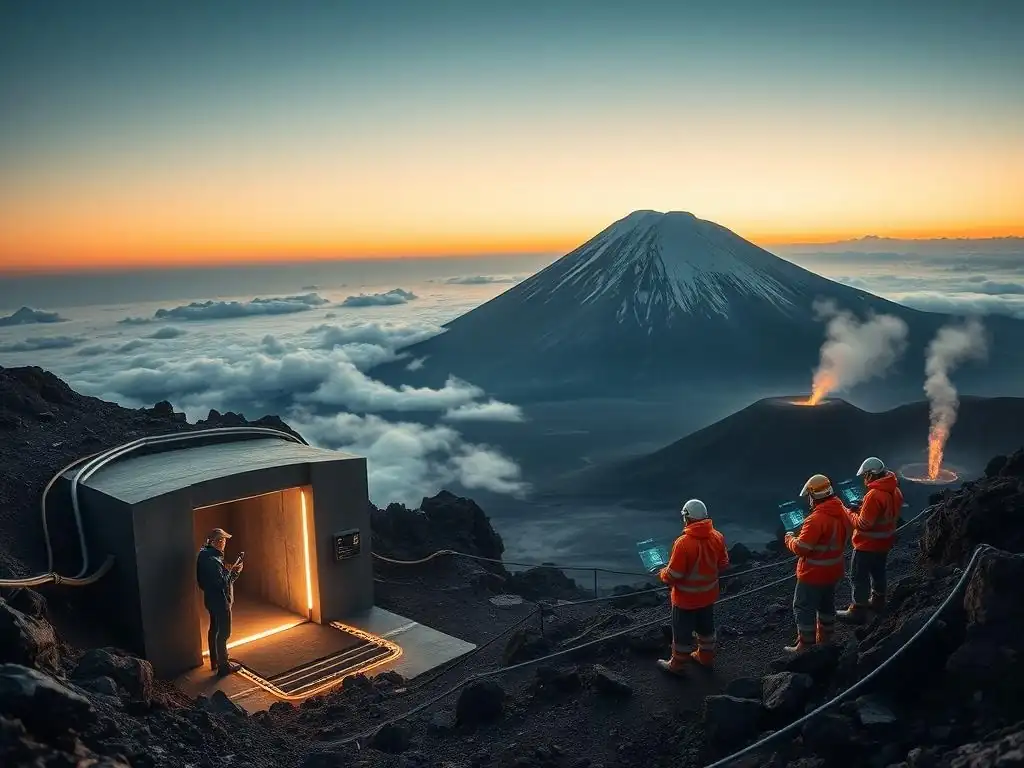
The future of volcanic safety is increasingly intertwined with emerging technologies, particularly robotics and automation, which offer the potential to enhance shelter management and emergency response capabilities. Robotics can play a significant role in pre-eruption shelter preparation, maintenance, and post-eruption assessment. Robots can be deployed to inspect shelter structural integrity, ventilation systems, and life support equipment, identifying potential maintenance needs and ensuring shelter readiness.
Automated systems can manage shelter environmental controls, such as ventilation, temperature, and humidity, optimizing conditions for occupant comfort and safety. In the event of an eruption, robots can assist with shelter access control, guiding occupants to safe locations and providing real-time information and instructions.
During an eruption, robots can be used for remote monitoring of shelter conditions, providing valuable data on air quality, structural stability, and occupant health. Robots equipped with sensors can detect hazardous gas leaks, structural damage, or breaches in shelter integrity, alerting shelter managers to potential problems. After an eruption, robots can be deployed to assess shelter damage, clear debris, and assist with rescue operations.
Unmanned aerial vehicles (UAVs) or drones can provide aerial reconnaissance of shelter surroundings, assessing the extent of volcanic impact and identifying safe evacuation routes. The integration of robotics and automation into volcanic shelter management promises to enhance efficiency, safety, and responsiveness, creating more resilient and effective shelter systems for the future.
Artificial Intelligence for Predictive Analysis and Risk Assessment
Artificial intelligence (AI) is emerging as a powerful tool for enhancing volcanic safety, particularly in predictive analysis and risk assessment related to volcanic shelters. AI algorithms can analyze vast datasets of volcanic monitoring data, including seismic activity, gas emissions, ground deformation, and thermal anomalies, to identify patterns and anomalies that may indicate impending eruptions.
Machine learning models can be trained to predict eruption probabilities and eruption characteristics, such as eruption intensity and hazard zones, providing valuable information for pre-eruption planning and shelter activation decisions. AI-powered risk assessment tools can integrate various data layers, including volcanic hazard maps, population density data, infrastructure locations, and shelter capacities, to assess the overall risk to communities and optimize shelter deployment strategies.
AI can also be used to optimize shelter design and location. AI algorithms can analyze volcanic hazard scenarios and simulate the performance of different shelter designs under various eruption conditions, identifying optimal structural configurations and material choices for specific volcanic hazards. AI-driven optimization can also assist in selecting optimal shelter locations, considering factors such as hazard proximity, accessibility, and evacuation routes.
Furthermore, AI can enhance real-time decision-making during volcanic crises. AI-powered decision support systems can analyze real-time monitoring data and provide shelter managers and emergency responders with actionable insights and recommendations, facilitating faster and more informed responses. The application of AI in volcanic safety has the potential to significantly improve predictive capabilities, risk assessment accuracy, and decision-making effectiveness, leading to more proactive and efficient shelter management strategies.
Personal Protective Equipment (PPE) Innovations for Volcano Safety
While modern volcanic shelters provide refuge from the most severe volcanic hazards, personal protective equipment (PPE) remains crucial for individuals who may need to be outside shelters during or after eruptions, such as emergency responders, scientists, and essential service personnel. Innovations in PPE are continuously improving the safety and effectiveness of protective gear for volcanic environments. Advanced respirators, utilizing improved filter materials and ergonomic designs, offer enhanced protection against volcanic ash and gases while maximizing user comfort and breathability.
Lightweight and heat-resistant fabrics are being developed for protective clothing, providing better protection against thermal hazards and volcanic debris. Specialized eyewear, with anti-fog and scratch-resistant coatings, and full-face respirators offer improved eye and face protection from ash, gases, and projectiles.
Smart PPE, incorporating sensors and communication technologies, is also emerging as a promising area of innovation. Smart respirators can monitor filter performance and alert users when filters need replacement. Smart clothing can monitor vital signs of wearers, such as heart rate and body temperature, providing early warning of heat stress or other health issues.
Integrated communication systems in PPE can enable hands-free communication between emergency responders, enhancing coordination and safety in hazardous environments. Exoskeletons and powered suits are being explored to reduce physical strain on emergency responders working in challenging volcanic terrain, improving their endurance and effectiveness. Continued innovation in PPE is essential for ensuring the safety and well-being of individuals who operate in volcanic environments, complementing the protection offered by modern volcanic shelters.
Choosing the Right Modern Volcanic Shelter for Your Needs
Assessing Volcanic Hazards in Your Area
Selecting the right modern volcanic shelter requires a thorough assessment of the specific volcanic hazards present in your area. Volcanoes vary significantly in their eruption styles and the types of hazards they generate. Some volcanoes are prone to explosive eruptions producing pyroclastic flows and ashfall, while others are more likely to generate lava flows and lahars.
Understanding the specific hazards associated with the volcano nearest to your community is the first crucial step in shelter selection. Consult with volcanologists, geological surveys, and emergency management agencies to obtain detailed information on the volcanic hazards in your region. Hazard maps, outlining areas at risk from different volcanic phenomena, are valuable tools for assessing potential threats.
Consider the frequency and intensity of past eruptions at the volcano in question. Historical eruption records provide insights into the types of hazards that have occurred previously and their potential scale. Volcanic monitoring data, including real-time seismic data, gas emission measurements, and ground deformation data, can provide up-to-date information on the volcano's current activity level and potential for future eruptions.
Assess the potential impact of different volcanic hazards on your community. Consider factors such as population density, infrastructure vulnerability, and evacuation routes. A comprehensive volcanic hazard assessment will provide the necessary information to determine the specific protection requirements for a volcanic shelter in your area, guiding the selection of appropriate shelter designs and features.
Factors to Consider When Selecting a Volcano Shelter
Once the volcanic hazards in your area are assessed, several factors should be considered when selecting a modern volcanic shelter. Shelter capacity is a primary consideration. Determine the number of people the shelter needs to accommodate based on the population at risk and the intended user group (e.g., community shelter, family shelter, critical infrastructure shelter). Shelter location is crucial. Ideally, shelters should be located outside of high-hazard zones, such as pyroclastic flow paths and lahar valleys, while remaining accessible to the population they are intended to serve.
Proximity to evacuation routes and emergency services should also be considered. Shelter durability and resistance to specific hazards are paramount. Select shelters designed to withstand the specific volcanic hazards identified in the hazard assessment, such as pyroclastic flows, lahars, ashfall, and blast waves. Consider the materials and structural design of the shelter and ensure they meet relevant safety standards.
Shelter life support systems are essential for extended occupancy. Evaluate the shelter's air filtration system, ventilation system, water supply, sanitation facilities, and waste management system. Ensure these systems are adequate to support the anticipated shelter occupancy duration. Shelter communication systems are vital for emergency response coordination. Assess the shelter's communication capabilities, including satellite communication, radio communication, and emergency beacon systems.
Shelter cost and maintenance requirements are also important considerations. Balance the desired level of protection and features with budget constraints and long-term maintenance costs. Consider prefabricated shelter options, which may offer cost and time savings. Finally, community acceptance and integration are crucial for shelter effectiveness. Engage the community in the shelter selection process and ensure that shelters are well-integrated into community emergency preparedness plans.
The Importance of Community Education and Preparedness
Even the most advanced modern volcanic shelter is only effective if the community is educated and prepared to use it properly. Community education programs are essential to raise awareness about volcanic hazards, evacuation procedures, and shelter protocols. Educational materials, workshops, and drills should be conducted regularly to familiarize residents with shelter locations, access routes, and emergency procedures. Clear and concise communication strategies are crucial for disseminating information during volcanic crises.
Emergency alert systems, public address systems, and community liaison networks should be established to provide timely warnings and instructions to the public. Shelter drills and exercises are vital to practice shelter access procedures, emergency protocols, and communication systems. Regular drills help to identify potential weaknesses in shelter plans and improve community response effectiveness.
Community involvement in shelter planning and management is essential for building trust and ensuring shelter usability. Engage community leaders and residents in shelter site selection, design considerations, and emergency planning. Establish community-based shelter management committees to oversee shelter maintenance, supplies, and emergency response coordination. Stockpiling emergency supplies within shelters is crucial for self-sufficiency during volcanic events.
Shelters should be equipped with adequate supplies of water, food, first-aid kits, blankets, sanitation supplies, and communication equipment. Regularly inspect and replenish shelter supplies to ensure they are readily available when needed. Community education and preparedness are integral components of a comprehensive volcanic safety strategy, complementing the physical protection offered by modern volcanic shelters and ensuring that communities are empowered to effectively utilize these life-saving resources.
Investing in a Safer Future: The Cost-Effectiveness of Modern Volcanic Safety Technology
Investing in modern volcanic safety technology, particularly advanced volcanic shelters, represents a cost-effective strategy for mitigating the devastating impacts of volcanic eruptions and building more resilient communities. While the initial investment in modern shelters may appear substantial, the long-term economic and social benefits far outweigh the costs. The potential economic losses from a major volcanic eruption can be immense, encompassing damage to infrastructure, disruption of economic activity, agricultural losses, and long-term recovery costs.
Studies have shown that the cost of volcanic disasters can range from millions to billions of dollars, depending on the scale of the eruption and the vulnerability of the affected region. Investing in robust volcanic shelters can significantly reduce these potential losses by protecting lives, minimizing property damage, and facilitating faster recovery.
Beyond economic considerations, the social benefits of modern volcanic safety technology are immeasurable. Volcanic eruptions can cause significant loss of life, displacement of populations, and long-term psychological trauma. Providing safe and reliable shelters offers communities a sense of security and reduces the fear and anxiety associated with living near active volcanoes.
Shelters can serve as community hubs, fostering social cohesion and providing support during and after volcanic crises. Moreover, investing in volcanic safety technology demonstrates a commitment to protecting citizens and enhancing community well-being, strengthening social capital and building trust between communities and authorities. When considering the long-term benefits of reduced economic losses, saved lives, and enhanced community resilience, investing in modern volcanic safety technology, including advanced shelters, is not merely an expense but a strategic investment in a safer and more sustainable future for communities living in volcanically active regions.
Frequently Asked Questions
What is the primary purpose of modern volcano shelters?
Modern volcano shelters are designed to provide immediate protection during volcanic events, primarily from ashfall, pyroclastic flows, and lahars. They aim to significantly increase survivability during these dangerous occurrences.
How does modern volcanic safety technology improve upon traditional methods?
Unlike traditional evacuation methods, modern safety technology offers on-site protection. This includes advanced shelters equipped with air filtration systems and robust construction to withstand volcanic forces.
What are some key features of advanced volcano shelters?
Key features include reinforced structures, air filtration systems to remove volcanic ash and gases, and emergency communication equipment. Many also have supplies for short-term survival.
How is "VolcanoExplorers.org" contributing to the advancement of modern volcanic safety technology?
VolcanoExplorers.org disseminates educational information about volcanic hazards and the benefits of modern safety technology. They also provide real-time updates on volcanic activity and safety guidelines.
What role does real-time monitoring play in modern volcanic safety?
Real-time monitoring systems provide early warnings of impending eruptions and other volcanic hazards. This allows for timely evacuations or deployment of protective measures, such as utilizing volcano shelters.
Final Reflection: Embracing Innovation in the Face of Volcanic Threat
The exploration of modern volcano shelters and advancements in safety technology underscores a crucial reality: our vulnerability to natural disasters is only matched by our capacity for innovation. While the raw power of volcanic eruptions remains a formidable force, the ingenuity showcased in these advancements offers a tangible path towards mitigating risk and protecting lives in vulnerable communities. The progress we've examined isn't just about building stronger structures; it's about fostering a culture of preparedness and resilience in the face of unpredictable natural events.
This ongoing evolution of volcanic safety technology profoundly shapes how we interact with the natural world. It reminds us that our relationship with the planet is not one of dominance, but of coexistence, demanding respect and proactive adaptation. The development of these shelters and warning systems is a testament to our commitment to safeguarding human life, even in the most challenging environments. The only way to do great work is to love what you do.
- Steve Jobs. This quote, though not directly about volcanoes, encapsulates the dedication and passion required to push the boundaries of safety technology and create solutions that truly make a difference.
As we conclude this exploration of modern volcanic safety technology, I invite you to consider your own role in fostering a safer and more resilient world. How can you contribute to raising awareness, supporting research, or advocating for the implementation of these life-saving technologies in vulnerable communities? Let us embrace the spirit of innovation and collaboration to build a future where the threat of volcanic eruptions is met not with fear, but with preparedness, knowledge, and the unwavering commitment to protecting human life.
Fortify Your Future: Prepare, Explore, & Connect!
Thank you for exploring the cutting-edge advancements in volcano shelter technology! You've gained valuable insight into how these innovations are transforming safety measures in volcanic regions. Now, it's time to put that knowledge to work.
Here are a few things you can do to further your understanding and contribute to a safer future:
- Develop a personal emergency plan that includes shelter options and evacuation procedures. Your safety is paramount!
- Dive deeper into the science behind these shelter technologies. Explore publicly available research and data to enhance your understanding.
- Share this article with friends, family, and colleagues who live near active volcanoes or are interested in disaster preparedness. Let's spread awareness and empower communities with this vital information!
What steps will you take this week to improve your understanding of volcanic safety and preparedness? Share your plans in the comments below!