
The Ghost of Armero: Haunting Questions from the Nevado del Ruiz Tragedy

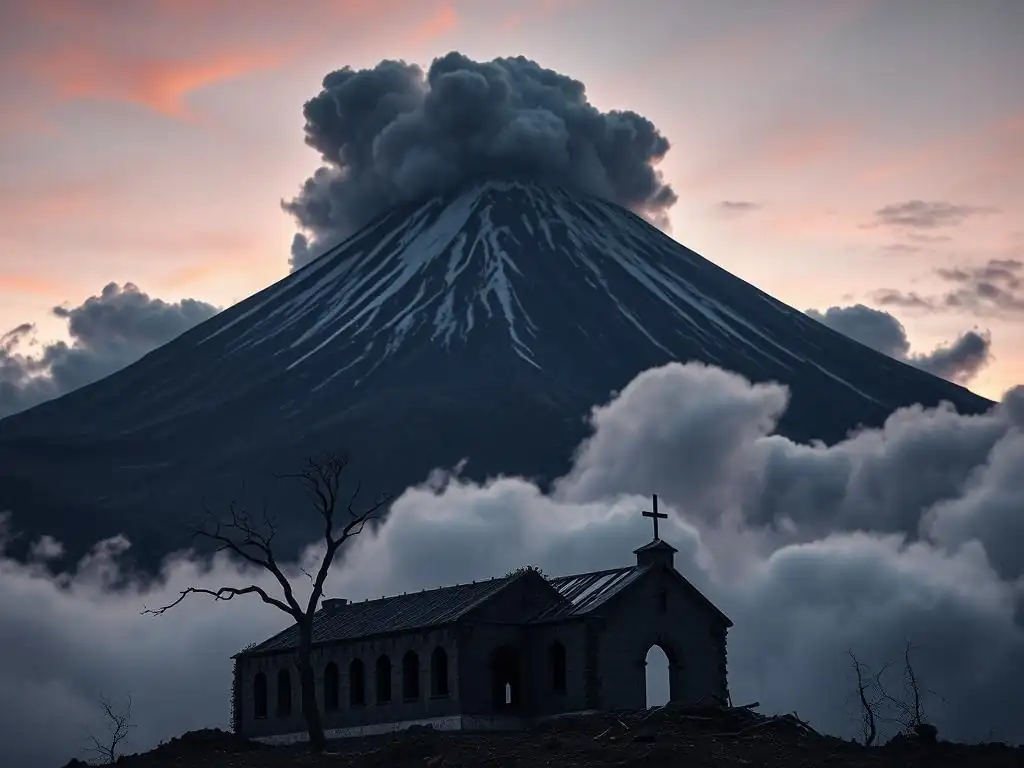
Welcome to Volcano Explorers, where the Earth breathes fire and mystery. Ever wondered how a single eruption could bury an entire city? Prepare to confront the chilling legacy of the Nevado del Ruiz disaster. Dare to delve into the geological truths and haunting questions surrounding this tragic event – insights that continue to shape our understanding of volcanic risk. Are you ready to uncover the lessons learned from the ghost of Armero?
- The Armero Tragedy: Lessons from the Nevado del Ruiz Eruption
- Introduction: The 1985 Nevado del Ruiz Disaster
- Understanding Lahars: The Deadly Force of Volcanic Mudflows
- Contributing Factors: Failures Leading to the Armero Tragedy
- Unanswered Questions: Examining the Armero Disaster's Lingering Issues
- Remembering Armero: The Human Cost of the Eruption
- Lessons for the Future: Preventing Lahar Disasters Worldwide
- Legacy and Preparedness: Continuing Vigilance at Nevado del Ruiz and Beyond
-
Frequently Asked Questions
- What exactly happened during the Nevado del Ruiz disaster?
- Where is Nevado del Ruiz located and why was Armero so vulnerable?
- What were the primary causes that exacerbated the scale of the tragedy?
- What lessons were learned from the Nevado del Ruiz disaster regarding volcano monitoring and risk management?
- How has the Nevado del Ruiz area changed since the 1985 eruption and what are the current risks?
- Final Reflection: Echoes of Resilience and Remembrance
- Unearth the Lessons: Remember Armero, Act Now!
The Armero Tragedy: Lessons from the Nevado del Ruiz Eruption
Introduction: The 1985 Nevado del Ruiz Disaster
The Setting: A Dormant Volcano and a Thriving Town
Armero, Colombia, nestled in the foothills of the Andes Mountains, was a vibrant and prosperous town in the early 1980s. Known for its fertile land and agricultural output, particularly cotton and rice, Armero was a significant economic hub in the Tolima Department. The town's population was approximately 29,000, living in a valley overlooked by the towering Nevado del Ruiz volcano.
While Nevado del Ruiz was known to be active, its last significant eruption had occurred in 1845, over 140 years prior. This long period of relative dormancy lulled many into a false sense of security, and the potential danger posed by the volcano was largely underestimated by both the residents and local authorities.
The Nevado del Ruiz itself is a stratovolcano, part of the Pacific Ring of Fire and known for its glaciated summit. These glaciers played a critical role in the events of 1985. Volcanically active, the mountain had shown increased signs of unrest in the months leading up to the disaster.
Fumarolic activity and minor ashfalls had been reported, raising concerns among some scientists, but these warnings were not effectively communicated or acted upon by those in positions of authority. The region's rich volcanic soil contributed to its agricultural productivity, ironically drawing people closer to the very source of potential danger.
November 13, 1985: The Eruption and the Lahar
On November 13, 1985, Nevado del Ruiz erupted violently. The eruption itself was not exceptionally large in volcanic terms, classified as a VEI 3 on the Volcanic Explosivity Index. However, its devastating impact stemmed from its interaction with the volcano's ice cap. The heat from pyroclastic flows and hot ash rapidly melted the summit glaciers, generating massive volumes of meltwater. This water mixed with volcanic debris, loose ash, and soil, creating a series of highly destructive lahars, or volcanic mudflows.
These lahars surged down the steep river valleys radiating from Nevado del Ruiz. Armero was situated directly in the path of one of the most powerful lahars, channeled by the Lagunilla River valley. Traveling at speeds estimated to have reached up to 50 kilometers per hour (around 30 miles per hour), the lahar arrived at Armero approximately three hours after the eruption began.
By the time it reached the town, it was a raging torrent of mud, rocks, and debris, several meters deep in places. The lahar engulfed Armero with devastating speed and force, burying homes, businesses, and thousands of unsuspecting residents.
Understanding Lahars: The Deadly Force of Volcanic Mudflows
What are Lahars? : Composition and Characteristics
Lahars, often referred to as volcanic mudflows or debris flows, are among the most destructive volcanic hazards. They are rapidly flowing mixtures of volcanic debris (ash, pumice, rock fragments) and water. The consistency of a lahar can vary from that of wet concrete to a thick, viscous mud, depending on the proportion of solids to water and the size of the particles. Lahars are incredibly dense and powerful, capable of carrying massive boulders, trees, and even buildings in their path.
A key characteristic of lahars is their speed and unpredictable nature. They can travel at speeds comparable to fast-flowing rivers and can occur with little to no warning downstream from a volcanic eruption. Their flow paths are typically dictated by topography, following river valleys and drainage channels. The destructive power of lahars stems from a combination of their momentum, density, and abrasive nature. They can bury landscapes under thick layers of mud and debris, erode riverbanks, and destroy infrastructure. The solid particles within a lahar also contribute to its destructive force, acting like projectiles and causing significant impact damage.
Nevado del Ruiz Lahar Formation: Ice, Ash, and Steep Slopes
The Nevado del Ruiz lahar was a classic example of an ice-melt lahar, triggered by the interaction of volcanic activity with glacial ice. The eruption of Nevado del Ruiz produced pyroclastic flows and hot ash that descended the flanks of the volcano. These hot materials rapidly melted the summit glaciers and snowfields, releasing a significant volume of water. This meltwater quickly mobilized loose volcanic ash and debris that had accumulated on the slopes, forming the initial lahar flows.
The steep slopes of Nevado del Ruiz contributed to the rapid acceleration and high velocity of the lahars. As the water and debris mixture flowed down the volcano's flanks, gravity accelerated its movement, increasing its erosive power and destructive potential. The volume of ice melt was substantial due to the extensive glaciers on Nevado del Ruiz's summit, resulting in exceptionally large and powerful lahars. The readily available volcanic ash and unconsolidated material on the volcano's slopes provided ample solid material to mix with the meltwater, creating a dense and destructive mudflow.
The Armero Path: From Summit to Destruction
The lahars generated by the Nevado del Ruiz eruption followed pre-existing river valleys, with the Lagunilla River valley being the primary pathway to Armero. Originating high on the volcano's slopes, the lahar flowed down the steep gradient of the Lagunilla River, gaining momentum and volume as it incorporated more sediment and debris along its course. The topography of the valley funneled the lahar directly towards Armero, situated at the valley's mouth where it opened onto the flatter plains.
As the lahar descended, it transformed from a relatively contained flow in the upper reaches of the valley to a wide and destructive flood as it approached Armero. The river channel was unable to contain the massive volume of the lahar, causing it to overtop its banks and spread across the floodplain where Armero was built.
The town’s location at the confluence of multiple streams and its position on ancient lahar deposits, while providing fertile land, also made it exceptionally vulnerable to such events. The path of the lahar from the Nevado del Ruiz summit to Armero was a direct and unimpeded route of destruction, culminating in the catastrophic inundation of the town.
Contributing Factors: Failures Leading to the Armero Tragedy
Communication Failures: Delayed and Ineffective Warnings
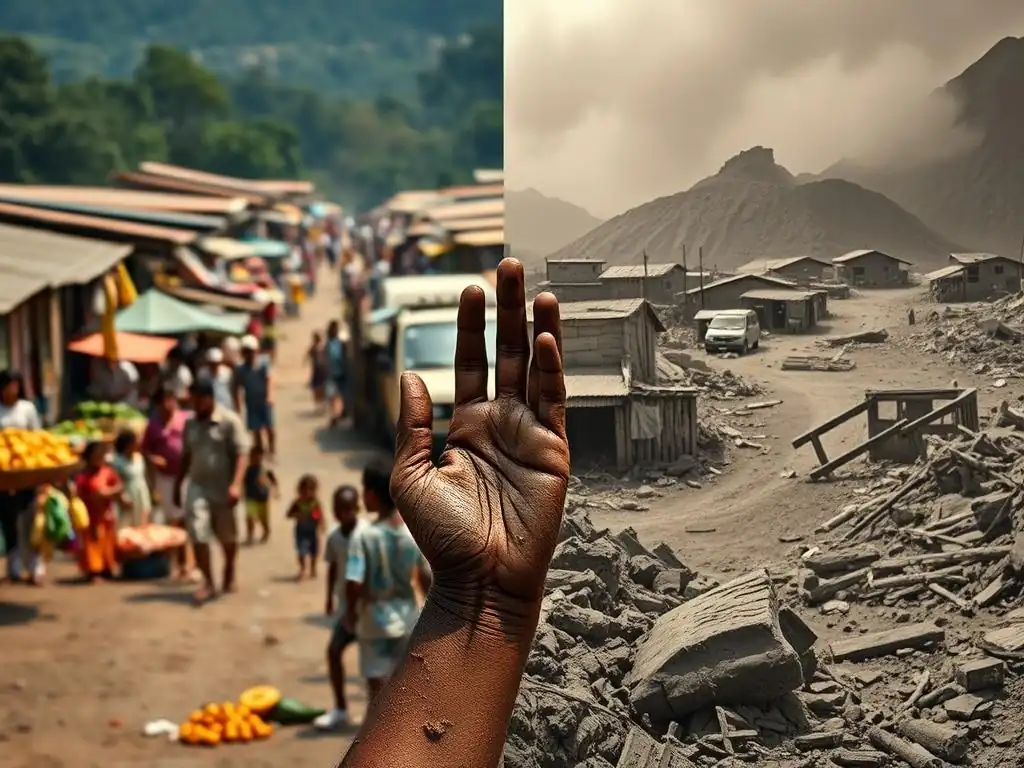
One of the most critical contributing factors to the Armero tragedy was a series of communication failures. Even though volcanologists had been monitoring Nevado del Ruiz and had issued warnings about the increasing volcanic activity and lahar risk in the months leading up to the eruption, these warnings were not effectively communicated to the public or to local authorities in a timely and impactful manner. The scientific reports were often technical and lacked clear, actionable advice for evacuation or preparedness.
Furthermore, the existing communication infrastructure was inadequate for disseminating warnings quickly across the region. Radio communication was limited, and there was no established system for mass alerts in case of volcanic emergency. When the eruption did occur, initial warnings were delayed and often downplayed by local officials who lacked understanding of the imminent danger. This resulted in a critical time gap where residents could have evacuated but remained unaware of the true threat until it was too late. The lack of clear, concise, and urgent communication directly contributed to the high death toll in Armero.
Inadequate Risk Assessment: Underestimation of Lahar Potential
A significant failure in the lead-up to the Armero tragedy was an inadequate risk assessment and underestimation of the lahar potential. While the volcanic activity was being monitored, the focus was primarily on the eruption itself, and the devastating potential of lahars was not fully appreciated or communicated to the public and authorities. Maps indicating lahar risk zones were not readily available or understood by those responsible for emergency planning and public safety.
The historical record of Nevado del Ruiz eruptions, including the 1845 event which also generated lahars, was not adequately considered in risk assessments. There was a prevailing belief that the volcanic hazard was limited to ashfall and minor eruptions, rather than the more catastrophic threat of large-scale lahars. This underestimation of lahar risk led to insufficient preparedness measures, inadequate evacuation plans, and a lack of public awareness about the specific dangers posed by volcanic mudflows. The failure to accurately assess and communicate the lahar risk proved to be a fatal flaw in disaster prevention efforts.
Vulnerable Location: Armero's Placement on Ancient Lahar Deposits
Armero's geographical location significantly contributed to its vulnerability to the 1985 lahar. The town was built on an alluvial fan composed of ancient lahar deposits from previous Nevado del Ruiz eruptions. This meant Armero was situated directly in a historically proven lahar pathway. While the fertile volcanic soils made the area attractive for agriculture, the underlying geological history indicated a high susceptibility to future lahar events.
Despite the knowledge that Armero was located on ancient lahar deposits, urban planning and land-use policies did not adequately account for this risk. Construction regulations were lax, and there were no restrictions on building in known lahar hazard zones. The lack of awareness or disregard for the town's geological vulnerability meant that when the 1985 lahar occurred, Armero was directly in its path, with no natural barriers or mitigation measures in place to protect it. The town's location, while agriculturally advantageous, ultimately placed it in a highly precarious position relative to the volcano's lahar hazards.
Unanswered Questions: Examining the Armero Disaster's Lingering Issues
Preventability: Exploring Missed Opportunities for Mitigation
The Armero tragedy raises profound questions about preventability and missed opportunities for mitigation. With the benefit of hindsight and detailed analysis of the events leading up to the disaster, it becomes evident that the scale of the tragedy could have been significantly reduced. Scientists had detected increased volcanic activity and warned of potential hazards. Had these warnings been heeded and acted upon decisively, the outcome might have been very different.
Missed opportunities include the failure to effectively communicate the lahar risk to the public and local authorities, the lack of timely and well-organized evacuation efforts, and the absence of any lahar mitigation infrastructure. Simple measures like constructing diversion channels or earthen barriers could have potentially altered the lahar's path or reduced its impact on Armero. The question of preventability underscores the importance of proactive disaster preparedness, effective risk communication, and the implementation of mitigation measures in volcanically active regions. Analyzing these missed opportunities provides critical insights for preventing similar tragedies in the future.
Accountability: The Roles of Government and Scientific Institutions
The Armero disaster brought to the forefront questions of accountability, specifically regarding the roles of government and scientific institutions. While natural disasters are inherently unpredictable, the extent of the Armero tragedy was arguably exacerbated by human failures. The government's response to the volcanic warnings was slow and inadequate, characterized by a lack of coordination and decisive action. Local authorities initially downplayed the risk and failed to implement effective evacuation plans.
Scientific institutions, while providing warnings, also faced criticism for not effectively communicating the urgency and severity of the lahar threat in a way that resonated with policymakers and the public. The dissemination of scientific information was not always translated into actionable advice for disaster preparedness.
Determining the precise lines of accountability in the Armero disaster remains complex, but it highlights the need for clear responsibilities, effective communication channels between scientists, government officials, and the public, and a culture of accountability in disaster risk reduction. Learning from these failures is crucial for improving disaster governance and ensuring that warnings translate into effective action.
Long-Term Effects: Psychological and Environmental Scars
The Nevado del Ruiz disaster left deep and lasting scars on both the human and environmental landscape. Beyond the immediate devastation and loss of life, the psychological trauma experienced by survivors and the wider Colombian population was profound. The sudden and violent destruction of Armero created widespread grief, anxiety, and long-term psychological distress, impacting individuals and communities for years to come. Many survivors suffered from post-traumatic stress disorder (PTSD) and struggled to rebuild their lives in the aftermath.
Environmentally, the Armero region was dramatically altered. The lahars reshaped river valleys, buried fertile agricultural land under thick layers of mud and debris, and caused widespread deforestation. The long-term environmental consequences included changes to drainage patterns, soil degradation, and ecosystem disruption. The recovery of the environment has been a slow process, and the scars of the disaster are still visible in the landscape today. Understanding these long-term psychological and environmental effects is essential for comprehensive disaster recovery and for building resilience in communities vulnerable to similar events.
Remembering Armero: The Human Cost of the Eruption
Survival Stories: Accounts of Resilience and Loss
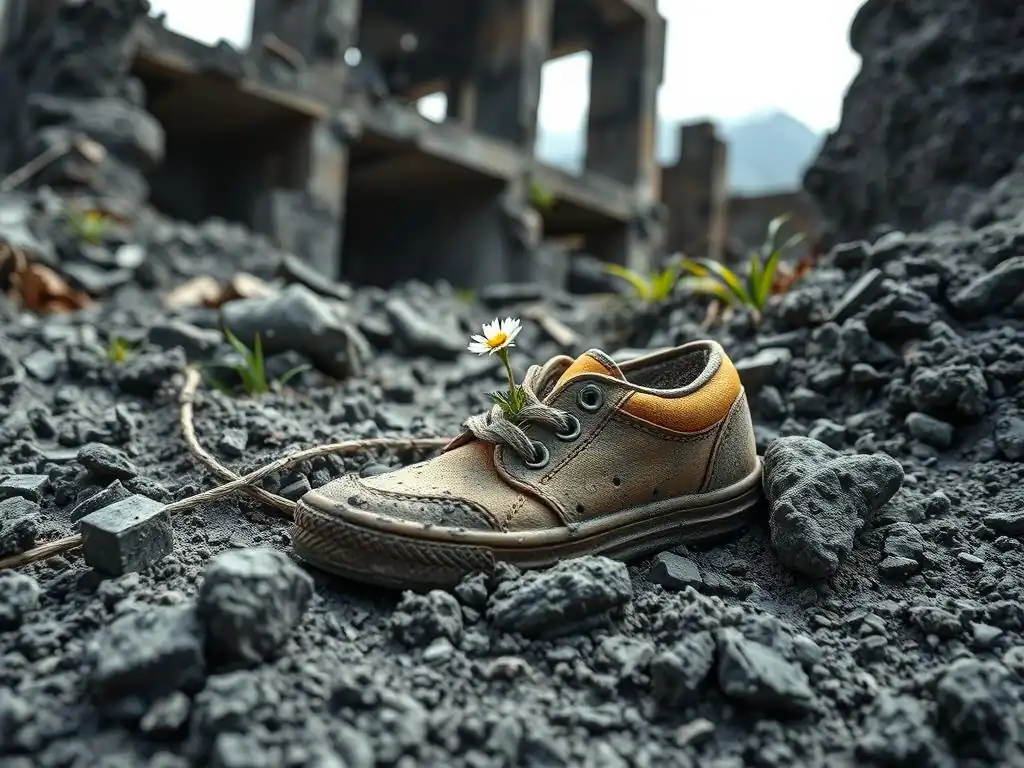
Amidst the overwhelming tragedy of Armero, stories of extraordinary resilience and heartbreaking loss emerged. One of the most iconic and poignant images of the disaster is that of Omayra Sánchez, a young girl trapped in the mud and debris for three days before succumbing to her injuries. Her struggle and eventual death became a symbol of the Armero tragedy and highlighted the agonizing human cost of the disaster.
However, there were also stories of survival against incredible odds. Individuals who managed to climb to higher ground, cling to floating debris, or were rescued from the mudflows recounted their harrowing experiences. These survival stories, often intertwined with immense personal loss, showcase the strength of the human spirit in the face of unimaginable devastation.
They are a testament to the resilience of individuals and communities in the aftermath of disaster, even as they grapple with the profound and lasting impacts of the tragedy. Remembering these stories of both loss and resilience is crucial to honoring the victims and learning from their experiences.
The Scale of the Tragedy: Thousands of Lives Lost
The Armero tragedy resulted in one of the deadliest volcanic disasters of the 20th century. Official estimates place the death toll at over 25,000 people, representing approximately three-quarters of Armero's population. Thousands more were injured, displaced, and left homeless. The sheer scale of the loss of life is staggering and underscores the catastrophic impact of the Nevado del Ruiz lahars. The precise number of fatalities remains uncertain due to the chaotic nature of the disaster and the difficulty in identifying all victims buried in the mud.
Beyond the immediate deaths, the tragedy had a ripple effect on families, communities, and the entire region. Generations were affected by the loss of loved ones, the destruction of homes and livelihoods, and the long-term psychological and social consequences. The scale of the tragedy serves as a stark reminder of the destructive power of volcanic hazards and the importance of effective disaster preparedness and mitigation. Understanding the magnitude of the human cost is essential for ensuring that such a disaster is never repeated.
Armero's Memorial: A Site of Remembrance and Reflection
Today, the site of Armero is a poignant memorial, a place of remembrance and reflection for the victims and survivors of the 1985 tragedy. What was once a thriving town is now a vast expanse of flat land, marked by a cemetery and scattered remnants of buildings and infrastructure buried by the lahar. The ruins of Armero serve as a powerful visual reminder of the destructive force of nature and the human cost of volcanic disasters.
The memorial site is visited by survivors, relatives of the deceased, and people from around the world who come to pay their respects and learn about the tragedy. It is a place of mourning, but also a place for education and reflection on the lessons learned from Armero. The memorial stands as a testament to the thousands of lives lost and as a call for continued vigilance and preparedness in volcanically active regions worldwide. It serves as a constant reminder of the importance of understanding volcanic hazards, communicating risks effectively, and taking proactive steps to protect vulnerable communities.
Lessons for the Future: Preventing Lahar Disasters Worldwide
Enhanced Monitoring: Improved Detection and Prediction Systems
One of the most crucial lessons from the Armero tragedy is the need for enhanced volcanic monitoring and improved lahar detection and prediction systems. Modern volcanology has made significant advancements in monitoring techniques, including seismic monitoring, gas measurements, ground deformation studies, and remote sensing. These technologies can provide early warning signs of volcanic unrest and potential eruptions.
For lahar prediction, real-time monitoring of river levels, rainfall, and seismic activity, coupled with sophisticated hydrological models, can help forecast lahar initiation and flow paths. Early warning systems that utilize these technologies can provide crucial time for evacuation and reduce the impact of lahars on downstream communities. Investing in and implementing robust monitoring networks and early warning systems in volcanically active regions is essential for preventing future lahar disasters. The insights gained from the Nevado del Ruiz disaster have driven significant improvements in volcanic monitoring and early warning capabilities globally.
Community Education: Raising Awareness and Preparedness
Effective community education and public awareness campaigns are vital components of lahar disaster preparedness. Many of the communication failures in Armero stemmed from a lack of public understanding about volcanic hazards, particularly lahars, and appropriate safety measures. Educational programs that target communities living near volcanoes are crucial for raising awareness about lahar risks, evacuation routes, and emergency procedures.
These programs should utilize clear, concise, and culturally appropriate communication strategies to ensure that information reaches all segments of the population. Community drills and simulations can help reinforce preparedness measures and build local capacity to respond effectively during a volcanic crisis. Empowering communities with knowledge and preparedness skills is a fundamental step in reducing vulnerability to lahar hazards and enhancing resilience. The lessons from Armero underscore the importance of investing in sustained community education efforts in volcanically active regions.
Responsible Land Use: Avoiding Construction in High-Risk Zones
The Armero tragedy highlights the critical need for responsible land-use planning and avoiding construction in high-risk lahar zones. Armero's location on ancient lahar deposits made it inherently vulnerable to volcanic mudflows. Land-use policies that restrict development in known lahar pathways and hazard zones are essential for mitigating future risks. This may involve relocating communities from highly vulnerable areas or implementing strict building codes and regulations in areas at risk.
Urban planning should incorporate volcanic hazard assessments and integrate lahar risk maps into decision-making processes. Creating buffer zones and protective infrastructure, such as diversion channels or debris basins, can also help reduce lahar impacts. Responsible land-use planning is a proactive and long-term strategy for minimizing vulnerability to lahar hazards and ensuring the safety of communities living near volcanoes. The devastating example of Armero serves as a compelling case for prioritizing risk-informed land-use policies in volcanically active regions worldwide.
Legacy and Preparedness: Continuing Vigilance at Nevado del Ruiz and Beyond
The Ongoing Risk: Nevado del Ruiz's Potential for Future Eruptions
Nevado del Ruiz remains an active volcano, and the risk of future eruptions and lahars persists. While the 1985 eruption was relatively small in volcanic terms, it demonstrated the devastating potential of even moderate eruptions when interacting with glacial ice. Nevado del Ruiz continues to be monitored by volcanologists, and ongoing research aims to better understand its eruptive history and future behavior. The volcano's glacial cap remains a significant source of lahar hazard, and any future eruption has the potential to generate similar or even larger lahars.
Communities living in the vicinity of Nevado del Ruiz must maintain a state of preparedness and vigilance. Early warning systems, evacuation plans, and community education programs are essential for mitigating the risks posed by future eruptions. The legacy of Armero underscores the ongoing need for proactive risk management and sustained efforts to reduce vulnerability in the face of Nevado del Ruiz's continued volcanic activity. The insights from the 1985 disaster remain highly relevant for managing the ongoing volcanic hazard at Nevado del Ruiz.
Global Applications: Adapting Lessons to Other Volcanic Regions
The lessons learned from the Armero tragedy have broad applications for volcanic risk reduction in other regions around the world. Many volcanically active areas face similar lahar hazards, particularly those with glaciated volcanoes or steep slopes and abundant unconsolidated volcanic debris. The communication failures, inadequate risk assessment, and land-use planning shortcomings that contributed to the Armero disaster are not unique to Colombia and can be found in various contexts globally.
Adapting the lessons from Armero involves strengthening volcanic monitoring networks, improving early warning systems, enhancing community education and preparedness, and implementing responsible land-use policies in other vulnerable regions. Sharing knowledge and best practices in lahar risk management is crucial for preventing similar tragedies elsewhere. The Armero disaster serves as a powerful case study for volcanic risk reduction efforts worldwide, highlighting the importance of proactive measures and a comprehensive approach to mitigating lahar hazards. The insights gained from this tragedy continue to inform and improve volcanic disaster preparedness globally.
Conclusion: Remembering the Past, Protecting the Future
The Armero tragedy stands as a stark reminder of the destructive power of volcanic hazards and the devastating consequences of inadequate preparedness. The events of November 13, 1985, offer profound insights into the complexities of volcanic risk, the importance of effective communication, and the need for proactive mitigation measures. Remembering the victims of Armero and learning from the failures that contributed to the disaster is crucial for protecting communities living near volcanoes worldwide.
By enhancing volcanic monitoring, improving early warning systems, prioritizing community education, and implementing responsible land-use planning, we can strive to prevent future lahar tragedies and build more resilient communities. The legacy of Armero should serve as a constant call for vigilance, preparedness, and a commitment to safeguarding lives in volcanically active regions.
Honoring the memory of those lost in Armero requires us to learn from the past and work diligently towards a future where volcanic disasters are effectively mitigated and their devastating impacts are minimized. Nevado del Ruiz disaster insights, gained through the painful lessons of Armero, must continue to guide our efforts in volcanic risk reduction globally.
Frequently Asked Questions
What exactly happened during the Nevado del Ruiz disaster?
A volcanic eruption of Nevado del Ruiz in 1985 triggered a massive lahar, a destructive mudflow of volcanic debris and water. This lahar overwhelmed the town of Armero, resulting in devastating loss of life.
Where is Nevado del Ruiz located and why was Armero so vulnerable?
Nevado del Ruiz is located in the Andes Mountains of Colombia. Armero was built on an ancient mudflow deposit, making it exceptionally vulnerable to the powerful lahars generated by the volcano.
What were the primary causes that exacerbated the scale of the tragedy?
Multiple factors contributed, including insufficient risk assessment, delayed warnings, and a lack of effective evacuation procedures. Poor communication and misinformation also played significant roles.
What lessons were learned from the Nevado del Ruiz disaster regarding volcano monitoring and risk management?
The disaster highlighted the critical need for enhanced volcano monitoring systems, improved risk assessment methodologies, and effective public education programs. Early warning systems are now a priority.
How has the Nevado del Ruiz area changed since the 1985 eruption and what are the current risks?
The area has seen some recovery, but the potential for future eruptions and lahars remains a significant threat. Ongoing monitoring and community preparedness are crucial for mitigating future risks.
Final Reflection: Echoes of Resilience and Remembrance
The story of Armero, forever etched in the landscape by the Nevado del Ruiz tragedy, remains profoundly relevant today. The lessons learned from this devastating event – preparedness, communication, and the unwavering spirit of humanity – are not confined to a single place or time. They serve as a stark reminder of the power of nature and the critical importance of proactive measures in the face of potential disasters, resonating deeply in a world increasingly vulnerable to climate change and natural calamities.
The enduring impact of Armero extends far beyond the physical devastation. It has shaped our understanding of disaster response, highlighting the need for empathy, collaboration, and a commitment to honoring the memory of those lost. The haunting images and stories continue to influence how we approach risk assessment and community resilience. The only way to truly honor the victims of Armero is to learn from the past and ensure that such a tragedy never happens again.
This sentiment underscores the ongoing responsibility we all share in safeguarding vulnerable communities and promoting a culture of preparedness.
As you reflect on the insights shared within this article, consider the role you can play in fostering a more resilient and compassionate world. Let the ghost of Armero serve not as a symbol of despair, but as a catalyst for action. What steps can you take, within your own community, to promote awareness, preparedness, and a deeper understanding of the forces that shape our planet? Let us all strive to build a future where the echoes of tragedy are replaced by the resounding strength of human resilience.
Unearth the Lessons: Remember Armero, Act Now!
Thank you for exploring the haunting story of Armero and the devastating eruption of Nevado del Ruiz. We hope you've gained a deeper understanding of the volcanic threats we face and the importance of preparedness. Let's turn awareness into action.
Here's how you can help create a safer future:
- Sign our petition advocating for improved volcanic monitoring systems in vulnerable communities worldwide. This is a powerful way to honor the memory of Armero and prevent future tragedies.
- Share this article with your friends, family, and colleagues. Spreading awareness is crucial for collective action and preparedness.
- Reflect on what you've learned and research local volcanic hazards in your area. Understanding your personal risk is vital.
What steps will you take to become better informed and contribute to volcanic disaster preparedness in your community or globally? Share your thoughts in the comments below.