
Against the Odds: True Tales of Survival in the Face of Volcanic Eruptions (Books)

Welcome to Volcano Explorers!
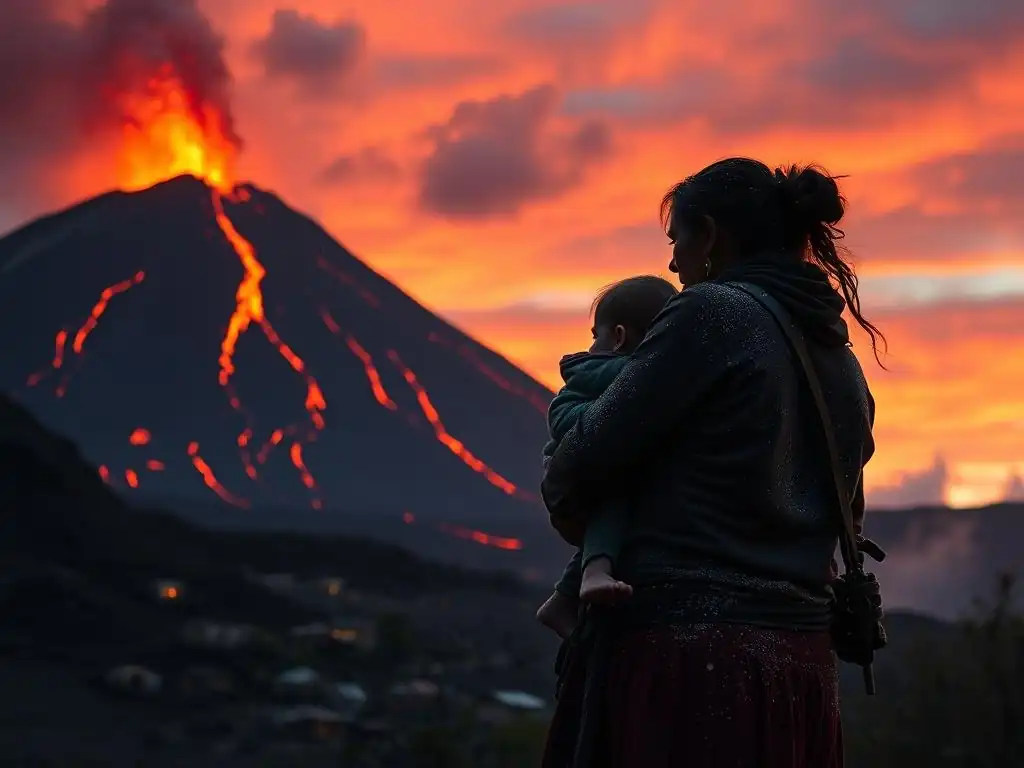
Ever wondered what it truly takes to face the unbridled fury of a volcanic eruption and live to tell the tale? Prepare to be captivated. This isn't just about science; it's about human resilience. Dive into our collection of survival stories from volcanic eruptions – true accounts that defy the odds. What choices led to survival, and what lessons can we learn from those who stared into the face of nature's raw power? Discover the extraordinary inside…
- Understanding Volcanic Eruptions and Their Impact: Setting the Stage for Survival Stories
-
Gripping Accounts of Survival: Essential Reading for Volcano Enthusiasts
- "Surviving Galeras" by Stanley Williams and Fen Montaigne: A Volcanologist's Near-Death Experience
- "Volcano: An Earthfire Institute Book for Young Readers" by Donna M. Jackson: A Child's Perspective on Mount St. Helens
- "National Geographic Investigates: Deadly Volcanoes: Nature's Most Destructive Forces" by Kathleen Weidner Zoehfeld: Overview of Global Volcanic Disasters
- "Living on the Edge: When Volcanoes Threaten" by Haraldur Sigurdsson: Case Studies of Volcanic Communities
- "Eruption: Surviving the Volcano" by Steve Jenkins and Robin Page: Visual Exploration of Volcanic Eruptions
- Lessons Learned: How These Survival Stories Can Inform Volcanic Preparedness
- Beyond the Books: Additional Resources for Understanding Volcanic Eruptions
- Conclusion: Appreciating the Power and Peril of Volcanoes
-
Frequently Asked Questions
- What types of survival stories are typically featured in books about volcanic eruptions?
- How do books about surviving volcanic eruptions help readers understand the dangers of volcanoes?
- Where can I find reliable sources for information on volcanic safety and preparedness, in addition to survival story books?
- Are the survival stories in these books always focused on dramatic escapes, or do they sometimes highlight long-term resilience in affected communities?
- What can I learn from reading "Against the Odds: True Tales of Survival in the Face of Volcanic Eruptions"?
- Final Reflection: The Enduring Spirit of Resilience
- Unearth Your Inner Explorer: Dive Deeper into Volcanic Survival!
Understanding Volcanic Eruptions and Their Impact: Setting the Stage for Survival Stories
The Science Behind Volcanic Eruptions: A Brief Overview
Volcanic eruptions are fundamentally driven by the Earth's internal heat and the dynamics of plate tectonics. Deep within the Earth, molten rock, known as magma, is generated due to intense heat and pressure conditions. This magma, being less dense than the surrounding solid rock, rises buoyantly towards the surface. The process is often facilitated by tectonic plate movement, particularly at plate boundaries where plates diverge or converge, creating pathways for magma ascent.
The composition of the magma, specifically its silica content and dissolved gas concentration, plays a crucial role in determining the style and explosivity of an eruption. Magmas with high silica content are more viscous, trapping gases and leading to violent, explosive eruptions. Conversely, low-silica magmas are more fluid, resulting in effusive eruptions characterized by lava flows.
The eruption mechanism itself involves the release of pressure on the magma as it ascends. As magma rises, the surrounding pressure decreases, allowing dissolved gases to exsolve and form bubbles, much like opening a carbonated drink. The accumulation of these gas bubbles increases the pressure within the magma chamber.
When this pressure overcomes the strength of the surrounding rocks, an eruption occurs. The energy released during an eruption can be immense, ranging from relatively gentle lava flows to catastrophic explosions that eject ash, gas, and rock fragments high into the atmosphere and across vast distances. Understanding these basic principles of volcanology is essential for appreciating the context of survival stories in the face of such powerful natural events.
Types of Volcanic Hazards: From Pyroclastic Flows to Lahars
Volcanic eruptions unleash a complex array of hazards that pose significant risks to life and property in surrounding areas. Among the most devastating are pyroclastic flows, rapidly moving currents of hot gas and volcanic debris.
These flows can reach temperatures of up to 700 degrees Celsius (1300 degrees Fahrenheit) and travel at speeds exceeding 700 kilometers per hour (450 miles per hour), incinerating and burying everything in their path. The 1902 eruption of Mount Pelée on Martinique, which destroyed the city of Saint-Pierre and killed an estimated 30,000 people, is a stark example of the destructive power of pyroclastic flows.
Lahars, another major volcanic hazard, are volcanic mudflows or debris flows. They are formed when volcanic ash and debris mix with water, often from rainfall, melting snow, or glacial meltwater during or after an eruption. Lahars can travel down river valleys at high speeds, carrying a dense mixture of rock fragments, mud, and water, capable of destroying infrastructure, burying settlements, and reshaping landscapes.
The 1985 Nevado del Ruiz eruption in Colombia triggered a devastating lahar that buried the town of Armero, resulting in over 25,000 fatalities. Other significant volcanic hazards include ashfall, which can disrupt air travel, damage infrastructure, and cause respiratory problems; volcanic gas emissions, which can be toxic and contribute to acid rain; and lava flows, which, while generally slower moving than pyroclastic flows, can still destroy property and ignite fires. Understanding these diverse hazards is crucial for effective volcanic risk assessment and mitigation efforts.
Why Studying Survival Accounts is Crucial for Volcanic Preparedness
Studying survival accounts from volcanic eruptions offers invaluable insights that complement scientific understanding and enhance volcanic preparedness strategies. These personal narratives provide a human dimension to the scientific data, highlighting the real-world challenges and complexities individuals face during volcanic crises. By examining these stories, we can gain a deeper appreciation for the unpredictable nature of volcanic events and the diverse range of human responses to extreme danger. Survival accounts often reveal critical details about the progression of events, the effectiveness (or lack thereof) of warning systems, and the role of individual and community resilience in mitigating disaster impacts.
Furthermore, analyzing survival stories can help identify gaps in current preparedness plans and inform the development of more effective risk communication strategies. For example, accounts might reveal misunderstandings of warning signals, inadequate evacuation routes, or critical resource shortages during an eruption. Learning from past mistakes and successes, as documented in these narratives, is essential for improving future responses.
These stories can also serve as powerful educational tools, raising public awareness about volcanic hazards and motivating individuals and communities to take proactive steps to prepare for potential eruptions. The emotional impact of personal survival accounts can be particularly effective in conveying the urgency and importance of volcanic preparedness, making the abstract scientific concepts of volcanology more tangible and relatable to the general public.
Gripping Accounts of Survival: Essential Reading for Volcano Enthusiasts
"Surviving Galeras" by Stanley Williams and Fen Montaigne: A Volcanologist's Near-Death Experience
"Surviving Galeras," co-authored by volcanologist Stanley Williams and journalist Fen Montaigne, provides a gripping firsthand account of the tragic 1993 eruption of Galeras volcano in Colombia. The book details the events leading up to the unexpected eruption, which occurred during a volcanology workshop held on the volcano itself. A team of experienced scientists, including Williams, were present to study Galeras, which at the time was considered to be in a relatively quiescent state.
However, without significant warning, Galeras erupted violently, catching the volcanologists and local guides completely by surprise. The eruption resulted in the deaths of nine people, including six volcanologists and three local residents, underscoring the inherent risks associated with studying active volcanoes and the often-unpredictable nature of these natural phenomena.
Stanley Williams' personal narrative forms the core of "Surviving Galeras," offering a profoundly intimate and scientific perspective on the disaster. He vividly recounts his near-death experience, detailing the intense heat and force of the pyroclastic flow that swept over him and his colleagues. Williams suffered severe injuries, including extensive burns and fractures, and endured a long and arduous journey to recovery.
Beyond the personal tragedy, the book critically examines the scientific community's approach to volcanic risk assessment in the early 1990s. It raises crucial questions about the limitations of then-current volcano monitoring techniques and the need for more robust and reliable early warning systems. "Surviving Galeras" serves as a poignant reminder of the ever-present dangers in volcanology and the vital importance of continuous learning and adaptation in the face of nature's power.
"Volcano: An Earthfire Institute Book for Young Readers" by Donna M. Jackson: A Child's Perspective on Mount St. Helens
Donna M. Jackson's "Volcano: An Earthfire Institute Book for Young Readers" offers a compelling and accessible introduction to the 1980 eruption of Mount St. Helens, specifically tailored for a younger audience. This book, part of the Earthfire Institute series, uses clear, engaging language and captivating imagery to explain the science behind volcanic eruptions and the dramatic transformation of the landscape around Mount St. Helens.
It avoids overly technical jargon, making complex geological processes understandable and fascinating for children and young adults. The narrative focuses not only on the destructive force of the eruption but also on the remarkable resilience of nature and the subsequent ecological recovery of the affected area.
While acknowledging the immense power and immediate devastation caused by the Mount St. Helens eruption, "Volcano" primarily emphasizes the long-term environmental impact and the inspiring resurgence of life in the aftermath. The book beautifully illustrates how, despite the initial destruction, the ecosystem gradually began to regenerate.
It highlights the pioneering plants and animals that returned to the blast zone, showcasing the processes of ecological succession and the inherent capacity of nature to heal and recover from even catastrophic events. "Volcano" effectively balances the scientific aspects of volcanic eruptions with a message of hope and resilience, making it an excellent educational resource for fostering environmental awareness and an appreciation for the dynamic nature of our planet in young readers.
"National Geographic Investigates: Deadly Volcanoes: Nature's Most Destructive Forces" by Kathleen Weidner Zoehfeld: Overview of Global Volcanic Disasters
Kathleen Weidner Zoehfeld's "National Geographic Investigates: Deadly Volcanoes: Nature's Most Destructive Forces" provides a comprehensive and visually rich overview of volcanic hazards and major eruptions throughout history. As part of the reputable "National Geographic Investigates" series, this book benefits from National Geographic's extensive archives of stunning photography and its commitment to accurate and engaging scientific journalism.
It explores a range of volcanic disasters from around the world, examining both historical and more recent eruptions, such as Vesuvius's destruction of Pompeii in 79 AD and the eruption of Mount Pinatubo in the Philippines in 1991. The book aims to educate readers about the various types of volcanic hazards, the geographical distribution of volcanoes, and the scientific understanding of volcanic processes.
"Deadly Volcanoes" masterfully interweaves accounts of survival with clear and concise explanations of the science behind volcanic activity. It delves into the different types of volcanic eruptions, from the effusive lava flows of shield volcanoes to the explosive pyroclastic eruptions of stratovolcanoes. The book also elucidates the formation of various volcanic hazards, including pyroclastic flows, lahars, ashfall, and volcanic gases, explaining their mechanisms and potential impacts.
By combining dramatic imagery, compelling survival stories, and accessible scientific information, "Deadly Volcanoes" offers a captivating and educational resource for anyone interested in learning more about these powerful and sometimes deadly natural forces. It effectively demonstrates the global reach and enduring impact of volcanic eruptions on human history and the environment.
"Living on the Edge: When Volcanoes Threaten" by Haraldur Sigurdsson: Case Studies of Volcanic Communities
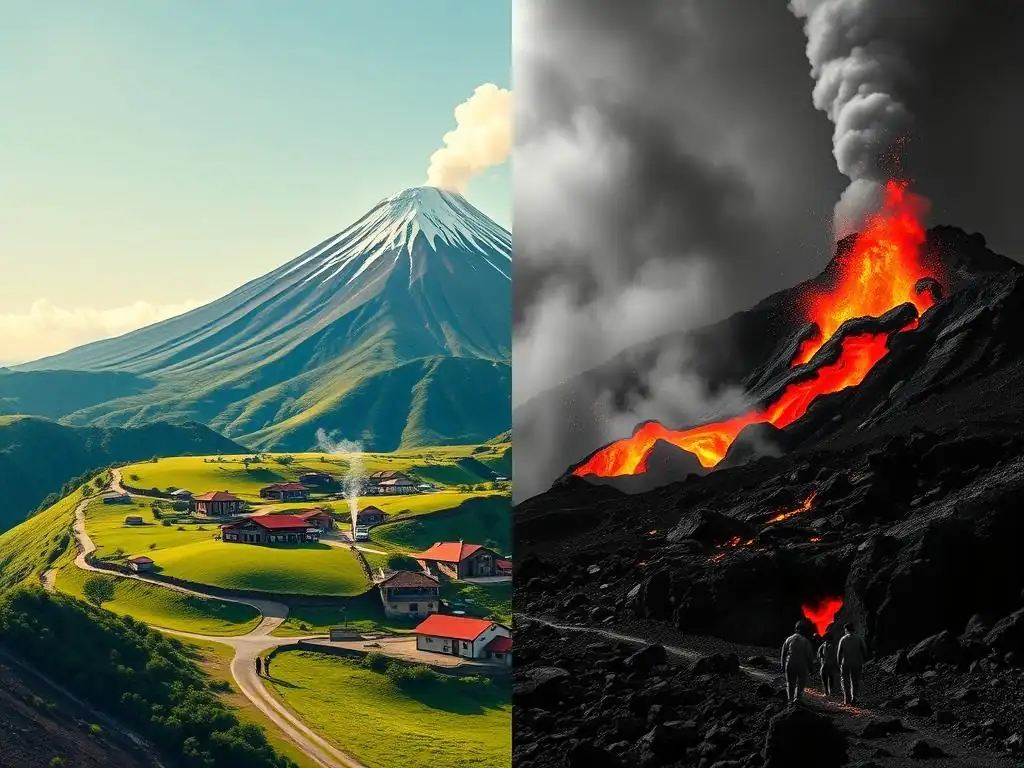
Haraldur Sigurdsson's "Living on the Edge: When Volcanoes Threaten" takes a broader perspective, examining the lives and experiences of communities situated near active volcanoes around the world. Drawing upon his extensive career as a volcanologist and his firsthand observations in numerous volcanic regions, Sigurdsson provides insightful case studies of communities in Iceland, Italy, Japan, Indonesia, and elsewhere.
The book explores the complex relationship between these communities and their volcanic neighbors, highlighting both the challenges and the opportunities that arise from living in volcanically active areas. It moves beyond individual survival stories to consider the societal, economic, and cultural adaptations that develop in volcanic landscapes.
"Living on the Edge" delves into the diverse strategies that communities employ to coexist with volcanic hazards. It examines traditional knowledge and practices passed down through generations, as well as modern scientific monitoring and risk mitigation techniques. The book explores how communities balance the risks of volcanic eruptions with the benefits of living in fertile volcanic soils, utilizing geothermal energy resources, and attracting tourism.
It also addresses the challenges of disaster preparedness, evacuation planning, and community resilience in the face of potential eruptions. By focusing on the lived experiences of volcanic communities, "Living on the Edge" offers a valuable sociological and geographical perspective on human-volcano interactions, demonstrating the complex and often symbiotic relationship between people and these powerful natural forces.
"Eruption: Surviving the Volcano" by Steve Jenkins and Robin Page: Visual Exploration of Volcanic Eruptions
Steve Jenkins and Robin Page's "Eruption: Surviving the Volcano" offers a uniquely visual and artistically engaging exploration of volcanic eruptions. This book stands out for its stunning cut-paper illustrations, which vividly depict the raw power and dramatic beauty of volcanic events. The authors, known for their innovative approach to science education through art, use intricate paper collages to portray different types of volcanoes, various eruption styles, and associated hazards. The book combines these striking visuals with concise, informative text, making it accessible and captivating for a wide range of readers, particularly those who learn best through visual means.
While visually driven, "Eruption: Surviving the Volcano" also delivers accurate and informative scientific content. It explains the basic processes that drive volcanic eruptions, showcases different types of volcanoes, such as shield volcanoes and stratovolcanoes, and illustrates various volcanic hazards, including lava flows, ash clouds, and pyroclastic flows.
The book effectively uses visual storytelling to convey complex scientific concepts in an engaging and memorable way. "Eruption: Surviving the Volcano" serves as an excellent resource for both education and aesthetic appreciation, demonstrating that science and art can be powerfully combined to enhance understanding and foster a sense of wonder about the natural world, particularly the awe-inspiring phenomenon of volcanic eruptions.
Lessons Learned: How These Survival Stories Can Inform Volcanic Preparedness
Identifying Warning Signs: What Survivors Can Teach Us
Survival stories from volcanic eruptions often highlight the critical importance of recognizing and responding to precursory volcanic activity. Many accounts detail how subtle changes in volcano behavior, such as increased steam or gas emissions, ground deformation, changes in heat flow, or minor earthquakes, preceded larger eruptions. For example, accounts from the 1991 eruption of Mount Pinatubo emphasize the significance of recognizing escalating sulfur dioxide emissions and ground swelling as key indicators of an impending major eruption. Survivors who heeded these early warning signs and evacuated proactively often fared much better than those who dismissed or ignored them.
Analyzing these narratives reveals patterns in the types of warning signs that are most frequently observed and the challenges individuals face in interpreting them correctly. Sometimes, precursory activity can be ambiguous or misinterpreted, leading to false alarms or delayed responses.
Survivor accounts can also underscore the need for improved public education about volcanic warning signs and the importance of heeding official advisories from volcanological observatories. By studying these real-life experiences, scientists and emergency managers can refine early warning systems, improve communication strategies, and develop more effective public awareness campaigns to ensure that communities living near volcanoes are better equipped to recognize and respond to potential volcanic unrest.
Evacuation Strategies: Learning from Past Mistakes and Successes
Examining survival stories provides crucial insights into the effectiveness of different evacuation strategies during volcanic eruptions. Some narratives recount successful evacuations that saved countless lives, such as the large-scale evacuation before the 1991 eruption of Mount Pinatubo, which is credited with significantly reducing casualties. These success stories often highlight factors like timely warnings, well-organized evacuation plans, clear communication channels, and community cooperation.
Conversely, other accounts detail tragic outcomes where evacuations were delayed, poorly executed, or hampered by logistical challenges, resulting in higher fatalities. The 1985 Nevado del Ruiz lahar disaster, where evacuation efforts were tragically insufficient, serves as a stark reminder of the consequences of inadequate preparedness.
By analyzing both successful and unsuccessful evacuation scenarios documented in survival stories, valuable lessons can be learned to improve future evacuation protocols. These lessons can inform the development of more efficient evacuation routes, better transportation strategies, and more effective methods for communicating evacuation orders to diverse populations. Furthermore, survivor accounts can highlight the importance of addressing specific challenges, such as evacuating vulnerable populations, managing traffic congestion, and providing adequate shelter and resources for evacuees. Understanding the human dimensions of evacuation, as revealed through these personal narratives, is essential for creating more effective and people-centered disaster preparedness plans.
The Importance of Community Resilience in the Face of Volcanic Disasters
Survival stories consistently underscore the vital role of community resilience in mitigating the impacts of volcanic disasters. Resilience, in this context, encompasses the ability of a community to prepare for, withstand, recover from, and adapt to volcanic eruptions. Many accounts highlight how strong social networks, community cohesion, local knowledge, and pre-existing preparedness initiatives significantly enhanced a community's ability to cope with and recover from volcanic events. For example, in some volcanic regions, traditional knowledge about volcano behavior and effective coping mechanisms has been passed down through generations, contributing to enhanced community resilience.
Conversely, stories also illustrate how a lack of community preparedness, social fragmentation, and inadequate resources can exacerbate the impacts of volcanic eruptions. Communities that are poorly informed, lack effective communication systems, or have limited access to resources may be more vulnerable and slower to recover. Studying survival accounts can help identify factors that contribute to community resilience and inform strategies for strengthening these capacities in volcanic regions.
These strategies may include promoting community-based disaster preparedness programs, fostering social capital, empowering local leadership, and integrating traditional knowledge with modern scientific approaches to volcanic risk management. Ultimately, building community resilience is crucial for ensuring the long-term well-being and sustainability of populations living in volcanically active areas.
Beyond the Books: Additional Resources for Understanding Volcanic Eruptions

Online Databases of Volcanic Activity: Real-Time Updates and Information
For those seeking up-to-date information on volcanic activity around the globe, several online databases offer real-time updates and comprehensive data. The Smithsonian Institution's Global Volcanism Program (GVP) website (volcano.si.edu) is a leading resource, providing detailed information on Holocene volcanoes and ongoing eruptions worldwide. The GVP database includes eruption histories, volcano descriptions, images, and links to monitoring agencies. Another valuable resource is the United States Geological Survey (USGS) Volcano Hazards Program website (volcanoes.usgs.gov), which focuses on volcanoes in the United States and its territories but also provides general information on volcanic hazards and monitoring techniques.
Websites operated by volcano observatories in various countries, such as the Alaska Volcano Observatory (avo.alaska.edu), the Hawaiian Volcano Observatory (hvo.wr.usgs.gov), and the Italian National Institute of Geophysics and Volcanology (ingv.it), offer specific and localized information on volcanoes under their monitoring purview. These sites often provide real-time monitoring data, including seismic activity, ground deformation measurements, and gas emissions data.
For a global overview of volcanic activity, websites like VolcanoDiscovery (volcanodiscovery.com) aggregate information from various sources and provide news updates, eruption reports, and volcano webcams. These online resources are invaluable for staying informed about current volcanic events and accessing a wealth of scientific data and information.
Volcanic Hazard Maps: Understanding Your Risk Level
Volcanic hazard maps are essential tools for understanding the potential risks associated with living near a volcano. These maps delineate areas that are susceptible to various volcanic hazards, such as pyroclastic flows, lahars, ashfall, and lava flows, based on past eruption history, geological characteristics, and computer modeling. Hazard maps are typically produced by government agencies and volcano observatories and are publicly available for many volcanic regions around the world. For example, the USGS Volcano Hazards Program provides hazard maps for volcanoes in the United States, while similar agencies in other countries produce maps for their respective volcanic areas.
Understanding how to interpret a volcanic hazard map is crucial for individuals and communities living near volcanoes. Hazard maps typically use different colors or shading to indicate varying levels of risk for different types of hazards. Areas closest to the volcano and in valleys or drainages are often depicted as being at higher risk from pyroclastic flows and lahars, while areas farther away may be at risk from ashfall.
By consulting hazard maps, residents can identify their potential risk level and take appropriate preparedness measures, such as developing evacuation plans, reinforcing buildings against ashfall, or avoiding construction in high-hazard zones. Volcanic hazard maps are dynamic tools that are periodically updated as new scientific data becomes available, reflecting the evolving understanding of volcanic risks.
Government Agencies and Organizations Dedicated to Volcanic Monitoring and Research
Numerous government agencies and organizations worldwide are dedicated to volcanic monitoring, research, and hazard mitigation. In the United States, the USGS Volcano Hazards Program is the primary federal agency responsible for monitoring and studying volcanoes and assessing volcanic hazards. The USGS operates volcano observatories in various volcanic regions of the US, conducts research on volcanic processes, and provides hazard assessments and warnings. Internationally, organizations like the International Association of Volcanology and Chemistry of the Earth's Interior (IAVCEI) promote research and collaboration in volcanology globally.
Many countries with active volcanoes have their own dedicated volcano monitoring agencies. Examples include the National Institute of Geophysics and Volcanology (INGV) in Italy, the Japan Meteorological Agency (JMA), the Philippine Institute of Volcanology and Seismology (PHIVOLCS), and GNS Science in New Zealand. These agencies play a critical role in monitoring volcanic activity, issuing warnings, conducting research, and providing guidance to governments and communities on volcanic risk management.
Universities and research institutions around the world also contribute significantly to volcanological research, advancing our understanding of volcanic processes and improving our ability to forecast and mitigate volcanic hazards. These agencies and organizations are essential for protecting lives and property in volcanically active regions through scientific expertise and dedicated monitoring efforts.
Conclusion: Appreciating the Power and Peril of Volcanoes
Volcanoes, in their majestic and often terrifying displays of Earth's power, serve as a potent reminder of the dynamic forces shaping our planet. The survival stories chronicled in books and personal accounts offer not only gripping narratives of human resilience but also invaluable lessons for understanding and preparing for volcanic eruptions.
These true tales of individuals facing unimaginable challenges highlight the unpredictable nature of volcanic events and the diverse range of human responses to extreme danger. From volcanologists caught in unexpected explosions to communities facing devastating lahars, these stories underscore the importance of respecting the power of volcanoes and the need for continuous vigilance and preparedness.
By delving into these survival accounts, we gain a deeper appreciation for both the destructive potential and the awe-inspiring beauty of volcanoes. These narratives emphasize the critical role of scientific understanding, early warning systems, effective evacuation strategies, and community resilience in mitigating volcanic risks.
Beyond the immediate dangers, volcanoes also shape landscapes, create fertile soils, and provide geothermal energy, demonstrating a complex interplay of peril and benefit. As we continue to explore and learn from both the scientific study and the human stories of volcanic eruptions, we can strive to coexist more safely and sustainably with these powerful forces of nature, acknowledging their inherent risks while also recognizing their profound influence on our planet and human history.
Frequently Asked Questions
What types of survival stories are typically featured in books about volcanic eruptions?
These books usually focus on personal accounts of individuals who survived direct impacts from volcanic activity, such as pyroclastic flows, lahars, or ashfall. They often highlight the resilience and resourcefulness of survivors.
How do books about surviving volcanic eruptions help readers understand the dangers of volcanoes?
By detailing the real-life experiences of survivors, these books provide a visceral understanding of the destructive potential of volcanic eruptions. They emphasize the importance of preparedness and heeding warnings.
Where can I find reliable sources for information on volcanic safety and preparedness, in addition to survival story books?
VolcanoExplorers.org offers safety guides and evacuation tips for those living near active volcanoes. Additionally, governmental agencies like the USGS provide real-time updates and educational resources.
Are the survival stories in these books always focused on dramatic escapes, or do they sometimes highlight long-term resilience in affected communities?
While some stories focus on immediate escapes, many also detail the long-term struggles of communities rebuilding after devastating eruptions. This includes accounts of adaptation and recovery.
What can I learn from reading "Against the Odds: True Tales of Survival in the Face of Volcanic Eruptions"?
This book offers inspiring narratives of individuals who faced extreme adversity during volcanic eruptions and lived to tell the tale. It provides insight into human behavior under pressure and the power of the human spirit.
Final Reflection: The Enduring Spirit of Resilience
The harrowing accounts detailed in these survival stories volcanic eruptions serve as a potent reminder of humanity's capacity to endure even the most catastrophic events. These narratives, ripped from the pages of history and etched in the collective memory, resonate deeply today, as we face our own set of global challenges, demanding similar courage and adaptability.
The enduring power of these stories lies not just in the spectacle of destruction, but in the profound demonstration of human resilience. Witnessing individuals overcome seemingly insurmountable odds, fueled by instinct, love, and an unwavering will to live, offers a powerful antidote to despair and a testament to the strength within us all. The human spirit is like a rubber band. The more you stretch it, the stronger it becomes.
- Unknown
Let these tales of survival in the face of volcanic eruptions serve as a beacon of hope and a call to action. Reflect on the lessons learned from these extraordinary individuals, and consider how you can cultivate your own resilience, facing life's challenges with the same unwavering spirit. Embrace the power of hope, the strength of community, and the indomitable will to survive, for within each of us lies the potential to overcome even the most daunting odds.
Unearth Your Inner Explorer: Dive Deeper into Volcanic Survival!
Thank you for exploring these incredible tales of resilience against the raw power of volcanic eruptions. We hope these stories have ignited your curiosity and provided a newfound appreciation for the human spirit. Now, it's time to transform that inspiration into action!
Here's how you can continue your journey with Volcano Explorers:
- Share your own connection to volcanic landscapes. Do you have a personal story or experience relating to volcanoes? Write to us, and you might be featured on our website!
- Delve into our curated list of "Must-Read" volcano survival books. Discover firsthand accounts and expert analyses that will equip you with even more knowledge.
- Join the conversation! Explore the discussion forums on volcanoexplorers.org and connect with other enthusiasts.
What's one thing you learned from these survival stories that will change how you perceive the power of nature? Share your thoughts in the comments below!