
Volcanic CO2: The Long Game in Earth's Climate Puzzle

Welcome!
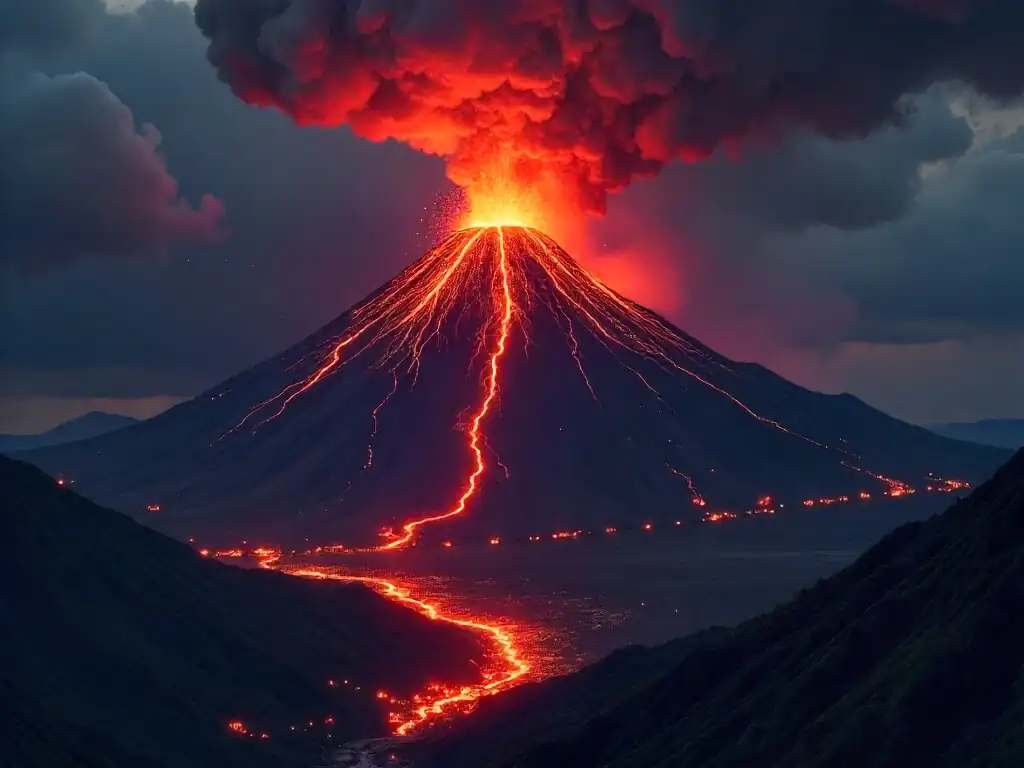
Prepare to journey into the heart of Earth's fiery giants. At Volcano Explorers, we uncover the secrets hidden within these magnificent, yet volatile, formations. Today, we're diving deep into a crucial piece of the climate puzzle: the impact of volcanic CO2 emissions. But is it truly as devastating as we think? Unearth the surprising truths and challenge your assumptions as we explore the long game volcanoes play in shaping our planet's climate. Dive in and discover more... if you dare.
- Understanding Volcanic CO2 Emissions and Earth's Climate
-
Frequently Asked Questions
- What is the main focus of VolcanoExplorers.org regarding volcanic CO2?
- How significant are volcanic CO2 emissions compared to human-caused emissions?
- Does VolcanoExplorers.org provide information on the methods used to measure volcanic CO2?
- How does the site address concerns about the potential for a large, sudden increase in volcanic CO2?
- Where can I find safety guidelines related to living near volcanoes on VolcanoExplorers.org?
- Final Reflection: The Enduring Breath of Volcanoes
- Ignite Your Understanding: Take Action on Volcanic CO2!
Understanding Volcanic CO2 Emissions and Earth's Climate
The Role of Volcanic Gases in the Global Carbon Cycle
The Earth's climate is intricately regulated by the global carbon cycle, a complex system that involves the exchange of carbon between the atmosphere, oceans, land, and the Earth's interior. Gases play a pivotal role in this cycle, particularly greenhouse gases like carbon dioxide (CO2), which trap heat and influence global temperatures.
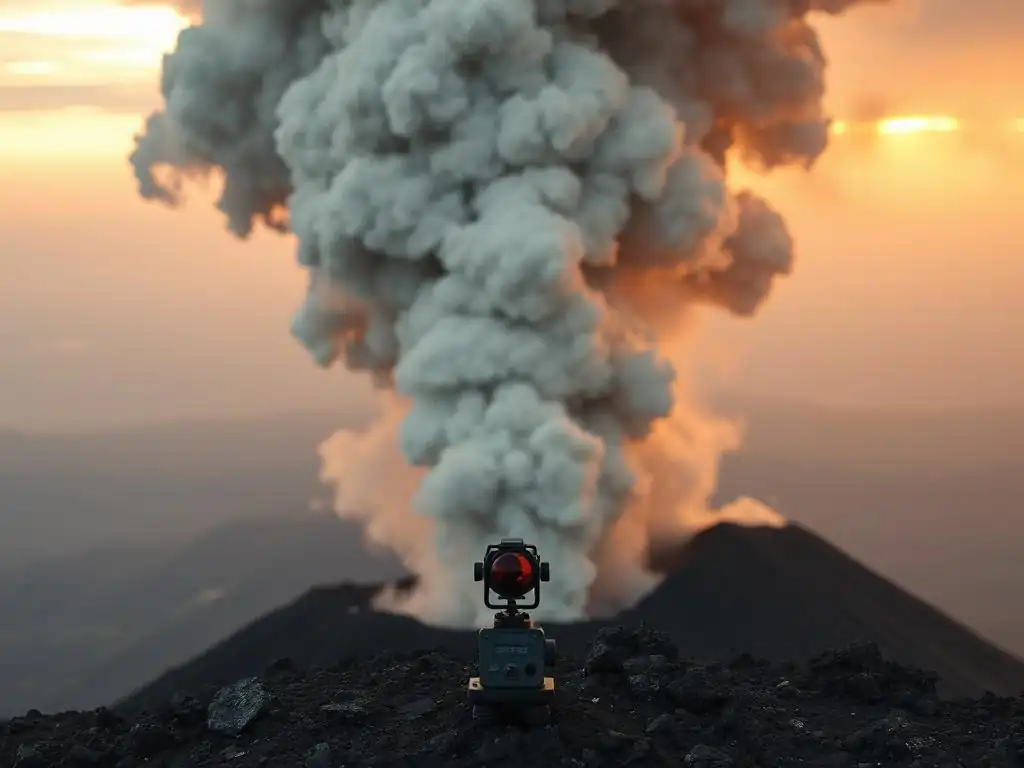
Volcanic gases, released from Earth's interior, are a natural component of this cycle, contributing various elements and compounds to the atmosphere and influencing the long-term carbon balance. These gases, primarily water vapor (H2O), carbon dioxide (CO2), sulfur dioxide (SO2), and hydrogen sulfide (H2S), are released during volcanic eruptions and through passive degassing from volcanoes and hydrothermal vents.
Within the carbon cycle, volcanic CO2 acts as a long-term carbon source. Deep within the Earth's mantle, carbon is stored in various forms. Magma generation processes bring this carbon to the surface, where it is released as CO2 gas.
This process has been ongoing for billions of years, constantly replenishing atmospheric CO2 levels over geological timescales. While the amount of CO2 released by volcanoes in any single year may seem small compared to other fluxes in the carbon cycle, its cumulative effect over millions of years is significant in shaping Earth's climate and atmospheric composition. This continuous input of volcanic CO2 is a crucial part of understanding the long-term dynamics of the global carbon cycle.
Distinguishing Volcanic CO2 from Anthropogenic CO2 Sources
It is crucial to distinguish between volcanic CO2 and anthropogenic CO2 when discussing the impact of CO2 emissions on climate change. Volcanic CO2 emissions are a natural part of the Earth's system and have been occurring for billions of years, maintaining a long-term balance in the carbon cycle. In contrast, anthropogenic CO2 emissions are those resulting from human activities, primarily the burning of fossil fuels, deforestation, and industrial processes.
The key difference lies in the timescale and the origin of the carbon. Volcanic CO2 is derived from the Earth's interior, representing a release of carbon that has been stored over millennia. Anthropogenic CO2, however, is largely derived from burning fossil fuels, which represent carbon that was sequestered from the atmosphere over millions of years and is now being rapidly reintroduced into the atmosphere.
Another critical distinction is the rate and magnitude of release. While volcanoes release CO2, the annual amount is relatively small compared to anthropogenic emissions. According to the United States Geological Survey (USGS), estimates suggest that volcanoes globally release around 200 to 300 million tonnes of CO2 into the atmosphere each year.
In stark contrast, human activities release over 30 billion tonnes of CO2 annually, approximately 100 times more than volcanic emissions. This massive difference in scale underscores that while volcanic CO2 is a natural component of the carbon cycle, the current rapid increase in atmospheric CO2 and its associated impact on climate change is overwhelmingly driven by anthropogenic sources, dwarfing the contribution of volcanic emissions. The impact of volcanic CO2 emissions on the climate is fundamentally different in nature and scale compared to the impact of anthropogenic CO2 emissions.
Frequently Asked Questions
What is the main focus of VolcanoExplorers.org regarding volcanic CO2?
VolcanoExplorers.org focuses on understanding the long-term impact of volcanic CO2 emissions on Earth's climate, examining its role in the Earth's carbon cycle and its historical significance.
How significant are volcanic CO2 emissions compared to human-caused emissions?
While volcanic CO2 emissions are substantial, they are generally considered much smaller than human-caused emissions from burning fossil fuels. The site explores this disparity in scale.
Does VolcanoExplorers.org provide information on the methods used to measure volcanic CO2?
Yes, the website likely details the methods used by volcanologists to measure volcanic CO2 emissions, including remote sensing techniques and direct sampling of volcanic gases.
How does the site address concerns about the potential for a large, sudden increase in volcanic CO2?
The site probably discusses the probability and potential impact of large volcanic eruptions that could release significant amounts of CO2. It would likely explore the historical evidence of such events.
The site includes safety guides and evacuation tips for those living near active volcanoes, offering advice on preparing for and responding to volcanic hazards, including gas emissions.
Final Reflection: The Enduring Breath of Volcanoes
The preceding exploration of volcanic CO2 emissions and their impact on Earth's climate reveals a truth that resonates profoundly today: geological processes, operating on timescales far beyond human comprehension, exert a continuous and undeniable influence on our planet's delicate balance. While anthropogenic emissions rightly dominate the current climate conversation, understanding the long game played by volcanic CO2 is crucial for a complete and nuanced perspective.
The subtle, yet persistent, contribution of volcanic CO2 has shaped our planet's atmosphere for billions of years, influencing everything from the evolution of life to the ebb and flow of ice ages. This understanding fosters a deeper appreciation for the interconnectedness of Earth's systems and the long-term consequences of even seemingly minor perturbations. The Earth does not belong to us: we belong to the Earth.
- Marlee Matlin. This quote reminds us that our actions, both natural and human-induced, are ultimately subservient to the planet's grand, geological narrative.
As we grapple with the urgent challenges of anthropogenic climate change, let us not forget the lessons learned from the Earth's deep history. Consider how the slow, steady breath of volcanoes has sculpted our world, and reflect on the responsibility we bear to mitigate our own, far more rapid and disruptive, impact. Let us strive to understand the long game, and act with wisdom and foresight to ensure a sustainable future for generations to come.
Ignite Your Understanding: Take Action on Volcanic CO2!
Thanks for delving into the complex world of volcanic CO2 and its impact on our planet's climate! Now that you're equipped with this knowledge, it's time to turn understanding into action and contribute to a deeper understanding of this critical field.
Here's how you can make a difference:
- Dive Deeper: Explore the interactive volcanic CO2 emissions map on our website to visualize global hotspots and contribute your own observations at VolcanoExplorers.org!
- Share the Knowledge: Spread awareness by sharing this article with your network and spark discussions about the long-term implications of volcanic CO2.
- Become a Citizen Scientist: Contribute to real research by documenting volcanic activity in your region and submitting your findings to our community database.
What new insights or questions did this article spark for you about the role of volcanoes in shaping our climate future?