
The Acid Test: Measuring the Severity of Volcanic Acid Rain Events

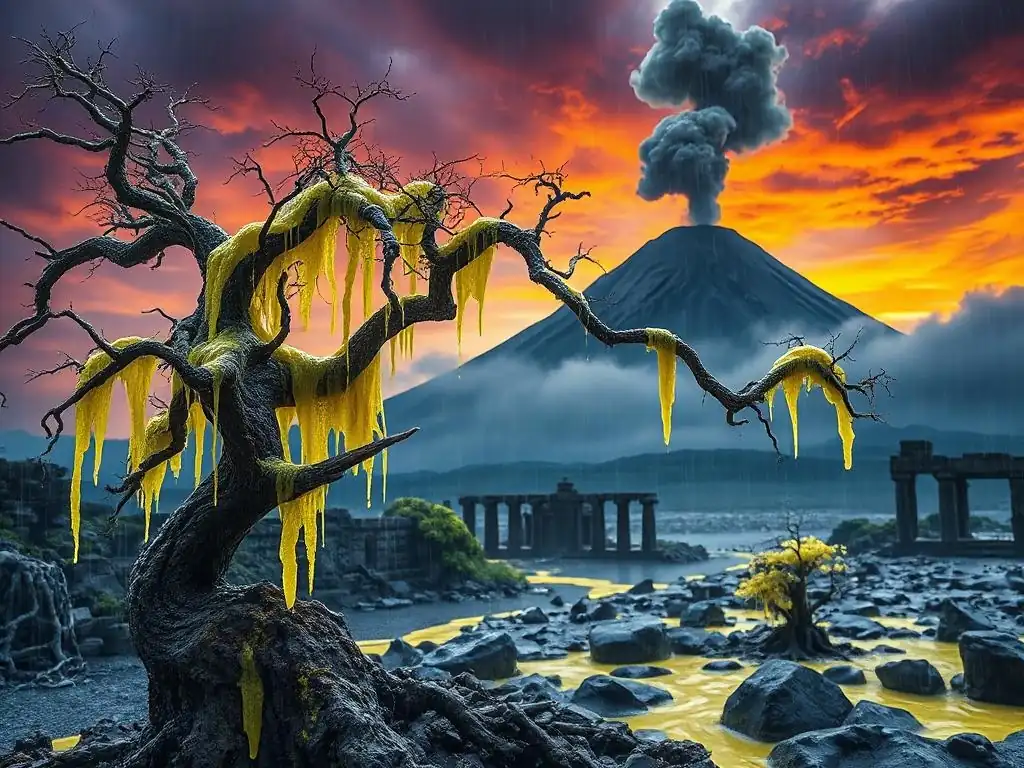
Welcome to Volcano Explorers, where the Earth breathes fire! Ever wondered about the unseen consequences of volcanic eruptions, far beyond the lava flows? Prepare to uncover a hidden threat: the insidious impact of volcanic acid rain. What secrets does it hold, and how drastically does it alter our world? Dive in and let's unravel the science behind this corrosive phenomenon.
- The Volcanic Acid Rain Index (VARI): Measuring Severity and Impact
- Understanding Volcanic Acid Rain: An Introduction
- Assessing the Impact of Volcanic Acid Rain: A Measurement Guide
- Severity Scales for Volcanic Acid Rain Events: A Comparative Analysis
- Case Studies: Applying the VARI to Real-World Volcanic Eruptions
- Mitigating the Effects of Volcanic Acid Rain: Protecting Communities and Ecosystems
- Conclusion: The Ongoing Challenge of Monitoring and Managing Volcanic Acid Rain
- Frequently Asked Questions
- Final Reflection: Understanding the Enduring Impact of Volcanic Acid Rain
- Unearth the Secrets of Volcanic Rain!
The Volcanic Acid Rain Index (VARI): Measuring Severity and Impact
Understanding Volcanic Acid Rain: An Introduction
What is Volcanic Acid Rain and Why Does it Matter?
Volcanic acid rain is a form of precipitation that is made acidic by emissions from a volcano. Unlike industrial acid rain, which is primarily caused by sulfur dioxide and nitrogen oxides from burning fossil fuels, volcanic acid rain originates from gases directly released by volcanic activity.
These gases, predominantly sulfur dioxide (SO2), hydrogen sulfide (H2S), hydrogen chloride (HCl), and hydrogen fluoride (HF), react with water vapor in the atmosphere to form sulfuric acid, sulfurous acid, hydrochloric acid, and hydrofluoric acid. The resulting precipitation can have a significantly lower pH than normal rain, which typically has a pH of around 5.6 due to dissolved atmospheric carbon dioxide.
The impact of volcanic acid rain is far-reaching and multifaceted, affecting both the environment and human infrastructure. Ecologically, it can lead to the acidification of lakes and rivers, harming aquatic life, damaging forests by leaching essential nutrients from the soil and damaging leaf tissues, and impacting agricultural productivity by corroding crops and contaminating soil. Economically, volcanic acid rain can cause significant damage to buildings, infrastructure, and cultural heritage sites, accelerating corrosion of metals and degradation of stone and paint.
Furthermore, it poses health risks to humans, primarily through respiratory irritation and skin and eye irritation, particularly for vulnerable populations like children and the elderly. Understanding and measuring the severity of volcanic acid rain events is crucial for effective hazard assessment, mitigation strategies, and protecting communities and ecosystems in volcanically active regions.
The Connection Between Volcanic Eruptions and Acid Rain Formation
Volcanic eruptions are the primary drivers of volcanic acid rain events, but not all eruptions lead to significant acid rain. The connection lies in the release of volcanic gases during both explosive and effusive eruptions. Explosive eruptions, characterized by violent ejection of ash and gas, can inject large quantities of gas high into the atmosphere, where they can be transported over long distances.
Effusive eruptions, while less dramatic, can also release substantial amounts of gas over extended periods, particularly from lava flows and degassing vents. The type of eruption, the composition of the magma, and the prevailing meteorological conditions all play critical roles in determining the extent and severity of acid rain formation.
The process of acid rain formation begins with the release of these volcanic gases into the atmosphere. Sulfur dioxide (SO2) is typically the most abundant gas emitted by volcanoes and is a major contributor to acid rain. Once airborne, SO2 undergoes oxidation, reacting with oxygen and water vapor in the presence of sunlight and catalysts to form sulfuric acid (H2SO4).
Similarly, hydrogen chloride (HCl) and hydrogen fluoride (HF) dissolve in atmospheric moisture to form hydrochloric acid and hydrofluoric acid, respectively. These acidic compounds are then incorporated into water droplets in clouds, eventually falling to the ground as acid rain, fog, snow, or dry deposition.
The distance and area affected by volcanic acid rain depend on factors such as the height of the eruption plume, wind patterns, rainfall, and the amount and type of gases released. For instance, eruptions with high plumes that reach the stratosphere can disperse gases globally, potentially contributing to longer-term, albeit diluted, acid rain effects, while lower-level emissions tend to have more localized and intense impacts.
Key Components of Volcanic Emissions Contributing to Acid Rain
Several key components of volcanic emissions are responsible for the formation of acid rain, with sulfur dioxide (SO2) being the most significant. Sulfur dioxide is released in large quantities during volcanic eruptions and degassing, and its atmospheric oxidation products are the primary drivers of increased acidity in precipitation.
Global estimates suggest that volcanoes release millions of tons of sulfur dioxide into the atmosphere annually, although the precise amount varies greatly depending on volcanic activity. For example, during the 1783-1784 Laki fissure eruption in Iceland, it is estimated that over 120 million tons of sulfur dioxide were released, leading to widespread environmental and societal impacts across Europe.
Beyond sulfur dioxide, other volcanic gases contribute to the acidity of rain, although typically to a lesser extent. Hydrogen chloride (HCl) is another significant acidic gas emitted by volcanoes, particularly during eruptions involving magma with high chlorine content. While HCl is more readily soluble in water than SO2, and therefore tends to be deposited closer to the volcanic source, it can still contribute to localized acid rain events.
Hydrogen fluoride (HF), although usually emitted in smaller quantities compared to SO2 and HCl, is highly reactive and toxic. HF can also contribute to acid rain and poses a significant hazard due to its corrosive nature and potential for bioaccumulation in plants and animals.
Other minor acidic components in volcanic emissions can include hydrogen sulfide (H2S), which can oxidize to form sulfurous acid, and various halogen compounds. The relative contribution of each gas to acid rain depends on the specific volcanic system, the magma composition, and the eruption style, but SO2 consistently remains the dominant factor in volcanic acid rain formation globally.
Assessing the Impact of Volcanic Acid Rain: A Measurement Guide
Methods for Measuring the Acidity (pH) of Volcanic Acid Rain
Measuring the acidity of volcanic acid rain, typically expressed as pH, is crucial for assessing its severity and potential impact. pH is a logarithmic scale that measures the concentration of hydrogen ions in a solution; lower pH values indicate higher acidity. For practical field measurements, portable pH meters are commonly used.
These devices utilize electrodes that are sensitive to hydrogen ion concentration and provide a direct digital readout of the pH. Calibration of pH meters is essential before each use, typically using buffer solutions of known pH values (e.g., pH 4, pH 7, and pH 10) to ensure accuracy. For more precise laboratory measurements, benchtop pH meters with higher accuracy and resolution are employed.
Another method for estimating pH in the field, particularly for rapid assessments or in situations where electronic equipment is not feasible, involves using pH indicator papers or solutions. These indicators change color depending on the pH of the solution, providing a visual estimation of acidity. pH indicator papers are convenient and inexpensive, but their accuracy is generally lower than that of electronic meters.
For volcanic acid rain specifically, it is important to measure the pH of freshly collected rainwater samples as soon as possible, as the chemical composition and pH can change over time due to degassing or further reactions with atmospheric components. Collecting multiple samples from different locations and at different times during and after a volcanic event is also recommended to obtain a representative assessment of the spatial and temporal variability of acid rain acidity.
Collecting Samples Safely: A Guide for Field Researchers
Collecting samples of volcanic acid rain requires careful planning and adherence to safety protocols due to the hazardous nature of volcanic environments and the corrosive properties of acid rain itself. Volcanic areas can be dangerous due to ongoing eruptions, gas emissions, unstable terrain, and potential for lahars or pyroclastic flows.
Researchers must prioritize safety by conducting thorough risk assessments before fieldwork, monitoring volcanic activity updates, and being aware of evacuation routes and emergency procedures. Wearing appropriate personal protective equipment (PPE) is paramount, including acid-resistant rain gear, gloves, eye protection (goggles or face shields), and respirators or gas masks, especially in areas with high gas concentrations.
When collecting rainwater samples, it is crucial to use inert and acid-resistant containers, typically made of polyethylene or Teflon, to avoid contamination or reactions with the sample. Containers should be pre-cleaned and rinsed with deionized water.
Samples should be collected in open areas away from potential contamination sources like trees or buildings, using funnels and collection bottles mounted on stands or secured to avoid spillage. It is important to record the date, time, location (GPS coordinates), and any relevant meteorological conditions (e.g., rainfall intensity, wind direction) at each sampling site.
After collection, samples should be tightly sealed, labeled clearly, and stored in a cool, dark place to minimize chemical changes until they can be analyzed in a laboratory. For samples intended for detailed chemical analysis, it may be necessary to filter them in the field using acid-resistant filters to remove particulate matter, and to preserve them with appropriate reagents if immediate analysis is not possible.
Analyzing the Chemical Composition of Volcanic Acid Rain Samples
Measuring Sulfur Dioxide (SO2) Levels: A Critical Indicator
Analyzing the chemical composition of volcanic acid rain samples provides critical insights into the sources and severity of the acid rain event. Measuring sulfur dioxide (SO2) levels, or more accurately, its reaction products in rainwater such as sulfate (SO4^2-), is particularly important as SO2 is the primary driver of volcanic acid rain. In the laboratory, sulfate concentration in rainwater samples is commonly determined using ion chromatography (IC).
IC is a technique that separates ions based on their charge and size, allowing for the precise quantification of sulfate and other anions present in the sample. The results are typically expressed in parts per million (ppm) or milligrams per liter (mg/L) of sulfate.
Another method for measuring sulfur species in acid rain samples involves spectrophotometry. This technique uses chemical reactions to produce colored compounds whose absorbance at specific wavelengths is proportional to the concentration of the target analyte. For sulfate, the barium chloride turbidimetric method is a common spectrophotometric approach. This method involves precipitating sulfate as barium sulfate (BaSO4), and measuring the turbidity (cloudiness) of the solution, which is related to the sulfate concentration.
While spectrophotometric methods can be less precise than IC, they are often more accessible and cost-effective. Real-time monitoring of SO2 concentrations in the atmosphere near volcanoes can also be achieved using specialized gas analyzers based on techniques like ultraviolet fluorescence or non-dispersive infrared (NDIR) spectroscopy. These instruments provide continuous measurements of SO2 levels in the air, which can be correlated with acid rain events and used for early warning systems.
Identifying Other Acidic Compounds: Hydrogen Chloride (HCl), Hydrogen Fluoride (HF)
Beyond sulfur compounds, identifying and quantifying other acidic components like hydrogen chloride (HCl) and hydrogen fluoride (HF) in volcanic acid rain is crucial for a comprehensive assessment of its chemical impact. Hydrogen chloride in rainwater is typically analyzed by measuring chloride (Cl-) concentration using ion chromatography, similar to sulfate analysis. Ion-selective electrodes (ISEs) can also be used for chloride measurements, providing a simpler and more rapid method, although potentially with slightly lower accuracy than IC. The results are typically expressed in ppm or mg/L of chloride.
Hydrogen fluoride, or more precisely fluoride (F-) in rainwater, presents a greater analytical challenge due to its reactivity and potential for complexation with other ions. Ion chromatography is also a preferred method for fluoride analysis, offering good sensitivity and selectivity. However, pre-treatment of samples might be necessary to remove interfering ions and ensure accurate fluoride quantification. Fluoride-selective electrodes are also available, but their performance can be affected by pH and the presence of certain metal ions.
Another technique for fluoride analysis is spectrophotometry using reagents that form colored complexes with fluoride ions, such as the SPADNS method. This method is relatively simple and cost-effective, but requires careful control of pH and potential interferences. Due to the high toxicity and reactivity of HF, specialized sampling and analytical protocols are often required, and laboratories conducting HF analysis must have appropriate safety measures in place to handle this hazardous compound.
Severity Scales for Volcanic Acid Rain Events: A Comparative Analysis
Existing Acid Rain Severity Scales and Their Limitations in Volcanic Contexts
Existing acid rain severity scales, primarily developed in the context of industrial pollution, are often inadequate for accurately assessing the specific impacts of volcanic acid rain. These scales, such as those based solely on pH levels or bulk acidity deposition, may not fully capture the unique characteristics of volcanic acid rain, which is often characterized by episodic events, high concentrations of specific acidic compounds like HCl and HF, and complex spatial and temporal variability related to volcanic plumes and meteorological conditions.
For instance, a simple pH-based scale might classify volcanic acid rain as "severe" based on a low pH value, but it may not differentiate between acid rain dominated by sulfuric acid versus that dominated by highly corrosive hydrofluoric acid, which have different environmental and health implications.
Furthermore, existing scales often focus on long-term chronic acid deposition from industrial sources, while volcanic acid rain events are typically short-lived but can be intensely acidic. The rapid onset and decline of volcanic acid rain, coupled with the pulsed nature of volcanic gas emissions, mean that cumulative deposition metrics used in industrial acid rain assessments may not be directly applicable.
The spatial scale of impact also differs; industrial acid rain tends to be regional, affecting broad areas downwind of pollution sources, whereas volcanic acid rain can be highly localized around the volcano, with sharp gradients in acidity depending on plume dispersion and rainfall patterns. Therefore, a volcanic-specific severity scale needs to consider not only pH but also the concentration of key acidic components, the duration and intensity of the event, and the specific environmental and societal vulnerabilities in volcanic regions.
Developing the Volcanic Acid Rain Index (VARI): A Quantitative Approach
To address the limitations of existing scales, a Volcanic Acid Rain Index (VARI) is proposed as a more tailored and quantitative approach to assess the severity and potential impact of volcanic acid rain events. The VARI aims to integrate multiple parameters that are crucial for characterizing volcanic acid rain, providing a more comprehensive and nuanced assessment compared to single-parameter scales.
The index is designed to be adaptable to different volcanic contexts and data availability, allowing for consistent and comparable severity assessments across various volcanic eruptions and regions. By combining key indicators of acid rain intensity and duration, the VARI can provide a more robust measure of the overall impact potential.
The VARI is envisioned as a numerical index, where higher scores indicate more severe volcanic acid rain events with potentially greater environmental and societal consequences. The development of the VARI involves selecting relevant parameters, defining weighting factors based on their relative importance, and establishing a calculation methodology to combine these parameters into a single index score.
The index should be validated against real-world volcanic acid rain events and refined based on empirical data and expert judgment to ensure its accuracy, reliability, and practical applicability for hazard assessment and mitigation planning. The goal is to create a tool that is both scientifically sound and user-friendly for volcanologists, environmental managers, and communities living in volcanic regions.
Parameters Considered in the VARI: pH, Sulfate Deposition, Rainfall Duration
The Volcanic Acid Rain Index (VARI) incorporates several key parameters to provide a holistic assessment of volcanic acid rain severity. Three primary parameters are considered: pH, sulfate deposition, and rainfall duration. pH is a direct measure of acidity and reflects the intensity of the acid rain event.
Lower pH values indicate higher acidity and thus a greater potential for corrosive and damaging effects. Sulfate deposition, typically measured in kilograms per hectare (kg/ha) or pounds per acre (lbs/acre), represents the total amount of sulfate deposited over a given area and time period. Sulfate deposition is a proxy for the cumulative impact of sulfurous and sulfuric acids, which are major contributors to environmental acidification.
Rainfall duration is included to account for the length of exposure to acid rain. Longer rainfall events, even with moderate acidity levels, can lead to greater cumulative deposition and increased impact compared to short, intense events. Duration can be measured in hours or days and reflects the temporal extent of the acid rain episode.
These three parameters – pH, sulfate deposition, and rainfall duration – are considered fundamental indicators of volcanic acid rain severity, capturing both the intensity of acidity and the cumulative exposure. Future iterations of the VARI could potentially incorporate other parameters, such as concentrations of other acidic components (e.g., HCl, HF), meteorological factors (e.g., wind direction, rainfall intensity), and ecological or societal vulnerability factors to further refine the index and enhance its predictive capabilities.
Calculating the VARI Score: A Step-by-Step Explanation
Calculating the Volcanic Acid Rain Index (VARI) involves a standardized step-by-step process to ensure consistency and comparability across different volcanic events. While the precise formula and weighting factors for the VARI would require further scientific validation and calibration, a conceptual framework for calculation can be outlined. Step one involves collecting data for each of the chosen parameters: pH, sulfate deposition, and rainfall duration. This data would typically be obtained from field measurements, laboratory analyses of rainwater samples, and meteorological records.
For pH, the minimum pH value recorded during the acid rain event could be used. For sulfate deposition, the total sulfate deposition over the affected area and duration of the event would be calculated or estimated. Rainfall duration would be the total time period during which acid rain was observed.
Step two involves normalizing or scaling each parameter to a common scale to allow for their combination into a single index. This could involve converting each parameter to a dimensionless score based on predefined thresholds or ranges. For example, pH values could be categorized into severity levels (e.g., pH < 3, 3-4, 4-5, etc.)
with corresponding scores, sulfate deposition could be scaled based on typical background levels and impact thresholds, and rainfall duration could be categorized into duration classes. Step three involves applying weighting factors to each normalized parameter score to reflect their relative importance in determining overall acid rain severity. For instance, pH might be assigned a higher weighting factor than rainfall duration due to its direct influence on acidity.
Step four involves combining the weighted scores for each parameter using a mathematical formula, such as a weighted sum or a multiplicative index, to arrive at a final VARI score. The resulting VARI score would then be categorized into severity levels (e.g., low, moderate, high, severe) based on predefined score ranges, providing a clear and concise assessment of the volcanic acid rain event's severity.
Case Studies: Applying the VARI to Real-World Volcanic Eruptions
Case Study 1: Kilauea Eruption (2018) - Assessing the Acid Rain Impact
The 2018 Kilauea eruption in Hawaii provides a compelling case study for assessing volcanic acid rain impact using the proposed VARI. This eruption, characterized by both summit caldera collapse and lower East Rift Zone fissure eruptions, released significant quantities of volcanic gases, particularly sulfur dioxide, over several months. The eruption resulted in widespread "vog" (volcanic smog) and acid rain across the Hawaiian Islands, particularly on the Big Island downwind of the eruptive vents. Applying the VARI framework to this event allows for a structured evaluation of its acid rain severity and environmental consequences.
Pre-Eruption Baseline Data: Air Quality and Rainfall pH
Prior to the 2018 Kilauea eruption, baseline air quality data and rainfall pH measurements for the Big Island provided a reference point for assessing the changes induced by the volcanic activity. Typical pre-eruption rainfall pH in Hawaii is slightly acidic, around 5.0 to 5.5, due to natural sources of acidity, including sea salt aerosols and biogenic sulfur compounds. Background sulfate deposition rates were also relatively low, reflecting the island's remote location and clean air conditions.
Air quality monitoring stations routinely measured ambient concentrations of SO2 and particulate matter, providing data on typical levels before the eruption. This pre-eruption data is crucial for establishing a baseline against which to compare post-eruption measurements and quantify the impact of volcanic acid rain.
Post-Eruption Acid Rain Measurements and VARI Score
During and after the 2018 Kilauea eruption, significant changes in acid rain characteristics were observed. Rainfall pH measurements downwind of the eruption frequently dropped below 4.0, with some measurements reaching as low as 3.0 or even lower in areas closest to the volcanic vents. Sulfate deposition rates increased dramatically, particularly in areas experiencing persistent vog and acid rain.
Measurements from monitoring stations and research studies documented substantial increases in atmospheric SO2 concentrations, often exceeding regulatory air quality standards. Applying the VARI framework, these post-eruption measurements of pH, sulfate deposition, and rainfall duration would be used to calculate a VARI score for the 2018 Kilauea acid rain event.
Based on the observed acidity levels and widespread impact, it is likely that the Kilauea 2018 eruption would receive a high VARI score, indicating a severe acid rain event. (Note: Actual VARI score calculation would require specific data and a defined VARI formula, which is beyond the scope of this example but serves to illustrate the application of the framework.)
Environmental Impact Analysis: Vegetation Damage and Water Quality Changes
The environmental impact of acid rain from the 2018 Kilauea eruption was evident across the Big Island. Vegetation damage, including leaf necrosis, defoliation, and reduced growth, was observed in forests and agricultural areas downwind of the eruption. Sensitive plant species, such as orchids and native ferns, showed particularly severe damage. Water quality in streams and lakes also experienced changes.
While large-scale acidification of water bodies was not widely reported, localized acidification and increased sulfate concentrations were detected in some surface waters. The acid rain also contributed to the leaching of metals from soils, potentially affecting soil chemistry and nutrient availability in the long term. Furthermore, the persistent vog and acid rain exacerbated respiratory problems for residents, particularly those with pre-existing respiratory conditions. The Kilauea 2018 case study highlights the multifaceted environmental and health impacts of volcanic acid rain and underscores the importance of effective monitoring and mitigation strategies.
Case Study 2: Mount Nyiragongo Eruption (2002) - A Different Volcanic Acid Rain Scenario
The 2002 eruption of Mount Nyiragongo in the Democratic Republic of Congo presents a contrasting case study of volcanic acid rain, highlighting the influence of different volcanic and environmental factors on acid rain severity and impact. Unlike the predominantly effusive and gas-rich Kilauea eruption, the Nyiragongo 2002 eruption was characterized by a rapid and voluminous lava flow that devastated parts of the city of Goma. While gas emissions were also significant, the eruption dynamics and the local environmental context led to a different acid rain scenario.
Factors Influencing the Severity of Acid Rain in This Case
Several factors influenced the severity and characteristics of acid rain associated with the Nyiragongo 2002 eruption. The rapid eruption onset and relatively short duration, compared to Kilauea 2018, meant that the period of intense gas release was more concentrated in time. The lava composition of Nyiragongo, known for its highly fluid and fast-moving lava, may have also influenced the type and amount of gas released.
Furthermore, the location of Nyiragongo, situated near a densely populated urban area and surrounded by Lake Kivu, a large lake with unique chemical properties, introduced different environmental sensitivities compared to the more rural and oceanic setting of Kilauea. The pre-existing air quality and rainfall chemistry in the Goma region, potentially influenced by regional atmospheric pollution and lake degassing, also differed from the Hawaiian baseline.
Comparison with the Kilauea Eruption: Lessons Learned
Comparing the Nyiragongo 2002 acid rain scenario with the Kilauea 2018 case reveals important lessons about the variability of volcanic acid rain and the factors influencing its impact. While both eruptions released significant volcanic gases, the Nyiragongo eruption, despite its devastating lava flows, may have resulted in a different type and magnitude of acid rain impact compared to Kilauea.
The rapid eruption onset and the proximity to Lake Kivu might have led to localized and intense acid rain events, potentially affecting water quality in the lake and surrounding areas. However, the shorter eruption duration and different gas emission characteristics could have resulted in a less prolonged and widespread acid rain impact compared to the multi-month Kilauea eruption.
Applying the VARI framework to the Nyiragongo 2002 eruption, using available data on rainfall pH, gas emissions, and meteorological conditions, would allow for a quantitative comparison of the acid rain severity between these two contrasting volcanic events. Such comparative case studies are crucial for refining the VARI and improving our understanding of the diverse factors that shape volcanic acid rain and its impacts globally.
Mitigating the Effects of Volcanic Acid Rain: Protecting Communities and Ecosystems
Strategies for Reducing Exposure to Volcanic Acid Rain
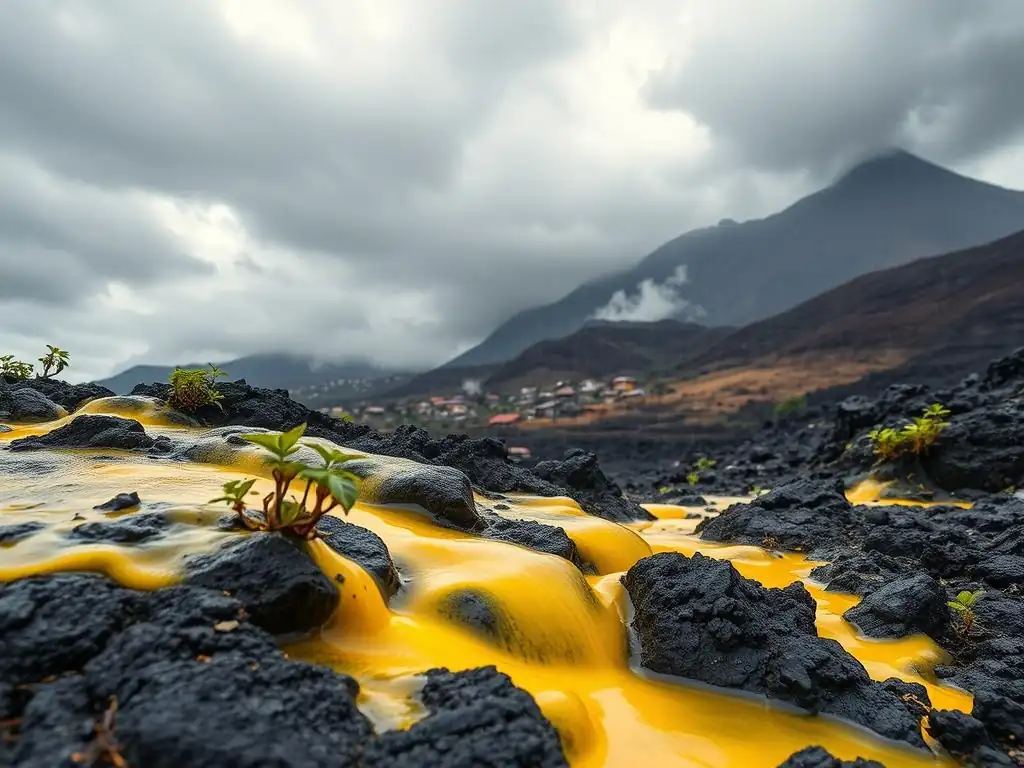
Mitigating the effects of volcanic acid rain requires a multi-faceted approach, focusing on reducing exposure for both communities and ecosystems. For human populations, public health advisories and early warning systems are crucial. These systems should provide timely information about volcanic activity, potential for acid rain events, and recommended protective measures.
During acid rain events, individuals should be advised to stay indoors, close windows and doors, and use air conditioning if available to minimize exposure to acidic air and precipitation. Wearing protective clothing, including rain gear, gloves, and eye protection, is recommended when outdoor activities are unavoidable. Respiratory protection, such as masks or respirators, may be necessary for individuals with respiratory sensitivities or those working outdoors in areas with high gas concentrations.
For infrastructure and buildings, protective coatings and materials can be used to reduce corrosion from acid rain. Regular cleaning and maintenance of buildings can help remove acidic deposits and prevent long-term damage. In areas prone to volcanic acid rain, urban planning and building codes should consider acid rain resistance in material selection and design.
Community preparedness plans should include measures for responding to acid rain events, such as providing access to protective equipment, establishing designated shelters, and ensuring access to clean water supplies. Public education campaigns are essential to raise awareness about the risks of volcanic acid rain and promote preparedness measures within communities living near active volcanoes.
Protective Measures for Agriculture
Agriculture is particularly vulnerable to the impact of volcanic acid rain, and specific protective measures are necessary to minimize crop damage and ensure food security. One primary strategy is to use protective coverings for crops, such as greenhouses or plastic sheeting, especially for high-value or sensitive crops during periods of volcanic activity. For open-field agriculture, applying lime or other alkaline amendments to the soil can help neutralize soil acidity and buffer against acid rain effects. Foliar application of neutralizing agents, such as calcium carbonate solutions, can also protect plant leaves from direct acid rain damage.
Crop diversification and selection of acid-tolerant crop varieties can enhance agricultural resilience in volcanic regions. Developing early warning systems specifically for agricultural impacts, based on volcanic gas monitoring and weather forecasts, can allow farmers to take proactive measures to protect their crops. Providing farmers with access to information, resources, and training on acid rain mitigation strategies is crucial.
Post-acid rain event management should include assessing crop damage, soil testing to monitor acidity changes, and implementing appropriate soil remediation measures. Long-term agricultural planning in volcanic areas should consider the potential for recurring acid rain events and incorporate sustainable farming practices that enhance soil health and resilience to acidification.
Recommendations for Protecting Water Supplies
Protecting water supplies from volcanic acid rain contamination is vital for public health and ecosystem integrity. Surface water sources, such as lakes, rivers, and reservoirs, are particularly vulnerable to acidification from acid rain deposition. Water treatment plants should be prepared to adjust treatment processes to address potential changes in water chemistry due to acid rain, such as increased acidity and elevated sulfate and metal concentrations.
This may involve adjusting pH control measures, enhancing filtration, and monitoring for specific contaminants. Protecting watersheds and riparian zones through reforestation and conservation efforts can help buffer against acid rain impacts and maintain water quality.
For communities relying on rainwater harvesting, it is essential to provide guidance on safe collection and storage practices during volcanic events. Rainwater collected during acid rain events may not be suitable for direct consumption without treatment. Alternative water sources, such as groundwater wells, should be secured and protected from contamination.
Regular monitoring of water quality in both surface and groundwater sources is crucial in volcanic regions to detect and respond to acid rain impacts. Public health agencies should provide clear guidelines on water safety during volcanic events, including recommendations for boiling or treating water if necessary. Long-term water resource management in volcanic areas should integrate volcanic hazard assessments and preparedness plans to ensure sustainable and safe water supplies.
Long-Term Monitoring and Research: Improving Our Understanding of Volcanic Acid Rain
Long-term monitoring and research are essential for improving our understanding of volcanic acid rain, its impacts, and effective mitigation strategies. Continuous monitoring of volcanic gas emissions, particularly SO2, HCl, and HF, is crucial for tracking volcanic activity and forecasting potential acid rain events. Establishing and maintaining networks of rainfall monitoring stations in volcanic regions, equipped with pH meters and sample collection capabilities, is necessary to track acid rain acidity and deposition patterns over time. Air quality monitoring stations should also be deployed to measure ambient concentrations of volcanic gases and aerosols.
Research efforts should focus on several key areas, including: improving our understanding of the atmospheric chemistry of volcanic gases and acid rain formation processes; assessing the long-term ecological impacts of volcanic acid rain on different ecosystems and species; investigating the effects of acid rain on human health, particularly respiratory and cardiovascular health; developing and validating the Volcanic Acid Rain Index (VARI) and refining its parameters and calculation methodology; evaluating the effectiveness of different mitigation strategies for protecting communities, agriculture, and water resources; and improving forecasting models for volcanic acid rain events, incorporating volcanic, meteorological, and atmospheric data. International collaboration and data sharing are crucial for advancing research and monitoring efforts, particularly for volcanoes that pose transboundary acid rain hazards.
Sustained investment in research and monitoring infrastructure is essential for enhancing our preparedness and resilience to volcanic acid rain and its multifaceted impacts.
Conclusion: The Ongoing Challenge of Monitoring and Managing Volcanic Acid Rain
The Importance of Continued Research and Collaboration
Volcanic acid rain represents an ongoing environmental and societal challenge in volcanically active regions worldwide. Its complex nature, variable impacts, and the inherent unpredictability of volcanic eruptions necessitate continued research, monitoring, and collaborative efforts to effectively manage its risks.
The development and refinement of tools like the Volcanic Acid Rain Index (VARI) are crucial for improving our ability to assess the severity and potential consequences of volcanic acid rain events. Sustained investment in long-term monitoring networks, encompassing volcanic gas emissions, rainfall chemistry, air quality, and ecological and health indicators, is essential for tracking trends, detecting changes, and providing timely warnings.
International collaboration among volcanologists, atmospheric scientists, environmental researchers, public health experts, and disaster management agencies is paramount. Sharing data, knowledge, and best practices across different volcanic regions can accelerate progress in understanding and mitigating volcanic acid rain impacts globally. Community engagement and public education are also vital components of effective management strategies.
Empowering communities living near volcanoes with knowledge about acid rain risks, preparedness measures, and early warning systems enhances their resilience and reduces vulnerability. The ongoing challenge of monitoring and managing volcanic acid rain requires a holistic and integrated approach, combining scientific advancements, technological innovation, policy development, and community participation to protect both human populations and the environment in the face of these powerful natural phenomena.
Frequently Asked Questions
How does volcanic acid rain form?
Volcanic acid rain forms when volcanic gases, primarily sulfur dioxide, react with water vapor in the atmosphere. This creates sulfuric acid and other acidic compounds, which then fall to the ground as rain.
What are the primary components of volcanic acid rain?
The main components are sulfuric acid and other acidic compounds, formed from the interaction of volcanic gases like sulfur dioxide with water. The concentration of these acids determines the severity of the acid rain.
What are the impacts of volcanic acid rain on vegetation?
Volcanic acid rain can severely damage or kill vegetation by burning leaves and disrupting plant physiology. This can lead to crop failures and deforestation in affected areas.
How does volcanic acid rain affect water sources?
Acid rain can acidify lakes and streams, harming aquatic life. It can also mobilize heavy metals from the soil into the water, making it unsafe for drinking and other uses.
What can people do to protect themselves from volcanic acid rain?
During acid rain events, people should stay indoors, cover exposed skin, and protect water sources. Wearing protective clothing and using umbrellas can also minimize exposure.
Final Reflection: Understanding the Enduring Impact of Volcanic Acid Rain
The data presented throughout this article underscores a critical reality: volcanic acid rain is not a distant, theoretical threat, but a tangible and ongoing environmental challenge. Its impact, measured by the "acid test" we've explored, extends far beyond immediate eruptions, leaving a lasting legacy on ecosystems, infrastructure, and even human health in vulnerable regions. Understanding the severity of these events is paramount to mitigating their devastating consequences.
This research has deeply influenced my perspective on the interconnectedness of geological activity and environmental well-being. Witnessing the tangible damage caused by volcanic acid rain, even through data and analysis, reinforces the urgent need for proactive monitoring and mitigation strategies. The Earth will not continue to offer its harvest, except with faithful stewardship. We cannot say we love the land and then take steps to destroy it for use by future generations.
- John Paul II. This quote resonates deeply, reminding us that our responsibility extends beyond the present, demanding we protect the environment from the long-term effects of events like volcanic acid rain.
Now, consider the implications of this research in your own life. How can you, as an informed citizen, contribute to a greater understanding and awareness of the impact of volcanic acid rain? Whether it's supporting scientific research, advocating for responsible environmental policies, or simply educating others about this often-overlooked threat, your actions can make a difference. Let us all strive to be better stewards of our planet, ensuring a healthier and more resilient future for generations to come.
Unearth the Secrets of Volcanic Rain!
Thank you for exploring the fascinating world of volcanic acid rain. We hope this article has illuminated the crucial research underway to understand and mitigate its impact. Now, let's translate knowledge into action!
Here's how you can contribute to our understanding:
- Report a Recent Event: If you live near a volcanic region and have witnessed unusual rainfall recently, please share your observations with us. Your firsthand accounts are invaluable!
- Dive deeper into the science! Explore the Volcano Explorers' Resource Library for detailed analyses and scientific papers on volcanic activity and atmospheric impacts.
- Spread the Word: Share this article with your network to raise awareness about the environmental challenges posed by volcanic acid rain. Use #VolcanoRain and #AcidRainAwareness.
What steps will you take to become a more informed explorer of our planet's volcanic landscapes?