
What Are Volcanic Bombs? Nature's Explosive Projectiles Explained

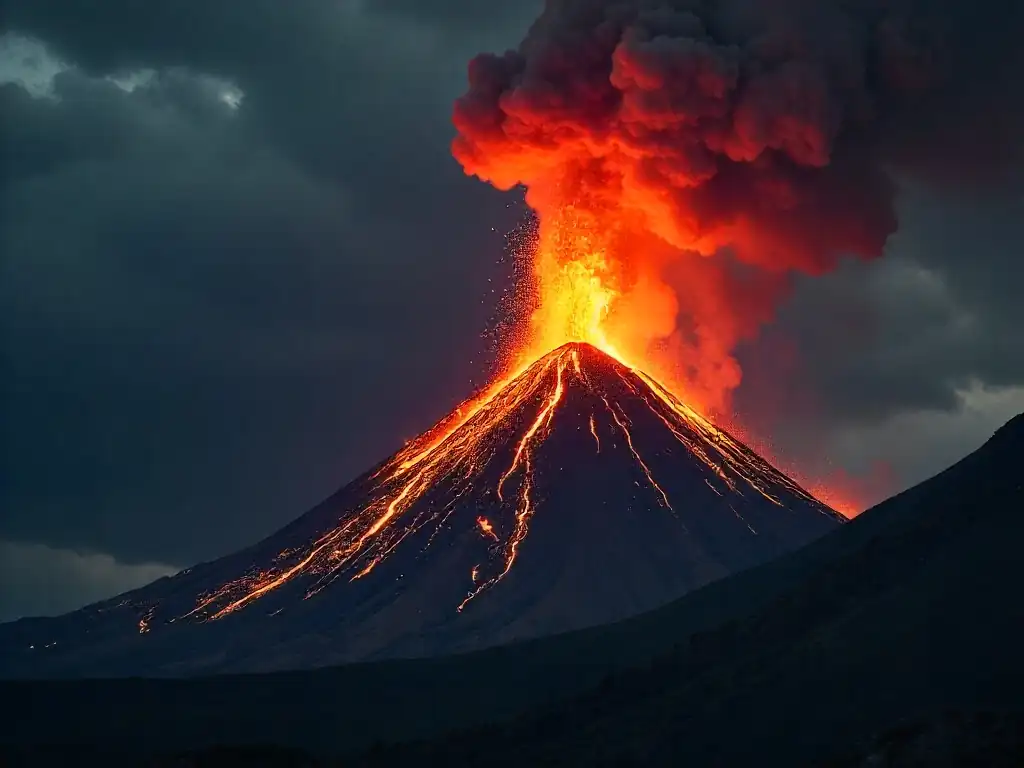
Welcome to Volcano Explorers, where we uncover the Earth's most fiery secrets! Ever wondered about the explosive projectiles launched from the heart of a volcano? Today, we're diving deep into the science behind these geological grenades to answer the burning question: what are volcanic bombs? Prepare to be amazed by their formation, trajectory, and the sheer destructive power they unleash. Are you ready to explore these molten missiles?
- Understanding Volcanic Bombs: An Introduction for Volcano Explorers
- Volcanic Bomb Formation: How Nature Creates Explosive Projectiles
- Types of Volcanic Bombs: Classifying Nature's Projectiles
- Volcanic Bomb Size and Composition: Factors Defining Their Impact
- The Trajectory and Range of Volcanic Bombs: Predicting the Danger Zone
- Volcanic Bombs vs. Other Volcanic Ejecta: A Comparative Analysis
- The Dangers of Volcanic Bombs: Risks and Safety Measures
- Famous Volcanic Bomb Incidents: Case Studies of Explosive Events
- Studying Volcanic Bombs: Volcanologist's Insights
- Volcanic Bomb Photography: Capturing Nature's Explosive Beauty
- Conclusion: Appreciating the Power and Peril of Volcanic Bombs
-
Frequently Asked Questions
- What exactly are volcanic bombs?
- How are volcanic bombs different from other volcanic ejecta, like ash or lapilli?
- What shapes can volcanic bombs take, and why?
- Are volcanic bombs dangerous, and what precautions should be taken near active volcanoes?
- Where can I find more information about volcanic bombs and other volcanic phenomena?
- Final Reflection: Embracing the Raw Power of Volcanic Creation
- Ignite Your Curiosity: Explore the Fiery World of Volcanoes!
Understanding Volcanic Bombs: An Introduction for Volcano Explorers
Volcanoes are known for their spectacular and often dangerous eruptions, spewing ash, gas, and molten rock high into the atmosphere. Among the most dramatic and hazardous ejecta from explosive eruptions are volcanic bombs. But what are volcanic bombs exactly?
Simply put, volcanic bombs are blobs of molten or semi-molten rock, larger than 64 millimeters (2.5 inches) in diameter, that are ejected from a volcano during an eruption. Imagine fiery projectiles hurled from the Earth's depths, solidifying as they fly through the air before crashing back down to the ground – these are volcanic bombs. They are a testament to the raw power of volcanic activity and pose a significant hazard in areas surrounding erupting volcanoes.
For volcano enthusiasts and those interested in understanding volcanic phenomena, learning about volcanic bombs is crucial. They offer valuable insights into the eruptive processes and the composition of magma. Moreover, understanding the characteristics and behavior of volcanic bombs is essential for assessing volcanic hazards and implementing effective safety measures in volcanic regions. This article will delve into the fascinating world of volcanic bombs, exploring their formation, types, dangers, and how scientists study these explosive projectiles.
Volcanic Bomb Formation: How Nature Creates Explosive Projectiles
The creation of volcanic bombs is a dramatic process that begins deep within the Earth and culminates in a fiery display of volcanic power. Understanding how volcanic bombs are formed requires looking at the journey of magma from its source to its ejection into the atmosphere.
The Magmatic Origins of Volcanic Bombs
The story of a volcanic bomb starts with magma, molten rock found beneath the Earth's surface. This magma is a complex mixture of molten rock, dissolved gases, and mineral crystals. The composition of this magma is crucial in determining the type of volcanic eruption and the characteristics of the ejecta, including volcanic bombs.
Magmas rich in silica tend to be more viscous and gas-rich, leading to more explosive eruptions that are more likely to produce volcanic bombs. These magmas can originate from various depths within the Earth's mantle and crust, each with unique chemical compositions influenced by the geological history of the region.
As magma rises towards the surface, the pressure decreases, causing dissolved gases to exsolve and form bubbles. This process is similar to opening a soda bottle – the release of pressure allows dissolved carbon dioxide to come out of solution and form bubbles. In magma, these gas bubbles contribute significantly to the explosivity of an eruption. The molten rock that will eventually become a volcanic bomb is essentially a portion of this gas-charged magma that is ejected with force during an eruption.
From Vent to Air: The Ejection Process of Volcanic Bombs
The ejection of volcanic bombs is a violent and rapid process. During an explosive volcanic eruption, the expanding gases within the magma chamber exert tremendous pressure, fragmenting the magma and propelling it upwards through the volcanic vent. This fragmented magma, now mixed with hot volcanic gases and ash, is ejected into the atmosphere in a jet-like plume. The blobs of molten or semi-molten rock that are destined to become volcanic bombs are launched from the vent at high velocities, often reaching hundreds of meters per second.
As these projectiles travel through the air, they undergo cooling and aerodynamic shaping. The outer surface of the molten rock begins to solidify, while the interior may remain molten for a longer period. The shape that a volcanic bomb takes during its flight is influenced by factors such as its initial viscosity, ejection velocity, and air resistance. This aerial journey is crucial in defining the final form and characteristics of what are volcanic bombs when they finally land back on Earth.
Types of Volcanic Bombs: Classifying Nature's Projectiles
Volcanic bombs are not all created equal. They come in a variety of shapes and textures, reflecting the conditions under which they were formed and ejected. Volcanologists classify volcanic bombs into different types based primarily on their shape, which is often indicative of their viscosity and rotation during flight. Understanding these different types helps in interpreting the dynamics of past volcanic eruptions and assessing potential hazards.
Breadcrust Bombs: Cracking Under Pressure
Breadcrust bombs are perhaps one of the most visually distinctive types of volcanic bombs. As the name suggests, they resemble a loaf of bread with a cracked crust. This characteristic surface texture is formed because the exterior of the bomb cools and solidifies rapidly while the interior is still hot and expanding due to continued gas release. This differential cooling and expansion causes the outer solidified crust to fracture, creating a network of cracks that resemble the crust of baked bread.
These bombs typically have a rounded to ellipsoidal shape and can range in size from several centimeters to meters in diameter. The cracks on the surface can be quite deep and wide, revealing the still-hot interior if the bomb is freshly fallen. Breadcrust bombs are commonly associated with eruptions of intermediate to high viscosity magmas, where the outer cooling and solidification process is relatively fast compared to the internal gas expansion.
Ribbon Bombs: Molten Streams in Flight
Ribbon bombs, also known as band bombs, are characterized by their elongated, ribbon-like or flattened shape. They are formed from highly fluid, low-viscosity magma that is ejected as molten streams or sheets. As these molten streams are propelled through the air, they are stretched and elongated due to aerodynamic forces and the continuous flow of magma. The resulting shape is often irregular and flattened, resembling a ribbon or a twisted band.
These types of bombs are typically formed during Strombolian or Hawaiian style eruptions, which are characterized by relatively gentle explosions of low-viscosity basaltic magma. The fluid nature of the magma allows it to be drawn out into long, thin shapes during ejection. Ribbon bombs often show signs of stretching and twisting, reflecting the forces they experienced during their flight.
Spindle Bombs: Aerodynamic Shapes of Destruction
Spindle bombs, sometimes referred to as fusiform bombs, are characterized by their aerodynamic, spindle or football-like shape. This shape is formed because the molten blob of rock rotates rapidly as it travels through the air. The rotation, combined with air resistance, sculpts the bomb into a streamlined, elongated form with tapered ends. This aerodynamic shaping is similar to how a potter shapes clay on a spinning wheel.
These bombs are typically formed from moderately viscous magma that is ejected with significant rotational motion. The rotation is often imparted to the bomb during the explosive ejection process at the volcanic vent. Spindle bombs are a classic example of how aerodynamic forces can shape volcanic ejecta during flight and are often found in eruptions of intermediate viscosity magmas.
Cow Dung Bombs: Splatter-like Impact
Cow dung bombs, a rather descriptive name, are characterized by their irregular, flattened, and often splatter-like shape. They form when relatively fluid magma lands on the ground while still molten or semi-molten. Upon impact, the bomb flattens and splatters outwards, resembling a cow pat or dung. This type of bomb indicates that the magma was still quite fluid at the time of impact and did not solidify significantly in flight.
These bombs are commonly found near volcanic vents and are associated with eruptions of low to moderate viscosity magmas. The flattened shape is a direct result of the impact force overcoming the internal cohesion of the still-molten bomb, causing it to spread out upon landing. Cow dung bombs provide evidence of the proximity to the vent and the relatively fluid nature of the erupted material.
Blocky Bombs: Angular Fragments of Fury
Blocky bombs, unlike the other types, are not formed from molten material ejected into the air. Instead, they are fragments of solidified volcanic rock that are torn apart from the vent walls or pre-existing lava flows during an explosive eruption. These fragments are angular, irregular in shape, and lack the streamlined or molded forms of other bomb types. They are essentially pieces of solid rock that are ejected by the force of the eruption.
Blocky bombs are often associated with highly explosive eruptions, particularly those involving the clearing of a volcanic conduit or the fragmentation of solidified lava plugs. They can range in size from small pebbles to massive blocks several meters in diameter. The angular and fragmented nature of blocky bombs distinguishes them from other bomb types and provides clues about the eruption mechanism and the source of the ejected material.
Volcanic Bomb Size and Composition: Factors Defining Their Impact
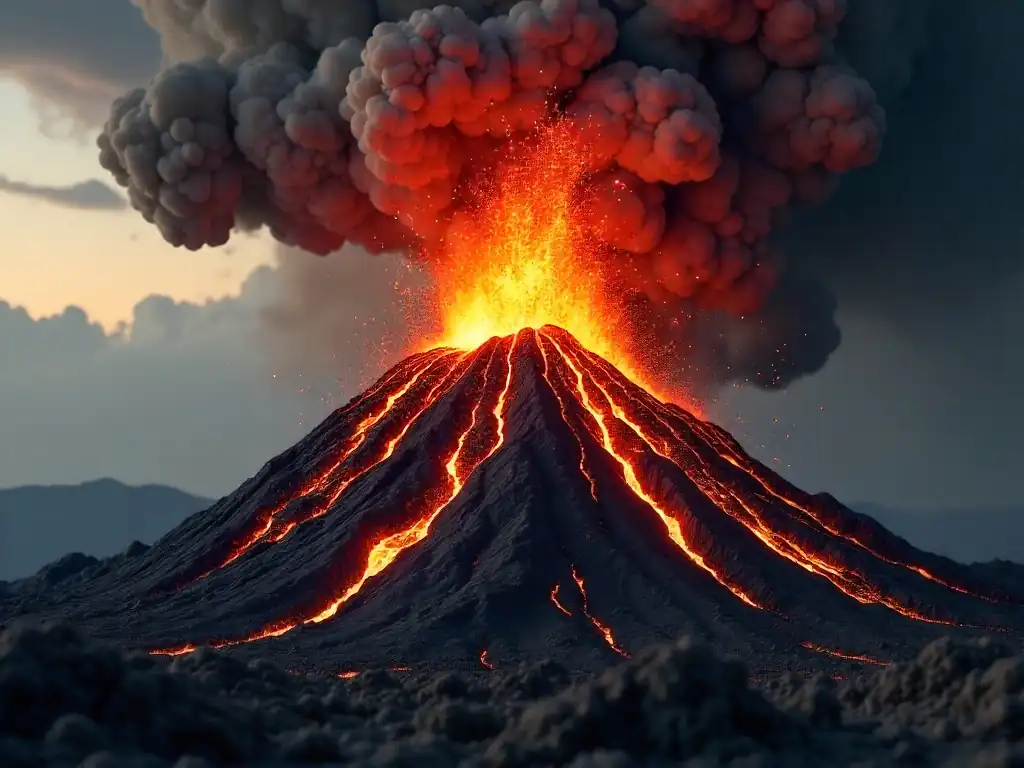
The size and composition of volcanic bombs are crucial factors that determine their impact and the hazards they pose. These characteristics are influenced by the properties of the magma and the dynamics of the eruption. Understanding what are volcanic bombs in terms of their size and what they are made of is essential for hazard assessment and volcanic monitoring.
The Influence of Magma Viscosity on Bomb Size
Magma viscosity, or its resistance to flow, plays a significant role in determining the size of volcanic bombs. Highly viscous magmas, like those rich in silica, tend to produce larger volcanic bombs compared to low-viscosity magmas like basalt. This is because viscous magma is more resistant to fragmentation and can form larger blobs of molten rock before being ejected. During explosive eruptions of viscous magma, the expanding gases can propel these larger, coherent masses of molten rock into the air, resulting in the formation of massive volcanic bombs.
Conversely, low-viscosity magmas are more easily fragmented, leading to finer ejecta such as ash and lapilli, and smaller volcanic bombs. While low-viscosity eruptions can still produce volcanic bombs, they tend to be smaller in size and less abundant compared to those from high-viscosity eruptions. The viscosity of magma is therefore a key control on the size distribution of volcanic ejecta, including volcanic bombs.
Common Rock Types Found in Volcanic Bombs
The composition of volcanic bombs reflects the type of magma from which they originated. Volcanic bombs can be composed of a variety of volcanic rock types, depending on the volcano's geological setting and the magma source. Common rock types found in volcanic bombs include basalt, andesite, dacite, and rhyolite, representing a spectrum from mafic to felsic compositions.
Basaltic volcanic bombs are typically dark-colored and relatively dense, often associated with shield volcanoes and flood basalt eruptions. Andesitic and dacitic bombs are intermediate in composition and color, commonly erupted from stratovolcanoes. Rhyolitic bombs, being the most silica-rich, are usually lighter in color and associated with highly explosive eruptions and caldera-forming events.
Analyzing the rock type of volcanic bombs provides valuable information about the magma source, its evolution, and the type of volcanic eruption that produced them. For instance, studies of volcanic bombs from Mount St. Helens have revealed details about the dacitic magma involved in its explosive 1980 eruption.
The Trajectory and Range of Volcanic Bombs: Predicting the Danger Zone
Understanding the trajectory and range of volcanic bombs is critical for assessing volcanic hazards and defining danger zones around erupting volcanoes. The path and distance a volcanic bomb travels are influenced by several factors, making it crucial to consider these variables when predicting potential impact areas. Knowing what are volcanic bombs in terms of their trajectory helps to mitigate risks.
Factors Affecting Volcanic Bomb Trajectory: Wind, Angle, and Velocity
Several factors influence the trajectory of volcanic bombs, including the initial ejection velocity, the ejection angle, and wind conditions. The initial ejection velocity is determined by the explosivity of the eruption and the pressure within the volcanic conduit. Higher ejection velocities will result in bombs traveling further. The ejection angle also plays a crucial role; bombs ejected at steeper angles will reach greater heights but may not travel as far horizontally, while those ejected at shallower angles will have a longer horizontal range.
Wind conditions can significantly alter the trajectory of volcanic bombs, especially for lighter bombs. Strong winds can carry bombs downwind, extending the hazard zone in that direction. Atmospheric drag also plays a role, slowing down the bombs as they travel through the air. Scientists use ballistic models that take these factors into account to predict the trajectories and landing areas of volcanic bombs during an eruption.
Maximum Distance of Volcanic Bomb Ejection: Understanding Hazard Zones
Volcanic bombs can be ejected to considerable distances from a volcanic vent, posing a significant hazard to areas surrounding erupting volcanoes. The maximum distance a volcanic bomb can travel depends on the eruption's explosivity and the factors mentioned above. In highly explosive eruptions, volcanic bombs can be thrown several kilometers away from the vent. For example, during the 1968 eruption of Arenal Volcano in Costa Rica, volcanic bombs reached distances of up to 4 kilometers (2.5 miles) from the summit crater.
The area within the potential range of volcanic bombs is considered a high-hazard zone during explosive eruptions. Volcanic hazard maps typically delineate these zones based on ballistic trajectory modeling and historical eruption data. Understanding the maximum range of volcanic bomb ejection is crucial for evacuation planning and establishing safety perimeters around active volcanoes. Real-time monitoring of eruption intensity and wind conditions can further refine hazard assessments during an ongoing eruption.
Volcanic Bombs vs. Other Volcanic Ejecta: A Comparative Analysis
Volcanic bombs are just one type of volcanic ejecta, also known as tephra. Tephra encompasses all solid material ejected from a volcano during an eruption, ranging in size from fine ash particles to massive blocks. Understanding what are volcanic bombs in relation to other types of ejecta provides a broader perspective on volcanic eruptions and their associated hazards.
Volcanic Bombs vs. Volcanic Blocks: Size and Origin Differences
Volcanic bombs are often compared to volcanic blocks, another type of large volcanic ejecta. The key difference between them lies in their state at the time of ejection. Volcanic bombs, as previously discussed, are ejected in a molten or semi-molten state, allowing them to deform and take on characteristic shapes during flight. In contrast, volcanic blocks are ejected as solid fragments of pre-existing volcanic rock. They are angular and lack the streamlined or molded shapes of volcanic bombs.
Size is another distinguishing factor. Both bombs and blocks are defined as being larger than 64 millimeters (2.5 inches) in diameter. However, blocks can be significantly larger than bombs, sometimes reaching several meters in size. Blocks are typically formed by the fragmentation of the volcanic conduit walls or older solidified lava flows during an eruption, while bombs are formed directly from molten magma. Both bombs and blocks pose significant hazards, but their different origins and characteristics provide volcanologists with valuable information about the eruption process.
Tephra, Lapilli, and Bombs: Understanding the Spectrum of Volcanic Debris
Tephra is the general term for all airborne volcanic ejecta, and it is classified by size. The classification system includes ash (particles less than 2 millimeters in diameter), lapilli (particles between 2 and 64 millimeters in diameter), and bombs and blocks (particles larger than 64 millimeters in diameter). This size spectrum reflects the different fragmentation processes and ejection mechanisms during volcanic eruptions.
Ash is the finest fraction of tephra and can be carried by winds for hundreds or even thousands of kilometers, impacting air travel and causing respiratory problems. Lapilli are pebble-sized fragments that can accumulate to form thick layers on the ground near the volcano. Volcanic bombs and blocks represent the largest and most hazardous ejecta, posing immediate threats due to their size, velocity, and potential for impact damage. Understanding the entire spectrum of tephra, including the distinction between ash, lapilli, and bombs, is crucial for comprehensive volcanic hazard assessment and mitigation.
The Dangers of Volcanic Bombs: Risks and Safety Measures
Volcanic bombs are a significant volcanic hazard, posing serious risks to life and property in areas surrounding erupting volcanoes. Their size, velocity, and temperature make them potentially lethal projectiles. Understanding the dangers associated with what are volcanic bombs is crucial for implementing effective safety measures in volcanic regions.
Impact Injuries and Property Damage from Volcanic Bombs
The primary danger of volcanic bombs is the risk of impact injuries and property damage. Due to their size and high ejection velocities, volcanic bombs can strike with considerable force. Direct hits can cause severe injuries, including fractures, head trauma, and even death. The thermal energy of hot volcanic bombs can also cause severe burns.
Property damage from volcanic bombs can be extensive. Impacts can destroy buildings, vehicles, and infrastructure. The accumulation of volcanic bombs can also cause structural damage due to their weight, especially on roofs. Furthermore, volcanic bombs can ignite fires upon impact, particularly in forested or vegetated areas, adding to the overall hazard. The 1980 eruption of Mount St. Helens demonstrated the destructive power of volcanic bombs and other ejecta, causing widespread devastation in the surrounding landscape.
Volcanic Bomb Shelters and Evacuation Procedures
Mitigating the risks associated with volcanic bombs requires a combination of preparedness measures, including the construction of volcanic bomb shelters and the implementation of effective evacuation procedures. Volcanic bomb shelters are reinforced structures designed to withstand the impact of volcanic bombs, providing refuge during an eruption. These shelters are often constructed in areas known to be at high risk from ballistic projectiles.
Evacuation procedures are critical for removing people from danger zones before or during an eruption. Effective evacuation plans rely on timely warnings from volcano monitoring agencies, clear communication channels, and designated evacuation routes. Public education and awareness campaigns are also essential to ensure that communities living near active volcanoes understand the hazards of volcanic bombs and know how to respond appropriately during an eruption. For example, communities near volcanoes like Mount Rainier in Washington State regularly practice evacuation drills to prepare for potential volcanic events.
Famous Volcanic Bomb Incidents: Case Studies of Explosive Events
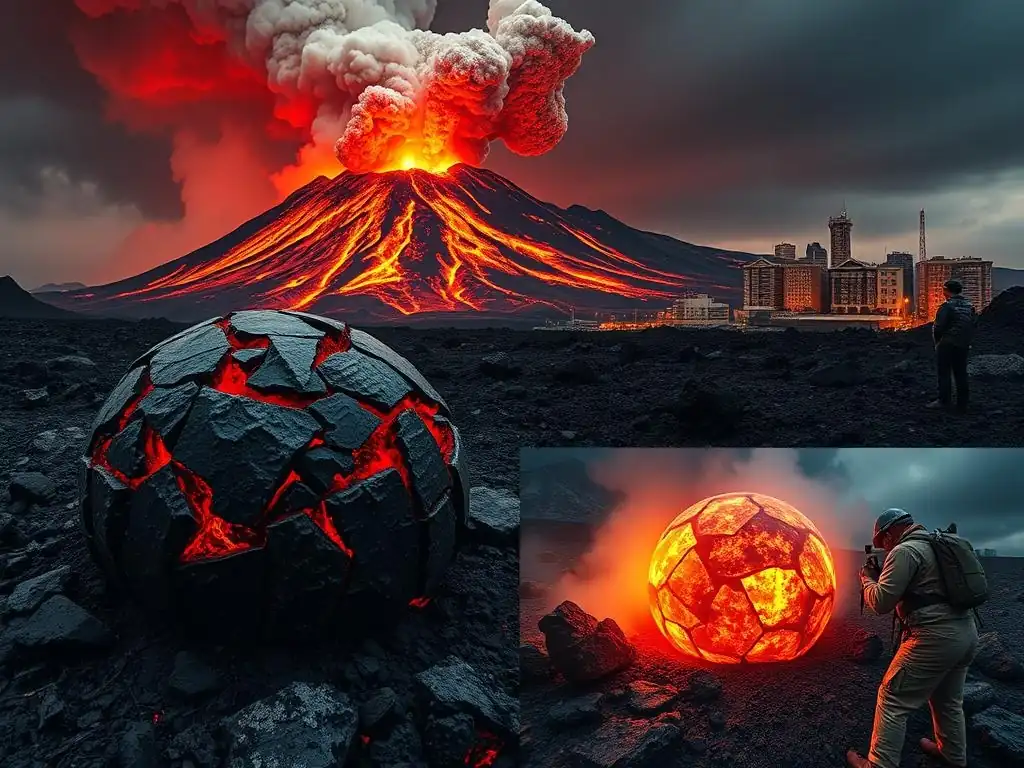
Throughout history, volcanic bombs have played a significant role in some of the most famous and devastating volcanic eruptions. Studying historical events where volcanic bombs were a major hazard provides valuable insights into their impact and the importance of understanding these volcanic projectiles.
Mount Vesuvius (79 AD): Pompeii and Herculaneum
The eruption of Mount Vesuvius in 79 AD, which famously buried the Roman cities of Pompeii and Herculaneum, is a stark reminder of the destructive power of volcanic eruptions and the hazards associated with volcanic ejecta, including volcanic bombs. While Pompeii was primarily buried under ash and pumice, Herculaneum, closer to Vesuvius, was also affected by pyroclastic flows and ballistic projectiles, including volcanic bombs.
Archaeological evidence suggests that volcanic bombs contributed to the destruction and casualties in Herculaneum. The roofs of buildings in Herculaneum were damaged by the impact of falling pumice and larger projectiles, likely including volcanic bombs. While the pyroclastic flows were the primary cause of death in Herculaneum, the initial phase of the eruption, characterized by pumice and bomb fall, would have created a terrifying and dangerous environment. This historical example underscores the long-term threat posed by volcanic bombs in explosive eruptions and the importance of understanding what are volcanic bombs and their hazards.
Studying Volcanic Bombs: Volcanologist's Insights
Volcanic bombs are not just hazards; they are also valuable tools for volcanologists. Studying volcanic bombs provides crucial information about volcanic processes, magma characteristics, and the history of past eruptions. Analyzing what are volcanic bombs can reveal much about the inner workings of volcanoes.
Collecting and Analyzing Volcanic Bombs for Research
Volcanologists collect volcanic bombs from eruption deposits to analyze their physical and chemical properties. These analyses can provide insights into the composition of the magma, the eruption temperature, and the degassing processes that occurred during the eruption. The shape and texture of volcanic bombs can also reveal information about the magma viscosity and the eruption dynamics.
Geochemical analysis of volcanic bombs, including techniques like X-ray fluorescence (XRF) and inductively coupled plasma mass spectrometry (ICP-MS), helps determine the elemental and isotopic composition of the magma. Petrographic analysis, using microscopes, examines the mineral content and texture of the bombs, providing further details about magma crystallization and cooling history. The size distribution of volcanic bombs in eruption deposits can also be used to estimate eruption intensity and fragmentation efficiency.
Using Volcanic Bombs to Understand Past Eruptions
Volcanic bombs preserved in ancient volcanic deposits are like time capsules, offering a window into past eruptions. By studying the characteristics of these bombs, volcanologists can reconstruct the eruption history of a volcano, determine the types of eruptions that occurred, and assess the potential for future eruptions. The distribution and stratigraphy of volcanic bomb deposits can help map past hazard zones and identify areas at risk from future ballistic projectiles.
Radiometric dating of volcanic bombs can provide precise ages for past eruptions, allowing for the construction of eruption chronologies. Comparing volcanic bombs from different eruptions at the same volcano can reveal how magma composition and eruption style have changed over time. This historical perspective is crucial for long-term volcanic hazard assessment and for understanding the overall evolution of a volcanic system.
Volcanic Bomb Photography: Capturing Nature's Explosive Beauty
Despite their inherent danger, volcanic bombs can be visually striking and fascinating objects. For volcano enthusiasts and photographers, capturing images of volcanic bombs, particularly during or after an eruption, can be a compelling pursuit. However, safety must always be the top priority when photographing volcanic bombs.
Tips for Safely Photographing Volcanic Bombs
Photographing volcanic bombs safely requires careful planning and adherence to safety guidelines. First and foremost, never approach an active volcanic vent or enter a designated hazard zone to photograph volcanic bombs. Maintain a safe distance, and use telephoto lenses to capture images from afar. Always follow the instructions and warnings of volcanologists and local authorities.
Photographing volcanic bombs after an eruption, when they have cooled and stabilized, is generally safer, but still requires caution. Be aware of unstable ground and potential for landslides or further volcanic activity. Wear appropriate protective gear, including sturdy boots, long pants, long sleeves, and eye protection. Respect any restricted areas and obtain permission if photographing on private land. Remember that even after an eruption has subsided, volcanic areas can still be hazardous. Prioritize safety above all else when pursuing volcanic bomb photography.
Conclusion: Appreciating the Power and Peril of Volcanic Bombs
Volcanic bombs are a dramatic and dangerous manifestation of volcanic power. Understanding what are volcanic bombs, how they form, their types, and the hazards they pose is essential for anyone interested in volcanoes, particularly those living in or visiting volcanic regions. They are a potent reminder of the Earth's dynamic forces and the need for respect and caution when dealing with volcanic phenomena.
While volcanic bombs represent a significant hazard, they also offer invaluable insights into volcanic processes and magma properties. Through scientific study and careful observation, we can learn to better understand and mitigate the risks associated with these explosive projectiles. Appreciating the power and peril of volcanic bombs encourages a deeper understanding of our planet and the forces that shape it, fostering both awe and respect for the natural world.
Frequently Asked Questions
What exactly are volcanic bombs?
Volcanic bombs are ejected blobs of lava that solidify before they reach the ground. They are larger than 64 mm in diameter and are expelled during explosive volcanic eruptions.
How are volcanic bombs different from other volcanic ejecta, like ash or lapilli?
The main difference is size and formation process. Volcanic ash is fine particulate matter, lapilli are small pebble-sized fragments, while bombs are larger and molten when ejected.
What shapes can volcanic bombs take, and why?
Bombs can have various shapes, such as spindle, ribbon, breadcrust, and cow dung. These shapes depend on the lava's viscosity and the way it's thrown through the air.
Are volcanic bombs dangerous, and what precautions should be taken near active volcanoes?
Yes, volcanic bombs are extremely dangerous due to their size, heat, and velocity. Near active volcanoes, follow evacuation orders, seek shelter, and wear protective gear like helmets.
Where can I find more information about volcanic bombs and other volcanic phenomena?
You can explore resources like VolcanoExplorers.org for educational content. Scientific journals and government geological surveys also provide detailed information.
Final Reflection: Embracing the Raw Power of Volcanic Creation
The preceding exploration of volcanic bombs, those fiery projectiles born from the Earth's molten heart, reveals more than just geological phenomena; it underscores the untamed power and creative destruction inherent in our planet. While we may study them from a safe distance, understanding their formation and impact allows us to appreciate the raw energy that shapes our world, a force both terrifying and essential to the Earth's dynamic processes.
The very existence of volcanic bombs, these solidified fragments of fury, serves as a constant reminder of the Earth's volatile nature and its capacity for dramatic transformation. This understanding fosters a deeper respect for the natural world and the forces that have sculpted our landscapes over millennia. The mountains are fountains of men as well as of rivers, of glaciers, of fertile soil. The great poets, philosophers, prophets, able men whose thoughts and deeds have moved the world, have come down from the mountains - have been brought up on the mountains.
- John Muir, highlighting the creative power often found within seemingly destructive natural forces.
As we conclude this journey into the realm of volcanic bombs, let us not simply file away this knowledge as a scientific curiosity. Instead, consider the lessons embedded within their explosive origins. Reflect on the power of transformation, the delicate balance between creation and destruction, and the profound connection we share with the Earth.
How can you harness the energy of change in your own life, channeling it towards growth and innovation, just as the Earth harnesses its internal forces to reshape its surface? Embrace the potential for renewal, and let the fiery spirit of the volcano inspire you to forge your own path, leaving your mark on the world in a way that is both powerful and meaningful.
Ignite Your Curiosity: Explore the Fiery World of Volcanoes!
Thanks for diving into the explosive realm of volcanic bombs! We hope you found this journey into nature's projectiles both fascinating and insightful. Now, let's take that knowledge and turn it into action!
- Witness Volcanic Fury: Research active volcanoes near you and plan a responsible, guided tour (if possible!).: Remember safety is paramount!
- Delve Deeper: Share this article with fellow geology enthusiasts and spark a conversation about the incredible power of volcanic forces.
- Become an Expert: Explore the "Volcano Explorers" website for more in-depth articles and resources on volcanic phenomena.
What other volcanic wonders are you eager to uncover next? Let us know in the comments below!