
Ash and Bombs: Understanding the Full Spectrum of Volcanic Ejecta

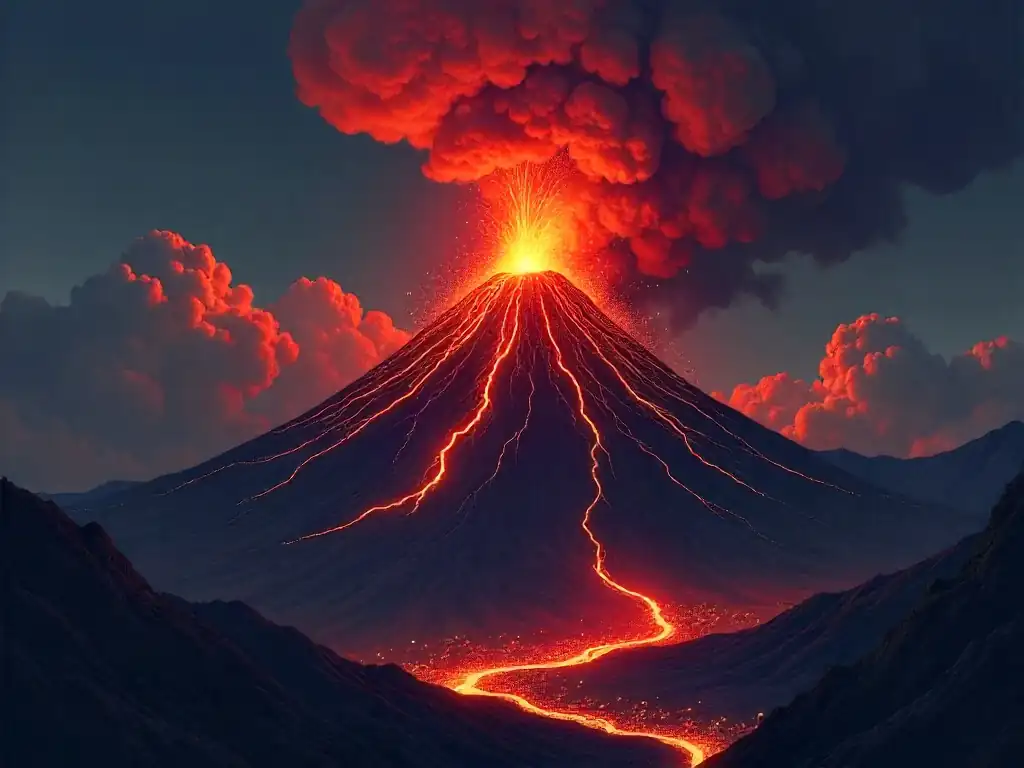
Welcome to Volcano Explorers, where the Earth breathes fire! Ever wondered what exactly shoots out of a volcano during an eruption? Prepare to be amazed, because below we unravel the mysteries of volcanic ejecta. From microscopic ash to colossal volcanic bombs, you'll discover the fascinating – and sometimes terrifying – story behind what volcanoes throw into the air. But that's just the beginning... what secrets do these fiery projectiles hold? Keep reading to unlock the explosive truth!
- Introduction to Volcanic Ejecta: An Overview for Volcano Explorers
- Types of Volcanic Ejecta Explained: Size, Composition, and Formation
- Ash: The Finest Form of Volcanic Ejecta
- Lapilli: Pebble-Sized Projectiles in Volcanic Eruptions
- Volcanic Bombs: Large Pyroclastic Fragments Ejected During Explosive Eruptions
- Volcanic Blocks: Angular Fragments of Pre-Existing Rock
- Understanding the Size Scale of Volcanic Ejecta: A Comparative Chart
- Factors Influencing the Distribution and Composition of Volcanic Ejecta
- Monitoring and Predicting Volcanic Ejecta: The Role of Volcanologists
- Living with Volcanic Ejecta: Safety Tips and Preparedness
- Conclusion: Appreciating the Power and Diversity of Volcanic Ejecta
-
Frequently Asked Questions
- What are the main types of volcanic ejecta, as explained by VolcanoExplorers.org?
- How does the size of volcanic ejecta impact its danger?
- Where can I find information on the cultural significance of volcanic ejecta?
- Does VolcanoExplorers.org offer safety guides related to volcanic ejecta?
- What makes volcanic ash such a problematic type of ejecta?
- Final Reflection: The Earth's Fiery Breath
- Unearth Your Inner Volcanologist!
Introduction to Volcanic Ejecta: An Overview for Volcano Explorers
What is Volcanic Ejecta? Defining Pyroclastic Materials
Volcanic ejecta, also known as pyroclastic materials, are fragments of rock, lava, and volcanic glass expelled from a volcano during an eruption. These materials range dramatically in size, from microscopic ash particles to massive blocks weighing several tons. The term "pyroclastic" itself originates from the Greek words "pyro" (fire) and "klastos" (broken), aptly describing the fiery, fragmented nature of these volcanic products. Understanding volcanic ejecta is fundamental to comprehending volcanic eruptions and their far-reaching impacts on the environment and human populations.
Pyroclastic materials are formed through various volcanic processes. Explosive eruptions, driven by the rapid expansion of gases within magma, are the primary source of ejecta. As magma rises to the surface and pressure decreases, dissolved gases are released, causing fragmentation of the molten rock and surrounding solid rocks. This fragmentation results in a mixture of gas and solid particles that are forcefully ejected into the atmosphere. The type and intensity of an eruption significantly influence the characteristics of the ejecta produced, ranging from fine ash clouds to showers of hot rocks.
Why Understanding Volcanic Ejecta is Crucial for Volcanic Hazard Assessment
Understanding volcanic ejecta is paramount for accurate volcanic hazard assessment and mitigation. The size, distribution, and composition of ejecta directly dictate the potential impacts of an eruption. For instance, fine volcanic ash can travel thousands of kilometers downwind, disrupting air travel, impacting agriculture, and causing respiratory problems in humans and animals. Larger ejecta, such as lapilli and volcanic bombs, pose more localized but highly dangerous threats due to their ballistic trajectories and potential for causing structural damage and injuries.
Volcanologists meticulously study volcanic ejecta deposits to reconstruct past eruptions, predict future volcanic activity, and delineate hazard zones. By analyzing the types of ejecta present in past eruptions, scientists can infer the eruption styles, magnitudes, and potential hazards associated with a particular volcano. This information is crucial for developing effective early warning systems, evacuation plans, and infrastructure resilience strategies in volcanically active regions. Furthermore, understanding the dispersal patterns of ejecta, influenced by factors like wind and topography, is essential for predicting the areas most vulnerable to volcanic hazards during future eruptions.
Types of Volcanic Ejecta Explained: Size, Composition, and Formation
Tephra: The Collective Term for Airborne Volcanic Debris
Tephra is the encompassing term used to describe all airborne solid ejecta produced by a volcanic eruption, regardless of size or composition. It is derived from the Greek word for "ash," although tephra encompasses a much broader range of materials than just ash. Tephra is classified based primarily on particle size, providing a fundamental framework for understanding the different types of volcanic ejecta. This size-based classification is crucial for assessing hazards, as the size of ejecta directly influences its dispersal range, impact energy, and potential consequences.
The main categories of tephra, in order of increasing size, are ash, lapilli, and volcanic bombs and blocks. Ash, the finest fraction, is defined as particles less than 2 millimeters in diameter. Lapilli, meaning "little stones" in Italian, ranges from 2 to 64 millimeters. Volcanic bombs and blocks are the largest ejecta, exceeding 64 millimeters in diameter. This categorization allows volcanologists to systematically describe and analyze the diverse range of materials ejected during volcanic eruptions, providing valuable insights into eruption dynamics and potential hazards associated with different types of volcanic ejecta explained.
Ash: The Finest Form of Volcanic Ejecta
Volcanic Ash Composition: Minerals, Glass Shards, and More
Volcanic ash, despite its name, is not the soft, fluffy material associated with burnt wood. It is composed of tiny fragments of pulverized rock, minerals, and volcanic glass shards, typically less than 2 millimeters in diameter. The composition of volcanic ash is highly variable and depends on the type of volcano, the magma composition, and the eruption style. Common components include silica minerals like quartz and feldspar, along with fragments of volcanic glass formed from rapidly cooled magma. The sharp, angular shape of ash particles, particularly the glass shards, contributes significantly to its hazardous nature.
The mineralogical and chemical composition of volcanic ash can provide valuable information about the volcanic eruption and its source magma. Analysis of ash samples can reveal the type of rock fragmented during the eruption, the temperature of the magma, and the volatile content.
For example, ash from explosive eruptions of silica-rich magmas tends to be richer in glass shards and lighter in color, while ash from eruptions of basaltic magmas may contain more crystalline minerals and be darker. This detailed analysis of ash composition is a crucial tool for volcanologists in understanding the processes driving volcanic activity and for forecasting future eruptions.
The Dangers of Volcanic Ash: Respiratory Problems, Infrastructure Damage, and Aviation Hazards
Volcanic ash poses a wide range of hazards, impacting human health, infrastructure, and aviation. Due to its fine particle size and abrasive nature, inhaling volcanic ash can cause respiratory problems, including irritation of the airways, coughing, and breathing difficulties, especially for individuals with pre-existing respiratory conditions like asthma. Prolonged exposure can lead to more serious conditions like silicosis. Beyond respiratory issues, ash can irritate the eyes and skin.
The impact of volcanic ash extends far beyond health. Ash is conductive when wet and can cause short circuits and power outages. Its weight can collapse roofs of buildings, particularly when accumulated after heavy rainfall. Ash accumulation can also disrupt transportation networks, making roads slippery and reducing visibility.
Furthermore, volcanic ash is a major hazard to aviation. Jet engines can ingest ash particles, leading to engine damage and failure due to melting and resolidification of ash within the engine's hot sections. The 1982 eruption of Galunggung in Indonesia and the 2010 eruption of Eyjafjallajökull in Iceland vividly demonstrated the severe disruptions volcanic ash can cause to air travel, with airspace closures and significant economic losses. These events underscore the importance of understanding the dangers of volcanic ash, a critical aspect of types of volcanic ejecta explained.
Lapilli: Pebble-Sized Projectiles in Volcanic Eruptions
Lapilli Formation Mechanisms: Agglomeration and Accretion
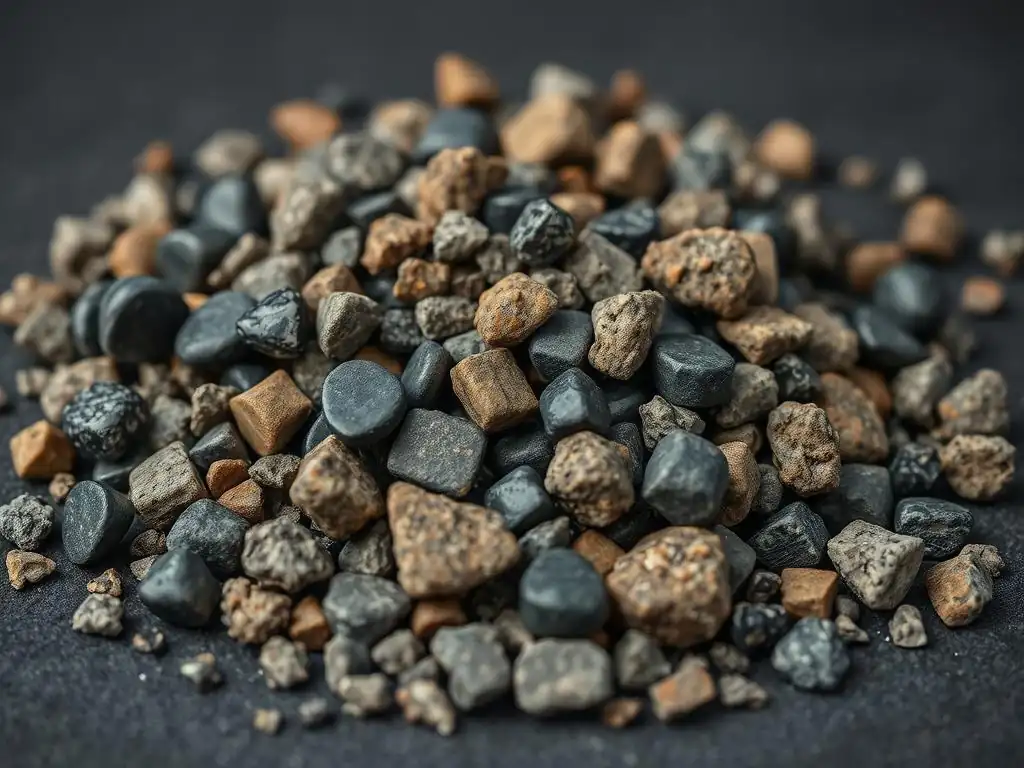
Lapilli, the pebble-sized volcanic ejecta ranging from 2 to 64 millimeters in diameter, are formed through several mechanisms during volcanic eruptions. One primary formation process is the direct fragmentation of magma during explosive eruptions. As magma is violently ejected, it can break apart into fragments of lapilli size.
Another significant mechanism is agglomeration, where finer ash particles clump together in the eruption column due to moisture or electrostatic forces, forming larger lapilli. Accretionary lapilli, a specific type, form when ash particles accrete around a central nucleus, often a raindrop or a larger ash particle, within the eruption cloud. These processes result in lapilli with diverse textures and compositions.
The formation mechanisms of lapilli are closely tied to the eruption style and the conditions within the eruption column. Agglomeration and accretion are more likely to occur in eruptions with higher water content or those that produce significant amounts of fine ash. The shape and texture of lapilli can also provide clues about their formation. For example, accretionary lapilli often exhibit concentric layers, reflecting their growth by accretion. Understanding these formation mechanisms is essential for interpreting lapilli deposits and gaining insights into the dynamics of volcanic eruptions.
Lapilli Deposits: Identifying and Analyzing Lapilli Layers
Lapilli deposits are common features in the geological record of volcanic regions, providing valuable information about past eruptions. These deposits often form distinct layers within volcanic sequences, easily identifiable due to their characteristic pebble-sized fragments. Analyzing lapilli layers involves examining their size distribution, composition, and texture.
The size distribution of lapilli within a deposit can indicate the intensity and dispersal patterns of the eruption. For instance, deposits dominated by larger lapilli fragments closer to the vent suggest a more powerful and localized eruption, while deposits with finer lapilli dispersed over a wider area might indicate a more widespread ashfall event.
The composition of lapilli in deposits can reveal the source magma and the type of eruption. Lapilli composed primarily of pumice indicate explosive eruptions of gas-rich, felsic magma, while scoria lapilli, darker and denser, are often associated with eruptions of basaltic magma. The presence of different types of lapilli within a deposit can also reflect changes in eruption style over time. By carefully studying lapilli deposits, volcanologists can reconstruct the history of volcanic activity at a particular location, assess past eruption magnitudes, and better understand the potential hazards posed by future eruptions.
Volcanic Bombs: Large Pyroclastic Fragments Ejected During Explosive Eruptions
Classifying Volcanic Bombs by Shape: Breadcrust, Ribbon, Spindle, and Cow Dung Bombs
Volcanic bombs are large pyroclastic fragments, exceeding 64 millimeters in diameter, that are ejected from a volcano in a molten or semi-molten state during explosive eruptions. Their characteristic shapes are formed as they cool and solidify in flight, influenced by factors like viscosity, rotation, and air resistance. Volcanologists classify volcanic bombs based on these distinctive shapes, which provide clues about their eruptive history and trajectory.
Common types of volcanic bombs include breadcrust bombs, characterized by a cracked surface resembling bread crust; ribbon bombs, elongated and twisted like ribbons; spindle bombs, aerodynamic and spindle-shaped due to rotation during flight; and cow dung bombs, irregularly shaped and flattened upon impact. Breadcrust bombs form from viscous lava that develops a solidified outer crust that cracks as the interior continues to expand. Ribbon and spindle bombs are associated with more fluid lava and higher ejection velocities, resulting in stretched and streamlined shapes.
Cow dung bombs are typically formed from less fluid lava that accumulates in irregular masses before ejection. These diverse shapes are a fascinating aspect of volcanic bombs and contribute to understanding the dynamics of explosive eruptions and types of volcanic ejecta explained.
Volcanic Bomb Trajectories and Impact Hazards: Understanding Ballistic Ejecta
Volcanic bombs, being large and dense, follow ballistic trajectories when ejected from a volcano. Their trajectory is influenced by the initial ejection velocity, angle of ejection, and air resistance. Due to their size and velocity, volcanic bombs pose significant impact hazards in areas surrounding erupting volcanoes. Even relatively small bombs can cause serious injuries or fatalities upon impact, and larger bombs can destroy buildings and infrastructure. The distance a volcanic bomb travels depends on the explosivity of the eruption and the bomb's initial velocity, with some bombs being ejected several kilometers from the vent.
Understanding volcanic bomb trajectories and impact hazards is crucial for hazard assessment and risk mitigation in volcanic areas. Volcanologists use ballistic models to predict the potential range of bomb trajectories based on eruption parameters and topographic conditions. These models help define hazard zones around volcanoes, indicating areas at high risk from ballistic ejecta. Real-time monitoring of eruptions and tracking of bomb trajectories are essential for issuing timely warnings and implementing evacuation procedures to protect populations living near active volcanoes.
Mount Vesuvius: Analyzing the Volcanic Bomb Eruption of 79 AD
The catastrophic eruption of Mount Vesuvius in 79 AD, which buried the Roman cities of Pompeii and Herculaneum, provides a stark example of the devastating impact of volcanic bombs. While Pompeii was primarily buried by pumice and ash fall, Herculaneum, located closer to Vesuvius, was heavily affected by pyroclastic flows and surges, but also experienced significant volcanic bomb bombardment. Archaeological excavations at Herculaneum have revealed evidence of buildings damaged and penetrated by volcanic bombs, demonstrating the destructive power of these ballistic projectiles.
Historical accounts and geological studies of the 79 AD eruption indicate that Vesuvius produced a Plinian eruption, characterized by a sustained eruption column and widespread dispersal of tephra. Within the tephra deposits, layers containing volcanic bombs have been identified, particularly closer to the volcano's vent.
Analysis of these bombs, their size, distribution, and impact patterns provides valuable insights into the intensity and dynamics of the 79 AD eruption. The Vesuvius eruption serves as a powerful reminder of the hazards associated with volcanic bombs and the importance of understanding ballistic ejecta in volcanic hazard assessment, especially in densely populated areas near active volcanoes.
Volcanic Blocks: Angular Fragments of Pre-Existing Rock
Distinguishing Volcanic Blocks from Volcanic Bombs
Volcanic blocks, like volcanic bombs, are large pyroclastic fragments exceeding 64 millimeters in diameter. However, a key distinction lies in their origin and condition at the time of ejection. Volcanic blocks are angular fragments of pre-existing volcanic rock or country rock that are torn apart and ejected during an eruption in a solid state. In contrast, volcanic bombs are ejected in a molten or semi-molten state. This difference in their initial state leads to distinct characteristics and formation mechanisms.
The angular shape of volcanic blocks is a primary indicator of their solid-state origin. They lack the rounded or streamlined shapes often observed in volcanic bombs, which are molded by air resistance during flight. Blocks are typically derived from the conduit walls, vent area, or older volcanic deposits surrounding the volcano. Explosive eruptions can shatter and fragment these pre-existing rocks, propelling them into the air as volcanic blocks. The presence of volcanic blocks in ejecta deposits indicates the involvement of solid rock fragmentation in the eruption process, differentiating them from bombs which are formed directly from magma.
The Role of Volcanic Blocks in Constructing Volcanic Cones
While volcanic bombs are often associated with explosive eruptions and hazard, volcanic blocks play a significant role in the construction and evolution of volcanic cones. During eruptions, both bombs and blocks, along with other tephra, accumulate around the volcanic vent, contributing to the build-up of the cone structure. The angular shape and irregular nature of volcanic blocks, in particular, contribute to the stability and angle of repose of volcanic cones. Interlocking blocks create a more resistant framework compared to deposits composed solely of finer materials like ash.
In stratovolcanoes, which are characterized by steep, conical shapes, layers of volcanic blocks often alternate with layers of lava flows and ash deposits. This layered structure, built from the accumulation of various types of volcanic ejecta, including blocks, is characteristic of stratovolcanoes. The presence and distribution of volcanic blocks within a volcanic cone provide valuable information about the eruptive history and the processes shaping the volcano's morphology. Analyzing the proportion of blocks versus other ejecta types in cone stratigraphy helps volcanologists understand the relative contributions of different eruptive styles to the overall volcanic edifice.
Understanding the Size Scale of Volcanic Ejecta: A Comparative Chart
Visual Representation of Tephra, Lapilli, Bombs, and Blocks
To better grasp the size differences between the various types of volcanic ejecta, a comparative chart is immensely helpful. Imagine a chart where the size of particles is represented visually, perhaps using a logarithmic scale to accommodate the vast range from ash to blocks. On one end, you would see extremely fine ash particles, almost dust-like, less than 2 millimeters in diameter. Moving along the scale, you would encounter lapilli, depicted as pebble-sized fragments, ranging from 2 millimeters up to 64 millimeters – comparable to the size of small stones or walnuts.
Further along the chart, the scale would dramatically increase to represent volcanic bombs and blocks, both defined as larger than 64 millimeters, but with blocks being distinctly angular and bombs exhibiting varied shapes. Bombs could be visualized ranging in size from larger than a fist to the size of a car or even a house in extreme cases, depending on the eruption magnitude. Blocks, similarly, could range from fist-sized to boulder-sized angular fragments.
Such a visual chart effectively communicates the dramatic scale difference within types of volcanic ejecta explained, highlighting why each category poses unique hazards and plays different roles in volcanic processes. This visual representation would be an invaluable tool for volcano explorers to quickly understand the size classifications and appreciate the diversity of volcanic ejecta.
Factors Influencing the Distribution and Composition of Volcanic Ejecta
Eruption Style and Magma Composition
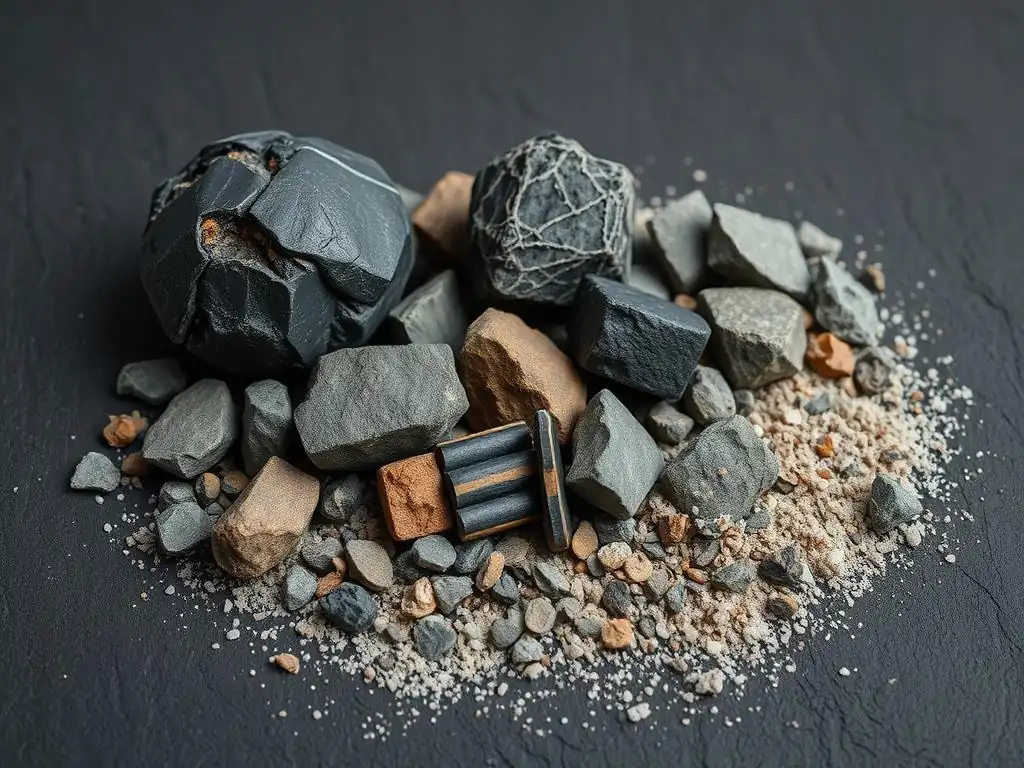
The distribution and composition of volcanic ejecta are primarily controlled by the eruption style and the composition of the magma driving the eruption. Explosive eruptions, characterized by rapid gas expansion, are far more effective at fragmenting magma and dispersing ejecta over wider areas compared to effusive eruptions, which primarily produce lava flows. The explosivity of an eruption is heavily influenced by the viscosity and gas content of the magma. Highly viscous, silica-rich magmas, like rhyolite and andesite, tend to trap more gas, leading to more explosive eruptions and the production of finer ejecta such as ash and pumice.
Conversely, less viscous, basaltic magmas with lower silica content allow gases to escape more readily, resulting in less explosive eruptions that often produce larger, denser ejecta like scoria and bombs, alongside lava flows. The composition of the magma also dictates the mineralogy and density of the ejecta. Silica-rich magmas produce lighter-colored, pumiceous ejecta, while basaltic magmas yield darker, denser scoria and blocks. Therefore, understanding the eruption style and magma composition is fundamental to predicting the characteristics and dispersal patterns of volcanic ejecta from a given volcano.
Wind Patterns and Atmospheric Conditions
While eruption style and magma composition are primary controls, wind patterns and atmospheric conditions play a crucial role in the final distribution of volcanic ejecta, particularly for finer materials like ash. Wind direction and speed significantly influence the direction and distance ash clouds travel. Prevailing wind patterns can carry ash plumes hundreds or even thousands of kilometers downwind from the volcano, impacting areas far beyond the immediate vicinity of the eruption.
Atmospheric conditions, such as temperature, humidity, and precipitation, also affect ash dispersal. Moisture in the atmosphere can cause ash particles to aggregate and fall out of the plume more rapidly, reducing the distance of ash transport but potentially increasing ashfall accumulation closer to the volcano. Rainfall can wash ash from the atmosphere but also create heavy, wet ashfall deposits that can collapse roofs.
Furthermore, atmospheric stability and vertical wind shear can influence the height and shape of the eruption column and the subsequent dispersal of ejecta. Therefore, accurate weather forecasting and atmospheric modeling are essential components of volcanic ash dispersal predictions and hazard assessments.
Monitoring and Predicting Volcanic Ejecta: The Role of Volcanologists
Remote Sensing Techniques for Ash Cloud Tracking
Volcanologists employ a range of sophisticated monitoring techniques to track and predict the dispersal of volcanic ejecta, particularly ash clouds, which pose significant aviation hazards. Remote sensing techniques, using satellites and ground-based radar, are crucial for real-time ash cloud detection and tracking. Satellites equipped with infrared and visible sensors can detect ash clouds based on their spectral signatures and thermal properties, even in remote or inaccessible regions. These data provide information on the extent, height, and movement of ash plumes.
Ground-based weather radar systems, commonly used for precipitation monitoring, can also detect volcanic ash, especially when ash particles are aggregated or wet. Lidar (Light Detection and Ranging) systems, which emit laser pulses and measure backscatter, provide detailed vertical profiles of ash clouds, allowing for accurate height determination.
Data from these remote sensing systems are integrated into ash dispersal models, which use atmospheric data and eruption parameters to forecast the trajectory and concentration of ash clouds. These models are essential tools for aviation authorities to make informed decisions about airspace closures and flight diversions, mitigating the risks posed by volcanic ash.
Volcanic Explosivity Index (VEI) and its relationship to Ejecta Volume
The Volcanic Explosivity Index (VEI) is a logarithmic scale that quantifies the explosivity of volcanic eruptions. One of the key parameters used to determine the VEI is the volume of volcanic ejecta produced during an eruption. The VEI ranges from 0 for non-explosive eruptions to 8 for extremely large, cataclysmic eruptions.
Each unit increase on the VEI scale represents a tenfold increase in explosivity and roughly a tenfold increase in the volume of ejecta. For instance, a VEI 4 eruption typically ejects more than 0.1 cubic kilometers of tephra, while a VEI 7 eruption can eject over 100 cubic kilometers.
The VEI provides a standardized way to compare the size and impact of different volcanic eruptions across the globe and throughout history. Eruptions with higher VEI values are associated with larger volumes of ejecta, wider dispersal areas, and more significant environmental and societal impacts. While VEI is primarily based on ejecta volume, it also considers other factors like eruption column height and duration.
Understanding the relationship between VEI and ejecta volume is crucial for assessing the scale of past eruptions and for forecasting the potential magnitude of future volcanic events. The VEI is a valuable tool for communicating volcanic hazards to the public and for prioritizing mitigation efforts based on the potential explosivity of a volcano.
Living with Volcanic Ejecta: Safety Tips and Preparedness
Protecting Yourself from Volcanic Ashfall
Living in volcanically active regions requires preparedness for volcanic ejecta, particularly ashfall. Protecting yourself from volcanic ash primarily involves minimizing exposure and preventing inhalation. During ashfall events, it is crucial to stay indoors whenever possible, closing windows and doors and sealing gaps to prevent ash from entering buildings. If you must go outside, wear a properly fitted N95 respirator mask to filter out fine ash particles and protect your respiratory system. Ordinary dust masks or cloth masks are less effective against fine volcanic ash.
Eye protection is also essential. Wear goggles or glasses to shield your eyes from ash irritation and abrasion. Cover exposed skin with clothing to avoid skin irritation. When driving, keep car windows closed and use air conditioning in recirculate mode if available.
However, driving should be minimized as ash can reduce visibility and make roads slippery. Listen to local authorities for official warnings and guidance during ashfall events. After ashfall, carefully remove ash from roofs to prevent structural collapse, using caution and wearing protective gear. Clean ash from outdoor areas by gently hosing down surfaces or sweeping, avoiding stirring up dust.
Evacuation Procedures During Volcanic Bomb Eruptions
Volcanic bomb eruptions pose a more immediate and localized threat compared to ashfall, requiring prompt evacuation from high-risk zones. If volcanic bomb eruptions are occurring or imminent, official evacuation orders should be strictly followed. Evacuation procedures are typically based on pre-defined hazard zones around the volcano, determined by ballistic trajectory modeling and past eruption history. Emergency management agencies will communicate evacuation routes and shelter locations.
During evacuation, prioritize safety and follow instructions from emergency personnel. Move quickly and calmly to designated evacuation areas, avoiding low-lying areas or valleys where bomb concentrations might be higher. If caught outdoors during a bomb eruption, seek immediate shelter in a sturdy building or behind substantial obstacles that can provide protection from ballistic projectiles.
Remember that volcanic bomb eruptions are often accompanied by other hazards such as pyroclastic flows and surges, so evacuation plans are designed to mitigate multiple risks. Preparedness, awareness of warning signs, and prompt adherence to evacuation orders are crucial for minimizing casualties and ensuring safety during volcanic bomb eruptions and understanding types of volcanic ejecta explained in hazard scenarios.
Conclusion: Appreciating the Power and Diversity of Volcanic Ejecta
Volcanic ejecta, in all its forms from fine ash to massive bombs and blocks, represent the raw power and dynamic processes at play within volcanoes. Understanding the types of volcanic ejecta explained – their formation, characteristics, distribution, and associated hazards – is fundamental to appreciating the complexities of volcanic eruptions and mitigating their impacts. From shaping landscapes to influencing global climate and posing significant risks to human populations, volcanic ejecta are a critical aspect of volcanology.
By exploring the diverse world of tephra, we gain a deeper understanding of Earth's geological forces and the ever-present interplay between creation and destruction that volcanoes embody. For volcano explorers, appreciating the full spectrum of volcanic ejecta enhances our fascination with these awe-inspiring natural phenomena and underscores the importance of respecting their power and preparing for their potential hazards.
Frequently Asked Questions
What are the main types of volcanic ejecta, as explained by VolcanoExplorers.org?
Volcanic ejecta encompasses a broad range of materials. The main types include ash, lapilli, and volcanic bombs. These are categorized based on their size and formation process.
How does the size of volcanic ejecta impact its danger?
Larger ejecta, like volcanic bombs, pose a significant impact hazard due to their size and velocity. Finer ejecta, such as ash, can cause respiratory problems and disrupt air travel.
Where can I find information on the cultural significance of volcanic ejecta?
VolcanoExplorers.org often explores the cultural significance of volcanoes. The impact on local communities and their beliefs are often shaped by the volcanic activity and associated ejecta.
Yes, the site provides safety guides and evacuation tips for people living near volcanoes. This includes information on how to protect yourself from ashfall and other hazards from ejecta.
What makes volcanic ash such a problematic type of ejecta?
Volcanic ash, although small, is problematic because it can travel long distances, disrupt air traffic, and cause respiratory issues. It's also abrasive and can damage machinery.
Okay, here's a final reflection tailored for your article "Ash and Bombs: Understanding the Full Spectrum of Volcanic Ejecta," designed to resonate with readers and encourage further thought:
Final Reflection: The Earth's Fiery Breath
The sheer power and diversity of volcanic ejecta, from the finest ash to the most colossal bombs, serve as a potent reminder of the Earth's dynamic and often volatile nature. Understanding these different forms isn't just an academic exercise; it's crucial for mitigating risk, predicting eruptions, and appreciating the raw, untamed forces that shape our planet.
The study of volcanic ejecta has profoundly influenced our understanding of geological processes and continues to shape our approach to hazard assessment. It's a humbling experience to realize how intimately our lives are intertwined with these powerful events, even if we don't live near an active volcano. The Earth does not argue.
- Voltaire. This quote encapsulates the undeniable force of nature, reminding us that understanding, not control, is our best defense.
As you reflect on the different types of volcanic ejecta explained in this article, consider the broader implications. How can we better prepare for future eruptions? How can we use this knowledge to build more resilient communities? Let the awe and respect inspired by these fiery displays fuel your curiosity and inspire you to become a more informed and engaged steward of our planet.
Unearth Your Inner Volcanologist!
Thank you for exploring the fascinating world of volcanic ejecta with us! We hope you now have a better understanding of the diverse materials volcanoes erupt and their potential impacts. Ready to delve deeper?
Here are some ways to continue your exploration:
- Visit your local natural history museum to see volcanic rock samples. Share photos on social media using #VolcanoExplorers!
- Explore VolcanoExplorers.org for more information about specific volcanic eruptions and their geological consequences.
- Consider supporting a volcano observatory and contributing to their crucial monitoring work.
What surprising fact about volcanic ejecta did you find most interesting? Share your thoughts in the comments below!