
ProLevel Protection: What Expert Volcanologists Wear in the Field

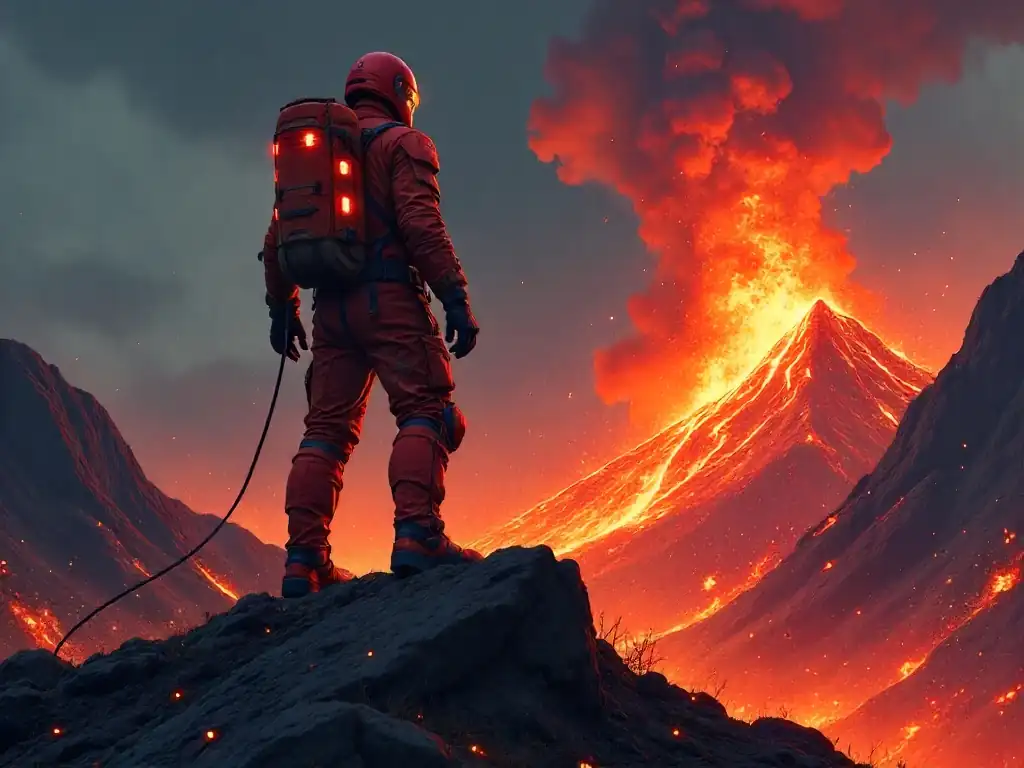
Welcome to Volcano Explorers, where the Earth breathes fire! Ever wondered what it really takes to stand face-to-face with a molten giant? Our latest article, "ProLevel Protection: What Expert Volcanologists Wear in the Field," unveils the secrets of volcanologist field gear essentials. Prepare to be amazed as we delve into the crucial tools and protective equipment that keep these brave scientists safe while they unlock the mysteries of our planet's most volatile wonders. Ready to gear up for an adventure?
Understanding the Hazards: Why Specialized Volcanologist Gear is Crucial
Volcanoes, while breathtakingly beautiful and scientifically fascinating, are inherently dangerous environments. Volcanologists venture into these dynamic landscapes to study volcanic processes firsthand, often in close proximity to extreme heat, toxic gases, and unstable terrain. The hazards they face are numerous and can range from minor irritations to life-threatening situations. Understanding these risks is the first step in appreciating why specialized volcanologist field gear is not just recommended, but absolutely essential for their safety and the success of their research.
One of the primary dangers is the intense heat emanating from lava flows, volcanic vents, and geothermal areas. Temperatures can reach hundreds or even thousands of degrees Celsius, posing a significant risk of burns and heatstroke. Beyond heat, volcanic eruptions release a cocktail of hazardous gases, including sulfur dioxide (SO2), hydrogen sulfide (H2S), carbon dioxide (CO2), and hydrogen halides.
These gases can cause respiratory problems, eye irritation, and even death at high concentrations. Furthermore, active volcanic areas are prone to sudden explosions, rockfalls, and lahars (volcanic mudflows), presenting physical impact and burial hazards. The combination of these factors necessitates specialized protective clothing and equipment to mitigate risks and allow volcanologists to conduct their work safely.
- What are the most essential pieces of gear for a volcanologist working in the field?
- Why is specialized clothing so important for volcanologists?
- What kind of monitoring equipment do volcanologists typically carry?
- How do volcanologists protect themselves from volcanic gases?
- Where can I find more information about volcanologist safety protocols?
Volcanologist Field Gear Essentials: A Comprehensive Guide
Head Protection: Helmets and Respiratory Gear
- Hard Hats: Protecting against falling rocks and debris.
- Respirators and Gas Masks: Filtering toxic volcanic gases.
- Eye Protection: Goggles and face shields for ash and debris.
Volcanologist field gear must prioritize head protection due to the ever-present risk of projectiles and hazardous airborne substances. Hard hats are a fundamental piece of equipment, crucial for shielding the head from falling rocks, volcanic bombs, and other debris ejected during eruptions or landslides. These helmets are typically constructed from high-impact resistant materials, meeting industrial safety standards to withstand significant force. In areas known for rockfall hazards, volcanologists may opt for helmets with enhanced side and rear impact protection.
Respiratory protection is equally critical given the abundance of toxic volcanic gases and fine ash particles in volcanic environments. Respirators and gas masks are indispensable for filtering out these harmful substances and ensuring breathable air. Depending on the specific volcanic gases present and their concentrations, volcanologists may use different types of respirators.
For relatively low concentrations of sulfur dioxide and particulate matter, half-face respirators with replaceable cartridges are commonly employed. However, in areas with high concentrations of toxic gases or when dealing with potentially oxygen-deficient atmospheres, full-face gas masks with specialized filters and even self-contained breathing apparatus (SCBA) might be necessary. Eye protection, in the form of goggles or face shields, complements respiratory gear by safeguarding the eyes from irritating volcanic ash, gas fumes, and flying debris.
Body Protection: Fire-Resistant Clothing and Outerwear
- Fire-Resistant (FR) Clothing: Protecting against heat and burns.
- Heat-Reflective Suits: For proximity to lava flows and high-temperature environments.
- Durable Outerwear: Protection from the elements and physical hazards.
Protecting the body from extreme heat and physical abrasions is paramount for volcanologists working in the field. Fire-resistant (FR) clothing is a cornerstone of volcanologist field gear, designed to minimize burn injuries in the event of sudden heat exposure or contact with flames. This specialized clothing is typically made from inherently flame-resistant materials like Nomex or treated cotton blends, which char but do not melt or drip when exposed to high temperatures. Wearing FR clothing significantly reduces the severity of burns, providing crucial protection in unpredictable volcanic settings.
For situations requiring closer proximity to lava flows or intense geothermal activity, heat-reflective suits offer an additional layer of defense. These suits are constructed with an outer layer of aluminized material that reflects radiant heat, significantly reducing heat transfer to the wearer. While not designed for direct contact with lava, heat-reflective suits allow volcanologists to work in extremely hot environments for limited periods, enabling them to collect samples, deploy instruments, or make critical observations near high-temperature sources.
Regardless of heat exposure risks, durable outerwear is essential for protection against the elements and physical hazards. Jackets and pants made from tough, abrasion-resistant fabrics shield against wind, rain, and rough terrain, while reinforced knees and elbows add durability in demanding field conditions.
Hand and Foot Protection: Gloves and Boots for Volcanic Terrain
- Heat-Resistant Gloves: Protecting hands from burns and cuts.
- Durable Hiking Boots: Providing support and traction on uneven terrain.
- Specialized Boots: Protecting against extreme heat and molten rock (if applicable).
Hand and foot protection are crucial components of volcanologist field gear, safeguarding extremities that are particularly vulnerable in volcanic environments. Heat-resistant gloves are essential for protecting hands from burns when handling hot rocks, equipment, or deploying instruments in geothermal areas. These gloves are constructed from materials like Kevlar or leather and are designed to withstand high temperatures and abrasion. They also provide protection against cuts and scrapes from sharp volcanic rocks and debris, ensuring hand safety during fieldwork.
Durable hiking boots are non-negotiable for navigating the rugged and often unstable terrain surrounding volcanoes. These boots provide essential ankle support, preventing sprains and injuries on uneven surfaces composed of loose rocks, ash, and solidified lava flows. Sturdy outsoles with deep treads offer excellent traction, crucial for maintaining footing on steep slopes and slippery volcanic materials.
For volcanologists working in areas with exceptionally high ground temperatures or potential encounters with molten rock, specialized boots with heat-resistant soles and uppers may be necessary. These specialized boots offer enhanced protection against extreme heat and brief contact with hot materials, providing an extra margin of safety in the most demanding volcanic environments.
Essential Monitoring Equipment and Safety Accessories for Volcanologists
Gas Detectors: Monitoring Volcanic Gas Levels
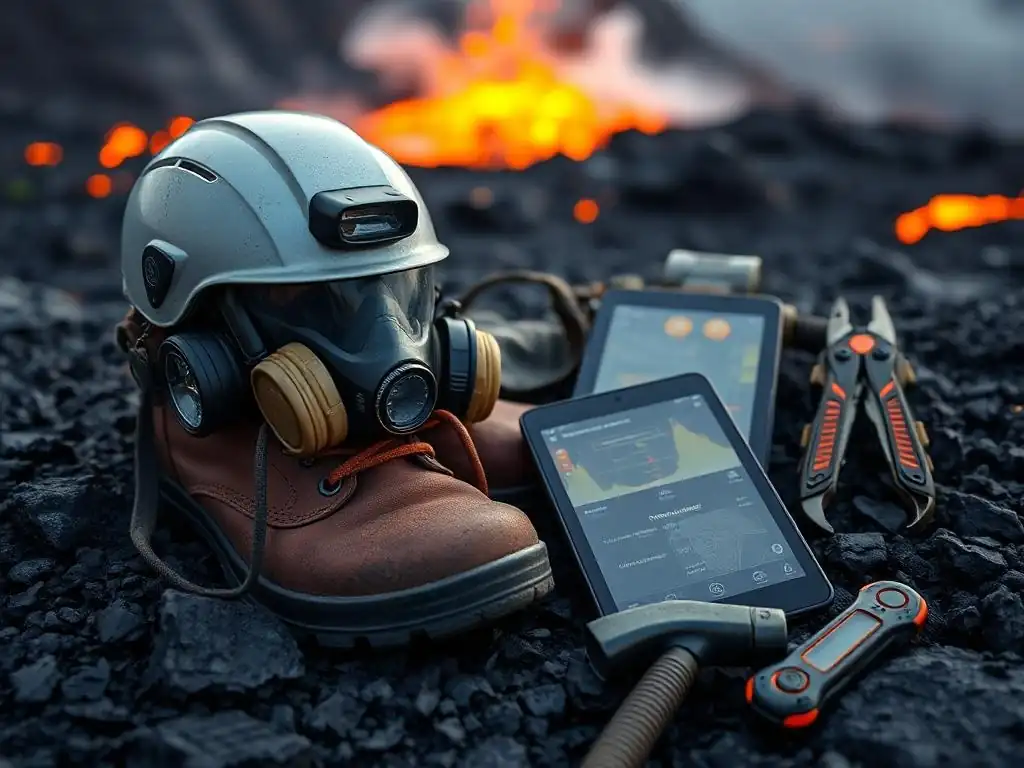
Volcanologist field gear extends beyond personal protective clothing to include essential monitoring equipment. Gas detectors are vital tools for assessing the levels of hazardous volcanic gases in the atmosphere. These portable devices can measure concentrations of gases like sulfur dioxide (SO2), carbon monoxide (CO), hydrogen sulfide (H2S), and others, providing real-time data on air quality.
Volcanologists use gas detectors to identify areas with dangerous gas concentrations, monitor changes in gas emissions over time, and ensure they are working within safe exposure limits. Advanced gas detectors can be equipped with GPS capabilities to map gas plumes and track their dispersal, contributing to a better understanding of volcanic degassing processes and potential hazards to surrounding communities.
Communication Devices: Staying Connected in Remote Locations
Effective communication is paramount for safety in the often remote and unpredictable environments where volcanologists work. Communication devices are integral to volcanologist field gear, enabling teams to stay connected, coordinate activities, and call for assistance in emergencies. Two-way radios are a standard tool, providing reliable short-range communication within field teams, even in areas with limited or no cell phone service.
For longer-range communication, satellite phones offer connectivity in remote locations where terrestrial networks are unavailable. These devices allow volcanologists to communicate with base camps, monitoring centers, or emergency services, ensuring that help can be summoned if needed. In addition to voice communication, some volcanology teams utilize satellite-based text messaging devices for routine check-ins and data transmission from the field.
First Aid Kits: Treating Injuries in the Field
Despite meticulous planning and comprehensive safety measures, injuries can occur during volcanological fieldwork. Well-stocked first aid kits are therefore an indispensable component of volcanologist field gear. These kits are designed to address common injuries encountered in volcanic environments, such as cuts, burns, sprains, and heat-related illnesses.
Beyond standard first aid supplies like bandages, antiseptic wipes, and pain relievers, volcanologist first aid kits often include specialized items like burn dressings, electrolyte replacement solutions, and medications for altitude sickness, depending on the specific volcanic setting. Team members are typically trained in wilderness first aid and CPR to provide immediate care in the field until professional medical assistance can be reached.
Case Studies: Volcanologist Safety in Action
Mount St. Helens: Lessons Learned from a Catastrophic Eruption
The 1980 eruption of Mount St. Helens in Washington State, USA, serves as a stark reminder of the unpredictable and devastating power of volcanoes, and the critical importance of volcanologist safety. Prior to the eruption, volcanologists were closely monitoring the volcano, but the magnitude of the May 18th blast exceeded expectations. Despite the tragic loss of volcanologist David Johnston, who was stationed at an observation post, the event provided invaluable lessons.
The eruption highlighted the need for enhanced monitoring technologies, improved communication protocols, and a deeper understanding of volcanic processes to better anticipate and respond to future eruptions. In the aftermath, safety protocols for volcanologists were significantly strengthened, emphasizing remote monitoring techniques, robust communication systems, and comprehensive risk assessments before fieldwork. The Mount St. Helens eruption underscored that even with expert knowledge, volcanoes remain inherently dangerous, and continuous learning and adaptation are crucial for ensuring volcanologist safety.
Kilauea Volcano: Adapting to Changing Volcanic Conditions
Kilauea volcano in Hawaii, USA, known for its long-lived and dynamic eruptive activity, presents a different set of safety challenges for volcanologists. Unlike the explosive eruption of Mount St. Helens, Kilauea’s eruptions are often characterized by effusive lava flows and persistent degassing. Volcanologists working at Kilauea must adapt their field gear and safety procedures to the ever-changing volcanic conditions.
For example, during periods of intense lava effusion, heat-reflective suits and specialized boots become essential for working near active lava flows. Continuous gas monitoring is crucial due to the persistent release of sulfur dioxide and other volcanic gases, which can pose respiratory hazards.
The dynamic nature of Kilauea also necessitates real-time monitoring of ground deformation and seismic activity to detect potential changes in eruptive behavior and adjust safety protocols accordingly. The ongoing research and monitoring at Kilauea demonstrate the importance of flexibility and adaptability in volcanologist safety practices, tailoring equipment and procedures to the specific hazards presented by each volcanic system and its evolving activity.
Investing in Safety: Where to Buy Volcanologist Field Gear
Recommended Retailers and Online Suppliers
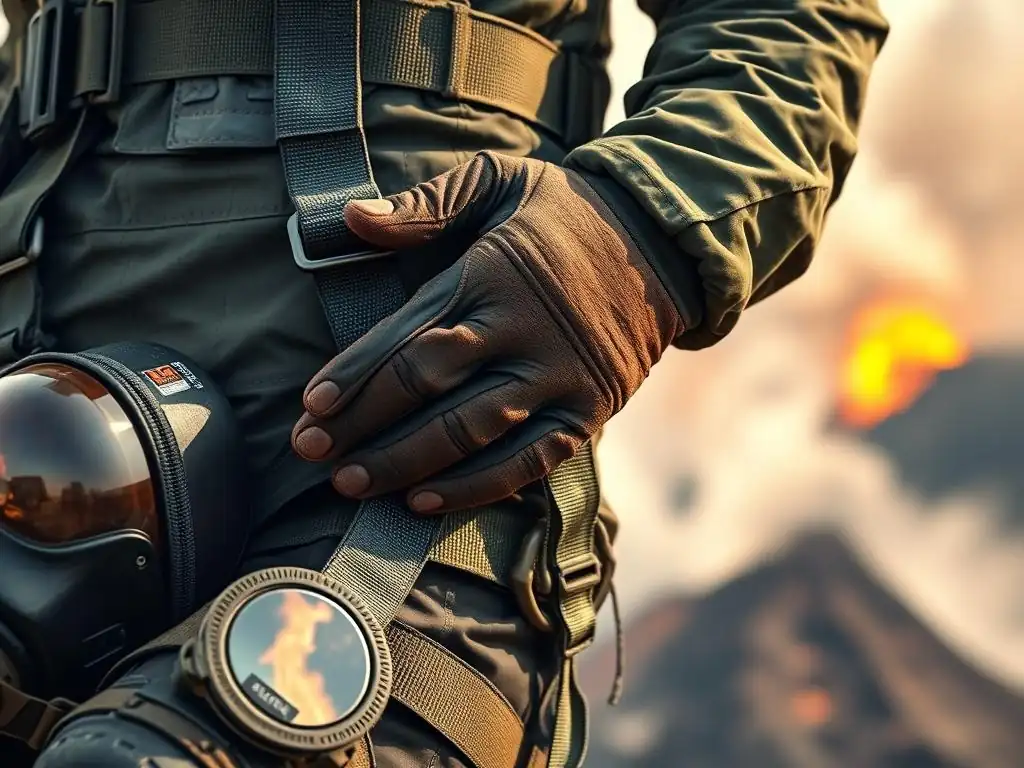
Acquiring high-quality volcanologist field gear is a critical investment in safety and mission success. Several reputable retailers and online suppliers specialize in providing the necessary equipment for professionals working in hazardous environments.
Companies like [Insert hypothetical company name specializing in safety gear] and [Insert another hypothetical company name specializing in outdoor and safety gear] offer a wide range of fire-resistant clothing, respirators, helmets, and durable outerwear suitable for volcanic fieldwork. For specialized equipment like gas detectors and communication devices, suppliers such as [Insert hypothetical company name specializing in scientific instruments] and [Insert another hypothetical company name specializing in communication technology] provide reliable and field-tested instruments.
When purchasing volcanologist field gear, it is essential to prioritize products that meet relevant safety standards and certifications, ensuring they provide the intended level of protection. Consulting with experienced volcanologists and safety experts is advisable to determine the specific gear requirements for different volcanic environments and research objectives.
Conclusion: Prioritizing Safety for Successful Volcanic Exploration
Volcanologist field gear essentials are not merely accessories; they are critical tools that enable scientists to explore and understand volcanoes while minimizing risks in inherently dangerous environments. From head-to-toe protection against heat, gases, and physical hazards, to essential monitoring and communication equipment, each piece of gear plays a vital role in ensuring volcanologist safety.
Case studies from eruptions like Mount St. Helens and ongoing work at volcanoes like Kilauea underscore the importance of continuous learning, adaptation, and rigorous safety protocols in volcanology. Investing in high-quality volcanologist field gear and prioritizing safety are not just ethical imperatives, but also essential for conducting successful volcanic exploration and advancing our understanding of these powerful natural forces.
Frequently Asked Questions
What are the most essential pieces of gear for a volcanologist working in the field?
The most essential gear includes heat-resistant clothing for protection from extreme temperatures, a reliable gas mask to filter out harmful volcanic gases, and sturdy hiking boots for navigating difficult terrain.
Why is specialized clothing so important for volcanologists?
Specialized clothing is critical because it provides protection from intense heat near lava flows, insulation from cold weather at high altitudes, and resistance to corrosive volcanic ash.
What kind of monitoring equipment do volcanologists typically carry?
Volcanologists use equipment like gas detectors to measure volcanic gas concentrations, thermal cameras to identify heat signatures, and GPS devices for accurate location tracking and data collection.
How do volcanologists protect themselves from volcanic gases?
Volcanologists protect themselves by using specialized respirators or gas masks equipped with filters that can neutralize harmful gases like sulfur dioxide and hydrogen sulfide, ensuring safe breathing in hazardous environments.
Where can I find more information about volcanologist safety protocols?
VolcanoExplorers.org offers detailed safety guides and evacuation tips specifically designed for those living near active volcanoes, as well as resources for volcanologists regarding field safety protocols and best practices.
Final Reflection: Embracing the Fire Within
The journey into the heart of volcanic activity, as explored in this article, highlights not only the essential gear for volcanologists but also the unwavering dedication required to understand our planet's most powerful forces. The equipment we've discussed represents more than just protection; it symbolizes the commitment to unraveling the mysteries hidden within these fiery landscapes, a commitment that resonates far beyond the scientific community.
The image of a volcanologist, clad in protective gear against the elements, is a potent reminder of humanity's enduring quest for knowledge and our willingness to confront even the most formidable challenges. This pursuit of understanding, this dance with danger, speaks to a deeper human instinct – the desire to explore the unknown and push the boundaries of our understanding. The most beautiful thing we can experience is the mysterious. It is the source of all true art and science.
- Albert Einstein. This quote encapsulates the spirit of volcanology, a field driven by curiosity and a profound respect for the raw power of nature.
As you reflect on the gear and the dedication of these scientists, consider the protective layers you wear, both literally and figuratively, in your own life. What challenges do you face, and what tools – be they knowledge, resilience, or community – do you rely on to navigate them? Let the courage and preparedness of the volcanologist inspire you to embrace your own "fiery landscapes" with confidence and a commitment to understanding the forces that shape your world.
Gear Up & Ignite Your Inner Explorer!
Thanks for exploring the world of volcanologist gear! We hope you've gained valuable insights into the safety measures these incredible scientists take. Now, let's put that knowledge into action and explore your own connection with the Earth!
Here's how you can get started:
- Research a local volcano and create a hypothetical safety plan for studying it. Consider the necessary gear, potential hazards, and evacuation strategies.
- Share this article with a friend or family member who loves science and adventure – spread the word and inspire others to learn more about volcano safety!
- Did you know some common household items can provide basic protection during volcanic ashfall? Research DIY emergency kits and share your findings in the comments!
What surprising safety equipment would you bring on a volcano expedition, and why? Let's discuss in the comments below!