
Whispers of Vesuvius: Unveiling the Festivals of the Shadow of the Giant

Welcome to Volcano Explorers!
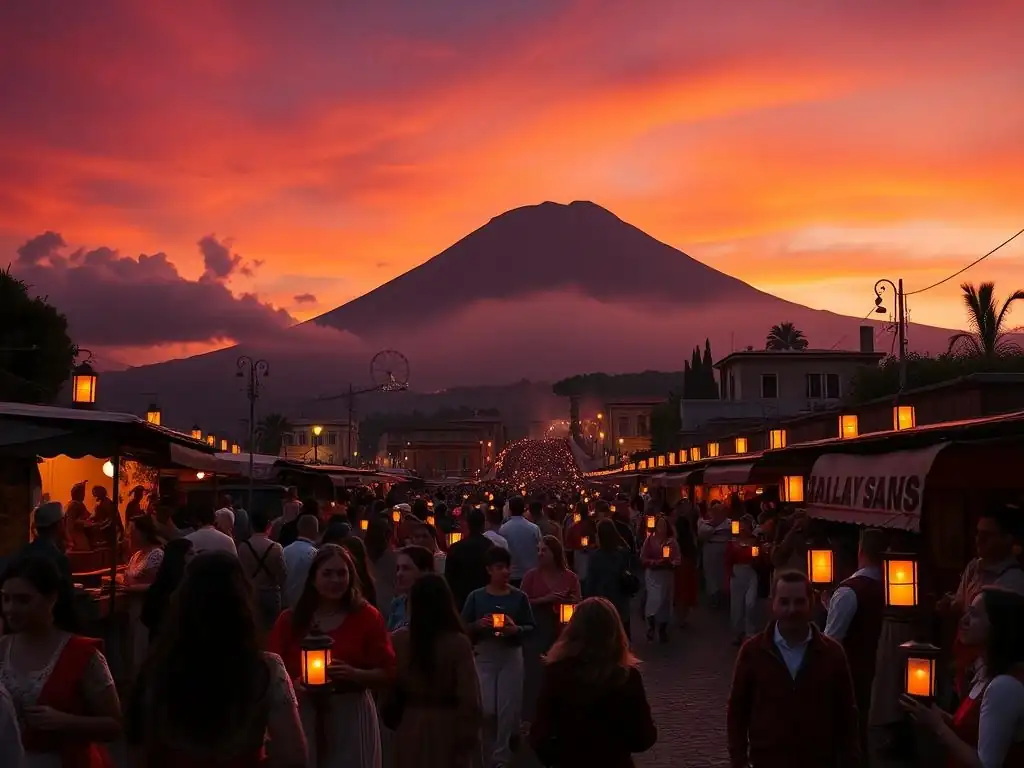
Prepare to be captivated by the fiery heart of our planet. Ever wondered about the vibrant traditions born in the shadow of a sleeping giant? This isn't just about lava and ash; it's about the enduring human spirit. Dive into our exploration of Vesuvius festivals cultural significance and discover how generations have honored, feared, and ultimately, lived alongside this iconic volcano. What secrets do these ancient rituals hold about our relationship with nature's raw power? Uncover the mysteries within... if you dare.
- Whispers of Vesuvius: Unveiling the Festivals in the Shadow of the Giant
- Exploring the Cultural Significance of Vesuvius Festivals
- Ancient Roots of Vesuvius Celebrations
- Modern-Day Festivals in the Shadow of Vesuvius
- The Role of Vesuvius Festivals in Community Identity
- Vesuvius Festivals: A Tourist Perspective
- Preserving the Legacy of Vesuvius Festivals
- Vesuvius Festivals: More Than Just Celebrations
-
Frequently Asked Questions
- What is the cultural significance of Vesuvius festivals?
- How do these festivals connect to the history of Vesuvius?
- What types of celebrations are typically included in Vesuvius festivals?
- Are there specific deities or figures associated with the Vesuvius festivals?
- What is the modern-day relevance of Vesuvius festivals?
- Final Reflection: Echoes of Ancient Celebrations
- Ignite Your Inner Explorer: Embark on a Volcanic Adventure!
Whispers of Vesuvius: Unveiling the Festivals in the Shadow of the Giant
Exploring the Cultural Significance of Vesuvius Festivals
The Enduring Presence of Vesuvius in Local Culture
Mount Vesuvius, an iconic stratovolcano, is not merely a geological feature dominating the Bay of Naples; it is a living, breathing entity deeply interwoven into the cultural fabric of the communities that reside in its shadow. For centuries, Vesuvius has been a constant presence, shaping not only the landscape but also the lives, beliefs, and traditions of the people living on its fertile slopes and surrounding plains.
Its imposing silhouette is visible from almost every vantage point in the region, serving as a perpetual reminder of nature's power and the delicate balance between destruction and creation. This ever-present awareness has fostered a unique cultural identity, marked by resilience, a profound respect for nature, and a vibrant tapestry of traditions.
The volcano's influence extends beyond the visual and the tangible. Local folklore is replete with tales and legends attributing supernatural powers to Vesuvius, often personifying it as both a benevolent provider and a wrathful deity. This dual perception is understandable given the volcano's capacity to both enrich the land with fertile volcanic soil and to unleash devastating eruptions.
The very rhythm of life in the Vesuvian area is dictated, in part, by the volcano's presence, influencing agricultural practices, urban development, and even social structures. From ancient Roman times to the present day, Vesuvius has been more than just a mountain; it is a cultural cornerstone, a silent witness to history, and a powerful symbol deeply embedded in the collective consciousness of the Neapolitan people.
Understanding the Cultural Impact of Volcanic Activity on Vesuvius Communities
The cultural impact of volcanic activity on Vesuvius communities is profound and multifaceted, shaping everything from religious beliefs to economic activities. The catastrophic eruption of 79 AD, which buried Pompeii and Herculaneum, serves as a stark reminder of the destructive potential of Vesuvius. This event, though tragic, has become a pivotal point in the region's history, influencing artistic representations, literature, and even the collective memory. The rediscovery of Pompeii and Herculaneum in the 18th century sparked a renewed interest in the past and a fascination with the power of Vesuvius, further cementing its place in the cultural narrative.
Beyond the dramatic eruptions, the more subtle, ongoing volcanic activity also plays a significant role. The fertile volcanic soil, a direct result of past eruptions, is the foundation of the region's agricultural prosperity, particularly renowned for its vineyards and produce. This dependence on the volcanic soil has fostered a deep connection between the communities and the volcano, expressed through agricultural festivals and celebrations that give thanks for the bounty provided by the land.
The constant awareness of potential volcanic unrest also cultivates a sense of community resilience and preparedness, influencing social structures and emergency planning. In essence, the volcanic activity, both past and present, is not just a geological phenomenon but a continuous shaping force of the cultural landscape of the Vesuvius region.
Ancient Roots of Vesuvius Celebrations
Roman Era Vesuvius Festivals: A Glimpse into the Past
The relationship between the ancient Romans and Vesuvius was complex, marked by both awe and pragmatism. Before the catastrophic eruption of 79 AD, Vesuvius was not perceived as an active volcano in the same way it is today. Strabo, the Greek geographer, described it as having a barren, ash-covered summit, hinting at past volcanic activity, but it was largely considered dormant.
Despite this, there is evidence suggesting that even in Roman times, Vesuvius held a degree of cultural and perhaps even religious significance. While specific "Vesuvius festivals" in the modern sense may not be definitively documented, the Romans certainly celebrated deities associated with nature, fertility, and the land, which would have implicitly acknowledged the presence and influence of the volcano.
Archaeological evidence from Pompeii and Herculaneum reveals the importance of agriculture and viticulture in the region, suggesting that festivals related to harvests and wine production were likely commonplace. The Romans were adept at incorporating local deities and traditions into their pantheon, and it is plausible that pre-Roman cults associated with the mountain existed and were adapted into Roman religious practices.
Furthermore, the Roman emphasis on genius loci, the protective spirit of a place, would naturally extend to a prominent geographical feature like Vesuvius. While direct accounts of specific Roman-era Vesuvius festivals may be scarce, the broader context of Roman religious and agricultural celebrations provides a glimpse into the ancient roots of acknowledging the volcano’s presence and influence through communal festivities.
Vinalia: Celebrating Wine and the Bounty of the Volcanic Soil
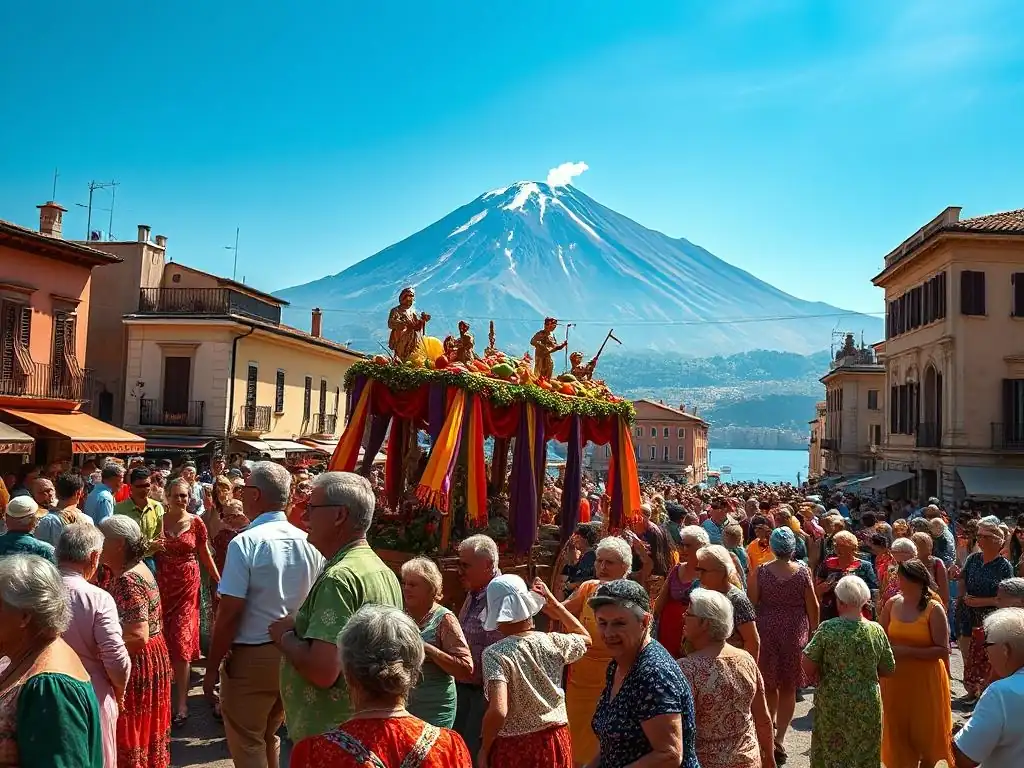
Among the most relevant Roman festivals that resonate with the spirit of Vesuvius celebrations is the Vinalia, specifically the Vinalia Rustica, celebrated on August 19th. This festival was dedicated to Jupiter and Venus and marked the blessing of the grape harvest and the tasting of the new vintage of wine.
Given the exceptional quality of wine produced in the Vesuvian region since ancient times, thanks to the fertile volcanic soil, the Vinalia Rustica would have held particular significance for the communities living around Vesuvius. The volcanic soil, rich in minerals, imparts unique characteristics to the grapes, contributing to the distinctive flavor profile of Vesuvian wines, a characteristic still celebrated today.
The Vinalia Rustica was not merely a religious observance; it was a social and economic event deeply intertwined with the agricultural cycle. It symbolized the culmination of a year's labor in the vineyards and the anticipation of a bountiful harvest. Festivities likely included processions, sacrifices to Jupiter and Venus to ensure continued prosperity, and of course, the tasting of the new wine.
This ancient Roman festival provides a tangible link to the enduring tradition of celebrating the bounty of the Vesuvian land, a tradition that continues to manifest in modern-day festivals where local produce and especially wine, remain central elements. The cultural significance of Vesuvius festivals, even in their modern iterations, can be seen as echoing the ancient Roman appreciation for the gifts of the volcanic landscape, particularly embodied in celebrations like the Vinalia.
The Evolution of Vesuvius Festivals Over Time
The evolution of Vesuvius festivals over time reflects the changing social, religious, and economic landscape of the region. Following the decline of the Roman Empire and the rise of Christianity, many pagan festivals were either suppressed or adapted to Christian traditions. While direct continuity from Roman festivals to modern ones is difficult to trace definitively, the underlying themes of thanksgiving, community celebration, and acknowledging the power of nature persisted and were reinterpreted within a Christian framework. The veneration of saints replaced the worship of Roman deities, and festivals became centered around patron saints and religious holidays.
The medieval and subsequent periods saw the rise of local patron saints as protectors of communities, often invoked for protection against natural disasters, including volcanic eruptions. Festivals dedicated to these saints became important expressions of faith and community identity, often incorporating elements of pre-Christian traditions. As agricultural practices and local economies evolved, so too did the festivals.
While the core themes of harvest and thanksgiving remained, the specific rituals and celebrations adapted to reflect the changing times. Modern-day Vesuvius festivals are thus a complex tapestry woven from ancient roots, medieval religious adaptations, and contemporary cultural expressions, demonstrating a remarkable continuity of spirit while embracing change and incorporating new elements.
Modern-Day Festivals in the Shadow of Vesuvius
A Calendar of Contemporary Vesuvius Celebrations
The shadow of Vesuvius plays host to a vibrant calendar of contemporary festivals, each offering a unique glimpse into the cultural heart of the region. These festivals, spanning religious, gastronomic, and historical themes, collectively showcase the enduring traditions and community spirit nurtured in the volcano's presence. From the bustling street fairs celebrating local produce to solemn religious processions honoring patron saints, the festivals around Vesuvius provide a rich and diverse cultural experience. Many of these celebrations occur throughout the year, with particular concentrations during the summer and autumn months, coinciding with harvest seasons and religious holidays.
A typical calendar might include events like local sagre (food festivals) dedicated to specific agricultural products such as tomatoes, grapes, or cherries, often featuring music, dancing, and artisanal crafts alongside culinary delights. Religious festivals, such as the Festa di San Gennaro in Naples (which, while not exclusively Vesuvian, holds immense importance for the entire region) and local patron saint celebrations in towns like Torre Annunziata and Ercolano, are prominent features.
Historical reenactments and cultural events commemorating the Roman era or local historical figures also contribute to the festive landscape. This diverse array of celebrations ensures that the cultural significance of Vesuvius is actively and vividly maintained throughout the year.
The Festa di San Gennaro and Vesuvius: A Special Connection
While the Festa di San Gennaro is primarily a Neapolitan celebration, its significance extends deeply into the Vesuvian communities and holds a special connection to the shadow of the giant. San Gennaro, the patron saint of Naples, is invoked not only for the protection of the city but also for safeguarding the entire region from disasters, including eruptions of Vesuvius.
The famous miracle of the liquefaction of San Gennaro's blood, which takes place three times a year, is seen as a particularly auspicious sign, believed to ward off calamities and ensure the well-being of Naples and its surrounding areas, including the towns nestled around Vesuvius.
The fervent devotion to San Gennaro in the Vesuvian region is palpable during the Festa. Pilgrims from towns at the foot of Vesuvius travel to Naples to participate in the celebrations, demonstrating the shared sense of faith and dependence on the saint's protection.
Prayers and petitions during the Festa often explicitly include requests for protection from Vesuvius, reflecting the ongoing awareness of the volcano's potential power. The Festa di San Gennaro, therefore, acts as a unifying cultural and religious event for the entire Neapolitan area, reinforcing the shared identity and collective plea for safety in the shadow of Vesuvius, making it a crucial element of the Vesuvius festivals cultural significance.
Festa di Sant'Anna in Torre Annunziata: A Celebration of the Patron Saint of Mothers
The Festa di Sant'Anna in Torre Annunziata is a particularly vibrant and significant example of a local Vesuvius festival, deeply rooted in religious devotion and community tradition. Sant'Anna, the mother of Mary and grandmother of Jesus, is the patron saint of Torre Annunziata, a town directly facing Vesuvius on the coast. The Festa, celebrated annually on July 26th, is a grand affair encompassing religious processions, musical performances, street markets, and spectacular fireworks displays over the sea, with Vesuvius providing a dramatic backdrop.
Sant'Anna is revered as the protector of mothers, pregnant women, and families, and the Festa in Torre Annunziata is a powerful expression of faith and gratitude. The religious procession, carrying the statue of Sant'Anna through the town streets, is the heart of the celebration, attracting thousands of devotees.
Beyond the religious aspects, the Festa is a major social event, strengthening community bonds and showcasing local traditions. The fireworks display, often synchronized with music, is a highlight, drawing visitors from across the region and illuminating the night sky above Vesuvius, creating a memorable spectacle that embodies the festive spirit and reinforces the cultural significance of Vesuvius festivals within the local context.
Exploring the Religious Significance of Vesuvius Festivals
The religious significance of Vesuvius festivals is profound, deeply intertwined with centuries of faith, tradition, and the unique relationship between the communities and the volcano. Many festivals are centered around patron saints, who are invoked for protection from natural disasters, good harvests, and the general well-being of the community. These saints are seen as intermediaries between the earthly realm and the divine, offering solace and hope in the face of Vesuvius's unpredictable nature. The festivals are not merely perfunctory religious observances; they are fervent expressions of faith, hope, and collective identity.
The rituals and processions associated with these religious festivals are often elaborate and steeped in symbolism, reflecting a blend of Christian beliefs and older, pre-Christian traditions. Prayers, chants, and offerings are made to the patron saints, expressing gratitude and seeking continued protection. The presence of Vesuvius itself often adds an extra layer of religious significance to these events.
The volcano, viewed both as a source of potential destruction and fertile land, becomes a backdrop against which these religious expressions unfold, reinforcing the idea of divine power and human vulnerability. Exploring the religious dimension of Vesuvius festivals is crucial to understanding their deep cultural resonance and enduring importance for the local communities.
The Role of Vesuvius Festivals in Community Identity
Vesuvius festivals play a vital role in strengthening community bonds by providing shared experiences and fostering a sense of collective identity. These festivals are not just events; they are opportunities for people to come together, celebrate their shared heritage, and reinforce social connections. The preparation for and participation in festivals involve collective effort, from organizing committees and local associations to individual contributions from residents. This collaborative process itself strengthens community ties and fosters a sense of belonging.
The festivals provide a platform for intergenerational interaction, with older generations passing down traditions and younger generations actively participating in the celebrations. Shared rituals, music, food, and festivities create lasting memories and reinforce a sense of common identity that transcends individual differences. In a region where the ever-present volcano serves as a constant reminder of both shared history and potential challenges, these community celebrations become even more crucial for fostering resilience, solidarity, and a strong sense of collective identity in the shadow of Vesuvius.
Preserving Cultural Heritage Through Vesuvius Festivals
Vesuvius festivals serve as crucial vehicles for preserving and transmitting cultural heritage across generations. These celebrations are living embodiments of local traditions, customs, music, dance, culinary practices, and religious beliefs that have been passed down through centuries. By actively participating in and organizing these festivals, communities ensure the continuity of their cultural heritage, preventing it from being lost or forgotten in the face of modernization and globalization. Festivals act as dynamic museums, bringing history and tradition to life in a vibrant and engaging manner.
The traditional costumes, music, dances, and rituals performed during festivals are not merely performative acts; they are tangible expressions of cultural identity and historical memory. Local crafts and artisanal products often featured in festival markets showcase traditional skills and techniques, contributing to the preservation of intangible cultural heritage. Moreover, the oral traditions, stories, and legends associated with the festivals are transmitted through participation and storytelling, further enriching the cultural tapestry and ensuring that the unique cultural heritage of the Vesuvius region remains vibrant and alive.
The Interplay Between Tradition and Modernity in Vesuvius Festival Culture
The culture of Vesuvius festivals is characterized by a fascinating interplay between tradition and modernity. While rooted in centuries-old customs and religious observances, these festivals are not static relics of the past but rather dynamic and evolving cultural expressions that adapt to contemporary society. Modern Vesuvius festivals skillfully blend traditional elements with contemporary influences, creating a vibrant and relevant cultural landscape. This adaptability is crucial for ensuring the continued relevance and appeal of these festivals in a rapidly changing world.
Modern technologies and communication methods are often utilized in festival organization and promotion, enhancing accessibility and attracting wider audiences. Contemporary music and entertainment may be incorporated alongside traditional performances, creating a diverse and engaging program that appeals to different generations. Furthermore, issues of sustainability, environmental awareness, and responsible tourism are increasingly being integrated into festival planning, reflecting a modern consciousness while respecting the cultural core of the celebrations. This dynamic interplay between tradition and modernity ensures that Vesuvius festivals remain vital and meaningful expressions of cultural identity in the 21st century.
Vesuvius Festivals: A Tourist Perspective
Experiencing the Authenticity of Vesuvius Celebrations
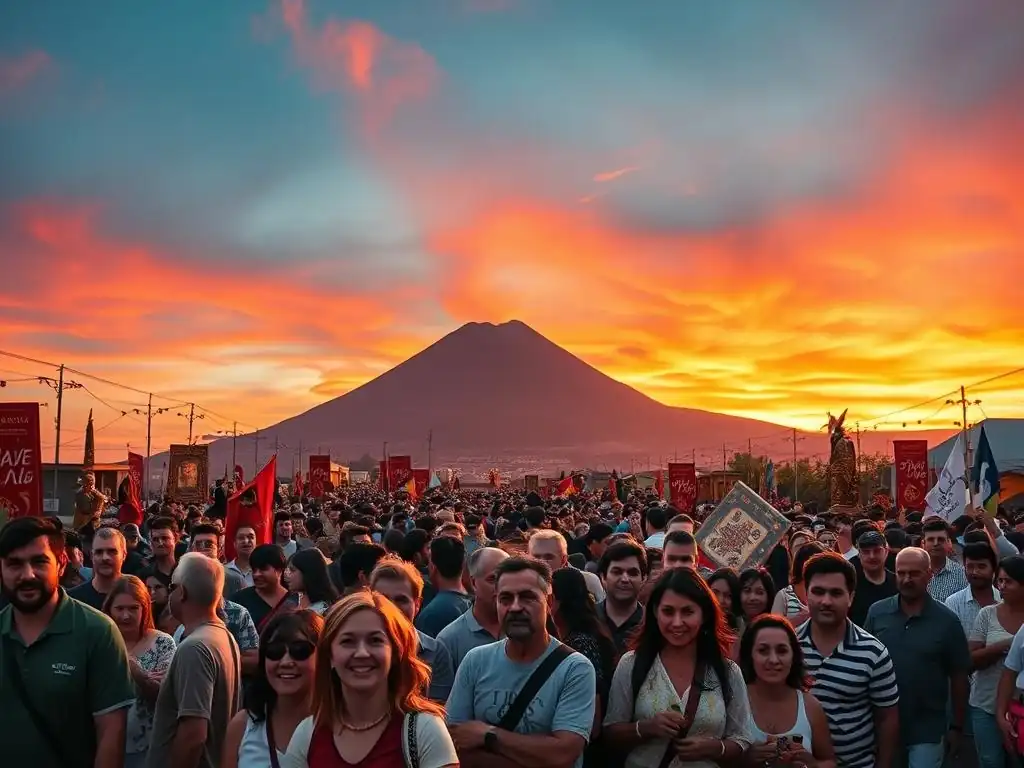
For tourists seeking authentic cultural experiences, Vesuvius festivals offer a unique opportunity to immerse themselves in the genuine traditions and community life of the region. Unlike staged tourist events, these festivals are primarily for and by the local communities, offering visitors a genuine glimpse into the cultural heart of the Vesuvian area. Attending a Vesuvius festival is a chance to witness firsthand the living traditions, religious fervor, and vibrant community spirit that define this unique region.
Tourists who venture beyond the typical tourist trails and participate in local festivals can gain a deeper understanding of the cultural significance of Vesuvius and its impact on the people who live in its shadow. From savoring authentic local cuisine at a sagra to witnessing a heartfelt religious procession or enjoying traditional music and dance performances, these festivals provide a rich and immersive cultural experience far removed from mass tourism. The genuine warmth and hospitality of the local communities further enhance the authenticity of the experience, making Vesuvius festivals a truly rewarding cultural encounter for discerning travelers.
Responsible Tourism and Cultural Sensitivity During Festivals
While tourism can bring economic benefits to the Vesuvius region, it is crucial to practice responsible tourism and cultural sensitivity when attending festivals. Respecting local customs, traditions, and religious practices is paramount. Tourists should be mindful of dress codes, especially when attending religious events, and should be respectful of the solemnity of processions and religious ceremonies. Learning a few basic Italian phrases and showing genuine interest in local culture is always appreciated and helps foster positive interactions.
Avoiding disruptive behavior, such as excessive noise or littering, is essential to ensure that festivals remain enjoyable for both locals and visitors. Supporting local businesses, artisans, and food vendors during festivals contributes directly to the local economy and helps sustain these cultural events. Being mindful of photography and asking for permission before taking pictures of people, especially during religious ceremonies, demonstrates cultural sensitivity. By practicing responsible tourism, visitors can contribute positively to the preservation of Vesuvius festivals and ensure that these cultural treasures continue to thrive for generations to come.
Practical Tips for Visitors Attending Vesuvius Festivals
For visitors planning to attend Vesuvius festivals, some practical tips can enhance their experience and ensure a smooth and enjoyable visit. Checking the festival calendar in advance is essential, as dates and times may vary each year. Local tourist information offices and online resources can provide detailed schedules and program information. Booking accommodation in advance, especially during peak festival periods, is highly recommended, as lodging options in smaller towns may be limited.
Utilizing public transportation is often the best way to reach festival locations, as parking can be challenging and traffic congestion is common. Wearing comfortable shoes is advisable, as festivals often involve walking and standing for extended periods. Bringing cash is also recommended, as smaller vendors and stalls may not accept credit cards. Learning a few basic Italian phrases will be greatly appreciated by locals and can enhance interactions. Finally, being open to trying local cuisine and engaging with the community will enrich the festival experience and create lasting memories of the vibrant cultural life in the shadow of Vesuvius.
Preserving the Legacy of Vesuvius Festivals
Challenges and Opportunities for Maintaining Cultural Traditions
Maintaining the legacy of Vesuvius festivals in the face of modern challenges presents both difficulties and opportunities. Globalization, changing social values, and economic pressures can impact traditional cultural practices. Younger generations may be less inclined to participate in traditional festivals, leading to a potential loss of cultural transmission. Economic constraints can also hinder the organization and funding of festivals, particularly in smaller communities.
However, these challenges also present opportunities for innovation and adaptation. Leveraging digital technologies to promote festivals and engage younger audiences can help revitalize interest and participation. Sustainable tourism initiatives can provide economic support for festivals while promoting responsible cultural engagement. Collaborations between local communities, cultural organizations, and tourism authorities can create synergistic approaches to preserving and promoting Vesuvius festivals. By embracing innovation while respecting tradition, the legacy of these unique cultural celebrations can be secured for future generations.
The Importance of Supporting Local Communities and Festival Organizers
Supporting local communities and festival organizers is paramount for ensuring the continued vitality and preservation of Vesuvius festivals. These festivals are community-driven initiatives, relying heavily on the dedication and voluntary efforts of local residents and organizations. Providing financial and logistical support to festival organizers can alleviate burdens and enable them to enhance the quality and sustainability of their events. Investing in local infrastructure and cultural centers can also contribute to the long-term viability of festivals.
Promoting local businesses, artisans, and food vendors associated with festivals not only strengthens the local economy but also reinforces the cultural authenticity of these celebrations. Encouraging community participation at all levels, from planning to execution, ensures that festivals remain truly representative of local culture and identity. By recognizing and actively supporting the crucial role of local communities and organizers, we can contribute directly to preserving the invaluable cultural heritage embodied in Vesuvius festivals.
Initiatives Aimed at Protecting the Cultural Heritage of Vesuvius Festivals
Various initiatives are crucial for actively protecting and promoting the cultural heritage embodied in Vesuvius festivals. Documenting and archiving festival traditions, including oral histories, music, rituals, and crafts, is essential for preserving cultural memory and ensuring transmission to future generations. Educational programs in schools and community centers can raise awareness among younger generations about the cultural significance of Vesuvius festivals and encourage their participation.
Seeking UNESCO recognition for certain Vesuvius festivals or cultural practices could provide international recognition and support for their preservation. Establishing cultural heritage centers or museums dedicated to Vesuvius festivals and local traditions can serve as valuable resources for education and cultural preservation. Collaborations between researchers, cultural organizations, and local communities can facilitate research, documentation, and sustainable preservation strategies. By implementing these proactive initiatives, we can safeguard the rich cultural heritage of Vesuvius festivals and ensure that they continue to enrich the lives of communities and visitors alike for years to come.
Vesuvius Festivals: More Than Just Celebrations
Reflecting on the Profound Cultural Significance of Vesuvius Festivals
Vesuvius festivals are far more than mere celebrations; they are profound expressions of cultural identity, resilience, and the enduring relationship between communities and the powerful volcano that shapes their lives. These festivals are living narratives, weaving together history, religion, tradition, and community spirit into a vibrant tapestry of cultural significance. They offer a unique window into the soul of the Vesuvian region, revealing the deep connections between people, place, and nature's forces.
Reflecting on the cultural significance of Vesuvius festivals reveals their crucial role in maintaining community cohesion, preserving cultural heritage, and expressing collective identity. They are a testament to the human capacity to adapt, celebrate, and find meaning even in the shadow of a potentially destructive force. These festivals are not just events to be observed; they are living traditions to be understood, appreciated, and cherished as invaluable expressions of human culture and resilience.
A Call to Appreciate and Preserve the Unique Traditions of Vesuvius Communities
This exploration of Vesuvius festivals serves as a call to appreciate and actively participate in the preservation of these unique cultural traditions. These festivals are not static relics of the past but living, evolving expressions of cultural heritage that deserve recognition and support. By understanding their profound cultural significance, we can contribute to their continued vitality and ensure that they continue to enrich the lives of both local communities and visitors.
Let us embrace the opportunity to experience the authenticity of Vesuvius festivals, to engage respectfully with local communities, and to support initiatives aimed at preserving these invaluable cultural treasures. By doing so, we not only enrich our own understanding of human culture but also contribute to safeguarding the legacy of Vesuvius festivals for generations to come, ensuring that the whispers of Vesuvius continue to resonate through vibrant celebrations of life, faith, and community.
Frequently Asked Questions
What is the cultural significance of Vesuvius festivals?
Vesuvius festivals are deeply rooted in the ancient history and local traditions surrounding the volcano. They often serve as a way to both honor the power of Vesuvius and appease its potential fury, reflecting a blend of fear and reverence.
How do these festivals connect to the history of Vesuvius?
Many Vesuvius festivals commemorate specific historical events, such as the infamous eruption of 79 AD that buried Pompeii and Herculaneum. These events are remembered through reenactments and rituals, connecting the present to the past.
What types of celebrations are typically included in Vesuvius festivals?
The celebrations often include religious processions, showcasing the veneration of local saints believed to protect the area from Vesuvius's wrath. There are also folkloric performances and culinary traditions unique to the Vesuvius region.
Are there specific deities or figures associated with the Vesuvius festivals?
Yes, certain local saints are heavily associated with these festivals, often seen as protectors against volcanic eruptions. These figures have acquired a spiritual significance, becoming integrated into the cultural identity of the communities living near Vesuvius.
What is the modern-day relevance of Vesuvius festivals?
While steeped in history, these festivals remain a vibrant part of local culture, preserving traditions and fostering a sense of community. They also serve as a reminder of the ever-present risk posed by Vesuvius, promoting awareness and preparedness.
Final Reflection: Echoes of Ancient Celebrations
The enduring power of Vesuvius, both as a destructive force and a symbol of resilience, continues to resonate deeply within the cultural fabric of the region. The festivals we've explored, born from the very shadow of the volcano, are not merely historical relics, but living testaments to the human spirit's capacity to find joy and meaning even in the face of potential devastation. They remind us that culture, like lava, can both destroy and create, shaping the landscape of our lives in profound ways.
These festivals, passed down through generations, have profoundly shaped the identity of the communities nestled around Vesuvius. Witnessing their vibrant expressions of faith, gratitude, and community solidarity underscores the vital role that cultural traditions play in preserving collective memory and fostering a sense of belonging. Culture is the widening of the mind and of the spirit,
as Jawaharlal Nehru so eloquently stated. These festivals are, in essence, a continuous act of widening the mind and spirit, connecting the present to the past and forging a path toward the future.
As you reflect on the whispers of Vesuvius and the vibrant festivals that bloom in its shadow, consider the cultural significance of your own traditions. What stories do they tell? What values do they uphold? Let the resilience and spirit of the Vesuvian people inspire you to cherish and actively participate in the cultural tapestry of your own community, ensuring that its unique threads continue to weave a rich and meaningful narrative for generations to come.
Ignite Your Inner Explorer: Embark on a Volcanic Adventure!
Thank you for delving into the fascinating world of Vesuvius and its vibrant festivals. You've uncovered unique cultural traditions born in the shadow of this magnificent giant. Now, it's time to put that knowledge into action and truly experience the spirit of Vesuvius!
Here are a few ways to keep the volcanic flames burning:
- Plan your own Vesuvius-inspired celebration: Research and incorporate elements of these festivals into your next gathering, bringing a touch of Italian flair and volcanic energy to your life.
- Delve deeper into the local traditions: Learn a traditional Neapolitan song or try your hand at creating a dish featured in one of the festivals.
- Share your newfound knowledge with fellow adventurers: Discuss the article and its insights on social media, encouraging others to discover the captivating culture surrounding Vesuvius.
What aspect of the Vesuvius festivals resonated most with you, and how might you incorporate that into your own life? Let's discuss!