
Decoding the Ash: Analyzing Pyroclastic Flow Deposits for Clues

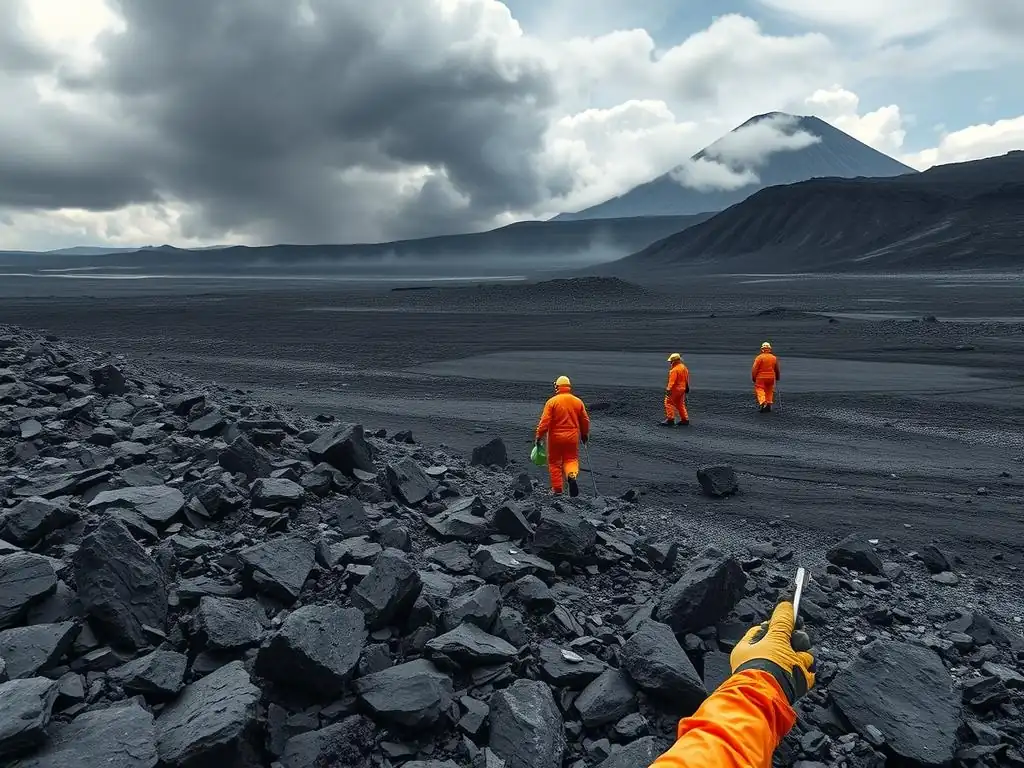
Welcome to Volcano Explorers, where the Earth breathes fire and the landscape tells a tale of immense power. Ever wondered how scientists piece together the story of a volcanic eruption long after the lava has cooled? Our latest article, "Decoding the Ash: Analyzing Pyroclastic Flow Deposits for Clues," unveils the secrets behind pyroclastic flow analysis techniques.
Prepare to uncover the methods volcanologists use to decipher the evidence left behind by these devastating forces – a journey that might just change how you see the world beneath your feet. What secrets do these fiery fingerprints hold? Dive in to find out!
- Introduction to Pyroclastic Flow Deposits and Volcanic Hazards
- Pyroclastic Flow Analysis Techniques: A Comprehensive Overview
- Laboratory Methods for Analyzing Pyroclastic Flow Deposits
- Interpreting Pyroclastic Flow Data: Reconstructing Eruption Dynamics
- Case Studies: Examples of Pyroclastic Flow Analysis in Volcanic Regions
- Challenges and Future Directions in Pyroclastic Flow Deposit Analysis
- Conclusion: Unlocking the Secrets of Pyroclastic Flows
-
Frequently Asked Questions
- What exactly is a pyroclastic flow, and why is its analysis important?
- What are some of the primary components analyzed in pyroclastic flow deposits?
- How do volcanologists use the size and distribution of rock fragments to understand a pyroclastic flow?
- What specific techniques are used for "pyroclastic flow analysis techniques," as related to ash particle examination?
- How can analyzing pyroclastic flow deposits help communities living near volcanoes?
- Final Reflection: Unearthing the Past, Shaping the Future
- Unearth the Secrets of Ancient Eruptions!
Introduction to Pyroclastic Flow Deposits and Volcanic Hazards
Understanding Pyroclastic Flows: Formation and Characteristics
Pyroclastic flows are among the most devastating phenomena associated with explosive volcanic eruptions. These ground-hugging avalanches of hot gas and volcanic debris, including ash, pumice, and rock fragments, can travel at speeds exceeding 700 km/h and reach temperatures of up to 1000°C. The sheer force and heat of pyroclastic flows make them incredibly destructive, capable of incinerating everything in their path and reshaping landscapes in minutes.
They are generated by various volcanic processes, such as the collapse of eruption columns, lava dome collapses, or lateral blasts from the volcano's flank. Understanding the formation and characteristics of these flows is crucial for assessing volcanic hazards and mitigating their impact on populated areas.
The composition of pyroclastic flows is highly variable, depending on the type of eruption, the magma involved, and the distance traveled from the source. They can range from dilute, ash-rich flows to dense, block-and-ash flows. A key characteristic of pyroclastic flows is their density, which allows them to follow topographic lows and travel considerable distances from the volcano. The interaction between the hot, turbulent flow and the surrounding air creates complex dynamics, influencing flow behavior and deposition patterns. The study of these deposits, therefore, provides invaluable insights into the processes that drive these hazardous events.
The Importance of Studying Pyroclastic Deposits: Reconstructing Past Eruptions
Pyroclastic flow deposits are the geological archives of past explosive volcanic activity. By meticulously studying these deposits, volcanologists can reconstruct the characteristics of past eruptions, including their magnitude, intensity, and frequency. This information is vital for understanding a volcano's eruptive history and assessing the potential for future hazardous events. Analyzing the physical and chemical properties of pyroclastic deposits allows scientists to decipher the processes that occurred during their formation and emplacement.
The information gleaned from pyroclastic flow deposits is not only crucial for hazard assessment but also for understanding the broader geological history of volcanic regions. For instance, the spatial distribution and volume of deposits can reveal the extent of past eruptions and the areas most vulnerable to pyroclastic flow hazards. Furthermore, the age of these deposits, determined through radiometric dating techniques, helps to establish eruption recurrence intervals and long-term volcanic activity patterns. This knowledge is essential for land-use planning and infrastructure development in volcanic areas, allowing communities to prepare for and mitigate the risks associated with future eruptions.
Pyroclastic Flow Analysis Techniques: A Comprehensive Overview
Field Observations and Sampling Strategies for Pyroclastic Deposits
Identifying and Describing Different Pyroclastic Flow Units
Field observations are the cornerstone of pyroclastic flow analysis. The initial step involves carefully identifying and describing different pyroclastic flow units within an exposed deposit. This process relies on detailed field mapping and logging of volcanic stratigraphy. Volcanologists meticulously examine the deposits for variations in texture, color, grain size, bedding structures, and the presence of distinct components such as pumice, lithics (rock fragments), and crystals. These characteristics are crucial for differentiating individual flow events and understanding the depositional history of the area.
For example, a pyroclastic flow deposit might exhibit distinct layers, each representing a separate flow event. One layer might be characterized by coarse-grained pumice and lithic fragments, indicative of a high-energy flow, while another layer above it could be finer-grained and ash-rich, suggesting a more dilute and less energetic flow. Sharp contacts between layers, known as bounding surfaces, can indicate breaks in deposition or erosional intervals. By carefully documenting these features in the field, researchers can begin to unravel the complex sequence of events that formed the pyroclastic deposit.
Stratigraphic Analysis of Pyroclastic Sequences
Stratigraphic analysis builds upon the initial identification of pyroclastic flow units by establishing their temporal relationships. This involves determining the order in which the different units were deposited, creating a chronological framework for the volcanic history recorded in the deposits. Stratigraphic principles, such as the law of superposition (older layers are generally beneath younger layers), are applied to understand the sequence of events. However, volcanic stratigraphy can be complex due to erosion, reworking of deposits, and the emplacement of multiple flow units in rapid succession.
To refine stratigraphic correlations, volcanologists often utilize marker horizons, which are distinctive layers that can be traced across different outcrops. These marker horizons might be ash layers with unique chemical compositions or distinctive pumice layers. Furthermore, paleosols (ancient soil horizons) found between pyroclastic flow units can represent periods of volcanic quiescence and provide valuable time markers in the stratigraphic record. Detailed stratigraphic analysis is essential for reconstructing the eruptive history of a volcano and understanding the temporal evolution of its pyroclastic activity.
Collecting Representative Samples for Laboratory Analysis
Collecting representative samples is a critical step in pyroclastic flow analysis, as these samples will be the subject of detailed laboratory investigations. Sampling strategies are carefully designed to capture the variability within and between pyroclastic flow units. For each identified unit, multiple samples are typically collected to account for variations in grain size, componentry, and chemical composition. Samples are collected from different vertical and lateral positions within the deposit to ensure they are representative of the entire flow unit.
Sample collection involves meticulous documentation of the sample location within the stratigraphic context, including its position relative to unit boundaries and marker horizons. The type of sample collected also depends on the intended laboratory analyses. For grain size analysis, bulk samples are collected, whereas for componentry and geochemical analyses, separate fractions of pumice, lithics, and crystals may be selectively sampled. Proper labeling and preservation of samples are crucial to maintain sample integrity and ensure accurate laboratory results.
Laboratory Methods for Analyzing Pyroclastic Flow Deposits
Grain Size Analysis: Unveiling Flow Dynamics
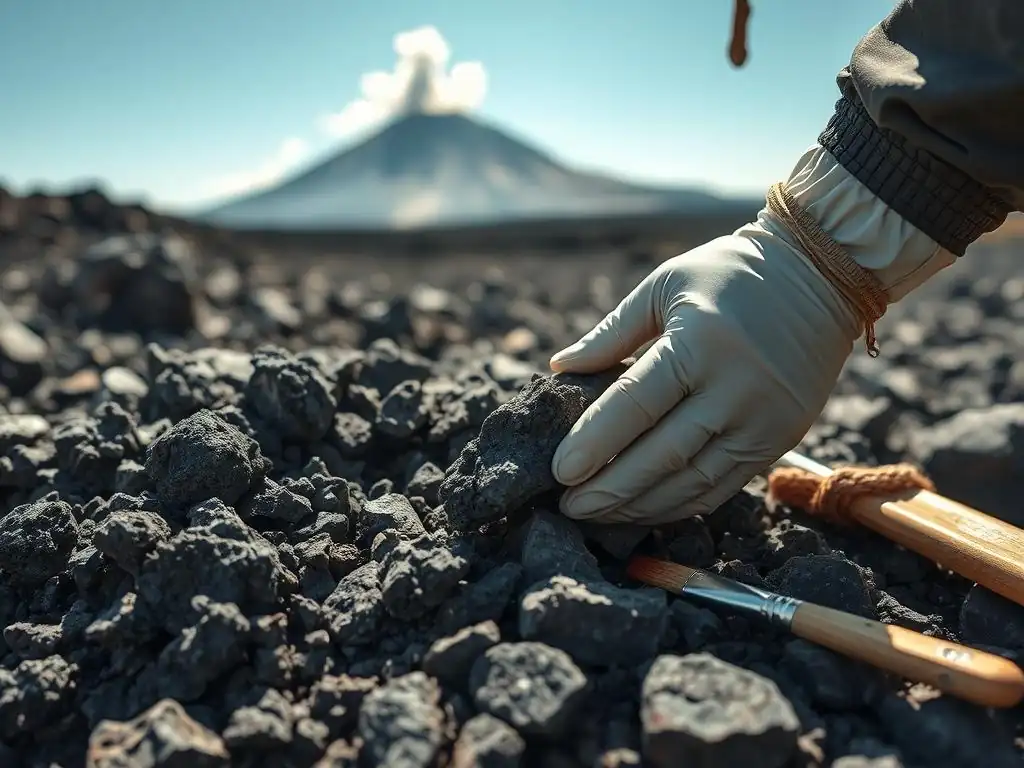
Grain size analysis is a fundamental technique in pyroclastic flow analysis techniques, providing insights into the transport and depositional processes of these flows. The size distribution of particles within a deposit reflects the energy of the flow and the mechanisms by which it deposited its load. Grain size data can be used to infer flow velocity, turbulence, and the degree of fragmentation during an eruption. Different techniques are employed for analyzing the grain size distribution of pyroclastic deposits, depending on the size range of the particles.
By systematically measuring the proportions of different grain sizes within a pyroclastic flow deposit, researchers can create cumulative grain size distribution curves. The shape and characteristics of these curves, such as the median grain size and sorting, provide valuable information about the flow dynamics. For example, well-sorted, fine-grained deposits might indicate deposition from a dilute, turbulent flow, while poorly sorted, coarse-grained deposits could suggest deposition from a denser, more cohesive flow.
Sieving Techniques for Coarse-Grained Deposits
For coarse-grained pyroclastic deposits, such as those containing lapilli and blocks, sieving is a widely used method for grain size analysis. Sieving involves passing a known weight of sediment through a stack of sieves with progressively smaller mesh sizes. The weight of sediment retained on each sieve is then measured, allowing for the determination of the weight percentage of each size fraction. This technique is particularly effective for particles larger than approximately 63 micrometers (0.063 mm).
Standard sieve sets are used, with sieve sizes typically decreasing in a logarithmic scale (e.g., phi scale). The sieving process is usually conducted using a mechanical shaker to ensure consistent and efficient separation of particles. The resulting data are used to construct grain size distribution curves and calculate statistical parameters such as mean grain size, sorting, and skewness. Sieving is a relatively simple, cost-effective, and robust method for analyzing the grain size of coarse-grained pyroclastic flow deposits, providing valuable quantitative data on their textural characteristics.
Laser Diffraction for Fine-Grained Ash Analysis
For fine-grained ash deposits, laser diffraction is a preferred technique for grain size analysis. This method utilizes the principle that particles diffract light at angles inversely proportional to their size. A laser beam is passed through a dispersed sample of ash, and the pattern of diffracted light is measured by detectors. Sophisticated algorithms are then used to calculate the particle size distribution based on the diffraction pattern. Laser diffraction is particularly well-suited for analyzing particles in the silt and clay size range (less than 63 micrometers).
Laser diffraction offers several advantages over sieving for fine-grained analysis. It is a rapid, automated, and non-destructive technique that can analyze large numbers of particles, providing statistically robust grain size distributions. Furthermore, laser diffraction can measure a wider range of particle sizes, including very fine ash particles that are difficult to analyze by sieving. The data obtained from laser diffraction analysis of pyroclastic ash deposits are crucial for understanding the transport and dispersal mechanisms of volcanic ash clouds and for assessing the potential impacts of ashfall on aviation and infrastructure.
Componentry Analysis: Identifying the Building Blocks of Pyroclastic Flows
Componentry analysis is another essential pyroclastic flow analysis techniques, focusing on the identification and quantification of the different components that make up a pyroclastic deposit. These components typically include volcanic glass (pumice and ash shards), crystals (phenocrysts), and lithic fragments (rock fragments from the volcano or surrounding country rock). The relative proportions of these components provide insights into the magma source, eruption style, and fragmentation processes that generated the pyroclastic flow.
Componentry analysis is crucial for understanding the evolution of magma during an eruption and the processes that led to the formation of the pyroclastic flow. For example, a deposit dominated by pumice and glass shards might indicate a highly explosive, gas-rich eruption, while a deposit with a high proportion of lithic fragments could suggest interaction with older volcanic rocks or a more phreatomagmatic eruption style. By carefully identifying and counting the different components, volcanologists can gain valuable information about the eruptive history and magma dynamics of a volcano.
Microscopic Analysis of Ash and Pumice Fragments
Microscopic analysis is a fundamental method for componentry analysis, particularly for fine-grained ash and pumice fragments. This technique involves examining thin sections or grain mounts of the deposit under a petrographic microscope. Researchers carefully identify and classify individual particles based on their textural and mineralogical characteristics. Volcanic glass shards are distinguished by their glassy texture and vesicularity (presence of bubbles), while crystals are identified based on their mineralogy and optical properties. Lithic fragments are recognized by their crystalline or clastic textures and mineral assemblages.
Point counting is a common technique used in microscopic analysis to quantify the proportions of different components. A grid is superimposed on the microscopic image, and the component type is identified at each grid intersection. By counting a statistically significant number of points, researchers can obtain accurate estimates of the modal proportions of glass, crystals, and lithics. Microscopic analysis is a time-consuming but highly informative technique that provides detailed compositional data for pyroclastic flow deposits.
Determining the Proportions of Lithic, Crystal, and Glass Components
Determining the proportions of lithic, crystal, and glass components is the ultimate goal of componentry analysis. These proportions are typically expressed as percentages of the total volume or weight of the deposit. The relative abundances of these components can vary significantly between different pyroclastic flow units and even within a single flow deposit, reflecting variations in eruption dynamics and magma composition.
For example, pyroclastic flows generated by the collapse of a lava dome might be richer in lithic fragments derived from the dome itself, while flows from a Plinian eruption column could be dominated by pumice and glass shards. The crystal content can also provide information about the magma's crystallization history and storage conditions prior to eruption. By carefully quantifying the proportions of lithic, crystal, and glass components, volcanologists can gain a comprehensive understanding of the source materials and eruptive processes that formed a pyroclastic deposit.
Geochemical Analysis: Tracing Magmatic Sources and Processes
Geochemical analysis of pyroclastic flow deposits is a powerful tool for tracing magmatic sources and understanding the magmatic processes that occur before, during, and after volcanic eruptions. The chemical composition of volcanic rocks, including pyroclastic deposits, reflects the composition of the magma from which they originated and the magmatic evolution processes such as fractional crystallization, magma mixing, and crustal contamination. Geochemical data can be used to fingerprint different volcanic eruptions, correlate pyroclastic deposits across different locations, and reconstruct the plumbing system of a volcano.
By analyzing the major and trace element concentrations and isotopic ratios of pyroclastic flow deposits, researchers can gain insights into the magma source region in the Earth's mantle, the degree of partial melting, and the differentiation history of the magma. Geochemical analysis also helps to identify changes in magma composition over time, which can be indicative of variations in eruption style and volcanic activity. This information is crucial for long-term volcanic hazard assessment and understanding the magmatic drivers of volcanic eruptions.
Major and Trace Element Analysis using X-Ray Fluorescence (XRF)
X-Ray Fluorescence (XRF) is a widely used analytical technique for determining the major and trace element composition of pyroclastic flow deposits. XRF spectrometry works by bombarding a sample with high-energy X-rays, which causes the atoms in the sample to emit characteristic fluorescent X-rays. The energy and intensity of these fluorescent X-rays are measured by detectors, allowing for the quantitative determination of elemental concentrations. XRF is a relatively rapid, non-destructive, and cost-effective method for geochemical analysis of volcanic rocks.
XRF analysis can provide accurate measurements of major elements such as silicon, aluminum, iron, calcium, sodium, potassium, and magnesium, as well as a range of trace elements including rubidium, strontium, yttrium, zirconium, and niobium. These data are typically reported as oxide weight percentages for major elements and parts per million (ppm) for trace elements. XRF data are used to classify volcanic rocks, identify geochemical trends, and compare the compositions of different pyroclastic flow deposits.
Isotope Geochemistry: Unraveling Magma Origins
Isotope geochemistry provides complementary information to major and trace element analysis, offering insights into the source regions and mantle processes involved in magma generation. Isotopes are atoms of the same element with different numbers of neutrons. Radiogenic isotopes, such as strontium (Sr), neodymium (Nd), and lead (Pb) isotopes, are produced by the radioactive decay of parent isotopes over geological time. The isotopic ratios of these elements in volcanic rocks are sensitive to the age and composition of their mantle source regions and can be used to trace magma origins.
For example, variations in Sr and Nd isotope ratios can distinguish between magmas derived from different mantle sources, such as enriched mantle (EM) or depleted mantle (DM). Pb isotope ratios are particularly useful for tracing crustal contamination processes, as continental crust typically has distinct Pb isotopic signatures compared to the mantle. Isotope geochemistry, combined with major and trace element data, provides a powerful multi-proxy approach for unraveling the complex magmatic history recorded in pyroclastic flow deposits and for understanding the deep-seated processes driving volcanic activity.
Paleomagnetic Analysis: Determining Emplacement Temperatures
Paleomagnetic analysis offers a unique perspective on pyroclastic flow deposits by providing information about their emplacement temperatures. Many volcanic rocks, including pyroclastic deposits, acquire a thermoremanent magnetization (TRM) as they cool down from high temperatures in the Earth's magnetic field. The direction and intensity of this TRM are recorded in the magnetic minerals within the rock and can be measured in the laboratory using a magnetometer. By analyzing the magnetic properties of pyroclastic flow deposits, volcanologists can estimate the temperatures they reached during emplacement.
Paleomagnetic data are particularly valuable for understanding the thermal history of pyroclastic flows, which is crucial for assessing their potential hazards. The emplacement temperature of a pyroclastic flow is a key factor controlling its destructive potential and its ability to ignite fires and cause thermal damage. Paleomagnetic analysis can also be used to differentiate between different types of pyroclastic flows and to reconstruct the cooling history of individual flow units.
Thermoremanent Magnetization (TRM) and Curie Temperature
Thermoremanent magnetization (TRM) is the permanent magnetization acquired by magnetic minerals in rocks as they cool through their Curie temperature in the presence of a magnetic field. The Curie temperature is the temperature above which a ferromagnetic material loses its spontaneous magnetization. For common magnetic minerals in volcanic rocks, such as magnetite and hematite, Curie temperatures range from approximately 580°C to 680°C. When a pyroclastic flow cools below the Curie temperature of its magnetic minerals, it acquires a TRM that is aligned with the Earth's magnetic field at the time of cooling.
In paleomagnetic analysis, samples of pyroclastic flow deposits are progressively demagnetized in the laboratory using either alternating magnetic fields or thermal demagnetization. By analyzing the changes in magnetization direction and intensity during demagnetization, researchers can isolate the characteristic remanent magnetization (ChRM), which is assumed to represent the original TRM acquired during cooling.
The presence of a stable ChRM indicates that the deposit cooled from temperatures above the Curie temperature, providing evidence for high emplacement temperatures. Further analysis, such as comparing the ChRM direction to the expected direction of the Earth's magnetic field at the time of eruption, can provide additional constraints on emplacement conditions and deposit age.
Interpreting Pyroclastic Flow Data: Reconstructing Eruption Dynamics
Using Grain Size Data to Infer Flow Velocity and Turbulence
Grain size data from pyroclastic flow deposits are powerful indicators of flow velocity and turbulence. Generally, coarser grain sizes suggest higher flow velocities, as stronger currents are required to transport larger particles. The degree of sorting, which reflects the range of particle sizes present, can also provide insights into flow turbulence. Well-sorted deposits often indicate more uniform flow conditions, while poorly sorted deposits may suggest more turbulent or complex flow regimes.
Empirical relationships and numerical models have been developed to link grain size characteristics to flow parameters such as velocity and flow depth. For example, the maximum clast size found in a deposit can be used to estimate the minimum flow velocity required to transport particles of that size.
Furthermore, the shape of the grain size distribution curve can be compared to theoretical curves derived from different depositional models to infer the dominant depositional mechanisms, such as traction, suspension, or grain flow. By carefully analyzing grain size data, volcanologists can reconstruct the flow dynamics of past pyroclastic events and gain a better understanding of their destructive potential.
Componentry as an Indicator of Eruption Style and Magma Composition
Componentry analysis provides crucial information about eruption style and magma composition. The relative proportions of pumice, lithics, and crystals in a pyroclastic flow deposit are directly related to the type of eruption that generated it and the characteristics of the magma involved. For instance, deposits dominated by pumice and glass shards are typically associated with Plinian or Vulcanian eruptions, which are characterized by highly explosive fragmentation of gas-rich magmas. These eruptions often produce voluminous ash clouds and widespread pumice fall deposits in addition to pyroclastic flows.
In contrast, pyroclastic flows with a higher proportion of lithic fragments might originate from dome collapse events or Pelean-type eruptions. Dome collapses involve the gravitational failure of unstable lava domes, releasing hot, fragmented lava and rock debris. Pelean eruptions are characterized by the explosive destruction of lava domes and the formation of block-and-ash flows. The crystal content of pyroclastic deposits can also reflect the magma's crystallization history and its volatile content, providing further insights into the pre-eruptive conditions and the driving forces behind the eruption.
Linking Geochemical Signatures to Specific Volcanic Events
Geochemical signatures, derived from major and trace element and isotopic analyses, are invaluable for linking pyroclastic flow deposits to specific volcanic events and magma sources. Each volcanic eruption often has a unique geochemical fingerprint, reflecting the composition of the magma erupted and the processes it underwent during its ascent and storage. By comparing the geochemical compositions of different pyroclastic flow deposits, volcanologists can establish correlations between deposits from the same eruption or identify distinct eruptive episodes within a volcanic sequence.
Geochemical data can be used to trace the dispersal of pyroclastic flows from a specific source volcano and to differentiate between deposits from different volcanic centers in a region. For example, if multiple volcanoes are active in a volcanic arc, geochemical analysis can help to determine the source volcano for a particular pyroclastic flow deposit. Furthermore, geochemical variations within a single pyroclastic flow deposit can reveal changes in magma composition during the course of an eruption, providing insights into magma mixing processes or the tapping of different magma reservoirs.
Combining Paleomagnetic Data with Other Proxies for Thermal History
Combining paleomagnetic data with other proxies, such as textural and mineralogical observations, provides a more comprehensive understanding of the thermal history of pyroclastic flows. While paleomagnetic analysis directly provides information about emplacement temperatures, other proxies can offer complementary insights into the cooling processes and thermal effects of pyroclastic flows on the surrounding environment. For example, the presence of charred vegetation or thermally altered rocks beneath a pyroclastic flow deposit can indicate high emplacement temperatures and the intensity of thermal impact.
Textural features of pyroclastic deposits, such as welding and sintering, can also be temperature-dependent. Welding occurs when hot pyroclastic particles fuse together upon deposition, forming a dense, solidified deposit. The degree of welding is influenced by the emplacement temperature, particle size, and composition. Mineralogical changes, such as the oxidation state of iron-bearing minerals, can also be indicative of thermal alteration. By integrating paleomagnetic data with these other proxies, volcanologists can develop a more complete picture of the thermal history of pyroclastic flows and their thermal impact on the landscape.
Case Studies: Examples of Pyroclastic Flow Analysis in Volcanic Regions
Analyzing Pyroclastic Deposits from the 1980 Mount St. Helens Eruption
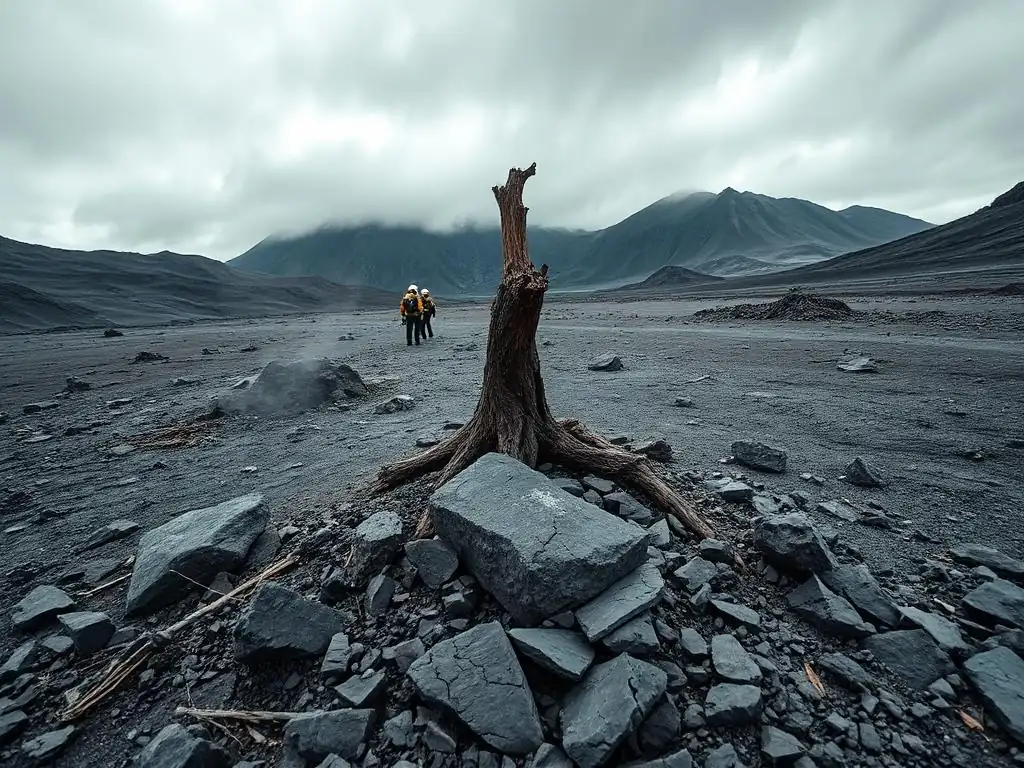
The 1980 eruption of Mount St. Helens in Washington State, USA, provides a classic case study for pyroclastic flow analysis. This eruption, triggered by a massive landslide, produced a devastating lateral blast and a series of pyroclastic flows that dramatically reshaped the landscape around the volcano. Detailed studies of the pyroclastic flow deposits from this eruption have provided invaluable insights into the formation, transport, and depositional mechanisms of these flows.
Grain size analysis of the Mount St. Helens pyroclastic flow deposits revealed a wide range of particle sizes, from fine ash to large blocks, reflecting the complex fragmentation processes during the eruption. Componentry analysis showed that the deposits were composed of a mixture of dacitic pumice, crystals, and lithic fragments, consistent with the composition of the pre-eruption lava dome.
Paleomagnetic studies indicated emplacement temperatures exceeding 400°C for some of the pyroclastic flow units, confirming their high thermal energy. These analyses, combined with field observations and stratigraphic studies, have contributed significantly to our understanding of pyroclastic flow dynamics and hazard assessment.
Investigating Pyroclastic Flows at Volcán de Colima, Mexico
Volcán de Colima in Mexico is one of the most active volcanoes in North America, characterized by frequent lava dome growth and collapse, generating numerous pyroclastic flows. The recurrent pyroclastic flow activity at Volcán de Colima poses a significant hazard to nearby communities. Extensive research has been conducted on the pyroclastic deposits from this volcano, employing a range of pyroclastic flow analysis techniques to understand its eruptive behavior and assess volcanic hazards.
Studies of Volcán de Colima pyroclastic flow deposits have focused on characterizing the different types of flows, their emplacement mechanisms, and their spatial distribution. Grain size analysis has revealed variations in the textural characteristics of different flow types, such as block-and-ash flows and pumice flows. Geochemical analyses have been used to track changes in magma composition over time and to correlate deposits from different eruptive episodes. Hazard assessments based on these analyses have informed land-use planning and emergency preparedness strategies for communities surrounding Volcán de Colima.
Pyroclastic Flow Analysis to Assess Volcanic Hazards at Mount Vesuvius, Italy
Mount Vesuvius, Italy, is infamous for its catastrophic eruption in 79 AD, which buried the Roman cities of Pompeii and Herculaneum under pyroclastic deposits. Today, Vesuvius remains a highly dangerous volcano due to its proximity to densely populated areas, including the city of Naples. Pyroclastic flow analysis techniques are crucial for assessing volcanic hazards at Vesuvius and for developing effective mitigation strategies.
Extensive research has been conducted on the pyroclastic deposits from past Vesuvius eruptions, including the 79 AD event and more recent eruptions. Stratigraphic studies have reconstructed the eruptive history of Vesuvius and identified the different types of pyroclastic flows and surges it produces. Grain size and componentry analyses have provided insights into the dynamics of these flows and the characteristics of the magma erupted.
Geochemical and paleomagnetic studies have further refined our understanding of Vesuvius' eruptive processes and hazard potential. The results of these analyses are critical for volcanic hazard mapping, evacuation planning, and public awareness campaigns aimed at reducing the risks associated with future eruptions of Mount Vesuvius.
Challenges and Future Directions in Pyroclastic Flow Deposit Analysis
Limitations of Current Pyroclastic Flow Analysis Techniques
While pyroclastic flow analysis techniques have advanced significantly, there are still limitations to our ability to fully decode the information contained within these deposits. One challenge is the inherent complexity and variability of pyroclastic flows themselves. Flow dynamics are influenced by numerous factors, including eruption style, magma properties, topography, and atmospheric conditions, leading to a wide range of deposit characteristics. Interpreting these complex deposits requires a multidisciplinary approach and careful consideration of multiple lines of evidence.
Another limitation is the potential for post-depositional alteration of pyroclastic deposits. Weathering, diagenesis, and hydrothermal alteration can modify the original textural, compositional, and magnetic properties of the deposits, potentially obscuring or misrepresenting the original eruptive signals. Careful sample selection and petrographic examination are crucial to minimize the effects of alteration and to identify and account for any secondary changes. Furthermore, the scarcity of well-preserved and accessible pyroclastic flow deposits in some volcanic regions can limit the scope of analysis and the completeness of volcanic records.
The Role of Advanced Technologies in Pyroclastic Deposit Research
High-Resolution Imaging and 3D Modeling
Advanced technologies are playing an increasingly important role in pyroclastic deposit research, enhancing our ability to analyze and interpret these complex geological archives. High-resolution imaging techniques, such as scanning electron microscopy (SEM) and micro-computed tomography (micro-CT), provide detailed images of pyroclastic particles and deposit microstructures at the micrometer to nanometer scale. SEM imaging allows for detailed textural analysis of ash shards and pumice fragments, revealing information about fragmentation mechanisms and vesicularity. Micro-CT enables non-destructive 3D imaging of deposit fabrics and particle arrangements, providing insights into depositional processes and flow structures.
3D modeling techniques are also being used to create virtual reconstructions of pyroclastic flow deposits and volcanic landscapes. LiDAR (Light Detection and Ranging) and photogrammetry data can be used to generate high-resolution digital elevation models of volcanic terrains, allowing for detailed mapping of pyroclastic flow deposit distribution and volume estimation. 3D models of deposit outcrops can be created from terrestrial laser scanning or drone imagery, facilitating virtual field studies and stratigraphic analysis. These advanced imaging and modeling techniques are revolutionizing the way we study pyroclastic deposits, providing new perspectives and quantitative data for understanding volcanic processes.
Automated Mineral Identification and Analysis
Automated mineral identification and analysis techniques are significantly speeding up and enhancing componentry and geochemical analysis of pyroclastic deposits. Automated mineralogy systems, such as QEMSCAN (Quantitative Evaluation of Minerals by SCANning electron microscopy) and Mineral Liberation Analyzer (MLA), combine SEM imaging with energy-dispersive X-ray spectroscopy (EDS) to rapidly identify and quantify minerals in polished sections of rocks and sediments. These systems can automatically identify thousands of mineral grains in a sample, providing statistically robust mineralogical data and textural information.
Laser ablation inductively coupled plasma mass spectrometry (LA-ICP-MS) allows for in situ geochemical analysis of individual mineral grains and glass shards within pyroclastic deposits. LA-ICP-MS combines laser ablation to sample a small volume of material with ICP-MS to measure elemental concentrations. This technique enables high-spatial-resolution geochemical mapping of pyroclastic deposits and the analysis of trace element distributions within individual components. Automated mineralogy and LA-ICP-MS are significantly increasing the efficiency and precision of pyroclastic deposit analysis, allowing for more detailed and comprehensive studies of volcanic processes.
Future Research Needs for Improving Pyroclastic Flow Hazard Assessments
Future research in pyroclastic flow deposit analysis should focus on addressing the limitations of current techniques and further advancing our understanding of pyroclastic flow hazards. One critical area is improving our ability to quantitatively link deposit characteristics to flow parameters, such as velocity, density, and temperature. This requires integrating field observations and laboratory analyses with numerical modeling of pyroclastic flow dynamics. Developing more sophisticated models that incorporate complex flow processes, such as turbulence, particle segregation, and gas-particle interactions, is essential for more accurate hazard assessments.
Another important research direction is to better understand the long-term preservation and alteration of pyroclastic deposits. Investigating the effects of weathering, diagenesis, and hydrothermal alteration on deposit properties is crucial for interpreting older pyroclastic sequences and reconstructing long-term volcanic histories.
Developing new analytical techniques that are less sensitive to alteration effects or that can directly measure primary eruptive signatures is also needed. Finally, continued efforts are needed to improve the accessibility and availability of pyroclastic deposit data through open-access databases and online resources, fostering collaboration and data sharing within the volcanological community and enhancing our collective ability to mitigate pyroclastic flow hazards.
Conclusion: Unlocking the Secrets of Pyroclastic Flows
The Vital Role of Pyroclastic Flow Analysis Techniques in Volcanology
Pyroclastic flow analysis techniques are indispensable tools in volcanology, providing crucial insights into the dynamics of explosive volcanic eruptions and the hazards they pose. By meticulously studying the deposits left behind by these devastating events, volcanologists can reconstruct past eruptions, understand the processes that drive them, and assess the potential for future hazardous activity. The diverse range of analytical methods, from field observations and grain size analysis to geochemical and paleomagnetic investigations, provides a comprehensive toolkit for decoding the complex information encoded within pyroclastic flow deposits.
These techniques are not merely academic exercises; they are essential for protecting communities living near active volcanoes. The knowledge gained from pyroclastic flow analysis directly informs volcanic hazard assessments, land-use planning, and emergency preparedness strategies. By understanding the frequency, magnitude, and spatial extent of past pyroclastic flow events, we can better anticipate future eruptions and mitigate their potentially catastrophic impacts. Pyroclastic flow analysis techniques are, therefore, vital for both advancing our scientific understanding of volcanic processes and ensuring the safety and resilience of communities in volcanic regions.
Enhancing Volcanic Hazard Mitigation through Improved Understanding
Ultimately, the goal of pyroclastic flow analysis is to enhance volcanic hazard mitigation and reduce the risks associated with these dangerous phenomena. Improved understanding of pyroclastic flow dynamics, eruption recurrence intervals, and deposit characteristics leads to more accurate volcanic hazard maps and more effective risk communication strategies. By combining the insights gained from pyroclastic flow analysis with real-time monitoring of volcanic activity, volcanologists can provide timely and reliable warnings of impending eruptions, allowing for evacuations and other mitigation measures to be implemented.
The ongoing development and refinement of pyroclastic flow analysis techniques, coupled with advancements in monitoring and modeling capabilities, are continuously improving our ability to forecast and manage volcanic hazards. Future research efforts focused on addressing the limitations of current techniques and incorporating new technologies will further enhance our understanding of pyroclastic flows and their potential impacts. By unlocking the secrets of pyroclastic flows through rigorous scientific investigation, we can strive to create safer and more resilient communities in the face of volcanic threats.
Frequently Asked Questions
What exactly is a pyroclastic flow, and why is its analysis important?
A pyroclastic flow is a high-density mixture of hot gas and volcanic debris that moves rapidly downslope. Its analysis is crucial for understanding past eruptions and predicting future hazards.
What are some of the primary components analyzed in pyroclastic flow deposits?
Scientists primarily analyze the size and type of rock fragments (lithics), the characteristics of ash particles, and the presence of gas-related features like vesicles in pumice.
How do volcanologists use the size and distribution of rock fragments to understand a pyroclastic flow?
The size and distribution of fragments indicate the energy of the flow and the distance it traveled. Larger, heavier fragments are typically deposited closer to the source.
Techniques like scanning electron microscopy (SEM) and grain size analysis are used to examine ash particle morphology and composition. This reveals information about the eruption style and source magma.
How can analyzing pyroclastic flow deposits help communities living near volcanoes?
Analysis helps in hazard assessment by determining the potential reach and impact of future pyroclastic flows. This informs evacuation plans and land-use regulations.
Final Reflection: Unearthing the Past, Shaping the Future
The intricate dance between destruction and discovery, as revealed through pyroclastic flow analysis techniques, resonates profoundly in our modern world. Understanding the past behavior of these volcanic forces is not merely an academic exercise; it's a crucial step in mitigating future risks and safeguarding communities living in volcanically active regions. The ability to accurately decode the ash, to read the stories etched in the layers of pyroclastic deposits, is paramount to informed decision-making and proactive disaster preparedness.
The impact of pyroclastic flow analysis extends beyond scientific circles, influencing urban planning, infrastructure development, and even cultural memory. The knowledge gleaned from these analyses shapes our understanding of the Earth's dynamic processes and our relationship with the natural world. It reminds us of the immense power that lies beneath our feet and the responsibility we bear to learn from its past outbursts. The past is never dead. It's not even past.
- William Faulkner. This quote encapsulates the enduring relevance of studying these ancient events, as they continue to inform our present and future.
As you reflect on the techniques and insights presented in this article, consider the broader implications of understanding Earth's volatile history. How can you, in your own sphere of influence, contribute to a more informed and resilient future? Embrace the spirit of inquiry, advocate for responsible land management, and champion the importance of scientific research. Let the lessons learned from decoding the ash empower you to become a steward of our planet and a guardian of future generations.
Unearth the Secrets of Ancient Eruptions!
Thanks for exploring the world of pyroclastic flow deposits with us! We hope you've gained a deeper understanding of how these powerful forces shape our planet. Now, it's your turn to become a volcano explorer.
Ready to put your newfound knowledge into action? Here are a few ways to continue your exploration:
- Visit your local geological museum to examine volcanic rock samples and discover the stories hidden within.
- Research historical pyroclastic flows in your area, comparing historical accounts with current geological data to understand long-term risks and patterns.
- Share this article with others to spread awareness about the fascinating and important field of volcanology.
What fascinating volcanic clue will you uncover next? Share your thoughts in the comments below!