
A Geothermal World Tour: Exploring the Planet's Most Stunning Hydrothermal Locations

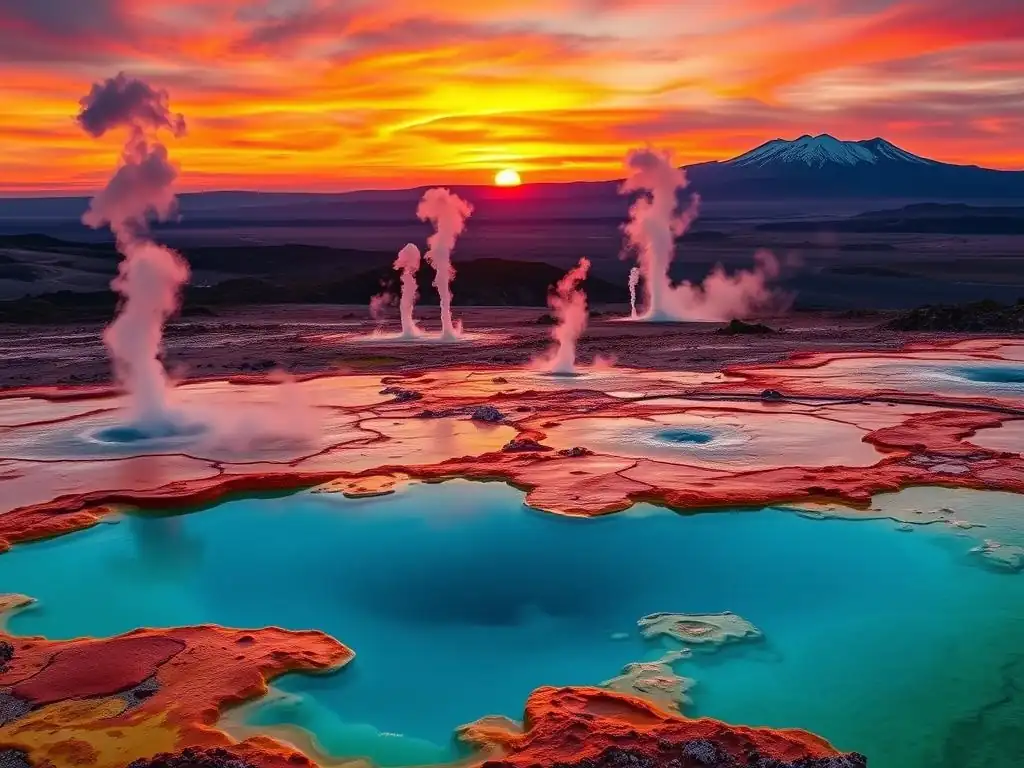
Welcome to Volcano Explorers! Prepare to be captivated by the raw power and breathtaking beauty of Earth's fiery giants. Ever wondered where the planet's most stunning geothermal hydrothermal locations are hidden? Uncover the secrets behind these mesmerizing landscapes and embark on a virtual world tour, revealing the science and spectacle that lie beneath our feet. Are you ready to witness the Earth's hidden energy unleashed?
- Discovering Earth's Most Spectacular Geothermal Wonders
- Understanding Hydrothermal Systems and Geothermal Activity
- A Global Journey: Unveiling Stunning Geothermal Locations
- The Beauty and Potential Hazards of Hydrothermal Areas
- Preserving Our Geothermal Heritage: Conservation Efforts
-
Frequently Asked Questions
- What exactly are hydrothermal locations, and why are they so stunning?
- What types of geothermal features can I expect to see at these locations?
- Are these "stunning geothermal hydrothermal locations" safe to visit?
- What makes a geothermal hydrothermal location "stunning"? Is it just the visuals?
- Does VolcanoExplorers.org offer tours to these geothermal sites?
- Final Reflection: Harnessing Earth's Inner Beauty
- Unearth Your Next Adventure: Discover Geothermal Wonders!
Discovering Earth's Most Spectacular Geothermal Wonders
Our planet is a dynamic and ever-changing entity, and nowhere is this more evident than in its geothermal areas. These regions, bubbling with subterranean heat, showcase some of Earth's most stunning natural phenomena. From towering geysers erupting boiling water into the sky to vibrantly colored hot springs painting landscapes with surreal hues, geothermal locations offer a glimpse into the powerful forces shaping our world. This article embarks on a global journey to explore some of the most breathtaking and unique hydrothermal areas, revealing the science and beauty behind these captivating geological wonders.
Imagine landscapes sculpted by steam and boiling water, where the air itself vibrates with the energy emanating from the Earth's depths. These are not just barren wastelands; they are vibrant ecosystems, often teeming with life adapted to extreme conditions, and places of profound cultural significance for many societies. Join us as we traverse continents, delving into the heart of volcanic regions to uncover the secrets and splendor of these stunning geothermal hydrothermal locations.
Understanding Hydrothermal Systems and Geothermal Activity
What are Hydrothermal Systems? A Geological Perspective
Hydrothermal systems are essentially Earth's natural plumbing systems for hot water. From a geological perspective, these systems are characterized by the circulation of water heated by magma or hot rocks beneath the Earth's surface. This water, often originating from precipitation that percolates downwards, becomes heated as it comes into contact with subsurface heat sources. The heated water then rises back towards the surface through fractures, faults, and permeable rock layers. This continuous cycle of heating and circulation is what defines a hydrothermal system.
These systems are not merely about hot water; they are complex interactions of geology, hydrology, and heat transfer. The type of rocks present, the structural geology (faults and fractures), and the depth and intensity of the heat source all play crucial roles in determining the nature and behavior of a hydrothermal system.
For example, areas with highly fractured volcanic rocks are more likely to host extensive hydrothermal activity compared to areas with dense, impermeable rocks. The presence of dissolved minerals in the water further contributes to the unique characteristics of each hydrothermal system, often leading to the deposition of colorful mineral precipitates around hot springs and geysers.
The Science Behind Geothermal Energy and Hydrothermal Features
The driving force behind geothermal energy and the formation of stunning hydrothermal features is the Earth's internal heat. This heat primarily originates from the decay of radioactive elements in the Earth's mantle and core, as well as residual heat from the planet's formation. In volcanically active regions, magma chambers located relatively close to the surface act as concentrated heat sources. As groundwater percolates down and encounters these hot rocks or magma, it heats up significantly. The temperature of this geothermal water can range from relatively mild warm springs to superheated water exceeding 370°C (700°F) at depth.
The manifestation of hydrothermal features at the surface is a result of this heated water finding pathways to escape. Pressure plays a critical role; as hot water rises, the pressure decreases. If the pressure drop is rapid, especially in constricted channels, the superheated water can flash into steam. This process is fundamental to the eruption of geysers. The dissolved minerals in the geothermal water also precipitate out as the water cools and depressurizes at the surface, leading to the formation of travertine terraces, silica deposits, and other unique geological formations that characterize many stunning geothermal hydrothermal locations.
Types of Hydrothermal Features: From Geysers to Fumaroles
Hydrothermal features exhibit a remarkable diversity, ranging from gentle warm springs to explosive geysers. Hot springs are perhaps the most common type, characterized by a continuous flow of heated groundwater to the surface. Their temperatures can vary widely, and they are often rich in dissolved minerals, leading to vibrant colors and unique microbial ecosystems.
Geysers, on the other hand, are intermittent hot springs that erupt jets of hot water and steam. This eruption is caused by the buildup of pressure in underground chambers until it overcomes the overlying water column, resulting in a dramatic release. Old Faithful in Yellowstone National Park is a classic example, erupting reliably for decades.
Beyond hot springs and geysers, fumaroles are vents that release steam and volcanic gases into the atmosphere. These are typically found in volcanic areas and often indicate ongoing volcanic activity at depth. Mud pots are another fascinating feature, formed when hot water mixes with volcanic ash and clay to create bubbling pools of mud.
The colors of mud pots are often influenced by iron oxides and other minerals. Lastly, travertine terraces are formed by the precipitation of calcium carbonate from hot spring water, creating step-like formations, such as those seen at Pamukkale in Turkey (though Pamukkale's features are primarily due to ancient hydrothermal systems and are less directly volcanic). Each of these features contributes to the diverse and stunning landscapes found in geothermal regions around the world.
A Global Journey: Unveiling Stunning Geothermal Locations
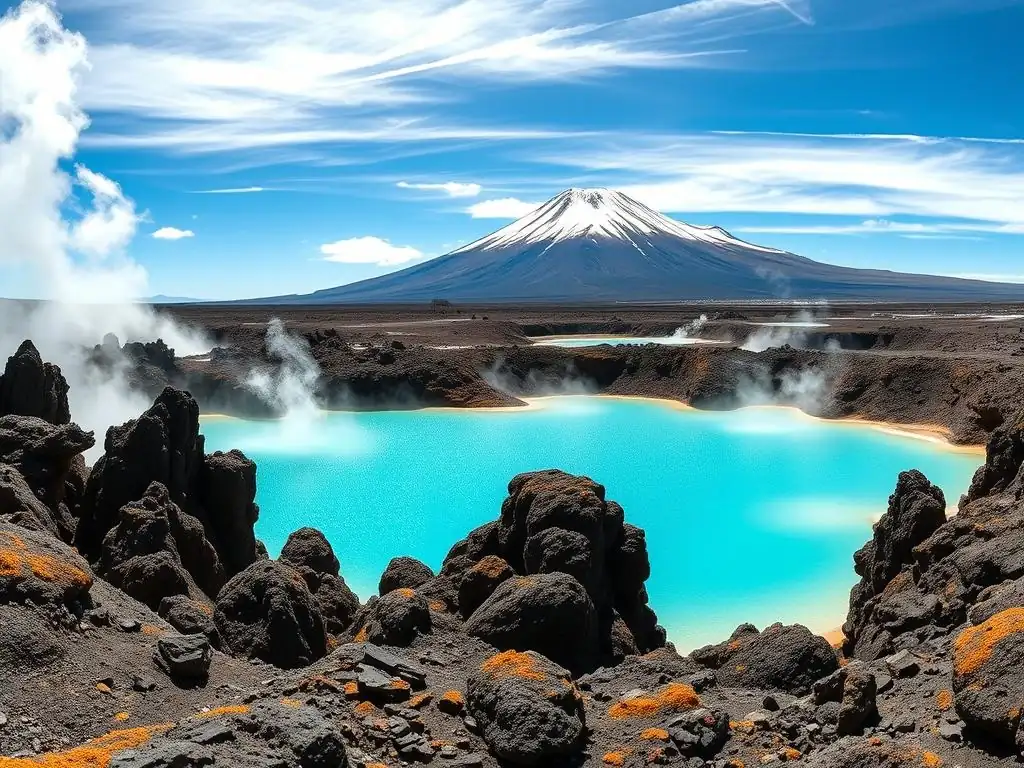
Yellowstone National Park, USA: A Hydrothermal Paradise
Yellowstone National Park, situated primarily in Wyoming, USA, is arguably the most famous geothermal area in the world, and a true hydrothermal paradise. Spanning nearly 3,500 square miles, Yellowstone sits atop a massive caldera, the remnant of ancient volcanic eruptions. This volcanic activity fuels an extraordinary concentration of geothermal features, including over 10,000 hydrothermal sites. These range from majestic geysers and vividly colored hot springs to bubbling mud pots and steaming fumaroles. The park's geothermal activity is a direct result of the Yellowstone hotspot, a plume of hot mantle material rising beneath the North American plate.
The sheer scale and diversity of Yellowstone's geothermal features are unparalleled. It boasts more than half of the world's known geysers, including the iconic Old Faithful, which erupts roughly every 90 minutes, shooting thousands of gallons of boiling water high into the air.
Beyond geysers, Yellowstone is renowned for its stunning hot springs, such as Grand Prismatic Spring, the largest hot spring in the United States and famed for its brilliant rainbow colors created by heat-loving bacteria. The park's hydrothermal areas are not only geological wonders but also vital habitats for unique thermophilic (heat-loving) microorganisms, contributing to the park's rich biodiversity and making it a truly stunning geothermal hydrothermal location.
Exploring Yellowstone's Famous Geysers and Hot Springs
Yellowstone's geothermal areas are readily accessible via a network of boardwalks and trails, allowing visitors to safely explore these incredible landscapes. The Upper Geyser Basin is home to the highest concentration of geysers in the world, including Old Faithful, Castle Geyser, Grand Geyser, and Riverside Geyser, each with its unique eruption style and schedule.
Walking along the boardwalks, one can witness eruptions of varying sizes and frequencies, a truly captivating geothermal spectacle. Nearby, the Midway Geyser Basin showcases the Grand Prismatic Spring, a mesmerizing expanse of turquoise, green, yellow, and orange, a testament to the thermophilic bacteria thriving in the hot waters.
The Lower Geyser Basin features mud pots and fumaroles, offering a different perspective on Yellowstone's hydrothermal activity. Fountain Paint Pot, for example, displays colorful bubbling mud pots, while the nearby fumaroles hiss and steam. Mammoth Hot Springs in the northern part of the park presents a different type of hydrothermal feature: travertine terraces.
These terraces, formed by the deposition of calcium carbonate, create a visually stunning landscape resembling frozen waterfalls, although some of the terraces have become less active in recent years due to changes in hydrothermal flow. Exploring these diverse basins provides a comprehensive understanding of Yellowstone's dynamic geothermal system and its array of stunning geothermal hydrothermal locations.
Understanding Yellowstone's Hydrothermal Activity
Yellowstone's intense hydrothermal activity is directly linked to the Yellowstone hotspot, a volcanic hotspot that has been active for millions of years. Magma beneath the surface heats groundwater, creating a vast underground plumbing system. The hydrothermal system is fueled by heat emanating from a large magma reservoir located beneath the Yellowstone caldera. This magma chamber is estimated to be enormous, extending deep into the Earth's crust. Rainwater and snowmelt percolate through the porous volcanic rocks, reaching depths where they are heated by the magma and surrounding hot rocks.
The intricate network of fractures and faults within the caldera allows the heated water to rise back to the surface. The type of hydrothermal feature that forms depends on various factors, including the subsurface geology, the temperature and pressure of the water, and the presence of dissolved gases and minerals. Geysers, for instance, require specific subsurface plumbing systems with constrictions that allow pressure to build up before erupting.
Hot springs, on the other hand, often have more open channels, allowing for a continuous flow of hot water. Scientists continuously monitor Yellowstone's geothermal activity through a network of sensors, tracking ground deformation, seismic activity, and changes in hydrothermal features to better understand this dynamic and stunning geothermal hydrothermal location.
Iceland: The Land of Fire and Ice's Geothermal Treasures
Iceland, aptly nicknamed "The Land of Fire and Ice," is a geologically young island nation forged by volcanic activity and sculpted by glaciers. Located on the Mid-Atlantic Ridge, where the North American and Eurasian tectonic plates diverge, Iceland is one of the most volcanically and geothermally active places on Earth. This unique geological setting results in a breathtaking landscape dotted with glaciers, volcanoes, lava fields, and, of course, abundant geothermal features. Iceland's geothermal treasures include powerful geysers, steaming fumaroles, bubbling mud pools, and numerous hot springs, making it a prime example of stunning geothermal hydrothermal locations.
The island's geothermal activity is driven by the Iceland plume, a mantle plume similar to the Yellowstone hotspot, but situated beneath the Mid-Atlantic Ridge. This plume provides a continuous source of heat, fueling the numerous geothermal systems across the country. Iceland's geothermal areas are not only visually spectacular but also a crucial resource for the nation.
Iceland is a world leader in geothermal energy utilization, harnessing its volcanic heat to generate electricity and provide heating for homes and industries. This sustainable use of geothermal energy is a testament to Iceland's innovative approach to living in harmony with its volcanic landscape.
Geothermal Energy in Iceland: Harnessing Volcanic Power
Iceland stands as a global exemplar in harnessing geothermal energy. Due to its abundant geothermal resources, Iceland generates nearly 100% of its electricity from renewable sources, with geothermal energy contributing a significant portion. Geothermal power plants tap into underground reservoirs of hot water and steam to drive turbines and generate electricity. These plants are strategically located in geothermally active areas across the country, minimizing environmental impact while maximizing energy output. The Hellisheidi Geothermal Power Plant, for example, is one of the largest geothermal power plants in the world, showcasing Iceland's commitment to sustainable energy.
Beyond electricity generation, geothermal energy is also extensively used for direct heating in Iceland. Hot water from geothermal reservoirs is piped directly to homes and buildings, providing an efficient and clean heating source. This district heating system is widespread throughout Iceland, contributing to cleaner air and lower heating costs compared to relying on fossil fuels. Greenhouses in Iceland also utilize geothermal heating to cultivate fruits and vegetables year-round, even in the harsh Arctic climate. Iceland's successful integration of geothermal energy into its society demonstrates the immense potential of these stunning geothermal hydrothermal locations as a sustainable resource.
The Blue Lagoon and Other Icelandic Geothermal Spas
Iceland's geothermal activity is not only a source of energy but also a major tourist attraction, particularly its geothermal spas. The Blue Lagoon is perhaps Iceland's most famous geothermal spa, renowned for its milky blue, mineral-rich waters and otherworldly volcanic setting. The water, heated by a nearby geothermal power plant, is rich in silica, algae, and other minerals believed to have therapeutic properties. The Blue Lagoon offers a luxurious and relaxing experience, attracting visitors from around the globe eager to soak in its stunning geothermal waters.
Beyond the Blue Lagoon, Iceland boasts numerous other geothermal spas and hot springs, catering to diverse preferences. Secret Lagoon, near the Golden Circle route, offers a more intimate and natural hot spring experience. Myvatn Nature Baths in North Iceland provide stunning views of the surrounding volcanic landscape while soaking in geothermal waters. Landbrotalaug hot spring in Snaefellsnes Peninsula is a small, secluded hot spring perfect for a more off-the-beaten-path geothermal experience. These Icelandic geothermal spas offer not only relaxation and rejuvenation but also a unique opportunity to immerse oneself in the island's stunning geothermal hydrothermal locations.
Rotorua, New Zealand: A Maori Cultural and Geothermal Hub
Rotorua, located on New Zealand's North Island, is a vibrant city nestled within a caldera and renowned as a major center for Maori culture and geothermal activity. This region, part of the Taupo Volcanic Zone, is characterized by bubbling mud pools, steaming vents, colorful hot springs, and geysers, making it a spectacular example of stunning geothermal hydrothermal locations. Rotorua's geothermal landscape is not just a natural wonder; it is deeply intertwined with Maori history and traditions, adding a rich cultural dimension to its geothermal attractions.
The geothermal activity in Rotorua is driven by the Taupo Volcanic Zone, one of the world's most active volcanic regions. Magma beneath the surface heats groundwater, creating a complex hydrothermal system that manifests in various geothermal features throughout the area. Rotorua's geothermal areas are easily accessible and offer a unique blend of natural beauty and cultural heritage. The city itself is even heated geothermally, and the distinct smell of sulfur permeates the air, a constant reminder of the powerful forces at play beneath the surface.
Exploring Rotorua's Geothermal Parks and Mud Pools
Rotorua offers a range of geothermal parks and reserves that allow visitors to safely explore its stunning hydrothermal landscapes. Te Puia is perhaps the most famous, featuring the Pohutu Geyser, the largest active geyser in the Southern Hemisphere, which erupts several times an hour, shooting hot water and steam high into the air.
Te Puia also showcases Maori cultural performances and arts and crafts, providing a holistic cultural and geothermal experience. Wai-O-Tapu Thermal Wonderland is another must-visit park, renowned for its vividly colored hot springs, such as the Champagne Pool and the Artist's Palette, and its unique geysers like the Lady Knox Geyser, which is induced to erupt daily.
Hell's Gate Geothermal Park offers a more interactive experience, allowing visitors to walk through steaming landscapes, witness bubbling mud pools, and even indulge in mud baths and sulfur spas. Whakarewarewa - The Living Maori Village provides a unique opportunity to experience Maori culture in a living village set amidst geothermal features. Here, residents utilize geothermal energy for cooking and heating, and visitors can witness traditional Maori performances and learn about their connection to the geothermal landscape. These diverse geothermal parks showcase the variety and beauty of Rotorua's stunning geothermal hydrothermal locations.
The Cultural Significance of Geothermal Areas in Maori Tradition
For the Maori people, the indigenous inhabitants of New Zealand, geothermal areas are not just geological phenomena; they are sacred places deeply interwoven with their history, spirituality, and daily lives. Geothermal features are often considered gifts from the gods, particularly from Ruaumoko, the god of earthquakes and volcanoes. Hot springs were traditionally used for cooking, bathing, and medicinal purposes. The steam from geothermal vents was used in traditional Maori cooking methods, such as hangi, where food is cooked in underground ovens heated by hot stones.
Geothermal areas also hold significant spiritual meaning for Maori. They are often associated with ancestral spirits and are considered tapu (sacred or restricted). Traditional Maori settlements were often located near geothermal areas, allowing them to utilize these resources while also respecting their spiritual significance. Even today, geothermal areas continue to play a vital role in Maori culture and identity. The preservation and sustainable management of these stunning geothermal hydrothermal locations are crucial not only for their natural beauty but also for the preservation of Maori cultural heritage and traditions.
Valley of Geysers, Kamchatka, Russia: A Remote Geothermal Wonderland
The Valley of Geysers, located on the Kamchatka Peninsula in far eastern Russia, is a truly remote and spectacular geothermal wonderland. Discovered relatively recently in 1941, this valley is one of the largest geyser fields in the world and is renowned for its concentration of geysers, hot springs, mud pots, and fumaroles, nestled within a stunning river valley. Its remoteness and pristine natural environment contribute to its unique charm and make it a truly breathtaking example of stunning geothermal hydrothermal locations.
The Kamchatka Peninsula is part of the Pacific Ring of Fire and is characterized by intense volcanic and seismic activity. The Valley of Geysers is situated within the Kronotsky Nature Reserve, a UNESCO World Heritage Site, highlighting its exceptional natural value. The valley's geothermal activity is fueled by the Uzon-Geyzernaya caldera, a large volcanic caldera nearby. Due to its remote location and protected status, the Valley of Geysers has remained relatively undisturbed, preserving its pristine geothermal landscapes and unique ecosystem.
Reaching and Exploring the Valley of Geysers
Reaching the Valley of Geysers is an adventure in itself, contributing to its mystique and exclusivity. There are no roads leading to the valley; access is primarily by helicopter from Petropavlovsk-Kamchatsky, the main city on the Kamchatka Peninsula. Helicopter tours offer breathtaking aerial views of the Kamchatka landscape, including volcanoes, rivers, and forests, before landing in the Valley of Geysers. Guided tours are mandatory for exploring the valley to ensure visitor safety and minimize environmental impact.
Boardwalks and trails have been constructed within the valley to allow visitors to safely walk amongst the geothermal features without disturbing the delicate ecosystem. Exploring the valley on foot reveals a stunning array of geysers, each with its unique eruption style and name, such as Velikan (Giant) Geyser, Bolshoi (Large) Geyser, and Maly (Small) Geyser. Hot springs of various colors and temperatures, bubbling mud pots, and steaming fumaroles add to the valley's otherworldly atmosphere. The remoteness and pristine nature of the Valley of Geysers make it a truly unforgettable and stunning geothermal hydrothermal location to experience.
The Unique Geothermal Ecosystem of Kamchatka
The Valley of Geysers is not only a geological wonder but also a unique ecosystem adapted to the extreme conditions of hydrothermal environments. Thermophilic microorganisms thrive in the hot springs and geysers, forming colorful microbial mats and contributing to the valley's biodiversity. These microorganisms are specially adapted to survive in high temperatures and often utilize chemical energy from geothermal fluids. The valley also supports a variety of plant and animal life adapted to the geothermal environment.
Despite the harsh conditions, certain plant species have adapted to grow near hot springs and fumaroles. Animals such as bears, foxes, and birds are also found in the valley, attracted by the thermal warmth and the resources available in this unique ecosystem. The isolation of the Valley of Geysers has contributed to the evolution of unique species and adaptations, making it a valuable site for scientific research and conservation. Understanding and protecting this unique geothermal ecosystem is crucial for preserving the biodiversity and ecological integrity of this stunning geothermal hydrothermal location.
El Tatio Geysers, Chile: High-Altitude Geothermal Spectacle
El Tatio Geysers, located high in the Chilean Andes at an elevation of approximately 4,320 meters (14,170 feet), is one of the highest major geyser fields in the world. This dramatic high-altitude setting, combined with the stark desert landscape and the backdrop of towering volcanoes, creates a truly spectacular geothermal spectacle.
El Tatio, meaning "grandfather" in the local Kunza language, is renowned for its numerous geysers, fumaroles, and hot springs, particularly active at sunrise when the cold morning air contrasts with the hot steam, creating dramatic plumes that rise against the clear blue sky, making it a stunning geothermal hydrothermal location.
The geothermal activity at El Tatio is driven by the volcanic activity of the Andes Mountains, part of the Pacific Ring of Fire. Magma beneath the surface heats groundwater, creating a hydrothermal system that manifests at this high altitude. El Tatio is located in the Atacama Desert, one of the driest places on Earth, which further accentuates the contrast between the arid landscape and the steaming geothermal features. The combination of altitude, aridity, and geothermal activity makes El Tatio a truly unique and visually stunning destination.
Visiting El Tatio Geysers: Tips and Considerations
Visiting El Tatio Geysers requires careful planning and preparation due to its high altitude and remote location. The best time to visit is early morning, around sunrise, when the geothermal activity is most visually dramatic and the air is crisp and cold. Tours typically depart from San Pedro de Atacama, the nearest town, in the pre-dawn hours to arrive at El Tatio before sunrise. The high altitude poses a significant challenge, and altitude sickness is a common concern. Acclimatization to the altitude for a day or two in San Pedro de Atacama is highly recommended before visiting El Tatio.
Dress warmly in layers, even if the daytime temperatures are expected to rise, as morning temperatures at El Tatio can be well below freezing. Wear sturdy walking shoes as you will be walking on uneven terrain around the geysers. Bring sunscreen, sunglasses, and a hat to protect yourself from the intense high-altitude sun.
Drinking plenty of water is crucial to stay hydrated at high altitude. Follow the instructions of your guide and stay on marked trails to ensure safety and avoid disturbing the delicate geothermal environment. Despite the challenges, witnessing the sunrise at El Tatio is an unforgettable experience, showcasing the stunning geothermal hydrothermal location in its full glory.
The Geological Formation of El Tatio's Geothermal Field
El Tatio's geothermal field is a result of a complex interplay of volcanic activity, tectonics, and hydrology in the high Andes. The area is located within a volcanic caldera complex, and the heat source for the geothermal system is believed to be magma at depth associated with the nearby volcanoes. Faults and fractures in the volcanic rocks provide pathways for groundwater to circulate and become heated. The relatively shallow depth to the water table in this area also contributes to the formation of geysers and hot springs at the surface.
The geological composition of the rocks in the El Tatio area, primarily volcanic rocks such as andesites and rhyolites, influences the chemistry of the geothermal fluids. The dissolved minerals in the hot water contribute to the formation of mineral deposits around the geothermal features. The cold, dry climate of the Atacama Desert also plays a role in the visual spectacle of El Tatio.
The large temperature difference between the hot geothermal steam and the cold morning air enhances the condensation of steam, creating the dramatic plumes that are characteristic of this stunning geothermal hydrothermal location. The unique combination of geological and climatic factors makes El Tatio a truly exceptional geothermal field.
The Beauty and Potential Hazards of Hydrothermal Areas
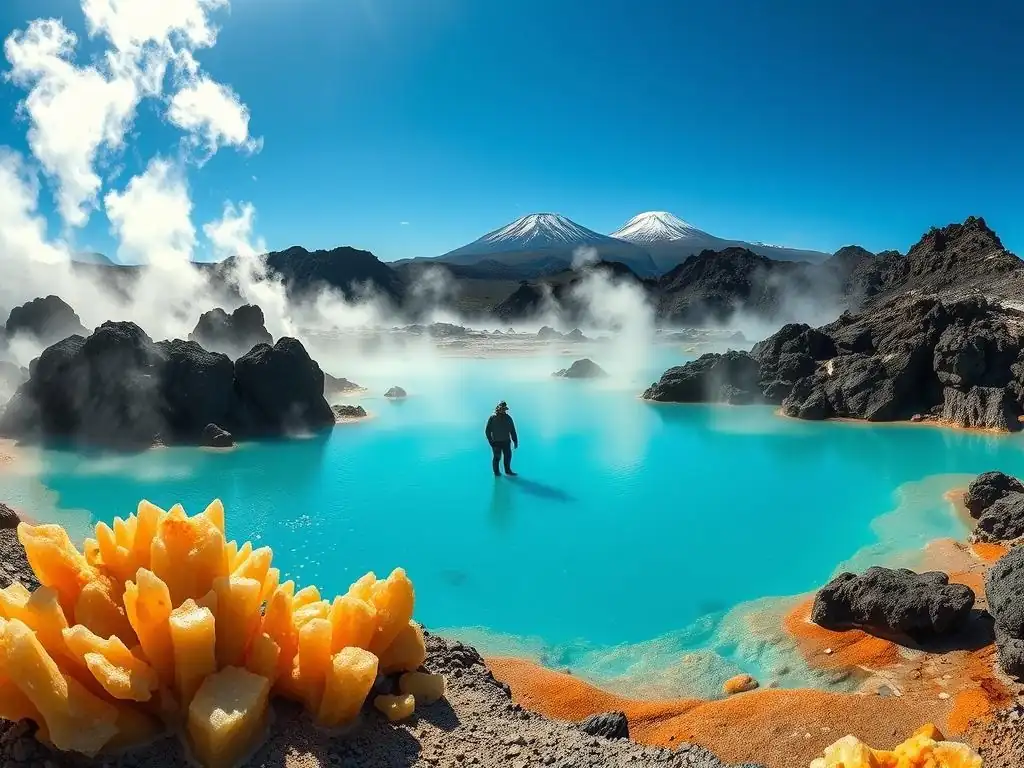
Safety Precautions When Visiting Geothermal Sites
While stunning geothermal hydrothermal locations offer incredible natural beauty, it is crucial to remember that they can also pose potential hazards. Geothermal areas involve boiling water, steam vents, and unstable ground, requiring visitors to exercise caution and follow safety guidelines. Always stay on marked trails and boardwalks. These are designed to guide you safely through geothermal areas and protect the fragile environment. Never venture off designated paths, as the ground can be unstable and thin crusts may conceal boiling water or mud.
Be mindful of steam vents and fumaroles. Steam can be scalding hot and can cause severe burns. Keep a safe distance from steam vents and avoid approaching them too closely. Superheated water in hot springs and geysers can also cause serious burns. Never touch or attempt to enter hot springs or geysers. Heed warning signs and instructions from park rangers or tour guides. These signs are placed to alert visitors to potential hazards and provide guidance on safe behavior within geothermal areas. By following these safety precautions, you can enjoy the beauty of geothermal sites while minimizing risks.
The Environmental Impact of Geothermal Activity
Geothermal activity, while a natural phenomenon, can have both positive and negative environmental impacts. Naturally occurring geothermal features, like hot springs and geysers, generally have localized environmental effects. The hot water and steam released can alter soil chemistry and vegetation patterns in the immediate vicinity. However, these areas also often support unique ecosystems adapted to these conditions, as seen in Yellowstone and Kamchatka. The discharge of dissolved minerals from geothermal waters can also affect water quality in nearby streams and rivers, although often these are natural background levels.
The development of geothermal energy resources, while a clean energy source, can also have environmental impacts. Geothermal power plants require drilling into the Earth to access hot water and steam, which can lead to land disturbance and potential seismic activity, although generally minor. The extraction of geothermal fluids can also result in subsidence in some areas if not managed sustainably.
Wastewater from geothermal power plants, if not properly treated, can contain dissolved minerals and gases that need to be managed carefully to avoid water pollution. However, compared to fossil fuels, geothermal energy remains a significantly cleaner and more sustainable energy source with a much smaller environmental footprint.
Photography Tips for Hydrothermal Landscapes
Capturing the beauty of stunning geothermal hydrothermal locations through photography requires some specific techniques and considerations. Early morning and late afternoon light, often referred to as "golden hours," are ideal for photographing geothermal landscapes. The soft, angled light enhances the colors and textures of the geothermal features and creates dramatic shadows, adding depth and dimension to your images. Sunrise and sunset are particularly spectacular at geyser fields like El Tatio, where the steam plumes are beautifully illuminated.
Utilize a polarizing filter to reduce glare and reflections from water surfaces and enhance the vibrancy of colors, especially in hot springs and mud pots. Experiment with different perspectives and compositions. Get low to the ground to emphasize foreground details, or find higher vantage points to capture the vastness of geothermal landscapes. Pay attention to the contrast between the hot steam and the surrounding environment.
Capturing the steam plumes against a dark background or a clear blue sky can create striking images. Use a fast shutter speed to freeze the motion of geyser eruptions or a slower shutter speed to create a sense of motion in steam plumes. Protect your camera equipment from steam and moisture by using a rain cover or protective bag, as geothermal areas can be humid and steamy.
Preserving Our Geothermal Heritage: Conservation Efforts
The Future of Geothermal Exploration and Research
Preserving stunning geothermal hydrothermal locations is crucial for future generations. These areas are not only natural wonders but also valuable resources for scientific research and potential sustainable energy development. Conservation efforts are essential to protect these fragile ecosystems from human impacts, such as tourism, development, and pollution. Sustainable tourism practices, including controlled access, marked trails, and visitor education, are vital for minimizing the impact of tourism on geothermal areas. Regulations and monitoring are needed to prevent pollution from nearby activities and ensure the long-term health of these environments.
Continued exploration and research are crucial for better understanding geothermal systems and their potential. Scientific research in geothermal areas contributes to our knowledge of volcanology, hydrology, microbiology, and geochemistry. Exploring new geothermal resources can help expand the use of geothermal energy as a sustainable alternative to fossil fuels.
Advancements in geothermal technology, such as enhanced geothermal systems (EGS), are opening up new possibilities for harnessing geothermal energy in a wider range of geological settings. The future of geothermal exploration and research holds immense potential for both scientific discovery and sustainable energy solutions, ensuring the continued appreciation and benefit from these stunning geothermal hydrothermal locations.
Frequently Asked Questions
What exactly are hydrothermal locations, and why are they so stunning?
Hydrothermal locations are areas where geothermally heated water interacts with the Earth's surface. They are stunning due to the unique geological formations and vibrant colors created by dissolved minerals.
What types of geothermal features can I expect to see at these locations?
You can expect to see features like geysers, hot springs, fumaroles, and mud pots. These are all driven by underground geothermal activity and create diverse landscapes.
Are these "stunning geothermal hydrothermal locations" safe to visit?
Safety varies greatly. While many locations are accessible with designated paths, others may be dangerous due to unstable ground, scalding water, or toxic gases. Always follow local guidelines.
What makes a geothermal hydrothermal location "stunning"? Is it just the visuals?
While the visuals are a major factor with colorful mineral deposits and erupting geysers, the unique geological processes and the rare ecosystems they support also contribute to their allure.
Does VolcanoExplorers.org offer tours to these geothermal sites?
VolcanoExplorers.org primarily provides information and resources. Check the site for links to reputable tour operators and travel guides specializing in geothermal tourism.
Final Reflection: Harnessing Earth's Inner Beauty
The journey through the world's most stunning geothermal hydrothermal locations reveals more than just geological wonders; it highlights the raw, untamed power that lies beneath our feet, a power that is increasingly relevant in our search for sustainable energy solutions and a deeper understanding of our planet. These locations, from the vibrant Grand Prismatic Spring to the dramatic geysers of Iceland, serve as potent reminders of the Earth's dynamic nature and the delicate balance that sustains life.
The sheer beauty and scientific significance of these hydrothermal areas have profoundly shaped our understanding of Earth's processes and continue to inspire awe and wonder. Witnessing these landscapes firsthand, or even through the lens of a photograph, evokes a sense of connection to something ancient and powerful. We are part of nature, not separate from it. We are intimately connected to the Earth's processes, and geothermal areas are a vivid manifestation of that connection.
This connection underscores the importance of conservation and responsible exploration, ensuring that future generations can experience the same breathtaking beauty.
As we conclude this geothermal world tour, consider the lessons learned from these extraordinary places. Reflect on the power of nature, the importance of sustainability, and the interconnectedness of all things. Let the images of these stunning geothermal hydrothermal locations inspire you to seek a deeper understanding of our planet and to champion its preservation. Embrace the Earth's energy, both literally and figuratively, and let it fuel your own journey towards a more sustainable and harmonious future.
Unearth Your Next Adventure: Discover Geothermal Wonders!
Thanks for joining us on this whirlwind tour of the world's most captivating geothermal locations! We hope you've gained a newfound appreciation for the raw power and breathtaking beauty hidden beneath our feet. Now, let's turn that inspiration into action:
- Plan your own geothermal pilgrimage! Research permit requirements and local guides at volcanoexplorers.org to experience these wonders firsthand.
- Share your favorite geothermal site (real or imaginary!) on social media, tagging @VolcanoExplorers to inspire others.
- Dive deeper: research the geological history of one hydrothermal location and become your own geothermal expert.
Which geothermal gem are you most excited to explore first?