
When Nature Grounds Progress: Eyjafjallajökull and the Air Travel Disruption

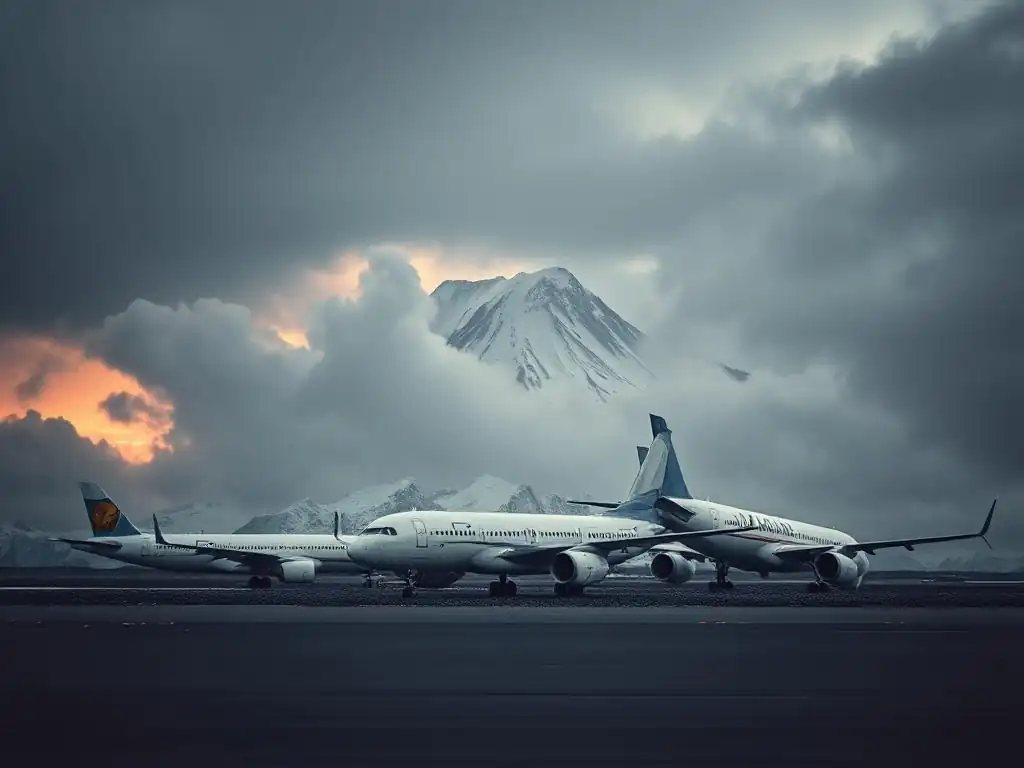
Welcome to Volcano Explorers!
Prepare to journey into the heart of Earth's fiery secrets. Ever wondered how a single volcano could bring the world to a standstill? Our latest exploration delves into the chilling tale of Eyjafjallajökull's travel disruption impact, revealing the far-reaching consequences of this iconic eruption. But that's just the beginning... what other hidden dangers lie beneath the surface, waiting to be unleashed? Discover the answers and ignite your curiosity now!
- Introduction: Eyjafjallajökull's 2010 Eruption and Global Impact
- The Eruption: A Volcanic Event That Shook the World
- The Air Travel Disruption: A Global Standstill
- The Aftermath: Lessons Learned and Future Preparedness
- Conclusion: Eyjafjallajökull's Legacy on Air Travel
-
Frequently Asked Questions
- What caused the Eyjafjallajökull eruption in 2010 to have such a significant impact on air travel?
- How did the Eyjafjallajökull eruption specifically disrupt air travel across Europe?
- What were the main economic consequences of the Eyjafjallajökull travel disruption?
- What lessons were learned from the Eyjafjallajökull eruption regarding volcanic ash and aviation safety?
- Besides air travel, what other industries or aspects of life were affected by the Eyjafjallajökull eruption?
- Final Reflection: Echoes of Eyjafjallajökull
- Unearth Your Inner Volcanologist!
Introduction: Eyjafjallajökull's 2010 Eruption and Global Impact
In April 2010, the world witnessed a stark reminder of nature's power to disrupt even the most sophisticated human systems. The eruption of Eyjafjallajökull, a volcano nestled beneath a glacier in Iceland, unleashed a plume of volcanic ash that stretched across the skies of Europe and beyond.
This event, seemingly localized to a remote corner of the North Atlantic, triggered an unprecedented shutdown of air travel, impacting millions of passengers and causing significant economic repercussions worldwide. The Eyjafjallajökull travel disruption impact served as a critical case study, highlighting the vulnerability of global infrastructure to natural hazards and prompting a re-evaluation of risk management strategies within the aviation industry.
The eruption wasn't just a local geological event; it rapidly transformed into a global crisis. Airports across Europe closed their runways, airlines grounded their fleets, and travelers found themselves stranded far from their intended destinations. The scale of the disruption was unlike anything experienced in modern aviation history, forcing a temporary halt to a crucial artery of global connectivity. This article delves into the details of the Eyjafjallajökull 2010 eruption, examining the volcanic event itself, the ensuing air travel chaos, and the lasting lessons learned from this extraordinary natural event.
The Eruption: A Volcanic Event That Shook the World
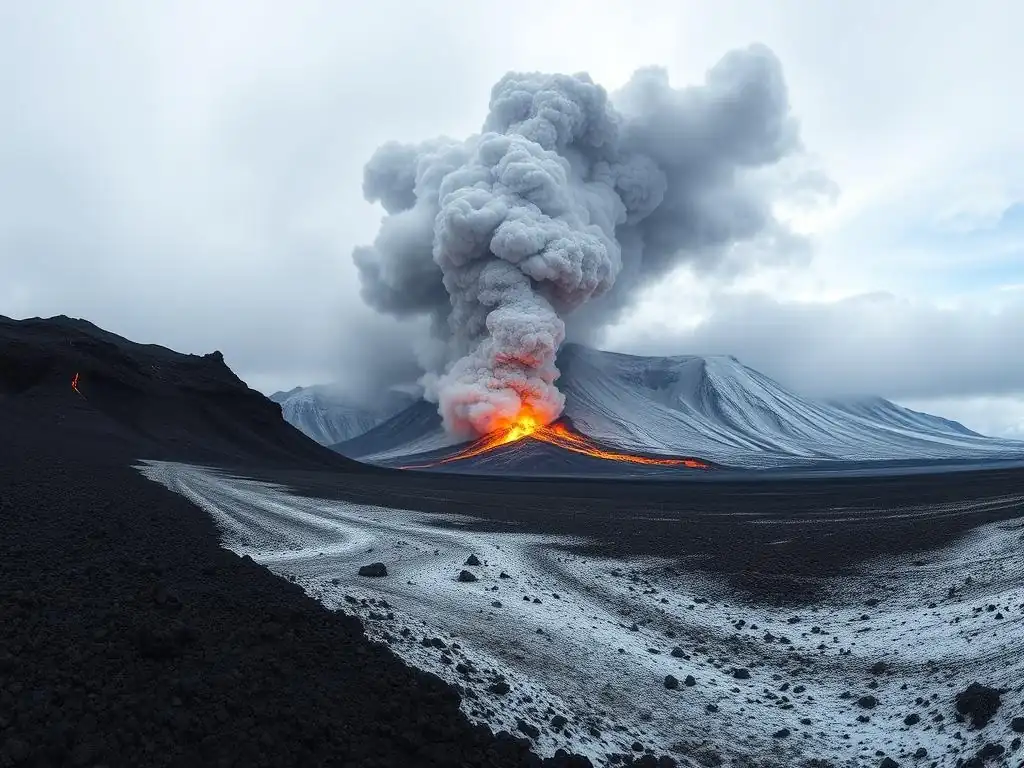
Understanding Eyjafjallajökull: A Stratovolcano in Iceland
Eyjafjallajökull, often simplified to 'Eyjafjalla' for easier pronunciation, is a stratovolcano located in southern Iceland. This type of volcano, also known as a composite volcano, is characterized by its steep profile and is built up from many layers of hardened lava, tephra, pumice, and volcanic ash. Iceland, situated on the Mid-Atlantic Ridge, a major plate boundary, is one of the most volcanically active regions on Earth.
Eyjafjallajökull is part of a volcanic system that is connected to the larger and more notorious Katla volcano, which lies under the larger Mýrdalsjökull ice cap to the east. Eyjafjallajökull itself is relatively modest in height compared to other Icelandic volcanoes, reaching a summit elevation of approximately 1,651 meters (5,417 feet) and is entirely covered by an ice cap, giving it its 'jökull' suffix, which means glacier in Icelandic.
Historically, Eyjafjallajökull has been moderately active, with eruptions recorded in 920, 1612, and 1821–1823. The 1821-1823 eruption, lasting for over two years, was significantly more powerful than the 2010 event, indicating the potential for Eyjafjallajökull to produce eruptions of varying magnitudes. Prior to the 2010 eruption, there was a period of increased seismic activity beneath Eyjafjallajökull starting in late 2009, which intensified in early March 2010. This precursory activity, including thousands of small earthquakes, served as a warning sign that magma was accumulating beneath the volcano and an eruption was becoming increasingly likely.
The Timeline of the 2010 Eruption: From Phreatomagmatic to Ash Plume
The 2010 eruption of Eyjafjallajökull began on March 20th with a relatively small effusive eruption from the Fimmvörðuháls pass, located on the eastern flank of the volcano. This initial phase, characterized by lava flows, attracted tourists and posed minimal disruption to air travel. However, the situation escalated dramatically on April 14th when a second, more explosive eruption commenced from the summit caldera beneath the ice cap. This marked a critical shift from an effusive eruption to a highly disruptive explosive phase.
The explosive nature of this second phase was driven by the interaction of magma with meltwater from the ice cap. This interaction, known as a phreatomagmatic eruption, is significantly more violent than purely magmatic eruptions. The rapidly vaporizing water flashed into steam upon contact with the hot magma, causing fragmentation of the molten rock into fine particles – volcanic ash.
This ash, propelled high into the atmosphere by the explosive forces, formed a towering plume that reached altitudes of up to 9 kilometers (30,000 feet). The eruption intensity peaked between April 14th and 18th, sending vast quantities of ash into the upper atmosphere, before gradually decreasing in intensity over the following weeks. Although the main phase of ash production subsided by late April, the eruption officially continued until May 2010, with ongoing steam and gas emissions.
The Composition of the Volcanic Ash: A Threat to Aviation Safety
The volcanic ash from Eyjafjallajökull was particularly hazardous to aircraft due to its composition and the altitude it reached. Unlike the soft ash from burnt wood, volcanic ash consists of microscopic shards of glass and pulverized rock. These particles, often less than 2 millimeters in diameter, are incredibly abrasive and hard. Analysis of the Eyjafjallajökull ash revealed a high silica content, making it especially damaging to jet engines.
When ingested into jet engines, volcanic ash melts at temperatures lower than the engine's operating temperature. This molten ash can then solidify on turbine blades and other critical engine components, disrupting airflow, causing engine stall or failure, and potentially leading to catastrophic engine damage. Furthermore, the abrasive nature of the ash can scratch cockpit windows, reduce visibility, and damage aircraft surfaces and systems.
The plume from Eyjafjallajökull reached cruising altitudes commonly used by commercial aircraft, posing a direct and significant threat. It was this combination of fine particle size, abrasive composition, and high plume altitude that made the Eyjafjallajökull volcanic ash such a severe hazard to aviation safety.
The Air Travel Disruption: A Global Standstill
Assessing the Risk: Why Flights Were Grounded
The decision to ground flights across Europe in response to the Eyjafjallajökull eruption was not taken lightly but was based on a rigorous assessment of the risks posed by volcanic ash to aircraft safety. The primary concern was the potential for engine failure due to ash ingestion, as detailed in the previous section. While some level of volcanic ash is often present in the atmosphere, the density and extent of the Eyjafjallajökull ash plume were unprecedented in recent aviation history.
Prior to the 2010 eruption, the aviation industry operated under a 'zero tolerance' policy for volcanic ash in airspace. This policy, developed largely after past incidents involving volcanic ash encounters, dictated that aircraft should avoid flying through any airspace known to contain volcanic ash. Real-time monitoring of the ash plume, conducted by Volcanic Ash Advisory Centres (VAACs), indicated that a large and dense ash cloud was spreading across European airspace.
Given the potential for catastrophic engine failure and the limitations of real-time ash detection and avoidance technology at the time, aviation authorities, including the Civil Aviation Authority in the UK and Eurocontrol, the European air traffic management agency, deemed it necessary to implement widespread airspace closures to ensure passenger safety and prevent potential disasters. The Eyjafjallajökull travel disruption impact was a direct result of prioritizing safety in the face of an unpredictable natural hazard.
The Scope of the Disruption: Flights Canceled, Passengers Stranded
The air travel disruption caused by the Eyjafjallajökull eruption was massive and far-reaching. Beginning on April 15th, 2010, airspace closures progressively expanded across Europe, affecting major air travel hubs like London Heathrow, Paris Charles de Gaulle, and Frankfurt Airport. At the peak of the disruption, from April 16th to 20th, an estimated 313 airports were closed across Europe, impacting approximately 29% of global air traffic. Over 100,000 flights were canceled during this period, stranding millions of passengers worldwide.
It is estimated that over 10 million passengers were directly affected by the flight cancellations, facing significant delays, missed connections, and extended stays away from home. The disruption extended beyond Europe, impacting transatlantic flights and connecting flights across the globe. Passengers were stranded in airports, hotels, and even on planes that were forced to return to their origin airports mid-flight. The sheer scale of the Eyjafjallajökull travel disruption highlighted the interconnectedness of the global air travel network and the cascading effects that a localized natural event could have on international mobility.
Economic Consequences: The Financial Toll of the Disruption
The economic consequences of the Eyjafjallajökull air travel disruption were substantial, affecting various sectors beyond just the aviation industry. Airlines faced immediate losses from flight cancellations, lost revenue, and the costs of accommodating stranded passengers. The International Air Transport Association (IATA) estimated that airlines globally lost approximately \$1.7 billion in revenue during the six-day airspace closure.
Beyond airlines, the disruption impacted tourism, business travel, and global supply chains. Businesses faced delays in shipments, missed meetings, and disruptions to just-in-time manufacturing processes. The European economy, still recovering from the 2008 financial crisis, took a further hit.
While quantifying the exact total economic impact is challenging, estimates suggest that the disruption cost the European economy billions of euros. The Centre for Economics and Business Research (CEBR) in the UK estimated the UK economy alone lost around £130 million per day during the peak of the disruption. The Eyjafjallajökull travel disruption impact served as a stark reminder of the economic vulnerability of modern societies to disruptions in critical infrastructure, whether caused by natural events or other unforeseen circumstances.
The Aftermath: Lessons Learned and Future Preparedness
Improving Ash Detection and Monitoring Systems
The Eyjafjallajökull eruption exposed significant gaps in volcanic ash detection and monitoring capabilities for aviation. Prior to 2010, reliance was primarily placed on ground-based radar and pilot reports, which proved insufficient to accurately track and characterize the ash plume in real-time. The aftermath of the eruption spurred significant investment and innovation in remote sensing technologies for volcanic ash detection.
One key advancement was the increased use of satellite-based instruments to monitor volcanic ash clouds. Satellites equipped with infrared and ultraviolet sensors can detect ash clouds, even in darkness or cloudy conditions, and provide data on ash concentration and altitude. Ground-based lidar (Light Detection and Ranging) systems, which use laser beams to measure atmospheric particles, have also been deployed to provide more localized and detailed ash plume information.
Furthermore, research and development efforts focused on equipping aircraft with ash detection sensors, allowing for in-situ measurements and improved situational awareness for pilots. These advancements in ash detection and monitoring systems represent a significant step forward in mitigating the future Eyjafjallajökull travel disruption impact and enhancing aviation safety in volcanic regions.
Adapting Flight Procedures and Regulations
The 2010 Eyjafjallajökull eruption prompted a re-evaluation of flight procedures and regulations related to volcanic ash encounters. The 'zero tolerance' policy was deemed overly restrictive and economically unsustainable. Following the eruption, a more nuanced approach, known as 'ash tolerance', was gradually adopted. This involved moving away from complete airspace closures to a system of managed airspace, where flights could operate in areas with low concentrations of volcanic ash under specific conditions.
New regulations and procedures were developed based on extensive research into engine tolerance to volcanic ash. Engine manufacturers conducted tests to determine the levels of ash concentration that different engine types could safely tolerate. This led to the establishment of 'ash concentration charts' and revised operational procedures, allowing airlines to assess the risk of flying through airspace with known ash concentrations.
Furthermore, enhanced communication protocols were implemented between VAACs, air traffic control, and airlines to ensure timely and accurate information sharing regarding volcanic ash plumes. These adaptations in flight procedures and regulations aim to minimize disruption while maintaining safety, representing a significant shift in the aviation industry's approach to volcanic ash risk management.
The Long-Term Impact on Aviation and Risk Management
The Eyjafjallajökull eruption had a lasting impact on the aviation industry and broader risk management practices. It served as a wake-up call, highlighting the need for improved preparedness and resilience to natural hazards. The event spurred increased collaboration between volcanologists, meteorologists, aviation authorities, and airlines to better understand and manage the risks associated with volcanic eruptions.
The experience of the Eyjafjallajökull travel disruption impact led to a greater emphasis on risk assessment and contingency planning within the aviation sector. Airlines and airports have developed more robust plans to cope with future volcanic eruptions and other disruptive events. The eruption also prompted a broader discussion about the vulnerability of interconnected global systems to natural hazards and the importance of investing in infrastructure resilience. The lessons learned from Eyjafjallajökull have been applied to other areas of risk management, including preparedness for pandemics, cybersecurity threats, and climate change impacts, demonstrating the far-reaching legacy of this volcanic event.
Conclusion: Eyjafjallajökull's Legacy on Air Travel
The 2010 eruption of Eyjafjallajökull stands as a pivotal moment in the history of air travel. While a relatively modest volcanic event in geological terms, its impact on global air traffic was immense, revealing the fragility of complex technological systems when confronted by the forces of nature. The Eyjafjallajökull travel disruption impact forced a fundamental reassessment of how the aviation industry manages volcanic ash risk, leading to significant improvements in ash detection, monitoring, and flight procedures.
Beyond the immediate disruption, Eyjafjallajökull’s legacy extends to broader risk management strategies across various sectors. It underscored the interconnectedness of the modern world and the cascading consequences that seemingly localized events can trigger on a global scale. The eruption served as a powerful reminder that while technological progress has brought immense benefits, it also introduces new vulnerabilities. Moving forward, the lessons learned from Eyjafjallajökull remain crucial for building more resilient and adaptable systems, capable of weathering future natural hazards and ensuring the continued safety and efficiency of global air travel.
Frequently Asked Questions
What caused the Eyjafjallajökull eruption in 2010 to have such a significant impact on air travel?
The eruption produced a plume of volcanic ash that reached high altitudes. This ash posed a serious risk to aircraft engines, leading to widespread flight cancellations.
How did the Eyjafjallajökull eruption specifically disrupt air travel across Europe?
The fine volcanic ash cloud drifted across European airspace, forcing authorities to close vast sections of the sky. This led to massive flight delays and cancellations, stranding millions of passengers.
What were the main economic consequences of the Eyjafjallajökull travel disruption?
The disruption cost airlines billions of dollars in lost revenue. Businesses reliant on air freight also suffered significant financial losses, impacting the global economy.
What lessons were learned from the Eyjafjallajökull eruption regarding volcanic ash and aviation safety?
The eruption highlighted the need for improved ash detection and forecasting. It also prompted a re-evaluation of safe ash concentration levels for aircraft operation.
Besides air travel, what other industries or aspects of life were affected by the Eyjafjallajökull eruption?
Agriculture was affected due to ashfall. The eruption also raised awareness about the potential impacts of volcanic eruptions on various sectors beyond aviation.
Final Reflection: Echoes of Eyjafjallajökull
The eruption of Eyjafjallajökull in 2010, though seemingly a distant event, continues to resonate today, reminding us of the fragility of our interconnected world. The disruption it caused to air travel, and the ripple effects felt across global economies and personal lives, serve as a potent symbol of nature's capacity to halt even the most ambitious human endeavors. This event forced a global pause, a moment of collective inconvenience that ultimately revealed our dependence on systems we often take for granted.
The Eyjafjallajökull eruption underscored the unpredictability of our planet and the need for greater resilience in the face of natural disasters. It highlighted the delicate balance between technological advancement and environmental realities. As we continue to push the boundaries of global connectivity, we must remember the lessons learned from that Icelandic volcano. The greatest lesson of the eruption is that we are all interconnected, and that a small event in one part of the world can have a massive impact on the rest.
This quote, often attributed to commentators at the time, remains profoundly relevant as we navigate an increasingly complex and interconnected world.
Let us not forget the lessons of Eyjafjallajökull. Consider how its impact, though temporary, forced adaptation and innovation. As you navigate your own life and career, remember the importance of preparedness, adaptability, and a deep respect for the power of nature. Let the memory of that volcanic ash cloud inspire you to build resilience, embrace change, and appreciate the delicate balance that sustains our world.
Okay, I'm ready to craft a CTA based on the article title: "When Nature Grounds Progress: Eyjafjallajökull and the Air Travel Disruption," for the website "Volcano Explorers" with the domain volcanoexplorers.org.
Here's the CTA:
Unearth Your Inner Volcanologist!
Thanks for delving into the story of Eyjafjallajökull and its impact on global air travel! You've just explored a powerful example of nature's influence. Now, let's turn that knowledge into action:
- First and foremost, explore our interactive map to discover active volcanoes around the world and their potential impact zones! Understand the science firsthand.
- Share this article with fellow travelers and science enthusiasts – spark a conversation about preparedness and our relationship with the planet.
- Consider researching local disaster preparedness initiatives in your area and how you can contribute to building more resilient communities.
Ready to become a more informed and engaged citizen of our volcanic planet? Tell us in the comments: What's one thing you learned from this article that has changed how you think about air travel and volcanic activity?