
Guardians of the Crater: Shamanic Traditions and Volcano Spirits

Welcome to Volcano Explorers!
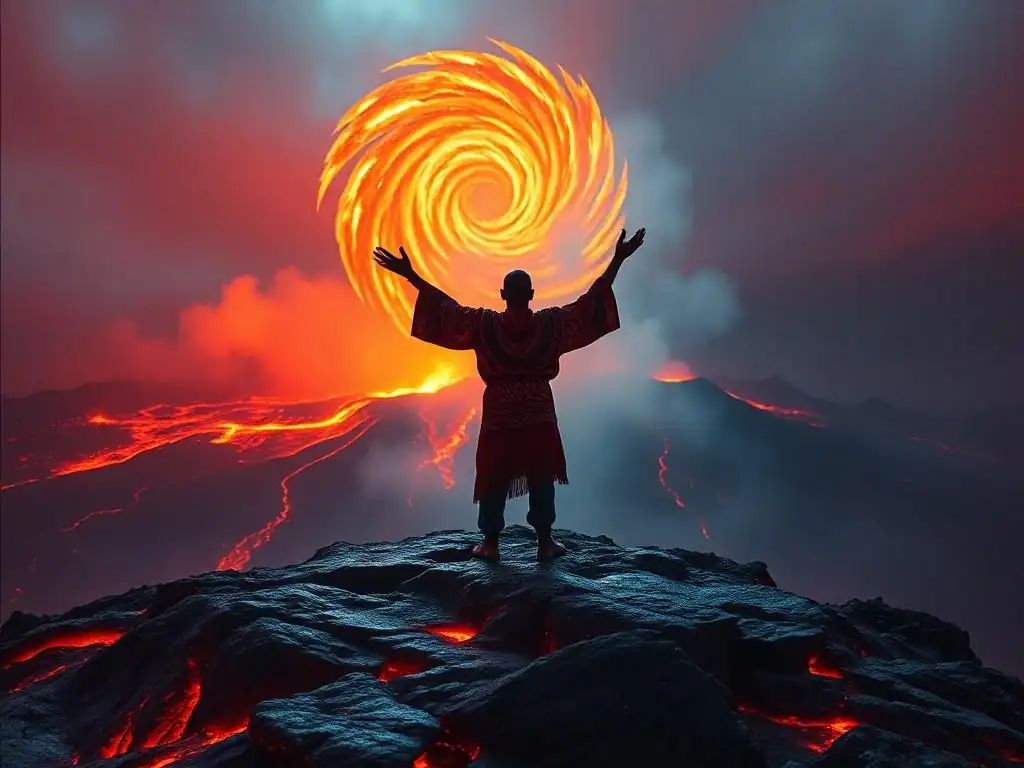
Dare to peer into the fiery heart of the Earth. Beyond the science and the spectacle, lies a deeper connection. Have you ever wondered about the ancient beliefs that intertwined human destiny with the raw power of volcanoes? This article explores the fascinating world of Shamanic traditions and volcano spirits, revealing how cultures around the globe have sought to understand and appease these awe-inspiring forces. What secrets do these traditions hold, and how do they shape our understanding of living with these volatile giants? Discover the answers within and ignite your curiosity!
- Living with Volcanoes: Cultural Significance and Shamanic Practices
- Understanding Volcano Spirits in Indigenous Beliefs
- Shamanic Traditions and Volcanoes: A Deep Connection
- Volcanoes as Sacred Sites: Honoring the Earth's Power
- The Power of Volcanoes in Shamanic Healing
- Case Studies: Shamanic Practices Around Active Volcanoes
- The Future of Shamanic Traditions in Volcanic Communities
-
Frequently Asked Questions
- What is the connection between shamanic traditions and volcanoes?
- How do shamanic traditions view volcano spirits?
- Why are volcanoes often considered sacred in shamanic cultures?
- What kind of rituals are typically performed to honor volcano spirits?
- How can understanding shamanic traditions help us better appreciate volcanoes?
- Final Reflection: Echoes of Fire and Spirit
- Embrace the Spirit of the Volcano: Discover Your Inner Connection
Living with Volcanoes: Cultural Significance and Shamanic Practices
For millennia, volcanoes have been more than just geological formations for the communities living in their shadows. They are powerful forces of nature that shape not only the landscape but also the cultural and spiritual lives of people. In many volcanic regions around the world, from the fiery islands of Hawaii to the archipelago of Indonesia, volcanoes are deeply interwoven with local mythologies, traditions, and daily practices.
These communities often develop intricate belief systems centered around volcano spirits and rely on shamanic traditions to navigate their relationship with these awe-inspiring, yet potentially dangerous, natural phenomena. Understanding these cultural adaptations is crucial to appreciating the full spectrum of human interaction with volcanoes, moving beyond scientific observation to encompass the profound spiritual connection forged over generations.
The presence of active volcanoes has profoundly influenced the development of unique cultural practices and beliefs. In regions where volcanic activity is a constant presence, communities have learned to interpret eruptions, seismic events, and geothermal features through a spiritual lens. This perspective often involves personifying the volcano as a deity or the dwelling place of powerful spirits.
These beliefs are not mere superstitions; they are sophisticated systems of understanding the natural world, providing frameworks for coping with uncertainty, managing risk, and fostering a sense of respect and reciprocity with the environment. Shamanic traditions, in particular, play a vital role in mediating the relationship between communities and these perceived volcano spirits, acting as a bridge between the human and the supernatural realms.
Understanding Volcano Spirits in Indigenous Beliefs
The concept of volcano spirits is a recurring theme in indigenous cultures residing near volcanic landscapes. These are not simply abstract entities but are often considered active participants in the world, capable of influencing events and requiring respect and appeasement. For many cultures, volcanoes are not viewed as inert mountains but as living beings, breathing fire and possessing consciousness.
Volcano spirits can embody a range of characteristics, from benevolent protectors to wrathful destroyers, reflecting the dual nature of volcanoes themselves – creators of fertile land and sources of devastating eruptions. Understanding these spirits is key to understanding the traditional practices and rituals developed to interact with and, ideally, harmonize with the volcanic forces.
These spiritual interpretations of volcanoes are deeply embedded in the cosmologies and worldviews of these communities. They provide a framework for explaining volcanic phenomena, interpreting omens, and guiding community actions in response to volcanic activity. Volcano spirits are often integrated into complex pantheons, mythologies, and oral histories, passed down through generations and reinforced through rituals, ceremonies, and artistic expressions. These beliefs are not static; they evolve over time, adapting to changing environmental conditions and societal interactions, yet they retain a core element of reverence for the raw power and mystery of volcanoes.
The Role of Volcano Spirits in Hawaiian Culture
In Hawaiian culture, Pele, the goddess of volcanoes and fire, reigns supreme. She is not merely a spirit associated with volcanoes; she is the volcano, embodying the fiery energy and creative-destructive forces of nature. Pele is said to reside in Halemaʻumaʻu crater at the summit of Kīlauea, considered her sacred home. Traditional stories and chants (oli) recount her journeys across the islands, her fiery temper, and her power to create new land. Pele is deeply respected and revered, but also approached with caution, as her actions can bring both devastation and renewal.
Pele's influence permeates Hawaiian life, impacting everything from land management to social interactions. Traditional protocols and practices are observed to maintain good relations with Pele, ensuring her favor and avoiding her wrath. Offerings, traditionally including ʻohelo berries and gin (a more modern addition), are left at the crater's edge as a sign of respect.
Kapu (taboos) are associated with areas considered sacred to Pele, emphasizing the need for reverence and responsible behavior within volcanic landscapes. Even today, despite modern scientific understanding of volcanism, Pele remains a powerful and living presence in Hawaiian consciousness, demonstrating the enduring strength of these ancient beliefs.
The Role of Volcano Spirits in Indonesian Culture
Indonesia, situated within the Pacific Ring of Fire, is home to numerous active volcanoes, each often associated with its own unique set of spirits and guardians. Mount Merapi in Java, one of Indonesia's most active volcanoes, is believed to be spiritually guarded by Kyai Sapu Jagad and Mbah Petruk, among other entities.
These spirits are considered to have a direct influence on Merapi's volcanic activity, and traditional Javanese communities engage in elaborate rituals and ceremonies to appease them and maintain harmony. These practices are deeply rooted in Javanese cosmology and pre-Islamic beliefs, blending animistic traditions with more recent religious influences.
The Labuhan Merapi ceremony is a prominent example of these appeasement rituals. Held annually, it involves offerings of food, clothing, and other symbolic items being carried up the volcano's slopes and presented to the spirits. These offerings are intended to ensure the continued well-being of the community, protect against destructive eruptions, and maintain the balance between the human and spiritual realms.
Local shamans, known as dukun, often play a central role in these ceremonies, acting as intermediaries between the community and the volcano spirits, interpreting signs, and guiding the ritual processes. The belief in these spirits and the efficacy of these rituals remains strong in the communities surrounding Merapi, demonstrating the enduring power of traditional beliefs in the face of natural forces.
Common Traits of Volcano Spirit Deities Across Cultures
Despite the geographical and cultural diversity of volcanic regions, there are striking commonalities in the characteristics attributed to volcano spirit deities across different cultures. One prevalent trait is their inherent duality, embodying both destructive and creative power. Volcano spirits are often seen as capable of unleashing devastating eruptions, earthquakes, and lava flows, but also responsible for the fertile volcanic soils that sustain agriculture and the geothermal energy that can provide warmth and healing. This duality reflects the very nature of volcanoes themselves, which are both agents of destruction and creators of new land.
Another common theme is the association of volcano spirits with fire, earth, and often water. Fire is an obvious element, representing the volcanic flames and lava. Earth connection stems from the volcano's physical presence as a mountain and its deep roots within the earth. The water association, while less direct, can be seen in the connection to rain-bringing deities (as volcanic mountains often influence weather patterns) and the presence of volcanic lakes or hot springs.
Furthermore, volcano spirits are frequently depicted as powerful, often temperamental, and demanding respect. They are not always benevolent; their favor must be earned and maintained through proper conduct, rituals, and offerings. This shared understanding across cultures highlights a universal human response to the awe-inspiring and potentially dangerous nature of volcanoes, interpreted through a spiritual lens.
Shamanic Traditions and Volcanoes: A Deep Connection
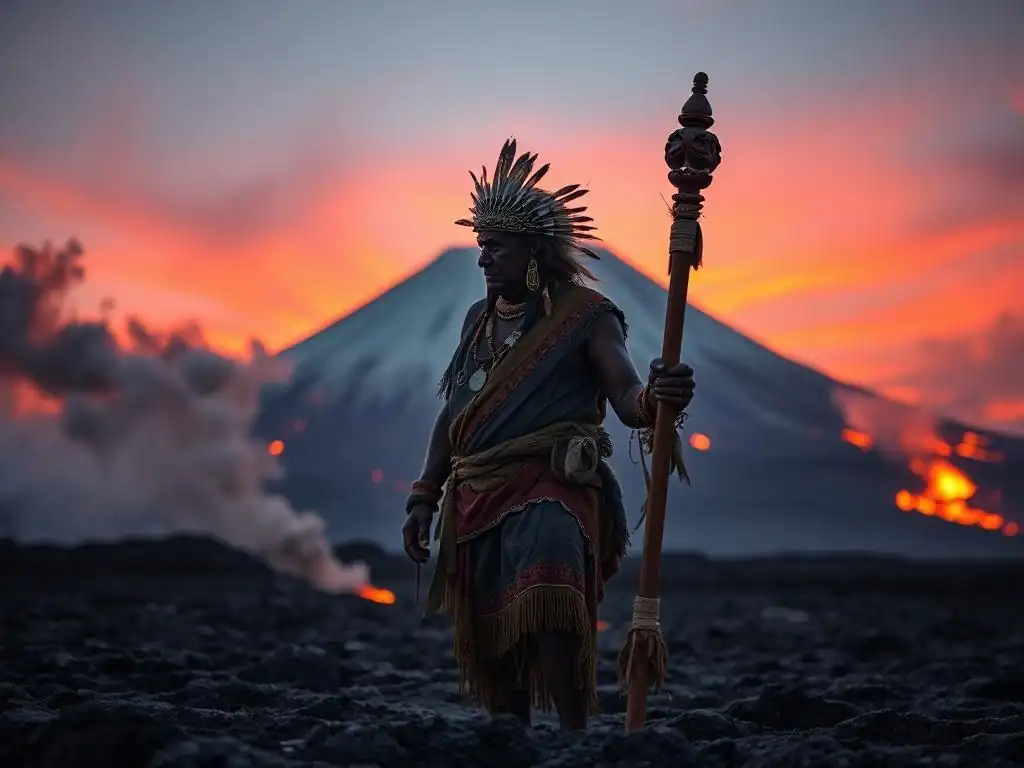
Shamanic traditions, practiced across diverse cultures globally, share a profound connection with volcanoes and the belief in volcano spirits. Shamans, acting as intermediaries between the human and spirit worlds, play a crucial role in communities living near volcanoes. They are often tasked with communicating with volcano spirits, interpreting their will, and performing rituals to maintain balance and harmony. This connection is not arbitrary; the raw power and unpredictable nature of volcanoes lend themselves naturally to shamanic interpretations, where unseen forces are believed to shape the physical world.
The volcanic landscape itself often becomes a sacred space within shamanic practice. Volcanic craters, lava tubes, and geothermal areas are seen as portals to the spirit realm, places where the veil between worlds is thin. Shamans may undertake journeys to these locations to commune with volcano spirits, seek guidance, or perform healing rituals.
The intense energies associated with volcanoes – geothermal heat, seismic activity, and dramatic eruptions – are understood within shamanic frameworks as manifestations of spiritual power, forces that can be harnessed or appeased through specific rituals and shamanic practices. This deep interrelationship between shamanism and volcanoes demonstrates a sophisticated system of understanding and interacting with powerful natural forces through spiritual means.
The Shaman as Mediator Between Worlds
The shaman’s primary role in volcanic communities is often that of a mediator, bridging the gap between the human world and the realm of volcano spirits. They are seen as having the ability to communicate directly with these spirits, interpreting their messages and conveying the needs and concerns of the community.
This mediation is crucial in understanding the perceived will of the volcano spirits, whether it be in relation to impending eruptions, agricultural success, or community well-being. Shamans act as interpreters of natural signs, such as unusual seismic activity or changes in volcanic plumes, which are often seen as omens or communications from the spirits.
This role as mediator extends beyond simple communication. Shamans are also responsible for maintaining harmonious relationships with volcano spirits. They may perform rituals of appeasement, offering prayers, sacrifices, or symbolic gifts to ensure the spirits are content and benevolent.
In times of crisis, such as during volcanic eruptions, shamans may be called upon to intercede with the spirits, seeking to mitigate the destructive forces or guide the community through the event. Their deep understanding of local lore, ritual practices, and the perceived will of the volcano spirits makes them indispensable figures in communities whose lives are intertwined with volcanic activity.
Rituals and Offerings to Appease Volcano Spirits
Rituals and offerings are central to shamanic traditions in volcanic regions, serving as tangible expressions of respect, supplication, and attempts to appease volcano spirits. These practices vary greatly across cultures but share the common goal of maintaining balance and preventing the perceived wrath of the volcanic deities. Offerings can range from simple gestures, such as leaving food or flowers at volcanic vents, to elaborate ceremonies involving animal sacrifices, dances, and chanting. The specific items offered are often culturally significant and symbolically linked to the volcano spirit being addressed.
In many cultures, the timing of rituals is crucial, often coinciding with specific astronomical events, volcanic activity cycles, or agricultural seasons. Annual ceremonies may be performed to ensure continued protection and prosperity for the community. In times of heightened volcanic unrest, emergency rituals might be enacted, intended to calm the spirits and avert disaster.
The performance of these rituals is often guided by shamans, who possess the knowledge of proper procedures, chants, and offerings. These rituals are not merely symbolic acts; they are deeply ingrained practices believed to have a direct influence on the relationship between the community and the volatile forces of nature embodied by volcano spirits.
Shamanic Journeys into the Volcanic Realm: Exploring the Inner Earth
A significant aspect of shamanic traditions connected to volcanoes is the concept of shamanic journeys into the volcanic realm. This involves altered states of consciousness, often induced through drumming, chanting, or plant-based substances, allowing the shaman to symbolically travel to the spirit world, frequently envisioned as being located within or beneath the volcano itself. These journeys are not physical travels but rather spiritual explorations of the inner earth, considered the domain of volcano spirits and other powerful entities.
During these journeys, shamans may seek to communicate directly with volcano spirits, gain insights into the causes of volcanic activity, or request healing and protection for their community. Volcanic caves, lava tubes, and geothermal areas are sometimes considered physical gateways to these inner realms, serving as points of entry for shamanic journeys.
The imagery and symbolism of these journeys often reflect the volcanic landscape – fiery depths, molten flows, and the raw power of the earth's interior. Through these spiritual explorations, shamans gain knowledge and power that is then brought back to benefit their community, reinforcing their role as vital intermediaries between the seen and unseen worlds connected to the volcanic force.
Volcanoes as Sacred Sites: Honoring the Earth's Power
Beyond being sources of danger and fertile land, volcanoes are often revered as sacred sites, places of immense power and spiritual significance. This sacredness stems from their dramatic geological processes, their connection to the earth's interior, and their ability to both destroy and create. For many cultures, volcanoes are not just geographical features but living temples, embodiments of the earth's raw energy and transformative potential. Honoring volcanoes as sacred sites involves respecting their power, acknowledging their spiritual significance, and adhering to traditional practices that recognize their unique status within the landscape.
The perception of volcanoes as sacred sites is deeply rooted in the human experience of awe and wonder in the face of nature's grandeur. Volcanic eruptions, in their spectacular and terrifying displays of power, reinforce this sense of sacredness. The geothermal features associated with volcanoes, such as hot springs and fumaroles, are also often considered sacred, imbued with healing properties or seen as pathways to the underworld. This widespread recognition of volcanoes as sacred spaces highlights a deep-seated human understanding of the earth as a living entity, capable of both destruction and creation, deserving of reverence and respect.
Volcanoes as Places of Transformation and Renewal
Volcanoes, in their cyclical nature of destruction and creation, are potent symbols of transformation and renewal. Eruptions, while initially devastating, are followed by periods of regrowth and revitalization. Volcanic ash enriches the soil, creating fertile ground for new life to flourish. Lava flows, though destructive in their path, eventually cool and solidify, forming new land and altering landscapes in profound ways. This cycle of destruction and subsequent renewal is deeply symbolic and resonates with many spiritual traditions that emphasize cycles of life, death, and rebirth.
This transformative aspect of volcanoes is often reflected in shamanic practices and beliefs. Volcanic eruptions can be seen as periods of purification, clearing away the old to make way for the new. The raw energy released during eruptions is understood as a force of change, capable of both destroying and revitalizing.
Volcanic landscapes, even after catastrophic events, are testaments to resilience and the power of nature to regenerate. This understanding of volcanoes as agents of transformation and renewal contributes to their sacred status and informs the rituals and practices designed to engage with their power in a constructive and respectful manner.
Sacred Mountains and Volcanic Landscapes: A Spiritual Perspective
Volcanoes, as mountains that breathe fire, hold a particularly potent spiritual significance within the broader context of sacred mountains. Mountains in general are often revered as sacred spaces, places of heightened spiritual energy, connection to the heavens, and dwellings of deities. Volcanoes amplify these qualities with their dramatic displays of inner earth forces, making them exceptionally powerful and awe-inspiring sacred mountains. Volcanic landscapes, shaped by eruptions and geothermal activity, further enhance this spiritual perspective, creating environments that feel otherworldly and charged with energy.
From Mount Fuji in Japan to Mount Kilimanjaro in Tanzania, volcanic mountains across the globe are deeply embedded in local mythologies and spiritual traditions. They are often seen as centers of the world, axes mundi connecting the earth, sky, and underworld. Ascending a volcano, whether physically or in a shamanic journey, can be viewed as a spiritual pilgrimage, a quest for enlightenment or communion with the divine. The challenges and rewards of living near volcanic landscapes foster a spiritual perspective that recognizes the interconnectedness of humanity and nature, and the profound power inherent in the earth itself.
The Importance of Respecting Volcanic Environments
The understanding of volcanoes as sacred sites naturally leads to an emphasis on the importance of respecting volcanic environments. This respect is not merely about environmental conservation in a modern sense; it is rooted in a deeper understanding of the spiritual significance of these landscapes and the need to maintain harmony with the forces they embody. Traditional indigenous communities living near volcanoes often have intricate systems of resource management, land use practices, and behavioral protocols designed to minimize disruption and show reverence for the volcanic environment.
This respect extends to both the physical and spiritual dimensions of the volcanic landscape. It involves avoiding activities that are considered disrespectful or polluting, adhering to sacred site protocols, and recognizing the interconnectedness of all living things within the volcanic ecosystem. In many indigenous cultures, this respect is not just a matter of practicality but a moral and spiritual imperative, essential for maintaining balance and ensuring the continued well-being of both the community and the volcanic environment. This traditional wisdom offers valuable lessons for contemporary approaches to living sustainably with volcanoes and appreciating their profound significance.
The Power of Volcanoes in Shamanic Healing
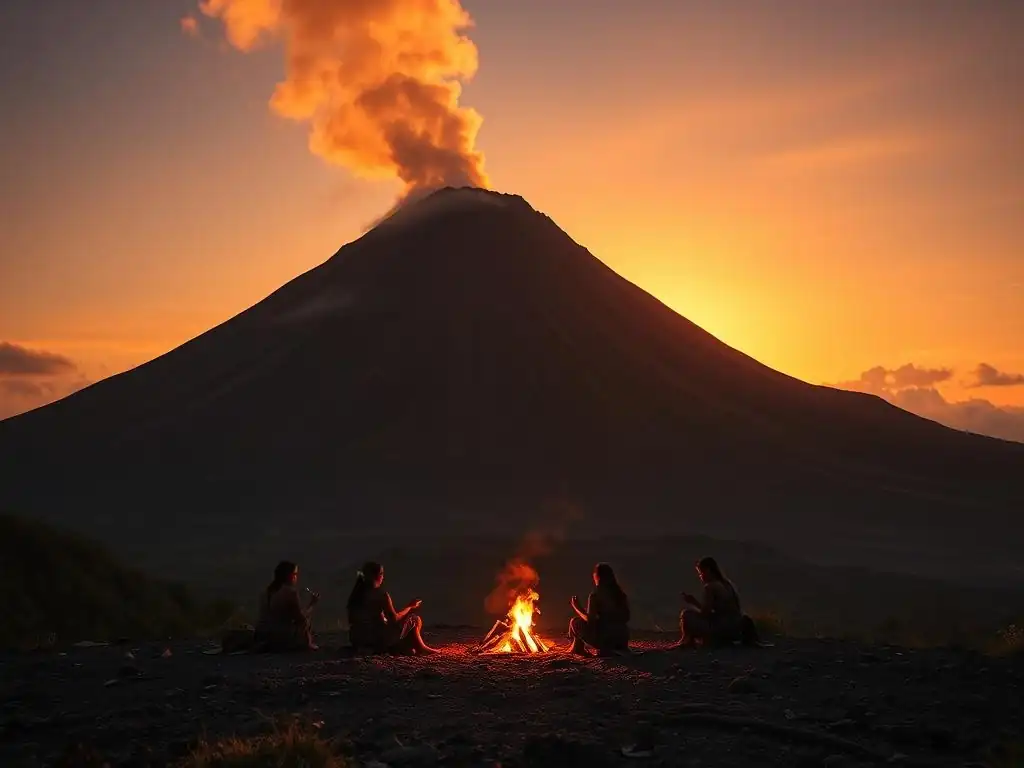
Beyond their role in cosmology and spiritual practices, volcanoes are also recognized for their healing power within shamanic traditions. This healing power is often attributed to the unique energies and resources associated with volcanic activity, including geothermal heat, mineral-rich hot springs, and volcanic ash. Shamans may utilize these volcanic elements in various healing rituals and therapies, harnessing the earth's energy to promote physical, emotional, and spiritual well-being. This connection between volcanoes and healing underscores the multifaceted relationship between humans and these dynamic natural forces.
The perceived healing power of volcanoes is not simply based on folklore; it often aligns with empirical observations of the therapeutic benefits of volcanic resources. Volcanic hot springs, rich in minerals and trace elements, have been used for centuries in traditional medicine for treating various ailments. Volcanic ash, with its unique mineral composition, has also been employed in traditional remedies and skin treatments. Shamanic healing practices, drawing upon both the tangible and intangible aspects of volcanic energy, represent a holistic approach to well-being that integrates physical, spiritual, and environmental dimensions.
Harnessing Volcanic Energy for Physical and Spiritual Well-being
The concept of harnessing volcanic energy for healing is central to many shamanic traditions in volcanic regions. This energy is perceived as a potent life force, emanating from the earth's core and imbued with transformative and revitalizing qualities. Shamans may seek to channel or direct this energy for healing purposes, believing it can restore balance, remove blockages, and promote overall well-being. This harnessing of volcanic energy is not always a direct physical manipulation but can involve ritual practices, visualizations, and energetic alignments designed to tap into the earth's power.
This belief in volcanic energy as a healing force is often linked to the understanding of volcanoes as chakras or energy centers of the Earth. Just as the human body has energy centers, so too is the Earth believed to possess powerful energy vortexes, and volcanoes are often considered to be major points within this planetary energy grid. By connecting with these volcanic energy centers, through shamanic practices or by being in the presence of volcanic landscapes, individuals may seek to revitalize their own energy fields, promoting both physical and spiritual healing and a deeper connection to the earth.
Volcanic Hot Springs and their Healing Properties
Volcanic hot springs, naturally heated geothermal waters rich in minerals, are widely recognized for their therapeutic properties in many cultures, including those with shamanic traditions. The heat and mineral content of these springs are believed to have a range of healing benefits, from relieving muscle pain and arthritis to improving skin conditions and promoting relaxation. Traditional medicine systems in volcanic regions often incorporate the use of hot springs as a key element in healing practices.
Shamans may utilize volcanic hot springs in specific rituals, guiding individuals in bathing or immersing themselves in the waters for therapeutic purposes. The springs are not just seen as sources of physical healing but also as spiritually cleansing and restorative. The act of bathing in these sacred waters can be understood as a symbolic purification, washing away negativity and promoting spiritual renewal. The combination of physical and spiritual healing properties associated with volcanic hot springs makes them invaluable resources within shamanic healing traditions.
Volcanic Ash and its Traditional Uses
Volcanic ash, the fine particulate matter ejected during eruptions, also possesses traditional uses within shamanic practices and folk medicine. Despite its potentially abrasive nature, volcanic ash is recognized for its mineral content and absorptive properties, leading to its application in various traditional remedies and rituals. Historically, volcanic ash has been used in some cultures for skin treatments, wound healing, and even as a component in agricultural practices to enrich soil.
In shamanic contexts, volcanic ash may be used in purification rituals, smudging ceremonies, or as a symbolic element representing the earth's power and transformative energy. Its fine texture and dark color can be associated with grounding and connecting to the earth's depths. While modern scientific understanding of volcanic ash emphasizes its potential hazards, traditional knowledge highlights its beneficial properties, demonstrating a nuanced and long-standing relationship between communities and this volcanic byproduct, recognizing its potential for both harm and healing within a cultural context.
Case Studies: Shamanic Practices Around Active Volcanoes
To further illustrate the living traditions of shamanic practices in volcanic regions, examining specific case studies around active volcanoes provides valuable insight. Looking at examples like Mount Kīlauea in Hawaii and Mount Merapi in Indonesia reveals the diverse ways in which communities have developed and maintained shamanic traditions in response to the unique challenges and opportunities presented by living alongside active volcanoes. These case studies demonstrate the ongoing relevance of these practices and the enduring power of volcano spirits in shaping cultural and spiritual life.
These case studies not only highlight the diversity of shamanic practices but also reveal common threads and underlying principles. The emphasis on respect for nature, the role of intermediaries like shamans, and the importance of ritual and offering are recurring themes. By examining these specific examples, we can gain a deeper appreciation for the resilience and adaptability of indigenous cultures in navigating their relationship with powerful natural forces, and the enduring role of shamanic traditions in this ongoing interaction.
Mount Kilauea and its Associated Shamanic Traditions
Mount Kīlauea, one of the world's most active volcanoes, has been a central figure in Hawaiian shamanic traditions for centuries. As the home of Pele, the volcano goddess, Kīlauea is considered a profoundly sacred site, imbued with immense spiritual power. Traditional Hawaiian practices, though impacted by colonization and modernization, continue to reflect a deep reverence for Pele and the volcanic forces she embodies. Kahuna, traditional Hawaiian priests and healers, played a vital role in mediating the relationship between the community and Pele, interpreting signs, performing rituals, and offering guidance.
While the term "shaman" isn't directly used in traditional Hawaiian contexts, the functions and roles of Kahuna align closely with shamanic practices globally. Kahuna Lāʻau Lapaʻau (healing priests) utilized plant-based medicine and spiritual practices to promote well-being, while Kahuna Pule (prayer priests) conducted ceremonies and offerings to appease the gods and maintain balance.
Even today, amidst scientific volcanology and modern life, a sense of respect and reverence for Pele persists in Hawaii. Traditional practices, such as leaving offerings and observing kapu (taboos) in sacred volcanic areas, continue to be observed by many, demonstrating the enduring influence of these ancient shamanic traditions.
Mount Merapi and the Beliefs Surrounding its Spirit
Mount Merapi, Indonesia's most active volcano, is deeply intertwined with Javanese shamanic traditions and beliefs surrounding its spirit, particularly figures like Kyai Sapu Jagad and Mbah Petruk. These spirits are considered guardians of the volcano, influencing its activity and requiring appeasement to maintain harmony. Dukun, Javanese shamans or traditional healers, play a crucial role in mediating the relationship between the community and these volcano spirits, conducting rituals, interpreting omens, and providing spiritual guidance.
The annual Labuhan Merapi ceremony, a significant ritualistic event, exemplifies these shamanic traditions. Led by Dukun and community elders, this ceremony involves offerings of food, textiles, and symbolic items being carried up the volcano's slopes and presented to the spirits.
The ceremony is intended to ensure the continued protection of the community, prevent destructive eruptions, and maintain the delicate balance between the human and spiritual realms. Belief in the power of these spirits and the efficacy of these rituals remains strong within the communities surrounding Merapi, demonstrating the enduring significance of shamanic traditions in managing the risks and uncertainties associated with living near an active volcano.
Lessons Learned from Indigenous Communities Living Near Volcanoes
Examining shamanic traditions around active volcanoes offers valuable lessons for contemporary approaches to living with natural hazards and fostering sustainable relationships with the environment. One key lesson is the importance of respect and reverence for natural forces. Indigenous communities, through their spiritual beliefs and practices, demonstrate a deep understanding of the power and interconnectedness of nature, recognizing that humans are part of, not separate from, the environment. This contrasts with purely anthropocentric views that often prioritize human needs above ecological considerations.
Another lesson is the value of traditional ecological knowledge (TEK). Shamanic traditions often incorporate detailed observations of natural phenomena, passed down through generations, providing valuable insights into volcanic behavior, environmental changes, and sustainable resource management.
Integrating TEK with modern scientific knowledge can lead to more holistic and effective approaches to disaster preparedness, environmental conservation, and community resilience in volcanic regions. Finally, the emphasis on community cohesion and spiritual well-being within shamanic traditions highlights the importance of addressing not only the physical but also the social and psychological dimensions of living with natural hazards, fostering a more comprehensive and human-centered approach to risk management.
The Future of Shamanic Traditions in Volcanic Communities
The future of shamanic traditions in volcanic communities faces both challenges and opportunities in a rapidly changing world. Globalization, modernization, and the influence of external cultures can erode traditional beliefs and practices. However, there is also a growing recognition of the value of indigenous knowledge and a renewed interest in spiritual and cultural heritage. The future of these traditions hinges on finding ways to preserve and adapt them in a way that is relevant and meaningful for contemporary volcanic communities, balancing the pressures of modernity with the enduring wisdom of ancestral practices.
This future also involves navigating complex issues such as cultural tourism, scientific volcanology, and environmental conservation. Respectful and ethical engagement with shamanic traditions is crucial, ensuring that indigenous knowledge is not exploited or misrepresented. Collaboration between scientists, policymakers, and indigenous communities is essential for developing sustainable and culturally sensitive approaches to living with volcanoes, integrating both modern science and traditional wisdom for the benefit of both people and the environment.
Preserving Indigenous Knowledge in a Changing World
Preserving indigenous knowledge related to shamanic traditions and volcano spirits is a critical task in a world undergoing rapid cultural and environmental changes. This knowledge, accumulated over generations, offers unique insights into living sustainably with volcanoes, understanding natural hazards, and fostering a deep connection to the earth. However, this knowledge is often vulnerable to being lost due to cultural assimilation, generational shifts, and the dominance of Western scientific paradigms.
Efforts to preserve indigenous knowledge require a multi-faceted approach. This includes supporting cultural transmission within communities, documenting oral histories and traditional practices, and creating educational resources that valorize indigenous perspectives. Collaboration with indigenous communities is paramount, ensuring that preservation efforts are community-led and respectful of cultural protocols. Furthermore, integrating indigenous knowledge into scientific research and policy-making can enrich our understanding of volcanoes and improve disaster preparedness and environmental management strategies in volcanic regions.
The Importance of Cultural Sensitivity in Volcanic Tourism
Volcanic tourism, while offering economic opportunities for volcanic communities, also presents challenges in terms of cultural sensitivity, particularly in regions where shamanic traditions and volcano spirits are still actively revered. Tourists visiting volcanic sites may not always be aware of or respectful towards local beliefs and sacred site protocols. Unregulated tourism can lead to the desecration of sacred sites, the commodification of cultural practices, and the erosion of indigenous traditions.
Promoting cultural sensitivity in volcanic tourism requires a collaborative approach involving tourism operators, local communities, and visitors. This includes educating tourists about local beliefs and customs, establishing clear guidelines for respectful behavior at sacred sites, and ensuring that tourism benefits local communities and supports the preservation of their cultural heritage. Engaging local communities in tourism management and ensuring that their voices are heard is crucial for developing sustainable and culturally responsible tourism practices that respect and protect shamanic traditions and sacred volcanic landscapes.
Balancing Modern Science with Traditional Beliefs about Volcanoes
Finding a balance between modern scientific understanding of volcanoes and traditional beliefs about volcano spirits is a crucial challenge and opportunity for volcanic communities in the 21st century. Modern volcanology provides valuable tools for monitoring volcanic activity, assessing hazards, and predicting eruptions, contributing significantly to community safety. However, traditional beliefs offer a different lens through which to understand volcanoes, emphasizing spiritual dimensions, cultural values, and a deep connection to the natural world.
Rather than viewing science and traditional beliefs as mutually exclusive, there is potential for integration and mutual enrichment. Scientific data can inform and enhance traditional understanding of volcanic processes, while traditional knowledge can provide valuable context and cultural insights that enrich scientific perspectives. Dialogue and collaboration between scientists and indigenous communities can lead to more holistic and culturally sensitive approaches to living with volcanoes, combining the strengths of both modern science and ancestral wisdom for the benefit of both human communities and the volcanic environment.
Frequently Asked Questions
What is the connection between shamanic traditions and volcanoes?
Historically, many cultures living near volcanoes have developed shamanic traditions to understand and appease the powerful spirits believed to inhabit these natural wonders. These traditions often involve rituals and offerings.
How do shamanic traditions view volcano spirits?
Volcano spirits are generally viewed as powerful entities that can bring both destruction and blessings. Shamanic traditions often seek to maintain harmony with these spirits through ritualistic practices.
Why are volcanoes often considered sacred in shamanic cultures?
Volcanoes are seen as gateways to the underworld or the realm of spirits, representing a potent source of earthly power. Their unpredictable nature further reinforces their sacred status.
What kind of rituals are typically performed to honor volcano spirits?
Rituals can range from offering prayers and gifts to performing ceremonial dances and sacrifices. The specific practices vary widely depending on the cultural context and the perceived needs of the spirits.
How can understanding shamanic traditions help us better appreciate volcanoes?
Learning about these traditions provides a deeper cultural understanding of the relationship between humans and volcanoes. It highlights the spiritual significance that volcanoes hold for many communities, beyond their scientific importance.
Final Reflection: Echoes of Fire and Spirit
The exploration of shamanic traditions and volcano spirits, as we've seen, isn't just an anthropological exercise; it's a vital reminder of the deep interconnectedness between humanity and the natural world. In a time of increasing environmental awareness, understanding these ancient beliefs offers profound insights into sustainable living and the respect our planet deserves.
The enduring power of these traditions lies in their ability to foster a sense of reverence for the Earth, a reverence that is increasingly absent in modern society. My own journey into these beliefs has underscored the importance of listening to the whispers of nature, of recognizing the sacred in the seemingly ordinary. We do not inherit the earth from our ancestors; we borrow it from our children.
This proverb, often attributed to Native American cultures, encapsulates the responsibility we have to safeguard the volcanic landscapes and the spiritual heritage they embody.
Now, as you close this article, I invite you to consider the lessons learned. How can you, in your own life, cultivate a deeper connection with the natural world? How can you honor the spirits of the land and contribute to a more sustainable future? Let the echoes of fire and spirit guide you towards a path of respect, responsibility, and reverence for the Earth, our shared home.
Embrace the Spirit of the Volcano: Discover Your Inner Connection
Thank you for exploring the fascinating world of shamanic traditions and volcano spirits! We hope you've gained a deeper appreciation for the cultural significance and spiritual power inherent in these volcanic landscapes. Now, it's time to connect with that power on a personal level.
Here's how you can continue your journey:
- Begin a journey of self-discovery by visualizing a volcano and reflecting on its symbolism for you. Let its energy guide your inner exploration. This will deepen your understanding of the article's themes.
- Share your insights! Discuss the most compelling aspect of shamanic traditions you learned about with a friend or on social media using #VolcanoExplorers.
- Consider supporting organizations dedicated to preserving both volcanic environments and the indigenous cultures that revere them. Find an organization whose mission resonates with you and contribute to their important work.
What personal meaning did the volcano reveal to you, and how will you integrate this understanding into your life? We'd love to hear your thoughts in the comments below!