
The Silent Scourge: How Volcanic Eruptions Unleash Acid Rain's Fury


Welcome to Volcano Explorers! Ever wondered what happens after the fiery spectacle of a volcanic eruption fades? Prepare to uncover the chilling truth about the silent scourge that follows: acid rain. Delve into our latest article, "The Silent Scourge: How Volcanic Eruptions Unleash Acid Rain's Fury," and discover the devastating impact of volcanic eruptions on our environment, revealing a hidden layer of destruction you never knew existed. Are you ready to explore the unseen consequences?
- Understanding the Impact of Volcanic Eruptions on Acid Rain Formation
- The Chemistry Behind Volcanic Acid Rain
- Types of Volcanic Eruptions and Acid Rain Potential
- Environmental Consequences of Volcanic Acid Rain
- Case Studies: Volcanic Eruptions and Acid Rain Events
- Monitoring and Mitigation of Volcanic Acid Rain
- Living Near Volcanoes: Understanding the Acid Rain Risk
- The Future of Volcanic Acid Rain Research
-
Frequently Asked Questions
- What is the main cause of acid rain after a volcanic eruption?
- How does volcanic acid rain specifically impact vegetation and ecosystems?
- Besides acid rain, what other impacts can volcanic eruptions have on the atmosphere?
- What are some of the long-term impacts of volcanic acid rain on human infrastructure and health?
- Does VolcanoExplorers.org offer resources for understanding the impact of volcanic eruptions beyond just acid rain?
- Final Reflection: The Enduring Shadow of Volcanic Ash
- Uncover the Hidden Connections: Become a Volcano Advocate!
Understanding the Impact of Volcanic Eruptions on Acid Rain Formation
Volcanic eruptions are renowned for their spectacular displays of power, from fiery lava flows to towering ash plumes. However, the immediate visual drama is not the only hazard they present. A less visible but equally significant consequence of volcanic activity is the formation of acid rain.
Unlike acid rain caused by industrial pollution, volcanic acid rain is a natural phenomenon, but its impact can be just as devastating, affecting ecosystems, infrastructure, and even human health. This type of acid rain is a direct result of the gases released during volcanic eruptions, which react with atmospheric moisture to form acidic compounds.
While the immediate dangers of eruptions, such as pyroclastic flows and lahars, are widely recognized, the long-term and widespread effects of volcanic acid rain are often underestimated. Volcanic acid rain can extend far beyond the immediate vicinity of the volcano, impacting regions hundreds or even thousands of kilometers downwind.
Understanding the mechanisms behind its formation and the scope of its impact is crucial for assessing the full range of hazards associated with volcanic eruptions and developing strategies to mitigate their environmental and societal consequences. This article delves into the science behind volcanic acid rain, exploring its chemistry, environmental effects, and the ways we can monitor and prepare for this silent scourge.
Volcanic Eruptions and Atmospheric Pollution: The Initial Connection
The link between volcanic eruptions and atmospheric pollution is primarily through the release of vast quantities of gases and particulate matter into the atmosphere. During an eruption, volcanoes vent a complex mixture of gases, including water vapor (H2O), carbon dioxide (CO2), sulfur dioxide (SO2), hydrogen sulfide (H2S), hydrogen halides (HCl, HF), and various trace elements.
While water vapor and carbon dioxide are greenhouse gases, it is sulfur dioxide and, to a lesser extent, hydrogen halides that are the main culprits in the formation of acid rain. The sheer volume of these gases ejected during even moderate eruptions can overwhelm local and regional atmospheric chemistry, leading to significant environmental changes.
The initial impact of volcanic emissions is often visible as a volcanic plume, which can ascend high into the stratosphere. These plumes not only contain gases but also fine particles of ash and aerosols. While ash can cause immediate respiratory problems and disrupt air travel, the gaseous components, particularly sulfur dioxide, undergo chemical transformations in the atmosphere.
These transformations are driven by sunlight and reactions with other atmospheric constituents, ultimately leading to the formation of sulfuric acid and other acidic compounds that are deposited as acid rain. The scale of atmospheric pollution from volcanic eruptions can dwarf industrial sources in certain regions and timeframes, highlighting the significant impact of volcanic eruptions on global atmospheric chemistry and precipitation acidity.
The Chemistry Behind Volcanic Acid Rain
Volcanic Gases: Key Ingredients for Acid Rain
Sulfur Dioxide (SO2): The Primary Culprit
Sulfur dioxide (SO2) is the most significant volcanic gas contributing to acid rain. It is typically the second most abundant gas emitted from volcanoes after water vapor, often constituting a substantial percentage of the total gas output. The amount of SO2 released can vary dramatically depending on the type and intensity of the eruption, but even relatively small eruptions can release thousands of tons of SO2 into the atmosphere.
For instance, the moderate eruption of Mount Etna in Italy in 2021, while not globally catastrophic, still released an estimated 1.7 million tonnes of SO2. Larger eruptions, like those of Pinatubo in 1991, can inject tens of millions of tonnes of SO2 into the stratosphere, with global consequences.
The importance of SO2 lies in its chemical reactivity within the atmosphere. Once released, SO2 undergoes oxidation processes, primarily reacting with hydroxyl radicals (OH) in the presence of sunlight and oxygen. This oxidation process converts SO2 into sulfuric acid (H2SO4), a strong acid that is a major component of acid rain. The higher the concentration of SO2 released by a volcanic eruption, the greater the potential for significant acid rain formation. Therefore, monitoring SO2 emissions from volcanoes is crucial for assessing the potential for acid rain and its associated environmental impacts.
Other Volcanic Gases Contributing to Acid Rain
While sulfur dioxide is the dominant contributor, other volcanic gases also play a role in acid rain formation, albeit to a lesser extent. Hydrogen sulfide (H2S), another sulfur-containing gas, can also be oxidized in the atmosphere to form sulfurous acid (H2SO3), which can further oxidize to sulfuric acid. Although typically emitted in smaller quantities than SO2, H2S can still contribute to local acid rain, particularly in areas close to volcanic vents.
Furthermore, hydrogen halides, such as hydrogen chloride (HCl) and hydrogen fluoride (HF), are also released during volcanic eruptions. These gases react with water vapor in the atmosphere to form hydrochloric acid (HCl) and hydrofluoric acid (HF), respectively.
While hydrochloric acid readily contributes to acid rain, hydrofluoric acid is more reactive and tends to deposit closer to the volcanic source due to its affinity for reacting with ash particles and condensing in volcanic plumes. However, both HCl and HF contribute to the overall acidity of precipitation downwind of volcanic eruptions. The combined effect of these gases, alongside SO2, creates a complex mixture of acidic compounds in volcanic acid rain, each with its own specific environmental impact. The relative contribution of each gas to acid rain depends on the specific volcanic eruption and atmospheric conditions.
Atmospheric Reactions: From Volcanic Gases to Acid Rain
Oxidation Processes in the Atmosphere
The transformation of volcanic gases into acid rain is driven by a series of oxidation processes in the atmosphere. Sulfur dioxide (SO2), the primary precursor to volcanic acid rain, undergoes oxidation primarily through reactions with hydroxyl radicals (OH), ozone (O3), and hydrogen peroxide (H2O2) in the presence of sunlight and water vapor. The reaction with hydroxyl radicals is considered the most significant pathway for SO2 oxidation in the troposphere. These reactions convert SO2 into sulfur trioxide (SO3), which then rapidly reacts with water to form sulfuric acid (H2SO4).
Similarly, hydrogen sulfide (H2S) undergoes oxidation, albeit at a slower rate than SO2, also leading to the formation of sulfuric acid and other sulfur-containing compounds. The oxidation of hydrogen halides, such as HCl, is relatively straightforward, as they readily dissolve in water vapor to form hydrochloric acid.
These oxidation processes are not instantaneous; they take time, which means that acid rain formation can occur over hours to days after a volcanic eruption, and can be transported downwind over considerable distances. The efficiency of these oxidation processes is influenced by factors such as sunlight intensity, humidity, and the presence of other atmospheric pollutants.
Acid Rain Formation: A Step-by-Step Explanation
The formation of volcanic acid rain is a multi-step process that begins with the release of volcanic gases and culminates in acidic precipitation. Firstly, during a volcanic eruption, gases like sulfur dioxide (SO2), hydrogen sulfide (H2S), and hydrogen halides (HCl, HF) are ejected into the atmosphere. Secondly, these gases undergo oxidation reactions, primarily driven by sunlight and atmospheric oxidants like hydroxyl radicals.
For example, SO2 reacts with OH radicals to form SO3, which then combines with water to produce sulfuric acid (H2SO4). Thirdly, the newly formed acidic compounds, sulfuric acid, hydrochloric acid, and to a lesser extent sulfurous acid and hydrofluoric acid, dissolve in atmospheric moisture, such as water droplets in clouds or fog.
Finally, when this moisture condenses and falls as precipitation, it carries the dissolved acids to the ground, resulting in acid rain. The acidity of rain is measured using pH, with normal rain having a pH of around 5.6 due to dissolved carbon dioxide. Acid rain is defined as precipitation with a pH below 5.6.
Volcanic acid rain can have significantly lower pH values, sometimes dropping below pH 3 in areas directly affected by volcanic plumes. The intensity and extent of volcanic acid rain depend on the magnitude of gas emissions, atmospheric conditions, and the distance from the volcanic source. The process highlights the interconnectedness of volcanic activity and atmospheric chemistry, demonstrating how volcanic eruptions can alter precipitation chemistry on a regional and even global scale.
Types of Volcanic Eruptions and Acid Rain Potential
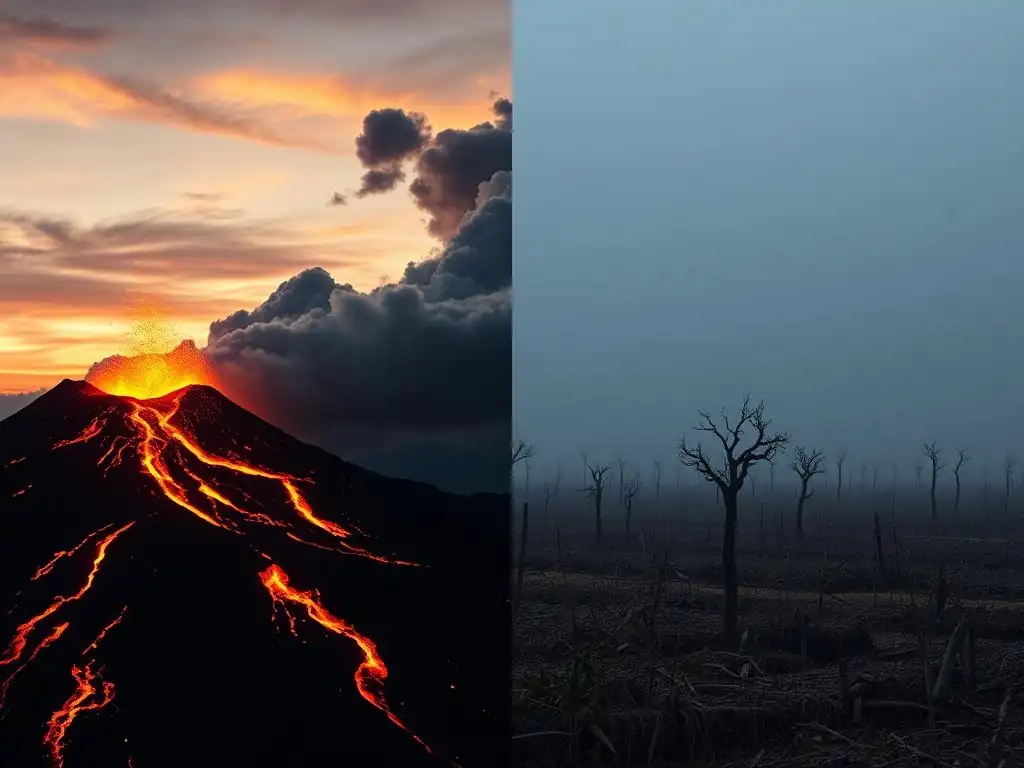
Explosive Eruptions: Releasing Large Volumes of Gases
Explosive volcanic eruptions are characterized by their violent ejection of ash, gas, and pyroclastic material. These eruptions are particularly effective at releasing large volumes of volcanic gases high into the atmosphere, often reaching the stratosphere. The significant vertical injection of gases during explosive eruptions maximizes their dispersal and atmospheric residence time, leading to widespread acid rain formation.
Examples of explosive eruptions that have caused significant acid rain events include the 1991 eruption of Mount Pinatubo in the Philippines and the 1980 eruption of Mount St. Helens in the United States. The Pinatubo eruption, one of the largest of the 20th century, injected approximately 20 million tons of sulfur dioxide into the stratosphere, leading to a measurable decrease in global temperatures and widespread acid rain across the Northern Hemisphere.
The explosive nature of these eruptions ensures that gases are rapidly mixed with the atmosphere at high altitudes where they can be transported over long distances by prevailing winds. The fine ash particles also released in explosive eruptions can act as condensation nuclei, promoting cloud formation and enhancing the incorporation of acidic gases into precipitation.
Therefore, explosive eruptions are considered to have the highest potential for generating widespread and intense acid rain events due to the sheer volume of gases released and their efficient dispersal in the atmosphere. The impact of volcanic eruptions on acid rain is directly proportional to the explosivity and gas content of the eruption.
Effusive Eruptions: A Different Kind of Acid Rain Threat
Effusive eruptions, in contrast to explosive eruptions, are characterized by the relatively slow and steady outpouring of lava. While effusive eruptions are less violent and typically produce lower ash plumes, they can still release significant amounts of volcanic gases, including sulfur dioxide, over extended periods.
Although the gases from effusive eruptions are generally released at lower altitudes, remaining primarily in the troposphere, they can still contribute to acid rain, especially in areas downwind of persistently active volcanoes. The ongoing eruption of Kilauea in Hawaii, which lasted from 1983 to 2018, is a prime example of an effusive eruption that caused persistent "vog" (volcanic smog) and acid rain in the Hawaiian Islands.
The impact of effusive eruptions on acid rain is often more localized and chronic compared to the widespread but episodic acid rain events associated with explosive eruptions. The continuous release of gases can lead to persistent acid rain and vog conditions in the vicinity of the volcano, affecting local ecosystems, agriculture, and human health.
While the atmospheric dispersion of gases from effusive eruptions may be less extensive than from explosive eruptions, the prolonged duration of gas release can result in a cumulative impact on acid rain and air quality in the surrounding region. The threat from effusive eruptions is therefore more about sustained, localized acid rain impact rather than large-scale, short-term events.
Subglacial and Submarine Eruptions: Unique Acid Rain Scenarios
Subglacial and submarine volcanic eruptions present unique scenarios for acid rain formation due to the interaction of volcanic gases with ice and water. Subglacial eruptions, occurring beneath glaciers or ice sheets, can release volcanic gases into the atmosphere, but the presence of ice can modify the formation and dispersal of acid rain. The melting of glacial ice can lead to increased runoff and dilution of acidic waters, potentially reducing the localized impact of acid rain on surface waters. However, the meltwater can also transport dissolved volcanic acids and trace elements into downstream ecosystems.
Submarine eruptions, occurring underwater, release volcanic gases directly into the ocean. While the immediate formation of acid rain in the atmospheric sense is not directly applicable in the marine environment, the release of volcanic gases, particularly sulfur dioxide and hydrogen halides, can lead to ocean acidification in the vicinity of the eruption. Sulfur dioxide reacts with seawater to form sulfuric acid, lowering the pH of the surrounding ocean waters.
Furthermore, submarine eruptions can release large plumes of steam and volcanic gases that can reach the surface and contribute to acid rain formation in coastal areas. These unique eruption environments highlight the diverse ways in which volcanic activity can influence acid rain and acidification processes in both terrestrial and aquatic ecosystems. The impact of these eruptions on acid rain is less studied compared to terrestrial eruptions but represents an important area of research.
Environmental Consequences of Volcanic Acid Rain
Impact on Water Bodies: Acidification and Aquatic Life
Effects on Lakes and Rivers
Volcanic acid rain can have a profound impact on freshwater ecosystems, particularly lakes and rivers. The deposition of acidic compounds lowers the pH of water bodies, leading to acidification. This acidification can have a cascade of negative effects on aquatic life.
Many aquatic organisms, including fish, amphibians, and invertebrates, are sensitive to changes in pH. As pH levels decrease, aluminum and other toxic metals can leach from soils and rocks into the water, further exacerbating the toxic effects. For example, in lakes affected by acid rain, fish populations can decline or disappear due to reproductive failure, gill damage, and overall physiological stress.
The acidification of lakes and rivers also disrupts the food web. Acid-sensitive organisms like certain species of mayflies and stoneflies, which are important food sources for fish, may decline or be eliminated. This disruption can lead to a simplification of the aquatic ecosystem, reducing biodiversity and overall ecosystem health.
The long-term effects of volcanic acid rain on freshwater ecosystems can be persistent, even after volcanic activity subsides, as the accumulated acids in soils and sediments can continue to leach into water bodies for years or even decades. The impact of volcanic eruptions on acid rain therefore extends to significant alterations in freshwater ecosystem health and function.
Ocean Acidification: A Global Concern
While volcanic acid rain primarily affects terrestrial and freshwater environments, volcanic eruptions also contribute to ocean acidification, a global concern. Large volcanic eruptions, particularly those that inject significant amounts of sulfur dioxide into the stratosphere, can lead to a temporary but measurable increase in ocean acidity. Sulfur dioxide, after being converted to sulfuric acid in the atmosphere, can be deposited into the ocean through acid rain and dry deposition. This influx of sulfuric acid lowers the pH of surface ocean waters, contributing to ocean acidification.
Ocean acidification has significant implications for marine life, particularly for organisms that build shells and skeletons from calcium carbonate, such as corals, shellfish, and plankton. Decreased pH levels reduce the availability of carbonate ions in seawater, making it more difficult for these organisms to build and maintain their shells and skeletons. For instance, coral reefs, already under stress from warming ocean temperatures, are further threatened by ocean acidification, which can weaken their structure and make them more vulnerable to erosion and bleaching.
While volcanic eruptions are not the primary driver of long-term ocean acidification (which is mainly caused by increased atmospheric CO2 from human activities), they represent a natural source of acidification that can exacerbate existing stresses on marine ecosystems. The impact of volcanic eruptions, in this context, adds to the complex picture of global ocean health.
Effects on Soil and Vegetation: Damage to Ecosystems
Soil Degradation and Nutrient Leaching
Volcanic acid rain significantly impacts soil chemistry and fertility. The deposition of acidic compounds, such as sulfuric acid, on soils leads to soil acidification, lowering the soil pH. This acidification can trigger a cascade of negative effects, including the leaching of essential nutrients, such as calcium, magnesium, and potassium, from the soil.
These nutrients are vital for plant growth, and their depletion can reduce soil fertility and plant productivity. Conversely, acid rain can mobilize toxic metals, such as aluminum and heavy metals, in the soil. Increased concentrations of aluminum in the soil solution can be toxic to plant roots, inhibiting nutrient uptake and water absorption.
Soil acidification also affects soil microorganisms, which play a crucial role in nutrient cycling and decomposition. Acid-sensitive microorganisms may decline in acidified soils, disrupting these essential soil processes. The long-term consequence of volcanic acid rain on soils is often soil degradation, reduced fertility, and increased susceptibility to erosion. The impact of volcanic eruptions on soil through acid rain can therefore lead to long-lasting changes in soil properties and ecosystem function.
Impact on Plant Life: Leaf Damage and Growth Inhibition
Volcanic acid rain directly damages vegetation through several mechanisms. Acidic precipitation can directly injure plant leaves, causing visible damage such as leaf lesions, necrosis (tissue death), and premature leaf drop. The acidic deposition disrupts the waxy cuticle on leaf surfaces, which normally protects plants from water loss and pathogen invasion. Damage to the cuticle increases water loss, making plants more susceptible to drought stress, and weakens their defenses against diseases and pests.
Furthermore, acid rain can interfere with plant physiology. Acidic deposition can disrupt photosynthesis, the process by which plants convert sunlight into energy, by damaging chlorophyll and other photosynthetic pigments. Acid rain can also inhibit nutrient uptake by plant roots, either directly through root damage or indirectly by altering soil chemistry and nutrient availability.
The combined effects of leaf damage, physiological disruption, and nutrient deficiency lead to reduced plant growth, decreased crop yields in agricultural areas, and overall weakening of forest and natural ecosystems. The impact of volcanic eruptions on vegetation through acid rain can therefore be significant, affecting plant health, productivity, and ecosystem resilience.
Damage to Infrastructure: Corrosion and Weathering
Effects on Buildings and Monuments
Volcanic acid rain is not only detrimental to natural environments but also causes significant damage to infrastructure, particularly buildings and monuments made of stone and metal. Acid rain accelerates the weathering and corrosion of building materials. Stone structures, especially those made of limestone and marble, are particularly vulnerable to acid rain.
These stones are composed primarily of calcium carbonate, which reacts with sulfuric acid in acid rain to form gypsum, a softer and more soluble material. This chemical reaction leads to the gradual erosion and dissolution of the stone surface, causing disfigurement, weakening of structural integrity, and loss of detail in carvings and sculptures.
Historical monuments and buildings, often constructed from susceptible stone types, are particularly at risk from volcanic acid rain, as they are exposed to the elements over long periods. The damage caused by acid rain is cumulative, and prolonged exposure can lead to significant and irreversible deterioration of these cultural heritage sites. The impact of volcanic eruptions on cultural heritage through acid rain is a serious concern, demanding conservation and mitigation efforts.
Corrosion of Metal Structures
Volcanic acid rain also accelerates the corrosion of metal structures, including bridges, pipelines, vehicles, and roofing materials. Acidic precipitation increases the rate of electrochemical corrosion of metals, particularly iron, steel, and aluminum. Sulfuric acid in acid rain acts as an electrolyte, facilitating the oxidation of metals and the formation of metal oxides and sulfates, which are corrosion products. This corrosion weakens metal structures, reduces their lifespan, and increases maintenance costs.
In areas frequently affected by volcanic acid rain, metal infrastructure can suffer accelerated degradation, requiring more frequent repairs and replacements. The economic impact of corrosion damage due to volcanic acid rain can be substantial, particularly in regions with significant volcanic activity and extensive metal infrastructure. The impact of volcanic eruptions on infrastructure through acid rain highlights the need for protective measures and corrosion-resistant materials in volcanically active areas.
Case Studies: Volcanic Eruptions and Acid Rain Events
Mount St. Helens Eruption (1980): A Classic Example
The 1980 eruption of Mount St. Helens in Washington State, USA, is a classic example of an explosive eruption that resulted in significant acid rain. The eruption, one of the most studied volcanic events in modern history, released an estimated 420,000 tons of sulfur dioxide into the atmosphere. This SO2, combined with other volcanic gases and atmospheric moisture, led to widespread acid rain across the Pacific Northwest and beyond. Rainwater collected downwind of Mount St. Helens after the eruption showed significantly reduced pH levels, reaching as low as pH 4.4 in some locations.
The acid rain caused by the Mount St. Helens eruption had a measurable impact on ecosystems in the region. Lakes and rivers in the downwind area experienced temporary acidification, with some lakes showing a decrease in pH by as much as one unit. While the acidification was relatively short-lived, it did cause stress to aquatic life.
Forests in the downwind plume path also experienced leaf damage and some growth reduction due to acid rain exposure. The Mount St. Helens eruption serves as a well-documented case study demonstrating the immediate and regional impact of volcanic eruptions on acid rain and environmental effects.
Laki Fissure Eruption (1783-1784): A Historical Perspective
The Laki fissure eruption in Iceland from 1783 to 1784 is a historical example of a prolonged effusive eruption that had devastating consequences, partly due to volcanic acid rain. This eruption, one of the largest basalt lava eruptions in recorded history, released an estimated 8 million tons of hydrogen fluoride and 120 million tons of sulfur dioxide over an eight-month period.
The massive release of SO2 led to a thick volcanic fog that spread across Europe and North America, causing widespread acid rain and "aerosol veil" effects. The acid rain caused by the Laki eruption had severe impacts on agriculture and ecosystems across Europe.
Crop failures were widespread due to acid rain damage to vegetation, leading to famine and social unrest. Livestock also suffered from fluorosis, a poisoning caused by ingesting fluoride-contaminated vegetation. In Iceland, the eruption and its aftermath, including acid rain and volcanic fog, led to the "Mist Hardship," which killed an estimated 20-25% of the Icelandic population due to famine and respiratory illnesses.
The Laki eruption serves as a stark reminder of the long-term and far-reaching consequences of volcanic acid rain, particularly from large and prolonged eruptions. This event highlights the significant historical impact of volcanic eruptions on acid rain and societal consequences.
Kilauea Eruption (2018): Vog and Acid Rain in Hawaii
The 2018 eruption of Kilauea volcano in Hawaii provides a recent example of the localized and chronic impact of effusive eruptions on vog and acid rain. During this eruption, which involved both lava flows and summit collapses, Kilauea released substantial amounts of sulfur dioxide, leading to persistent vog and acid rain conditions across the Hawaiian Islands, particularly on the Big Island downwind of the volcano.
Volcanic smog, or vog, is a haze composed of sulfur dioxide and sulfate aerosols formed from volcanic gases. Vog and acid rain from Kilauea have been a recurring issue for decades, but the 2018 eruption intensified these problems.
The acid rain and vog from Kilauea have caused respiratory problems for residents, particularly those with pre-existing conditions like asthma. Agricultural areas and native forests on the Big Island have also been affected by acid rain damage. Corrosion of metal structures and damage to painted surfaces are also ongoing issues in areas exposed to vog and acid rain.
The Kilauea eruption demonstrates the continuous, localized impact of effusive eruptions on acid rain and air quality, emphasizing the need for ongoing monitoring and mitigation efforts in volcanically active regions like Hawaii. This case study illustrates the ongoing, localized impact of volcanic eruptions on acid rain and public health.
Monitoring and Mitigation of Volcanic Acid Rain
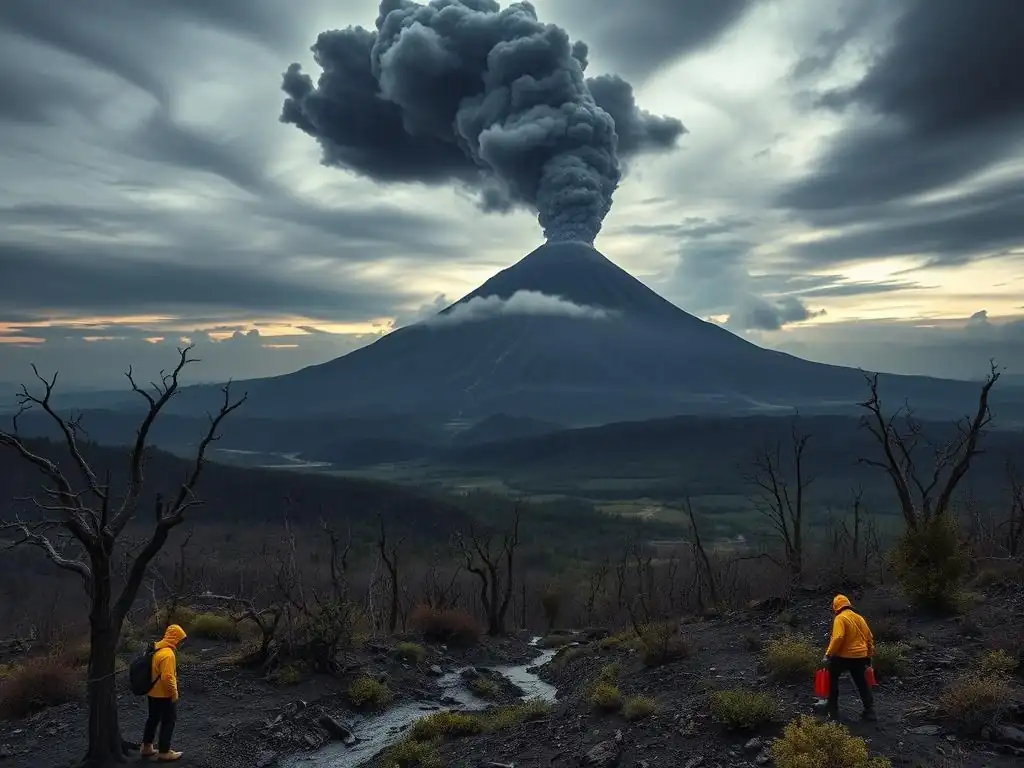
Volcanic Gas Monitoring Techniques
Remote Sensing of Volcanic Plumes
Monitoring volcanic gas emissions is crucial for assessing the potential for acid rain and providing early warnings. Remote sensing techniques, particularly satellite-based instruments, are invaluable for monitoring volcanic plumes and quantifying sulfur dioxide (SO2) and other gas emissions on a large scale and in remote areas. Satellite instruments like the Ozone Monitoring Instrument (OMI) and the Tropospheric Monitoring Instrument (TROPOMI) can detect and measure SO2 concentrations in volcanic plumes by analyzing the absorption of ultraviolet and visible light by SO2. These instruments provide daily global coverage, allowing for the detection of volcanic gas plumes and tracking their dispersal.
Remote sensing data can be used to estimate the total amount of SO2 released by volcanic eruptions and to create maps of gas plume distribution. This information is essential for forecasting acid rain deposition patterns and assessing the regional and global impact of volcanic eruptions on atmospheric chemistry. Furthermore, airborne instruments, such as spectrometers mounted on aircraft, can provide more detailed and localized measurements of volcanic gas plumes, complementing satellite observations. Remote sensing technologies are essential tools for monitoring the impact of volcanic eruptions and providing data for acid rain prediction models.
Ground-Based Gas Measurements
While remote sensing provides a broad overview, ground-based measurements are essential for detailed monitoring of volcanic gas emissions at specific volcanoes. Ground-based techniques include the use of spectroscopic instruments, such as Fourier Transform Infrared (FTIR) spectrometers and Differential Optical Absorption Spectroscopy (DOAS) instruments, to measure the concentrations of various volcanic gases directly from volcanic vents or plumes. These instruments can measure a wide range of gases, including SO2, CO2, HCl, HF, and H2S, providing detailed information on the composition of volcanic gas emissions.
Ground-based gas monitoring stations are often established on or near active volcanoes to provide continuous, real-time data on gas emissions. These data are crucial for detecting changes in volcanic activity, assessing degassing rates, and providing early warnings of potential eruptions and associated acid rain events. Furthermore, direct sampling of volcanic gases, using collection flasks or filters, allows for laboratory analysis of gas composition and isotopic ratios, providing even more detailed information on the sources and processes of volcanic gas release. Ground-based measurements are critical for understanding the specific degassing behavior of individual volcanoes and improving acid rain forecasting capabilities.
Predicting Acid Rain Events: Early Warning Systems
Predicting volcanic acid rain events relies on a combination of volcanic gas monitoring data, meteorological forecasting, and atmospheric dispersion models. Early warning systems for volcanic acid rain aim to provide timely alerts to communities at risk, allowing them to take protective measures. The process typically begins with monitoring volcanic gas emissions, using both remote sensing and ground-based techniques, to detect increases in SO2 and other acid rain precursor gases. Meteorological forecasts provide information on wind patterns, precipitation, and atmospheric stability, which are crucial for determining the transport and deposition of volcanic gases and acid rain.
Atmospheric dispersion models are used to simulate the transport, diffusion, and chemical transformation of volcanic gases in the atmosphere. These models integrate volcanic gas emission data and meteorological forecasts to predict the spatial distribution and intensity of acid rain deposition. Early warning systems can issue alerts based on model predictions, indicating areas likely to be affected by acid rain and providing information on the expected acidity levels and duration of the event. Effective early warning systems require continuous monitoring, accurate forecasting, and efficient communication channels to reach at-risk populations and relevant authorities.
Mitigation Strategies: Liming, Emission Control Technologies
Mitigation strategies for volcanic acid rain are limited, as volcanic eruptions are natural phenomena that cannot be directly controlled. However, some measures can be taken to reduce the impact of volcanic acid rain on specific ecosystems and infrastructure. Liming, the addition of calcium carbonate or calcium hydroxide to acidified soils and lakes, is a common technique used to neutralize acidity and restore pH levels. Liming can be effective in mitigating the effects of acid rain on freshwater ecosystems and agricultural lands, but it is a costly and labor-intensive process, particularly for large areas.
Emission control technologies, used in industrial settings to reduce SO2 emissions, are not applicable to volcanic eruptions. However, research is ongoing into potential geoengineering approaches to reduce the atmospheric impact of volcanic eruptions, such as stratospheric aerosol injection to reflect sunlight and cool the planet. However, these approaches are highly controversial and have potential unintended consequences.
For volcanic acid rain, the primary mitigation strategies focus on preparedness, early warning systems, and local measures like liming in specific high-value areas. Ultimately, adapting to the impact of volcanic eruptions on acid rain is a key aspect of risk management in volcanically active regions.
Living Near Volcanoes: Understanding the Acid Rain Risk
Health Impacts of Volcanic Acid Rain
Respiratory Issues and Irritation
Living near active volcanoes carries a range of health risks, and exposure to volcanic acid rain and volcanic smog (vog) is a significant concern. Volcanic acid rain and vog contain acidic aerosols and gases, such as sulfuric acid and sulfur dioxide, which can irritate the respiratory system. Inhaling these pollutants can trigger or exacerbate respiratory conditions like asthma, bronchitis, and chronic obstructive pulmonary disease (COPD). Symptoms can include coughing, wheezing, shortness of breath, and chest tightness. Children, the elderly, and individuals with pre-existing respiratory illnesses are particularly vulnerable to the health effects of volcanic acid rain and vog.
Studies conducted in areas frequently affected by volcanic vog, such as Hawaii, have shown a correlation between vog exposure and increased hospital admissions for respiratory illnesses. Long-term exposure to volcanic acid rain and vog can also contribute to the development of chronic respiratory problems and cardiovascular disease. Therefore, understanding the health impacts of volcanic acid rain and vog is crucial for residents living near active volcanoes to take appropriate precautions and protect their respiratory health.
Protecting Yourself from Acid Rain Exposure
Protecting yourself from the health impacts of volcanic acid rain and vog involves minimizing exposure and taking precautionary measures. During periods of volcanic activity and acid rain events, staying indoors is the most effective way to reduce exposure. Keeping windows and doors closed and using air conditioning with recirculating filters can help reduce indoor air pollution. If outdoor exposure is necessary, wearing a properly fitted N95 respirator mask can filter out acidic aerosols and gases, reducing inhalation exposure.
Avoiding strenuous outdoor activities during vog and acid rain events can also minimize respiratory irritation. Individuals with pre-existing respiratory conditions should consult their doctors about developing an action plan for volcanic smog and acid rain events, which may include having extra medication on hand. Staying informed about volcanic activity and air quality forecasts through official sources, such as volcano observatories and public health agencies, is essential for taking timely protective measures. Public education and awareness campaigns are crucial for promoting community resilience and preparedness in volcanically active regions.
Protecting Infrastructure and Agriculture
Protecting infrastructure and agriculture from the corrosive effects of volcanic acid rain requires proactive measures and adaptation strategies. For buildings and monuments, applying protective coatings to stone surfaces can help reduce acid rain damage. Regular cleaning and maintenance can also remove acidic deposits and prevent long-term deterioration. For metal structures, using corrosion-resistant materials, such as stainless steel or galvanized steel, and applying protective paints and coatings can extend their lifespan in acid rain-prone environments.
In agricultural areas, liming soils can neutralize acidity and improve soil fertility. Choosing acid-tolerant crop varieties and adjusting fertilization practices can also help mitigate the impact of acid rain on agricultural productivity. Protecting sensitive equipment and machinery by storing them indoors or under cover during acid rain events can reduce corrosion damage. Community-level preparedness plans should include strategies for protecting critical infrastructure and agricultural resources from volcanic acid rain, ensuring resilience and minimizing economic losses.
Resources for Volcano Explorers: Staying Informed
For volcano explorers and those living near volcanoes, staying informed about volcanic activity and acid rain risks is paramount. Volcano observatories, such as the USGS Volcano Hazards Program in the United States and similar organizations worldwide, provide real-time monitoring data, eruption alerts, and scientific information on volcanic activity. Websites and social media channels of these observatories are valuable resources for up-to-date information. Public health agencies also provide guidance on health risks associated with volcanic smog and acid rain, including protective measures and health advisories.
Local emergency management agencies and civil defense organizations disseminate warnings and evacuation information during volcanic crises. Educational resources, such as websites like VolcanoExplorers.org, books, and documentaries, can enhance understanding of volcanic processes and hazards, including acid rain. Engaging with local communities and participating in volcano awareness programs can further improve preparedness and resilience in volcanically active regions. Accessing and utilizing these resources is crucial for volcano explorers and residents to navigate the risks associated with living near these powerful natural forces.
The Future of Volcanic Acid Rain Research
Ongoing Research and Future Directions
Research on volcanic acid rain is an ongoing and evolving field, with many areas of active investigation. Current research focuses on improving our understanding of the chemical processes involved in volcanic acid rain formation, refining atmospheric dispersion models, and assessing the long-term environmental and health impacts of volcanic acid rain.
Scientists are using advanced analytical techniques to study the composition of volcanic gases and acid rain, including isotopic analysis to trace the sources and pathways of volcanic emissions. Studies are also underway to investigate the effects of volcanic acid rain on different ecosystems, from forests and lakes to agricultural lands and coastal environments.
Epidemiological studies are examining the long-term health consequences of exposure to volcanic smog and acid rain in populations living near active volcanoes. Developing more accurate and reliable early warning systems for volcanic acid rain is a key priority, requiring improved monitoring technologies, more sophisticated atmospheric models, and better communication strategies. Interdisciplinary research, involving volcanologists, atmospheric scientists, ecologists, and public health experts, is essential for advancing our knowledge and mitigating the risks associated with volcanic acid rain.
Improved Modeling of Acid Rain Dispersion and Deposition
A critical area for future research is the improvement of models that predict the dispersion and deposition of volcanic acid rain. Current atmospheric dispersion models often have limitations in accurately simulating the complex chemical reactions and physical processes involved in volcanic plume dynamics and acid rain formation. Improving model resolution, incorporating more detailed atmospheric chemistry, and better representing the interaction of volcanic plumes with clouds and precipitation are key areas for model development. Validating and refining models using observational data from volcanic eruptions is crucial for enhancing their predictive capability.
Furthermore, developing models that can account for the variability in volcanic gas emissions, meteorological conditions, and terrain is essential for producing more accurate and site-specific acid rain forecasts. Integrating climate change projections into acid rain models is also important, as changes in temperature, precipitation patterns, and atmospheric circulation may affect the frequency and intensity of volcanic acid rain events in the future. Advancements in modeling volcanic acid rain dispersion and deposition will significantly improve early warning systems and inform risk management strategies in volcanically active regions, enhancing our ability to predict and prepare for the impact of volcanic eruptions.
Frequently Asked Questions
What is the main cause of acid rain after a volcanic eruption?
The main cause is the release of sulfur dioxide (SO2) during the eruption. This gas reacts with water vapor in the atmosphere to form sulfuric acid, a primary component of acid rain.
How does volcanic acid rain specifically impact vegetation and ecosystems?
Volcanic acid rain can damage plant life by burning leaves and altering soil chemistry. This can lead to forest decline and disruptions in the delicate balance of ecosystems.
Besides acid rain, what other impacts can volcanic eruptions have on the atmosphere?
Eruptions can release large amounts of ash and particulate matter into the atmosphere. These particles can affect global temperatures by reflecting sunlight back into space, leading to temporary cooling.
What are some of the long-term impacts of volcanic acid rain on human infrastructure and health?
Acid rain can corrode buildings and monuments made of limestone and marble. It can also contaminate water sources, posing risks to human health, particularly in areas with limited access to clean water.
Does VolcanoExplorers.org offer resources for understanding the impact of volcanic eruptions beyond just acid rain?
Yes, the site explores various aspects of volcanic activity, including different types of volcanoes, famous eruptions, and the work of volcanologists. It also includes safety guides and real-time updates.
Final Reflection: The Enduring Shadow of Volcanic Ash
The preceding exploration of volcanic eruptions and their insidious acid rain reveals a truth that remains tragically relevant today: nature's raw power, while awe-inspiring, can leave a devastating legacy. Even long after the lava cools and the ash settles, the invisible threat of acid rain continues to reshape landscapes and impact ecosystems, a stark reminder of the interconnectedness of our planet.
The impact of volcanic eruptions extends far beyond immediate destruction; it subtly and persistently alters the very fabric of our world. This understanding underscores the critical importance of proactive environmental monitoring and mitigation strategies. We are part of nature, not separate from it. We must learn to live in harmony with its forces, not in defiance of them.
This quote, though simple, encapsulates the profound responsibility we bear in understanding and addressing the long-term consequences of natural disasters.
As you reflect on the silent scourge of acid rain unleashed by volcanic eruptions, consider the lessons learned. How can we, as individuals and as a global community, better prepare for and respond to these events? Let this knowledge empower you to advocate for sustainable practices, support scientific research, and champion policies that prioritize environmental protection. The future of our planet depends on our collective commitment to understanding and mitigating the enduring shadow of volcanic ash.
Thank you for exploring the often-overlooked link between volcanic eruptions and acid rain. Now that you understand the science and the potential impact, let's turn knowledge into action. Your understanding can make a real difference in protecting our environment.
Here's how you can contribute to a safer future:
- Become a Citizen Scientist: Report Signs of Acid Rain Near Volcanic Regions.: Accurate data is crucial! If you live near a volcanic area, document any unusual plant damage or water acidity. Share your findings with local environmental agencies.
- Learn More: Research mitigation strategies used in other volcanic regions. What innovative solutions are they employing to combat the effects of acid rain?
- Share this article with friends and family who are passionate about environmental science or disaster preparedness. Help spread awareness!
What innovative solutions could effectively mitigate acid rain's impact on vulnerable ecosystems near volcanoes? Share your thoughts in the comments below!