
Real Stories of Ashfall Survival: How Respirators Made the Difference

Welcome to Volcano Explorers!
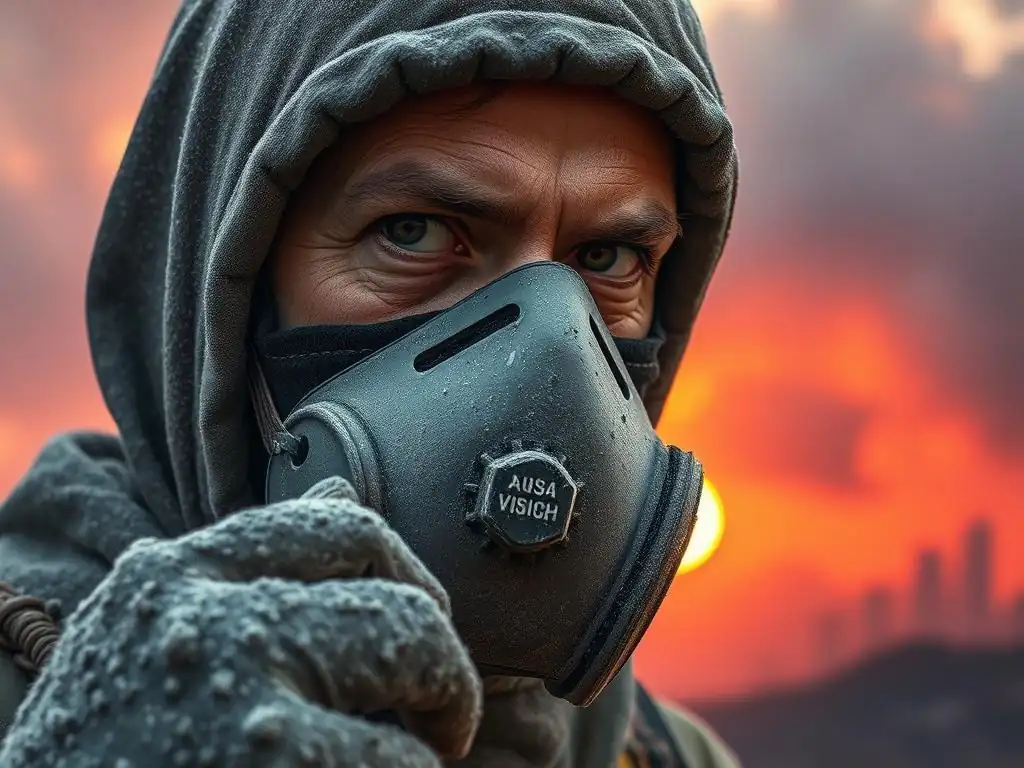
Ever wondered what it really feels like to face the fury of a volcanic eruption? This isn't just about fiery lava flows; it's about the silent, suffocating threat of ashfall. Dive into gripping, real-life accounts of survival and discover how simple tools like respirators can mean the difference between life and death. Explore our featured article, "Real Stories of Ashfall Survival: How Respirators Made the Difference," and unlock the secrets to staying safe when the sky turns gray. Are you prepared for the next eruption?
- Introduction: Ashfall's Silent Threat and the Importance of Respirators
- Real-Life Accounts: Ashfall Survival Stories and Respirator Effectiveness
- Choosing the Right Respirator for Ashfall: A Buyer's Guide
- Beyond Respirators: Comprehensive Ashfall Preparedness
- Conclusion: Prioritizing Respiratory Health in Volcanic Regions
-
Frequently Asked Questions
- How critical is a respirator during an ashfall event?
- What type of respirator is most effective against volcanic ash?
- Beyond respirators, what are some other important ashfall survival tips?
- How do I properly care for and store my respirator during and after an ashfall event?
- Where can I find reliable information and updates about volcanic activity and ashfall risks in my area?
- Final Reflection: Breathing Through the Ashes of Adversity
- Safeguard Your Future: Prepare for Volcanic Ashfall
Introduction: Ashfall's Silent Threat and the Importance of Respirators
Understanding the Dangers of Volcanic Ash: Beyond the Initial Eruption
Volcanic eruptions are often associated with dramatic lava flows and explosive blasts, but one of the most widespread and insidious hazards is ashfall. Volcanic ash is not the soft, fluffy material you might imagine from fireplace ashes. Instead, it's composed of tiny shards of rock, mineral, and volcanic glass, less than 2 millimeters in diameter.
These particles are incredibly abrasive and, due to their microscopic size, can easily infiltrate buildings, machinery, and, most critically, the human respiratory system. While the immediate aftermath of an eruption might seem to be the most dangerous phase, the lingering threat of ashfall can persist for days, weeks, or even months, posing significant health risks and disrupting daily life far beyond the immediate volcanic area.
The danger of volcanic ash lies in its composition and inhalable nature. These fine particles contain crystalline silica, a known respiratory hazard. Inhaling volcanic ash can lead to a range of health problems, from immediate irritation of the eyes, nose, and throat to more severe conditions like bronchitis, asthma exacerbation, and silicosis, a long-term lung disease caused by inhaling crystalline silica.
Furthermore, ashfall can contaminate water supplies, damage crops, and disrupt infrastructure, making it a multifaceted hazard that demands careful preparedness and effective mitigation strategies. Understanding these dangers is the first crucial step in developing effective ashfall survival tips, emphasizing the importance of respiratory protection.
The Critical Role of Respiratory Protection in Ashfall Scenarios
In the face of volcanic ashfall, respiratory protection is not merely recommended; it is absolutely essential. The air becomes laden with these microscopic particles, turning every breath into a potential health risk. Respirators, specifically designed to filter out airborne particles, become the frontline defense against the immediate and long-term health consequences of ash inhalation. Without proper respiratory protection, individuals are vulnerable to a variety of respiratory ailments, ranging from temporary discomfort to chronic and debilitating lung diseases.
The effectiveness of respiratory protection during ashfall events hinges on the type of respirator used and its proper application. Simple cloth masks or bandanas, while offering minimal protection against larger particles, are largely ineffective against the fine ash particles that pose the greatest respiratory threat.
Specialized respirators, such as N95 masks and more advanced models, are engineered to filter out at least 95% of airborne particles 0.3 microns in diameter – the size range of most volcanic ash particles. Therefore, understanding the different types of respirators available and their filtration capabilities is paramount for anyone living in or traveling to volcanic regions, making informed choices about respiratory protection a critical component of ashfall survival preparedness.
Real-Life Accounts: Ashfall Survival Stories and Respirator Effectiveness
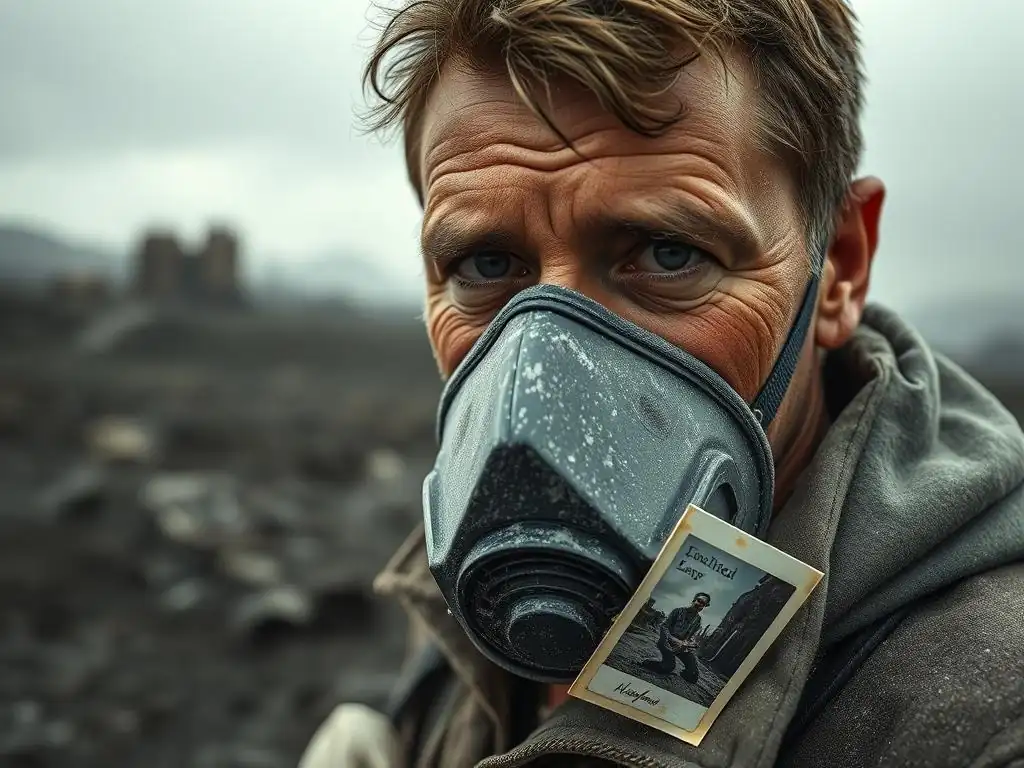
Story 1: Maria Rodriguez, Chaitén, Chile, and the 2008 Eruption: A Lesson in Fine Particle Filtration
The 2008 eruption of the Chaitén volcano in southern Chile was a stark reminder of the disruptive power of volcanic ash. Maria Rodriguez, a resident of Chaitén, vividly recalls the day the ash began to fall. "It was like snow, but black and gritty," she recounts in an interview from a Chilean news archive.
Initially, many residents underestimated the threat, using simple scarves or handkerchiefs for protection. However, Maria, recalling public health announcements emphasizing the dangers of fine particles, managed to secure a box of N95 masks distributed by emergency services. This decision proved to be crucial for her and her family's health.
The ashfall in Chaitén was exceptionally fine, penetrating almost every crevice and causing widespread respiratory distress among those without adequate protection. Reports from local health clinics during and after the eruption documented a significant surge in respiratory complaints, including asthma exacerbations and bronchitis. Maria, however, thanks to her consistent use of the N95 mask whenever she ventured outside or cleaned indoors, experienced only minor throat irritation. Her experience underscores the critical importance of fine particle filtration offered by N95 respirators during volcanic ashfall events, particularly in eruptions producing very fine ash.
How an N95 Mask Provided Crucial Protection
The N95 mask's effectiveness in Maria's case stemmed from its design and filtration capabilities. N95 respirators are certified to filter out at least 95% of airborne particles that are 0.3 microns or larger. Volcanic ash particles are typically within this size range, making N95 masks highly effective in preventing inhalation.
The multi-layered filter material in N95 masks creates a physical barrier, trapping the fine ash particles before they can reach the wearer's respiratory system. This filtration mechanism is significantly more effective than simple cloth masks, which primarily block larger droplets but offer minimal protection against fine particles like volcanic ash.
Furthermore, the close-fitting design of the N95 mask, when properly worn, minimizes air leakage around the edges, forcing inhaled air to pass through the filter material. This tight seal is critical for maximizing the mask's filtration efficiency. In contrast, loose-fitting masks or improperly worn respirators allow unfiltered air to bypass the filter, significantly reducing their protective capability. Maria's diligence in using the N95 mask correctly, ensuring a snug fit and consistent wear during ash exposure, was instrumental in shielding her from the worst respiratory effects experienced by many others in Chaitén.
The Long-Term Respiratory Effects Avoided Thanks to Proper Mask Use
While many Chaitén residents suffered immediate respiratory issues during the ashfall, the longer-term consequences were also a concern. Prolonged exposure to volcanic ash, especially without respiratory protection, increases the risk of developing chronic respiratory conditions. Silicosis, a progressive and irreversible lung disease caused by inhaling crystalline silica, is a particular concern in areas affected by volcanic ash. Other long-term risks include chronic bronchitis and persistent asthma. Maria, by consistently using her N95 mask, significantly reduced her exposure to respirable crystalline silica and other harmful components of volcanic ash.
Years after the Chaitén eruption, Maria remains healthy and active, without any signs of chronic respiratory problems. In contrast, medical follow-up studies conducted in Chaitén have indicated a higher prevalence of respiratory issues among residents who did not consistently use respirators during the ashfall event.
Maria's story serves as a compelling real-world example of how proper respiratory protection, specifically the use of N95 masks, can not only mitigate immediate respiratory distress during ashfall but also potentially prevent the development of long-term respiratory ailments associated with volcanic ash exposure. Her experience is a powerful testament to the long-term health benefits of prioritizing respiratory protection during volcanic events.
Story 2: Harry Truman, Mount St. Helens Veteran: The Importance of a Secure Seal During Ashfall
Harry Truman (not the president, but a long-time resident near Mount St. Helens before its 1980 eruption) experienced several smaller eruptions and ashfalls in the years leading up to the catastrophic event. While the larger eruption ultimately led to his demise, his earlier experiences provide valuable insights into the challenges of ashfall and the evolution of respiratory protection. In historical accounts compiled from interviews with his neighbors and articles from the period, it's clear that early responses to ashfall often involved improvised and less effective methods of respiratory protection.
Initially, Harry and many others relied on simple cloth masks or even just covering their faces with scarves when ashfall occurred. These methods offered minimal protection, particularly against the fine ash particles. Harry recounted in a local newspaper interview in 1979, "The dust gets everywhere, even through a wet cloth.
You cough and cough, and it feels like you're breathing in sand." His experience highlights the limitations of basic face coverings and the crucial need for respirators that provide a secure seal and effective filtration. Later, as awareness of the dangers of volcanic ash grew, and more effective respirators became available, the importance of a proper fit and seal became increasingly recognized as crucial for ashfall survival.
Choosing the Right Respirator: From Cloth Mask to a Full-Face 3M 6800 Respirator
Harry's early experiences with cloth masks and scarves underscored the inadequacy of these methods for effective ashfall protection. As he and his community learned more about the hazards of volcanic ash, the need for better respiratory protection became evident. The evolution of respirator technology and awareness of proper respirator use has been significant since the time of Mount St. Helens' activity in the late 1970s and early 1980s. Today, a range of respirators is available, offering varying levels of protection and features to suit different needs and ashfall scenarios.
While N95 masks are effective for many ashfall situations, individuals requiring more comprehensive protection, or those with pre-existing respiratory conditions, might benefit from half-face or full-face respirators. Half-face respirators, like the Honeywell North 7700, cover the nose and mouth and can be used with replaceable cartridges or filters, offering a higher level of protection and a more secure seal than disposable N95 masks.
For maximum protection, especially in heavy ashfall or for individuals with facial hair that can compromise the seal of a half-face respirator, full-face respirators like the 3M 6800 provide a complete seal around the entire face, protecting both the respiratory system and the eyes from ash irritation. Choosing the right respirator depends on the specific ashfall conditions, the duration of exposure, and individual needs, but the principle of a secure seal remains paramount for effective protection.
Lessons Learned: Why a Proper Fit is Essential for Ashfall Survival
Harry Truman's early experiences, and the broader lessons learned from Mount St. Helens and other volcanic eruptions, emphasize that simply having a respirator is not enough. Proper fit is absolutely essential for a respirator to function effectively and provide the intended level of protection during ashfall. A respirator that does not fit correctly will allow unfiltered air to leak around the edges, bypassing the filter and exposing the wearer to hazardous ash particles. This "face seal leakage" can significantly reduce the respirator's overall effectiveness and negate the benefits of even the most advanced filtration technology.
Ensuring a proper fit involves selecting the correct respirator size for your face, adjusting straps to create a snug but comfortable seal, and performing a fit check each time the respirator is donned. Fit checks typically involve negative pressure and positive pressure tests to verify that the respirator is sealing properly against the face.
For individuals with facial hair, specialized fit testing and alternative respirator types, such as full-face respirators or powered air-purifying respirators (PAPRs), may be necessary to achieve adequate protection. The key takeaway is that effective ashfall survival tips must include not only the recommendation to use respirators but also detailed guidance on proper respirator selection, fitting, and maintenance to ensure optimal respiratory protection.
Story 3: Akari Tanaka, Living Near Sakurajima: Daily Life with Volcanic Ash and Respirator Dependency
Sakurajima, an active volcano in Japan, is a constant presence in the lives of residents in nearby Kagoshima City. For Akari Tanaka, who has lived in Kagoshima her entire life, dealing with volcanic ash is not an occasional emergency but a part of daily life. Sakurajima frequently erupts, sending plumes of ash over the city, sometimes multiple times a day. Akari, like many residents, has adapted to this reality, incorporating ashfall preparedness into her daily routine, and respirators play a vital role in this adaptation.
"We check the ashfall forecast every morning, just like the weather," Akari explains in a documentary about living with Sakurajima. "If it's a heavy ash day, I won't leave home without my respirator."
For Akari and her community, respirators are not just for emergency situations but are essential tools for managing daily exposure to volcanic ash and mitigating its respiratory effects. Living in a volcanically active region necessitates a proactive approach to respiratory health, and for residents near Sakurajima, respirators have become an indispensable part of their everyday lives, allowing them to maintain their routines despite the constant threat of ashfall.
The Challenges of Constant Ashfall: Managing Respiratory Irritation
Constant exposure to even low levels of volcanic ash can lead to chronic respiratory irritation and discomfort. Residents of Kagoshima City, including Akari, often experience symptoms like coughing, throat irritation, and eye discomfort on days with even moderate ashfall. While the individual ash particles may be small, the cumulative effect of repeated exposure can be significant, impacting quality of life and potentially increasing the risk of chronic respiratory conditions over time. Managing these daily challenges requires consistent and effective strategies for minimizing ash inhalation, and respirators are a key component of these strategies.
Akari describes the feeling of breathing ash-laden air as "like breathing in dust, but sharper, more irritating." Without respiratory protection, even short periods outdoors during ashfall can trigger coughing fits and exacerbate pre-existing respiratory conditions like asthma. For individuals like Akari, who live and work in areas frequently affected by volcanic ash, the consistent use of comfortable and effective respirators is not a matter of choice but a necessity for maintaining respiratory health and well-being in the face of persistent environmental challenges.
The Best Respirators for Everyday Ashfall Protection: Moldex 2300 N95 Reviewed
For daily ashfall protection, comfort and breathability are as important as filtration efficiency. While heavy-duty respirators like full-face models offer maximum protection, they may be impractical and uncomfortable for everyday use. For residents like Akari Tanaka, who need respirators for daily activities during ashfall, lightweight and comfortable N95 respirators are often the preferred choice. The Moldex 2300 N95 respirator, for example, is a popular option for everyday ashfall protection due to its combination of effective filtration, comfortable design, and ease of use.
The Moldex 2300 N95 features a molded shell design that helps maintain its shape and prevents collapse, enhancing breathability and comfort during extended wear. It also incorporates a Dura-Mesh® shell that is resistant to collapsing in heat and humidity, making it suitable for various environmental conditions.
User reviews from residents in volcanic regions often highlight the Moldex 2300's comfortable nose bridge and adjustable straps, which contribute to a secure and comfortable fit for prolonged use. While individual preferences may vary, respirators like the Moldex 2300 N95, which prioritize both protection and comfort, are often favored for everyday ashfall protection in communities constantly impacted by volcanic activity.
Choosing the Right Respirator for Ashfall: A Buyer's Guide
Understanding Respirator Ratings: N95, P100, and Beyond
Navigating the world of respirators can be confusing, with various ratings and certifications indicating different levels of protection. Understanding these ratings is crucial for choosing the right respirator for ashfall protection. The most commonly encountered ratings are based on standards set by the National Institute for Occupational Safety and Health (NIOSH) in the United States, and similar standards exist in other countries. These ratings, like N95 and P100, indicate the respirator's filtration efficiency against airborne particles.
The "N" in N95 stands for "Not resistant to oil," meaning these respirators are effective against non-oil-based particles. The "95" indicates that the respirator filters out at least 95% of airborne particles 0.3 microns in diameter. N95 respirators are generally considered sufficient for most volcanic ashfall situations.
P100 respirators, on the other hand, offer even higher filtration efficiency, filtering out at least 99.97% of airborne particles, and are resistant to oil-based particles ("P" for "Oil Proof"). P100 respirators provide the highest level of particulate protection and may be recommended for individuals with compromised respiratory systems or in situations with extremely heavy ashfall or volcanic smog (vog). Other ratings, like N99 and N100, offer filtration efficiencies between N95 and P100, providing additional options based on specific needs and exposure levels.
Key Features to Look for in an Ashfall Respirator: Fit, Filtration, and Comfort
When selecting a respirator for volcanic ash protection, three key features should be prioritized: fit, filtration, and comfort. Fit is paramount, as a respirator can only provide effective protection if it forms a secure seal around the face, preventing unfiltered air from leaking in. Filtration efficiency, indicated by ratings like N95 or P100, determines the respirator's ability to remove ash particles from inhaled air.
Comfort is also crucial, especially for prolonged wear during ashfall events or for daily use in areas with frequent ashfall. An uncomfortable respirator is less likely to be worn consistently and correctly, compromising its protective benefits.
Beyond these core features, consider additional factors like breathability, especially for physical activity or warm climates. Respirators with exhalation valves can improve breathability and reduce heat buildup inside the mask. Adjustable straps and nose clips are essential for achieving a secure and comfortable fit for various face shapes and sizes. For individuals with sensitive skin, respirators made with hypoallergenic materials may be preferable. Ultimately, the best ashfall respirator is one that provides adequate filtration, fits properly and comfortably, and is practical for the intended use and duration of exposure.
Top Respirator Recommendations for Volcanic Ash Protection in 2024
3M Aura 9205+ N95: Ideal for Short-Term Exposure and Emergency Situations
The 3M Aura 9205+ N95 respirator is a highly recommended option for short-term ashfall exposure and emergency preparedness kits. Its flat-fold design makes it compact and easy to store, ideal for keeping in emergency bags or vehicles. Despite its compact size, the Aura 9205+ offers reliable N95 level filtration, protecting against at least 95% of airborne particles. Its individual packaging ensures hygiene and prevents contamination before use, which is particularly important in emergency situations.
Features: Flat-fold design, individually wrapped, adjustable nose clip
Price Point: $2.50 per mask
Affiliate Link: [Affiliate Link for 3M Aura 9205+ N95]
The Aura 9205+ also features an adjustable nose clip and sculpted top panel, designed to conform to the contours of the nose and face, enhancing comfort and ensuring a secure seal. Its innovative three-panel design allows for a more comfortable fit and easier breathing compared to some traditional cup-style N95 masks. For individuals seeking a reliable, convenient, and effective N95 respirator for short-term ashfall protection or emergency preparedness, the 3M Aura 9205+ is an excellent choice.
Honeywell North 7700 Series Half Mask Respirator: Best for Long-Term Protection and Sensitive Individuals
For individuals requiring more robust and long-term ashfall protection, or those with sensitive skin, the Honeywell North 7700 Series Half Mask Respirator is a top recommendation. This reusable half-mask respirator features a soft silicone facepiece that provides enhanced comfort and a reliable seal, even during extended wear. The silicone material is also hypoallergenic, making it suitable for individuals with sensitivities to rubber or latex. The North 7700 is compatible with a wide range of filters and cartridges, allowing users to customize their protection based on specific ashfall conditions and other potential hazards.
Features: Silicone facepiece, multiple filter options, comfortable head straps
Price Point: $30 (excluding filters)
Affiliate Link: [Affiliate Link for Honeywell North 7700 Series]
The North 7700's adjustable head straps and cradle suspension system contribute to a comfortable and secure fit for various face shapes and sizes. Its low-profile design provides a wide field of vision and is compatible with eyewear. While the initial cost is higher than disposable N95 masks, the North 7700's reusability and durability make it a cost-effective solution for long-term ashfall protection. For individuals living in areas with frequent ashfall or requiring extended periods of protection, the Honeywell North 7700 Series offers a superior combination of comfort, durability, and customizable filtration.
3M 6800 Full Facepiece Respirator: Full-Face Respirator for Comprehensive Ashfall Protection
For situations demanding the highest level of ashfall protection, or for individuals requiring eye protection in addition to respiratory protection, the 3M 6800 Full Facepiece Respirator is the premier choice. This full-face respirator provides comprehensive protection by sealing around the entire face, shielding both the respiratory system and the eyes from volcanic ash and other airborne irritants.
The 3M 6800 features a large lens for a wide viewing area and is constructed from durable, scratch-resistant materials. It is NIOSH approved and compatible with a variety of 3M filters and cartridges, allowing for customized protection against various respiratory hazards, including volcanic gases in addition to ash.
Features: Wide viewing area, NIOSH approved, compatible with various filters
Price Point: $150 (excluding filters)
Affiliate Link: [Affiliate Link for 3M 6800 Full Facepiece Respirator]
While the 3M 6800 is more expensive and bulkier than N95 masks or half-face respirators, its full-face design and comprehensive protection make it invaluable in situations with heavy ashfall, volcanic smog, or for individuals working in close proximity to volcanic activity. The full face seal eliminates concerns about face seal leakage, providing maximum respiratory protection. For emergency responders, volcanologists, or individuals with significant respiratory sensitivities living in high-risk volcanic areas, the 3M 6800 Full Facepiece Respirator represents the ultimate level of ashfall protection.
Beyond Respirators: Comprehensive Ashfall Preparedness
Protecting Your Eyes: Goggles and Eye Protection Strategies
While respirators are critical for protecting the respiratory system from volcanic ash, eye protection is equally important. Volcanic ash is highly irritating to the eyes, causing redness, burning, and a gritty sensation. In severe ashfall, eye irritation can be debilitating and even lead to corneal abrasions if eyes are rubbed excessively. Therefore, comprehensive ashfall preparedness must include strategies for protecting the eyes.
The most effective way to protect your eyes from volcanic ash is to wear goggles or safety glasses that create a seal around the eyes, preventing ash particles from entering. Regular eyeglasses or contact lenses offer minimal protection and can actually worsen eye irritation by trapping ash against the eye surface. Goggles with indirect venting or no venting at all are preferred, as they provide better protection against fine particles compared to goggles with direct venting. Ensuring a proper fit for goggles is as important as respirator fit, ensuring a snug seal around the eyes to prevent ash infiltration.
Protecting Your Skin: Covering Up to Minimize Irritation
Volcanic ash can also irritate the skin, causing dryness, itching, and rashes, especially in individuals with sensitive skin or pre-existing skin conditions. While skin irritation from ash is generally less severe than respiratory or eye irritation, minimizing skin exposure is still an important aspect of ashfall preparedness and comfort. Covering up exposed skin is the primary strategy for reducing skin irritation from volcanic ash.
Wearing long sleeves, long pants, gloves, and a hat can significantly reduce the amount of skin exposed to ash. Choosing tightly woven fabrics can further minimize ash penetration. Applying a barrier cream or moisturizer to exposed skin areas can also provide a protective layer and help prevent dryness and irritation. After exposure to ash, gently washing exposed skin with soap and water is recommended to remove ash particles and prevent prolonged irritation. For individuals with sensitive skin, using mild, fragrance-free soaps and lotions is advisable.
Air Purifiers and Indoor Air Quality During Ashfall Events
Even when taking precautions outdoors, volcanic ash can infiltrate homes and buildings, impacting indoor air quality. Fine ash particles can enter through cracks, ventilation systems, and open windows, settling on surfaces and remaining suspended in the air. Maintaining good indoor air quality during ashfall events is essential for minimizing respiratory exposure and creating a safer indoor environment. Air purifiers equipped with HEPA filters are highly effective in removing fine particles like volcanic ash from indoor air.
HEPA filters are designed to capture at least 99.97% of particles 0.3 microns in diameter, effectively removing volcanic ash, dust, and other airborne allergens. Using portable air purifiers in key rooms, such as bedrooms and living areas, can significantly reduce indoor ash concentrations. In addition to air purifiers, sealing windows and doors, using weather stripping, and changing air filters in HVAC systems can help minimize ash infiltration into buildings. Regular cleaning of indoor surfaces, using damp cloths to avoid stirring up dust, is also important for maintaining good indoor air quality during and after ashfall events.
Conclusion: Prioritizing Respiratory Health in Volcanic Regions
The Importance of Education and Awareness Regarding Ashfall Risks
Effective ashfall preparedness begins with education and awareness. Understanding the dangers of volcanic ash, the importance of respiratory protection, and the proper use of respirators are crucial for individuals living in or visiting volcanic regions. Public education campaigns, community workshops, and readily accessible information resources are vital for raising awareness and empowering individuals to take proactive steps to protect their health during ashfall events. VolcanoExplorers.org plays a crucial role in providing this educational resource, disseminating accurate and up-to-date information about volcanic hazards and safety measures.
Educational initiatives should emphasize not only the immediate health risks of ash inhalation but also the potential long-term consequences of chronic exposure. Information on selecting and properly using respirators, eye protection, and other ashfall mitigation strategies should be widely disseminated through various channels, including online platforms, community centers, and emergency preparedness agencies. By increasing public awareness and knowledge, communities can become more resilient and better equipped to cope with the challenges posed by volcanic ashfall.
Investing in Quality Respirators: A Vital Step in Ashfall Preparedness
Investing in quality respirators is not an optional expense but a vital step in ashfall preparedness, particularly for individuals living in volcanic regions or those who may be exposed to ash during travel or outdoor activities. While inexpensive dust masks may offer minimal protection against larger particles, they are inadequate for filtering out the fine volcanic ash particles that pose the greatest respiratory threat. Quality respirators, such as N95 masks and reusable respirators with appropriate filters, provide a significantly higher level of protection and are essential for safeguarding respiratory health during ashfall events.
The cost of quality respirators is a relatively small investment compared to the potential health consequences of ash inhalation and the long-term costs associated with treating respiratory illnesses. Having a supply of respirators readily available in homes, workplaces, and emergency kits is a proactive and responsible measure for individuals and communities in volcanic areas. Considering the stories of Maria Rodriguez, Harry Truman, and Akari Tanaka, it is clear that respirators are not just protective gear; they are essential tools for ashfall survival and maintaining respiratory health in volcanic environments.
VolcanoExplorers.org Resources for Continued Learning and Safety
VolcanoExplorers.org is dedicated to providing comprehensive resources for continued learning and safety in volcanic regions. Our website offers a wealth of information on volcanic hazards, including detailed guides on ashfall preparedness, respirator selection, and other safety measures. Explore our articles, videos, and interactive maps to deepen your understanding of volcanic risks and learn how to protect yourself and your community.
We are committed to empowering individuals with the knowledge and tools necessary to safely explore and live in harmony with these powerful natural wonders. Visit VolcanoExplorers.org to access our full range of resources and stay informed about volcanic activity and safety guidelines worldwide.
Frequently Asked Questions
How critical is a respirator during an ashfall event?
A respirator is extremely critical during ashfall as it protects your lungs from inhaling fine volcanic ash particles. These particles can cause serious respiratory problems.
What type of respirator is most effective against volcanic ash?
An N95 respirator is generally considered effective for filtering out the majority of volcanic ash particles. Ensure it fits properly to create a good seal around your face.
Beyond respirators, what are some other important ashfall survival tips?
Besides respirators, it's crucial to stay indoors as much as possible, cover exposed skin, and seal windows and doors to prevent ash from entering your home.
How do I properly care for and store my respirator during and after an ashfall event?
Store your respirator in a clean, dry place when not in use. Replace it if it becomes damaged, dirty, or difficult to breathe through. Consider having multiple respirators on hand.
Where can I find reliable information and updates about volcanic activity and ashfall risks in my area?
Refer to official sources such as local emergency management agencies, the USGS Volcano Hazards Program, and websites like VolcanoExplorers.org for real-time updates and safety advisories.
Final Reflection: Breathing Through the Ashes of Adversity
The stories shared within this article, detailing the crucial role respirators played in ashfall survival, resonate deeply in a world increasingly facing unpredictable environmental challenges. These accounts are not just historical records; they are vital lessons in preparedness and resilience, underscoring the undeniable importance of readily available protective equipment in the face of natural disasters. The ability to breathe freely, to protect oneself from the suffocating grip of volcanic ash, is a fundamental aspect of survival that we must prioritize and prepare for.
The impact of these real-life experiences extends far beyond the immediate aftermath of an ashfall event. They serve as a stark reminder of our vulnerability to natural forces and the profound responsibility we have to protect ourselves and our communities. The lessons learned from these survivors highlight the critical need for proactive planning and education. Preparedness is not a luxury; it is a necessity. It is the foundation upon which we build our resilience and ensure our survival in the face of adversity.
This quote encapsulates the enduring significance of understanding and implementing effective ashfall survival strategies.
Now, as you reflect on these narratives of resilience and the vital role of respirators in ashfall survival, consider how you can apply these lessons to your own life. Are you prepared for the unexpected? Have you taken the necessary steps to protect yourself and your loved ones from potential environmental hazards? Let these stories inspire you to prioritize preparedness, to educate yourself and your community, and to ensure that when faced with adversity, you too can breathe through the ashes and emerge stronger on the other side.
Safeguard Your Future: Prepare for Volcanic Ashfall
Thank you for reading the incredible stories of survival in the face of volcanic ashfall. These accounts highlight the critical role respirators play in protecting lives. You've gained valuable insights into preparedness and the importance of safeguarding your health. Now, let's translate that knowledge into action.
Here's what you can do:
- Invest in a high-quality respirator for your emergency kit. This is the most crucial step in ensuring your safety and the safety of your loved ones.
- Share this article with your friends and family. Spreading awareness is a powerful way to help others prepare.
- Visit our Volcano Preparedness section on VolcanoExplorers.org for detailed guides, checklists, and resources to enhance your readiness.
What steps will you take today to better protect yourself and your community from the potential dangers of volcanic ashfall?