
When Gases Go Rogue: Anomalies in Volcanic Emissions as Warning Signs

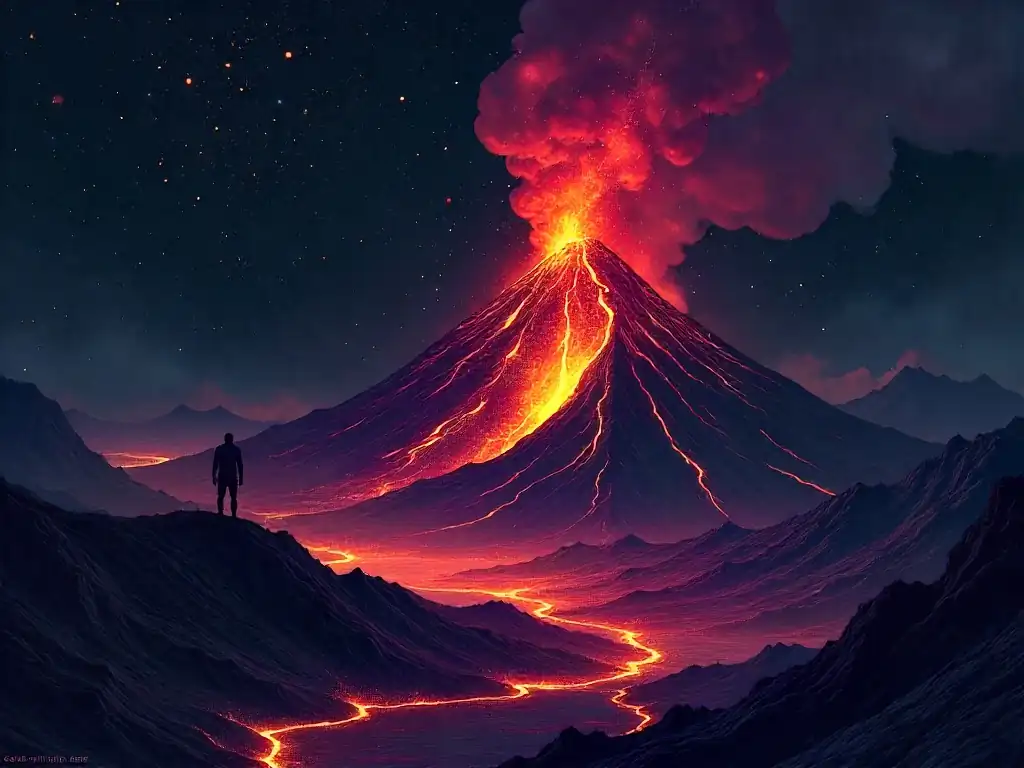
Welcome to Volcano Explorers, where the Earth's fiery secrets are revealed. Ever wondered what volcanoes are really saying before they erupt? Dive into our latest exploration of Volcanic gas emission anomalies and uncover how subtle changes in these emissions can be vital clues, offering a tantalizing glimpse into the restless heart of a volcano. Are these anomalies whispers of impending danger, or simply the Earth clearing its throat? Let's unravel the mystery together...
- Introduction: Understanding Volcanic Gas Emission Anomalies
-
Frequently Asked Questions
- What are volcanic gas emission anomalies, and why are they important?
- What types of gases are typically monitored by volcanologists to detect anomalies?
- How can changes in volcanic gas emissions indicate an impending eruption?
- What factors, besides an impending eruption, can cause volcanic gas emission anomalies?
- How do scientists measure and monitor volcanic gas emissions?
- Final Reflection: Listening to the Whispers of the Earth
- Unleash Your Inner Volcanologist!
Introduction: Understanding Volcanic Gas Emission Anomalies
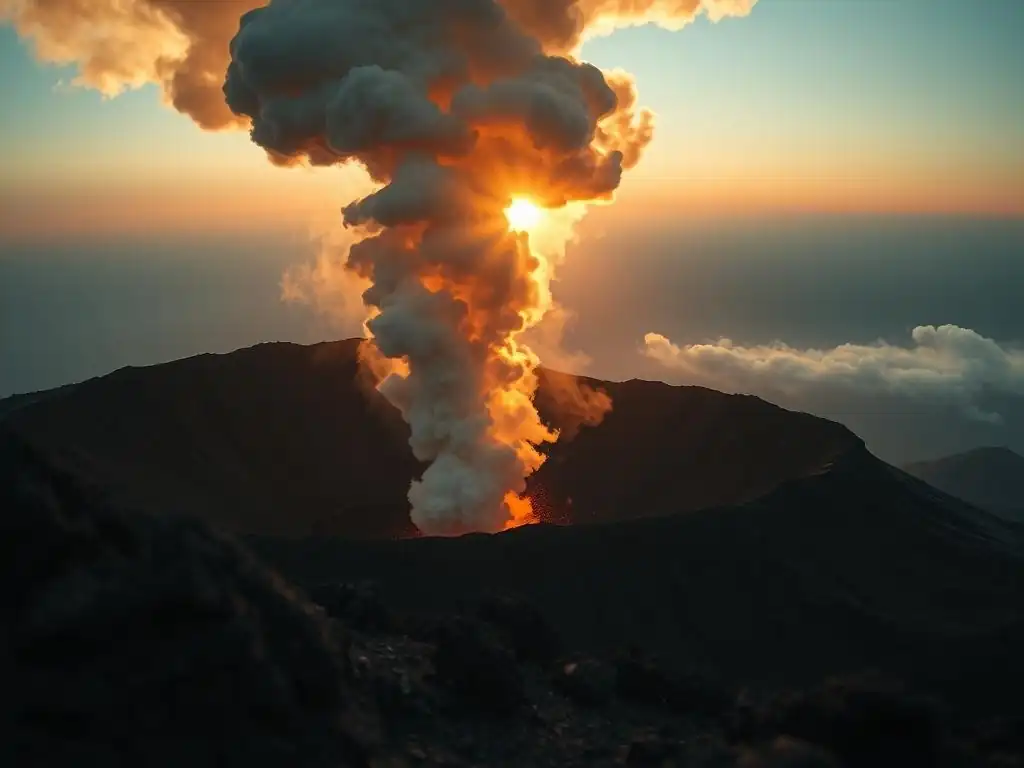
Why Monitor Volcanic Gases? A Vital Sign of Volcanic Activity
Volcanic gases are more than just a byproduct of eruptions; they are a fundamental window into the inner workings of a volcano. Monitoring volcanic gas emissions provides invaluable insights into the state of a volcano, acting as a crucial vital sign of its activity. These gases, released from magma beneath the surface, carry information about the magma's depth, temperature, and composition.
Changes in the quantity and type of gases emitted can signal shifts in magmatic processes, often preceding volcanic unrest and potential eruptions. Therefore, consistent and meticulous monitoring of volcanic gases is not merely an academic exercise but a critical component of volcano hazard assessment and eruption forecasting.
The importance of volcanic gas monitoring lies in its ability to provide early warnings of potential volcanic activity. Long before ground deformation or seismic activity becomes pronounced, changes in gas emissions can indicate alterations in the magma system. For instance, an increase in the emission rate of sulfur dioxide (SO2) can suggest that magma is rising closer to the surface.
By tracking these subtle yet significant changes in volcanic gas emissions, scientists can gain a better understanding of a volcano's behavior, improve eruption forecasting capabilities, and ultimately contribute to public safety in volcanically active regions. This proactive approach to volcano monitoring, focusing on the analysis of volcanic gas emission anomalies, is essential for mitigating the risks associated with these powerful natural phenomena.
Defining "Rogue Gases": What Constitutes an Anomaly in Volcanic Emissions?
In the context of volcanology, "rogue gases" refer to volcanic gas emissions that deviate significantly from the established baseline or normal degassing patterns of a volcano. Defining what constitutes an anomaly is crucial because it sets the threshold for identifying potentially concerning changes in volcanic activity.
An anomaly isn't simply any fluctuation in gas release; it's a change that is statistically significant and geologically meaningful, suggesting a shift in the underlying magmatic or hydrothermal system. These deviations can manifest in various forms, including alterations in the rate of gas emission (flux), changes in the relative proportions of different gases (composition), or even the appearance of gases not typically detected in the volcano's plume.
Identifying a volcanic gas emission anomaly requires a comprehensive understanding of a volcano's typical degassing behavior. This baseline is established through long-term monitoring, allowing scientists to discern normal variations caused by factors like atmospheric conditions from truly anomalous signals related to volcanic processes. For example, a sudden and substantial increase in sulfur dioxide flux, especially when accompanied by changes in other gas species like carbon dioxide or hydrogen sulfide, could be considered a significant anomaly.
Similarly, a shift in the ratio of CO2 to SO2, or the detection of trace gases that were previously absent, could also indicate an anomaly. Recognizing and correctly interpreting these "rogue gases" is paramount for timely and effective volcanic hazard assessment and eruption prediction efforts.
Frequently Asked Questions
What are volcanic gas emission anomalies, and why are they important?
Volcanic gas emission anomalies are unusual changes in the amount or composition of gases released by a volcano. They're important because they can be early warning signs of potential volcanic eruptions.
What types of gases are typically monitored by volcanologists to detect anomalies?
Volcanologists primarily monitor gases like sulfur dioxide (SO2), carbon dioxide (CO2), and water vapor (H2O). Changes in their concentrations or ratios can indicate shifts in magma behavior.
How can changes in volcanic gas emissions indicate an impending eruption?
An increase in gas emission, especially SO2, often signifies rising magma and increased pressure within the volcano's plumbing system. A decrease, especially in CO2, might indicate a sealed vent and a build-up of pressure.
What factors, besides an impending eruption, can cause volcanic gas emission anomalies?
External factors like heavy rainfall, changes in atmospheric pressure, and even nearby seismic activity can temporarily influence gas emission rates, creating short-term anomalies.
How do scientists measure and monitor volcanic gas emissions?
Scientists use a variety of tools, including ground-based spectrometers, satellite-based instruments, and Unmanned Aerial Vehicles (UAVs) to measure gas concentrations and track changes over time.
Final Reflection: Listening to the Whispers of the Earth
The exploration of volcanic gas emission anomalies reveals a critical, often overlooked, aspect of our planet's dynamic nature. Understanding these subtle shifts in gas composition and flux is not merely an academic exercise; it's a vital tool for mitigating the devastating impacts of volcanic eruptions and safeguarding communities living in their shadow. The ability to decipher these "whispers of the earth" is becoming increasingly crucial in a world facing the escalating effects of climate change and increased geological instability.
The study of volcanic gases has profoundly influenced our understanding of Earth's internal processes and continues to shape our approach to hazard assessment. This research underscores the interconnectedness of our planet's systems and the importance of interdisciplinary collaboration in addressing complex challenges. The Earth speaks to those who know how to listen.
This quote, often attributed to various indigenous cultures, perfectly encapsulates the essence of monitoring volcanic gas emissions: it's about paying attention to the subtle cues that nature provides, allowing us to anticipate and prepare for potential disasters.
As we conclude this exploration of volcanic gas emission anomalies, I invite you to reflect on the power of observation and the importance of proactive engagement with our environment. Let us all strive to become better listeners to the earth, recognizing the subtle signs that can guide us toward a safer and more sustainable future. By supporting research, advocating for improved monitoring systems, and educating ourselves and others, we can contribute to a world where the "rogue gases" of volcanoes serve not as harbingers of destruction, but as valuable sources of knowledge and resilience.
Unleash Your Inner Volcanologist!
Thanks for diving into the fascinating world of volcanic gas anomalies with Volcano Explorers! You've now got a glimpse into how these subtle shifts can be crucial warning signs of impending eruptions. Ready to put your newfound knowledge to the test?
Here are a few ways you can get more involved:
- Become a Citizen Scientist: Report any unusual smells or atmospheric changes you observe near volcanic areas to your local geological survey. Your observations could be vital!
- Delve deeper: Explore our extensive database of past volcanic events and gas emission data to uncover patterns and trends.
- Share this article with fellow volcano enthusiasts to spread awareness and spark conversation about this critical field of study.
What innovative methods do you think could be used to more accurately predict eruptions based on gas emissions? Share your thoughts in the comments below!